The Quiet Power of International Orders
What 2 percent milk reveals about our system of rules and norms.

This column was originally published on Foreign Policy.
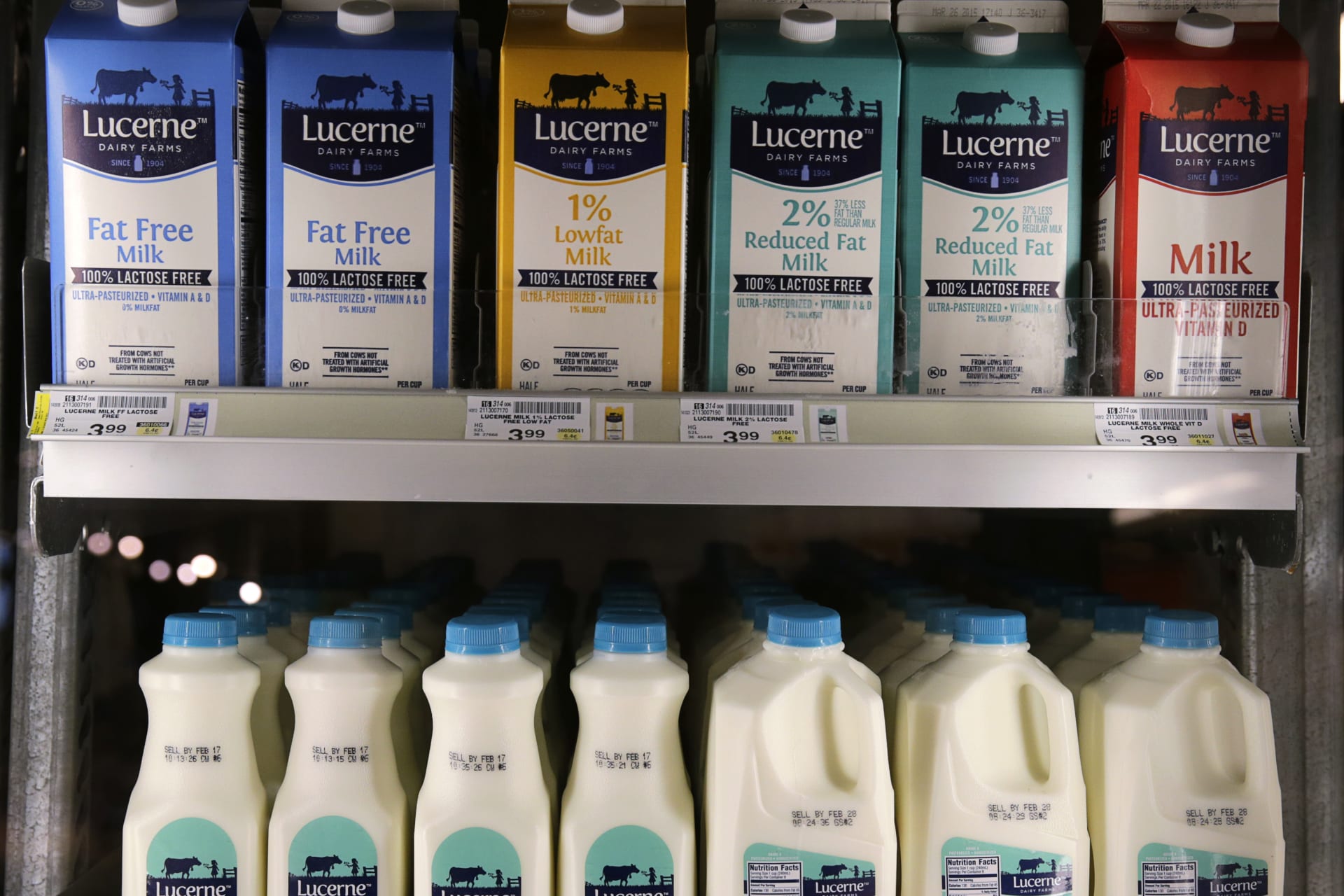
When I walk into my neighborhood grocery store and choose to buy a bottle of 2 percent milk, I don’t think about the international order. But I should. My blind trust that I have indeed bought 2 percent milk and not cream or whole milk, which would send my poor stomach into a spin, is a consequence of the order in place today—the liberal international order created by the United States and its allies after World War II.
This topic of international order has occupied academics, analysts, and policymakers for the past decade. The arguments made about its unprecedented benefits, such as nonproliferation, global prosperity, and preventing world wars, or the criticisms that it was a myth with liberal ideas selectively applied, are sweeping and grand. But they have little practical meaning for anyone besides elites. Without knowing how the liberal international order, or any international order, is felt in someone’s daily life, it is hard to make the case for either an order’s preservation or its demise.
International order is an encompassing idea of the world—the norms and rules that govern how political entities, countries, empires, and kingdoms do business with each other. But it is also very ordinary. In other words, many of the rules and norms are not splashy; they are quiet, even granular.
Let’s take my choice of grocery store milk. In making my choice, I benefit from a norm and rule of the liberal international order. The norm is about extending trust, and the rule is about standardization. I trust the label’s information of 2 percent fat to be accurate, and I can see with my own eyes the ingredients listed. I can trust this information because it is standardized. This standardization of products, in turn, comes about because the very concept of an international standard for a product exists at all. The company that is producing the milk knows what to include on the label because there is a global standard that it can reference. Such standards are created by institutions with admittedly wonky names such as the International Organization for Standardization that make up the core of the liberal international order. In the case of milk, ISO 1211 and ISO 8968 specify how fat and protein are measured. Many governments coordinate on international standards so that once a product is made in one place, it can be sold in many different markets with the same information. So, whether I buy milk in Boston, Beijing, or Berlin, the fat content of milk is measured in the same way, allowing me to control my diet and nutrition.
This is not just the case with food. A bottle of shampoo made in, let us say India, is required to have all its ingredients listed when marketed for export to Canada. When a Canadian buys that shampoo in their local shop, they know exactly what they are getting. The label may not have those ingredients listed if the Canadian flies to India and buys that same shampoo in a New Delhi shop. This disclosure of ingredients, required in the shampoo’s case by many domestic governments, exists because of the rule of standardization pushed by the United States as part and parcel of the liberal international order, solidifying a norm of trust. Such quiet rules and norms allow trade and commerce to flow without interruption. They create transparency by making it easy for countries to know what to do when they export goods and create trust between the consumer and the firms that make the products we buy.
This work represents the views solely of the author(s). The Council on Foreign Relations is an independent, nonpartisan membership organization, think tank, and publisher, and takes no institutional positions on matters of policy.