The U.S. Invasion of Veracruz, Mexico
President Woodrow Wilson ordered a U.S. military intervention in Mexico hoping to trigger regime change. Things did not go as planned.
By experts and staff
- Published
 James M. LindsayCFR ExpertMary and David Boies Distinguished Senior Fellow in U.S. Foreign Policy
When you find yourself in a hole, stop digging. That advice is easier given than followed. The temptation to double down on bad ideas can be overpowering, especially in foreign policy where the political and diplomatic costs of admitting error can be substantial. But sometimes presidents do recognize they have dug a hole for themselves and search for a way out of it. The U.S. invasion of Veracruz on April 21, 1914, offers a dramatic example. Within a span of four days, President Woodrow Wilson went from hawk to dove.
The Tampico Incident
The immediate trigger for the invasion of Veracruz came twelve days earlier when nine unarmed U.S. sailors went ashore at the Mexican port of Tampico to purchase gasoline. They unintentionally ventured into an area that was off-limits to foreigners and were arrested. It took a few hours to straighten things out, in good part because the U.S. sailors spoke no Spanish and their Mexican counterparts spoke no English. When more senior Mexican officials learned of the arrests, they ordered the sailors released. The commanding Mexican general apologized.
The incident might have ended there, a lamentable example of cross-cultural miscommunication, except for two things. First, Admiral Henry Mayo, the commander of the U.S. fleet at Tampico, was a proud man. He thought an oral apology was insufficient. He could forgive what he saw as an insult to U.S. dignity only if the Mexicans gave the U.S. flag a twenty-one-gun salute.
Second, Wilson had been seeking a way to push Mexico’s leader, General Victoriano Huerta, from power. Huerta had seized the Mexican presidency in February 1913 by ousting and killing his predecessor. Wilson pointedly refused to recognize the legitimacy of Huerta’s rule, saying that he led a “government of butchers.” Ever the moralist, Wilson told the British ambassador to the United States later that fall, “I am going to teach the South American republics to elect good men.”
Wilson saw the Tampico incident as an opportunity to put pressure on Huerta, who now looked to be on the losing side of the civil war gripping Mexico. Wilson backed Mayo’s demand for a full twenty-one-gun salute, telling the Huerta government on April 18 that it would face consequences if it refused. A last-ditch effort to broker a diplomatic resolution to the crisis failed. No salutes were fired.
A Call to Arms
With his ultimatum ignored, Wilson decided to make good on his threat. On April 20, he appeared before a hastily called joint session of Congress to ask for legislation authorizing a U.S. military response:
No doubt I could do what is necessary in the circumstances to enforce respect for our Government without recourse to the Congress, and yet not exceed my constitutional powers as President; but I do not wish to act in a matter possibly of so grave consequence except in close conference and cooperation with both the Senate and House. I, therefore, come to ask your approval that I should use the armed forces of the United States in such ways and to such an extent as may be necessary to obtain from General Huerta and his adherents the fullest recognition of the rights and dignity of the United States, even amidst the distressing conditions now unhappily obtaining in Mexico.
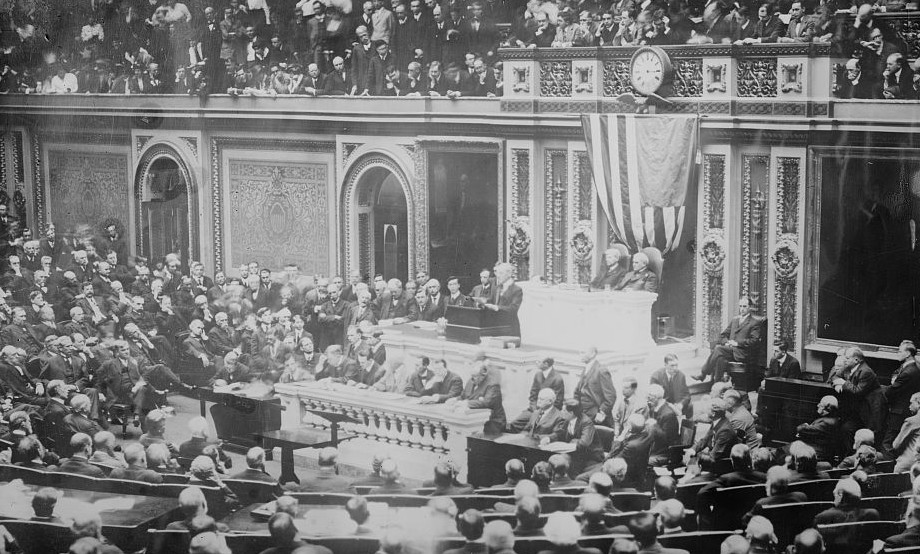
Within hours, the House voted overwhelmingly to approve Wilson’s request. The Senate took two days to act, but it too voted to use force against Mexico.
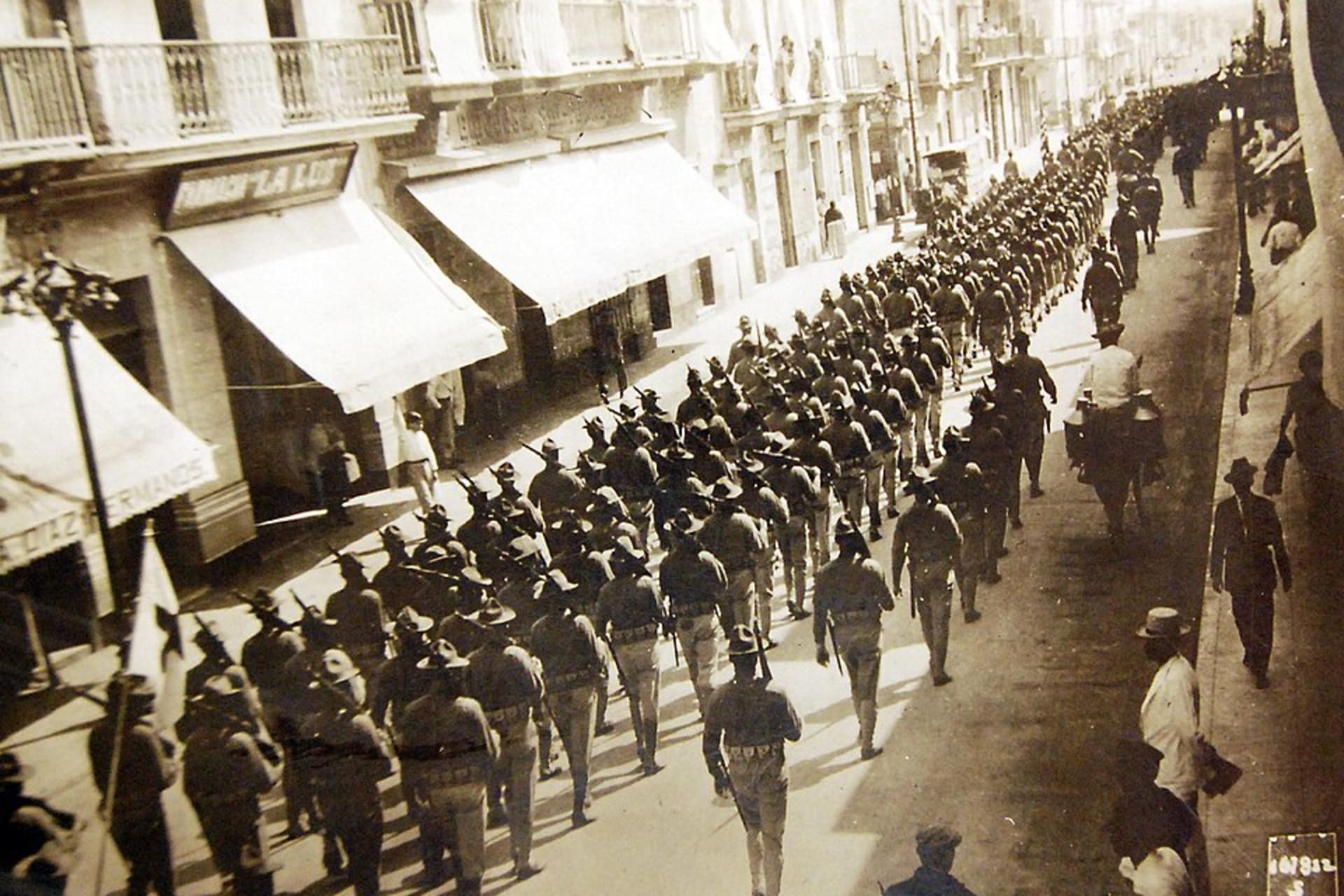
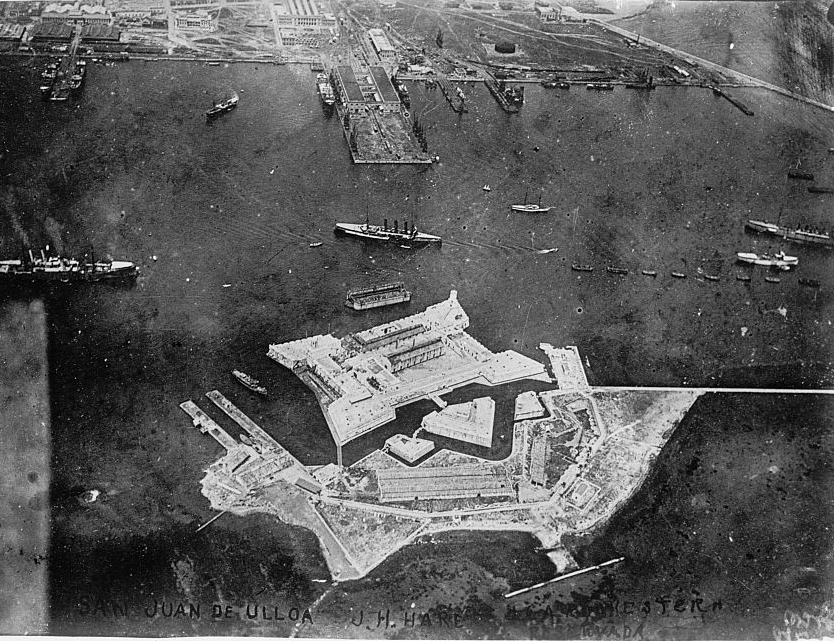
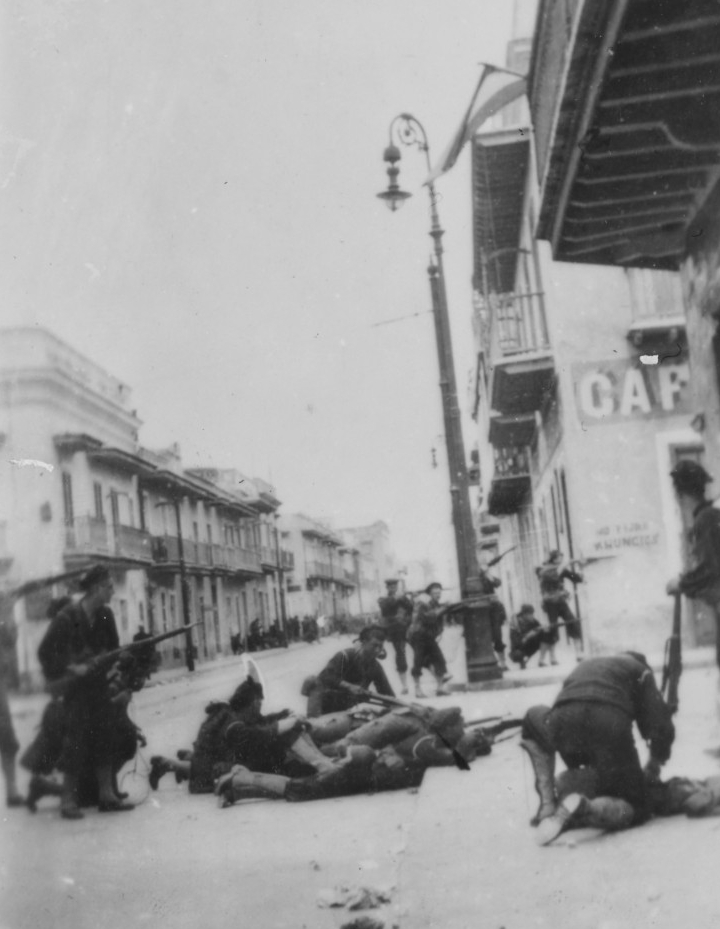
By that time, however, U.S. military operations had already begun. At around 11:00 a.m. on April 21, eight hundred marines and sailors landed in Veracruz, Mexico, a major port two hundred miles south of Tampico. Early in the crisis, Wilson and his advisers had discussed the possibility of a naval blockade and potential landing at Veracruz because it would deny Huerta access to its imported arms and perhaps doom his hold on power. Then news arrived that the German freighter Ypiranga was about to dock in Veracruz to deliver two hundred machine guns and fifteen million rounds of ammunition. Believing that the weapons would strengthen Huerta’s hand in Mexico’s civil war and possibly be used against any invading U.S. force, Wilson ordered that the city be taken.
Second Thoughts
Wilson thought that the U.S. invasion would be quick and painless because ordinary Mexicans would welcome the invading U.S. forces. Like presidents before him and after him, he miscalculated how the military intervention would unfold.
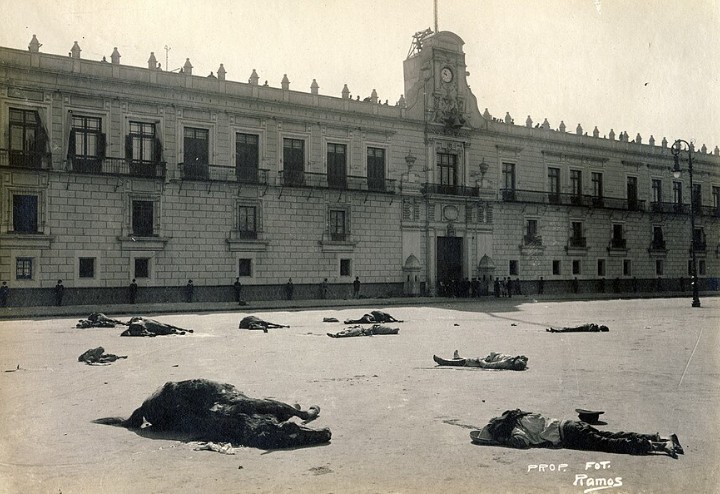
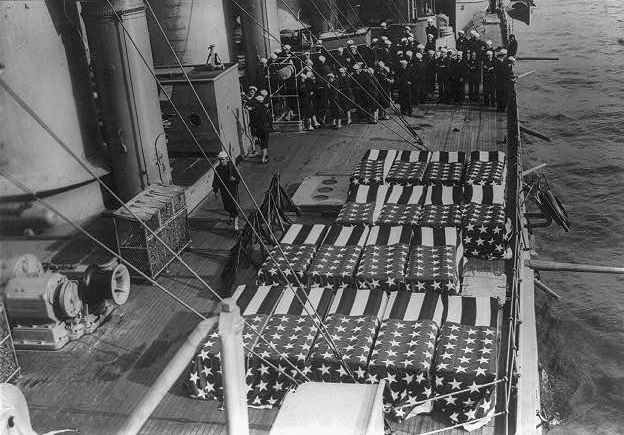
Although most of Huerta’s troops pulled back from Veracruz rather than engage U.S. troops, Mexican naval cadets and local citizens fought back.All told, nineteen Americans and more than a hundred and fifty Mexicans were killed in the fighting. Worse yet for Washington, Huerta’s adversaries in Mexico denounced the U.S. intervention. Instead of undermining Huerta, Wilson’s intervention seemed headed toward a second Mexican-American war.
The debate back in Washington over what to do next was sharp. Secretary of War Lindley Garrison argued for doubling down and sending more troops to Mexico. Secretary of State William Jennings Bryan argued the opposite, worrying that sending more troops would lead to war. He pushed instead for withdrawing U.S. military forces as quickly as possible.
Reversing Course
As much as Wilson wanted to push out Huerta, he wanted to avoid a war. He was deeply shaken by the loss of life at Veracruz. A reporter who attended a press conference Wilson held on April 23 described him as:
preternaturally pale, almost parchment . . . The death of American sailors and marines owing to an order of his seemed to affect him like an ailment. He was positively shaken.
Wilson later lamented to a biographer: “The thought haunts me that it was I who ordered those young men to their deaths.”
He also recognized that he had badly miscalculated the invasion’s political and diplomatic consequences. The attack had not weakened Huerta; if anything, it had strengthened him. Upping the ante on the crisis would likely make things worse. Latin American governments denounced the U.S. invasion. Moreover, the U.S. Navy had detained the Ypiranga while it was docked in Veracruz. The United States had no right under international law, though, to seize the ship. The weapons it carried had all been purchased legally in the United States. Wilson now had a budding diplomatic row with Germany on his hands.
Wilson, however, also did not want to admit publicly that he had blundered. Withdrawing unilaterally from Veracruz would signal that he had.
The Niagara Falls Peace Conference
While some of his military advisers pressing him to have U.S. troops march on Mexico City, Wilson found an escape from the dilemma he had created for himself. On April 25, the ambassadors from Argentina, Brazil, and Chile offered to mediate the dispute. He immediately accepted.
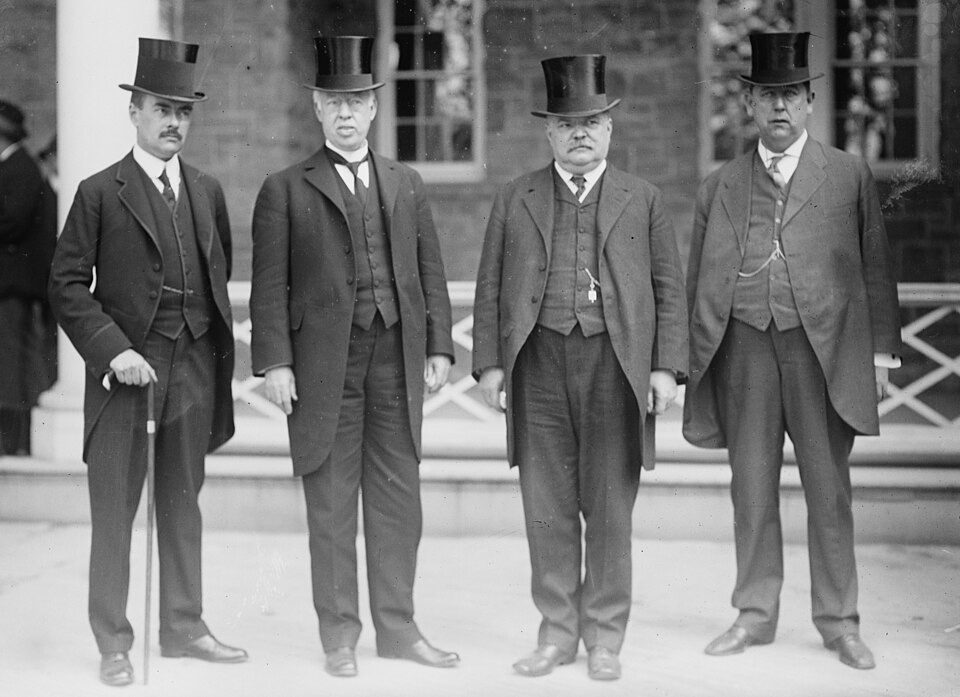
The negotiators met in May in Canada at the Niagara Falls Peace Conference. At Wilson’s insistence, the U.S. envoys refused to discuss ending the U.S. presence in Veracruz. They instead pressed for Huerta’s removal from office. They soon got their wish, but not because of their diplomatic prowess. Huerta’s position in Mexico had again begun to crumble. By July 1914, he was out of power and in exile. The civil war in Mexico intensified. Fearful that the remaining U.S. forces in Veracruz might be drawn into the fighting, Wilson ordered their removal on November 13. He separately agreed to apologize to Germany for the seizure of the Ypiranga.
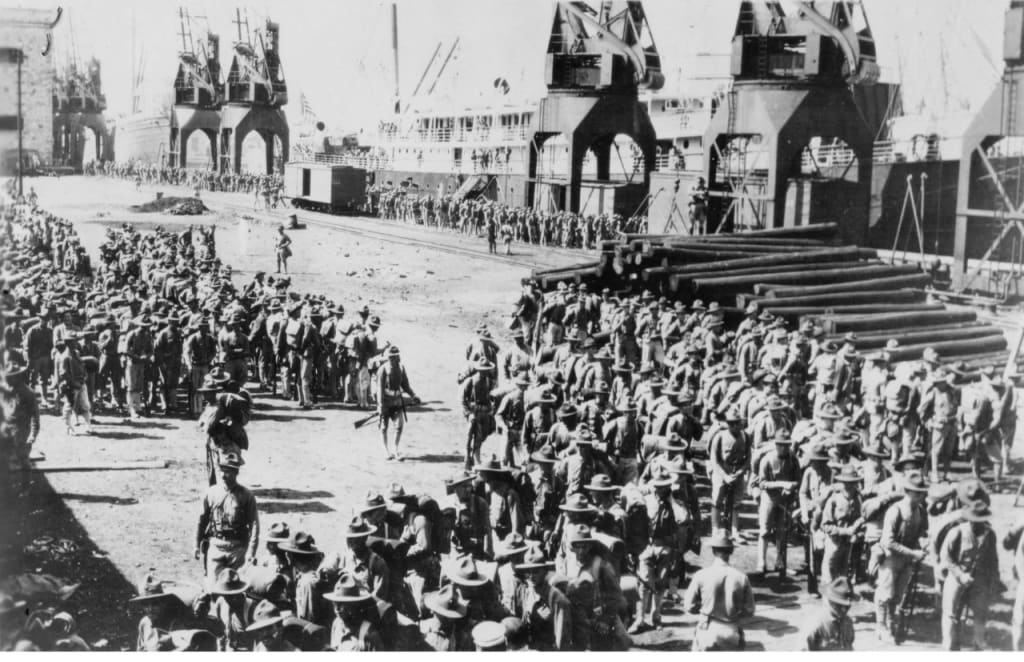
Wilson’s reversal on Veracruz did not end his problems with Mexico. Two years later, the forces of Mexican rebel leader Pancho Villa raided Columbus, New Mexico. Wilson responded by sending more than 12,000 troops across the Mexican border to hunt down Villa. Wilson had no more success in achieving his goals with that intervention than he did with the invasion of Veracruz as Villa eluded capture and U.S. and Mexican forces clashed. Wilson again withdrew U.S. forces from Mexico without much to show for the intervention. As is often the case in world politics, being the more powerful country does not guarantee foreign policy success.
Oscar Berry assisted in the preparation of this article.
The United States celebrates its 250th anniversary in 2026. To mark that milestone, I am resurfacing essays I have written over the years about major events in U.S. foreign policy. A version of this essay was published on April 21, 2014.