What the Abu Dhabi Talks Did—and Didn’t—Achieve
Trilateral talks on the war in Ukraine ended without a breakthrough. CFR experts weigh in on the results and where negotiations might go next.
By experts and staff
- Published
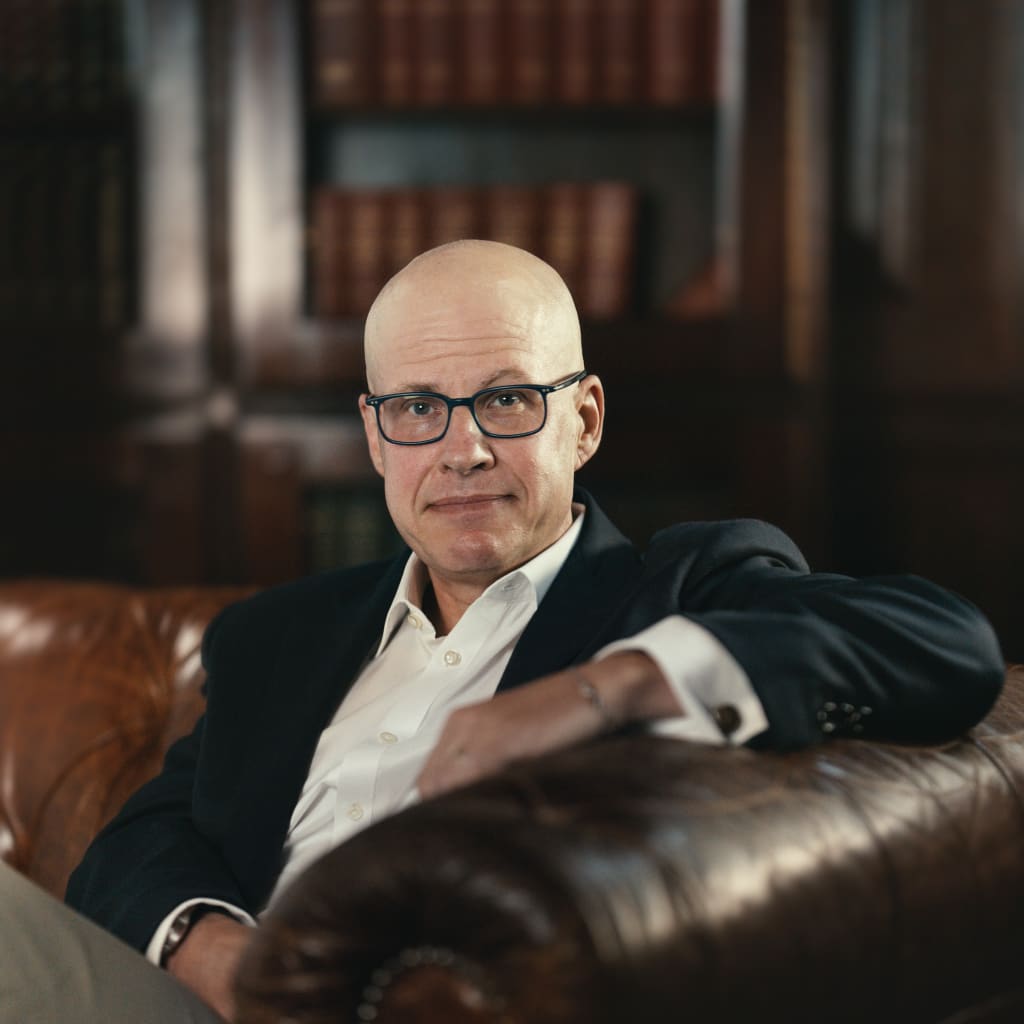 Max BootCFR ExpertJeane J. Kirkpatrick Senior Fellow for National Security Studies
 Liana FixCFR ExpertSenior Fellow for Europe
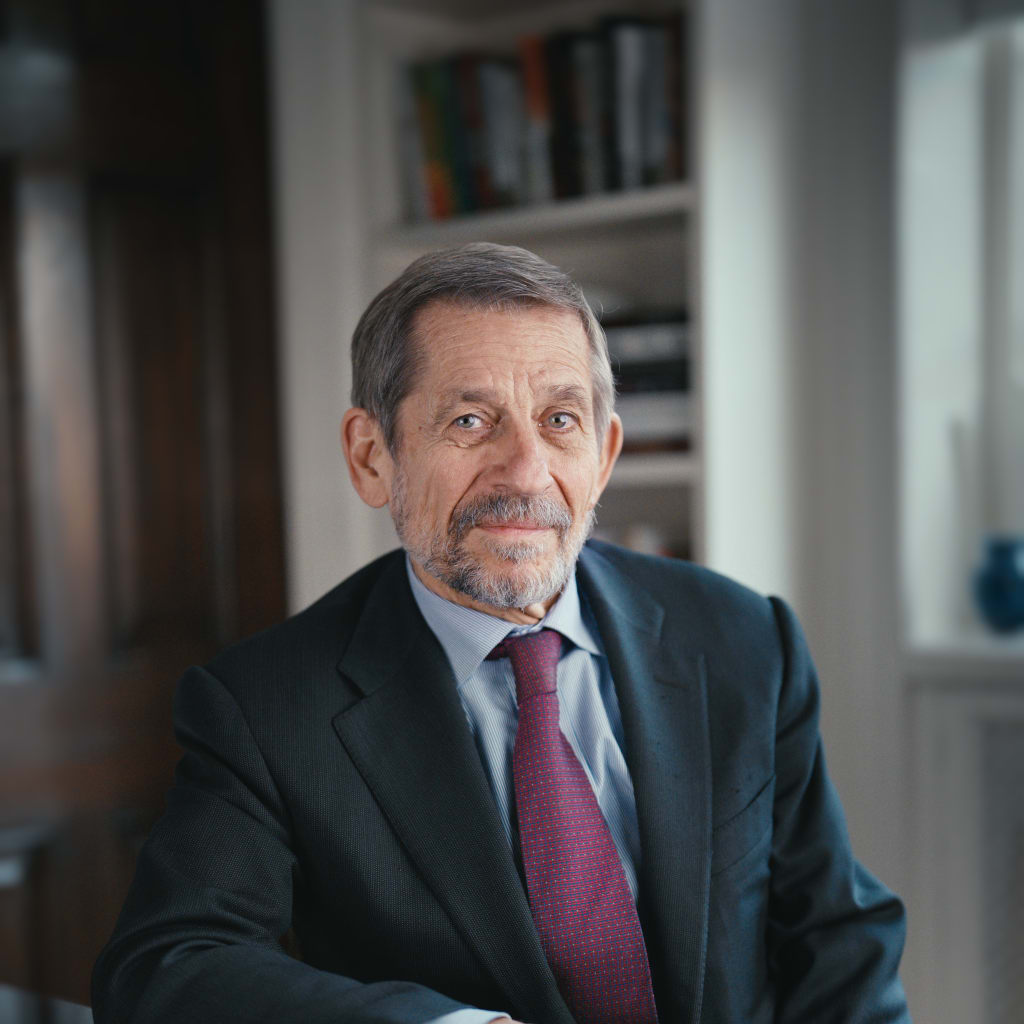 Thomas GrahamCFR ExpertHenry A. Kissinger Distinguished Fellow
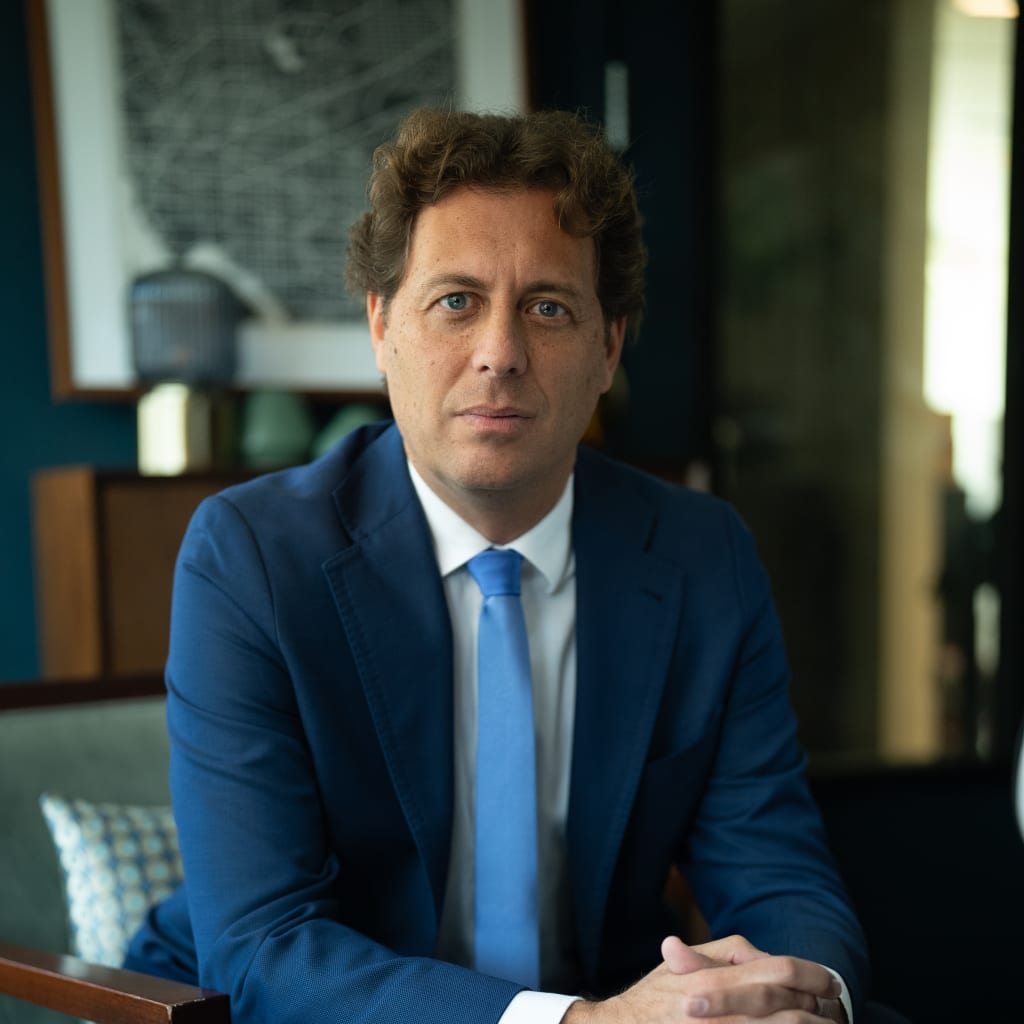 Matthias MatthijsCFR ExpertSenior Fellow for Europe
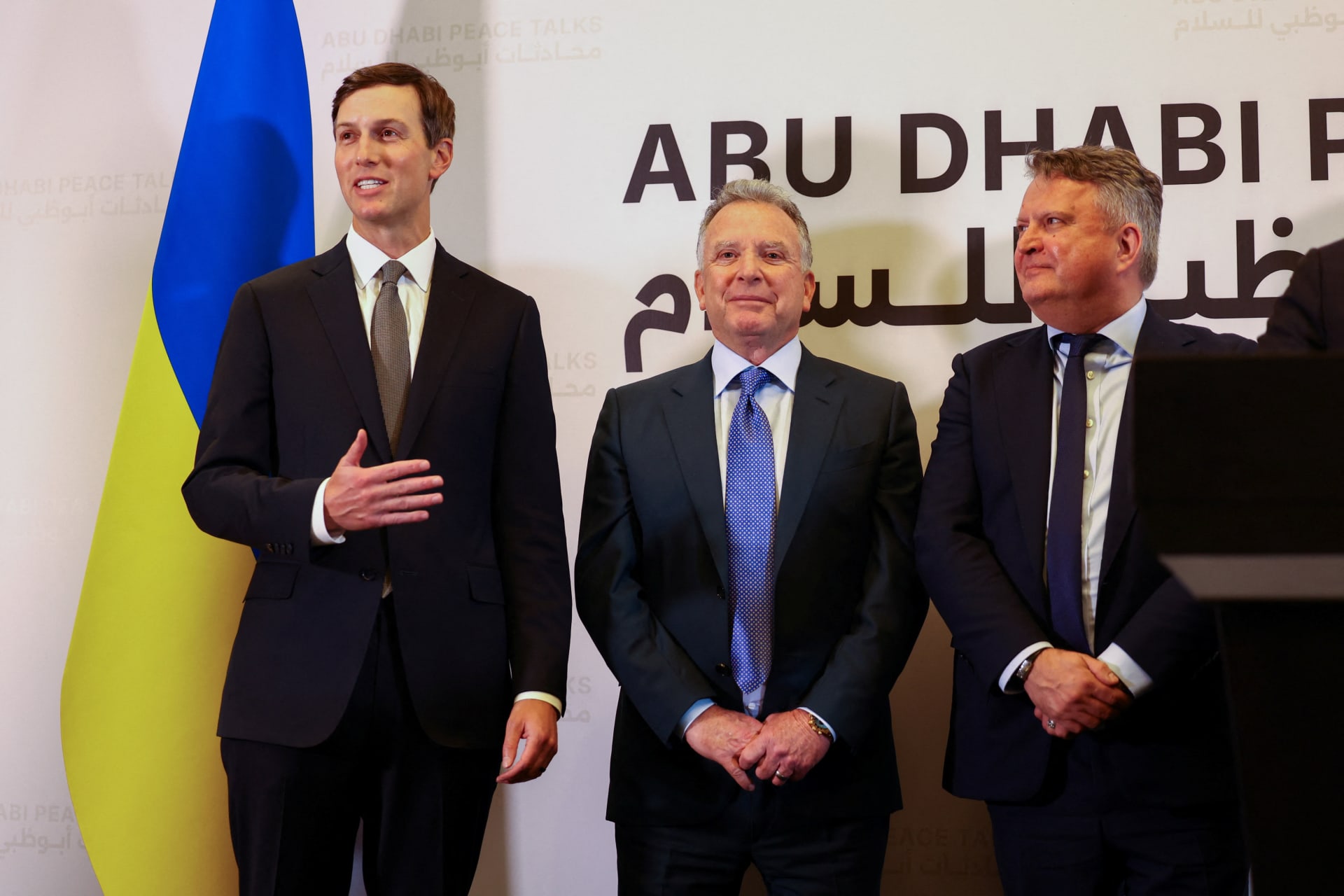
Trilateral talks on the war in Ukraine took place between U.S., Russian, and Ukrainian negotiators this week in Abu Dhabi. The talks—the first since February—ended with no major breakthroughs and came against the backdrop of continuing attacks by Russia and Ukraine. The two countries did, however, announce they had agreed in principle to a prisoner exchange, with the numbers to be finalized on Thursday.
U.S. envoys Jared Kushner and Steve Witkoff traveled to Moscow on Thursday for follow-up talks with Russian President Vladimir Putin and were expected to then head to Dublin to meet with Ukrainian President Volodymyr Zelenskyy, who has been speaking with European leaders.
CFR experts noted that the talks could give Europeans a seat at the negotiating table for the first time but that there are risks in expanding discussions to include broader European security.
What the Sides Are Saying
The United States: “The question we get asked the most from the Europeans is: ‘Are the Russians and this President Putin really ready for peace?’ From what Steve and I have heard from him, we can say very strongly we believe so, under the right conditions. The Russians ask the same questions of the Ukrainians and the Europeans: ‘Are they really genuinely ready for peace?’” Jared Kushner on the talks.
Russia: “I think so. Much depends on Ukraine, the position of the United States, and whether Europe comes to its senses. In any case, all the goals we set will be achieved.” Vladimir Medinsky, who led the Russian delegation, on whether the two sides were any closer to peace.
Ukraine: “The Russians have to sit across from our representatives, and have to listen to Ukraine, and talk to us as equals about what comes next. They wanted to decide Ukraine’s future without us, without Ukrainian people. But they failed. And today, they have to talk to us about the future.” Zelenskyy addressing the Danish parliament.
WHAT CFR EXPERTS MADe OF The Talks
Europe Gets a Seat at the Table, for Better or Worse
Liana Fix is a senior fellow for Europe at the Council on Foreign Relations and is leading the Securing Ukraine’s Future Initiative at CFR. She is the author of the new book Germany Rearmed: The Return of War and the End of Illusions.
Russia managed to broaden the discussion about a ceasefire in Ukraine to a discussion about Europe’s broader security architecture. This gives Europeans a seat at the negotiation table, something they have long demanded. But while it is certainly necessary to discuss stability in all of Europe, and while such talks should be part of a long-term and durable peace, widening the discussion to broader European security right now also has risks. Doing so allows Russia to delay actual progress on a sectoral ceasefire—which it is trying to avoid ahead of the winter as it sees itself as holding the advantage in the air and missile campaign against Ukraine—by pressing demands on Europeans that are too wide-ranging to be acceptable or quickly resolvable.
In the worst case, Russia could trap Europe and Ukraine in wider talks and make them scapegoats from a U.S. point of view for a lack of progress. Together with the U.S. force posture review and the potential reduction of U.S. troops stationed in Europe, this puts Europe in a vulnerable position, rather than a position of strength.
Little Prospect of Meaningful Progress
Matthias Matthijs is a senior fellow for Europe at the Council on Foreign Relations.
There was no real progress on any future ceasefire, as Moscow continues its demand for Kyiv to withdraw unilaterally from all of the Donbas region. Military strikes also continued during the talks. From the Europeans’ point of view, this makes any real discussion of a new European security architecture premature. Kushner suggested the Europeans pick a single representative to speak for all of them if they want to earn a seat at the table. Until they agree to do so, there is a real risk that Washington and Moscow will keep talking about the future of Europe without the Europeans. Unless the United States changes its quasi-neutral approach and starts to put more significant pressure on Russia to end the conflict, the war is likely to continue for the next two years.
Only Pressure on Russia Will Advance Talks
Max Boot is the Jeane J. Kirkpatrick senior fellow for national security studies at CFR.
Putin could stop the war with a snap of his fingers but prefers to keep committing war crimes against Ukraine in the unlikely hope that the Ukrainians will capitulate to Russian imperialism.
Given Putin’s unwillingness to stop his unprovoked war of aggression, these peace talks are a waste of time. Worse than that: They legitimize the criminal regime in the Kremlin and give Putin hope that Western support for Ukraine will eventually end.
Kushner and Witkoff are even willing to naively discuss Russian demands to redo the “security architecture” of Europe—Kremlin code words for abandoning east European countries that joined NATO after the end of the Cold War.
These talks are a dangerous farce. If the Trump administration actually wants to end the war, it should do the very thing that it refuses to do—ramp up support for Ukraine and put pressure on Russia.
Where Negotiations Need to Go Now
Thomas E. Graham is the Henry A. Kissinger distinguished fellow at the Council on Foreign Relations.
The trilateral talks did not produce a breakthrough. No one thought they would: the yawning gaps between the positions of the belligerents—on territorial disposition and security guarantees—are not easily bridged. But all sides agree that they did make some limited progress and appear committed to trying to build on the positive momentum.
The goal in the ongoing negotiations should thus be an agreement on the principles and parameters that would underpin a future security order, coupled with a credible commitment to commence negotiations to flesh them out once a ceasefire has been achieved—in short, a framework agreement, which would represent a compromise between the European position of no talks on the security order without a ceasefire and the Russian position of no ceasefire until the talks on the security order have been completed.
This work represents the views solely of the author(s). The Council on Foreign Relations is an independent, nonpartisan membership organization, think tank, and publisher, and takes no institutional positions on matters of policy.