What We Need to Hear From the Candidates on China
By experts and staff
- Published
 Elizabeth C. EconomyHoover Institution, Stanford University
A few weeks back I explored the quality of the China debate in the Presidential campaign and found it sadly lacking. The campaigns have targeted China as a critical issue, but not in a way that elevates the discourse. China-bashing television ads and debate over whose pension fund has Chinese companies in its portfolio are not going to help the American people understand who would better manage U.S.-China relations and China’s rise. As a result, I raised a number of potential issues I thought might help answer this question.
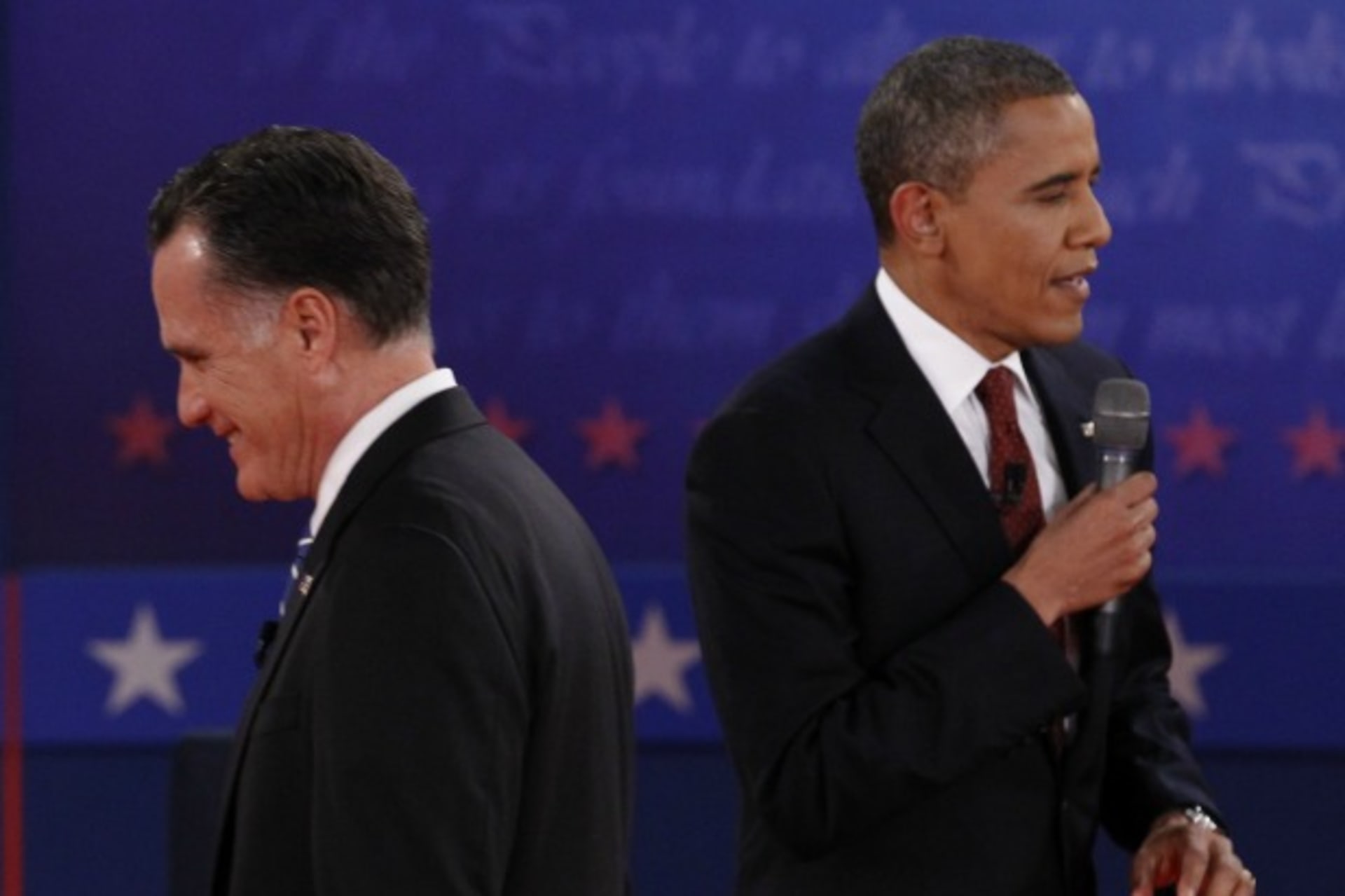
Now with the foreign policy debate just a few days away, I see that the moderator Bob Schieffer has selected “The rise of China and tomorrow’s world” as one of the five central topics for the debate. The somewhat awkward-sounding but bold title has reinforced my sense that the candidates need to be pushed out of their comfort zones to address the more strategic challenges that China is likely to present.
Here are four questions I think might help force a bigger picture debate:
Frankly, I am glad that unlike the Middle East, China is not reeling from one crisis to another, while the United States struggles to find effective policy tools. China does not provide safe haven for terrorists and it did not trigger the global financial crisis. For the purposes of the presidential debate on foreign policy, that makes China appear a second tier issue.
Still, China may well pose a far more serious strategic challenge to the United States and the global system. Chinese officials have called for the world to move away from the dollar as its reserve currency, challenged U.S. notions of good governance throughout the world, and blocked U.S. initiatives to address crises in Syria and Iran. All of this makes China an issue of paramount importance for the presidential debate. Let’s hope that Mr. Schieffer can push the candidates to take the issue and the American people seriously enough to aim for profound rather than petty.