Why the U.S. Intervened to Prop Up Japan’s Yen
The United States and Japan carried out their first coordinated currency intervention in more than a decade: buying yen to arrest its slide to a forty-year low. CFR’s Brad W. Setser explains what is behind the move—and why it could be more about U.S. Treasury bonds than the yen itself.

Brad W. Setser served as a senior advisor to the U.S. Trade Representative from 2021 to 2022. He had previously served in the U.S. Treasury from 2011 to 2015, where he worked on currency policy, financial sanctions, commodity shocks, and other issues. He is the author of the Follow the Money blog.
The United States intervened in currency markets this past Friday, July 31, selling euros from its international reserves and buying the Japanese yen. Secretary of the Treasury Scott Bessent confirmed the details of the effort on Monday, August 3, telling CNBC that the United States bought yen alongside Japan to curb currency volatility and reduce risks to Asian markets. He added that intervention can send a market signal, but Japan also needs to deliver policies that support the currency.
“A stable yen is not only important for the U.S., but very important for the entire region,” Bessent said.
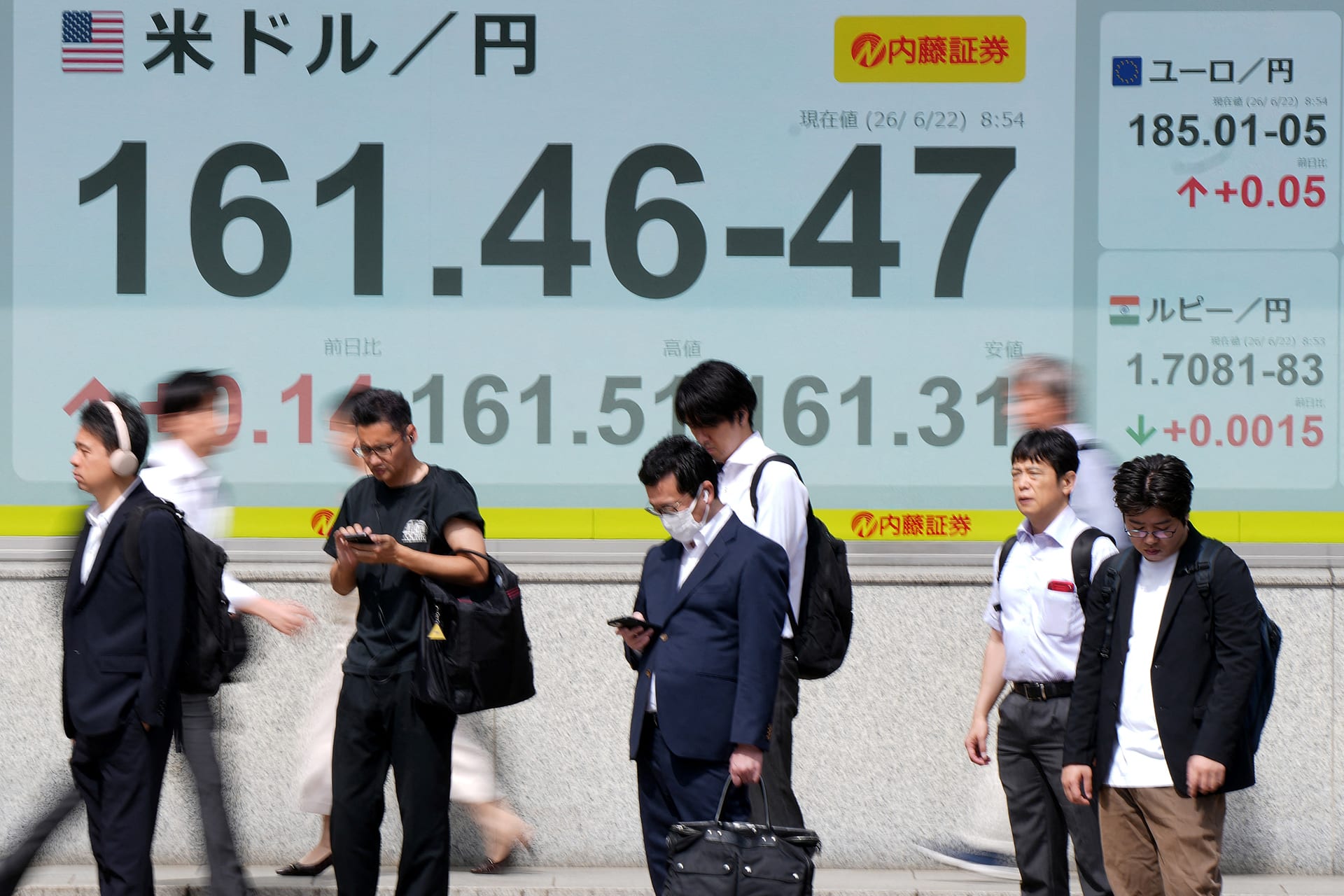
The yen spiked against the dollar following the announcement. The coordinated effort marked the first time the United States has staged a currency intervention for Japan since 2011, and it came weeks after the yen hit a forty-year low last month. “We’re always there for Japan,” U.S. President Donald Trump told reporters on Air Force One on Sunday, August 2.
CFR’s Whitney Shepardson Senior Fellow Brad W. Setser—who worked on currency policy when he served as deputy assistant secretary at the U.S. Department of Treasury—broke down how unusual the move was and what could be in it for Washington.
How common is it for the United States to do this for another country?
It is very rare. The United States last intervened to support the yen in 1998, during the Asian financial crisis, so this is the first action in over twenty years to support the yen. The Treasury did intervene in the opposite direction after the Fukushima earthquake in 2011, but that was to the keep the yen from rising not to stop its fall. The U.S. Treasury has the legal ability to intervene in the foreign exchange market, but in the last few decades it has generally refrained from intervention.
What is the strategic benefit of propping up the yen?
As President Trump and Secretary Bessent both noted, Japan is a friend—and Japan now thinks its currency is a bit too weak. Japan isn’t wrong there. The inflation-adjusted yen is back to the low levels of the 1960s. Japan obviously isn’t in the same economic place as it was during the Vietnam war.
The main benefit of this operation is likely that it stops—at least for a while—the risk of a potentially disruptive further depreciation of the yen. A weak yen tends to put pressure on other Asian currencies, and it could make it harder for China to continue to allow a slow appreciation of its currency. All these currencies are very weak, and that was more or less working against the Trump administration’s goals to reindustrialize the United States. The currency market was saying, “Invest more in high surplus Asia,” not “invest more in the United States.”
What needs to happen next to sustain the yen and help the Japanese economy?
There is a bit too much negativity around Japan’s economy right now tied the yen’s weakness. Japan actually has a number of important strengths. Its current account shows a substantial GDP surplus, the government has a ton of external assets, the net debt of the government is trending down relative to its GDP, and the headline fiscal deficit is down to around 1 percent of GDP. The cabinet office has indicated that Japan will run a primary fiscal surplus this year, so taxes will cover noninterest spending. On these indicators the Japanese economy looks much better than that of the United States.
The main thing Japan needs to support the yen is higher policy rates from the Bank of Japan. The Bank of Japan has been slow to raise its interest rates. Short-term rates below U.S. rates, and more importantly, are below the pace of inflation in Japan. Ultimately, reestablishing a credible intervention threat and a series of rate hikes should stabilize the yen. It is really very weak, and it has overshot Japan’s underlying fundamentals. Japanese investors have convinced themselves that they don’t need to pay the cost of hedging their large foreign assets; any change that leads to an increase in hedging would generate substantial underlying market support for the yen.
This work represents the views solely of the author(s). The Council on Foreign Relations is an independent, nonpartisan membership organization, think tank, and publisher, and takes no institutional positions on matters of policy.