Wikileaks and Southeast Asia
By experts and staff
- Published
 Joshua KurlantzickCFR ExpertSenior Fellow for Southeast Asia and South Asia
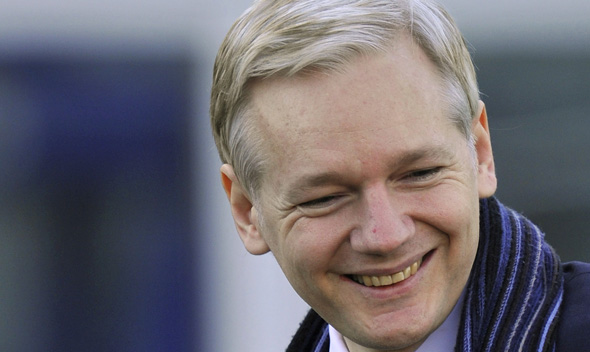
The recent releases of new batches of Wikileaks cables, many of which reveal the names of protected sources for American diplomats, has roiled diplomatic relations nearly everywhere in the world, and certainly made potential informants more scared of talking to U.S. diplomats. But the cache of cables available about Southeast Asia is among the largest, if not the largest, of any embassy. And recent weeks have seen the release of cables with major news stories, including:
It remains to be seen whether these revelations, which are among the most sensitive and revealing of any Wikileaks documents out there, will permanently damage American diplomats’ range of freedom in Southeast Asia. But in region with plenty of secrets, and where most governments are not used to those secrets being aired, my guess is the State Department has suffered permanent damage.