Media Briefing: Trump, Xi, Putin, and What to Expect
Event date
Speakers
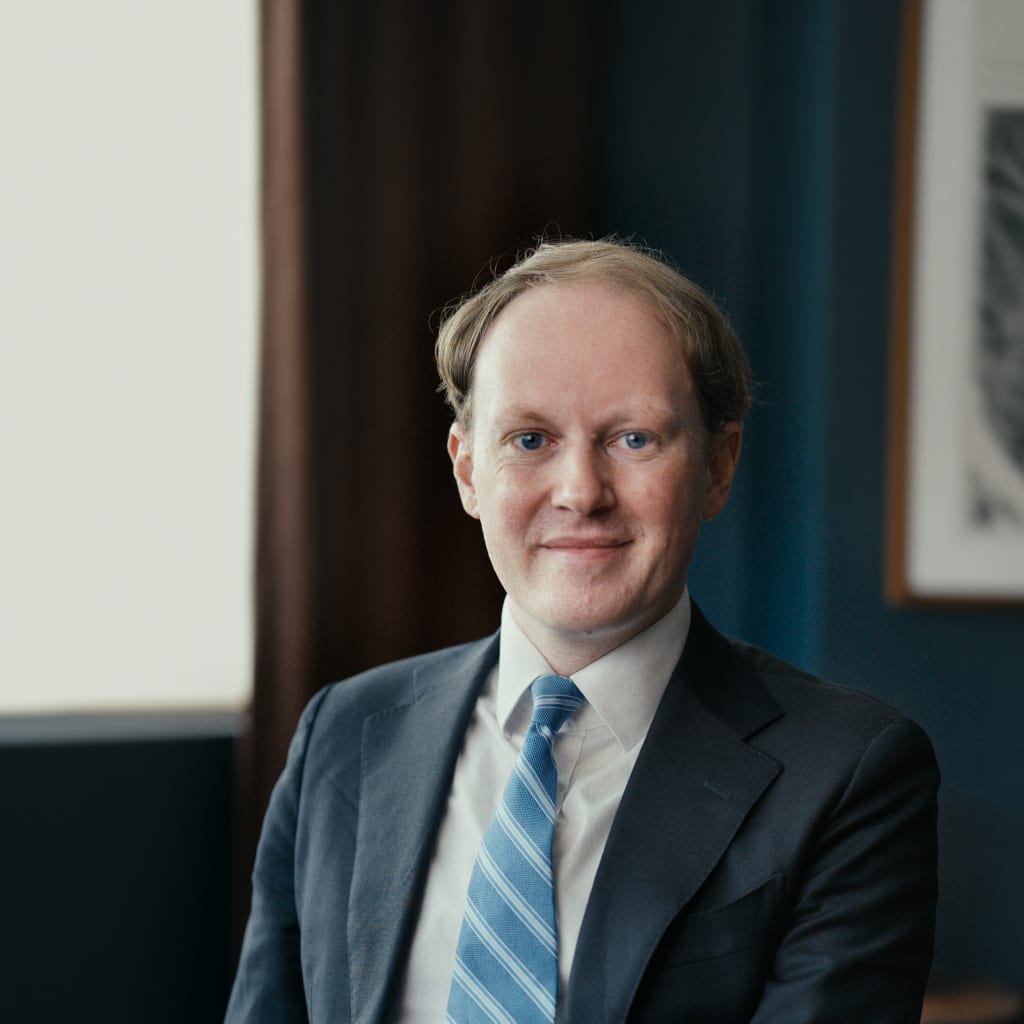 Chris McGuireCFR ExpertSenior Fellow for China and Emerging Technologies, Council on Foreign Relations
 Erin D. DumbacherCFR ExpertStanton Nuclear Security Senior Fellow and Director of the Defense and National Security Program, Council on Foreign Relations
 Stephen SestanovichCFR ExpertGeorge F. Kennan Senior Fellow for Russian and Eurasian Studies, Council on Foreign Relations
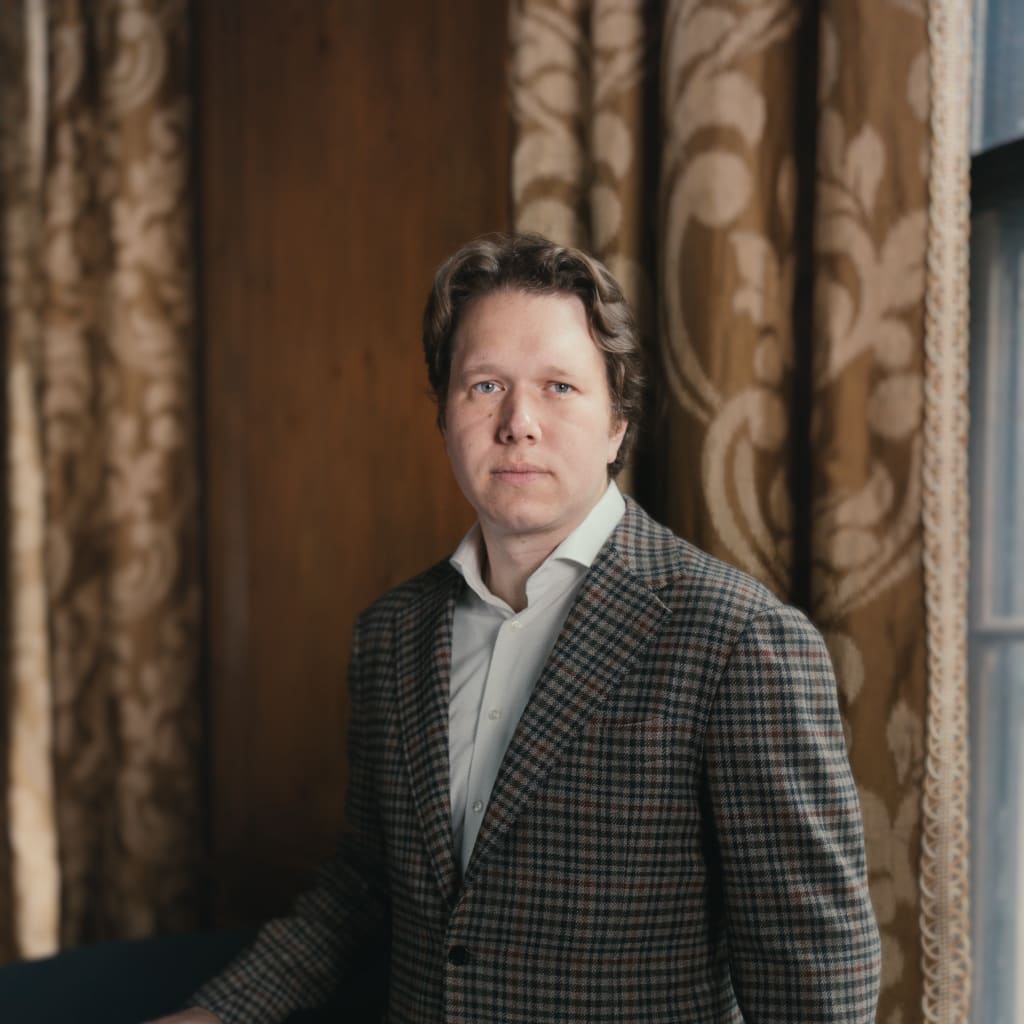 David SacksCFR ExpertSenior Fellow, Asia Studies, Council on Foreign Relations
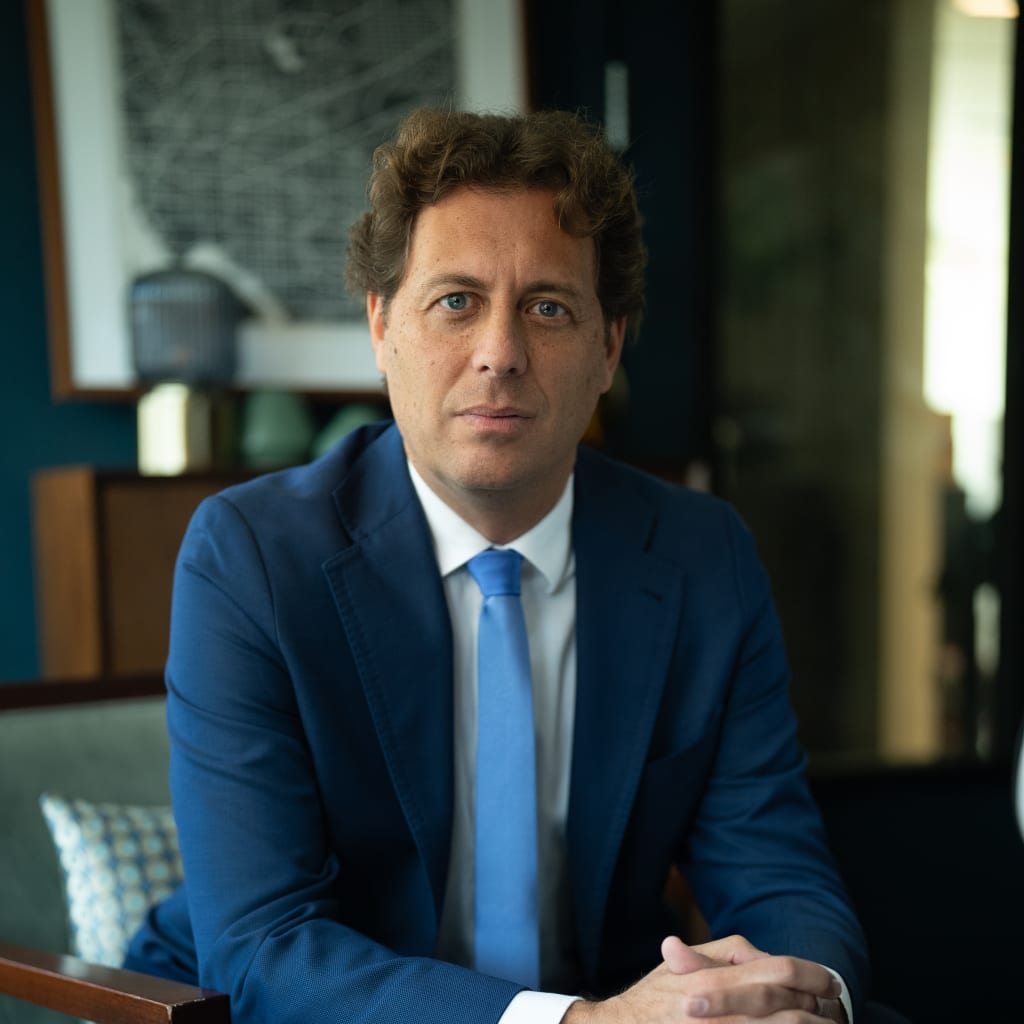 Matthias MatthijsCFR ExpertSenior Fellow for Europe, Council on Foreign Relations; CFR Member
Presider
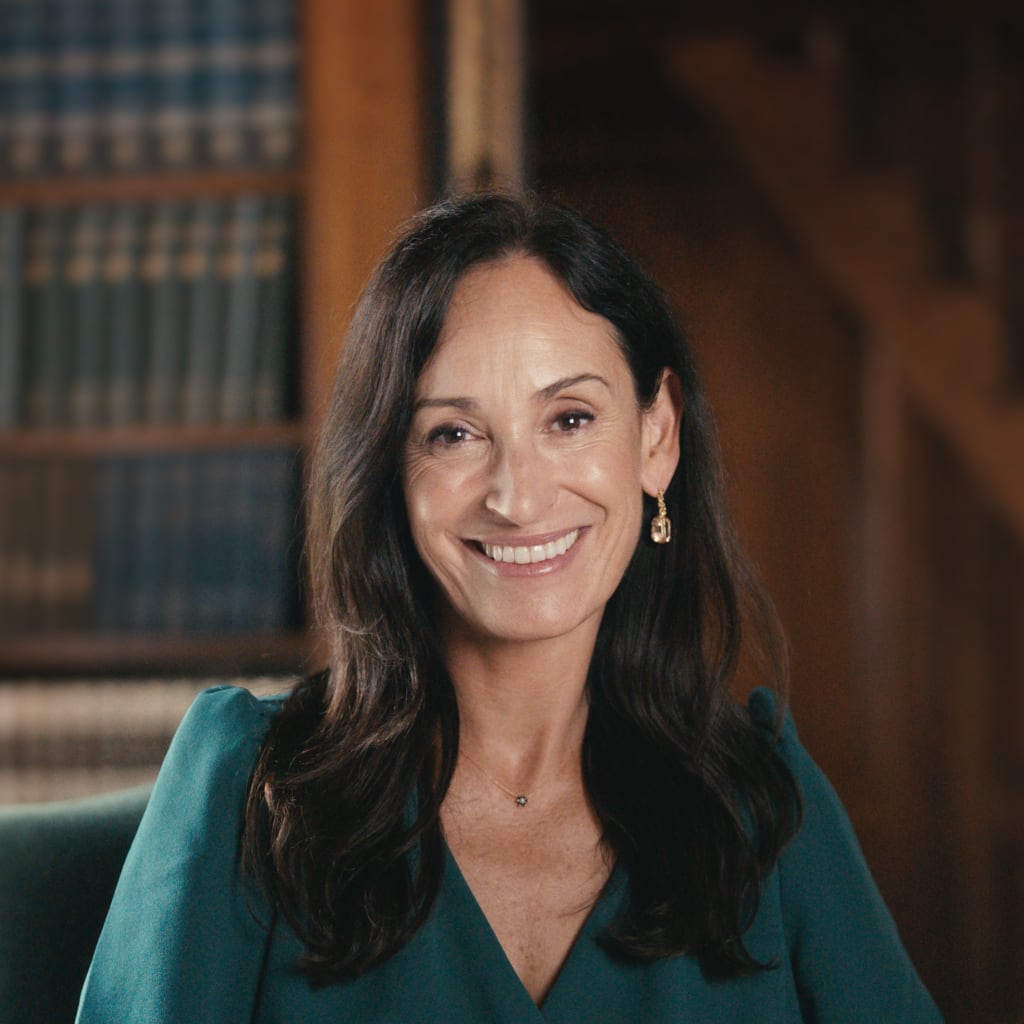 Shannon K. O'NeilCFR ExpertSenior Vice President of Studies and Maurice R. Greenberg Chair, Council on Foreign Relations
From Virtual Media Briefing.
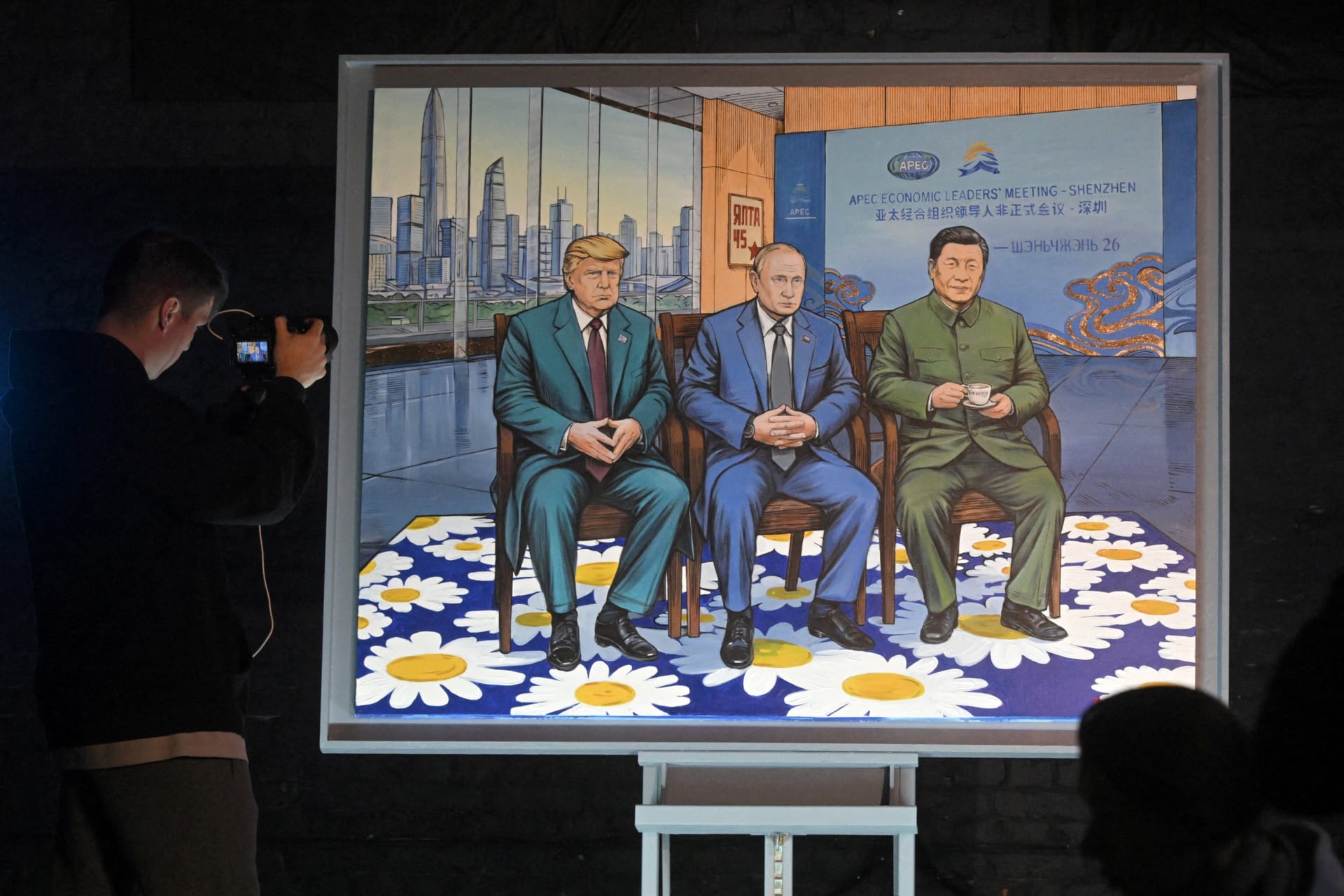
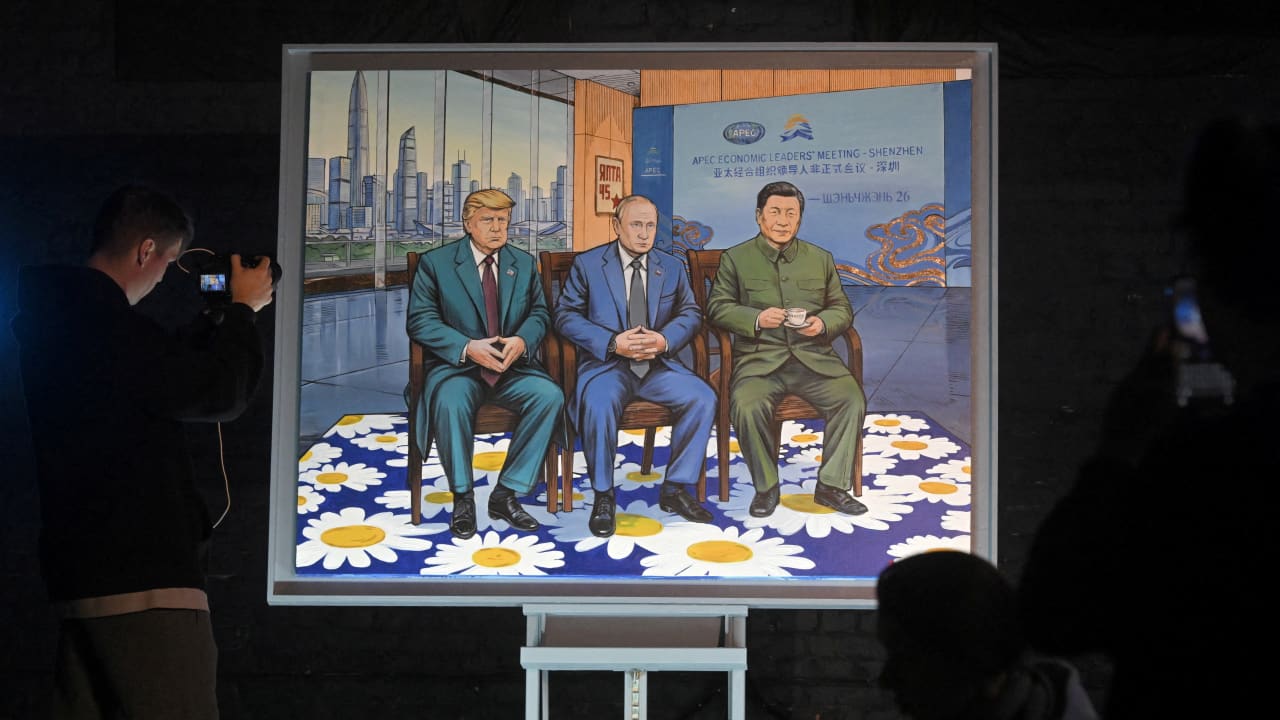
CFR experts will discuss the bilateral meeting between U.S. President Donald Trump and Chinese President Xi Jinping; the trilateral meeting between Trump, Xi, and Russian President Vladimir Putin; and the Asia-Pacific Economic Cooperation (APEC) summit.
VICARY: (In progress)—vice president for global communications here at the Council on Foreign Relations. Welcome to today’s briefing on “Trump, Xi, Putin, and What to Expect.” Really glad many of you could join us. I know it’s quite early in the East Coast of the U.S. and, of course, quite late in China.
We have a really outstanding panel of fellows for you with a range of expertise who are, thankfully, able to join us today from a lot of different locations., starting with Shannon O’Neil. She’s our senior vice president of studies and the Maurice R. Greenberg chair here at CFR.
We have Erin Dumbacher joining us, the Stanton nuclear security senior fellow. She is also the director of the Defense and National Security Program here.
Matthias Matthijs is a senior fellow for Europe.
Chris McGuire is a senior fellow for China and emerging technologies.
David Sacks is our senior fellow for Asia studies.
And joining us soon is Stephen Sestanovich, who’s the George F. Kennan senior fellow for Russia and Eurasian studies.
A mouthful, but a really fabulous panel.
A few bits of housekeeping. This is general information before we begin. The briefing is part of the Council’s ongoing mission to, of course, inform U.S. engagement in the world. And that work also includes the analysis and the resources that are posted across all of our enterprise channels, including ForeignAffairs.com and CFR.org. The contents of all of this discussion today and our Q&A will be on the record. A recording of this will be posted online at the conclusion of the briefing. And finally, a thanks to all of our experts for joining us, our colleagues in events and across the Council for help organizing this. And a special thanks to Lilly Behbehani in particular, for making everything happen today, and making it look effortless.
I will hand off to Shannon O’Neil, our SVP of studies. Shannon.
O’NEIL: Great. Thank you, Lauren. And welcome, everyone.
You know, as we’re talking here right now, we have leaders from APAC’s twenty-one member countries meeting in Shenzhen, China. And in about sixteen hours we will see a meeting between President Trump and Xi Jinping. This will be their fourth meeting since Trump took office the second time around. And then shortly afterward, Vladimir Putin will join them for the first ever three-way meeting between the leaders of the United States, China, and Russia. In this summit, there are a variety of issues that are on the table and may be discussed tomorrow. These include sort of the fragile trade truce that we’ve seen that expires, at least so far, in January, China’s continued squeezing of rare earths and the permits to export those out to the world, a stalled $14 billion arms package for Taiwan, an espionage scandal that has toppled NVIDIA’s CEO and exposed really deep divisions in Washington over chip export controls, wars in Iran and the Ukraine, and questions over the future of nuclear arms control after the expiration of the New START agreement, just to name a few.
So we’re going to get to many of these issues in this conversation. I’m going to lead my colleagues here for about the next forty, forty-five minutes in in a dialogue. And then we will open it up to your questions. So please be ready with anything that you want to ask any of our illustrious members of the panel here.
So let me start a bit with a scene setter. I’m going to come to you, David, in this. And, you know, this really is Xi’s summit. It is on his home territory. It is one that he’s been preparing for. It is in his neighborhood, so to speak. And let’s talk a little bit about what Xi wants from this meeting and, as you see so far, how far is he in getting—you know, in achieving his goals, in terms of how he wants the world to see China and see this summit and its success.
SACKS: Great. Well, thanks, Shannon. And thanks everybody for joining us this morning or this evening.
I think that on the trilateral meeting, which has gotten a lot of the attention between Putin, Trump, and Xi, my sense is that China is not enthusiastic about this meeting and that Xi Jinping has not been a major driver of the trilateral meeting. This is far more of a Trump and Putin idea than one that he has come up with. But China will try to make the best of this situation and of the trilateral meeting.
To get to your initial question, Shannon, I think that there is a lot of symbolism here for Xi Jinping that he will use to demonstrate that he is able to navigate China’s most important relationships, and that China has arrived as a peer of the United States. Xi Jinping is going into a very critical year in his own tenure. 2027 will be a party congress where he will seek another, fifth term, as leader of the Communist Party, and an unprecedented term at that. And so I think that this is going to give him momentum going into that year to say that he is able to navigate the U.S.-China relationship, as well as the China-Russia relationship, and that he really has established China as a peer of the United States.
In terms of substance, again, looking at the trilateral dynamics, I think that Xi Jinping will seek to focus on those issues where he and Putin are in alignment and where, in a sense, they can outnumber Trump and put some pressure on him. And so we’ve seen an extraordinary campaign from China over the last year to put pressure on Japan and to stoke this notion that China—that Japan, is reviving militarism and is a revisionist power that seeks to overthrow the post-World War II order. I think Putin is largely sympathetic to that narrative. And so I imagine that Xi Jinping will put that forward and try to paint Japanese Prime Minister Takaichi as a provocateur that the three parties should work together to rein in.
On nuclear weapons, I think Trump has been very forceful in saying that this is a priority of his and he wants to discuss reductions to their nuclear arsenals. You know, I think that—and Erin will get more into this—but I think, just very briefly, Xi Jinping has no interest in entering into multilateral arms control agreements with Russia and the United States. China is building up its nuclear arsenal to a very significant degree. And it will continue to do so, and wants to continue to do so.
On Iran that’s another issue where I think clearly Putin and Xi are in alignment, and Trump is in the minority. So I imagine that there will be pressure on Trump not to renew hostilities or to escalate the war in Iran. And then the final thing—and Chris will get into this in much more detail—but I think there will be a warning issued to Trump not to tighten export controls on China with the notion that China would retaliate to the export controls. You mentioned rare earths and the purchase commitments that China has entered into. I think that Beijing wants to draw that out and address that at the G-20 in Miami coming up in December. And so I think that will largely be put to the side in favor of the geopolitical and export control issues that I put on the table just now.
O’NEIL: Great. Thanks, David.
Chris, let me turn to you and just maybe you can pick up on the last bit that David just laid on the table, and expand it a bit. I mean, one of the, I think, interesting things are sort of the basis of the sort of U.S.-China back and forth and relationship under the Trump administration has been this détente, right? And so for over a year, through an agreement that was signed in Busan, we have had a détente in sort of the relationships on the trade side and on other sides. But there are real questions—as David just said, right—there are real questions about whether, you know, China is fulfilling its side of the agreement, whether it’s purchasing the agricultural products that it promised to purchase, whether it’s allowing the exports of rare earths and other, you know, elements out of China. And so I’d be interested, as you look at the summit and then just more broadly, does this détente hold? How fragile is it? And, you know, why or why not? And, perhaps, for how long?
MCGUIRE: Yeah, thanks, Shannon. So I think it is very tenuously holding, but I emphasize tenuous. The United States has repeatedly emphasized their concern that they’re not getting the rare earth shipments that they want. And I think that’s why you’re seeing actually shorter and shorter term extensions of the truce. So we were looking at a year the first time, then six months the next time. I think the last one was two months. So now, you know, the big actions that both sides took in advance of the Busan agreement, which was these comprehensive controls on rare earths, and then on the U.S. side it was the affiliates rule, have continued to be postponed, but for less and less time. So now I think they’re set to expire in January. So, again, not very much time there.
But there has been continued, you know, concern from the U.S. side that they’re not receiving rare earths; actually, specifically that Japan—that Japan is not receiving yttrium that it needs; yttrium very important for missile production, for jet engine production. And if you look at the data, it is—it is way down.
But the idea that this has prevented both sides from taking any competitive actions, I think, you know, both sides have very much not bought into that. You look just in the last few months, China issued export controls on drones in August. They issued export controls on AI models in October. On Monday, the U.S. took a pretty significant export control action to close loopholes in their AI controls that prevents China from buying chips via shell companies, or renting access to chips, or illicitly making chips at TSMC. And also, the SEC has continued to take actions to prohibit, you know, Chinese products from being bought in the U.S. in certain areas. They’re reportedly going to take action to prohibit Chinese products from being used in datacenters in the U.S.
So I think when you’re looking at these key supply chains what you’re seeing is both countries recognize that there are going to be—there’s going to be continued separation there, particularly on the AI front just as AI is getting more important. And then the question is, can they continue to do that without having a complete blowup on the rare earths front? I think it seems like the answer is yes, but it is getting tenser and tenser. And I think from the administration, from the statements that they’re seeing, from the shorter-term extensions, you’re seeing more and more frustration. And particularly, I think once we get through this year and the—kind of the final meetings that are on the books between President Trump and President Xi, I think next year is probably on pace right now to be—to be a lot bumpier on this front. But I think we’ll probably continue to see this holding at least for the next month or two.
O’NEIL: OK. Thanks.
Erin, let me come to you. And, obviously, David said, you know, nuclear issues are going to be on the table, and we’ve heard that from a few, you know, in the in the leadup in many ways. Talk a little bit about, I guess especially since we’re in the sort of post-, you know, -SALT treaty era, how these three nations look at this issue. You know, what is it that they’re—sort of their goals, their positions? David began to lay out China’s, but you know, there’s three actors here. How do you see some nuance on all three of those? And then what does that mean as you look at the conversation that’s about to happen, or maybe—or, will it happen? What is—you know, what are the possibilities there, given the various positions that these three countries come from?
DUMBACHER: Yeah. Thanks, Shannon.
I think that David’s characterization that China was not enthusiastic to put nuclear arms control or nuclear matters on the table is absolutely right. We actually saw the White House and then the Kremlin first report that nuclear weapons issues were going to be on the agenda for this conversation, and then eventually the Chinese sort of acquiesced and said, we’ll talk about strategic stability, which is—which is their preferred term for some of these matters. So, even with that, the White House is—and others are still downplaying sort of expectations for what a substantive meeting on nuclear issues between these three could really look like. I do think that a carefully crafted high-level statement could still be a meaningful move, a meaningful down payment to stability among these three powers.
I’ll note, too, it’s interesting, you know, just yesterday the United States tested—previously scheduled test of an intercontinental ballistic missile in the Pacific; and then just hours later Vladimir Putin’s Russia landed two of their strategic bombers in Vietnam to coincide with Putin’s landing in China, sort of just as a reminder that the Russians are here with their strategic arsenal, and that’s one of the advantages that they sort of bring to this trilateral talk, right? So that was not previously scheduled, right—(laughs)—the Russian move. So they’re trying to—you know, the U.S. and Russia are much more interested in getting into the details on some of this.
And so there are ways that Russia and China could actually take advantage of the fact that the United States has been long trying to—the Trump administration, the first Trump administration and now, has long been trying to get this trilateral conversation happening about nuclear arms. But I think it’s very—I don’t—I don’t expect that we are going to see any meaningful sort of quantitative changes. There could be qualitative agreements, right? So statements of interest among leaders of this stature could certainly clarify intent.
So the leaders, for example, they could confirm and potentially add even more detail to a prior P5 statement that nuclear war cannot be won and therefore should never be fought. I think that would be a win from the U S perspective, even to get China and Russia to agree to that.
The leaders could also agree that AI and machines should be kept out of nuclear use decisions. The United States and China have already agreed to that, but Russia hasn’t. So putting that on the table would be really interesting if Putin does agree to that.
And frankly, you know, in the history of arms control, negotiations that eventually work towards something that’s verifiable in the form of a treaty, they often begin with high-level leader statements just sort of clarifying where everyone is at and what they’re willing to be flexible on. So I see a sort of glass-half-full opportunity here if the statement among the three is actually very carefully crafted. I don’t think we’re anywhere near sort of a New START follow-on-like conversation in terms of quantifiable limits.
O’NEIL: Right. We will get more to Russia when Steve Sestanovich joins us, which will be about halfway through this call.
But let me turn to the countries that are not at this summit. And so, Matthias, we’re turning to you to talk about Europe. And so, you know, there’s the old joke that, like, if you’re not at the table, you’re on the menu. So, as you—a view from—you know, from Brussels, from Europe more broadly, what will they be watching? And what are the decisions or the sort of momentum going forward that will most affect the Europeans coming out of APEC, do you believe?
MATTHIJS: Yeah. Good, good question, Shannon. I mean, I think that is the main fear in in Europe, right? I mean, the European Union, European powers consider themselves the kind of third pole in the world, and in the world economy they undeniably are. But when it comes to what in German they call chefsache—like, the things that leaders, that countries’ leaders decide on—they don’t have a clear leader there, right? I mean, they could appoint the German chancellor, but that would mean everybody agreeing that that is the right representative. They have these kind of institutional figures, head of the Commission von der Leyen or António Costa, who’s the chair of the European Council, but these are—Commission has no say over defense and strategic issues, really. It’s really defense matters are with the member states. So, I mean, there is a bit of a fear here that this is, you know, the beginning of a new format of a sort of new concert of great powers, which Sikorski, the—Radek Sikorski, the foreign minister of Poland, pointed out that Russia really isn’t a great power, but the EU is. But you know, you can protest all you want; when it comes to nuclear weapons, clearly, these are the big three. And so a Yalta II or a Minsk III, the idea here that Europeans fear is that, you know, Trump will start freelancing on Ukraine; and that, as David hinted at, in most of these things Putin and Xi think alike much more—they have a no-limits friendship partnership—that they will somehow, you know, get Trump to go along with some of these things.
I think Europe also fears just the optics of this, right? I mean, in the end, Vladimir Putin is seen as a war criminal, rightly so. This is kind of elevating him to a level, and I think that’s also why Xi Jinping was less enthusiastic. Xi Jinping wants a G-2, not a G-3, right, and really doesn’t think of Russia as an equal power. And so none of this is great, right?
That said, I think also there is an understanding, or at least a belief, in many European capitals that not that much of substance will come out of this. And I think they will also be following sort of the next steps, right? If something gets decided, when’s the next meeting, if there is one? There was, obviously, an invitation for Vladimir Putin to join the G-20 in Florida next month. If he accepts that invitation, which many analysts believe is unlikely, but then the Europeans have a decision to make, right? Do they—do they want to come—do they want to boycott the summit? Do they want to come, but not enter the room and not be in the room with him at the same time?
And I think that they’re also, as David mentioned, worried about, you know, Taiwan and so on, right, and the kind of precedents that that this may set in other parts of the world.
That said, I mean, the old Kissinger question, right: Who speaks for Europe? And Jared Kushner basically brought this up in the last few weeks. I mean, if Europe wants to play a role in these major strategic issues, they will have to come up with at least, you know, one person that can—that can represent them and put the European kind of, you know, point of view on the table. But it’s clear that they don’t always agree on all these things either, and I think that’s something we’ve kind of painfully seen in the last few weeks especially when it comes to Ukraine.
O’NEIL: Great. Thanks.
David, let me turn back to you, and in the vein of who is not at the table but decidedly on the menu is Taiwan. So let’s talk a little bit about that. Sort of what are the stakes? What are the issues on the table? And as how you see this developing, what are the stakes for Taiwan? And what is Taipei watching right now?
SACKS: Yes. So, you know, President Trump was asked in Manila whether he would raise Taiwan with Xi Jinping. And Trump said—kind of smiled and said, I won’t need to. I’m sure he will. And I think that’s right. I think that it’s very clear that every time Xi sees Trump they do a little check-in on Taiwan, and Xi Jinping raises his concerns on Taiwan and his expectations of how President Trump will handle Taiwan and cross-strait dynamics. As you mentioned at the outset, there is a pending $14 billion arms package to Taiwan that has been on President Trump’s desk for a long time that he has not approved. I also think that there will be more pressure from Congress in the coming months to move that arms package forward.
And so if President Trump is determined to resist that, you know, he will need—you know, Xi Jinping will hope to kind of stiffen his spine and say, you’re on the right track. And if you approve this arms package, you’re going to send cross-strait relations reeling, and you’re going to embolden a reckless leader in Taipei. So it’s very important for President Trump not to approve that arms package. So I think that Xi Jinping will, at a very minimum, raise that, and note that if the arms sale goes forward between now and the G-20 that that would not be the right atmosphere for Xi Jinping to attend in Miami, which President Trump really does want, in my view. But I think, even beyond the G-20 in Miami, Xi Jinping wants to delay the arms sale even further. And so I think that that will be an explicit topic of conversation between Trump and Xi.
Just going back a little bit to the Japan conversation I think that it’s a similar tactic that China will use here, which is to warn President Trump that there is a reckless leader in Taipei that is seeking to drag the United States into a war with China. I think that Xi Jinping was pretty successful at conveying this worldview and having President Trump buy into this view in May in Beijing. We all remember President Trump’s comments on Air Force One and in his Fox News interview after the summit, where he essentially did say that Taiwan had a leader who was seeking independence and who was going to drag the United States into a war 9,500 miles away. And so I think that Xi Jinping will continue to hammer away at that with President Trump and try to get him to adopt that framing.
In terms of whether there are changes in U.S. declaratory policy towards Taiwan, with President Trump you never know. He could say, you know, something new about Taiwan today, tomorrow, whenever. But I also think that that’s something that Xi Jinping will press more on at the G-20 in Miami rather than here, and that probably the focus will be more on near-term arms sales vis-à-vis Taiwan. And I think also, just more broadly, trying to reassure President Trump that he has the right approach to China and to stand firm against Congress, as there’s going to be a lot of pressure mounting on export controls and on Taiwan and on other issues. So I think that that’s going to be the primary focus here.
O’NEIL: Great, thanks. Chris, let me come back to you. And you brought this up in your sort of initial intervention, but let’s talk a little bit more deeply about sort of the, you know, chips and export controls. And, you know, as, you know, the U.S. government and the Trump administration were preparing to head to the summit, we had last week sort of, you know, the breaking of the NVIDIA and Jensen Huang story, and really just revealing kind of an extraordinary level of sales of very high-end chips to China itself, or to datacenters that China and Chinese AI companies were able to access. And so maybe just lay out a little bit that parallel story that’s happening and the movements that have happened on sort of, you know, chip exports and the rules and regulations around this, which I know you have been dealing with for not just the last week, but for months and months, and a couple number of years. And sort of where we are in that, and what that may mean vis-à-vis China, not just for the summit, but more broadly.
MCGUIRE: Yeah, sure. So the unfolding scandal involving Jensen Huang and NVIDIA I think really started with a focus on his improper relationships, and then this allegation of relationship with spies. But it’s really kind of unfolded into a much bigger, longer-term scandal that involves the—you know, the question of how many chips did China get, how porous were export controls, and how did the Commerce Department enforce them? Which I think is the much more important, you know, longer-term strategic question for the United States, for the U.S.-China relationship, than anything involving Jensen Huang’s personal affairs. And this is, I think, becoming the major focus in Washington.
It’s been apparent for some time from people following this that Southeast Asia has been a massive hub of either smuggling or illicit access of chips. By my estimates in the last two years, about $60 billion worth of AI chips went to Malaysia, Thailand, and Singapore. They’re the number three, four, and five importers of AI chips in the world, behind only the United States and Mexico. And, you know, basically, a lot of the flows that were going to China have just been funneled to Southeast Asia. There were previously rules in effect that would have prevented this. Those were not being enforced.
But on Monday, the Commerce Department finally took fairly significant action to close this off. There was a license requirement that was placed on Southeast Asia, on Singapore, Malaysia, Thailand, Indonesia, also Brazil. There had previously been a very significant loophole in U.S. export controls that said that China could rent access to chips. It was prohibited from buying them, but renting was had no restrictions. This is now closed. So renting chips to Chinese customers in any significant quantity is now prohibited. And then lastly, there is another measure to close loopholes that prevent China from making chips at TSMC. That it is banned from doing so. We’ve seen this exploited in the past by Huawei and now actually the regulations that prevent that are in force.
So this is a very significant action that really cuts off a lot of the avenues that China is using to get AI computing power. There’s a digital forensic study that was done recently that showed that every single advanced Chinese model is actually trained with the most advanced American chips. So even though these chips have been banned to China, the controls have not been effective. They probably had some impact, but not that much. And the actions that was taken on Monday are going to have a really significant effect on China’s access to AI computing power, which is the number-one, you know, input into AI. And it could materially widen the lead. And you’re seeing this in conjunction with a number of other actions in the AI space. I think China has also really benefited from its access to U.S. models that it has used to close the gap. But the AI labs are cutting—are cutting that off. And also the U.S. AI labs are starting to proceed very, very quickly as they move toward what people call recursive self-improvement.
So you combine all of this, and I think it’s very possible that between China’s lack of access to compute, relatively less access to U.S. models, and then also the U.S. AI labs moving faster, you might see the gap between the United States and China and AI really actually start to materially widen in the next few months. And right now it’s in the six to twelve month range. It will take some time, because there’s a lot of compute that was given to China. But, like, you know, provided the U.S. is actually moving on this path, I wouldn’t be surprised if you start to see that lead move out to the twelve to eighteen month range in the coming months. And that’s really significant. It’s really significant for the kind of what does it mean for U.S. flexibility, for AI safety discussions, but also for the U.S.-China relationship.
And I would say there is a big question of, you know, how is China going to retaliate on this front? What is it going to do? And keep in mind, China also export controlled AI models as recently as October. So it’s taking its own actions in this space. And also, there’s a number of AI chips that are just sitting in the port in Hong Kong that the United States has sold to China that it’s not buying. So I think it’s a little bit hard for the Chinese to take aggressive action to retaliate against cutting off smuggling when it’s also refusing to actually buy and incorporate chips that the U.S. is legally selling them. Nonetheless, this is obviously significant. There’s some pending pieces of legislation, that David alluded to, on the Hill that are very significant, namely the MATCH Act, that would further cut off shipments of equipment.
I do think these are sensitive areas that the Chinese are going to be attuned to, but I don’t think that the, you know, Chinese leadership is really, you know, fully AI-pilled. I don’t think they’re fully appreciative of, you know, the transformative impact that AI is going to have in the coming months. Which probably means that even though there may be some retaliation, I think that it is probably something that the United States can absorb. But we’ll see. I think this is something to monitor. The statements that the Chinese Ministry of Commerce has made in response to the U.S. export controls, I would say, are concerned but not over the top. It is not the language that they used in response to, say, the 150 percent tariffs, that assured very significant retaliation. It was comparatively more measured. So something to monitor.
But, obviously, the big development breakthrough here is that the U.S. has really decided now firmly that it is going to use export controls as a tool to give it advantage in the AI race, which I think for the last eighteen months we haven’t seen. And this was something that was previously a big staple of U.S. policy. And it seems like we’ve now kind of returned to it.
O’NEIL: Great. Thank you.
Steve has been able to join us, so I am going to bring sort of Russia and his perspectives on Russia into this conversation. And so, Steve, we’ve been talking obviously about the summit and about all these, you know, sort of geopolitical relationships, and sort of this, you know, great-power concert, perhaps. But could you sort of set the stage for us? You know, what is it—what are Putin’s goals in this? You know, what does he want from Trump? What does he want from Xi? What does he want from this meeting that’s going to happen, you know tomorrow in Shenzhen. You need to come off a mute.
SESTANOVICH: Putin is the big beneficiary of having a big-three meeting because, as everyone recognizes, he’s not really entitled to be in the big-three, except by the size of nuclear arsenals. And he’s come under some criticism, even derision, for this pretense. And his spokesman has had to say, look, we’re not trying to decide the fate of others. Somewhat hilarious when you consider what they’re doing in Ukraine. And the Ukrainians have particularly sniped at them, saying, you know, well, this can’t really be like Yalta because Putin hasn’t won a world war. He hasn’t even achieved the goals of his invasion. So the spectacle is a kind of mixed one that that highlights the difference between Putin’s situation.
What does he want out of this, apart from the excitement of crashing the big-two party? He wants, of course, that recognition. He would like to have something from Trump, maneuvering him, again, against Ukraine. Remember, last week there were three-way talks. Putin likes the idea of reestablishing a two-way discussion about Ukraine. He might like to have Trump criticize the attack on the Kerch Bridge yesterday. He has said—his spokesman has said they are hoping for another humanitarian operation to be conducted to highlight the humaneness of Russian policy, like the one that was organized sort of with the sponsorship of Melania Trump. Those are kind of clear Ukraine-related goals.
His advisers have said they also want to have a joint statement of some sort. And I don’t know whether they’re going to be able to get the Chinese to agree to that. I haven’t seen anything recently on it. It will be interesting if they fail. They recognize that the Chinese are a little uncomfortable with this arrangement and with the possibility of seeming to align themselves with the Russians on Ukraine. The Chinese seem to prefer, as I understand it, to be the secret backers of Ukraine—of Russia on Ukraine, not the open backers. And Putin is maneuvering them to be more open backers. I think those are probably the main goals, although Putin has other goals in his visit.
He’s going to be meeting with the South Korean president. You have the irony that you may have Trump meeting with the North Koreans and Putin meeting with the South Koreans. The South Koreans have had a kind of anti or sort of standoffish approach to the Ukraine war. And Putin wants to cultivate that relationship. In addition, he may be meeting with the Japanese prime minister. But mostly this is kind of theater for Putin. Geopolitical theater, to be sure. And he wants to maneuver Trump on Ukraine. But the real substance that will come out of this is probably going to be limited. One thing to watch for is whether there’s any agreement on follow-on arms control talks.
O’NEIL: So just a quick follow-up. So really, Putin’s coming with Ukraine on his mind, maybe secondarily the nuclear side. Do you see—do you see Iran, do you see any other issues—sanctions, any other issues on there? Or is it really focused on Ukraine for him?
SESTANOVICH: The Russians have said that they would like to have APAC as a whole comment on the harm of sanctions use, the weaponization of economic relations. I mean, what the—what Putin wants here is to kind of maneuver Trump to become a member of the Global South, and, in a way, to align Trump with the kind of rhetoric that he and Xi have used about a, you know, non-great-power domination. Which is their way of saying downsizing the role of the United States.
O’NEIL: Great. Last thing I’m going to ask you before I turn to Erin with a different question is, in the past, you argued in a piece for CFR.org, that in the 1986 Reagan-Gorbachev meeting in Reykjavik, that it showed that summit succeeded not by changing how the other side thinks, not just learning about the other side. So do you think this summit is just going to be a learning between these three leaders, or do you think there’s any possibility that we see someone change how they think?
SESTANOVICH: Now, that is an interesting question. (Laughs.) And since we have limited access to how these guys think. There is no doubt that Trump likes the idea of, you know, a club of great powers. And creating that image as a kind of lasting conception of how the world works is probably one of his goals here. The idea that it’s Yalta three has to be put aside a little bit because of the embarrassing suggestions, but the idea of, you know, boardroom management of global politics is one that seems to—that seems to appeal to Trump. From Putin’s point of view, that’s a big plus. Whether Xi thinks of it as a plus, that—you know, the idea of the big-three as opposed to the big-two seems uncertain in its benefits. One of the goals—one of the benefits for China is that it becomes sort of two against one, rather than just two equals. But that is—here we’re doing more psychoanalysis of leaders than I’m completely comfortable with.
O’NEIL: Thanks. I’m going to ask a couple more questions, then I’m going to open it up to our audience and their questions. So please raise your hand if you are interested in asking something.
So, Erin, let me turn to you. Chris had brought up that, you know, one of the issues on the table here is sort of AI safety. And obviously that’s a big issue in the United States as well as in other countries around the world. And some who have been thinking about grappling with how do we do, you know, cross-border AI safety, think about this for the globe, that the sort of nuclear arms history is a model to follow. And so could you talk a bit about, as you’ve studied that, you know, what are—how does that framework work, or how might it work in kind of AI safety? What are sort of the things that could be transferred, or where might it fall short?
DUMBACHER: Thanks. I think that—and Chris and I have compared notes on this—you know, in a lot of ways the nuclear nonproliferation regime has been wildly successful over the decades, right? Only nine states today have nuclear weapons. Back in the Kennedy administration, before the Kennedy administration, there was fear we were going to be looking at twenty, twenty-five, more countries around the world with weapons. And so all of the safeguards, led by the International Atomic Energy Agency, sort of the U.N. system as the underpinning to make sure that certain fissile material and weaponization tools don’t actually get shared and traded around the world, that’s been successful. And then there’s been sort of the third-party U.N. arbiter to check that certain facilities are not being—you know, using only for peaceful purposes for energy production, for example, and not being weaponized.
You can quantify nuclear weapons. You can quantify the tools that you use to create them. And I think one thing that often gets missed—I mean, AI is a general-purpose technology. There’s a degree to which—and Chris can talk more about this—that export controls can really slow down production and development of some of the AI. But the dissemination and the way that AI is likely to be used in software and in a whole bunch of other, you know, automation of machines, all kinds of different places, is just very different to try to regulate. And so I think that this notion that you can just—you know, we’ve seen how nonproliferation internationally has worked, let’s apply that model here, is really not a great fit.
So there are some aspects that could be applied to AI safety, though. There’s broader efforts. There have been efforts led by the United States in the past to really manage nuclear security. And the way that we did that is we had big summits and we said: What are—what homework are you going to do before you come to that summit? What’s your gift basket that says, you know, here’s the domestic regulations that have reined it in, here are the—here are the tools and the mechanisms that we are using to make sure that when we have nuclear power and nuclear fissile material that we’re using it responsibly? You could have a similar sort of approach to AI safety in that perspective. But you’re not going to have quantitative arms control limits like we had in the—in the Cold War period between the U.S. and the Soviet Union and then Russia, where we said, we’re going to cap the number of weapons we have at 1,550 and we’re only going to use these types of delivery mechanisms, what have you.
With those arms control agreements, however, over time developed a whole series of other commitments that came along, and verifiable to some degree. For example, we had a noninterference commitment between the U.S. and Russia under the New START agreement to not interfere with one another’s what we called national technical means, which is spy satellites, ways of checking on one another to make sure that the weaponization wasn’t progressing, that that we weren’t building up our arsenals larger than what we had committed to, right? You could imagine some sort of notional commitments akin to that, some of the noninterference and transparency measures that were baked into some of the arms control. But, again, it’s not a one-size-fits-all. It’s a little bit of a square-peg-in-a-round-hole conundrum if you’re trying to just take governance mechanisms that work for nuclear weapons off the shelf and apply them to emerging technologies, especially technologies like electricity or—(laughs)—other general-purpose technologies like AI.
O’NEIL: Great. Thank you.
Matthias, I’m going to ask you my last question here. And that is, you know, we’ve been talking a lot here about sort of the evolution of the U.S.-China relationship, some of the evolution of the Russia-China relationship; let’s talk a little bit about the evolution of the European-China relationship. And not many years ago the European Union was signing an investment agreement with China. That then was frozen, of course. Now we have seen most recently they’re putting caps on EVs and other imports coming in. So we’ve seen a pretty significant, I would say, evolution in the sort of—or, the European-China economic and security and other relationships. But you tell us, how significant has that movement been? And sort of what is the trajectory as you look forward for the next couple of years in the way Europe and China are going to interact?
MATTHIJS: Yes. I mean, it’s very significant, the shift. We are—clearly, Brussels and the European Commission has gotten the green light from member states—and that’s always important when the Commission is going to do anything—to move in a much more aggressive fashion to protect the European market from what they see as unfair Chinese competition, right?
So, in the past, everything Europe did was targeted, proportionate, WTO-compliant. It was usually anti-dumping cases that took forever. It was one company, it was one product, right? It was always very small. Now the movement is very clear from these kind of, you know, dumping—antidumping cases towards sector-wide protection through safeguards. So still WTO-compliant, right, and that also means it’s not just China-targeted but it targets everybody, right? But it does allow, if you put in a tariff rate quota or a new quota, to basically dramatically diminish China’s share and to reward your trusted partners like the U.K., like the U.S., like Canada—the U.S. on a good day—to give them a slightly larger share of what they—what they currently have, because, of course, their products have been hit by Chinese competition as well.
So the Europeans call this managed escalation. I had actually expected this to already start in October, but—surprise, surprise—the Chinese kind of gave them a bit of a—threw them a bone with hybrid cars and hybrid plug-in cars, and said, OK, not a voluntary export restraint, but the EU can implement a safeguard on this. And this kind of bought them some time. I expect this to ramp up after January, right, when they’re supposed to meet again. So I think for the rest of the year we’re fine.
But I think what the Europeans are watching in Shenzhen right now is, obviously, what’s happening on the rare earth licensing front with the Americans, because the Chinese made it very clear in the last round with the Europeans that that license was extended until January only, right? And so if they’re starting to roll out safeguards on chemicals, on furniture, and eventually also on machines and machine tools—think anything made in Germany, right, where the Germans really have shifted, right? They wanted that investment agreement in 2020, and now they’re much more worried about their own companies getting hurt. And so that’s a very difficult relationship to manage.
And on top of that comes the fact that China’s been very close with Iran. It’s been very close with Russia. And both Russia and Iran are pointed the fingers to from Europe when it comes to hybrid warfare, right, from anything from frozen goods in supermarkets being unfrozen overnight on Sunday nights and things like this. But this is becoming a major sort of pain on the side of Europeans, and so the defense side, and the hybrid warfare side, and Chinese support for Russia in Ukraine and so on is complicating that relationship even further.
So they want to see, is it possible, like during the Biden administration—I think Chris will remember this fondly—where the Europeans actually could coordinate with the Americans on containing China on the economic front? And now, if they see Trump further kind of making nice on the trade front with the Chinese, then I think that puts them in an even more difficult corner.
O’NEIL: Excellent. Thank you.
Wonderful. We are going to open it up to questions. So let me turn to those.
OPERATOR: We will take the first question from James—oh, apologies. We will take the first question from David Andelman.
O’NEIL: David, I believe you need to unmute.
Q: OK. So Trump’s—David Andelman from Substack’s Andelman Unleashed, and New York Times and CBS in the past.
Trump’s aspirational membership in the club of great powers, how much has that been diminished by his catastrophic dismissal by his own people in the midterms? Clearly, his fellow autocrats pay pretty close attention to such power dynamics. So I’d just be curious about your thoughts on that.
O’NEIL: Who might want to take that?
Q: (Laughs.) Don’t everybody rush forward at the same time. (Laughs.)
SESTANOVICH: Well, there’s one thing to say about it that’s kind of obvious, which is that suddenly leaders of other countries are wondering whether Trump can deliver on his big talk and big threats in the way that he used to. There’s some comfort in that for many—for many countries that are—that have sort of felt under pressure from the president, and the thought that he may be weakened is positive. For others, however, who want to actually reach some kind of agreement with him, the idea that he may not be able to deliver makes those agreements more, you know, uncertain in their value. So it kind of works both ways, but in each case makes the—makes other leaders think, you know, we’re looking at a guy across the table who doesn’t loom as large in his own country as he—as he used to, and that that makes the value of dealing with him a little bit less. On the other hand, it may also make him more receptive to the positions they take and more willing to make concessions to other governments.
So they’re all feeling their way on this to see how Trump reacts. They’ve also heard that Trump may go crazy in his—in his lame-duck status, and that too is something they want to size up. This is for many other governments a first look at, you know, post-November 3 Trump. They’re trying to figure out what the meaning of it is.
SACKS: I’ll just add very quickly on, I think, perceptions in Beijing and from Xi Jinping. To the extent that we spoke before Trump about a bipartisan consensus on China held by Democrats and Republicans, obviously, I think that they understand President Trump personally has stood outside of that consensus; and that regardless of what happens in 2028 in the United States, regardless of who wins that election, that person will likely revert more towards that bipartisan consensus on China, which actually puts a premium on China extending this so-called détente for two years, and locking in whatever advantages they can achieve over the next two years as they prepare for President Trump’s successor and look past his presidency.
And as Chris knows better than me, I mean, you’ve seen, for instance, Republicans start to break with President Trump on export controls in the wake of the NVIDIA scandal. And so I think that, again, if we’re thinking about export controls, if we’re thinking about Taiwan, if we’re thinking about other issues that China cares deeply about, they are going to try to seek any advantage that they can over the next two years because this is the most sympathetic hearing they will receive. And so I actually think that the result of the midterms probably makes Xi Jinping much more eager to see what he can get out of the Trump administration.
SESTANOVICH: Shannon, can I add that Putin has something of the same calculation, and you see it reflected in the way Russians talk about this trilateral meeting—that is, they imitate Trump’s rhetoric. Putin’s spokesman said, you know, this meeting is like nothing anyone has ever seen before, and they said it is going to send a message to all humanity. So there’s a kind of desire to be more Trumpy than Trump as a way of locking in a good relationship with him for the remainder of his term.
DUMBACHER: I would just add, picking up where Steven left off a moment ago, I think that there’s—it remains open the possibility that since Trump has really been the driver of putting, for example, nuclear weapons on the agenda in this conversation, the question in my mind is, what is he willing to forego, or give up, or acquiesce to in those conversations? Because he has, you know, staked some of his—some of his reputation to a degree on getting something out of this trilateral conversation, even though, again, as I say, White House officials are trying to sort of dampen expectations.
But I think—I think that the—Vladimir Putin has been to arms control negotiations in the past. China’s position on nuclear weapons has been pretty, like, stagnant for a period of time now. And so the question in my mind is, if—as often happens with presidents in in a lame-duck scenario with a—with a Congress from the other party, if he acknowledges that he can’t achieve much on a domestic policy basis, does he look to foreign policy wins? And what is he willing to sort of trade to try to obtain them?
O’NEIL: Take the next question.
SACKS: We will take the next question from Phelan Kine (ph).
Q: Unmute. Hi. Good morning.
O’NEIL: Good morning.
Q: If I may, I want to just drill down a bit on a couple items that David, Steven, and Erin have touched on here. How specifically do you think Putin and Xi Jinping are looking at this arguably diminished, weakened Trump as an opportunity to push for initiatives or even sort of rhetorical language that can let them, in their minds and with their policies, sort of move the benchmarks on what’s acceptable vis-à-vis Ukraine, vis-à-vis NATO, vis-à-vis Taiwan? I hope that makes sense, but it’d be great if you guys could, like, maybe drill down a little bit, be more specific in terms of how you think they’re thinking about this and how they can influence Trump in this moment of weakness. Thank you.
SACKS: I can start specifically on Taiwan. I mean, I do think that Xi Jinping is viewing the next two years as a critical moment to lock in President Trump’s successors. And to give you some specificity on that, I think that, you know, what President Trump said on Air Force One after he saw Xi Jinping in Beijing in May was that he had essentially agreed to consult with China on arms sales to Taiwan, which one could argue is in violation of the 1982 Six Assurances. And so I think that Xi Jinping will approach President Trump’s successor and say that that is the new precedent, that is the way we do business, the United States will talk to Beijing about arms sales to Taiwan.
Also, I think in terms of high-level visits to Taiwan, President Trump in his first term sent Alex Azar, the HHS secretary, a Cabinet official, to Taiwan. President Biden did not send a Cabinet official to Taiwan. I think that if the second Trump administration declines to send a Cabinet-level official to Taiwan—and Xi Jinping will probably put pressure on them not to do so—then President Trump’s successor will be greeted by a Chinese talking point which is that you have not sent any official to Taiwan in ten years, a Cabinet-level official; that is the new baseline; if you send a Cabinet-level official to Taiwan, it will demand a Chinese response. And so I think that that’s another attempt to set a new baseline for how the United States conducts relationships with Taiwan.
The third thing that I would put on the table, again, because you requested specificity, is on transits of Taiwan’s leaders. And so there has been no presidential transit of the United States in President Trump’s second term. We know that President Lai has sought a transit of the United States. That was declined by the Trump administration. And I think that, again, if Xi Jinping is able to get Trump to successfully kick that can down the road and not approve a Taiwan presidential transit for four years, then he will also attempt to lock that in as a precedent for President Trump’s successors. I think that he’ll have mixed levels of success, frankly, in all these efforts, but I do think that he will make an attempt to move the goalposts on how the United States conducts its relationship With Taiwan.
SESTANOVICH: Here are a couple of things that Putin might be after in the meeting with Trump, whether it’s in the trilateral or separately, and it appears that he’s going to have some kind of bilateral meeting with him. One is endorsing some things that have been said by other American officials, but not yet by Trump. For example, yesterday you had Bridge Colby criticizing Ukrainian deep strikes in Russia. Can Putin get Trump to endorse Colby’s criticism? Will he criticize what Ukraine has done in its operations in Russia? And that’s particularly dramatic, not simply because of Colby’s statement, but because of the attack on the Kerch Bridge.
Secondly, the big new theme that the Russians have been emphasizing in talking about Ukrainian settlement is European security architecture, and trying to create some idea that the way in which the war will end is by limiting American and NATO operations and presence in Europe. And if he can—if Putin can move Trump further in that direction, it will be—it will both divide the United States and Europe, and also isolate Ukraine in the positions that it takes about a peace settlement.
O’NEIL: Erin, did you want to come in, or? Good. I think we have time for one more quick question. So one more.
OPERATOR: We’ll take the last question from Jim Zirin.
Q: Unmute. Hi, everybody. This is a fascinating discussion.
And my question, I guess, is for Chris. How advanced, Chris, do you think the technology was that may have been sold by NVIDIA into MegaSpeed in Singapore, that then in turn was transshipped or leaked into China?
MCGUIRE: Yeah. We know for a fact that it was the most advanced chips. And the question is, how many of them? Now, obviously, you need large numbers of these chips to actually—to kind of effectuate very—you know, the most significant AI models, and to train them. So it’s a question of not only—you know, it’s a question of how advanced was the technology is really a function of both how advanced were the chips and then how many of them went. But we know it was the most advanced chips. We know it was happening for years. It looks—I think, you know, there is going to be a lot of investigations into the number, whether it’s, you know, press, internal to NVIDIA, Congress, DOJ, like all—the SEC—all of these are ongoing right now.
But it looks—there’s been public reporting that looks like at least $5 billion, potentially as much as $11 billion, went to MegaSpeed alone, this one company. That one company is very likely only one of many. So you’re talking tens of billions of dollars of the most advanced chips that flew—that that flowed either to China or to Chinese cutout entities that then provided access to them to China. So, yeah, it’s a lot. It’s a lot. It’s a very significant number. And I think this is going to be an unfolding scandal as we kind of find out more of the details.
O’NEIL: Great. Thanks, Chris. So as we hit the end of the hour, my colleagues here on the screen, as well as the dozens of other fellows that are part of the Studies Department, CFR’s think tank, are writing and talking and thinking about all of these issues. They’re a resource out there for you. So thank you for coming. And I’m going to turn it back over to Lilly to close us out.
BEHBEHANI: Thank you all for attending today’s media briefing. The recording and transcript of this event will be posted on CFR.org. And if you would like to interview any of our experts, please email [email protected]. Thank you all.
(END)
This is an uncorrected transcript.
(END)
This is an uncorrected transcript.