India’s COVID-19 Surge, Somalia’s Political Crisis, and More

India struggles with the world’s largest COVID-19 surge, Somalia’s president addresses Parliament after dropping a bid to extend his term, and the U.S. withdrawal from Afghanistan gets underway ten years after the raid that killed Osama bin Laden.
Play Button Pause Button
0:00 0:00
x
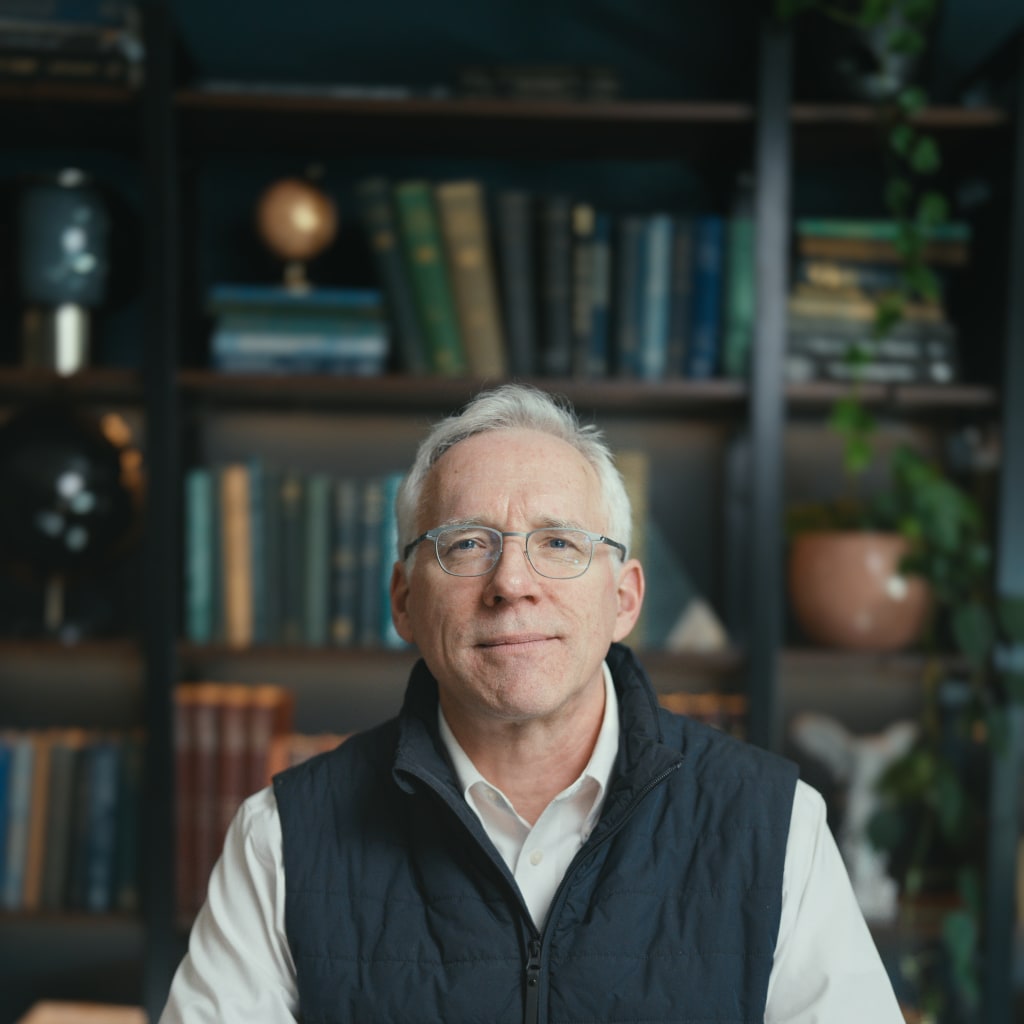
Host
  • James M. Lindsay
    Mary and David Boies Distinguished Senior Fellow in U.S. Foreign Policy
Show Notes

India struggles with the world’s largest COVID-19 surge, Somalia’s president addresses Parliament after dropping a bid to extend his term, and the U.S. withdrawal from Afghanistan gets underway ten years after the raid that killed Osama bin Laden.
United States

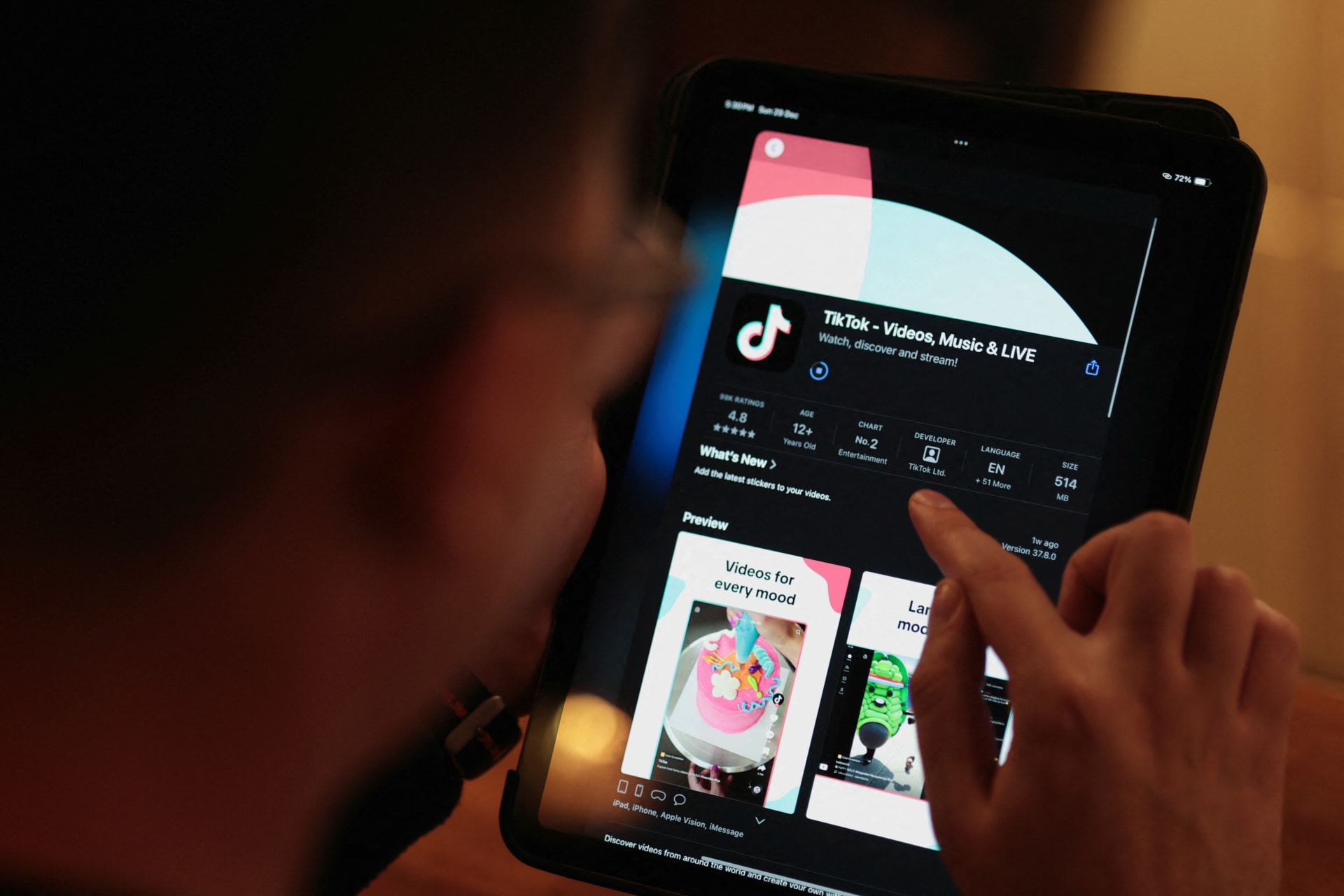
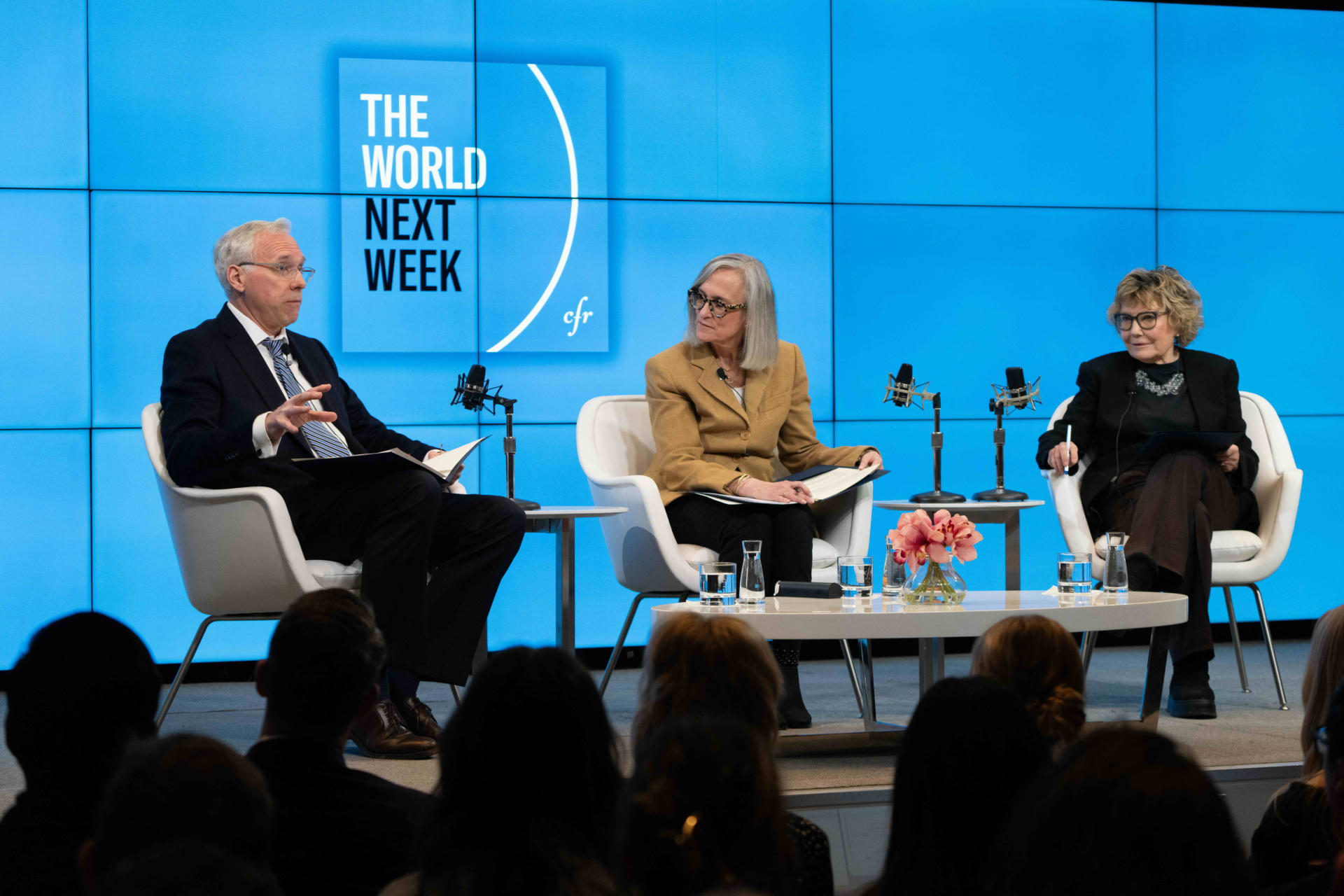
In this live series finale, Bob and Carla discuss the most pressing international news stories with special guest Deborah Amos. President Donald Trump virtually attends the annual Davos summit where he will address corporate and government leaders just three days after his inauguration; the next phase of hostage and prisoner swaps is due as part of the Israel-Hamas cease-fire deal; a tightly controlled presidential election in Belarus kicks off a new year of consequential elections around the globe; and TikTok is revived in the United States—for now— after President Trump forestalled the app’s initial ban.   This episode was originally produced live on January 21, 2025.

Israeli-Palestinian Conflict

Israel and Hamas reach a cease-fire deal aimed at exchanging hostages and prisoners while seeking a longer-term pause in fighting; the incoming Donald Trump administration weighs ambitious moves on immigration; Iranian President Masoud Pezeshkian and Russian President Vladimir Putin sign off on a twenty-year partnership agreement; and students in Serbia protest violations of civil rights.

United States

President-elect Donald Trump’s nominee for secretary of defense, Pete Hegseth, will appear before the Senate Armed Services Committee; the Supreme Court hears arguments over the Joe Biden administration’s imminent banning of TikTok; Canadian Prime Minister Justin Trudeau’s resignation prompts questions on the future of U.S.-Canada trade relations; and Europe’s eastern states confront energy issues after Ukraine stops the flow of Russian gas through its territory.

Top Stories on CFR

Daily News Brief

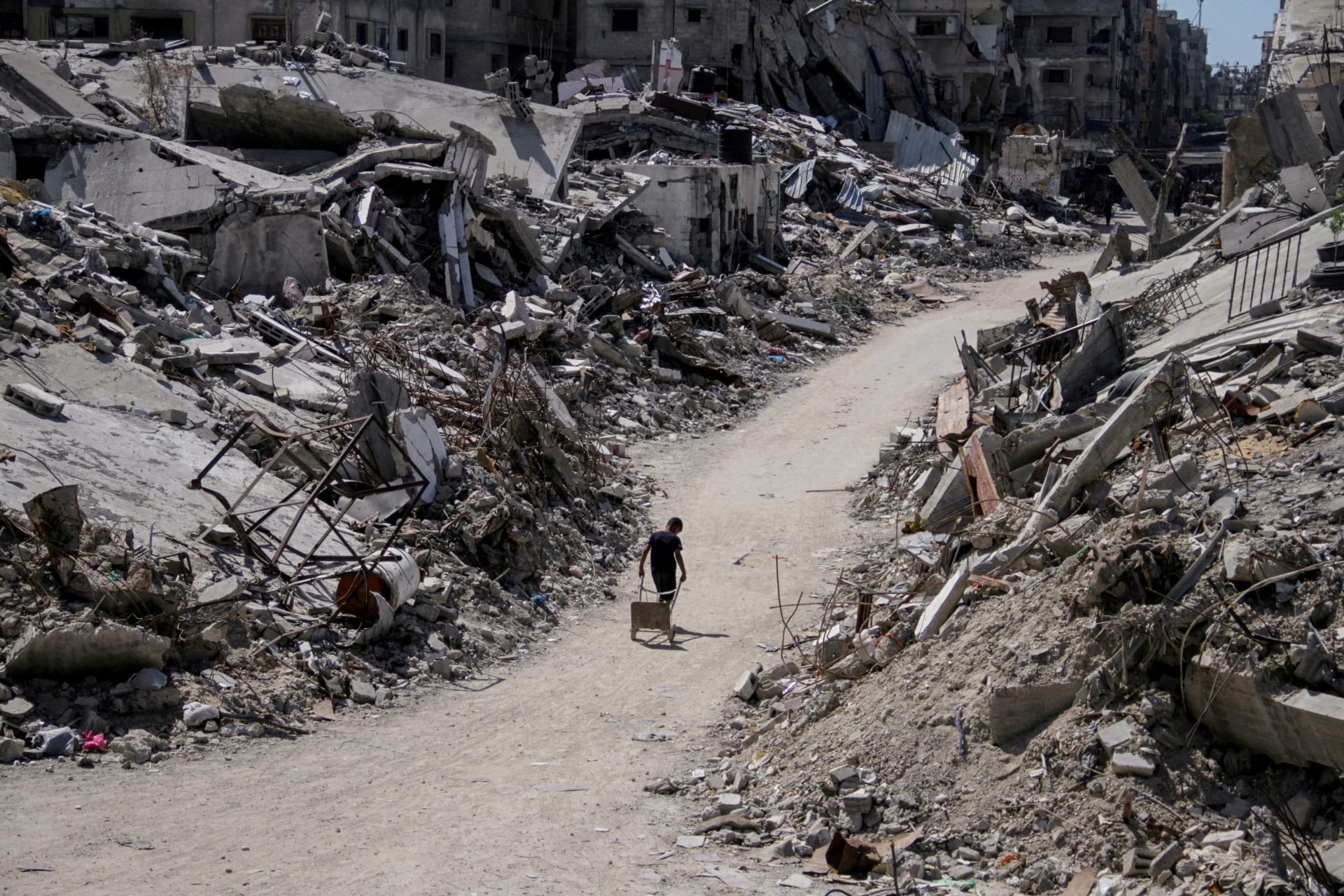
Welcome to the Daily News Brief, CFR’s flagship morning newsletter summarizing the top global news and analysis of the day.  Subscribe to the Daily News Brief to receive it every weekday morning Top of the Agenda The UN Security Council approved a U.S.-backed plan on the future of Gaza in a 13-0 vote yesterday, rallying international backing for a new stabilization force and transitional government in the territory. China and Russia were the only countries that abstained from the vote. Hamas said it rejected parts of the resolution, arguing that the UN tasking an international force with disarming Hamas “turns it into a party to the conflict in favor of the occupation.” Many countries have been waiting for a UN mandate before committing troops to an international force. Though some expressed reservations about parts of the UN resolution, diplomats told multiple news outlets they supported it in order to maintain momentum behind the current truce. More details. The resolution lends international legitimacy to much of U.S. Donald Trump’s twenty-point peace plan for Gaza, which helped secure a ceasefire last month. The resolution envisions an international stabilization force that would protect civilians, decommission weapons held by armed groups, and oversee the training of a Palestinian police force. Israeli forces would withdraw once the force establishes control of the territory. Trump wrote on social media that he would chair a board overseeing the transition alongside various world leaders. The resolution says that if the Palestinian Authority undertakes reforms and rebuilding in Gaza advances, conditions “may finally be in place for a credible pathway to Palestinian self-determination and statehood.”   Next steps. The resolution calls for the establishment of a World Bank-backed trust fund for reconstruction of Gaza. Further talks are expected to determine the ground rules and potential composition of the international stabilization force. Indonesia and Azerbaijan have agreed to participate, U.S. Ambassador to the United Nations Michael Waltz said yesterday. It remains to be seen whether Trump will discuss the plan with Saudi Crown Prince Mohammed bin Salman in his White House visit today. Saudi Arabia has consulted with Trump about plans for postwar Gaza while Trump seeks Saudi normalization with Israel—something that Riyadh says is dependent on a pathway to a Palestinian state.  “If some form of technocratic governance emerges [in Gaza], it could enable real reconstruction to commence and allow Israeli and Palestinian societies to begin addressing their trauma and losses. From a humanitarian perspective, even limited success would be profoundly important.” —RAND’s Shira Efron, Foreign Affairs Across the Globe India-U.S. fuel deal. India will buy nearly 10 percent of its liquefied petroleum gas in 2026 from the United States as part of a new deal, its oil and gas minister said. It is the first fuel deal of its kind for the Indian market and comes as India is looking for a way to reduce U.S. tariffs. Though it would be cheaper for India to buy the oil from Gulf countries, New Delhi said it was diversifying its sources.  Former Bangladesh leader sentenced. A three-member tribunal in Bangladesh sentenced ousted former leader Sheikh Hasina to death over her role in the lethal violence perpetrated by state security forces during 2024 protests that eventually overthrew her government. She fled to India that year and has denied the charges of crimes against humanity, among others, against her.  Drop in foreign students. First-time enrollments by international students at U.S. universities fell 17 percent this fall, a new survey by the Institute of International Education found. The overall number of international students only fell by 1 percent. Colleges cited concerns over visa applications and travel restrictions as factors behind the shift. The survey covered less than a quarter of degree-granting colleges and universities, but included schools that often have high levels of international students.   U.S. visa restrictions on Nicaragua. The State Department said yesterday that it is restricting visas for people and entities in Nicaragua responsible for facilitating illegal migration to the United States, without naming the specific targets. The Trump administration ended temporary protected status for Nicaraguan migrants in the United States in September, making it one of many countries to lose the designation this year.   Poland’s rail explosion. Polish authorities suspect that Ukrainian men working for Russian intelligence services were behind sabotage attacks on a Polish railway line over the weekend, Polish Prime Minister Donald Tusk said today. He called the attacks “unprecedented.” No one was killed in the attacks, though Tusk said efforts to blow up trains represented a dangerous moment of escalation from Russia.   Philippines construction scandal. Prosecutors today filed their first charges in a probe over purported flood-control projects, in which construction companies and government officials are accused of pocketing money intended to fund flood preparedness. The scandal has been building since weeks of flooding in June and July, and spurred mass protests over the weekend.   Germany’s arms exports to Israel. Germany will resume arms exports to Israel beginning November 24 in light of the ceasefire in Gaza. It had suspended the transfer of military equipment that could be used in Gaza in August due to concerns over Israel’s war conduct. A German government spokesperson said yesterday that Berlin expects the ceasefire to hold and humanitarian aid to be provided on a large scale. Danish, South Korean climate pledges. Denmark announced at COP30 yesterday that it will cut its emissions 82 percent from 1990 levels by 2035, overtaking the United Kingdom to boast the most aggressive emissions reduction target in the world. Separately, South Korea announced that it will stop building coal plants that lack carbon capture technology and phase out forty existing ones by 2040.  What’s Next Today, Canadian Prime Minister Mark Carney begins a visit to the United Arab Emirates. Today, a European digital resilience summit begins in Berlin. Tomorrow, Chinese Premier Li Qiang begins a two-day visit to Zambia.

Defense and Security

Strategic competition over the world’s next generation of foundational technologies is underway, and U.S. advantages in artificial intelligence, quantum, and biotechnology are increasingly contested. The United States must address vulnerabilities and mobilize the investment needed to prevail.

Energy and Climate Policy

To meet growing energy demands while averting climate change, the world must accelerate innovation. European nations are the leading contributors to global energy innovation, with Canada the only non-European country in the index’s top ten. The United States ranks thirteenth.