Leapfrogging China’s Critical Minerals Dominance
How Innovation Can Secure U.S. Supply Chains
Overview
The United States cannot out-mine and out-process China. Instead, it should leapfrog China’s dominance by scaling disruptive innovation, recovery, and recycling.
 Heidi E. Crebo-RedikerCFR ExpertSenior Fellow
 Mahnaz KhanVice President of Policy for Critical Supply Chains, Silverado Policy Accelerator
Executive Summary
The Trump administration is pursuing ambitious policies to counter China’s dominance in and weaponization of critical minerals—essential inputs for advanced technologies, energy infrastructure, and defense systems. Current executive actions focus largely on expanding traditional mining and processing capacity. That is a necessary approach, but one that takes years, often decades, and is insufficient to address potential escalation of tensions with China in the present. Beyond the timing challenge, expanding traditional mining and processing is unlikely to overcome the scale of China’s dominance, which spans the entire critical minerals ecosystem.
The United States should therefore pursue a complementary approach that plays to its main strength: innovation. Rather than attempting to out-mine, out-process, and outspend China, the United States should seek to leapfrog China’s dominance by scaling disruptive innovation, recovery, and recycling, which is cheaper, cleaner, and faster to deploy today and could help insulate the United States from future supply shocks.
This report provides a comprehensive overview of promising technologies and practical policy recommendations for the U.S. government and its allies to develop, scale, and deploy these technologies together, all in an effort to secure critical mineral independence from China. Key recommendations include:
Heidi Crebo-Rediker and Mahnaz Khan argue that the United States cannot out-mine and out-process China, and should instead leapfrog China’s dominance by scaling disruptive innovation, recovery, and recycling.
- Make innovation a centerpiece of U.S. critical minerals strategy. Adopt a whole-of-government approach that, alongside traditional mining, prioritizes innovation across materials science, new extraction and processing technologies, recycling, and waste recovery to reduce strategic dependence on China.
- Use materials engineering to bypass, not replicate, China’s choke points. Accelerate the development and deployment of substitute materials—such as rare-earth-free and reduced-content magnets—to eliminate exposure to the most geopolitically vulnerable inputs.
- Scale waste-based recovery as a strategic supply source. Rapidly scale technologies that extract critical minerals from mine tailings, industrial waste, and end-of-life products, transforming environmental liabilities into faster-to-market, lower-cost, and more resilient supply chains while curbing the export of strategically valuable waste.
- Close the scale-up financing gap for frontier mineral technologies. Deploy targeted risk-sharing and investment tools—including streamlined funding pipelines, early-to-growth stage public venture capital investments, and purchase commitments—to move proven technologies from pilot to commercial scale, catalyzing private capital investment when possible.
- Embed innovation-led mineral security into allied frameworks. Coordinate with allies to co-develop, finance, and deploy emerging mineral technologies—through shared research and development (R&D), pilot infrastructure, and aligned procurement—to build competitive supply chains independent of China that can scale faster than any one country acting alone.
These actions, together with others detailed in the report, form the basis of an innovation-centered strategy for mineral resilience, positioning the United States well for a fast-changing future.
Introduction
Critical minerals are vital resources that serve as inputs for everything from electric vehicle batteries and solar panels to semiconductors and advanced weaponry. Long a quiet fault line in global power, they moved to the center of geopolitics in 2025. China’s near-total control over many critical minerals—and willingness to weaponize that dominance—put the world on notice. In October, Beijing significantly expanded its export control regime, demonstrating its ability to restrict global access to rare-earth elements (REEs)—a set of seventeen heavy metals—along with related products, processing technologies, and know-how, nearly bringing vast swaths of the global economy to a standstill. The United States has now reached a dangerous inflection point: Can it overcome its overwhelming dependence on China for critical minerals and rare-earth elements and sufficiently protect its modern industrial base from a Chinese choke hold? Absent a comprehensive strategy, the U.S. industries dependent on critical minerals, including defense, aerospace, autos, and electronics, will remain at risk of Chinese coercion.
China’s mineral dominance should come as no surprise. It was a well-publicized goal of the 2015 “Made in China 2025” plan and pursued over a decade of sustained, strategic investments across the entire critical minerals ecosystem.1 Beijing paired global supply-side expansion with powerful domestic industrial demand, investing in fast-growing industries such as clean energy vehicles, wind power, semiconductors, aerospace, and defense systems.
China’s willingness to weaponize its market dominance was also not a surprise; weaponization has long been—and will continue to be—a core feature of Chinese foreign policy. Meanwhile, U.S. companies chronically underinvested in mining, processing, recovery, recycling, and related technologies. Those decisions were partly due to complacency and partly due to concerns about cost, environmental harm, long permitting timelines, and commercial viability. As a result, China was able to consolidate near-total dominance over the critical minerals market.
Catching up to China is a daunting challenge. Even at warp speed and with significant government support, it will take the United States and its allies years to compensate for past neglect. It is hard to out-mine, out-process, or out-fund China. Rather, the United States should seek to leapfrog China’s dominance by unlocking and scaling disruptive innovation, recovery, and recycling.
Despite China’s formidable position, reasons for optimism exist. Through farsighted U.S. government grant programs—most notably the Department of Energy’s Advanced Research Projects Agency-Energy (ARPA-E) and the Pentagon’s Defense Advanced Research Projects Agency (DARPA)—Washington funded research in breakthrough materials science and in bioengineered and other precision mining, as well as in novel processing technologies. Those early public bets, made in response to China’s restricted exports of rare-earth elements to Japan in 2010 over a territorial dispute, seeded emerging technologies that can challenge China’s choke hold. Moreover, AI-enabled materials research is now accelerating discovery, mapping, modeling, and engineering across the critical minerals supply chain.
Breakthroughs in two adjacent areas are also promising. The first is mine waste recovery, using novel mining and processing technologies to extract and process critical minerals and rare-earth elements from mine tailings, coal ash, and industrial byproducts, including oil and gas fracking wastewater. These abundant secondary resources offer a far faster path to reducing U.S. dependence on China than permitting and developing new mines. In many cases, waste-based recovery is cleaner, easier to permit, and increasingly cost-competitive with Chinese production. New technologies that unlock critical minerals and REEs from waste streams are often modular, scalable, and compatible with existing infrastructure, allowing them to reach commercial scale far more quickly than traditional extraction projects. As a result, mine waste recovery represents one of the most immediate opportunities for the United States to achieve material gains in supply chain security.
The second set of breakthroughs involves recycling old electronics, or e-waste. Despite the potential that e-waste holds for mineral recovery, especially for securing the REEs necessary to produce magnets used in advanced defense and civilian industries, this area receives far less policy attention than mine waste recovery. Worse, the United States exports e-waste, which could cycle critical minerals and rare-earth elements back into Chinese supply chains. To close this gap, the United States should expand efforts to make, use, and recycle its e-waste, creating a circular supply chain.
For the United States, the current moment holds both promise and peril. Many breakthrough technologies have successfully advanced through demonstration and testing. Many have commercialized, and several innovative technologies are even scaling fast. They represent the building blocks of a future where critical materials are sustainably produced, recycled, and substituted, domestically and among U.S. allies. Yet government programs, decision-making timelines, and regulations often do not align with the needs of early-to-growth stage companies. Some scientific discoveries remain sidelined—not for lack of strategic value but for lack of patient venture investment at the right stage, connection to the right entrepreneurs or business expertise, commercial traction to scale, or clear demand signals from government or industry. Companies should also collaborate more to break their dangerous overdependence on Chinese-controlled supply chains.
A U.S. innovation strategy should complement, rather than replace, investment in traditional mining and processing projects. The U.S. government should adopt a whole-of-government approach with measures to scale new technologies across the value chain. This strategy should be complemented by policies that build a viable financing ecosystem to support innovative companies from early development through commercialization. These efforts should be pursued in close coordination with U.S. allies, several of which already possess the technological capabilities, financing, and policy tools needed to reduce China’s critical minerals choke points.
The United States has used this playbook before. On the eve of World War II, the United States confronted a similar supply-chain vulnerability when Japan closed Southeast Asian shipping routes, cutting off more than 90 percent of natural rubber supplies, a material indispensable to the U.S. war effort. The response was a surge in government-led innovation: synthetic rubber, scaled at unprecedented speed through public-private partnerships, became as decisive to allied victory as the atomic bomb.2 At the same time, the U.S. government launched “Salvage for Victory,” a complementary rubber recycling effort, asking all households, farms, and businesses to contribute old tires, inner tubes, garden hoses, floor mats, and even raincoats.
Like the U.S. government’s solution to the rubber shortage, its response to China’s control of critical mineral supply chains should marry innovation with rapid scaling—mobilizing federal support alongside private capital. This strategy gives the United States the best shot of at last breaking China’s critical minerals choke hold.
Launching a National Critical Minerals Innovation Strategy
Advancing critical minerals innovation at national scale will require a clear strategy and mechanisms to coordinate public-private action across the federal government. It cannot be achieved through fragmented programs or agency-by-agency initiatives; it requires centralized direction, aligned incentives, and sustained bipartisan political backing. This strategy could be launched through a single comprehensive executive order, modeled on the approach President Donald Trump took during the first one hundred days of his second administration, when multiple executive actions elevated critical minerals as a strategic national priority (see Appendix I). Those early executive orders demonstrated important principles: speed matters, and executive authority can be used to overcome institutional inertia. Congress should also play a critical role, funding and guiding executive-branch strategy through a new Mineral Innovation Bill to enable executive action.
Advancing critical minerals innovation at national scale will require centralized direction, aligned incentives, and sustained bipartisan political backing.
Trump’s ambitious second-term initiatives are building on previous government actions. Granular assessments of U.S. supply chain vulnerabilities led to catalytic government investment in the critical minerals supply chain during the Biden administration, mainly using the Department of Energy grant and loan programs, tax credits, and the Department of Defense’s use of the 1950 Defense Production Act (DPA). DPA authorities provided U.S., Canadian, and, more recently, Australian companies grants, loans, loan guarantees, and purchase commitments to reopen old mines or develop new ones, to build new refining and recycling facilities, and to produce batteries.3 Those Biden initiatives, in turn, were built on executive orders from Trump’s first term that promoted resilience across the minerals value chain, which, among other things, called for “A Federal Strategy to Ensure Secure and Reliable Supplies of Critical Minerals.”4
Building on those precedents, the Trump administration is ramping up interagency cooperation to address the critical minerals challenge, starting with the newly established National Energy Dominance Council (NEDC). But the United States needs a new phase of coordinated executive and legislative action—focused squarely on innovation, recycling, and recovery—to leapfrog China’s dominance. Without a coherent national strategy to elevate those domains alongside traditional mining and processing, and without targeted funding from Congress, the United States risks a continuation of piecemeal initiatives that prevent industry and allies from investing and scaling together.
Recommendations
Launch a national critical minerals innovation strategy. The National Energy Dominance Council, established at the beginning of Trump’s second term to coordinate federal policy in pursuit of global energy dominance, is the logical platform to launch a formal strategy for critical minerals innovation. A strategy led by the White House and championed by the president is essential to ensuring sustained coordination, credibility, and execution across the federal government. This strategy should draw from expertise across federal agencies and labs alongside input from industry. It should also cover engineering and scaling breakthrough materials, capitalizing on mineral waste through breakthrough recovery and processing technologies, funding mineral technology valleys of death, and promoting allied innovation cooperation.
Appoint a senior director of mineral innovation within the National Energy Dominance Council. The president should appoint the senior director, who would ensure implementation of the critical minerals innovation strategy across U.S. agencies. Although clear national security justifications exist to fast-track larger company projects, the director could encourage the deployment of new technologies by those companies. The director would help early-to-growth stage mining technology companies navigate relevant programs and opportunities. Given the complex, siloed nature of the federal government and the tangled web of programs involved, emerging technology companies often struggle to access federal agencies and funding pathways for their ventures, especially compared to larger, more established mining and processing companies.
Fund and guide a national critical minerals innovation strategy. Congress should work with the Trump administration to support a U.S. critical minerals innovation strategy and provide sufficient funding, guidance, and oversight. A bipartisan mineral innovation act could outline and meet the multifaceted requirements of the Trump administration’s goals to support innovation on critical minerals and could ensure the success and longevity of the strategy beyond the current administration.
Engineering and Scaling Breakthrough Materials
A major leapfrogging strategy for the United States and its allies is to treat materials engineering as a tool of economic statecraft—prioritizing the design of new chemistries, processes, and devices that reduce, replace, or eliminate reliance on the scarcest and most politically exposed inputs. Nowhere is this approach more urgent than in rare-earth magnets that are “permanent,” meaning they produce their own magnetic field without needing an external power source. While the United States primarily produces and processes light rare-earth elements, China controls heavy rare earths essential for high-performance permanent magnets, giving it one of the most strategically consequential choke points in critical minerals.5 These permanent magnets are integral to high-performance systems—including precision weapons, turbines, drones, and advanced medical equipment—as well as to familiar consumer products like cars, hard drives, and earbuds. There are two types of permanent REE magnets: neodymium-based magnets (often known as NdPr), which are the strongest permanent magnets in the world and rely on heavy REEs such as dysprosium and terbium for thermal stability; and samarium-cobalt magnets, which are critical for high-temperature, high-reliability defense and aerospace uses.6
Global heavy-rare-earth supply is highly concentrated and tightly controlled, with mine production dominated by China and neighboring Myanmar. China conducts the overwhelming majority of global heavy-rare-earth processing and permanent magnet manufacturing, and it has further reinforced this position over the course of more than thirty years by effectively locking up global upstream supply.7 As a result, the United States faces near-total dependence on China for the heavy-rare-earth elements required for permanent magnets. Even under optimistic assumptions, demand for permanent magnets is projected to outpace heavy-rare-earth supply.8
China’s weaponization of critical minerals began under President Joe Biden and continued in President Trump’s second term, driven by retaliatory tariffs and export controls on both sides. Starting in 2023, China imposed export controls on key semiconductor inputs such as gallium and germanium, escalating to export bans the following year. This pattern expanded to other critical minerals as U.S. controls on advanced semiconductor chips and inputs tightened. In April 2025, Beijing imposed export controls on seven heavy-rare-earth elements: dysprosium, gadolinium, lutetium, samarium, scandium, terbium, and yttrium. In October 2025, China expanded its export control regime by adding five rare earths critical to magnets and defense applications: erbium, europium, holmium, thulium, and ytterbium (see Figure 1). China also broadened controls to cover related products, technologies, and, in some cases, downstream or foreign-produced items that incorporate rare earths of Chinese origin.
As a result of the 2025 export controls, current trade patterns present a precarious picture for rare earths. Although a subsequent agreement between Trump and Chinese leader Xi Jinping announced a one-year truce and promised limited easing of the October controls, Silverado Policy Accelerator trade data shows that China’s exports of finished permanent magnets rebounded to levels broadly consistent with historical norms following the June agreement (see Figure 2). In contrast, China’s exports of rare-earth metals and compounds were below prior baselines in most months after the implementation of export controls, showing that China continues to retain control over the most critical upstream rare-earth inputs (see Figure 3).
This divergence underscores China’s continued ability to shape market conditions, tightening rare-earth exports as domestic manufacturing of permanent magnets comes online. As a result, the rare-earth magnet supply chain remains structurally exposed to upstream leverage, pricing power, and strategic coercion from China.
It is precisely this combination of concentration, leverage, and forecasted scarcity that makes material engineering a critical strategic counterweight. The United States began funding rare-earth replacement research in 2011, and rare-earth-free or reduced rare-earth magnet technologies are already beginning to commercialize and scale. Moreover, artificial intelligence (AI) is now an integral part of new chemistry development and is set to supercharge the future of material engineering and reduce the time to discover, test, and deploy new materials and designs.
Material engineers treat material or mineral constraints as a design opportunity. While the United States and its allies develop, ramp up, and vertically integrate domestic and allied REE magnet supply chains, they should also pursue engineered alternatives as a hedge against persistent dependence on heavy rare earths. Instead of assuming that future motors, generators, and weapons systems need to be built around a fixed NdPr or samarium-cobalt recipe, policy can drive a shift in two directions. The first is substitution: magnets engineered from abundant elements that deliver comparable performance with reduced rare earths or without rare earths. The second is efficiency: device and system designs that deliver the same or better performance with less magnet mass. (See Case Study 1.)
Case Study 1
Niron Magnetics’ Rare-Earth-Free Magnets
One of the clearest examples of leapfrogging is the design and development of rare-earth-free iron nitride permanent magnets. Originating at the University of Minnesota, the work began under ARPA-E’s Rare Earth Alternatives in Critical Technologies (REACT) program, launched in response to China’s 2010 rare-earth export ban on Japan. REACT funded research on substitutes for rare-earth-based magnets in the event that China would one day impose export restrictions on the United States. In 2011, the University of Minnesota received a $4.25 million REACT grant to explore iron nitride as a high-performance magnet material. The research showed promise, received more grant funding, and ultimately spun out Niron Magnetics as a commercial company, with continued collaboration from the AMES Critical Materials Innovation Hub and the University of Minnesota.
U.S. government strategy shaped the development of the technology from the outset. In the case of iron nitride magnet technology, the U.S. government advanced one of the most viable of many candidates through pilot-stage toward commercialization. ARPA-E awarded Niron $17.5 million in 2022 through its SCALEUP program, supporting the transition from laboratory samples to manufacturable products. Private investors, including Stellantis, GM, and Samsung, provided additional capital, supplemented by support from the state of Minnesota.
Niron Magnetics is scaling quickly. In September 2025, it began constructing a roughly 190,000-square-foot manufacturing facility in Sartell, Minnesota, which will be the world’s first large-scale factory producing rare-earth-free iron nitride magnets. Its feedstocks—iron and nitrogen—are abundant and inexpensive.
The Niron case illustrates several policy lessons. First, government R&D can succeed when it targets a specific strategic vulnerability and funds multiple technical approaches in parallel, especially when paired with National Labs, universities, and end users. Second, continuity of support from discovery through scale-up matters: the REACT grant and subsequent ARPA-E funding formed a coherent pipeline rather than isolated awards. Third, industry collaboration early on facilitated product testing and allowed future customers to design their own products for Niron’s magnets, at the same time potentially locking in a customer base for the new products.
Recommendation
Establish a multiyear magnet independence initiative. The National Energy Dominance Council should establish this initiative, which should set explicit goals to reduce dependence on heavy REEs in key magnet applications across both commercial and defense industries, with progress measured against a defined timeline. The initiative should direct relevant agencies to focus on the following:
- Technology Design and Innovation: Prioritize funding for a diversified portfolio of substitute magnet chemistries, including rare-earth free or reduced options, with tight integration between materials science, process engineering, and device design with company input early in the process. To identify the most promising composites, integrate AI-assisted materials discovery and high-throughput experimentation—that is, the use of automation and miniaturization to perform large numbers of experiments quickly and automatically to find the best new materials much faster than traditional trial and error.
- Scale-Up and Commercialization: Create a structured pathway from research to pilot to commercial plants, ensuring that the most promising substitution technologies do not stall in the valley of death. Preapprove ARPA-E-funded and validated technologies for all federal funding programs. Prioritize permitting and regulatory support for facilities and products that demonstrably reduce heavy-rare-earth intensity or eliminate heavy rare earths altogether.
- Market Formation, Procurement, and Standards: Shift federal procurement and relevant regulations toward performance-based standards that focus on what magnets should do, rather than prescribing specific materials, thereby opening space for technologies, such as iron nitride magnets. Provide tax or other incentives for automotive, aerospace, defense, and other end users of permanent magnets to redesign devices to enable integration of rare-earth free or reduced magnets. Develop standardized metrics and disclosures for heavy-rare-earth content and supply chain concentration in magnet-containing products, enabling more informed purchasing and policy decisions. Coordinate procurement policies among Group of Seven (G7) and other partners to create sufficiently large, predictable markets for alternative magnet technologies.
- Allied Innovation and Strategic Coordination: Build multinational magnet innovation consortiums that share data, testing facilities, and design tools; align research agendas; and avoid duplicative efforts. Integrate magnet and material-engineering objectives into broader economic security, trade, and development dialogues.
Capitalizing on Mineral Waste
Waste is not a liability: it is the United States’ next mine. Waste-based supply chains—sourced from mine tailings, byproducts of industrial processes, or end-of-life products—present a multifaceted opportunity for new breakthrough technologies. Mining from waste can reduce exposure to geopolitical coercion and export controls by localizing the supply of critical materials. It can offset legacy environmental liabilities and reduce the need for new land disturbance, minimizing the need for time-consuming permitting. Many new technologies mining waste are far faster to scale and far cleaner than traditional mining. Some are even approaching cost competitiveness with Chinese sources.
The importance of new technologies driving down cost cannot be overstated—China’s global dominance of critical minerals supply and demand, paired with lack of commodity price sensitivity, gives Beijing control of global pricing power. China has weaponized this pricing power for the past two decades to put market-based mining companies out of business around the world. Emerging technologies for harvesting and processing waste are bringing the United States closer to bypassing China’s pricing dominance. Developing cost-competitive capabilities in waste-based recovery and circular systems would position the United States as a leader in a new industrial frontier.
Developing cost-competitive capabilities in waste-based recovery and circular systems would position the United States as a leader in a new industrial frontier.
At the same time, China is rapidly expanding its market advantage into the recovery and recycling spaces, especially for end-of-life products such as batteries sourced from the roughly 80 percent of global battery production it already manufactures.9 According to the International Energy Agency, China plans to recycle battery and other e-waste and refine 75 percent of global battery materials by 2030.10 China further entrenched its position by establishing China Resources Recycling Group Ltd. in 2024, a state-owned enterprise tasked with scaling the recovery and reuse of end-of-life batteries, scrap steel, and electronic waste, supported by substantial state capital and industrial policy backing.11 China’s push to dominate global recycling underscores the urgency for the United States and its allies to control their own waste exports and build their own capacity.
The United States has vast opportunities to use its own waste. Across the country, decades of mining and industrial activity have left behind massive waste and by-product streams containing critical materials at concentrations comparable to, or in some cases higher than, primary ores.12[i] The United States exports a portion of e-waste for recycling overseas, often to Asia, where critical minerals and rare earths can be fed back into China’s mineral supply chain for processing and further use. The United States should discontinue this practice and develop a circular supply chain using its own generated e-waste. Mining waste cannot replace the need for traditional mining, but it can and should be a powerful complement.
Recent Trump administration initiatives recognize the power of recycling and recovery, but they remain fragmented. The Department of Energy’s $500 million Battery Materials Processing and Recycling Grant Program and ARPA-E’s $40 million RECOVER initiative for wastewater recovery have begun to scale research, development, and demonstration projects focused on extracting critical minerals from legacy waste streams.13 In parallel, the Department of Energy committed roughly $134 million to advance technologies that demonstrate the commercial recovery and refining of rare-earth elements from waste, including mine tailings, e-waste, and waste from other industrial activity.14 The secretary of the interior issued an order directing the Department of Interior to streamline federal regulations to facilitate the recovery of critical minerals from mine waste, update guidance to make mine waste recovery projects eligible for federal funding, and map and inventory federal mine waste.15 Together, these efforts reflect a growing recognition that, when paired with coordinated policy and investment, waste-based recovery can transform environmental liabilities into strategic assets.
New technologies to mine and separate specific critical minerals and REE from different kinds of waste are quickly transitioning from pilot-scale extraction and processing ventures to industrial-scale, geopolitically resilient circular supply chains. Promising precision mining technologies, including those using bioengineering and chemical engineering, are revolutionizing mining and refining. One company, Alta Resources Technologies, bioengineers proteins that act like highly selective “molecular robots” to bind and separate specific targeted REE and other strategic minerals from complex, low-grade mining waste streams and e-waste. Another company, Phoenix Tailings, developed a chemical process that selectively extracts REE from mining waste without harsh acids or high heat.16 This process dramatically reduces pollution while enabling cost-competitive domestic production.
Other new technologies extract lithium from the one trillion gallons of oil and gas fracking wastewater produced annually in the United States. For example, Lilac Solutions extracts lithium from fracking wastewater, as well as other brine, using a novel ion exchange technology. Another company, Element3, is also piloting and commercializing lithium extraction from fracking wastewater with technology originally licensed from Oak Ridge National Lab. Several other companies are actively piloting or commercializing lithium extraction from oil and gas wastewater in the Permian (Texas), Bakken (Montana and North Dakota), and Marcellus (Pennsylvania) Basins.
Phytomining, another promising waste-harvesting technology, uses genetically engineered hyperaccumulator plants that naturally extract high concentrations of metals such as nickel, cobalt, and—in some cases—rare-earth elements from waste and tailings. The plants are harvested and processed to recover concentrated metal from the resulting biomass, enabling “farming” of critical materials. Genomines, a Franco-South African phytominer backed by MIT’s Engine Ventures, farms metals from plant biomass that can evidently exceed the concentration of critical mineral ore grade using traditional mining methods.17
Major mining companies are already moving ahead at scale to integrate new technologies into their operations, driven not by government mandates but by commercial interest. Rio Tinto, a British-Australian mining company, incubates and seed funds in-house innovations as well as outside founders and teams. Through its accelerator for pre-seed and seed funding and its venture fund for Series A and B, the company is essentially funding a portfolio of bets in the sector.
In December 2025, Rio Tinto successfully produced copper in Arizona using Nuton, a proprietary technology that uses microorganisms to recover that metal and other minerals from waste rock and tailings at closed or unprofitable old mines.18 This technology creates new opportunities to reopen already permitted sites and extend the life of “spent” mines across the United States, Australia, Canada, and elsewhere, either through Rio Tinto’s own operations or by licensing Nuton technology to other mining companies.
In July 2025, MP Materials, the leading U.S. rare-earth producer, announced a roughly $500 million private investment to build a domestic rare-earth magnet recycling and manufacturing ecosystem, including a long-term offtake agreement with Apple to supply recycled rare earths for consumer electronics.19 This initiative was structured and financed privately, without direct government support, underscoring the commercial viability of recovery and recycling at scale. Glencore, a Switzerland-based mining and trading company, similarly strengthened its position in battery-materials recycling technology through its acquisition of Li-Cycle, a Canada-based recycler. The purchase will allow Glencore to integrate advanced hydrometallurgical recovery capabilities into its global metals and trading businesses.20
Large established companies are not the only winners: the economics are also beginning to favor growth-stage firms. Recent partnership agreements, such as the collaboration between Vulcan Elements in North Carolina and ReElement Technologies, an Indiana-based company working with technology developed at Purdue University, demonstrate that market-driven vertically integrated recovery, recycling, and magnet production models are increasingly viable beyond large incumbents.21 (See Case Study 2.)
Companies are investing in recovery, recycling, and new waste-extraction technologies on their own, for their own benefit. But scaling these individual private efforts to truly reduce the United States’ reliance on Chinese critical minerals requires a coordinated national strategy—one that aligns recycling and waste policies with national and economic security while supporting research for new disruptive emerging technologies. A whole-of-government plan can turn these scattered opportunities into a coherent pillar of critical mineral security.
Case Study 2
Vulcan Elements and ReElement Technologies: Scaling Circular REE Magnet Production
China’s control of the heavy rare earths essential for high-performance permanent magnets—and therefore the magnets themselves—constitutes one of the most consequential choke points in critical minerals. In November 2025, the U.S. government made a $1.4 billion combined debt-and-equity investment to accelerate scale-up of domestic rare-earth magnet recycling, recovery, and manufacturing—an illustrative case of targeted intervention to accelerate leapfrog technologies with two vertically integrated growth-stage companies. With coordinated support from the Departments of Defense and Commerce, Vulcan Elements’ partnership with ReElement Technologies demonstrates how e-waste–based recovery of rare-earth elements and end-of-use magnets, combined with advanced downstream manufacturing, can move quickly from pilot validation to commercial scale.
ReElement Technologies extracts high-purity rare earths and other critical materials from end-of-life products and industrial waste suitable for direct use in magnet manufacturing. Vulcan Elements uses this recovered material to produce cost-competitive, high-performance rare-earth magnets domestically, creating a fully integrated, closed-loop supply chain that avoids primary mining and eliminates reliance on China.
Over more than a year of joint development, the companies recovered materials and produced high-performance magnets, demonstrating an end-to-end domestic supply chain that was operational and ready to scale. By the pilot stage, offtake customers were testing and validating the performance of multiple types of magnets, confirming commercial readiness to accelerate commercialization.
The government support will fund construction of Vulcan’s 10,000-metric-ton rare-earth magnet facility in North Carolina, which is expected to be operational by 2027, and expand ReElement’s processing capacity to supply equivalent volumes. Pre-negotiated demand was decisive to the financing. Vulcan already held contracts with every branch of the U.S. military and partnerships across critical sectors including semiconductors, AI infrastructure, and drone manufacturing.
The case offers a model for how coordinated government tools can scale integrated technologies to bypass a Chinese choke point through recycling waste.
Recommendations
Invest more in R&D. Instead of reducing their funding, provide more to the National Labs, research universities, and relevant agencies to expand paths to commercialization. Any national strategy needs to begin where the innovation begins: by increasing congressional support for the U.S. government-funded research universities, National Laboratories, and Technology Centers supported by the Department of Energy and Department of Defense. These institutions have discovered, designed, and developed many of the recovery technologies enabling waste recovery today. Most of the waste recovery technology companies represented in the study group trace their origins to these government-funded institutions and remain connected to them for continued collaboration and support. The National Labs, in particular, are national treasures, discovering breakthrough innovation while supporting early pilots from lab discoveries and early commercial demonstrations from pilots. Most also connect scientists and entrepreneurs with private partners through lab hubs, although the quality of commercialization programs differs from lab to lab.
Two programs in particular stand out.The AMES Critical Materials Innovation (CMI) Hub, led by AMES National Laboratory in Iowa, conducts and supports research on next-generation critical materials recycling and processing technology. AMES also studies frontier material engineering of critical minerals with a mission to eliminate the need for materials subject to supply disruptions, as discussed in the previous section.22 Importantly, the AMES CMI Hub sits at the center of an innovation ecosystem and partners with other national labs, companies, and universities to develop multiple ways to commercially and sustainably harvest waste through novel methods.23 Another program, the Department of Energy’s ReCell program, led by Argonne National Laboratory in Illinois, supports research on advanced battery recycling and related technology, and also acts as a hub to partner with companies and universities to develop cost-competitive methods to recycle advanced batteries.24 Both labs and programs could serve as an excellent launchpad for more significant public-private collaboration on recycling and related technology development. Support for commercialization should address the following:
- Deeper Connection Between Labs and Industry: Commercialization happens best when National Labs and scientists connect with entrepreneurs and companies. Scientists often prefer to remain in the lab, so deliberate federal government efforts are needed to encourage more lab collaboration with business schools and venture capital ecosystems, especially those sponsored by mining companies, automotive, and other corporate venture arms from the United States and close allies. These connections can encourage more commercialization of government-funded innovation. The agencies should provide incentives for national labs to commercialize more waste-based technologies.
- Sharing Existing Furnaces: Traditional mining companies should provide scientists and start-ups access to unused furnaces to test and pilot new waste extraction and processing technologies, in collaboration with National Labs. Such agreements would eliminate the need to build expensive new infrastructure to validate innovation. Furnace testing is costly but necessary. It acts as controlled proving grounds where new mining and processing technologies are stress-tested, tuned, and validated before being scaled into commercial operations. Without this validation, commercial scaling is not possible.
Establish a multiyear capitalizing on mineral waste program. The National Energy Dominance Council should establish this program to support innovation and commercialization, including through national multiyear goals for using critical minerals sourced from recovery and recycling. The waste-based policies should address the following:
- Mapping, Inventorying, and Characterizing Waste: Congress should significantly increase funding for the Department of the Interior’s U.S. Geological Survey (USGS) to support mine waste inventory and mine waste characterization. Using AI, satellite-based remote sensing, machine learning, and virtual replicas, these surveys can characterize waste deposits, optimize process conditions, and reduce operating costs. The USGS should focus first on evaluating mine-waste deposits most likely to yield those critical minerals for which the United States is subject to Chinese coercion or overdependence on single sources.
- Consolidating, Reclassifying, and Sharing Waste Data: The USGS, Department of Energy, Department of Defense, Environmental Protection Agency, and other relevant agencies should fast track quantifying, mapping, and tracking all categories of mineral waste. Types of mineral waste include coal ash ponds, mine tailings from currently operating or old mines, industrial slags, red mud from alumina refining, fracking wastewater, and all types of e-waste. All data from all relevant agencies should be consolidated for ease of use. They should also update waste classifications and permitting processes to maximize the safe use of waste for critical mineral and REE recovery, as the original classifications were not created with recycling in mind.
- Capturing, Classifying, and Quantifying Waste Exports by Potential for Mineral Recovery: Relevant agencies should collectively monitor, collect, and publish data on all exports of waste using the updated classifications noted above, especially e-waste. Data should be updated regularly. This oversight would ensure that waste that contains certain strategic critical materials and REEs is captured and fed back into U.S. or allied waste supply chains—rather than exported to other countries that could feed critical materials back into China’s supply chain.
- A Temporary Ban on All U.S. Exports of e-Waste: Until relevant agencies determine what mineral value might be unlocked, relevant agencies should ensure that valuable e-waste is not exported. Retaining e-waste is especially important to lock in secure, reliable waste supply for U.S. technology companies looking to scale and fund their growth through recycling. E-waste, in particular, contains significant quantities of magnets and REEs.
- The Department of Defense Recycling Mandate: The Department of Defense should be required to maximize recycling of decommissioned military waste. As much as possible, it should encourage collaboration with private recyclers to foster growth in national recycling infrastructure.
- The Department of Defense Waste Recovery Priority: The National Defense Industrial Strategy should prioritize waste recovery by classifying waste recovery and circular materials as Defense Production Act priorities.
- Procurement Demand Signal: Government procurement policies need to prioritize materials recovered from waste streams—especially in defense, energy, and infrastructure procurement.
- Market Formation Support: The U.S. government should send strong demand signals by requiring some portion of waste-based materials (recycled magnets, for example) be incorporated into industrial manufacturing over time in relevant industries or by providing tax credit incentives for companies to do so.
- Government Risk Mitigation Liability Instruments: Waste-based technology investments face risks of regulatory uncertainty, given that their waste inputs are often toxic, with unresolved liabilities. The U.S. government should mitigate this additional liability with federally backed liability instruments to underwrite venture risk investments using toxic waste.
Financing the Mineral Valleys of Death
U.S. mineral technologies are plagued by persistent financing gaps and multiple valleys of death that prevent promising technologies from moving from laboratory proof of concept to commercial scale (see Appendix II). Many innovative approaches to extraction, refining, recycling, and material substitution have already been proven at pilot scale. But as those technologies move toward commercial deployment, they often struggle to cross successive valleys of death, relying on a patchwork of public grants, private and sometimes philanthropic capital, and tax credits until they are large enough to attract later-stage government programs, venture capital, or debt financing. To fully capture the benefits of disruptive innovation in critical minerals and recycling, additional government investment tools are needed to help technologies scale today. The aim should be to catalyze private capital investment over a company’s lifetime, ultimately making government support to address market failures unnecessary.
To fully capture the benefits of disruptive innovation in critical minerals and recycling, additional government investment tools are needed to help technologies scale today.
The United States provides strong support for R&D, early-stage innovation, and initial commercialization through grants from the Departments of Energy, Commerce, and Defense, sometimes paired with frontier venture capital seed funding. The United States also has many investment tools to catalyze private investment for later-stage growth or larger companies and projects. They include the following:
- Defense Production Act Title III funding, which provides loans, guarantees, purchase commitments, and priority contracting, most frequently used by the Department of Defense.
- The Department of Defense’s Office of Strategic Capital (OSC), which mobilizes and de-risks private capital by using loans, guarantees, and investment in technologies and supply chains critical to U.S. national and economic security, and through fund partnerships, where the OSC’s Critical Technologies Limited Partner Program provides loans and financing to qualified investment fund managers.
- The Department of Energy’s Loan Program Office, recently renamed the Office of Energy Dominance Financing, which lends, provides loan guarantees, or offers credit enhancements to later-stage companies able to support debt.
- The Department of Commerce’s Investment Accelerator, now responsible for the CHIPS Program Office, which facilitates investments over $1 billion dollars with a scope to invest beyond semiconductor manufacturing to other critical sectors.
- The U.S. Small Business Administration and OSC, which jointly use the Critical Technologies Initiative to catalyze private capital for technologies essential to U.S. national and economic security, use debt instruments that require creditworthy borrowers.
- Export-Import Bank (EXIM), which provides loans, guarantees, and insurance to support U.S. exports and related imports.25
- The U.S. International Development Finance Corporation (DFC), which provides debt financing, equity-like debt structures, and political risk insurance, and invests in funds such as TechMet and the Orion Critical Minerals Consortium—both DFC-backed investment funds focused on strategic critical minerals projects in DFC-eligible markets.26
All these programs rely primarily on debt instruments requiring bankable borrowers. Those government investment instruments remain largely inaccessible to companies without offtake contracts or strong credit guarantees—agreements that early-to-growth stage frontier tech firms cannot easily secure.
Critical mineral technology companies at the early-to-growth stage have limited options to address their capital structure and scaling needs. Frontier minerals technologies resemble deep-tech ventures rather than traditional mining projects. The most disruptive examples emerging today are rooted in materials science, chemistry, process engineering, biotechnology, and AI-enabled platforms, not conventional extraction models. Those innovations typically entail high up-front R&D and scaling costs, long and uncertain commercialization timelines, and platform characteristics in which a single technology can be applied across multiple minerals, waste streams, or end products. Because of those features, they are poorly suited to conventional project financing or loan-based support. After company formation, equity is the only viable investment mechanism. That seed stage through Series A and B investment requires more than risk appetite and patient capital; it demands a mindset and skill set absent in the current U.S. economic tool kit. It requires experience mentoring and scaling early-to-growth stage companies with an eye toward a future exit, either through an initial public offering (IPO) or strategic sale.
Mission-driven investors such as In-Q-Tel (IQT), the U.S. intelligence community’s independent nonprofit strategic venture capital fund, are supporting the pilot-to-commercialization scaling part of the pipeline for critical mineral technology companies. They provide patient capital; experience scaling early-stage companies; technology expertise; processing, recycling, and industry expertise; and the ability to grow together with frontier innovations. (See Case Study 3.) While private venture capital is showing increased interest in critical minerals technologies, most patient and strategically aligned equity venture investments originate abroad. These investors come mainly from U.S. allies in Asia and Europe, particularly from venture arms of mining companies, automotive companies, and advanced technology end users. Although private capital is indispensable, it is ultimately designed to maximize firm-level returns rather than resolve systemic supply chain vulnerabilities or advance national strategic objectives. Bridging the financial valley of death therefore requires coordinated public, quasi-public, private, and ecosystem-based financing architectures that align commercial incentives with broader economic and security outcomes.
Case Study 3
In-Q-Tel as Venture Model for Critical Minerals Technology
In-Q-Tel (IQT), the U.S. intelligence community’s independent nonprofit strategic venture capital fund, launched its Compass Fund in September 2023 to fill the early-to-growth stage (seed through Series B) direct equity investment gap in critical mineral technology, but it is the only U.S. government organization that plays a traditional venture capital role. Other forms of U.S. investment fill financing gaps in later stages and rely on debt or equity-like debt products not appropriate for early-to-growth stage technology companies. Because the national security opportunity in mining critical minerals and REEs from waste is clear, three of IQT’s early equity investments are developing technologies to mine waste. With expertise, industry connections, and follow-on investment through Series B and beyond, IQT is supporting these investments as they scale, filling a crucial stage in the commercialization of a technology venture. Given its twenty-five-year track record and industry relationships, IQT investments send strong signals to private investors that enable a crowding in of private capital so vital in early-to-growth stage frontier technology ventures. Notable examples of IQT investments in the critical minerals technology sector include:
Alta Resources Technologies, based in Boulder, Colorado, bioengineers proteins that act like highly selective “molecular robots” to bind and separate rare-earth elements and other strategic minerals from complex, low-grade feedstocks, including industrial waste streams. It is an AMES Lab CMI Team Member.
Phoenix Tailings, based in Woburn, Massachusetts, developed new solvent-free metallurgical separation and metallization technologies to refine mine tailings into rare-earth elements, eliminate toxic tailings, and drastically cut emissions in the process. It is also an AMES Lab CMI Team Member.
Noveon Magnetics, based in San Marcos, Texas, developed technology to produce magnets from recycled end-of-life magnetic materials—at scale—using fewer manufacturing steps, enabled by neural networks and AI that rely on a robust information database, producing a cleaner and cost-effective magnet.
Recommendations
Create a critical minerals innovation venture fund. The Department of Defense and Department of Commerce are becoming far more active in the market in new ways and using existing authorities more creatively—taking equity-like stakes and financial warrants in companies, in addition to providing offtake agreements, price floors, debt, and guarantees—to support and scale resilient supply chains. They have already done so with MP Materials, Lithium Americas, Vulcan Elements, ReElement Technologies, Trilogy Metals, and USA Rare Earth. The Department of Commerce is becoming an important new investor in critical minerals using CHIPS and Science Act funding in expansive ways, including investing its grants to acquire direct equity stakes in public and private companies. Now, with DFC reauthorization, which includes a $5 billion equity revolving fund and expanded authority to take up to 40 percent minority equity stakes in non-U.S. companies, direct federal equity participation has become increasingly institutionalized as a tool to advance critical minerals objectives. By taking equity stakes, the U.S. government adds a new economic tool to support companies critical to national and economic security, though this approach currently operates with limited guardrails and oversight. For equity positions in large strategic companies, the U.S. government could remain passive or become a more active equity investor; it is too soon to tell the true value that government ownership will bring. However, a dedicated independent Critical Mineral REE Innovation Venture Fund, authorized by Congress, could make an enormous difference and provide significant value to disruptive mining and refining technology ventures that would otherwise not find private investors willing to take the seed or early-to-growth stage risk. Filling this market failure to scale technologies quickly is in the national interest, but not always in a venture capital fund’s commercial interest until a much later stage.
Managed at arm’s length from government and led by experienced frontier-technology investors with a track record of building and scaling disruptive start-ups—and deep expertise in minerals, materials, chemical and biotechnology, and industry—a dedicated critical minerals innovation venture fund could operate with the discipline of private venture capital. It would provide the patient, equity-based capital and strategic guidance needed to help these technologies bridge the valleys of death and reach commercial scale. It would also require a higher tolerance for failure alongside successful investments—consistent with a venture capital model—and the political backing to sustain that approach.
Accelerate funding pipelines for innovation. Establish pipeline-to-deployment pathways that allow high-performing grantees to advance seamlessly into subsequent funding phases across federal agencies to speed technology scaling without repeated reapplication. This approach would reduce administrative friction, preserve momentum, and shorten scaling timelines for promising innovations. In parallel, all agencies with applicable funding authorities should adopt clear time-bound processing targets for small-scale, pilot, and demonstration projects, with streamlined underwriting and decision-making to ensure that early-stage technologies are not needlessly stalled.
Reform federal financing mechanisms to lower loan thresholds and increase default rate caps. The federal government should update its credit programs to better support early- and mid-scale critical minerals projects by lowering minimum loan thresholds and underwriting costs through the Department of Energy’s Loan Programs Office, the Export–Import Bank, and the U.S. International Development Finance Corporation. Enabling financing in the $5 million to $30 million range would help pilot-scale and first-of-a-kind projects access federal support and move more quickly toward commercial viability. In addition, raising the Export-Import Bank’s statutory default rate cap of 2 percent would allow the bank to be more flexible when supporting pilot-scale and first-of-a-kind projects.
Create tax incentives to drive critical minerals innovation. The federal government should use tax policy to accelerate innovation in critical minerals processing and refining, not merely to subsidize mature production. Congress should adapt Section 45X—Advanced Manufacturing Production Credit, a tax credit that subsidizes domestic manufacturing of critical components and materials—or a similar targeted incentive to support the deployment of innovative processing technologies at the pilot, demonstration, and early commercial stages. It should also link tax credit eligibility to technological performance and mineral quality thresholds aligned with commercial needs.
Deploy catalytic first-loss capital to unlock private investment. Relevant federal agencies should establish first-loss or risk-sharing equity mechanisms for critical minerals projects that employ new technologies. First-loss capital is funding that absorbs initial losses in an investment, reducing risk for other investors and helping catalyze private capital investment. Such a mechanism would help overcome a chicken-and-egg problem where neither the government nor private capital is willing to invest first. This mechanism should deploy small tranches of $5 million to $10 million to high-potential projects, designed to bridge early commercialization gaps. Prioritizing speed and flexibility over scale would enable companies to move quickly through critical inflection points.
Expand EB-5 and Opportunity Zone financing for critical minerals projects. Congress should extend expedited EB-5 processing for allied investors to critical minerals projects designated as waste based or recycling or defense adjacent, prioritizing those scaling new technologies. The EB-5 visa program awards green cards to foreigners who invest at least $800,000 in a U.S. business. Granting expedited treatment would significantly lower the cost of capital to scale emerging technologies, accelerate fundraising timelines, and enable projects to attract institutional investors more quickly by improving debt pricing and financing certainty. In parallel, policymakers should better align EB-5 eligibility with Opportunity Zone incentives for critical minerals projects. An Opportunity Zone is a federally designated low-income area where investors can receive tax benefits for investing capital gains into businesses or real estate projects to spur local economic development. This arrangement would allow patient capital from foreign and domestic sources to coinvest in facilities without requiring direct government investment or project-level selection.
Establish a single information sharing platform on www.criticalminerals.gov. To simplify access to information across federal government programs and funding opportunities, the director of mineral innovation should build a centralized portal that includes links to Notices of Funding Opportunities, applications and deadlines, National Lab events and funding, DARPA challenges, and ARPA-E research opportunities. This platform should allow for links to state and local innovation funding and tax support, as well as university and private incubators and accelerators into the portal feed. It can use the already registered government website www.criticalminerals.gov, which exists only as an inactive placeholder page but could become a one-stop-shop digital platform. The Biden administration offers a clear precedent: it created the www.build.gov platform to consolidate and regularly update Bipartisan Infrastructure Law funding as it became available across agencies. The website should also include points of contact and allow for two-way feedback mechanisms to flag systemic bottlenecks and inefficiencies.27 Managing cross-agency information with one entry point for users is feasible and scalable, allowing technology companies from across the country to navigate opportunities.
Promoting Allied Innovation Cooperation
In the effort to create a critical mineral supply chain outside China, cooperation among allies on innovation has moved from playing a supporting role to taking center stage. The core challenge is not purely geological, but technological, financial, and institutional. China’s advantage stems from its ability to scale global extraction quickly, process without environmental or labor constraints, restrict use of extraction and processing technologies, and control critical mineral market pricing. This long head start means that the only way to catch up is to innovate in those technological, financial, and institutional arenas. The United States and its allies should pool ideas, capital, and industrial tools to close innovation gaps and leapfrog China in the technologies that will define the next generation of mineral supply chains.
The United States and its allies should pool ideas, capital, and industrial tools to close innovation gaps and leapfrog China in the technologies that will define the next generation of mineral supply chains.
The G7 Critical Minerals Action Plan, which features “promoting innovation” as a core pillar, recognizes this reality.28 The plan highlights advances in processing, recycling, and recovery from waste as essential to closing cost and scale gaps with China. It is intended to serve as a practical roadmap for coordinated allied investment rather than a declaratory commitment, with early G7 projects already spanning R&D, demonstration, and downstream commercialization.
Canada’s experience demonstrates how to operationalize this framework. While holding the G7 presidency in 2025, Canada launched more than two dozen projects under the Critical Minerals Production Alliance, including collaborative R&D across mining, byproduct recovery, recycling, and innovative separation technologies for processing. Participants noted that the Canadian government emphasizes that innovation is inseparable from speed, affordability, and future resilience, and that bridging the valley of death between pilot-scale success and commercial deployment requires cross-government coordination, provincial engagement, and early demand signals to unlock private investment.
Australia offers a complementary model that explicitly links innovation policy with industrial outcomes. Through its Critical Minerals R&D Hub—which connects government research labs, universities, and industry—deployment of advanced exploration technologies, and a national roadmap focused on mineral processing and commercialization, Australia has embedded innovation directly into its minerals strategy. This orientation is further reinforced by the October 2025 U.S.-Australia Critical Minerals Framework, which has expanded bilateral cooperation into emerging areas such as scrap recycling, advanced processing techniques, and coordinated geological mapping.29 Together, these initiatives illustrate how bilateral mechanisms can complement the G7 framework by targeting shared innovation priorities and scaling them through joint R&D, piloting, and demonstration.
Japan, too, provides a long-standing example of how innovation can be sustained through coordinated finance and industrial policy. Following China’s rare-earth export restrictions in 2010, Japan concluded that no amount of mining alone could ensure security without continuous innovation in processing and recycling. Through Japan’s Organization for Metals and Energy Security (JOGMEC), the country has deployed a full suite of tools, including equity, loans, guarantees, and technical support. The organization allows Japan to coinvest in upstream mineral projects, fund R&D and demonstrations for processing and recycling technologies, support alternative magnet technologies, and use financing and guarantees to help scale non-Chinese rare-earth supply chains. The nation’s leadership in battery recycling, high-efficiency separation, and rare-earth recovery from end-of-life products is evidence that circularity has become a strategic, not just environmental, priority. JOGMEC’s backing of Australia’s Lynas Rare Earth’s heavy-rare-earths expansion, alongside dedicated funding for overseas exploration, mineral processing, R&D, and recycling projects, aligns closely with the G7 Action Plan’s emphasis on innovation and circularity.30 Those investments show that it isn’t just geology that determines the security of a country’s mineral supply chain: technology and public-private financial backing also make a difference.
The U.S.-Japan Framework Agreement also offers a platform to further integrate Japan’s strategy of resilience through innovation with the United States, including through joint investment in recycling and recovery technologies, shared demonstration programs for advanced processing, and collaboration in next-generation domains such as deep-sea mineral science.31 Taken together, the experience of U.S. allies suggests that innovation leadership is most likely to emerge where financing tools, industrial policy, and international coordination are deliberately aligned.
Despite tangible progress, persistent fragmentation dogs allied innovation efforts. Financing remains dispersed, commercialization pathways are unclear for many technologies, and coordination across plurilateral, bilateral, and domestic instruments is uneven. The next phase of allied cooperation should prioritize co-investment and execution—using G7, bilateral, and plurilateral frameworks to move innovation from laboratory breakthroughs to scaled, circular supply chains capable of competing with China’s state-backed model.
Recommendations
To support innovation, the United States and its allies should take steps in three areas: international policy collaboration, private-sector collaboration, and international funding sector coordination.
To collaborate on international policy, the United States and its allies should:
- Prioritize a set of high-impact technologies and adopt fast-moving strategies that prioritize critical gaps and opportunities in the minerals value chain. The Japanese model offers a clear blueprint. Sustained public-private investment has driven Japanese global leadership in high-efficiency hydrometallurgy, high-purity magnet materials, and mining e-waste with a targeted focus on rare-earth elements. Building on this foundation, the United States and its allies should jointly fund commercial-scale processing and recycling projects, accelerate next-generation separation and magnetic recovery technologies, and deepen geological collaboration—including research on deep-sea mineral resources through bilateral mechanisms.
- Designate national laboratories in the United States and allied countries as core pillars of the innovation ecosystem, particularly in mineral separation science, metallurgy, advanced materials, recycling, and recovery. The United States and its allies should establish formal mechanisms to better integrate National Labs with private firms, start-ups, and allied research institutions. These mechanisms would enable shared access to facilities, coordinated research agendas, and faster translation of laboratory breakthroughs into commercial applications.
- Deploy coordinated measures to protect critical mineral and REE markets in the United States and allied countries from nonmarket policies and unfair trade practices to support the economic viability of technologies and related projects. Measures could include ensuring that countries that meet certain standards, including price standards, are eligible for market access in the United States and allied countries. This policy would be consistent with the G7 Action Plan and bilateral agreements that the Trump administration has agreed to with Australia, Japan, and Malaysia.
To improve private-sector collaboration, the United States and its allies should:
- Make the private sector, particularly major mining and materials companies, central partners in technology scaling. Large firms play a critical role by providing real-world test environments, infrastructure, and operational expertise that significantly reduce technical and commercial risk. Allied governments should encourage structured partnership models between incumbents and emerging technology developers.
- Leverage allied government and industry resources to address the acute shortage of pilot- and demonstration-scale facilities. China has invested heavily in shared-use pilot infrastructure that allows multiple firms to test technologies at scale before committing to full commercial development. Establishing similar shared pilot facilities, be it publicly funded, privately operated, or structured as hybrid partnerships, could dramatically lower costs and speed deployment, particularly for capital-intensive processes where furnace construction and specialized equipment represent the largest barriers to scale.
To coordinate international funding mechanisms, the United States and its allies should:
- Create a G7 Innovation Fund or G7 Production Alliance Fund dedicated to co-financing critical minerals innovation across member states. This mechanism could function as a “plurilateral In-Q-Tel,” pooling capital and expertise from multiple federal agencies alongside equivalent agencies from allied countries, sovereign wealth funds, private equity and venture capital firms, and corporate venture funds. Cost-sharing and risk-pooling would reduce downside risk, align national security and commercial objectives, and impose market discipline at each stage of development. It would also empower sovereign investment vehicles, export credit agencies, and development finance institutions to blend domestic capital with allied funding in priority supply chains. These tools are uniquely suited to lower investment risk for private investors, mobilize large pools of capital, and accelerate scale while reinforcing shared strategic objectives across allied ecosystems.
- Streamline innovation funding and application processes with shared platforms to ensure that start-ups and small companies can access grants, loans, and investment programs in one another’s economies. Simplifying requirements, harmonizing procedures across allied funding sources, and reducing administrative burdens can help unlock the next generation of mineral technologies. At the same time, allies should establish bilateral and plurilateral investment coordination platforms—particularly among the United States, Australia, Canada, Japan, the G7, and other partners—and allow early-stage funding to operate beyond strictly domestic constraints. Agencies such as the Department of Energy, Department of Defense, and DFC should have the flexibility to coinvest internationally to strengthen shared supply chain resilience.
- Establish an open solicitation platform for critical mineral technologies that provides predictable pathways from early-stage ideation to commercialization. This process could begin with small grants (for example, $150,000) for proof-of-concept work, scale to multimillion-dollar awards for piloting and demonstration projects, and grow to access other public-private support, such as offtake arrangements tied to performance milestones.
- Align and enact government policy to support allied mineral recovery and recycling, where upfront capital requirements often deter private investment despite strong economic trajectories. Targeted co-investment, risk-reducing guarantees, and well-designed tax incentives can help mining and materials companies justify investments in recovery circuits, recycling infrastructure, and circular processing systems that would otherwise remain stranded.
Conclusion
The United States will not secure its critical mineral future through traditional mining and processing alone. While expanding extraction and refining capacity is necessary, it is insufficient to overcome China’s structural advantages in technology, cost, and scale. The area in which the United States can most credibly compete, and potentially overcome its disadvantage, is innovation. The most promising way to leapfrog China’s entrenched position is for the U.S. government to maximize breakthrough materials engineering, advanced extraction and processing technologies, waste recovery, and recycling. Those innovations are already emerging across the private sector, National Labs, universities, and early-stage companies, driven in part by heightened policy attention to national and economic security. Yet innovation in this sector is uniquely fragile. Even technically successful companies can fail not because their technologies do not work, but because they slide into one of several persistent valleys of death that interrupt progress between the stages of discovery, pilot, and commercial scale.
Closing those valleys of death requires a stronger domestic funding ecosystem, reformed policies, and deeper allied coordination. Private capital alone cannot reliably bridge the multiple gaps facing frontier mineral technologies, particularly when timelines are long, the risks are greater, and returns depend on system-wide adoption rather than firm-level success. Government support is therefore not a substitute for markets but a necessary catalyst to spur private investment, reduce risk, and shorten scaling timelines.
At the same time, the United States should not innovate in isolation. While the United States brings comparative strengths in R&D, entrepreneurship, and capital formation, many U.S. allies have greater expertise in mining, processing, and industrial scaling. The United States needs a coordinated policy and financing architecture that treats innovation not as an afterthought but as the primary means by which it and its allies can leapfrog China in critical minerals—and secure the material foundations of economic and strategic strength.
Appendixes
Appendix I: President Trump’s Executive Orders on Critical Minerals
| EO 14154, “Unleashing American Energy” | Directs the secretary of the interior to prioritize geologic mapping and to instruct USGS to consider updating its critical mineral list |
| EO 14156, “Declaring a National Energy Emergency” | Directs department heads and executives to identify and exercise any lawful emergency authorities to facilitate the identification, leasing, siting, production, transportation, refining, and generation of domestic energy resources |
| EO 14213, “Establishing the National Energy Dominance Council” | Establishes the NEDC as an advisory mechanism for the president, focusing on improving the process for permitting, production, generation, distribution, regulation, transportation, and export of critical minerals and energy as a whole |
| EO 14241, “Immediate Measures to Increase American Mineral Production” | Aims to facilitate production for minerals classified as “critical,” in addition to uranium, copper, potash, gold, and others determined by the chair of the NEDC |
| EO 14261, “Reinvigorating America’s Beautiful Clean Coal Industry” | Directs the secretaries of energy and the interior to determine if coal should qualify as a “critical mineral” under the Energy Act of 2020, and to take steps to place coal on the Critical Minerals List if it does |
| EO 14285, “Unleashing America’s Offshore Critical Minerals Resources” | Sets forth a new policy to advance seabed mineral development |
Appendix II: The Mineral Technology Valleys of Death
Technology Valley of Death: Between early scientific discovery and a reliable, engineered process capable of producing materials at quality and scale. Many breakthrough concepts emerge from universities or National Labs, yet few transition into robust pilot systems. Government grants typically fund this stage.
Pilot-Scale and Validation Valley of Death: Once a technology is proven for potential commercialization, scientists and entrepreneurs face a second gap: financing and operating a pilot or demonstration. This stage is where most mineral innovations fail. Pilot facilities are capital intensive, technically risky, and too small to generate revenue. Yet without a pilot plant, technologies cannot produce the data required for customer qualification, engineering validation, or eventual bankability. Following the pilot, customer qualification and engineering validation are costly and time consuming, but necessary to prove the technology works.
Commercialization Valley of Death: Once a technology works and is validated, the company needs to attract enough seed or Series A capital to build the first commercial facility. This is the most acute bottleneck in the mineral supply chain. Investors often demand evidence that cannot be generated without a commercial facility, creating a catch-22.
Profitability Valley of Death: Even after a first commercial plant is built, a final gap remains: achieving cost-competitive, sustained profitability, especially in the face of cyclical minerals markets that are dominated by incumbents with massive scale and often influenced by China’s subsidized pricing. New producers face years of price volatility, qualification requirements with customers, ramp-up inefficiencies, and competition from artificially low-cost Chinese production. Many firms reach commercial output only to struggle with margins that cannot support continuing operations or expansion or attract follow-on investment.
Acknowledgments
We are grateful for the thoughtful comments of Council on Foreign Relations (CFR) President Mike Froman, Senior Vice President and Director of Studies Shannon O’Neil, and Associate Vice President of Studies Stuart Reid. For their insights over six sessions from June 2025 to December 2025, we are indebted to the members of the CFR/Silverado Study Group on Strategic Leapfrogging Through the Critical Minerals Crisis. We benefited immensely from insightful presentations and enthusiastic interventions by study group members, which included a cross section of bipartisan policymakers, scientists and national labs, investors, early-to-growth stage companies, and industry leaders focused on actionable strategies the United States should pursue to quickly advance new generations of technology that could change the critical minerals chessboard entirely. It was a privilege to convene with such an engaged, mission-driven cohort.
For full disclosure, this report includes a number of references to companies whose representatives were in the study group—including the three case studies. Those companies are Alta Resources Technologies, Element3, Glencore, In-Q-Tel, Lilac Solutions, MP Materials, Niron Magnetics, Orion Industrial Ventures, Phoenix Tailings, ReElement Technologies, Rio Tinto, TechMet, and Vulcan Elements. These references were intended to provide illustrative examples supporting our analysis and recommendations. But the companies and their representatives had no editorial control over the report in general or the passages mentioning them in specific. Nor did they provide financial support; CFR does not accept funding from corporations for individual research projects.
Our special thanks to CFR research associates A.J. Dilts, Turner Ruggi, and Michael Weilandt for their exceptional research support and seamless administrative coordination, and to Patricia Dorff and Caitlin Moran for their guidance and editorial contributions.
Our special thanks to Silverado Policy Accelerator CEO Sarah Stewart; Senior Policy Analyst David Kelm; and Vice President of Research and Analysis Andrew David.
About the Authors
Heidi Crebo-Rediker is a senior fellow for geoeconomics at the Council on Foreign Relations, specializing in economic security, economic competitiveness, and international finance. She directs CFR’s Roundtable Series on Global Political Economy. Previously, Crebo-Rediker served in the Obama administration as the State Department’s first chief economist. She provided strategic advice to two secretaries of state on the integration of economics and finance with geopolitics to help craft and launch “economic statecraft” in the Obama administration. Before this, she served as the chief of international finance and economics for the Senate Committee on Foreign Relations. Over her previous, nearly two-decade investment banking career based in Europe as a managing director at several investment banks, she managed businesses including sovereign and public-sector banking, European debt capital markets, emerging markets debt capital markets, and corporate finance. Her areas of industry focus were energy and mining, financial services, and telecommunications. She began her career in energy merchant banking and investing in Russia/CIS. Crebo-Rediker holds a BA from Dartmouth College and MSc from the London School of Economics.
Mahnaz Khan is vice president of policy for critical supply chains at Silverado Policy Accelerator, where she leads the organization’s critical minerals portfolio. Her work focuses on developing innovative trade policy strategies and analyzing the geopolitical and economic security dimensions of critical mineral supply chains. Prior to joining Silverado in 2024, Khan spent fourteen years as a career civil servant in U.S. trade policy, serving at the Office of the U.S. Trade Representative, the U.S. International Trade Commission, and the Department of Commerce. She also serves as a nonresident senior fellow at the Atlantic Council’s GeoTech Center. She holds a BS in business administration from Boston University and a JD from Chicago-Kent College of Law.
 Report
 Report
 Report
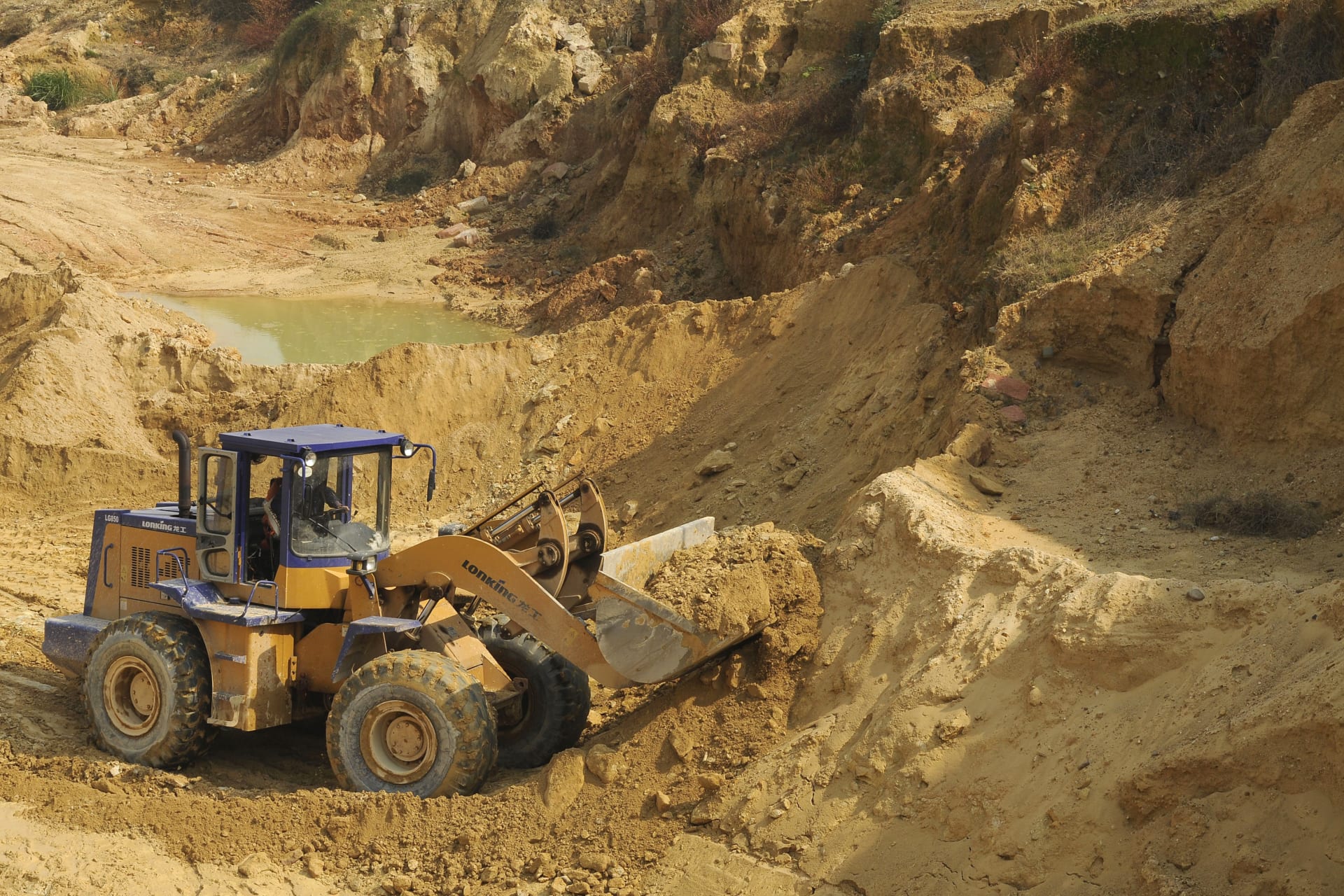 Report
 Report
 Report