Asia’s Year of Elections Did Not Strengthen Democracy
Asia’s 2024 election wave fell short of advancing democracy, with autocratic regimes manipulating votes and even established democracies facing political challenges.
By experts and staff
- Published
 Joshua KurlantzickCFR ExpertSenior Fellow for Southeast Asia and South Asia
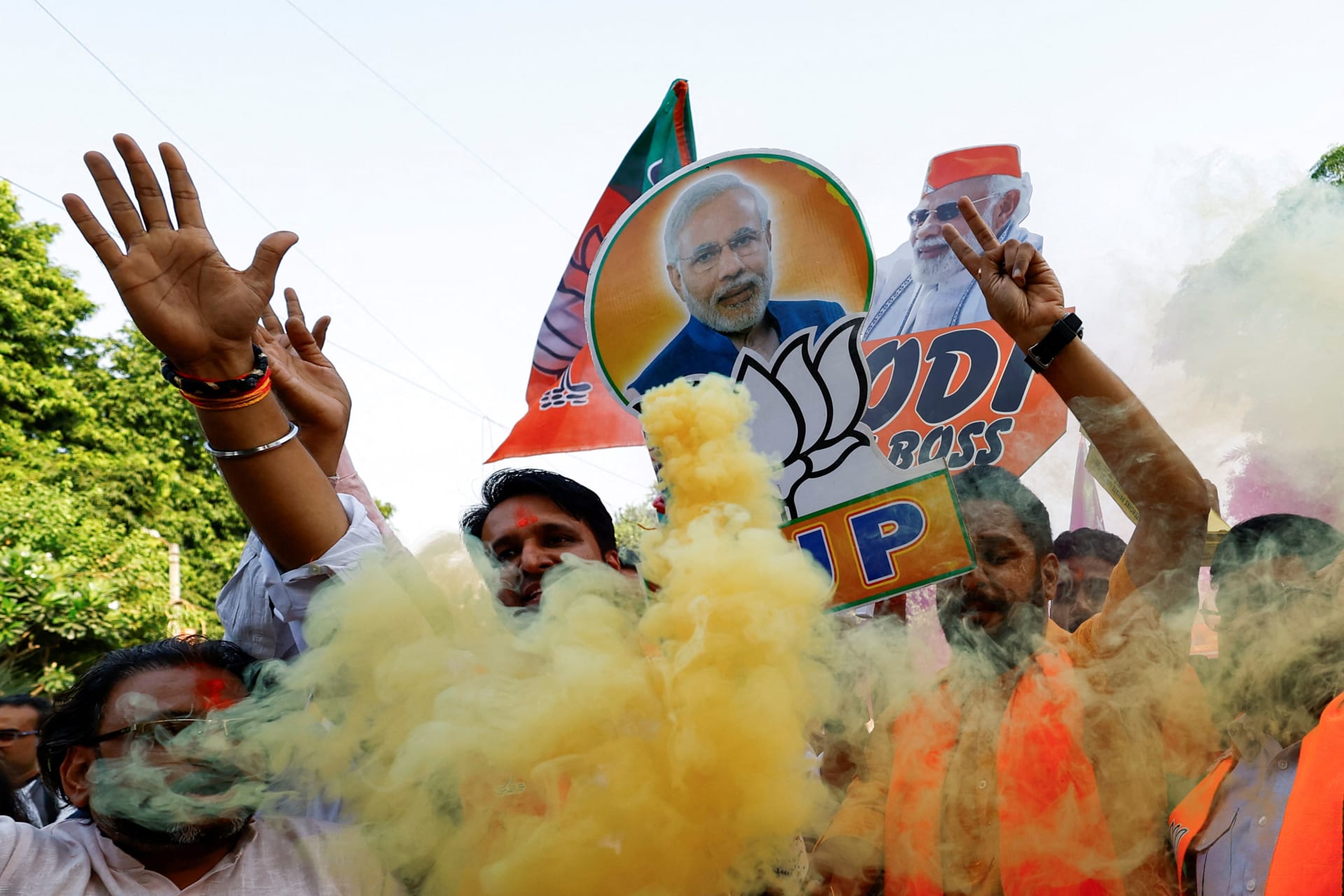
As numerous media outlets and organizations have noted, 2024 was widely regarded as the “year of elections” worldwide. Elections took place in one hundred countries, including eight of the ten most populous nations. In Asia alone, several key elections were held in some of the region’s largest and most influential countries, such as India, Indonesia, and Japan.
However, while 2024 may have been a landmark year for elections, it was far from a banner year for democracy in Asia. In several autocratic or semi-autocratic nations, elections initially appeared to offer a path toward greater freedoms. Instead, in countries like Bangladesh and Pakistan, authoritarian leaders used tactics such as electoral fraud, political detentions, and other measures to manipulate the vote and secure another term in power. Even consolidated democracies, such as South Korea, faced challenges, while authoritarian regimes across the region tightened their grip.
For more on this “year of elections” that fell short of advancing democracy, see my latest Expert Brief.