COP31 in Turkey: What to Expect at the 2026 UN Climate Summit
The 2026 UN climate summit faces mounting pressure to accelerate climate action and deliver on implementation, as projections indicate that the world will overshoot the 1.5°C (2.7°F) global warming threshold, raising questions about the legacy of the Paris Agreement.
By experts and staff
- Published
 Alice C. HillCFR ExpertDavid M. Rubenstein Senior Fellow for Energy and the Environment
- Research Associate, Climate Change Policy
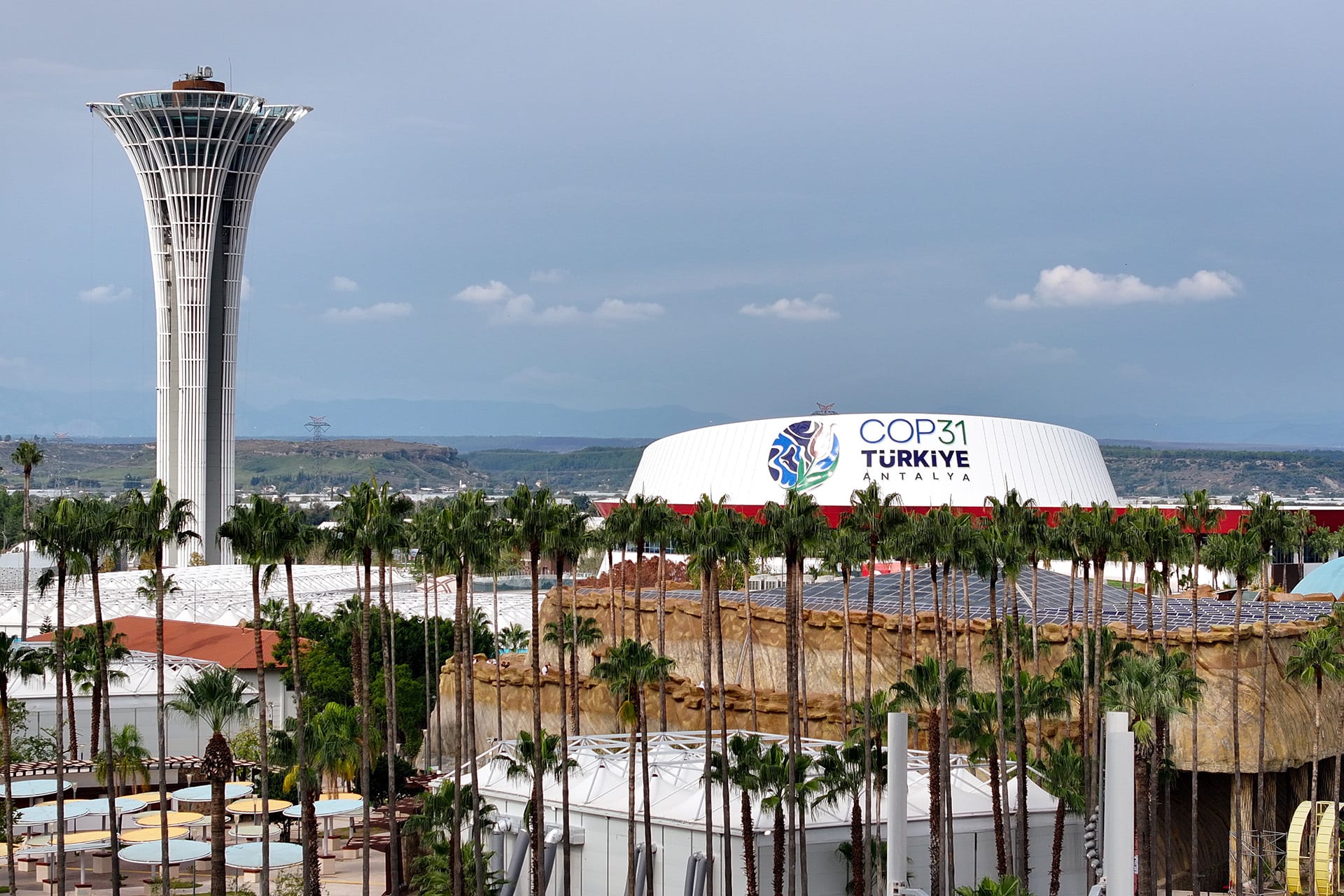
Representatives from around the world will gather in Antalya, Turkey, from November 9 to 20 for the thirty-first Conference of the Parties (COP31) to the UN Framework Convention on Climate Change. Although it is an annual event, this year’s climate summit is notable for two reasons: first, it coincides with the tenth anniversary of the Paris Agreement entering into force; and second, the United States—the world’s second-largest and historically biggest emitter, which formally withdrew from the agreement at the start of this year—will not send an official delegation. (Members of Congress and U.S. businesses will still attend.)
With the legacy of the Paris Agreement in question, COP31 President Murat Kurum has set the goal of moving beyond climate pledges to the concrete implementation of existing commitments. Alongside the formal COP agenda, Kurum has introduced an Action Agenda organized around ten themes, including the clean energy transition and electrification, zero waste and methane reduction, and climate-resilient cities. The COP31 presidency has also put forward voluntary pledges, including a 35-by-35 pledge aimed at increasing electricity’s share of total energy consumption to 35 percent by 2035—up from 23 percent today—as well as a commitment encouraging countries, corporations, and investors to make artificial intelligence more sustainable.
COP31 comes after three decades of work on climate change. Major concrete outcomes are not expected, but hope remains that parties can press forward on goals such as methane emissions reductions, adaptation and finance, and accelerating the implementation of existing COP agreements.
What progress has been made since the Paris Agreement?
There are achievements to be celebrated at COP31. When the Paris Agreement was negotiated in 2015, the world was on track to experience catastrophic warming of 3.7°C–4.8°C [PDF] (6.7°F–8.6°F) by 2100. Thanks to policy shifts and the growth of clean energy, including a spectacular increase in global solar capacity by 2025 to over ten times what it was in 2015, projected warming by the end of the century has fallen.
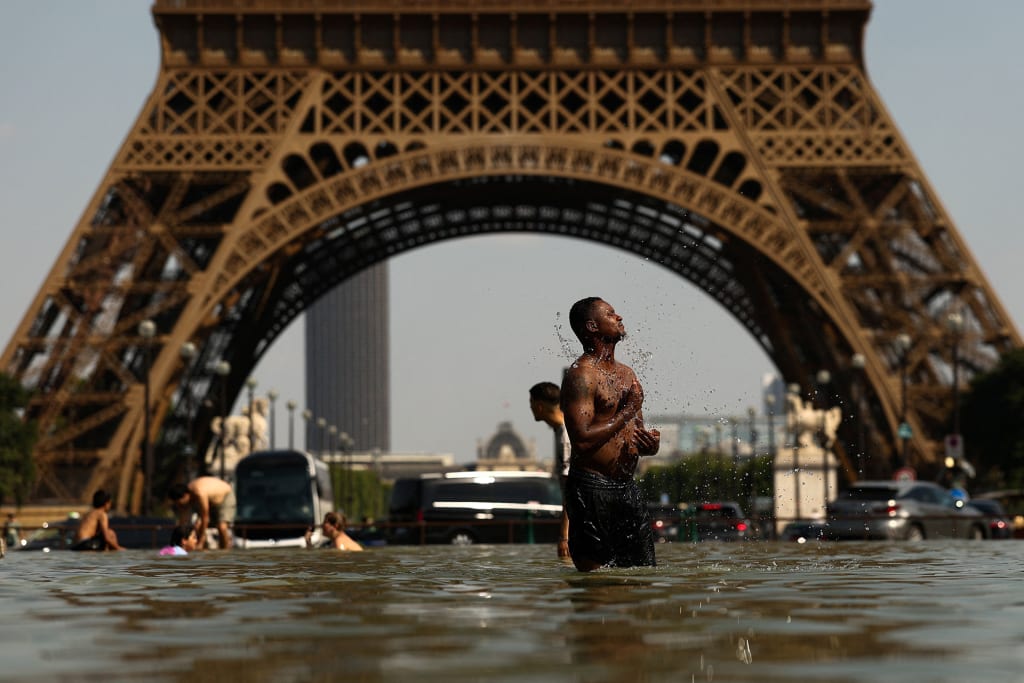
Under current policies, temperatures are now expected to rise by around 2.8°C (5.0°F), or around 2.6°C (4.7°F), if the most recent climate commitments are fully implemented. This is still an extremely dangerous level of warming, but bending the curve downward by a degree spares the Earth from some of the worst consequences of climate change. The heat is already beginning to bite: August 2026 joined July 2023 as the hottest month on record globally.
What’s on the agenda at COP31?
The summit in Antalya will cover familiar points of discussion from previous COPs, including climate finance, greater emissions reductions, and funding for loss and damage in countries that have contributed the least to climate change. Of these, finance will likely prove the most contentious issue on the formal negotiating agenda.
Climate finance. Article 9.1 of the Paris Agreement states that developed countries “shall provide” financial resources to developing nations “with respect to both mitigation and adaptation”—but who pays, in what form, and how much are matters of long-standing debate. At COP31, developing nations will continue pressing developed countries to deliver on existing funding commitments, including the COP29 goal to mobilize at least $300 billion per year in climate finance by 2035 and the COP30 call to at least triple adaptation finance over the same period. Developed countries provided and mobilized a record $136.7 billion in climate finance in 2024, according to the Organization for Economic Cooperation and Development. Although developing nations are seeking faster and larger payouts and note that loans can add to debt distress, developed nations are under financial stress from increased fuel costs.
Fossil fuels. How to treat fossil fuels is a recurring point of contention at recent COPs. At COP30, the parties failed to formalize a roadmap for transitioning away from fossil fuels, even though the measure drew support from a broad coalition of more than eighty countries. The outcome of COP30—the Belém Political Package—omitted the words “fossil fuels” from the official text. Vulnerable nations, civil society groups, environmental nongovernmental organizations, and other actors viewed the omission as a major pullback from the Glasgow Climate Pact (COP26), which called for the phasedown of unabated coal power and phaseout of inefficient fossil fuel subsidies, and the United Arab Emirates Consensus (COP28), which explicitly called for transitioning away from fossil fuels. To quell the tension, the COP30 presidency published elements of a voluntary roadmap ahead of COP31.
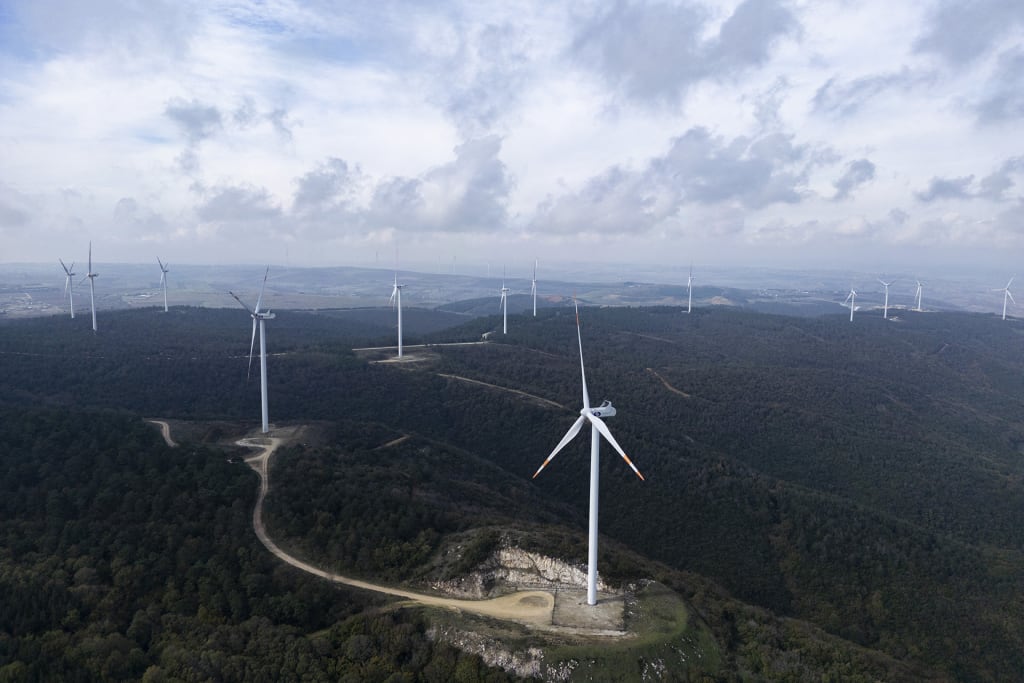
Emissions reductions. The COP31 formal agenda includes the Mitigation Work Program, an initiative designed to accelerate emissions reductions. In a June lead-up meeting to COP31, however, nations could not agree on the terms of the initiative, including whether it should drive cuts or remain a space for dialogue. Negotiators have also clashed over the Global Goal on Adaptation, tussling over whether to reference the call to triple adaptation finance into the formal text and how to shape metrics and indicators to measure progress.
Other topics. Another issue likely to feature is the just transition mechanism agreed to be developed at COP30. The mechanism aims to strengthen cooperation and provide technical support to economies transitioning away from carbon-intensive industries. But questions remain over how the mechanism should operate in practice, and further dialogue on the topic is scheduled to take place at COP31.
Additionally, since COP26 in Glasgow, when the Global Methane Pledge was introduced, more than 150 countries have signed on to reduce methane emissions. Methane is a potent greenhouse gas that is responsible for about 30 percent of global warming and plays a significant role in near-term heating. There are low-cost, readily available ways to cut methane, and doing so now would help slow the rate of heating. There are hopes that COP31 will help accelerate ambition to cut methane emissions, particularly in the oil and gas sectors.
What’s standing in the way of climate action?
The Paris Agreement’s stretch goal of limiting global warming to 1.5°C (2.7°F) has slipped out of reach, according to the 2026 Emissions Gap Report by the UN Environment Program. The report finds that efforts to keep warming to well below 2°C (3.6°F) would require emissions to fall 18 percent by 2030, 45 percent by 2035, and 69 percent by 2040, compared with 2025 levels. Yet current national commitments will not yield that level of reduction. Beyond the lack of ambition shown by many countries, additional headwinds have emerged with the potential to push the 2°C goal even further out of reach.
One such headwind is the delay in science-based reporting. The second global stocktake—an inventory check of progress toward meeting the Paris Agreement’s goals—will begin at COP31, but the scientific process that underpins it is sputtering. The Intergovernmental Panel on Climate Change (IPCC), the UN-backed body of scientists responsible for assessing the latest climate science, has failed to reach agreement on when it will finalize the next set of working-group reports. The IPCC had proposed publishing the reports in 2028, but member states were unable to agree on a timeline at a meeting in October. A group of countries, including China and Saudi Arabia, argued that more time was needed because the dominance of developed nations in climate science skewed IPCC findings.
But delaying the timeline means that nations could base their next round of national commitments to reduce emissions on outdated science. Some scientists and experts warn that in the absence of updated, comprehensive climate science reporting, climate ambition could wane among some parties.
Adding to the headwinds is uncertainty over the outcomes of national elections. In the United States, control over both chambers of Congress could decide if climate change regains prominence in national policymaking or not. In Europe, recent electoral gains by right-wing parties could see climate policies falling out of favor and new limits placed on climate-related action.
Climate change is also receiving less attention now than it was during the heady days of the Paris Agreement. Media coverage of the issue has declined over the last four years in several regions around the world, including Europe and North America, according to a study by the University of Colorado Boulder. And the number of journalists registered to attend the June lead-up meeting to COP31 reached its lowest level since 2021.
Is COP worth all the effort?
While the summit in Turkey is not the first COP to take place without the United States’ participation, the country’s continued absence comes during a consequential time for the COP process amid continuing questions about its effectiveness. The emphasis on implementation, present at COP30 as well, reflects a widespread concern that the summits’ outcomes are long on dialogue and commitment and short on concrete action. Those are fair criticisms.
One thing that the COP process does well, however, is keeping the issue of climate change on the global agenda. Every year, countries know that they will be expected to show up and, to some extent, lay bare what they have (or have not) accomplished on climate action. Moreover, the annual convening provides countries with an opportunity to build coalitions on pressing problems, such as accelerating efforts to cut methane.
COP31 isn’t expected to be characterized by one big outcome or breakthrough. But that nations continue to convene in this formal channel shows that climate action and the hope for a better future that it portends is not going away.
This work represents the views solely of the author(s). The Council on Foreign Relations is an independent, nonpartisan membership organization, think tank, and publisher, and takes no institutional positions on matters of policy.