#MeToo Helped Put Cosby in Prison. His Release Doesn’t Diminish the Movement’s Global Triumphs.
Bill Cosby’s release from prison may have some raising the question: Is the #MeToo movement over? Our answer is a resounding no.
Originally published at Washington Post
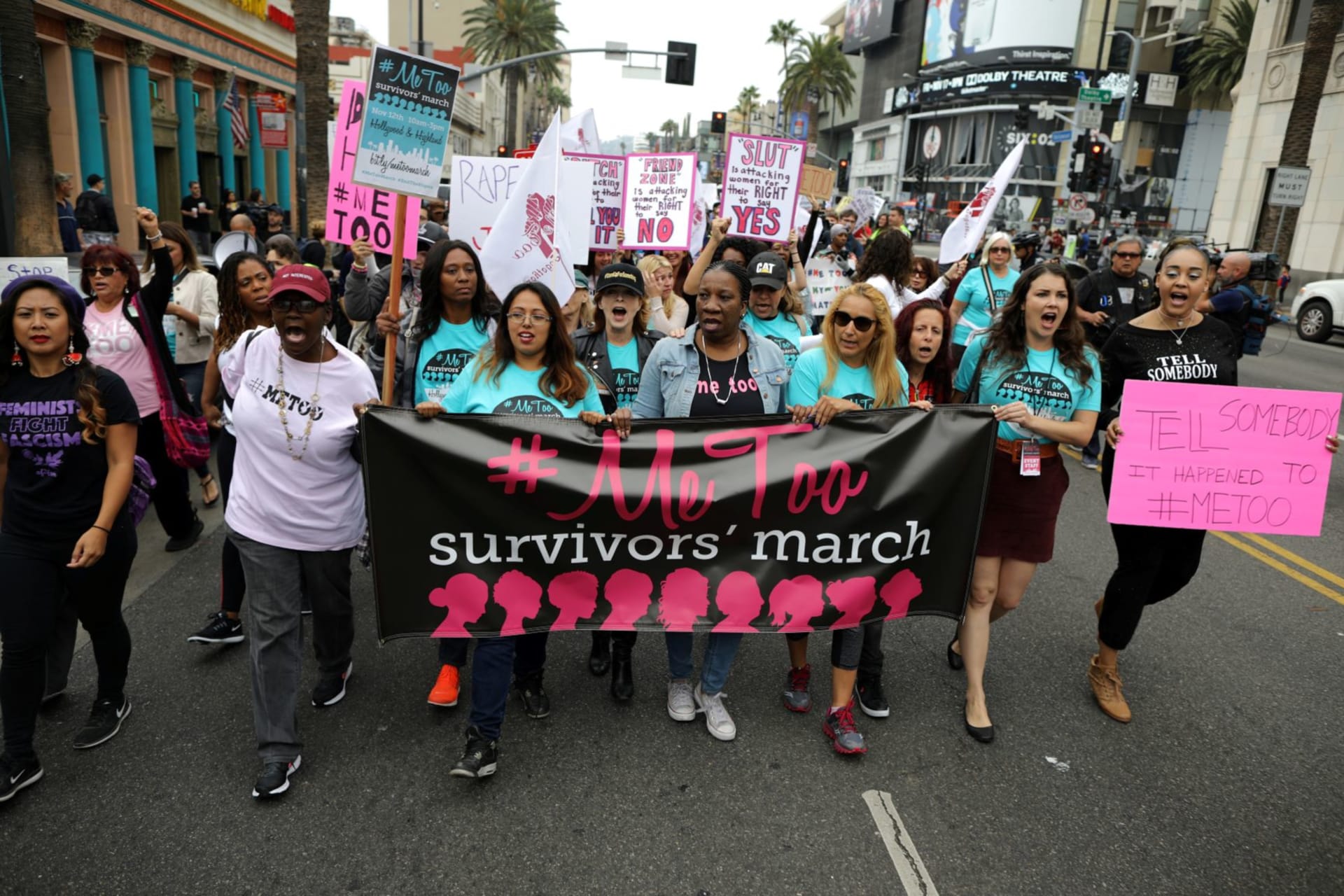
By experts and staff
- Published
- Rachel B. VogelsteinDouglas Dillon Senior Fellow and Director of the Women and Foreign Policy Program
- Meighan StoneAdjunct Senior Fellow for Women and Foreign Policy
On Wednesday, Bill Cosby was released from prison, reversing the first significant sexual assault conviction of the #MeToo era. The Pennsylvania Supreme Court set Cosby free on procedural grounds, despite allegations by 60 women that he had assaulted them, and his admission under oath that he had drugged women he pursued.
It’s a far cry from fall 2017, when the #MeToo movement spurred a wave of resignations by American men accused of sexual misconduct — in entertainment and politics, in the service industry and the arts. And it may have some raising the question: Is the #MeToo movement over?
Our answer is a resounding no.
For one, this case was flipped on a technicality — not because the women who came forward weren’t believed. And to look at the movement only through the lens of the short-term consequences affecting the careers of influential men in the United States would be a mistake. That narrative has occupied much of the U.S. media coverage to date — but it risks overlooking #MeToo’s profound impact on the lives of women not only in the United States, but around the world.