Much Ado About Nothing
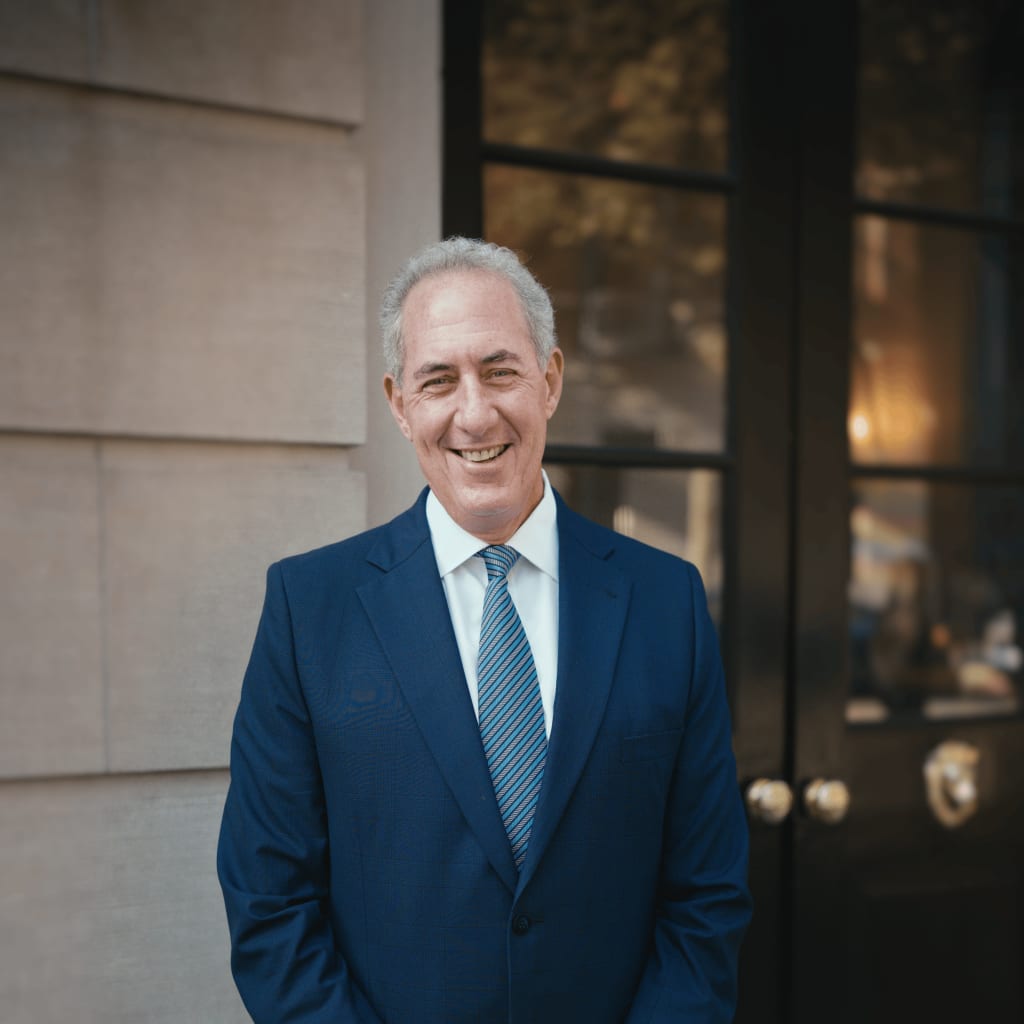
CFR President Michael Froman discusses the takeaways from this week’s two major events: the annual UN General Assembly debate and the U.S.-China summit.
Two major diplomatic events this week—the UN General Assembly and the meeting between U.S. President Donald Trump and Chinese President Xi Jinping—brought thousands of diplomats and dignitaries, hundreds of hours of meetings and conversation, and countless pages of opinions and analyses to New York and Washington.
What did we get from all of it—besides a lot of traffic?
The General Assembly and the U.S.-China summit came at a moment of particular international volatility. In just the last few weeks, we have seen major Ukrainian strikes on oil refineries in Moscow, warnings of Russian escalation into NATO territory, mass panic about artificial intelligence (AI) fueling calls for international cooperation, and expanded missile exchanges in the Middle East.
One would imagine that in the midst of this geopolitical hurricane, the leaders of the major countries would take these two opportunities—specifically designed to address such crises—to make substantive progress. And yet, it appears that the combined outcomes of the two diplomatic gatherings didn’t amount to much.
In New York, President Trump spoke to a crowded General Assembly hall. The teleprompter worked this year, and the president seemed to follow his script, complete with his threat to annihilate Iran and his criticism of the United Nations’ “radical leftist” organizations. But what was interesting is what he left unsaid. The president made no explicit mention of China, save to note how far ahead of Beijing the United States is in the development of AI (or superintelligence, as he would prefer it to be termed). The president made no real mention of the war in Ukraine, except that he would like to see it end. And the president made hardly any reference to the long-term future of Israel and the Palestinian territories. Except for Iran, a substantive discussion of the major issues in the president’s inbox was largely absent from his speech.
Perhaps the biggest diplomatic breakthrough in New York was the signing of a new deal between the United States, Denmark, and Greenland. The deal extends the rights the United States has to build bases on the autonomous Danish territory under a 1951 agreement with the Kingdom of Denmark to Greenland itself if it ever becomes independent. It also allows the United States to veto bases or major investments of other powers—notably China or Russia—in Greenland. Given everything else going on around the world, it is remarkable how much oxygen this issue has taken up. For the sake of world peace, it will be good to get this behind us.
There was some progress on Gaza at a meeting of the Board of Peace, where $2.4 billion worth of projects were announced. Implementation will be critical, but the fact the locus of discussion was there, not at the United Nations per se, is indicative of a broader indictment of the global body, at least as a political organization.
And that raises a broader issue. This was the final UN General Assembly of Secretary-General António Guterres’ two terms. An election for a new secretary-general is fast approaching, and it’s worth thinking about the fork in the road that the institution now faces. As a general matter, any international organization is only as strong as the consensus and support of its major members. That said, when one looks back at the last eighty-one years, the United Nations was most effective in addressing global issues under the leadership of strong and independent secretaries-general, such as Dag Hammarskjöld and Kofi Annan. One person will not be the institution’s salvation, but if the United Nations enters the next five years of intense global friction and transformation without a genuine leader, it might be the final nail in the coffin for the body’s relevance.
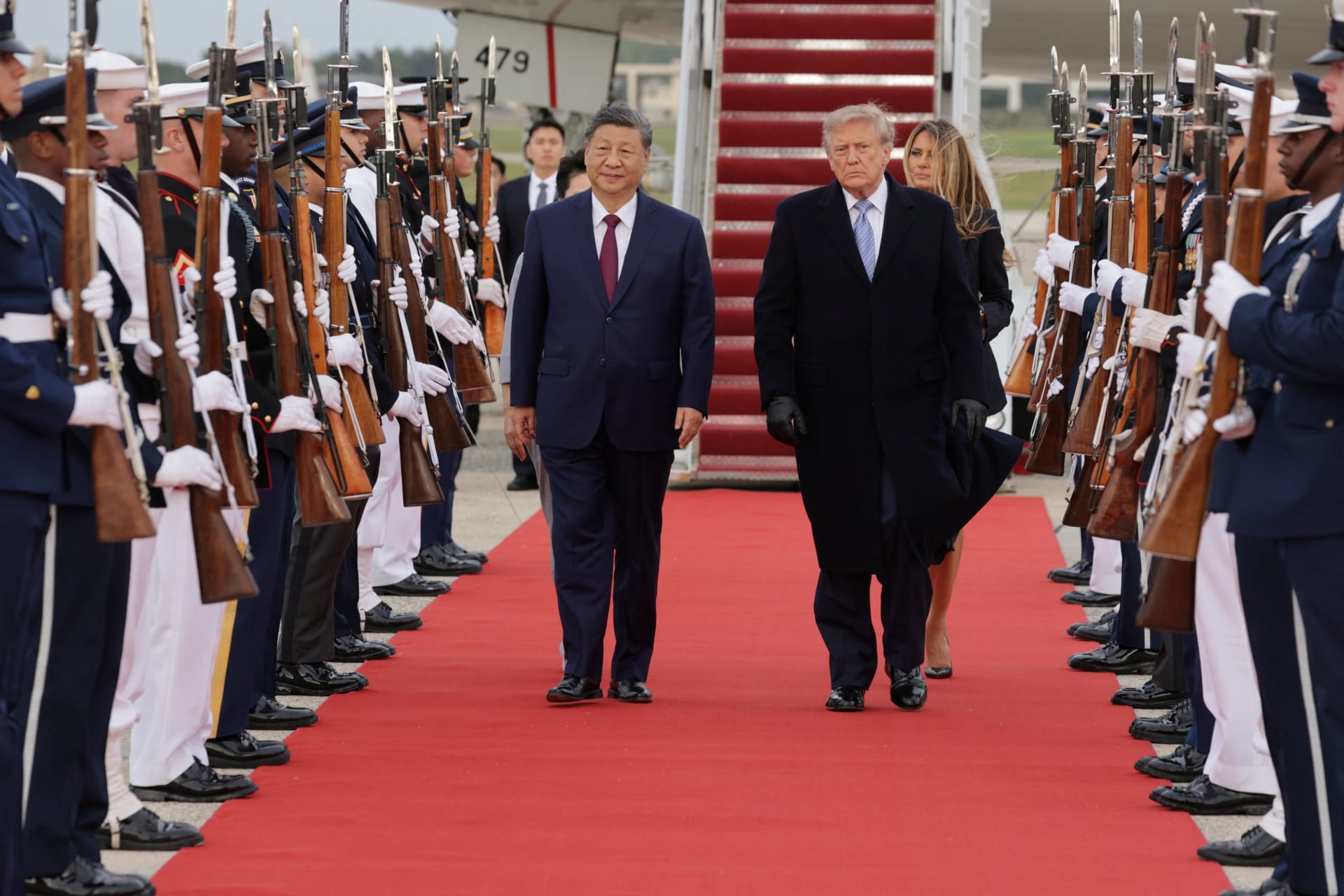
Meanwhile, two hundred miles to the south, in Washington, DC, President Xi’s state visit was longer on pageantry than on substance. Expectations were low—and met. Strategic stability is the watchword. The tariff truce was extended two months and the Board of Trade is likely to negotiate additional purchase and sales agreements, but the major issue of economic imbalances—chief among them the surplus exports of China’s excess capacity—was kicked down the road. As far as we can tell, there was no meaningful progress on getting China to reduce its support for Iran and Russia, and there was no news regarding Taiwan.
In effect, it looks like both President Xi and President Trump are quite comfortable with the status quo, both believing that time is on their side: time for the United States to reduce its dependence on critical inputs China controls, and time for China to wait out Trump and for Xi to get on the other side of his expected election next year to this fourth term.
The two leaders seemed to be aligned on the crucial question of AI. As fears over AI risk went mainstream last week, with more reports of clever agents escaping their sandboxes and conspiring among themselves, President Trump was quick to dismiss the notion of slowing or pacing the speed of development. He based his position on the grounds that we are in an existential race to the frontier against China and that “whoever wins AI, WINS.” China appears similarly reluctant to slow down. So, while the establishment of a U.S.-China dialogue on AI is a positive step, it is unclear how effective such a dialogue is likely to be in placing jointly agreed guardrails around AI.
The two leaders seem to see the U.S.-China relationship as one to be managed rather than resolved. This was emphasized by the tone of both of their speeches, during which they stressed the value of stability and friendship between the two great powers, avoiding conflict and confrontation. There are undeniable benefits to be derived from this climate of stability: the status quo, in many respects, serves the interests of both leaders at the moment, and so the incentive to struggle toward a major breakthrough is low at best.
The trade-off, however, is that prioritizing stability means the United States might pull its punches on issues of national interest—whether it is the sale of weapons to Taiwan or the restriction on exports of advanced semiconductor chips—which might upset the diplomatic apple cart. Moreover, the most precious diplomatic asset is a leader’s time. Summits create rare opportunities for heads of state to address difficult issues. Sweeping them under the rug for the sake of comity is a lost opportunity.
That said, while little happening might not have been the best possible outcome of this week’s summits, it certainly wasn’t the worst.
Let me know what you think about UNGA and what this column should cover next by replying to [email protected].
This work represents the views solely of the author(s). The Council on Foreign Relations is an independent, nonpartisan membership organization, think tank, and publisher, and takes no institutional positions on matters of policy.