The Rising Threat of Great Power War and the Lessons of 1914
History does not repeat, but sometimes it rhymes.
By experts and staff
- Published
 James M. LindsayCFR ExpertMary and David Boies Distinguished Senior Fellow in U.S. Foreign Policy
The optimism of the early post–Cold War years seems like a distant memory. In the decade after the collapse of the Soviet Union, the world looked to have moved beyond centuries of great power rivalry and the wars it triggered. The United States had no peer. Globalization was connecting economies and spurring unprecedented growth. Digital technology was empowering individuals, undermining authoritarians, and spreading democracy. It looked as if national differences would be settled at the negotiating table rather than on the battlefield.
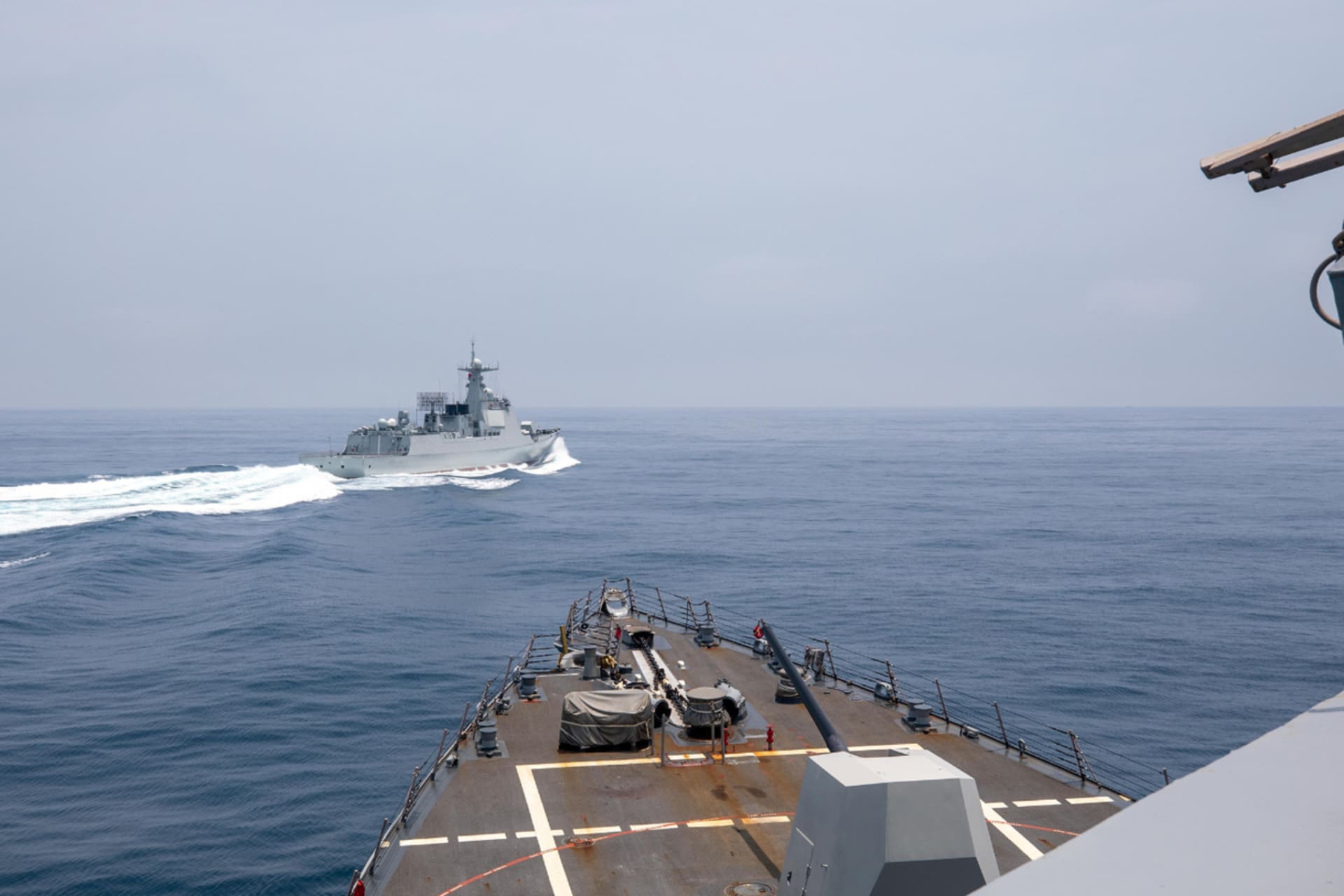
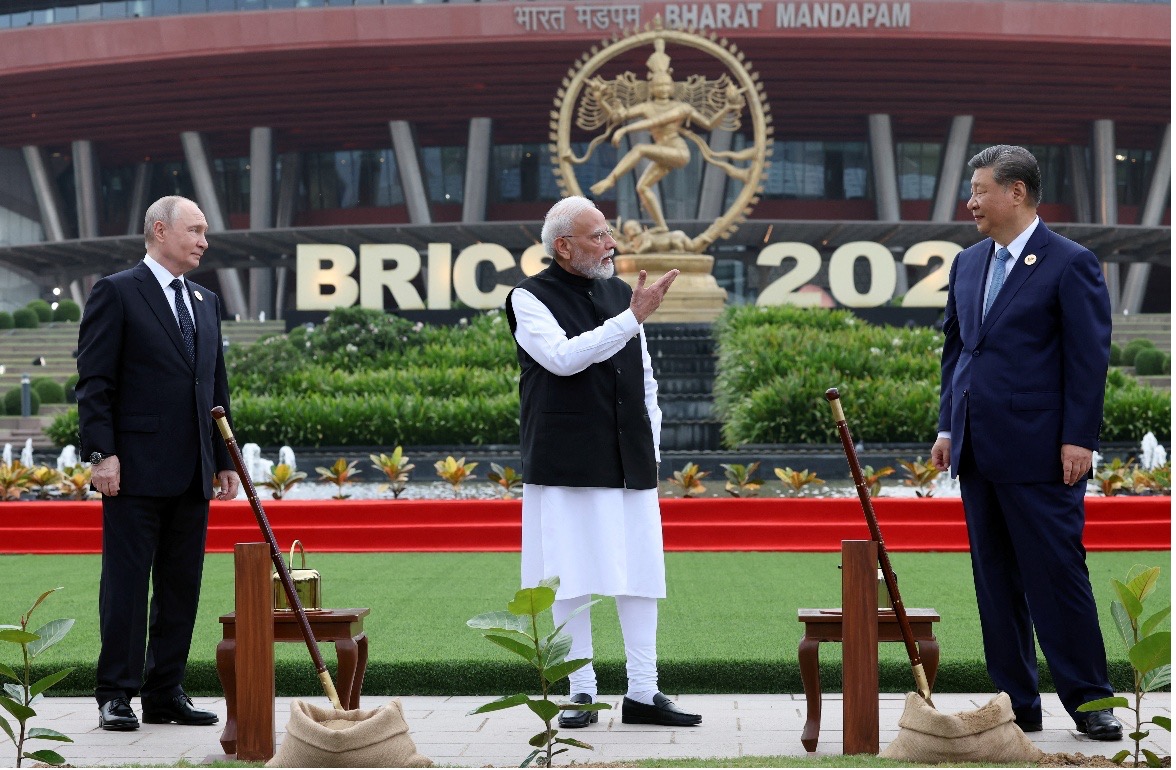
That promised future never materialized. Instead, great power competition has returned with a vengeance. Democracy is in retreat globally as an increasingly cohesive axis of autocracies seeks to undermine U.S. predominance. Russia is waging a war on Ukraine with China’s tacit support. China’s massive conventional and nuclear weapons buildup has raised fears that it intends to subjugate Taiwan and supplant the United States as the dominant power in Asia, if not the world. U.S. foreign policy has become more transactional, fraying relations with traditional friends, partners, and allies. Meanwhile, nationalism is rising across the globe as countries react to what they see as the excesses of globalization and the threats posed by their neighbors.
What does history tell us about the dangers of great power competition? Does today’s increasingly multipolar world resemble that of past eras? If it does, are we doomed to repeat the mistakes those generations made? Or can we learn from their mistakes and manage the risks of great power war?
To get answers to these questions, I sat down with Odd Arne Westad for the latest episode of The President’s Inbox. Arne is the Elihu Professor of History and Global Affairs at Yale University and the author of The Coming Storm: Power, Conflict, and Warnings from History.
[Video: https://vimeo.com/1243381408]
Here are three takeaways from my conversation with Arne:
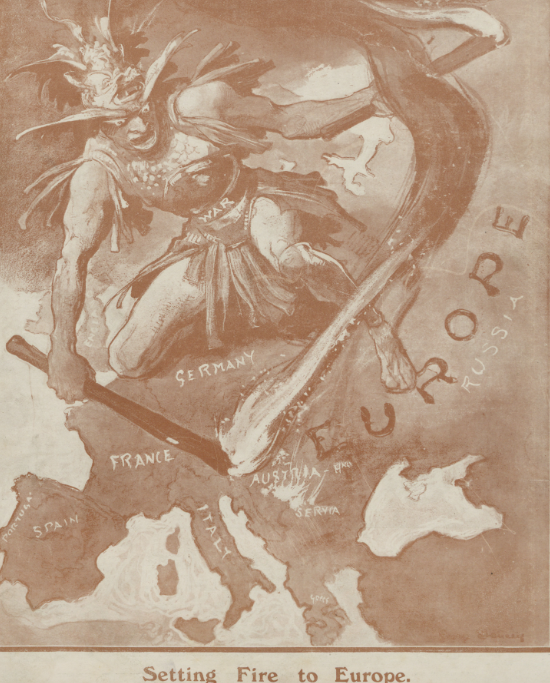
1. The world today displays troubling similarities to the years before World War I. Until 1914, Europe had enjoyed decades of major power peace and was benefiting from intensifying globalization. One consequence was that economic and political power was dispersing. As Arne put it, “new countries—Germany, the United States, and several others—[were] becoming more predominant in the world that Britain and France and others had created.” This greater multipolarity challenged the stability of the European state system that had existed since the Franco-Prussian War ended in 1871. The shifting distribution of power was accompanied by “a rise in nationalism and populism.” Sound familiar?
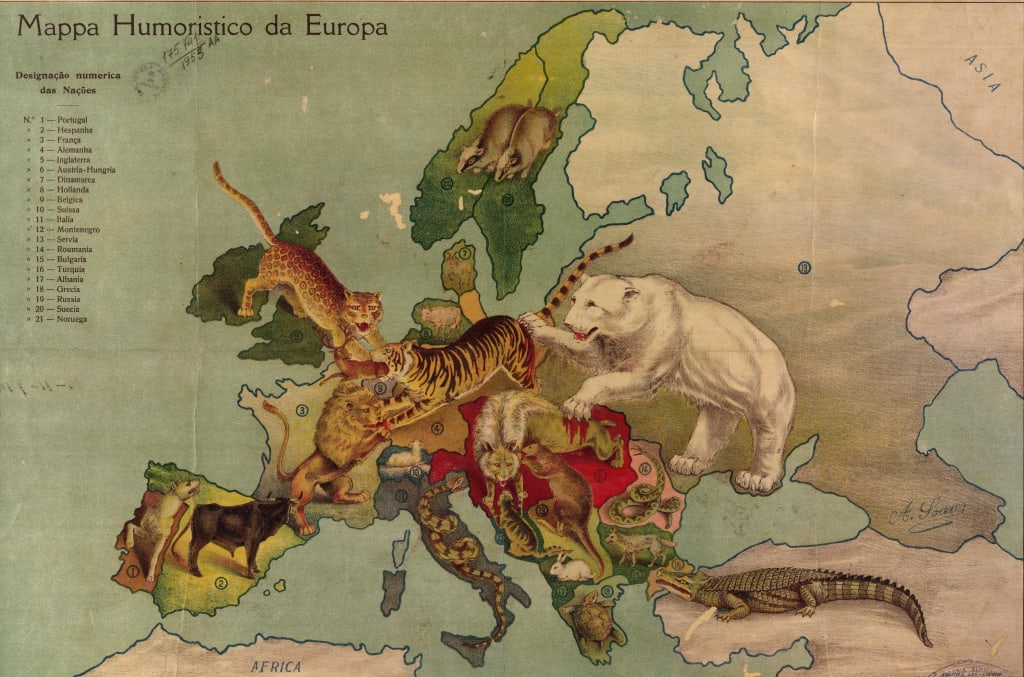
2. Wars can begin without leaders necessarily choosing them. World War I reminds us that countries can find themselves moving toward a war that no one desires. Leaders often fail to perceive the ramifications of the decisions they make; hence, their choices can escalate rather than dampen conflict. In 1914, several European leaders were comfortable threatening war to get what they wanted. At the same time, something “even more terrifying” was happening, as Arne put it. “Some people started thinking that if war were to come, then it would be better that it happened now rather than later.” That line of thinking meant that events took on a logic of their own, overriding the advice to begin things with the end in mind. European leaders inadvertently put themselves in a position in the summer of 1914 in which going back looked worse than blundering forward. A war that seemed far-fetched as the year began became a horrifying reality just eight months later. Nothing has changed in the human psyche and governmental decision-making since then to prevent leaders from making similar mistakes today.
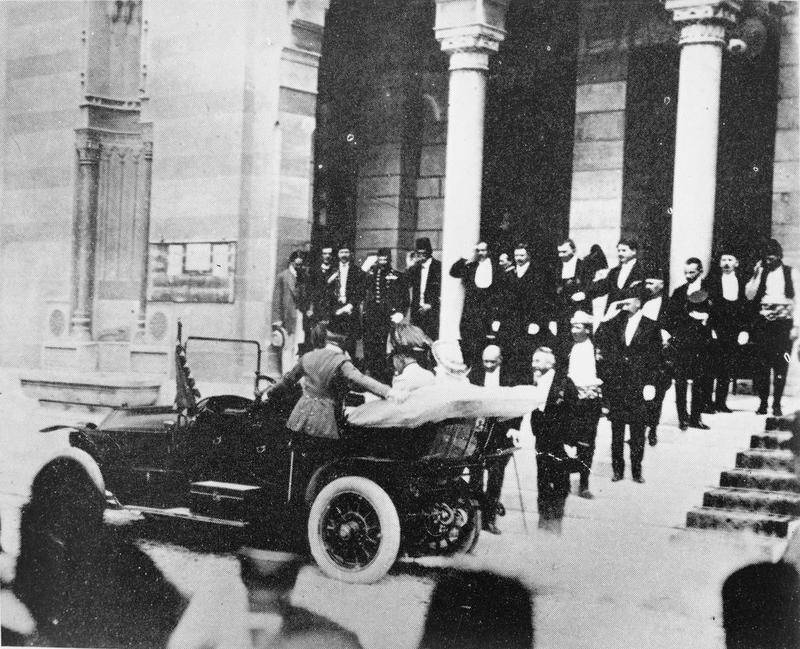
3. Avoiding past mistakes requires understanding what they were. Arne stressed that the lesson of history is not “that we are doomed” to “move in the same direction of what has happened” in the past. Leaders and countries have agency. They can learn from the past and chart a different course. Arne argued that 1914 puts one lesson at the top of the list: end small conflicts before they metastasize into something far larger. Few Europeans in June 1914 thought that the assassination of Austrian Archduke Franz Ferdinand by a Bosnian Serb nationalist had any significance outside the Balkans. They were wrong. Two months later the continent was at war. Events can move with breathtaking speed. That lesson may have even more force today given that information transmits instantly and artificial intelligence increasingly puts some decisions beyond human reach.
Arne and I covered a lot of other topics in our discussion. These included: why 1939 is not the right analogy for today and why it would be even more troubling if it were; how policymakers lean on history far more than economics and political science during a crisis; how policymakers and pundits often fail to understand their own times; and why close personal ties among world leaders may not override national differences. I encourage you to give the episode a listen.
Oscar Berry, Asher Ross, and Justin Schuster assisted in the preparation of this article.
This work represents the views solely of the author(s). The Council on Foreign Relations is an independent, nonpartisan membership organization, think tank, and publisher, and takes no institutional positions on matters of policy.