Why Are the Afghan Taliban and Pakistan in an ‘Open War’?
Tensions between nuclear-armed Pakistan and Afghanistan’s Taliban regime have sharply escalated since late February, heightening regional instability and raising concerns about the risk of a prolonged conflict. Here’s what to know.
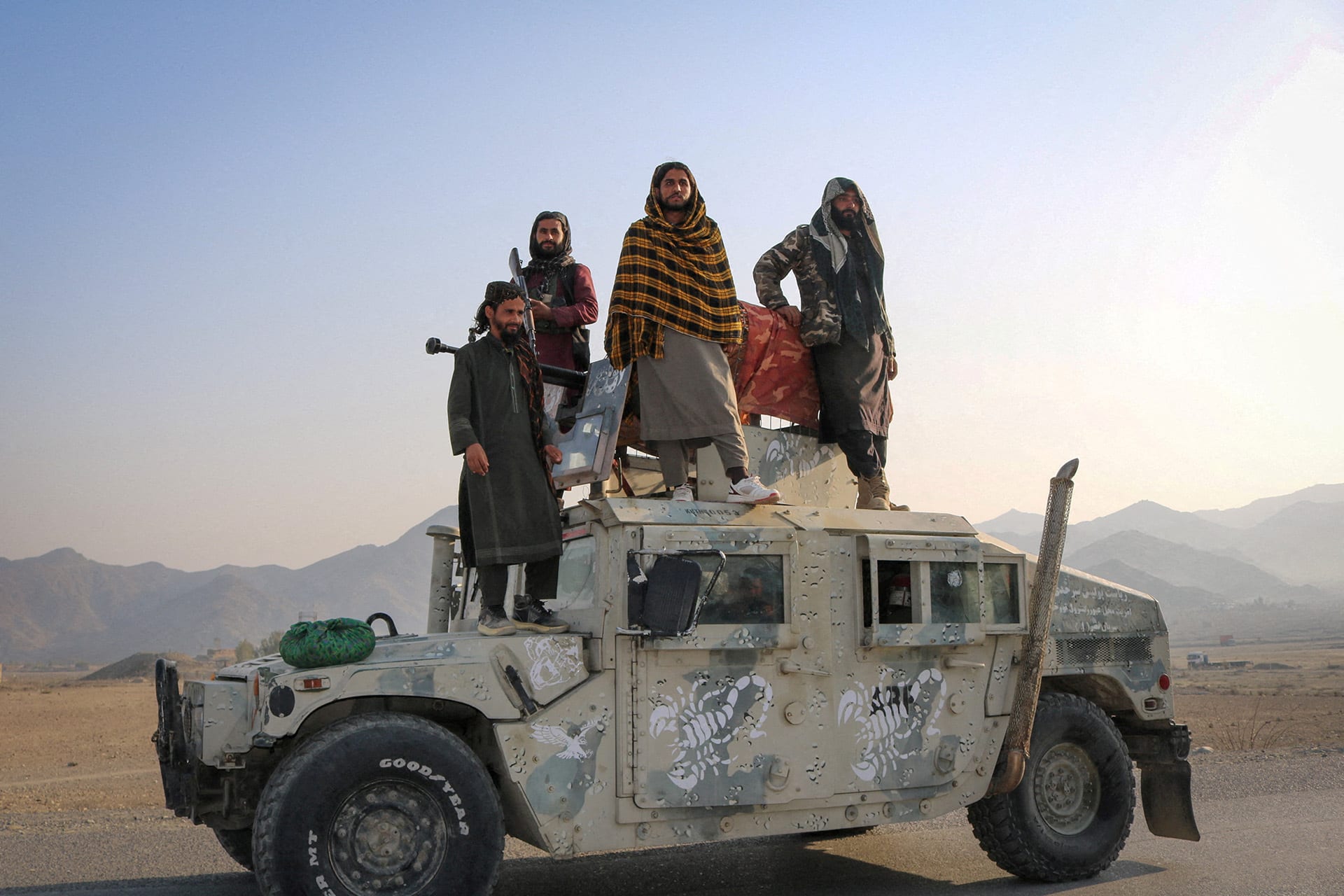
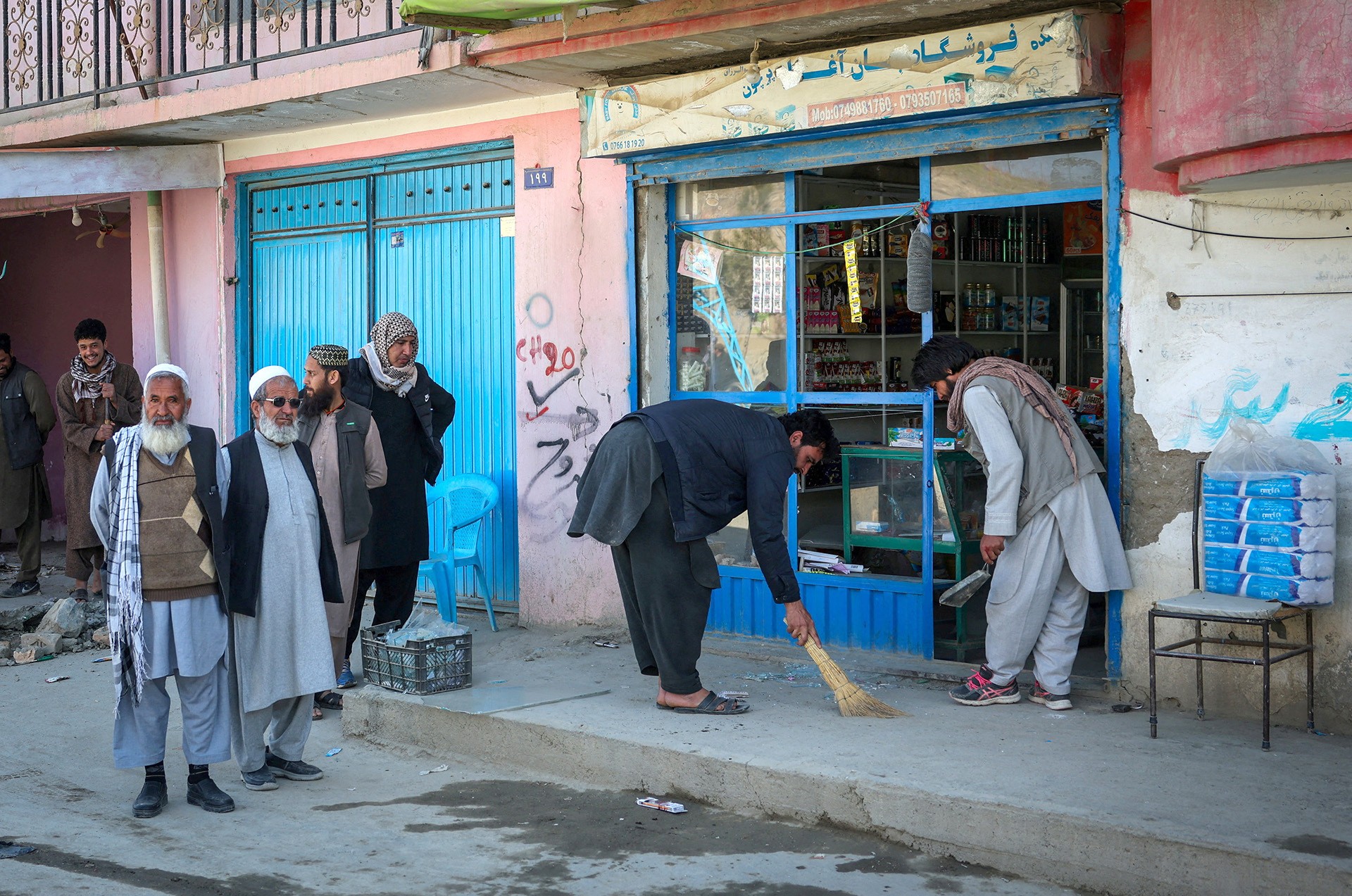
On March 16, tensions between Afghanistan and Pakistan heated up again after Pakistan launched an air strike on a drug rehabilitation center in Afghanistan’s capital, Kabul. Two days after the attack and with hundreds reportedly killed, Pakistan declares a temporary pause in fighting ahead of the Muslim holiday Eid al-Fitr, at the request of Saudi Arabia, Turkey, and Qatar.
It is the deadliest attack since late February, when Afghanistan’s Taliban government struck Pakistan’s military bases near their disputed shared border. Within hours, Pakistan responded by bombing several Afghan border provinces and Kabul—the first time Islamabad has conducted an attack on Afghanistan’s urban areas. Pakistan’s defense minister later described the situation as one of “open war” with Afghanistan, undermining a fragile ceasefire that was signed in October 2025.
As of March 13, the UN Assistance Mission in Afghanistan recorded at least 75 civilians killed and 193 injured since the start of this conflict on February 26, though these figures are preliminary. The Afghan Taliban has said that it is willing to negotiate with Pakistan, but there are growing concerns that the conflict could continue to escalate, further destabilizing a region already grappling with the rippling fallout from joint U.S. and Israeli attacks on Iran.
What’s behind the latest round of fighting?
At the core of the conflict is Pakistan’s continued assertion that the Afghan Taliban is offering a safe haven for the jihadist militant group Tehrik-e-Taliban Pakistan (TTP), also known as the Pakistani Taliban. Pakistan says the group is operating from within Afghanistan—a claim that the Afghan Taliban repeatedly denies.
In October 2025, Pakistan carried out an air strike on Afghanistan that Pakistani military officials said was aimed at attacking the “base of operations for terrorism in Pakistan.” This led to the deadliest clash between the two countries since the Taliban took power in Afghanistan in 2021. That same month, Qatar and Turkey helped broker a temporary peace between the Taliban and Pakistani governments, but later negotiations mediated by Saudi Arabia dissolved toward the end of 2025.
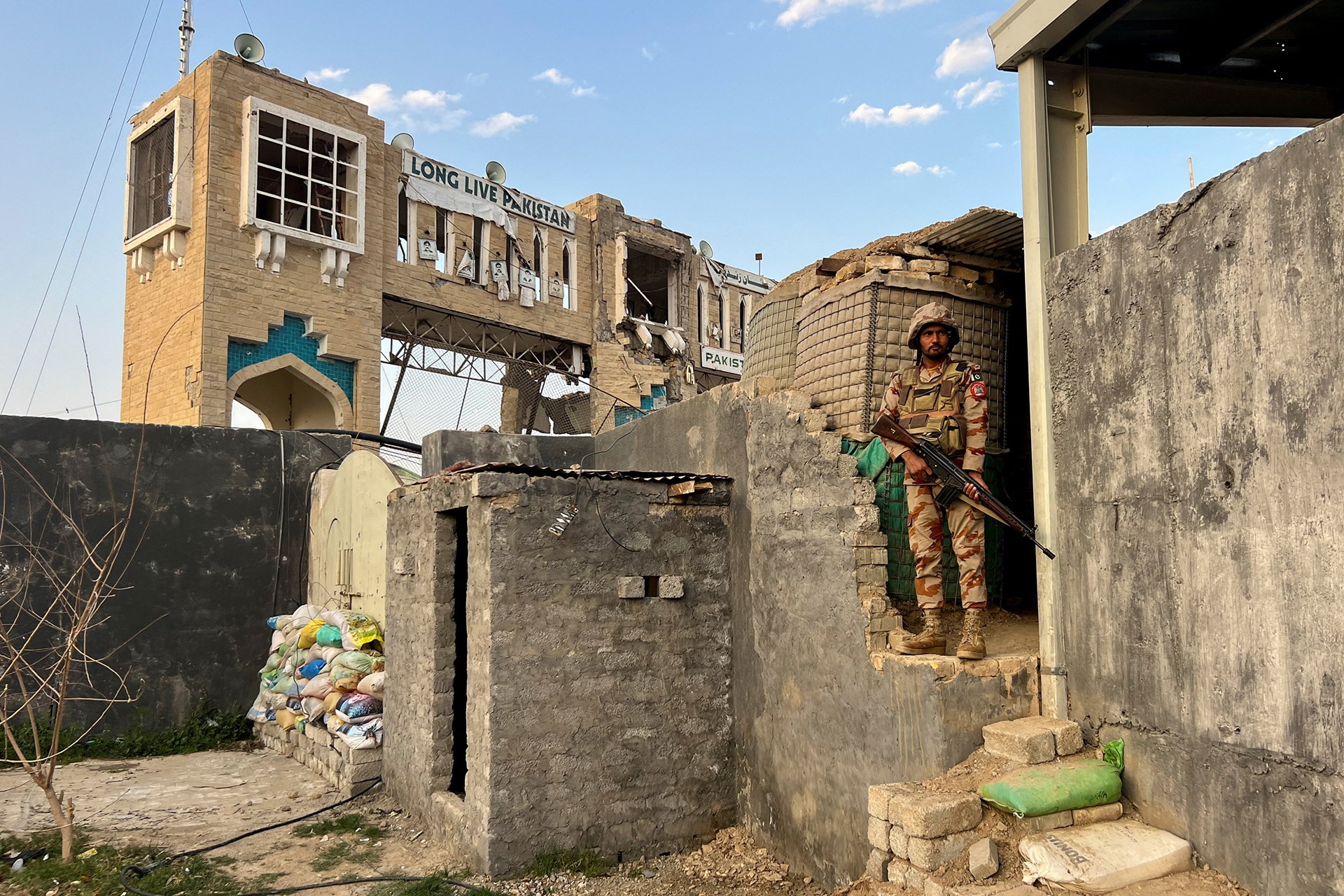
There have been outbreaks of violence along the border since. On February 16, a suicide bomber killed eleven Pakistani security personnel and a child at a border security checkpoint, according to Pakistani military reports. On February 22, Islamabad carried out air strikes in eastern and southeastern Afghanistan, targeting what Pakistani officials said were militant camps. Afghan officials said at least eighteen people, including civilians, were killed and vowed retaliation, leading to the most recent round of cross-border clashes.
What are the stakes of the conflict?
Several nearby countries—including China, India, and Russia—have complex relationships with Afghanistan and Pakistan, dating back to the Cold War. Experts say these countries have closely watched the conflict unfold to assess what it might mean for regional stability, terrorism, and economic development.
Pakistan is a nuclear power, and both China and Russia are its major defense partners. China is Pakistan’s largest trading partner, too. Afghanistan and Pakistan are part of China’s Belt and Road Initiative, a massive infrastructure and economic development program that involves a $65 billion flagship highway and energy project known as the China-Pakistan Economic Corridor.
Meanwhile, Pakistan has blamed India for backing TTP terrorist attacks, with Pakistani Defense Minister Khawaja Asif accusing Afghanistan of operating as an Indian “proxy.” Since 2021, India has slowly sought to reset relations with the Afghan Taliban in what experts say coincides with the deterioration of Afghanistan-Pakistan relations. India reopened its embassy in Kabul in 2022, and Indian Prime Minister Narendra Modi welcomed an Afghan Taliban diplomatic delegation to New Delhi in October 2025.
Still, “there are a lot of unknowns,” said Farah Pandith, a CFR senior fellow and counterterrorism expert. Further escalation between Afghanistan and Pakistan could lead to the possibility of Chinese or Russian support to Pakistan through arms or intelligence, for instance, but neither China, India, nor Russia are likely willing “to get involved in a war,” she added.
“War between Pakistan and the Taliban would probably increase the threat [the self-declared Islamic State and al-Qaeda] pose to the United States,” argued Alexander Palmer, fellow for warfare, irregular threats, and terrorism at the Center for Strategic and International Studies (CSIS).
Emotions are running high around extremists, Iran, and volatility [in the region].
Farah Pandith
CFR Senior Fellow
Although the United States will likely not be drawn into the conflict, Pandith said the escalation is a “ripe moment for unexpected action” that Washington will be watching closely. “Emotions are running high around extremists, Iran, and volatility” in the region, she noted, and if the United States were to adopt a non-neutral stance, it could influence how other nations, namely China and Russia, respond to the conflict.
What has the Afghanistan-Pakistan relationship been like since the Taliban’s return to power?
While bilateral ties have deteriorated in recent years, Afghanistan and Pakistan were once allies in the early 1990s. Pakistan’s intelligence services helped to create [PDF] the Afghan Taliban, and prior to 2001, Pakistan provided the Taliban regime with advisors, experts, and personnel to operate its military equipment and infantry units. After joining U.S. and NATO forces to support the global war on terrorism after 2001, Pakistan’s support for the Taliban became more covert. According to reports by the State Department and the Congressional Research Service, as well as a 2012 leaked classified NATO report, Pakistan’s intelligence agency directly assisted the Afghan Taliban and offered sanctuary to the group during two decades of U.S. military intervention in Afghanistan.
When U.S. troops withdrew from Afghanistan in 2021 and the Taliban took power, Islamabad initially welcomed the new government in Kabul. Former Pakistani Prime Minister Imran Khan equated the Taliban’s return with Afghans having “broken the shackles of slavery.”
Since then, however, violence inspired by radical Islamist ideology has surged across Pakistan. In late 2022, the TTP ended a ceasefire with the Pakistani government and began ramping up its attacks along the 1,622-mile border called the Durand Line, which Afghanistan has long contested. According to CNN, over 1,200 people were killed in Pakistan in 2025, more than double the number recorded in 2021 when the United States ended its twenty-year military presence in Afghanistan.
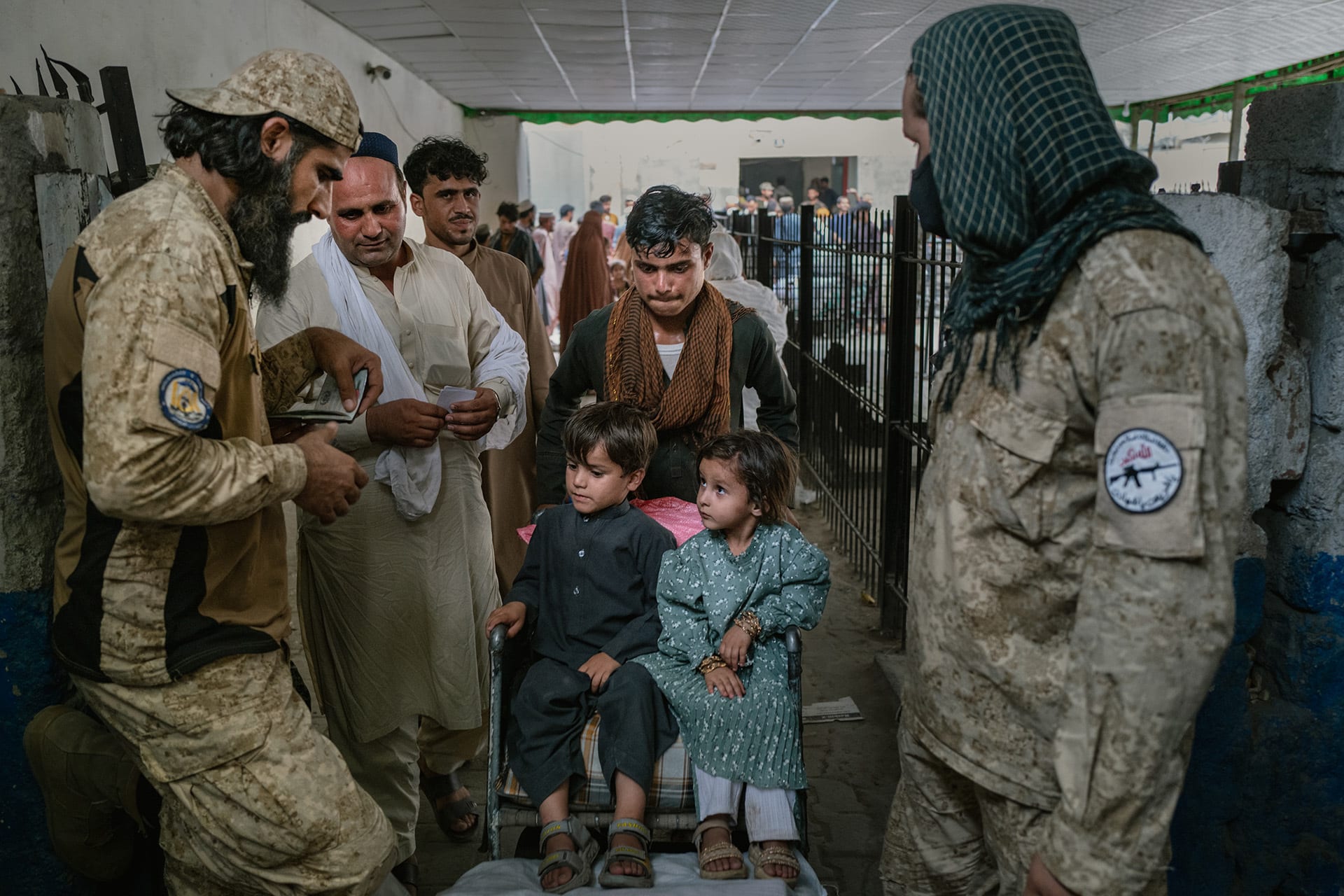
In 2023, Pakistan began a mass expulsion campaign of Afghan refugees in what its government claimed was a counterterrorism measure. Pakistan deported more than one million Afghans in 2025 alone, later closing its shared border that October. Today, the border remains largely closed, with only deported Afghan nationals permitted to cross.
What’s the relationship between the two Talibans?
Since its inception, the TTP has claimed to be an extension of the Afghan Taliban. It is the largest militant organization in Pakistan and is designated by the State Department as a foreign terrorist organization.
The TTP’s development was a byproduct of the 2001 U.S. invasion of Afghanistan. Pakistani jihadists who had fought alongside Afghan militant forces turned against the Pakistani state after Islamabad decided to support Washington’s counterterrorism efforts. Those militants became the early members of the TTP, and sheltered the Afghan Taliban, al-Qaeda, and other militant groups fleeing Afghanistan. Buckling to U.S. pressure, Pakistan’s government eventually cracked down on these safe havens, deepening the allyship among Pakistani jihadists, the Afghan Taliban, and al-Qaeda. The TTP was officially established in 2007.
The TTP is highly decentralized. Its factions have broad objectives to fight Pakistan’s security forces, resist Western influence, and implement Sharia law in areas it controls, but this strategy has shifted over time. Beginning in 2013, under Mullah Fazlullah’s leadership, the group grew closer to al-Qaeda and carried out increasingly deadly cross-border attacks. By 2020, two years after Fazlullah was killed in a U.S. drone strike in Afghanistan, the TTP said it had no other regional or global agenda beyond targeting Pakistani forces.
What has been the global response so far?
India has strongly condemned Pakistan’s recent military actions, while China has sought to mediate the conflict and offered to play a role in de-escalation efforts. On March 4, the Afghan Taliban’s foreign minister met with China’s ambassador to Afghanistan to discuss the situation, and the two countries’ foreign ministers later spoke over the phone.
Several middle powers—such as Qatar, Russia, and Saudi Arabia—have also offered to broker diplomacy efforts between the two countries, which has served to increase the Afghan Taliban’s legitimacy on the world stage. Over the last few years, many countries have reappointed ambassadors to Afghanistan, reopened embassies, or accepted Taliban ambassador credentials. Russia, which has strengthened bonds with Pakistan in the past decade as U.S.-India relations grew closer, was the first government to formally recognize the Taliban regime in July 2025—the only country so far to do so.
“There was no other choice” but to work with these countries after the United States left Afghanistan, said Daniel Markey, senior fellow with the South Asia program at the Stimson Center. These countries’ general strategy, he added, “at least at the outset, was to see whether they could collectively exert some degree of diplomatic pressure on this new Taliban government.”
Meanwhile, the United States has expressed support for Pakistan, with one Trump administration official saying Pakistan has a right to defend itself against Taliban attacks. U.S. President Donald Trump suggested in October 2025 that he could end the conflict between the two sides—a claim he made earlier that year regarding India and Pakistan’s dispute over Kashmir—and has a close relationship with Pakistan’s military chief Syed Asim Munir.
What could happen next?
Experts say ongoing strikes could result in a sustained conflict. CSIS’s Palmer noted that the likely outcome is de-escalation, but Pakistan’s declaration of “open war” suggests more significant military action could be on the table. Pakistan’s military capacity and size exceeds that of the Taliban, which has been in decline due to limited foreign arms deals.
Markey observed that the two sides could struggle to find common ground. The Afghan Taliban seeks autonomy and has little incentive to reign in the TTP, which it sees as a loyal partner. Meanwhile, Pakistan’s Munir has called the TTP a fundamental enemy that cannot be reconciled or negotiated with. This could lead to coercive diplomacy, said Markey, meaning that once negotiations fail, the parties continue fighting until it “becomes less productive,” at which point they “return to diplomacy”—thereby creating a dangerous cycle of prolonged conflict.
Neither option, he concluded, “looks like a particularly good solution to their problem—or a sustainable one.”