The World Next Week: UN General Assembly Meets, Aung San Suu Kyi Visits the United States, and Islands Divide China and Japan
By experts and staff
- Published
 James M. LindsayCFR ExpertMary and David Boies Distinguished Senior Fellow in U.S. Foreign Policy
The World Next Week podcast is up. Bob McMahon and I discussed the upcoming meeting of the UN General Assembly; Aung San Suu Kyi’s visit to the United States; and China and Japan’s bickering over some tiny islands.
The highlights:
For more on the topics we discussed in the podcast check out:
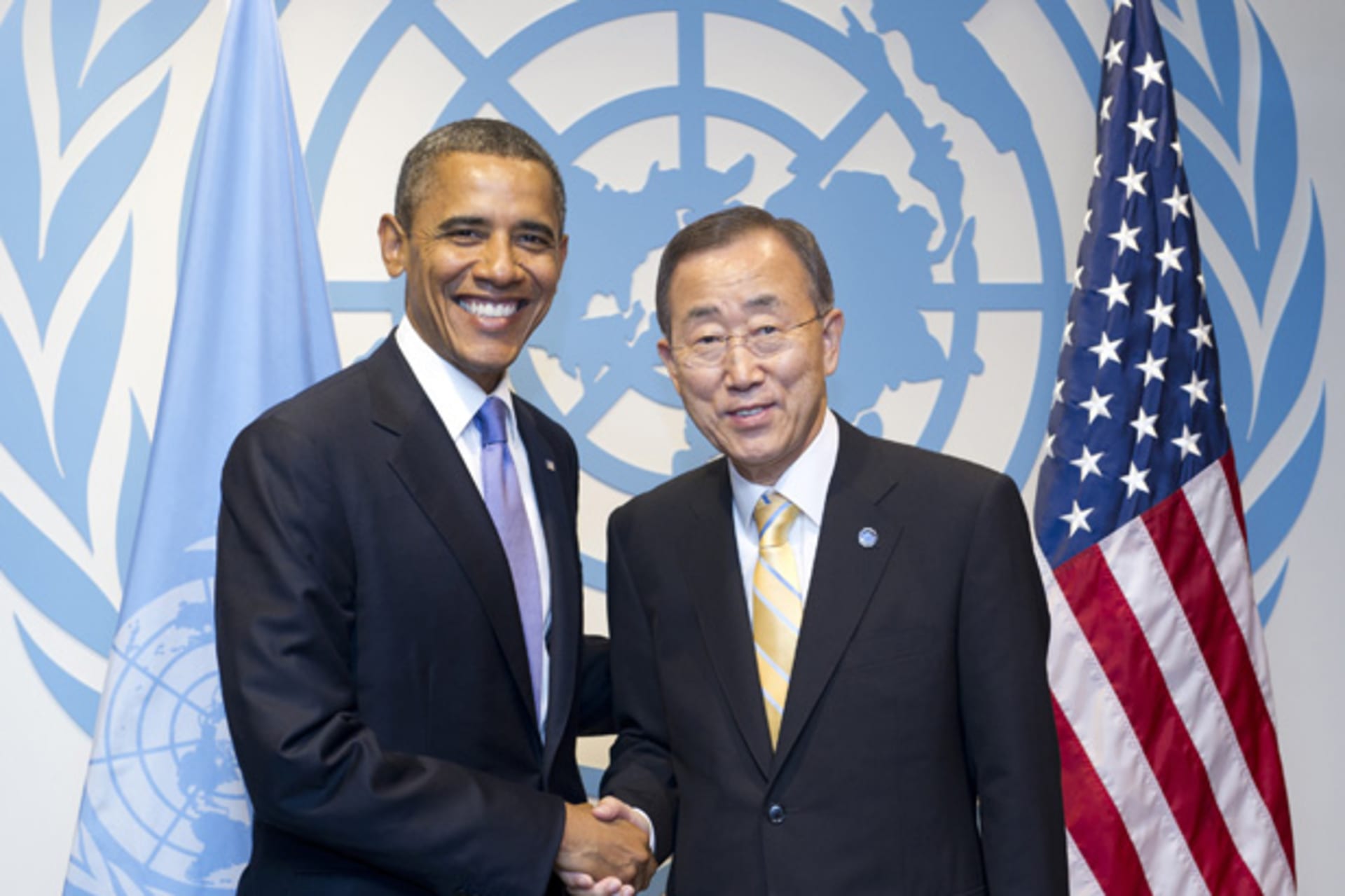
Heads of state address the UN General Assembly: The LA Times predicts that Barack Obama will stress Middle East issues in his address to the UN General Assembly. The Australian writes that Palestinian president Mahmoud Abbas is expected to request a vote for UN recognition of Palestine. Fars News notes that Iranian president Mahmoud Ahmadinejad is scheduled to address the assembly amid growing concerns about Iran’s nuclear capability.
Myanmar’s opposition leader visits the United States: NPR writes that Burmese opposition leader Aung San Suu Kyi, will receive the Congressional Gold Medal during her 17-day visit to the United States; BBC reports that in her visit with Secretary of State Hillary Clinton, Suu Kyi called for the easing of U.S. sanctions on Myanmar. The New York Times notes that Suu Kyi’s trip began the same day that Burmese president Thein Sein freed 514 prisoners as the most recent attempt at political reform.
China and Japan mark the 40th anniversary of diplomatic ties amid growing tensions: World Politics Review discusses escalating tensions between the two countries after Tokyo announced its intentions of purchasing the disputed Senkaku Islands. The New York Times reports on large-scale anti-Japanese demonstrations that took place in dozens of Chinese cities. Foreign Policy questions why the Chinese government has put a lockdown on websites that discuss “the U.S. history of purchasing territory.”