In Myanmar, the World’s Indifference to Authoritarianism Is on Full Display
Myanmar’s upcoming, tightly controlled “elections” are designed to manufacture legitimacy for the junta, which hopes the mere act of holding a vote will ease its international isolation despite the ongoing civil war.
By experts and staff
- Published
 Joshua KurlantzickCFR ExpertSenior Fellow for Southeast Asia and South Asia
When Myanmar held relatively free and fair elections in 2020, dominated by Aung San Suu Kyi’s National League for Democracy, many democracies around the world hailed the results. After Myanmar’s armed forces, known as the Tatmadaw, annulled the election through a coup in February 2021, some of those countries imposed sanctions on the new junta and/or downgraded their diplomatic relations with Myanmar.
Now, the junta is gearing up for another “election,” to be held in stages starting on December 28. This time, however, it will be neither free nor fair, as the military intends for its political vehicle, the Union Solidarity and Development Party (USDP), to win virtually every seat.
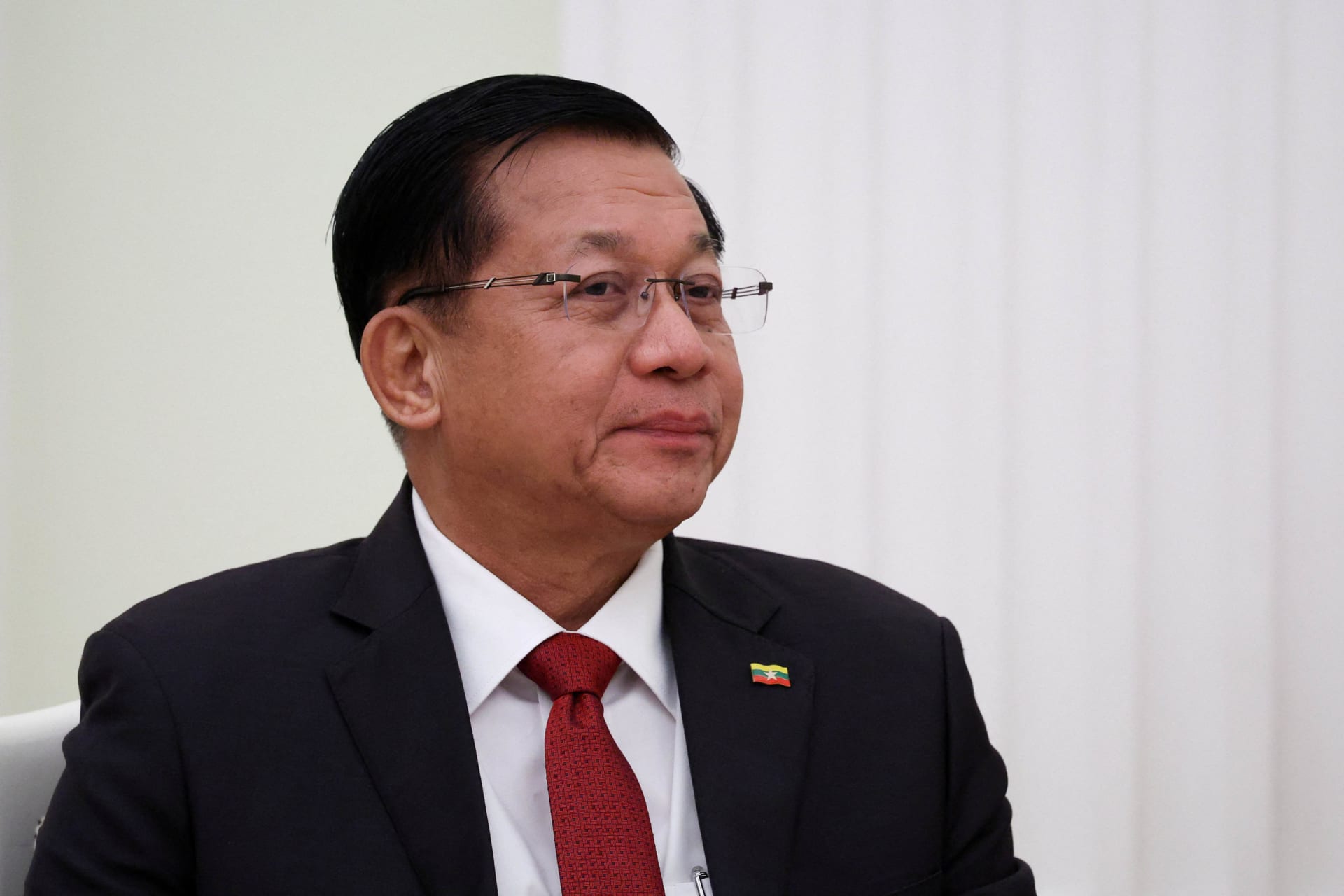
Analysts and observers have widely decried the elections as a sham. Voting will only occur in “secure zones,” meaning regime-controlled areas, which amount to less than half of Myanmar’s land. Peaceful political opposition has been decimated since 2021, with most parties dissolved, while the junta holds an estimated thirty thousand political prisoners. The country also remains mired in a brutal civil war between the Tatmadaw and a loose alliance of armed groups, making free and fair elections impossible even if there was a real intention for a true vote. Yet the junta intends to forge ahead, with former generals and current military officials dominating the ballot. The stage is set for junta chief General Min Aung Hlaing, already serving as the acting president, to be formally elected president.
Yet no matter how undemocratic the elections are, they will boost international recognition for the junta, easing its isolation as foreign nations welcome Myanmar back in from the cold. For more on how the junta will use the “elections” for global legitimacy, see our new article for World Politics Review.