Critical Minerals and Rare Earth Elements

  • Democratic Republic of Congo
    The President’s Inbox Recap: Conflict in Eastern Congo
    The resurgence of Rwanda-backed insurgents in eastern Congo has reignited a decades-old conflict over ethnic rivalries, mineral wealth, and political representation.
  • Arctic
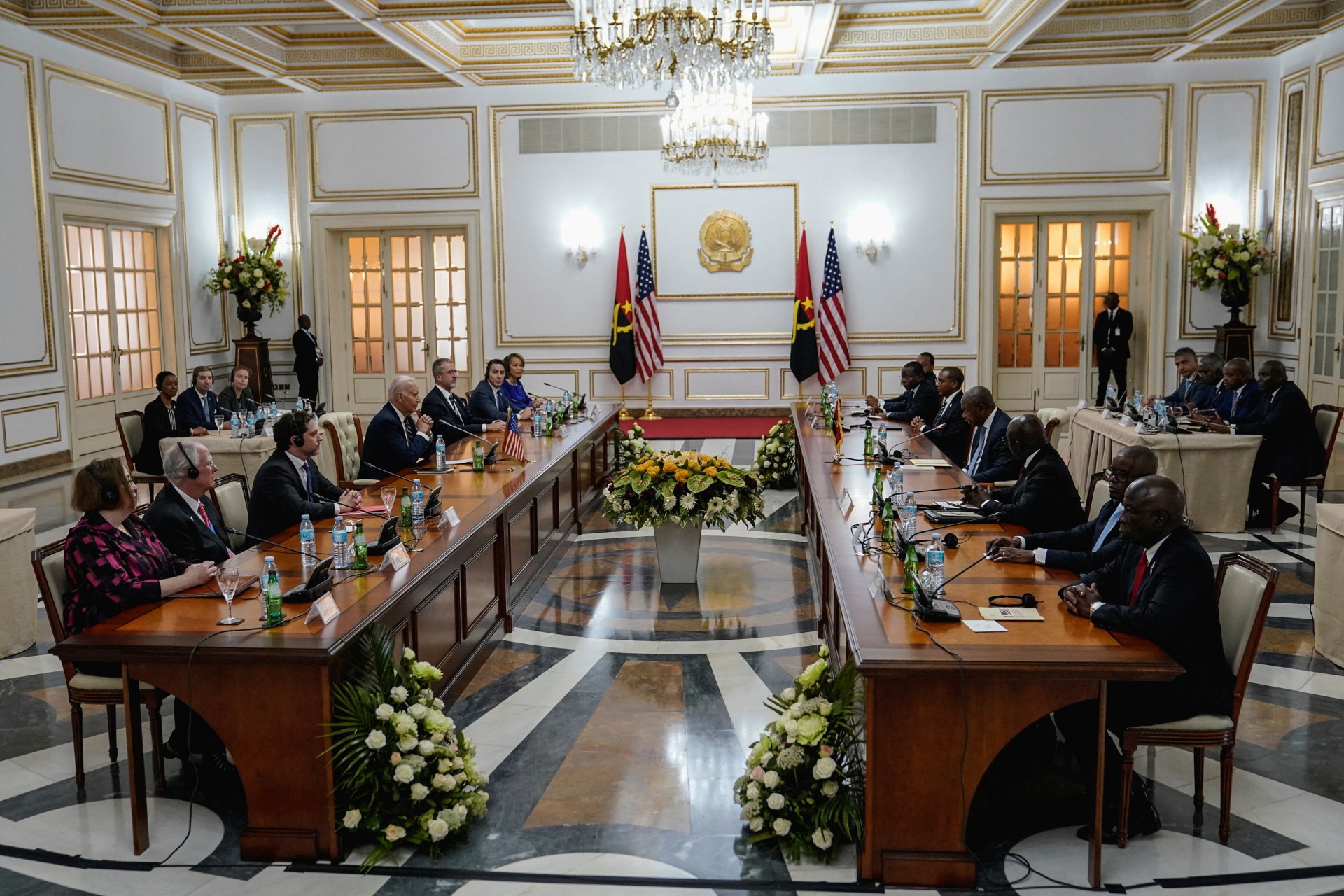
    What Would Greenland’s Independence Mean for U.S. Interests?
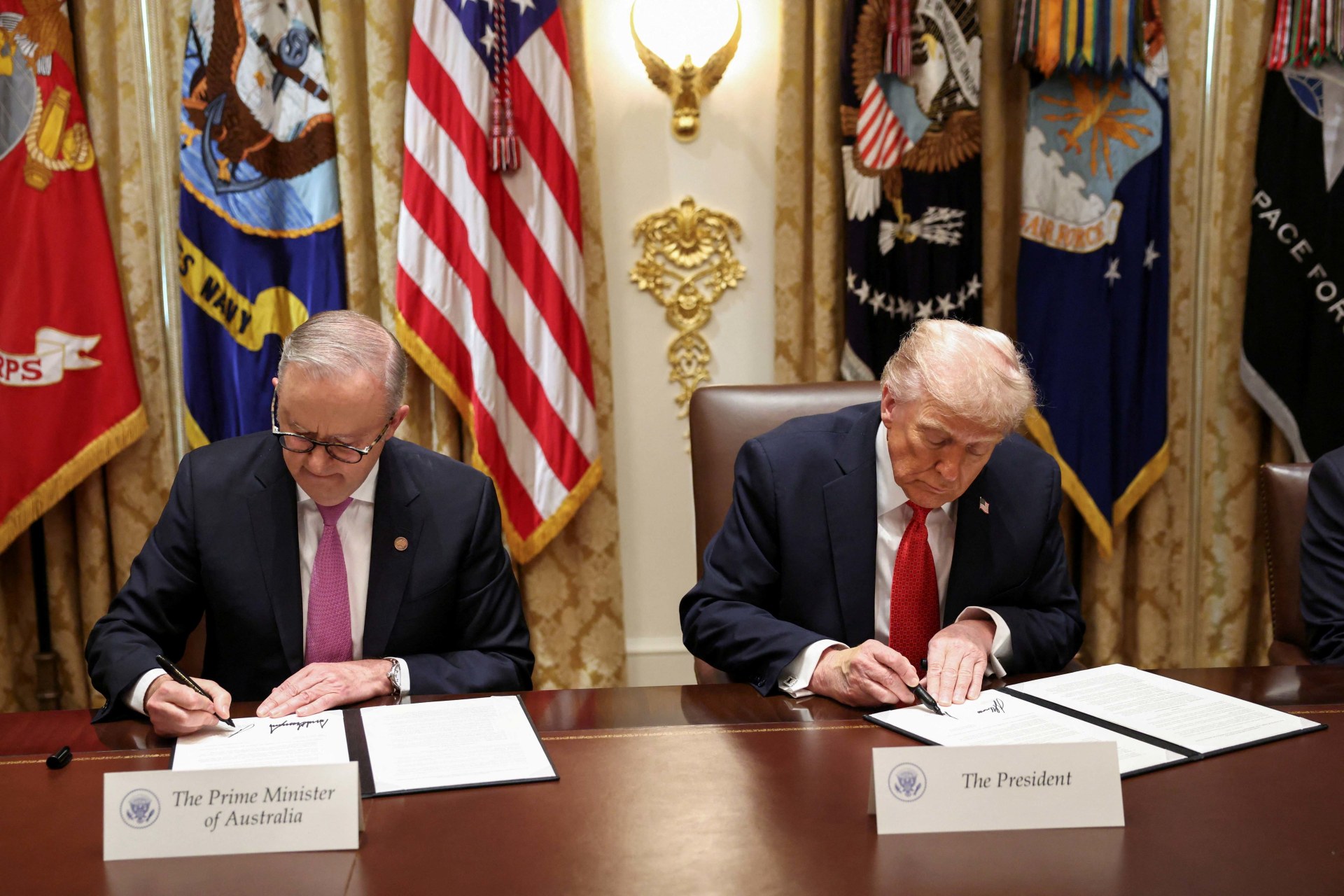
    The island’s residents have voted in favor of a party that seeks gradual independence from Denmark. But Greenland has attracted significant attention from President Trump, who sees the island’s considerable mineral wealth and location in the Arctic as necessary for U.S. national security.
  • China Strategy Initiative
    The U.S. Needs More than a Critical Minerals Stockpile, It Needs Market Infrastructure
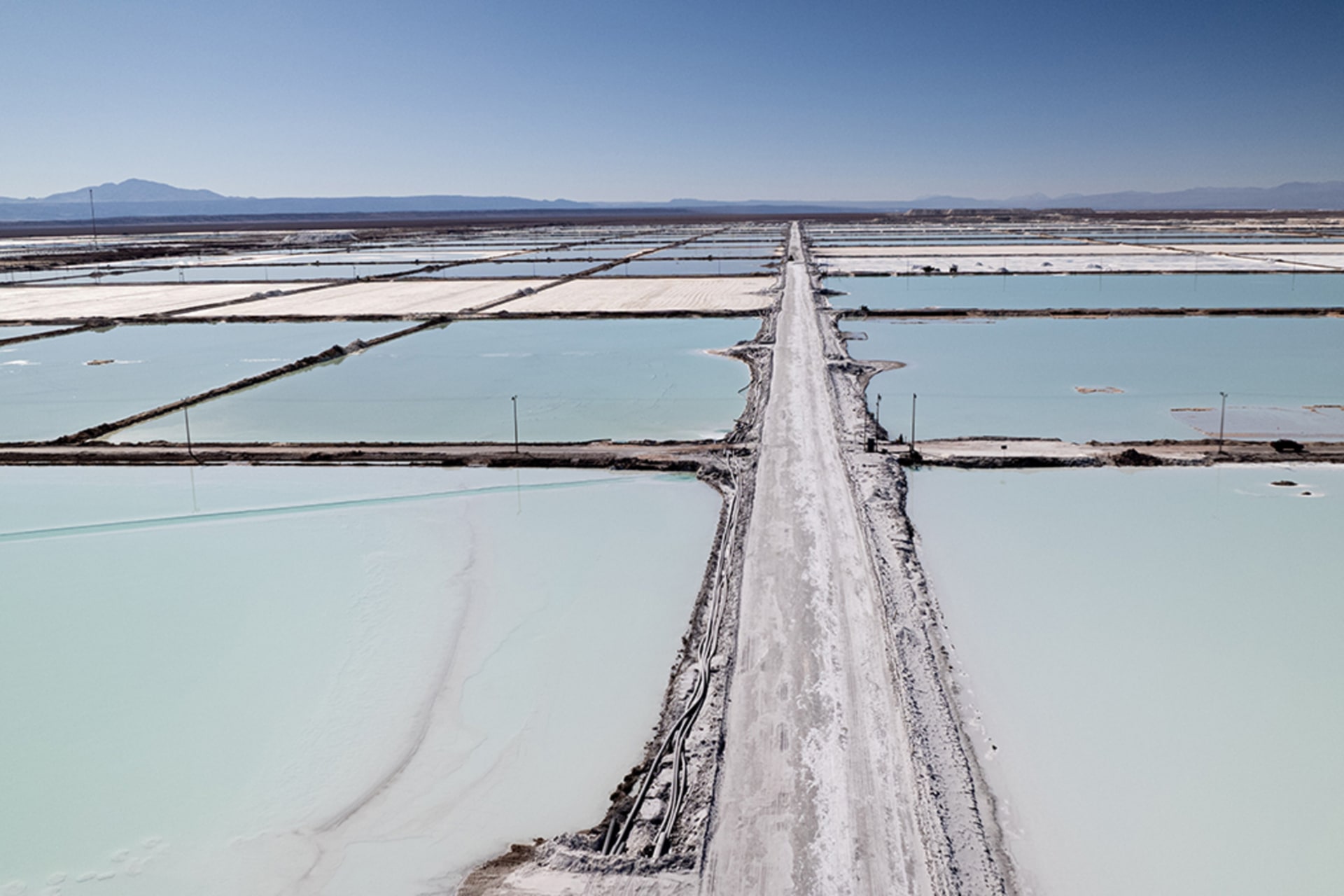
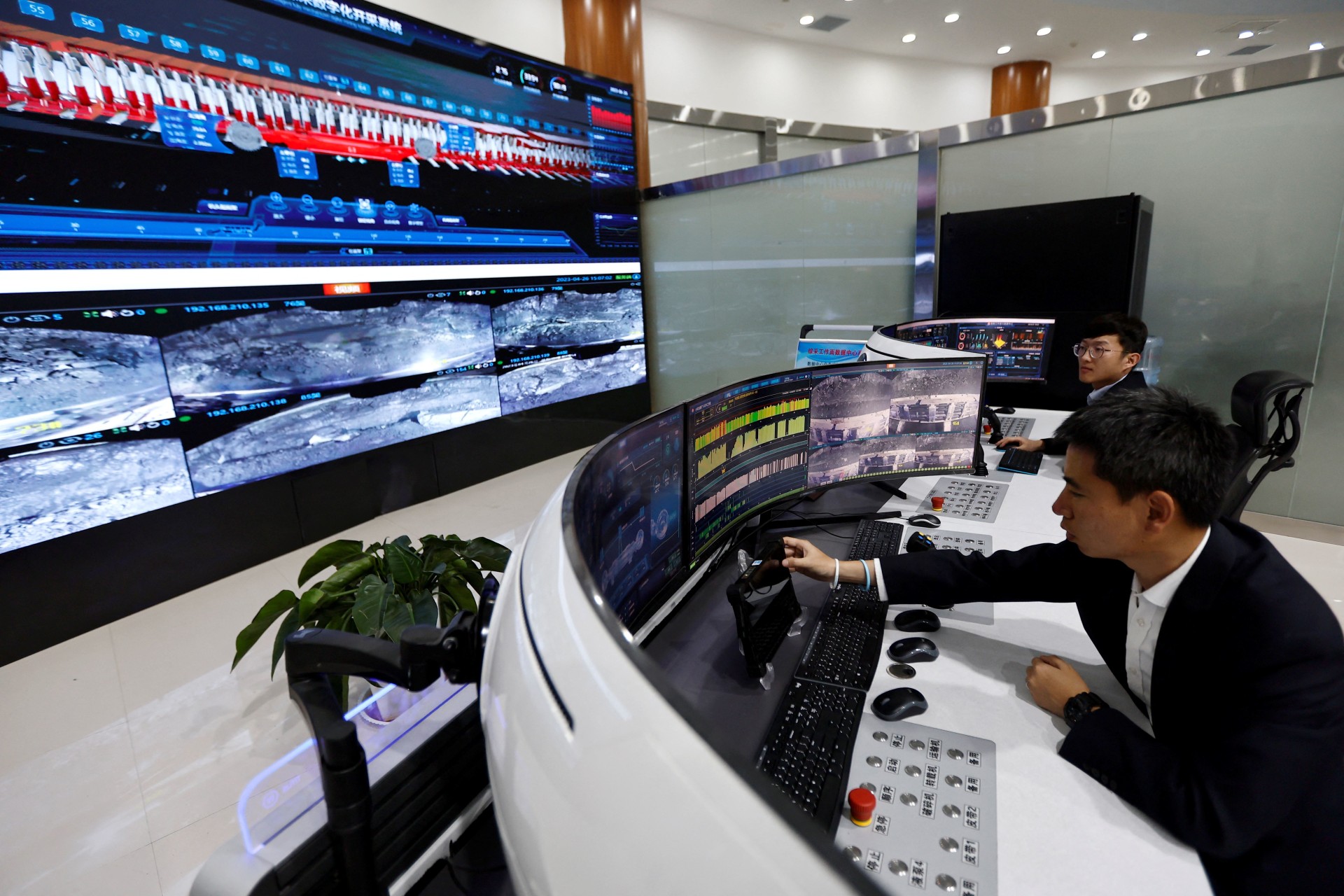
    Last month, Ganfeng Lithium, China’s largest lithium producer and refiner, announced plans to establish a $1.1 billion trading desk “to reduce the risk of market fluctuations” associated with its growing portfolio of international mining investments. By injecting liquidity into a Chinese market infrastructure, the move will likely deepen the country’s already dominant grip in the market and could threaten the United States’ attempts to build a resilient supply chain for critical minerals. The development should prompt serious reflection among policymakers and industry leaders in the United States: it highlights the need to expand our toolkit to enhance our competitiveness in a sector crucial to the clean energy transition and national security. The global critical minerals market is currently dominated by a few key players, particularly China. In 2023, China accounted for over 65% of global rare earth mineral production. It also leads in processing, refining over 35% of the world’s nickel, 58% of lithium, and 70% of cobalt. By directing supply and demand—China exerts considerable leverage over the market. This prominence is the result of strategic investments made over decades, demonstrating foresight in recognizing the future importance of these resources to numerous strategic sectors including energy and defense. However, the Ganfeng announcement reveals another crucial aspect of China’s leadership: dominance of market infrastructure. As demand for these once-niche minerals skyrockets, the financial mechanisms for trading them become increasingly important. Market infrastructure, like physically-cleared benchmark contracts, is vital for building liquidity, ensuring price transparency, and mitigating volatility risks. This is the role that well-known benchmarks like Brent and West Texas Intermediate play in global oil markets. Currently, for many critical minerals, including lithium and cobalt, the only physically-cleared benchmark contracts (a preferred hedge for producers) are on exchanges like the Guangzhou Futures Exchange (GZE). Cash-settled contracts exist but are also highly affected by Chinese supply dynamics and imperfect as hedging tools for producers. The implications of this extend beyond China’s borders. Consider a lithium producer in Quebec supplying a U.S. electric vehicle manufacturer. Standard industry practice would be to index the contract price to a benchmark like the Fastmarkets Asia index. However, since this index is highly correlated with supply conditions in China, a price decrease arising from overcapacity in China drives down the contract value for the producer in Quebec, reducing revenue and threatening future investment. With Ganfeng bringing liquidity to these existing financial markets, China’s control of the market infrastructure will only deepen. For the US to become less reliant on such a highly concentrated market, yes, it needs to have new supply come online and utilize tools like stockpiling in reserves. But also it needs to develop diverse, robust market mechanisms to ensure a free, stable, and fair market for all participants. Fortunately, the United States has an opportunity to enhance its own competitiveness in the critical minerals sector. With growing private sector interest as demonstrated by the entry of Singapore-based exchange Abaxx into the battery metals sector, it is necessary now to take steps to build a more stable financial infrastructure less prone to the problems of overcapacity. The federal government has tools at its disposal that could foster the development of liquid financial markets for critical commodities. Employ America previously proposed that the Department of Energy’s Loan Program Office (LPO) use its existing lending authority to support market-making activities in the commodities sector. By providing loan guarantees under its "Innovative Supply Chain Program," the LPO could enable the creation of a special-purpose vehicle (SPV) that would function as a trading desk, engaging in various market activities to help producers hedge against price shocks. We have also proposed* that Congress reimagine the Strategic Petroleum Reserve as a “Strategic Resilience Reserve” (SRR). Modeled after the Federal Reserve’s approach to financial stability, the SRR would employ both preventative and reactive tools to stabilize commodity markets. Ex-ante measures could include long-term fixed-price contracts, establishing inventory minimums, and non-recourse lending to address underinvestment. If prices spike, the SRR could release stored reserves to end-users and sell put options to upstream producers. In periods of downside distress, the SRR could take excess supply off the market and provide financial support for additional storage or bridge capital for upstream participants. This dual approach of market stabilization and crisis mitigation would help ensure a self-regulating market response, maintaining a balance between supply and demand for volatile commodities like lithium. Importantly, as the Fed utilizes market interventions to stabilize the financial system, an SRR would utilize market infrastructure to execute commodity market stabilization. By trading financial instruments through new physically-cleared benchmark contracts, an SRR could provide the “startup capital” for market infrastructure less prone to external market challenges like localized supply gluts in China. The time for action is now. The critical minerals sector is evolving rapidly, and the United States has an opportunity to play a leading role. By developing our own robust financial markets and trading mechanisms for these crucial resources, we can enhance our competitiveness, stabilize supply chains, and accelerate our transition to clean energy. The stakes are significant. Our ability to meet climate goals, ensure national security, and maintain technological leadership in the 21st century all depend on securing a reliable and diverse supply of critical minerals. The Ganfeng announcement should serve as a catalyst for action. It’s time for the United States to step up and secure its position in this vital sector, not through confrontation but through innovation, investment, and strategic foresight. ____________________ *This piece was co-authored with Daleep Singh prior to his rejoining the administration as Deputy National Security Adviser for International Economics. Arnab Datta is Managing Director of Policy Implementation at Employ America.  Ashley George is a policy associate at Employ America.  
  • India
    Cooperation Between ASEAN and the Quad is Critical for Indo-Pacific Stability
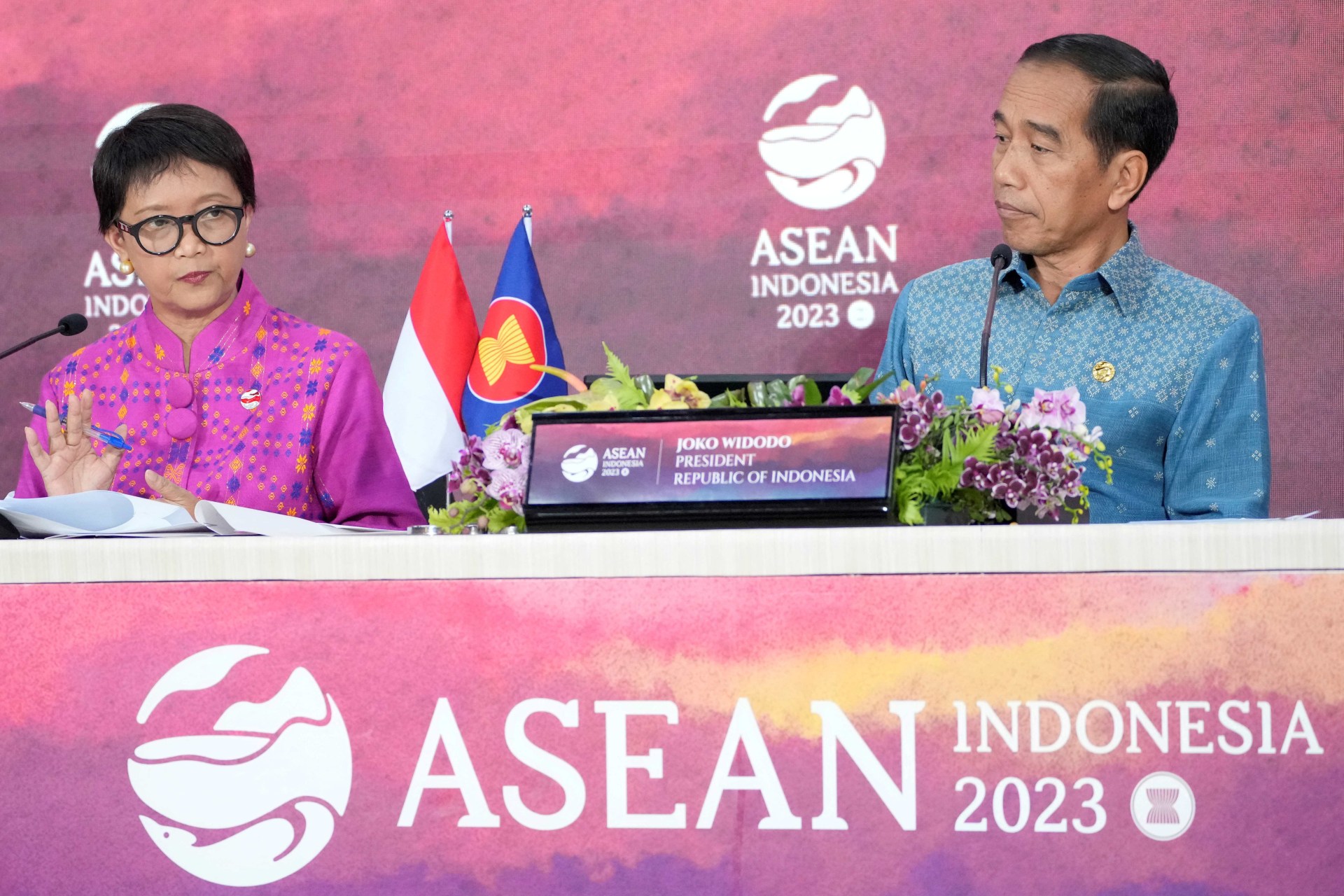
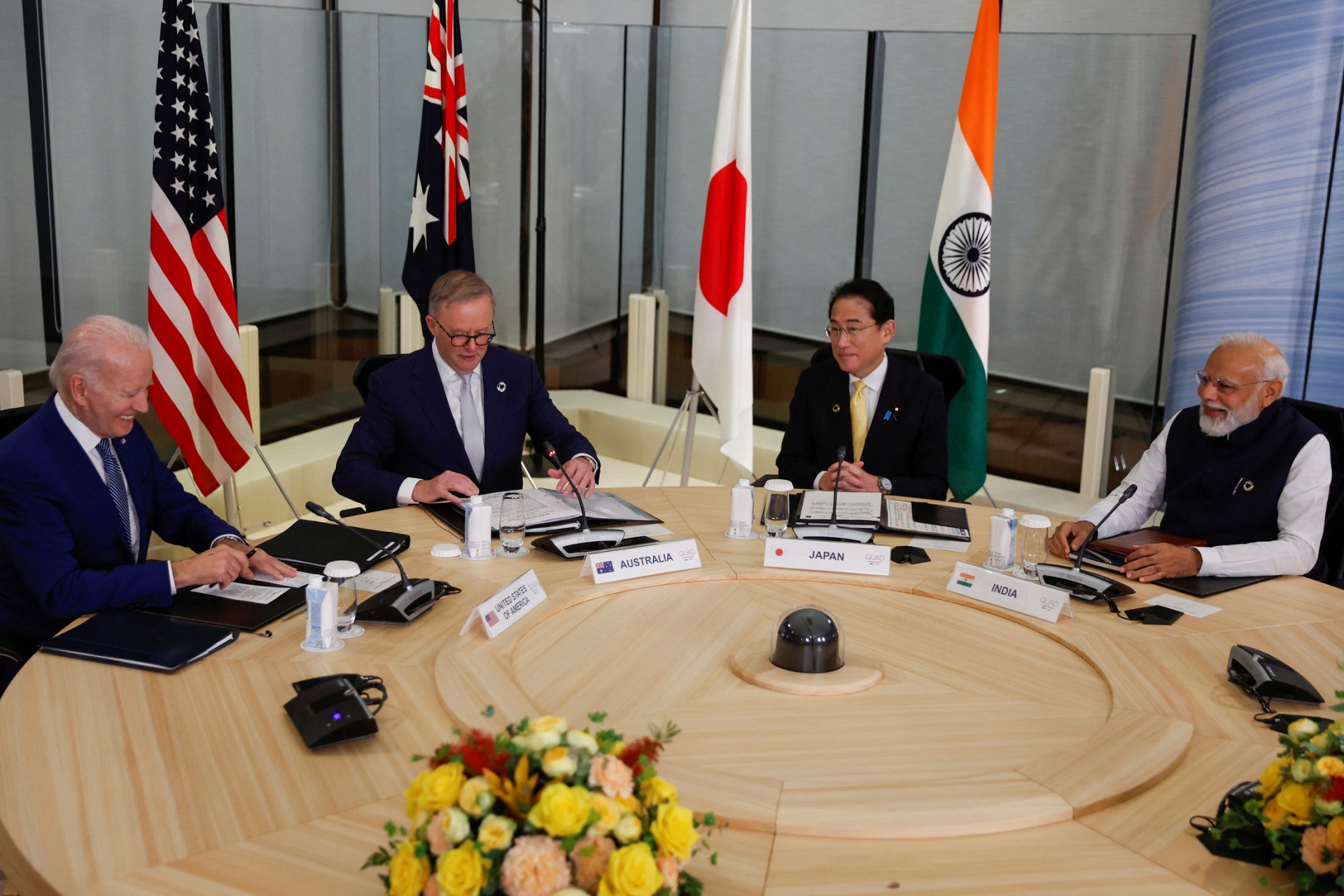
    The strengths of ASEAN and the Quad complement rather than undermine each other. Their cooperation is essential for stability in the Indo-Pacific region.
  • United States
    How to Secure Critical Minerals for Clean Energy Without Alienating China
    There are multiple ways to bolster the security of U.S. critical mineral supply chains, such as the mining, processing, and application of minerals, among others. Pushing China to be a disruptor is not one of them.
  • China
    Critical Minerals and China, With Morgan Bazilian
    Podcast
    Morgan Bazilian, director of the Payne Institute and a professor of public policy at the Colorado School of Mines, sits down with James M. Lindsay to discuss why critical minerals have emerged as a major issue in the U.S.-China geopolitical competition.
  • Democratic Republic of Congo
    Why Cobalt Mining in the DRC Needs Urgent Attention
    Professor Dorothée Baumann-Pauly is director of the Geneva Center for Business and Human Rights at Geneva University's School for Economics and Management and research director at the NYU Stern Center for Business and Human Rights. Cobalt is an essential mineral used for batteries in electric cars, computers, and cell phones. Demand for cobalt is increasing as more electric cars are sold, particularly in Europe, where governments are encouraging the sales with generous environmental bonuses. According to recent projections by the World Economic Forum’s Global Battery Alliance, the demand for cobalt for use in batteries will grow fourfold in 2030 as a result of this electric vehicle boom. More than 70 percent of the world’s cobalt is produced in the Democratic Republic of the Congo (DRC), and 15 to 30 percent of the Congolese cobalt is produced by artisanal and small-scale mining (ASM). For years, human rights groups have documented severe human rights issues in mining operations. These human rights risks are particularly high in artisanal mines in the DRC, a country weakened by violent ethnic conflict, Ebola, and high levels of corruption. Child labor, fatal accidents, and violent clashes between artisanal miners and security personnel of large mining firms are recurrent. ASM cannot simply be shut down, however. It is a lifeline for millions of Congolese who live in extreme poverty. Cutting ASM out of the cobalt supply chain is neither feasible, due to the interwoven nature of the cobalt supply chain, nor desirable from a development perspective. Instead, companies committed to setting up responsible cobalt sourcing practices need to take responsibility for addressing the human rights violations that taint the DRC’s ASM sector. Some companies have started experimenting with so-called ASM formalization projects, which regulate mining methods and working conditions. During a research trip to Kolwezi in the DRC in September 2019, I visited the two largest active cobalt ASM formalization projects, one led by the Swiss-based commodity trading firm Trafigura, and the other by the biggest Chinese cobalt processing firm, Huayou Cobalt. Several other formalization projects are currently in the planning phase. Lessons from these projects and recommendations for companies were recently published in a World Economic Forum White Paper. Most importantly, companies need to work with key stakeholders to establish a common ASM standard for mine safety and child labor and ensure ASM cobalt is sourced responsibly. “ASM formalization” can mean very different things to different companies, and no common standard or uniformity in its implementation exists. This lack of a common understanding of what constitutes “responsible ASM” hampers the acceptance of ASM cobalt in the market. Many large companies are currently not sourcing from the DRC because of human rights concerns. Many other companies that produce electronics or electric vehicles are, at least officially, not using cobalt from ASM sites, although they are well aware of the practical difficulties of separating out ASM cobalt from industrial production by tracking it at these mining sites. To improve consumer confidence that cobalt from the DRC is not mined by children or in unsafe conditions, the mining industry needs to formalize its approach to these ASM sites. This requires a recognition that ASM will continue, that industry human rights standards will need to be put in place, and that those on the ground will need to have the capacity to monitor compliance with those standards. The DRC government has adopted a Mining Code and has already begun to assign pieces of land specifically for ASM. But full implementation of ASM formalization at scale will also require the support of private companies. These are enormously complex undertakings, but we can learn from several existing ASM formalization pilot projects and build these models to scale while also beginning to address the root causes for systemic human rights challenges in the DRC, such as child labor. Several leading companies are beginning to support common standards for ASM formalization. Working in a multi-stakeholder setting with key actors along the supply chain, globally and in the DRC, including the government, cooperatives and concession holders, civil society organizations, workers, and manufacturing and end-user companies will be key to developing systems that promote responsible cobalt production and trade practices. The increasing world demand for battery minerals presents a unique opportunity to develop a model for responsible ASM cobalt. The benefits from the cobalt model could apply to the estimated 40 million artisanal miners around the world that work on extracting different minerals for a living. Solutions need to be put in place before the electric vehicle boom really takes off. The time for action is now.
  • Democratic Republic of Congo
    The Cobalt Boom
    As technology companies and carmakers become increasingly reliant on cobalt, many business, government, and nonprofit leaders have grown concerned about the mineral’s controversial supply chain.
  • China
    Chinese Investment in Critical U.S. Technology: Risks to U.S. Security Interests
    In July 2017, the Council on Foreign Relations’ Maurice R. Greenberg Center for Geoeconomic Studies held a workshop to explore the scale and scope of Chinese investment in U.S. technology, its national security implications, and potential policy responses. The workshop, hosted by then CFR Senior Fellow Jennifer M. Harris, was made possible by the support of the Carnegie Corporation of New York. The views described here are those of workshop participants only and are not CFR or Carnegie Corporation positions. The Council on Foreign Relations takes no institutional positions on policy issues and has no affiliation with the U.S. government. Introduction Chinese firms, both private and state-owned, have in recent years invested billions of dollars in the U.S. technology industry, raising concerns that a powerful rival has gained or could soon gain access to sensitive and, in some cases, critical technologies that underpin American military superiority and economic might. At the workshop entitled “Chinese Investment in Critical U.S. Technology: Risks to U.S. Security Interests,” held in San Francisco, on July 18, 2017, CFR convened nearly thirty current and former government officials, academics, bankers, investors, and corporate executives to explore whether the large and growing early-stage Chinese investment in critical U.S. technology poses a threat to U.S. national security, and, if so, to outline policies that mitigate the risks of unbridled Chinese investment and to bolster U.S. competitiveness. Show Me the Money: The Scope of Chinese Investment in U.S. Technology In 2016, Chinese investors, venture capital funds, and state-owned enterprises (SEOs) poured more money into all stages of U.S. technology development than ever before (see figure). This included acquisitions of not just established firms but also early-stage businesses and new initiatives from existing companies in nascent or newly developed technologies, in health and pharmaceuticals, in artificial intelligence (AI), and in other advanced technologies that could have cutting-edge military applications. Participants largely agreed that, while most of the Chinese investments come from nominally private-sector firms, U.S. policymakers should view them as being made at the behest of the Chinese government, whether due to the availability of financing from state-owned banks or due to the Communist Party of China’s influence over significant private-sector companies. There is little functional distinction between private firms and SEOs, one participant noted; another underscored the role that Chinese state financing plays in lending a political overtone to what might otherwise appear to be private-sector investment decisions. China’s Game: The Goals of Investing in U.S. Technology Some participants argued that the investment flows are a natural extension of China’s decade-long quest to develop indigenous technologies to fuel economic growth: while Beijing once copied or simply stole technologies from advanced economies, now it is also buying them. Others pointed to Chinese economic plans—such as Made in China 2025, the Belt and Road Initiative, and China’s goal of reaching developed country status by the Communist government’s centennial in 2049—to argue that technology investments are being centrally directed toward concrete goals. Other participants were more skeptical, pointing to what they described as a limited correlation between Chinese investment in U.S. technology and the Chinese government’s stated economic goals. Some investors could simply be chasing returns in the less-saturated U.S. market. Others underscored that a desire to get money out of mainland China could be driving “scattershot” investment across a range of U.S. economic sectors with minimal central direction or oversight. Or it could be a bit of everything at once; chasing returns, moving capital offshore, and meeting party goals are not mutually exclusive. One participant summed up the difficulties in tracing and analyzing Chinese investment thus: “We know who is investing in whom. [But] we don’t know who owns them. And we don’t know why” they are investing. Ultimately, participants concurred, while U.S. foreign direct investment in China still greatly exceeds Chinese investment in the United States, the playing field is “increasingly tilted” in favor of Chinese investors due to the essentially open nature of the U.S. economy. Though Chinese investors trying to purchase U.S. firms face low regulatory hurdles, the obstacles facing U.S. firms in China are much greater. U.S. banks operating in China, for instance, often cannot use the local currency; firms in other sectors face concerted challenges, from forced technology sharing to mandatory joint ventures, that foreign firms in the United States are not subjected to. “We don’t enjoy free trade today,” one participant argued. “It’s only in one direction.” Risks of Chinese Investment to U.S. Security Several participants agreed that increased Chinese investment in new U.S. technology sectors could have two main national security implications: a direct threat to the U.S. military’s technological superiority, and, more broadly, an undermining of U.S. competitiveness in what one participant called the ongoing economic war with Beijing. Some participants, however, cautioned against exaggerating the potential threat posed by Chinese investment, particularly the risk of a return to a Cold War mentality. The Department of Defense, in an unpublished 2017 report, has noted possible risks from Chinese tech investment to the so-called Third Offset, the U.S. military’s effort to ensure continued qualitative advantages over potential rivals, including China. The Third Offset—like its predecessors in the Cold War and through the post–Cold War period—seeks to both deter potential foes and reassure allies that the United States intends to maintain technological dominance over its rivals. Extensive Chinese investment in sensitive technologies—such as guidance systems, AI, and light sensors that aid unmanned aviation systems—could erode or even eliminate that technological edge, some participants warned, potentially diminishing the United States’ ability to credibly defend allies, especially in Asia. Moreover, Chinese investment in high-tech firms could, in many cases, preclude U.S. government or military investment and cooperation with those same companies. Beyond purely defense-related technologies, several participants stressed the risk that Chinese acquisition of novel technologies—especially in foundational technology such as AI that enables advances in a wide range of other areas—could ultimately undermine U.S. economic competitiveness. Some participants warned that Chinese access to precision data on genomics and pharmaceutical development could steal the mantle from U.S. companies currently dominating health care and related fields. Likewise, Chinese efforts to gain access to core communications and digital technologies could give Beijing the ability to harden its own cyber defenses while sharpening its cyberattack potential against the digital and telecommunications infrastructure of the United States and other countries. The Third Offset: More Than Just Technology Although potential threats to the U.S. military’s technological superiority dominated concerns about the implications of Chinese investment, some participants cautioned that the recent U.S. technological edge is a historical anomaly; therefore, the ending of this dominance would be a return to normality, not a revolutionary development. Historically, few armies ever rode technological superiority to any lasting edge over their opponents, because most military technology, once encountered, is readily replicable, some participants noted. The introduction of the chariot, stirrup, firearms, automatic weapons, and armored vehicles were important but none remained dominant for long or conferred a lasting advantage. Instead, participants stressed, military doctrine, training, and operations are more reliable ways to ensure the ability to successfully wage war. A flexible command structure and battle-tested operational doctrines—rather than whizbang technology—provide a surer path to victory. Blitzkrieg was based not on superior technology—German tanks were initially lighter and weaker than their counterparts—but on doctrine and organization. Germany’s foes, especially the United States and the Soviet Union, copied much of that doctrine and organization in turning mobile tank warfare back against its creator. Even when clearly a superior technology emerges, such as France’s development of the first true machine gun, the desire to keep the technology secret and proprietary can erode all of its advantages: the mitrailleuse conspicuously failed to win the Franco-Prussian War because it was too secret for the French troops to be trained in. How the United States Should Respond With respect to countering security threats from Chinese investment in U.S. critical technology, participants overwhelmingly preferred playing offense to defense: policymakers should boost innovation in the U.S. economy as a way to maintain a technological edge rather than seek to block or restrict Chinese investment or to limit the export of certain technologies. To encourage innovation, many participants stressed the need for an industrial-competitive strategy in the United States, which would connect government and the private sector in planning, just as Chinese firms and their government coordinate. Some recommended institutionalizing public-private cooperation in the United States, while safeguarding free-market principles. Several cited the historical examples of government-funded and -directed basic research, epitomized by Bell Laboratories, as ways to ensure continued dominance of foundational technologies that ensure economic primacy. However, nearly all participants also acknowledged that the current political climate makes such cooperation difficult. Budget pressures on basic government research already threaten the network of national labs. Meanwhile, populist rhetoric favoring defensive measures such as tariffs and blacklists makes it harder for policymakers to make the case that a more open economy is ultimately more resilient. Participants vigorously debated how to bolster U.S. protections against Chinese access to critical technologies, including an expanded mandate for the Committee on Foreign Investment in the United States (CFIUS), targeted restrictions on critical technologies such as aeronautics and guidance systems that are vital to defense, and an insistence on Chinese reciprocity in investment and market access. CFIUS, a government panel that screens foreign investment for possible national security implications, has for decades been the default tool to limit foreign access to sensitive parts of the U.S. economy. But many participants argued that CFIUS is outdated, under-resourced, and applies too narrow a definition of national security to be particularly useful in limiting either the extent or the impact of Chinese investment. While a majority of participants agreed that CFIUS should be expanded, with added resources to handle an already large volume of cases, they contended that even a new and improved CFIUS would at best be a “piece of the pie” in dealing with Chinese investment in U.S. technology. Similarly, participants noted that U.S. policymakers have struggled since the end of the Bill Clinton administration to limit Chinese access to potentially sensitive technologies, especially those that could have both civilian and military applications. Some participants argued that a more targeted approach, meant not to block all or most Chinese investment but just that in the most critical technologies—such as machine learning and AI—would mitigate the damage. However, other participants countered that the U.S. government is not well equipped to identify which specific technologies will be game changers or which could pose a future security threat, rendering such an approach useless and potentially counterproductive. Soviet acquisition of precision-guided missiles was ultimately enabled by ball bearing technology, for example, something no U.S. government agency foresaw. Participants agreed that China has, in recent years, taken advantage of the traditionally open U.S. economy by investing freely in the United States while enforcing export controls and rigorously vetting investments and acquisitions on its shores. Most agreed that U.S. policymakers should therefore seek to make reciprocity—more equal access in China for U.S. investors, banks, and firms—a priority objective. And the United States currently has leverage over China to level the playing field. Participants differed, however, in how to do so. Some argued that privately urging China to open up would be more consistent with Chinese sensibilities, while others insisted that only by raising a “vocal stink” with Chinese authorities could unfair practices be rescinded.