Series

CFR Fellows’ Book Launch

The CFR Fellows’ Book Launch series highlights new books by CFR fellows. It includes a discussion with the author, cocktail reception, and book signing.
  • West Africa

    In The Age of Change: How Urban Youth are Transforming African Politics, Michelle Gavin explains how demographic trends and unsatisfying political narratives are converging to trigger new volatility in African politics, and how that volatility informs African countries’ engagement with the rest of the world. It is written for a reader interested in the geopolitical shifts driving global events, not just experts in African affairs. Tapping into the irreverent humor and insight of African political discourse on social media, the book helps readers jettison anachronistic ideas about African societies, understand how specific histories inform individual countries’ trajectories, and recognize that a regional search for new political models is underway. The CFR Fellows’ Book Launch series highlights new books by CFR fellows. Please note that members will receive an offer to claim a complimentary copy of this book, and copies will be available for purchase at the event.  For those attending virtually, log-in information and instructions on how to participate during the question and answer portion will be provided the evening before the event to those who register. Please note the audio, video, and transcript of this hybrid meeting will be posted on the CFR website.
  • Public Health Threats and Pandemics

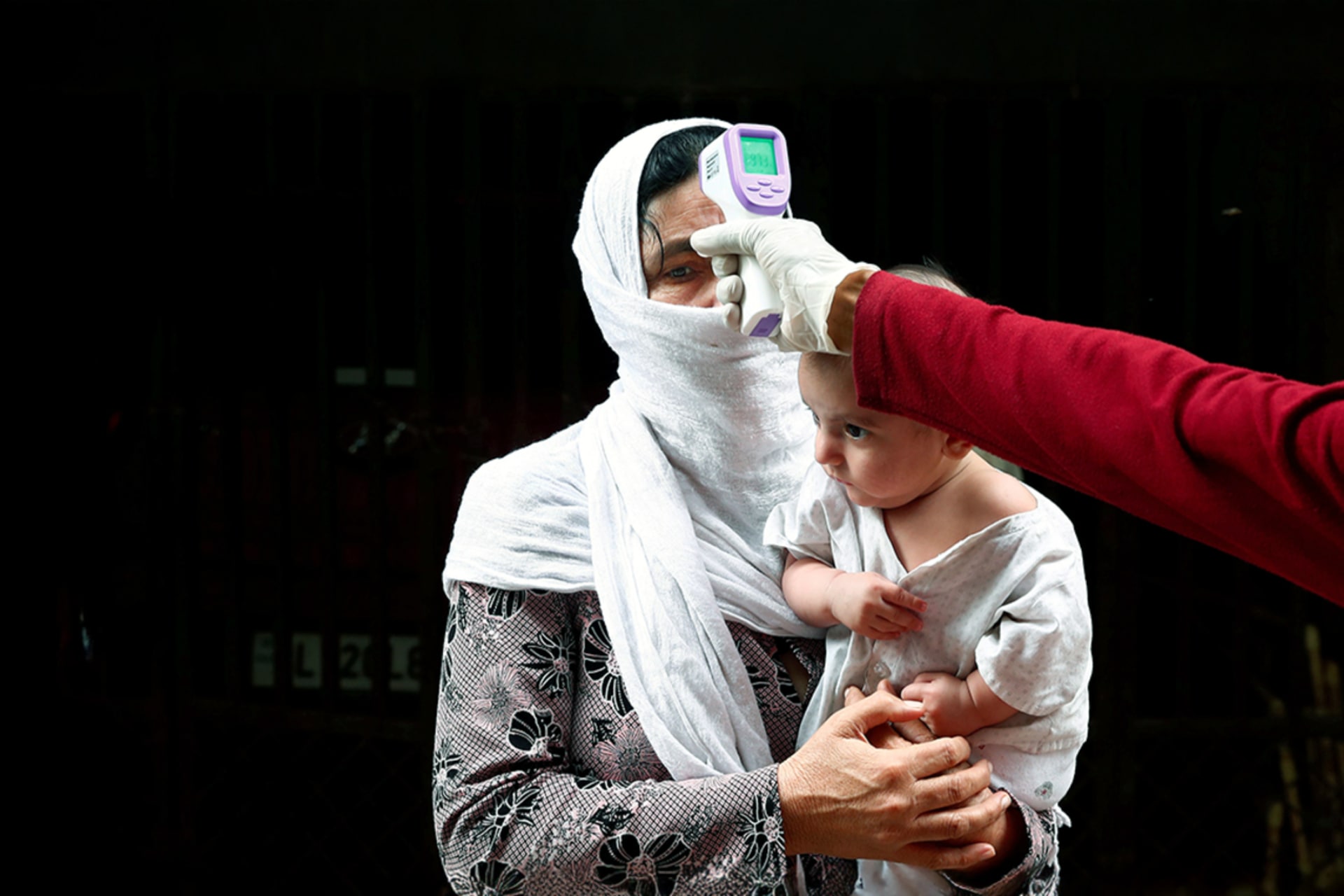
    In When the World Closed Its Doors:The Covid-19 Tragedy and the Future of Borders, Edward Alden and Laurie Trautman tell the story of how nearly every country in the world shut its borders to respond to the pandemic threat. The book details the enormous human costs of the travel restrictions and argues that governments are becoming overly reliant on borders to address external threats from terrorism to drugs to migration. This wide-angle view of a singular shock to the international systems of travel and migration highlights why those living across borders need better protections and governments more robust guardrails. The CFR Fellows’ Book Launch series highlights new books by CFR fellows.
  • United States

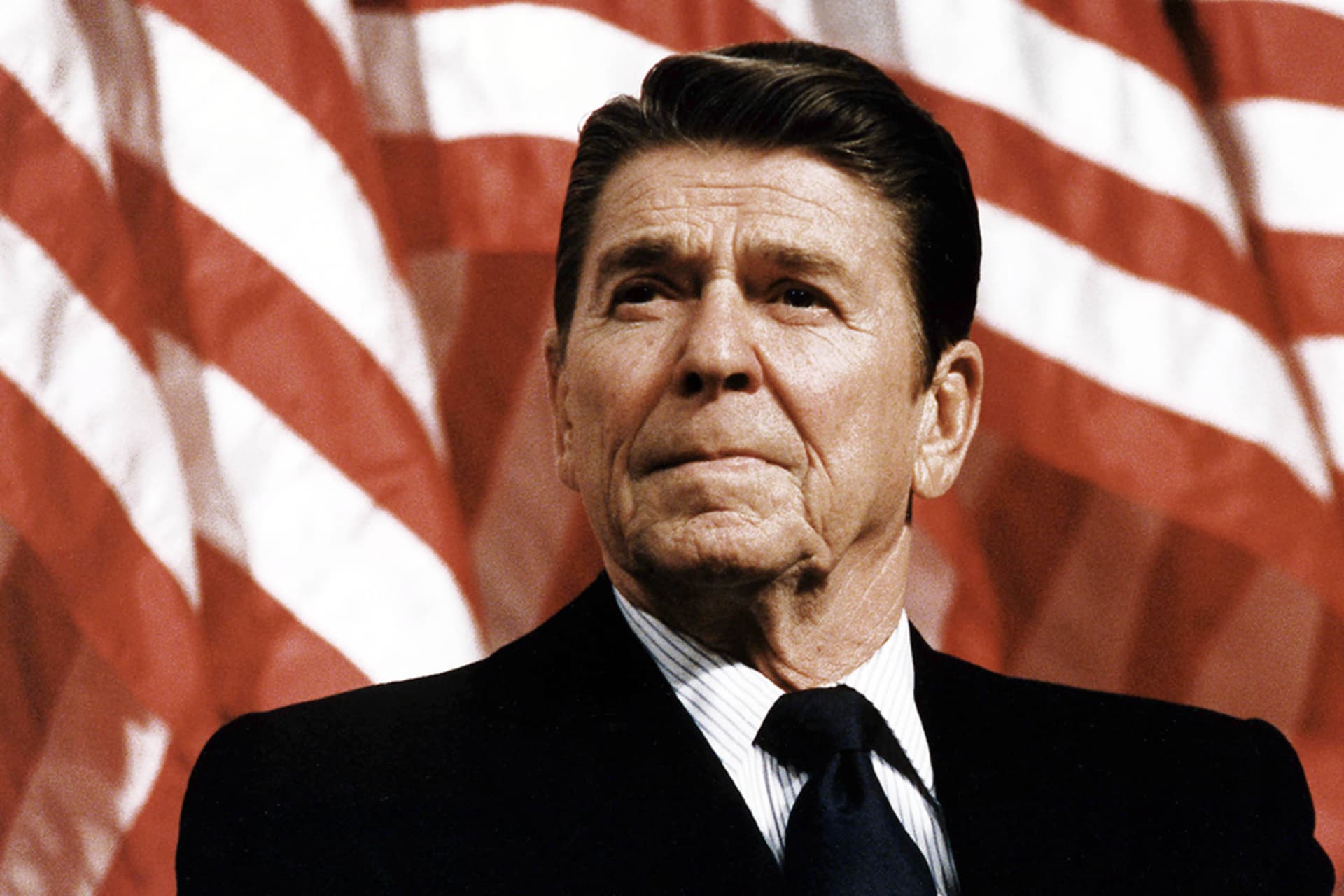
    From best-selling biographer Max Boot comes this revelatory portrait, a decade in the making, of the actor-turned-politician whose telegenic leadership ushered in a transformative conservative era in American politicsDespite his fame as a Hollywood star and television host, Reagan remained a man of profound contradictions, even to those closest to him. Never resorting to either hagiography or hit job, Reagan charts his epic journey from Depression-era America to “Morning in America.” Providing fresh insight into “trickle-down economics,” the Cold War’s end, the Iran-Contra affair, and so much more, this definitive biography is as compelling a presidential biography as any in recent decades. The CFR Fellows’ Book Launch series highlights new books by CFR fellows. Please note that members will receive an offer to claim a complimentary copy of this book.   
  • Asia

    Lost Decade is an essential guide for understanding the historic shift to Asia-centric geopolitics and its implications for the United States’ present and future. More than a decade on, Robert D. Blackwill and Richard Fontaine conclude that while the Pivot to Asia’s strategic logic is strong, Washington's failure to respond to China's rise represents one of the three greatest mistakes in U.S. foreign policy since WW II, along with the 1965 escalation in Vietnam and the 2003 invasion of Iraq. They examine the Pivot through various lenses: situating it historically in the context of U.S. global foreign policy, revealing the inside story of how it came about, assessing the effort thus far, identifying the ramifications in other regions (namely Europe and the Middle East), and proposing a path forward. As the international order becomes more unstable, Blackwill and Fontaine argue that it is imperative that policymakers fully understand what the Pivot to Asia aimed to achieve—and where it fell short—in order to muster the resources, alliances, and resolve to preserve an open order in Asia and the world. Crafting an effective policy for the region, they contend, is crucial for preserving American security, prosperity, and democratic values.  
  • Middle East and North Africa

    In The End of Ambition, Steven A. Cook boldly claims that despite setbacks and moral costs, the United States has had a record of success in the Middle East. Yet, beginning in the 1990s, those achievements bred ambitious policies to remake the region that ended in failure and regional instability. While making the case that retrenchment is not the answer to America’s problems in the Middle East, Cook highlights how America’s interests in the region have begun to change and examines alternative approaches to U.S.-Middle East policy. The John B. Hurford Memorial Lecture was inaugurated in 2002 in memory of CFR member John B. Hurford, and features individuals who represent critical new thinking in international affairs and foreign policy.  
  • Mexico

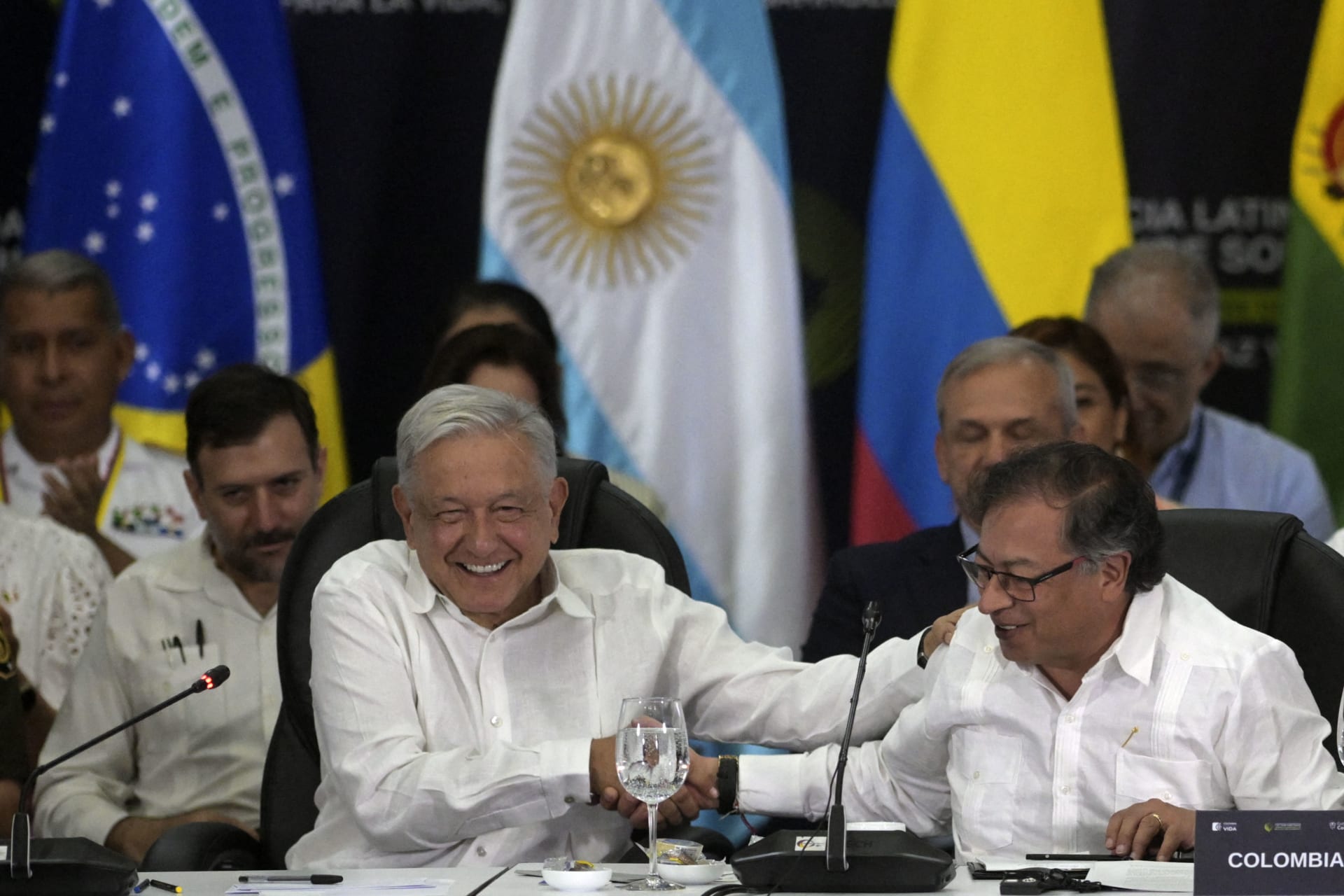
    In From Peril to Partnership, using case studies of Colombia and Mexico, Paul Angelo evaluates the efficacy of U.S. security assistance and the necessary conditions and stakeholders in partner nations that facilitate success. The book answers why Plan Colombia achieved its objectives and why the Mérida Initiative underdelivered in Mexico. It goes beyond drug war theatrics and the “one-size-fits-all” approach to U.S.-led stabilization.  The CFR Fellows’ Book Launch series highlights new books by CFR fellows. 
  • United States

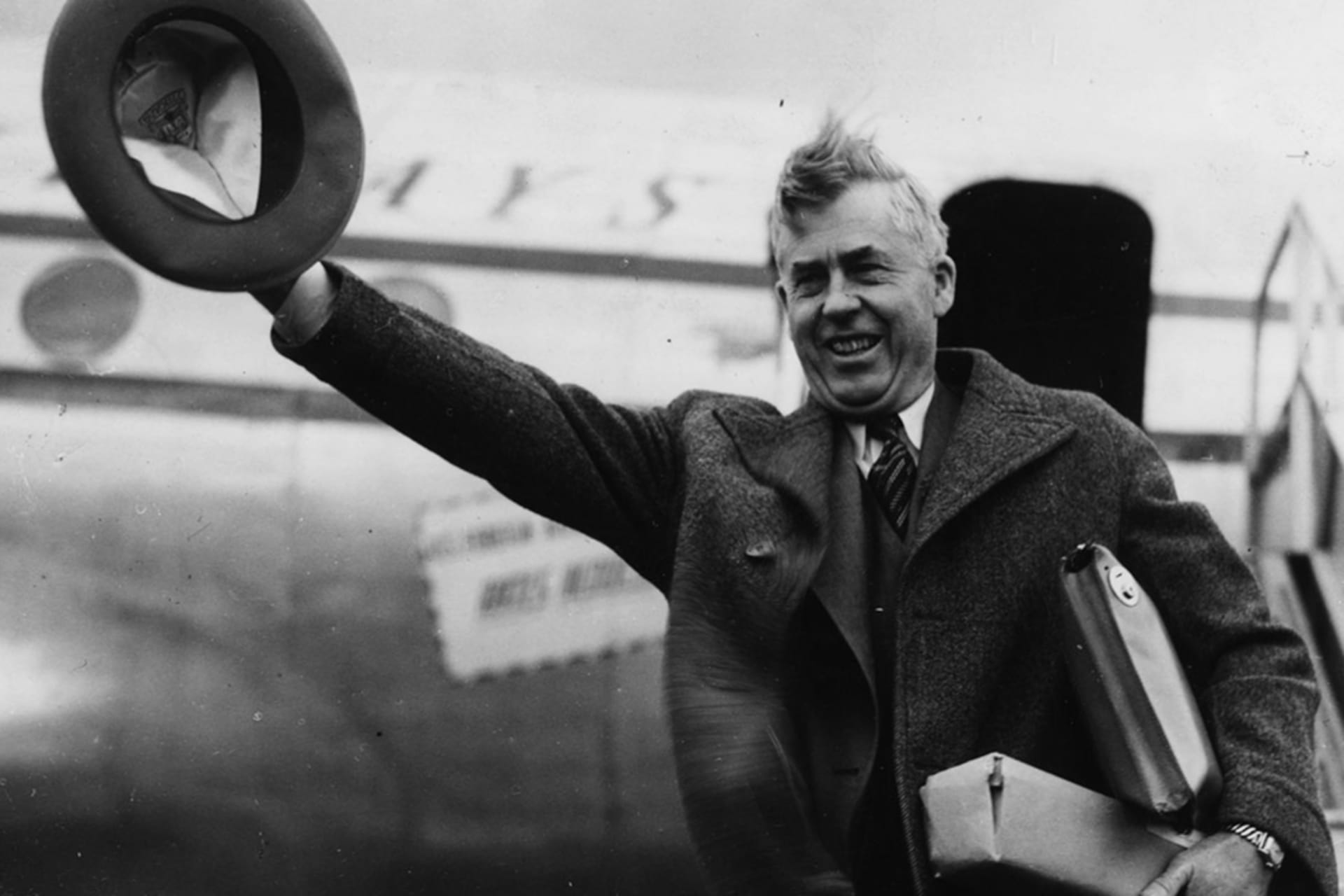
    Henry Wallace is the most important, and certainly the most fascinating, almost-president in American history. As FDR’s third-term vice president, and a hero to many progressives, he lost his place on the 1944 Democratic ticket in a wild open convention, as a result of which Harry Truman became president on FDR’s death. Books, films, and even plays have since portrayed the circumstances surrounding Wallace’s defeat as corrupt, and the results catastrophic. Based on striking new finds from Russian, FBI, and other archives, Benn Steil’s The World That Wasn’t paints a decidedly less heroic portrait of the man, of the events surrounding his fall, and of the world that might have been under his presidency.
  • United States

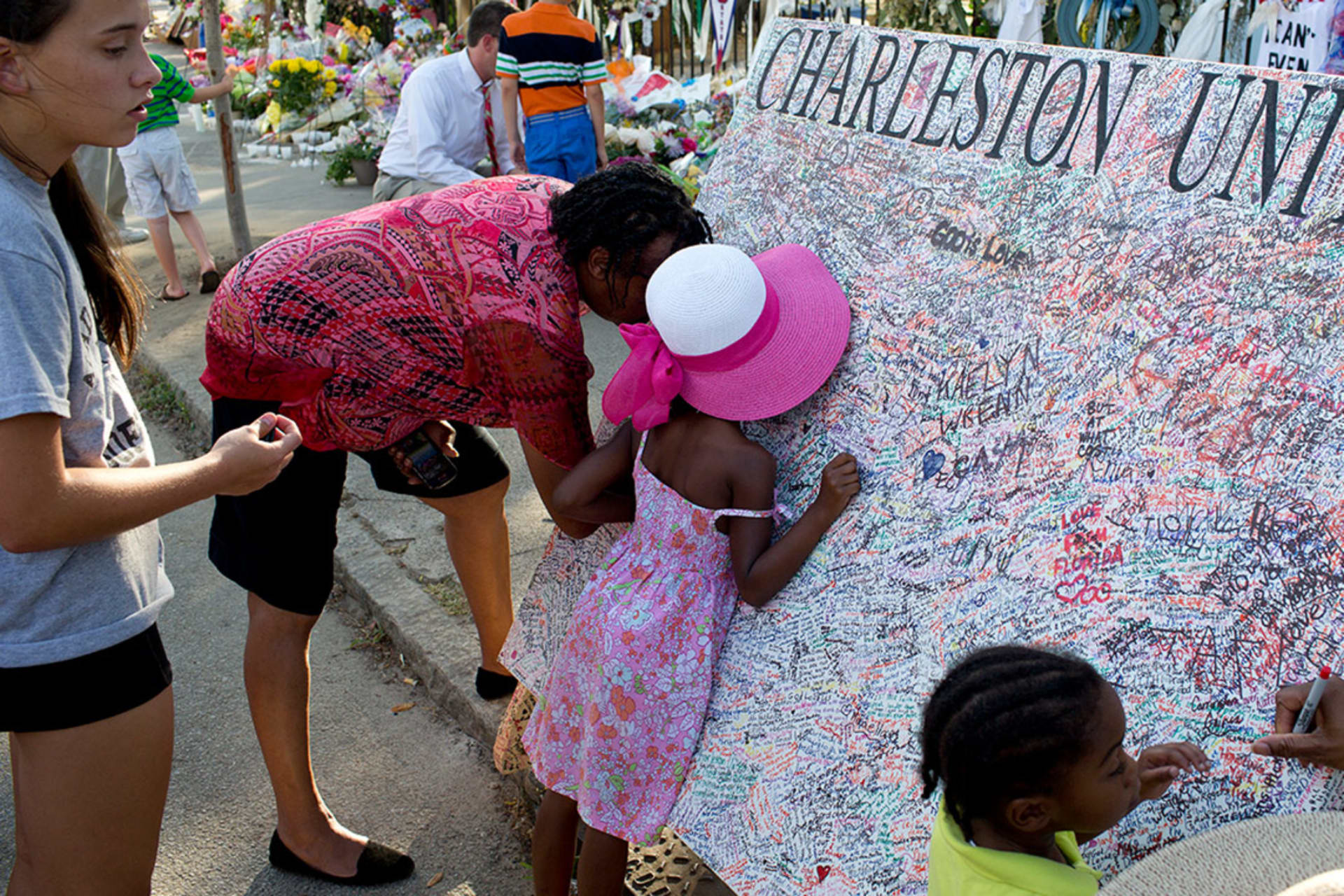
    In God, Guns, and Sedition, Bruce Hoffman and Jacob Ware offer the definitive account of the rise of far-right terrorism in the United States—and how to counter it. In recent years shocking acts of terrorism such as the 2015 mass murder in a historic Black church in Charleston and the January 6, 2021 attack on the U.S. Capitol have shone a spotlight on far-right extremism in America. These incidents are not isolated; they are part of a enduring pattern where conspiracy theories and radical ideologies like white supremacism, racism, antisemitism, xenophobia, and anti-government sentiments converge, posing a persistent threat to democracy. Members are encouraged to include their high school- or college-age children or grandchildren in this event. All members are welcome to attend.
  • South Korea

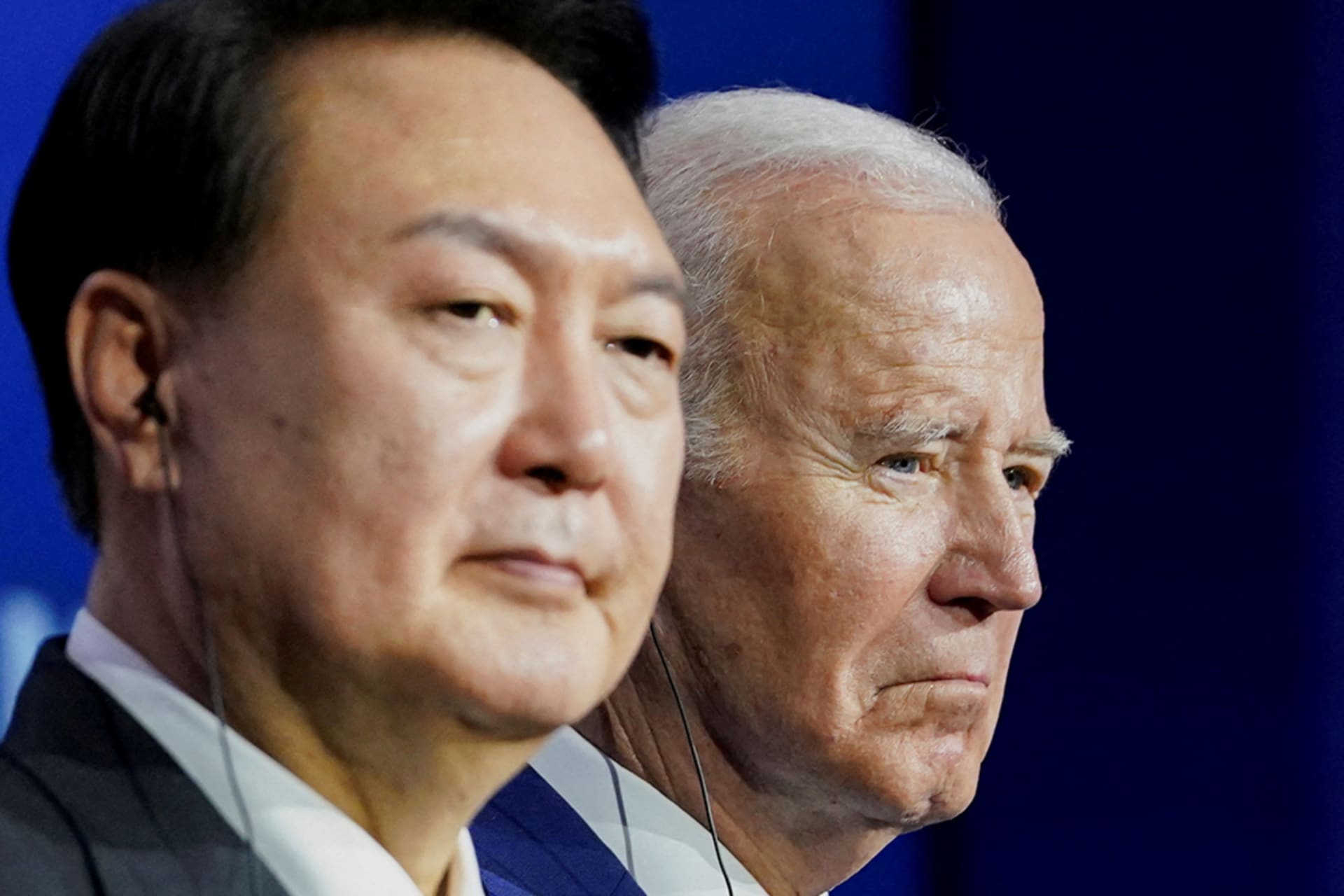
    The alliance between the United States and South Korea has endured through seven decades of shifting regional and geopolitical security contexts. In The United StatesSouth Korea Alliance: Why It May Fail and Why It Must Not, Scott A. Snyder details the challenges it now faces from domestic political turmoil in both countries, including deepening political polarization and rising nationalism, which has cast doubt on the alliance’s viability—with critical implications for the balance of power in East Asia. The CFR Fellows’ Book Launch series highlights new books by CFR fellows.  
  • Central Africa

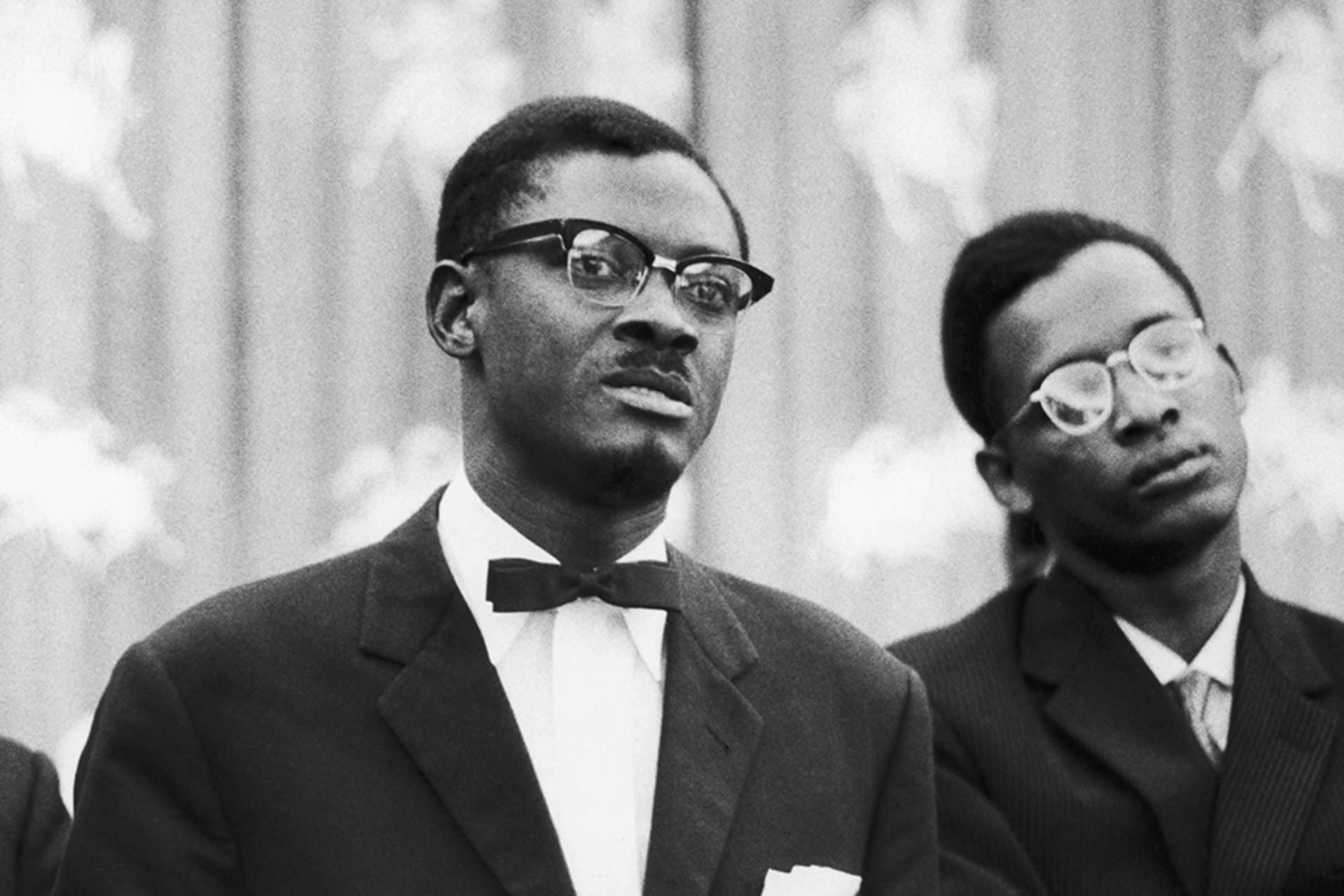
    Foreign Affairs Executive Editor Stuart Reid discusses his new book, The Lumumba Plot, which follows the dramatic history of the Congo in 1960 on the edge of its independence from Belgium, the ensuing CIA plot against its prime minister, Patrice Lumumba, and how these events set the stage for the country’s next three decades of misrule.
  • Russia

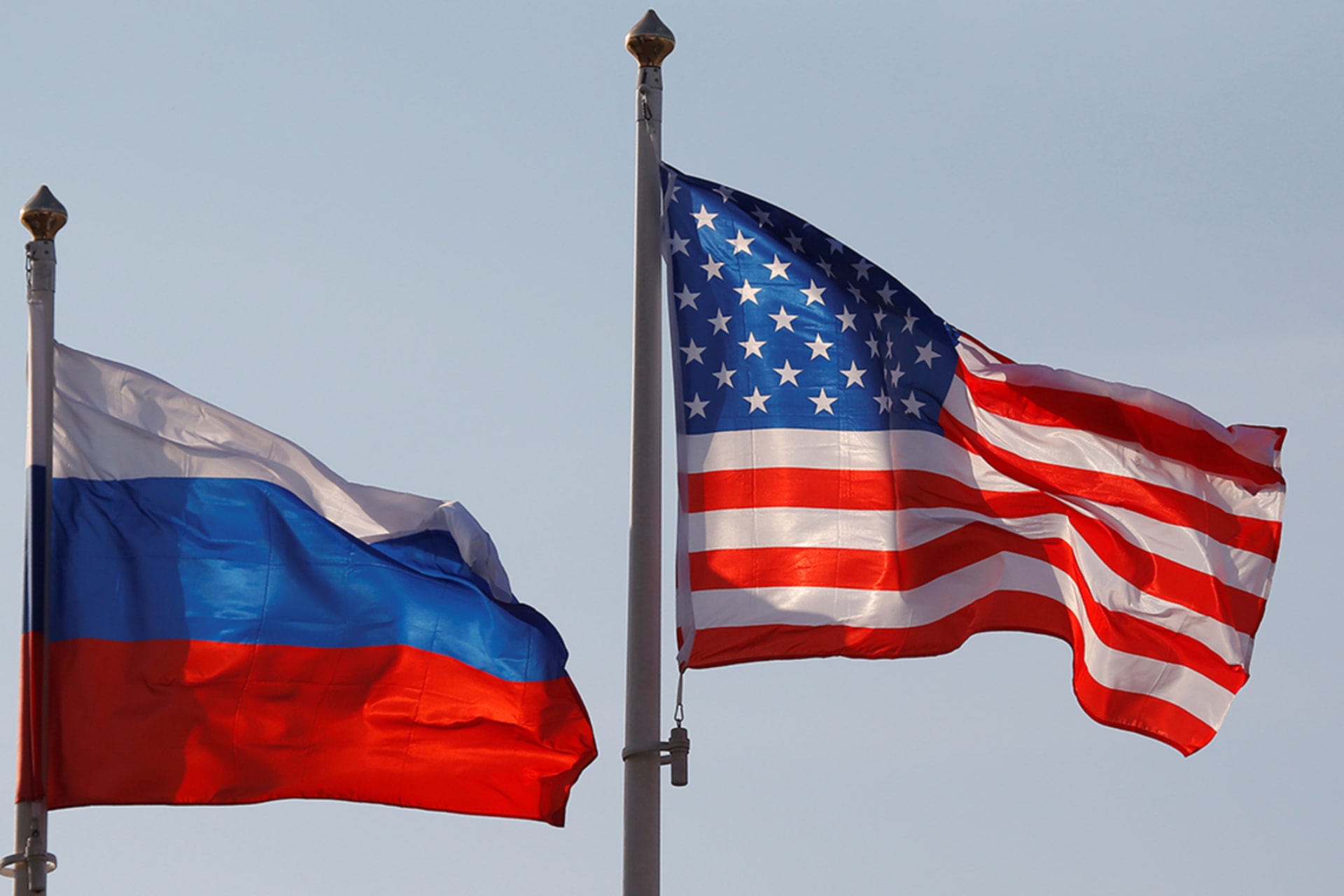
    As U.S.-Russian relations scrape the depths of Cold War antagonism, the promise of partnership that beguiled American administrations during the first post-Soviet decades increasingly appears to have been false from the start. Getting Russia Right identifies the blind spots that prevented Washington from seeing Russia as it really is and crafting a policy to advance American interests without provoking an aggressive Russian response. In Getting Russia Right, Thomas Graham deftly traces the evolution of opposing ideas of national purpose that created an inherent tension in relations. Distilling the Putin factor to reveal the contours of the Russia challenge facing the United States whenever he departs the scene, Graham lays out a compelling way to deal with it so that the United States can continue to advance its interests in a rapidly changing world. The CFR Fellows’ Book Launch series highlights new books by CFR fellows.   
  • China

    Ian Johnson discusses his new book, Sparks: China’s Underground Historians and Their Battle for the Future, which describes how some of China’s best-known writers, filmmakers, and artists have overcome crackdowns and censorship to forge a nationwide movement that challenges the Communist Party on its most hallowed ground: its control of history.
  • China

    One of the keys to China’s global rise has been its strategy of deploying sovereign wealth on behalf of state power. Since President Xi Jinping took office in 2013, China has doubled down on financial statecraft, making shrewd investments with the sovereign funds it has built up by leveraging its foreign exchange reserves. Sovereign Funds tells the story of how the Communist Party of China became a global financier of surpassing ambition. In Sovereign Funds, Zongyuan Zoe Liu offers the first in-depth account of the evolution of China’s sovereign funds, and shows how these institutions have become mechanisms not only for transforming low-reward foreign exchange reserves into investment capital but also for power projection. The CFR Fellows’ Book Launch series highlights new books by CFR fellows.
  • United States

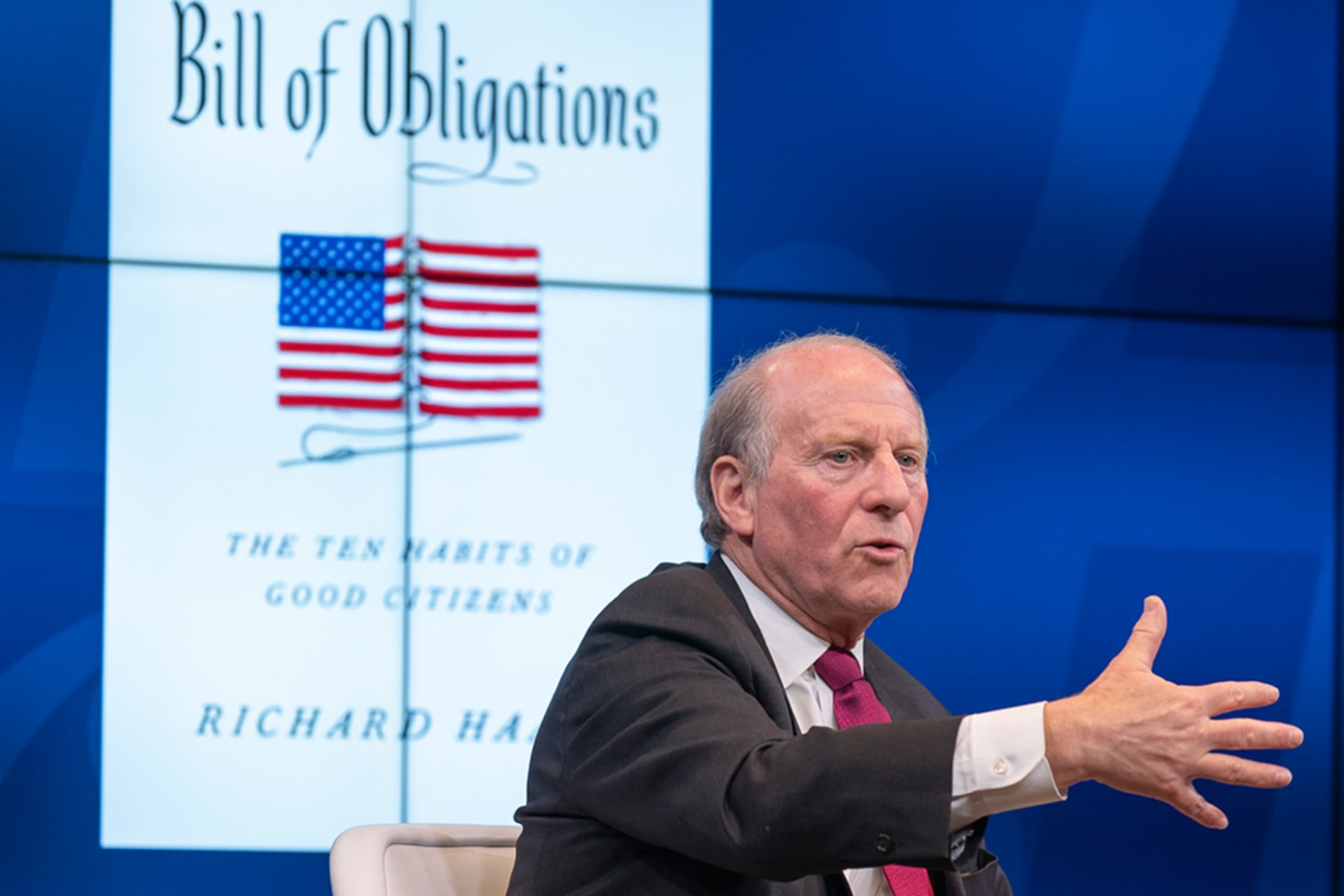
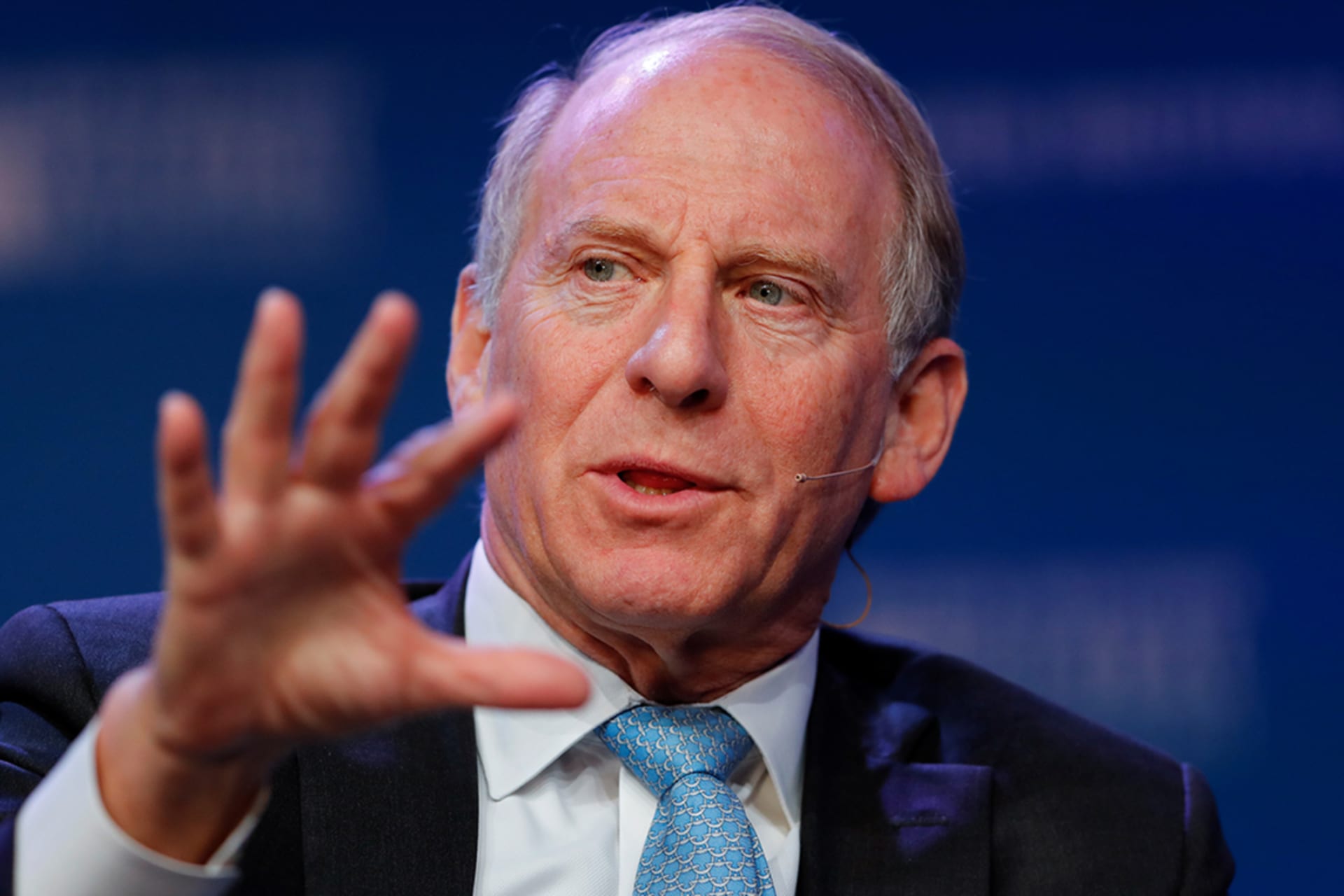
    CFR President Richard Haass discusses his new book, The Bill of Obligations: The Ten Habits of Good Citizens, with Mary Louise Kelly.  In The Bill of Obligations, Richard Haass argues that the very idea of citizenship must be revised and expanded. Haass introduces ten obligations that are essential for healing our divisions and safeguarding the country’s future. Through an expert blend of civics, history, and political analysis, this book illuminates how Americans can rediscover and recover the attitudes and behaviors that have contributed so much to this country’s success over the centuries.
  • United States

    CFR President Richard Haass discusses his new book, The Bill of Obligations: The Ten Habits of Good Citizens, with Juju Chang.  In The Bill of Obligations, Richard Haass argues that the very idea of citizenship must be revised and expanded. Haass introduces ten obligations that are essential for healing our divisions and safeguarding the country’s future. Through an expert blend of civics, history, and political analysis, this book illuminates how Americans can rediscover and recover the attitudes and behaviors that have contributed so much to this country’s success over the centuries.
  • China

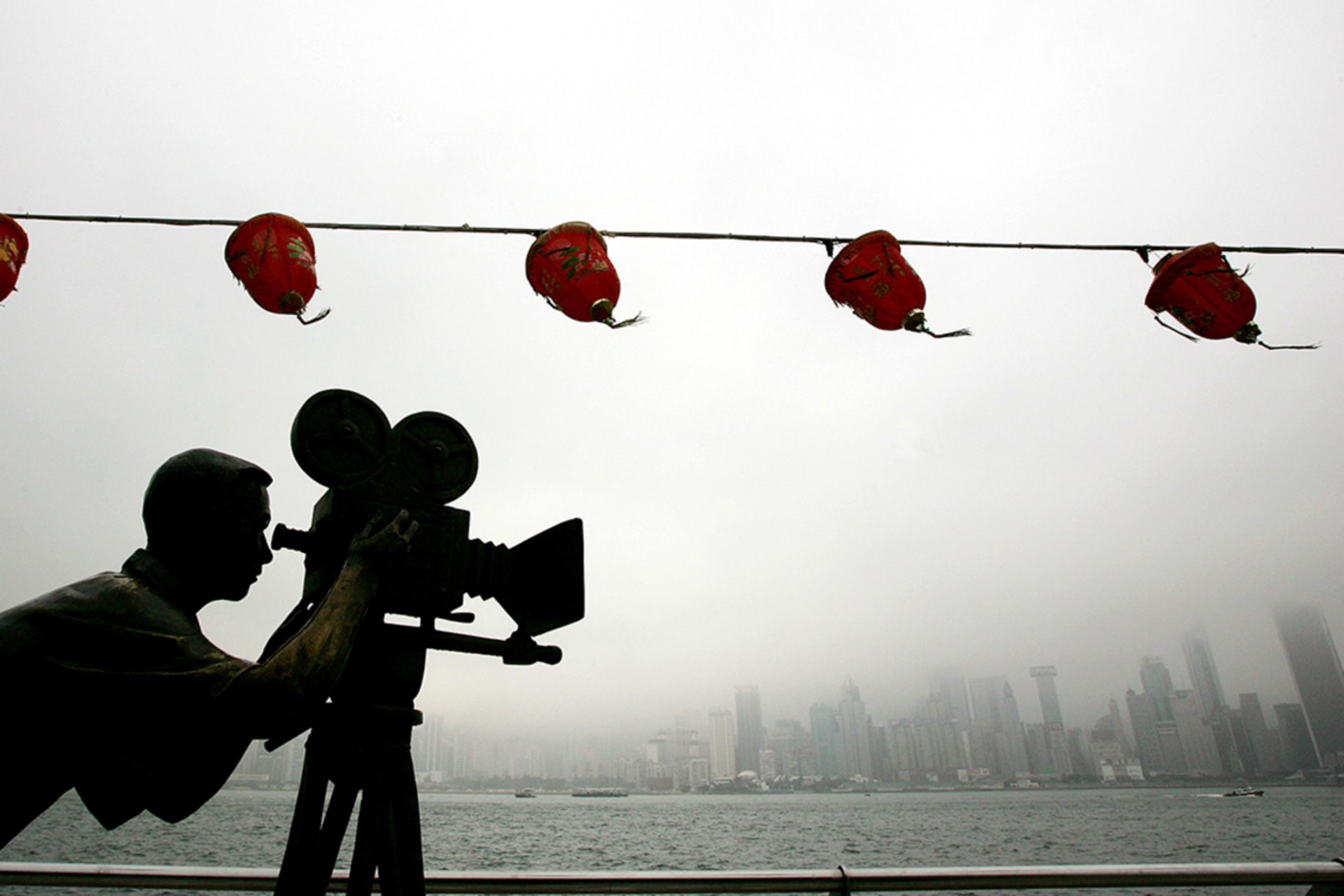
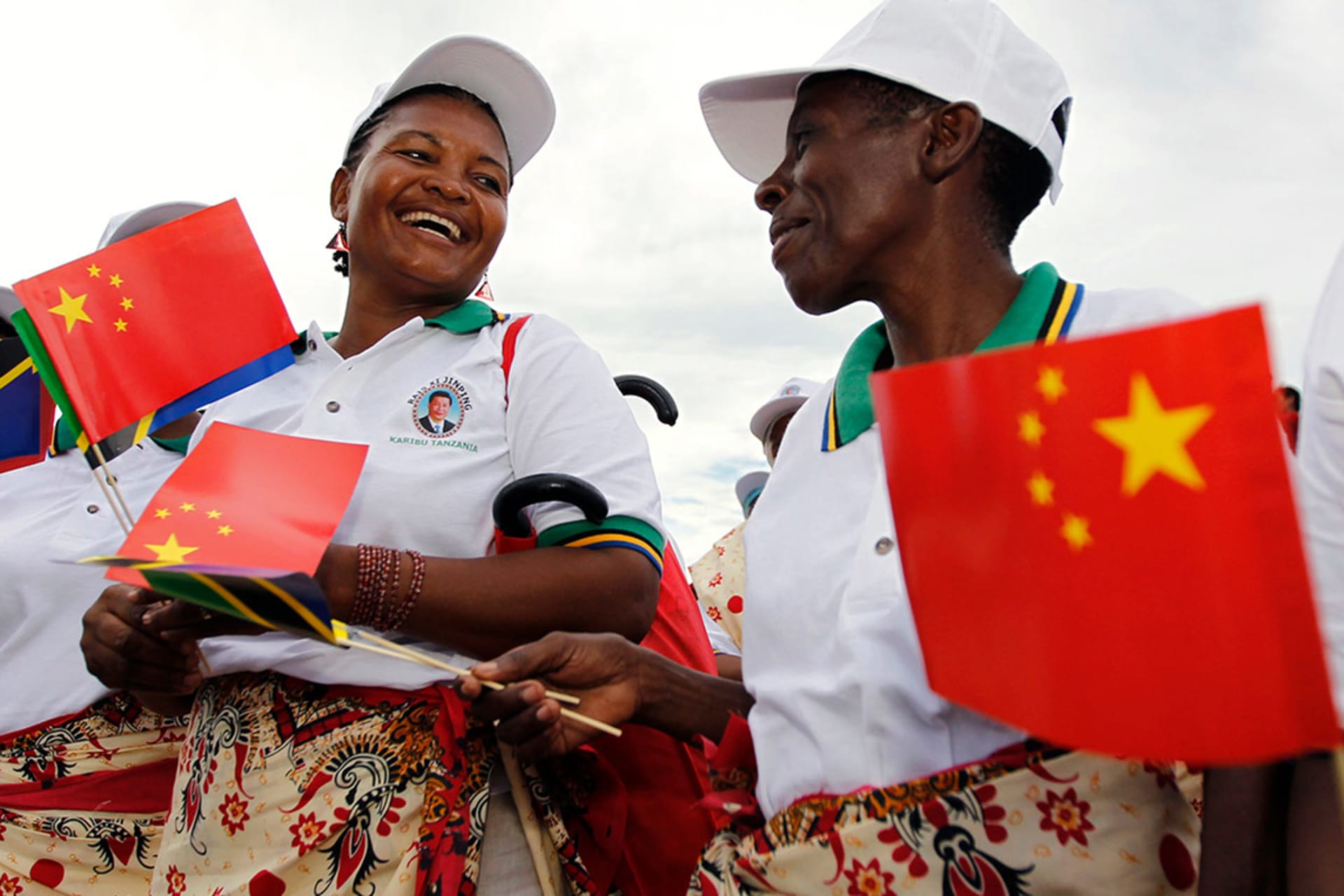
    Since China’s ascendancy toward great power status began in the 1990s, many observers have focused on its economic growth and expanding military power. In contrast, most viewed China’s ability to project soft and sharp power through its media industries and its global influence campaigns as quite limited, and its ability to wield influence within the domestic politics of other countries as nearly nonexistent. In Beijing's Global Media Offensive, Joshua Kurlantzick offers an incisive analysis of China’s attempt in the past decade to become both a media and information superpower around the world, and to wield traditional forms of influence to shape the domestic politics of other countries. The CFR Fellows’ Book Launch series highlights new books by CFR fellows.
  • Globalization

    The conventional wisdom about globalization is wrong. When companies, money, people, and ideas went abroad more often than not they went regional. The Globalization Myth details the rise of three main regional manufacturing and supply chain hubs in Europe, Asia, and North America and lays out why it matters for the United States. The CFR Fellows’ Book Launch series highlights new books by CFR fellows.
  • West Africa

    In Pastoral Power, Clerical State: Pentecostalism, Gender, and Sexuality in Nigeria, Ebenezer Obadare examines the overriding impact of Nigerian Pentecostal pastors on their churches, and how they have shaped the dynamics of state-society relations. The CFR Fellows’ Book Launch series highlights new books by CFR fellows.
  • United States

    A democracy has never succeeded in being both diverse and equal. Yet, treating members of many different ethnic or religious groups fairly is central to the democratic project in countries around the world. It is, Yascha Mounk argues, the greatest experiment of our time. In The Great Experiment: Why Diverse Democracies Fall Apart and How They Can Endure, Mounk examines how diverse societies have long suffered from the ills of domination, fragmentation, or structured anarchy and shows that the past can offer crucial insights for how to do better in the future. The CFR Fellows’ Book Launch series highlights new books by CFR fellows. This meeting is part of the Diamonstein-Spielvogel Project on the Future of Democracy.
  • Economics

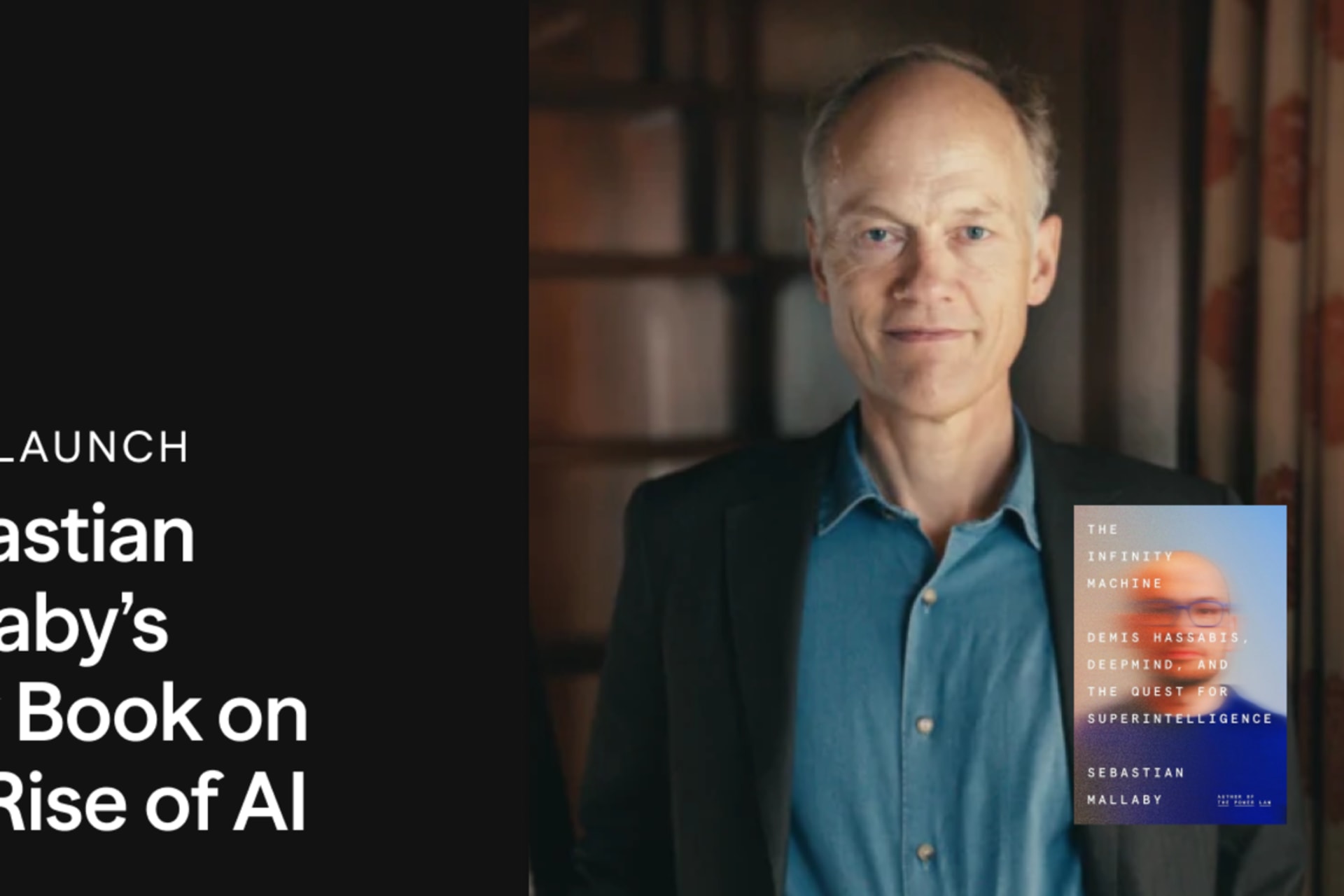
    It is the nature of the venture-capital (VC) game that most attempts at discovery fail, but a very few succeed at such a scale that they more than make up for everything else. That extreme ratio of success and failure is the power law that drives the VC business, all of Silicon Valley, the wider tech sector, and, by extension, the world. In The Power Law: Venture Capital and the Making of the New Future, Sebastian Mallaby has parlayed unprecedented access to the most celebrated venture capitalists of all time into a riveting blend of storytelling and analysis that unfurls the history of tech incubation, in the Valley and ultimately worldwide. By taking us so deeply into the venture capitalists’ game, The Power Law helps us think about our own future through their eyes. The CFR Fellows’ Book Launch series highlights new books by CFR fellows.
  • U.S. Foreign Policy

    Martin Indyk discusses his new book, Master of the Game: Henry Kissinger and the Art of Middle East Diplomacy. A perceptive and provocative history of Henry Kissinger’s diplomatic negotiations in the Middle East that illuminates the unique challenges and barriers Kissinger and his successors have faced in their attempts to broker peace between Israel and its Arab neighbors and how Kissinger overcame them to lay the foundations for an American-led Middle Eastern order.  The CFR Fellows’ Book Launch series highlights new books by CFR fellows.
  • Climate Change

    The Fight for Climate After COVID-19 draws on the troubled and uneven COVID-19 experience to illustrate the critical need to ramp up climate resilience rapidly and effectively on a global scale. After years of working alongside public health and resilience experts crafting policy to build both pandemic and climate change preparedness, CFR Senior Fellow Alice C. Hill exposes parallels between the underutilized measures that governments should have taken to contain the spread of COVID-19—such as early action, cross-border planning, and bolstering emergency preparation—and the steps leaders can take now to mitigate the impacts of climate change. The CFR Fellows’ Book Launch series highlights new books by CFR fellows.
  • Women and Women's Rights

    Speakers discuss the new book, Awakening: #MeToo and the Global Fight for Women’s Rights. Since 2017, millions have joined the global movement known as #MeToo, catalyzing an unprecedented wave of women’s activism powered by technology that reaches across borders, races, religions, and economic divides. Awakening is the first book to capture the global impact of this breakthrough movement. Bringing together political analysis and inspiring personal stories from women in seven countries—Brazil, China, Egypt, Nigeria, Pakistan, Sweden, and Tunisia—Awakening takes readers to the front lines of a networked movement that’s fundamentally shifting how women organize for their own equality. The CFR Fellows’ Book Launch series highlights new books by CFR fellows.
  • Defense and Security

    Stephen Biddle discusses his new book, Nonstate Warfare, a comprehensive account of combat methods and military rationale which offers a new understanding for wartime military behavior of armed nonstate actors. The CFR Fellows’ Book Launch series highlights new books by CFR fellows.