Challenges of Global Governance Amid the COVID-19 Pandemic
Perspectives From Council of Councils Institutes
BY
- Tom BernesDistinguished Fellow, Centre for International Governance Innovation
- Lars BrozusDeputy Head of the Americas Research Division, German Institute for International and Security Affairs
- Michal Hatuel-RadoshitzkyResearch Fellow, Institute for National Security Studies
- Ari HeisteinResearch Fellow and Chief of Staff to the Director, Institute for National Security Studies
- Ettore GrecoExecutive Vice President, Institute of International Affairs
- Patrycja SasnalHead of Research, Polish Institute of International Affairs
- Igor YurgensChairman, Institute of Contemporary Development
- Sergey KulikDirector for International Studies, Institute of Contemporary Development
- Yarik TurianskyiDeputy Programme Head for African Governance and Diplomacy, South African Institute of International Affairs
- Steven GruzdHead of the African Governance and Diplomacy Programme, South African Institute of International Affairs
- Elizabeth SidiropoulosChief Executive, South African Institute of International Affairs
- Neuma GrobbelaarDirector of Research, South African Institute of International Affairs
- Selim YenelPresident, Global Relations Forum
- Carlos Javier RegazzoniDirector of the Global Health and Human Security Committee, Argentine Council on Foreign Relations
- Chen DongxiaoPresident, Shanghai Institutes for International Studies
- Lu ChuanyingSenior Fellow, Shanghai Institutes for International Studies
- Kriti KapurJunior Fellow, Observer Research Foundation
- Shoba SuriSenior Fellow, Observer Research Foundation
- Philips VermonteExecutive Director, Centre for Strategic and International Studies
- Yose Rizal DamuriHead of Economics Department, Centre for Strategic and International Studies
- Shafiah MuhibatHead of International Relations Department, Centre for Strategic and International Studies
- Mely Caballero-AnthonyHead of the Centre for Non-Traditional Security Studies, S. Rajaratnam School of International Studies
Overview
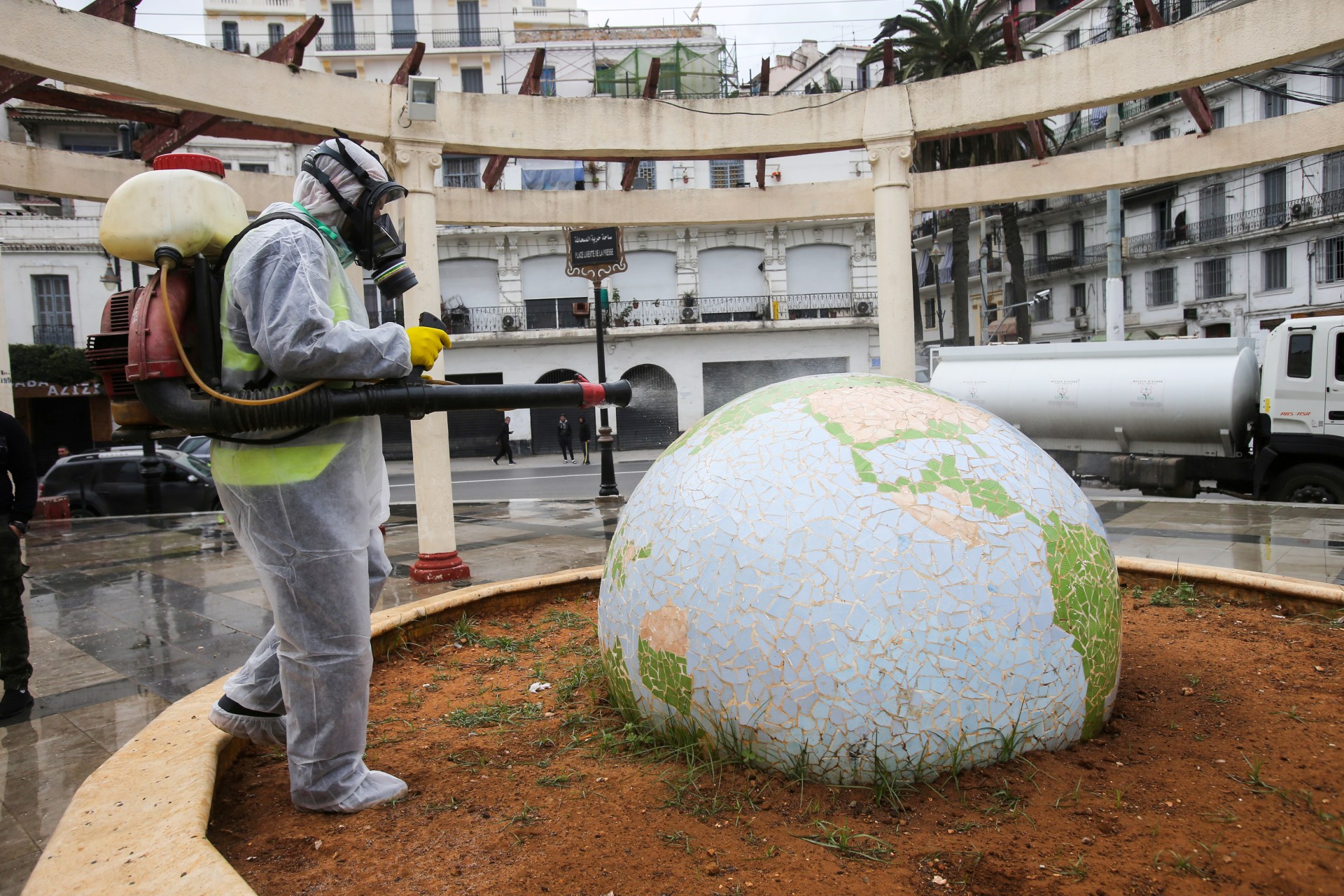
The novel coronavirus has infected millions, killed hundreds of thousands, and affected the well-being of billions more. The COVID-19 pandemic is a transnational threat that requires a global response, but the outbreak has laid bare divergent national approaches to managing global epidemiological interdependence and exposed broader structural weaknesses in the global governance system. Nationalist and inward-looking policies could lead to the loss of millions of lives and global economic disaster. The world needs national governments, regional organizations, and international institutions to act in the same cooperative spirit to effectively mitigate the COVID-19 outbreak.
The Challenges of Global Governance Amidst the COVID-19 Pandemic paper series includes contributions from thirteen Council of Councils institutes. Eight of these papers consider the broader implications of the pandemic for international cooperation and the trajectory of the global system. The remaining five papers examine major gaps in the international management of global public health emergencies and propose reforms to increase the capacity of the multilateral system and national governments to better prevent and anticipate, detect, and respond to future pandemics.
As the papers make clear, any multilateral reform efforts will encounter strong headwinds in a climate of political polarization and geopolitical competition. Growing U.S.-China tensions and lack of global leadership have undercut pandemic response efforts within the World Health Organization, the Group of Twenty, the United Nations, and other major multilateral forums. In the aftermath of the pandemic, the obstacles to collective action are likely to be even more daunting, across a range of global challenges.
Contents
Part I: The Broader Implications of the COVID-19 Pandemic for Global Governance
COVID-19: The Failure of G20, Tom Bernes
The Difficulty of Anticipating Global Challenges: The Lessons of COVID-19, Lars Brozus
Global Governance and COVID-19: Why International Cooperation Still Matters, Michal Hatuel-Radoshitzky and Ari Heistein
G20 in the Spotlight: The Fight Against COVID-19, Ettore Greco
Mistaking Panacea for Pathogens: The Case for Existential Multilateralism, Patrycja Sasnal
COVID-19 and Rebalancing the Global Agenda, Igor Yurgens and Sergey Kulik
COVID-19 Responses Expose Gaps in Global Governance, Yarik Turianskyi, Steven Gruzd, Elizabeth Sidiropoulos, and Neuma Grobbelaar
The Effects of COVID-19 and How to Prepare for the Future, Selim Yenel
Part II: COVID-19 and Global Health Governance
How COVID-19 Could Send Latin America Back in Time, Carlos Javier Regazzoni
Toward a Resilient Global Public Health Cooperation Framework, Chen Dongxiao and Lu Chuanying
COVID-19: Public Health Is a Question of National Security, Kriti Kapur and Shoba Suri
Enhancing International and Regional Cooperation to Mitigate the Effects of the COVID-19 Pandemic: A View From Indonesia, Philips Vermonte, Yose Rizal Damuri, and Shafiah Muhibat
COVID-19 and Global Governance: Waking Up to a Safe New World, Mely Caballero-Anthonyt