Financing the Missing Middle
Mobilizing Investment to Scale Emerging Energy Technologies

 David M. HartCFR ExpertSenior Fellow for Climate and Energy
From the Climate Realism Initiative
Executive Summary
A gap in private funding for companies and projects inhibits energy innovation in the United States. This “missing middle” slows or blocks technologies that could help the energy system become more secure, affordable, reliable, and sustainable from advancing through the demonstration and scale-up stages. Recent events have made the missing middle wider.
This essay collection documents and explains the gap and advances potential solutions to it. The size of the missing middle is estimated to be $100 to $200 billion. The primary explanation for it is rational decision-making by potential investors who find the risks of these companies and projects too great to justify the return.
The potential solutions involve private, public, and collaborative action. Solutions emerging from the private financial sector center on innovative methods of transferring risk, such as new forms of insurance. Private nonprofit catalytic and philanthropic investors are also taking on risks that conventional investors will not. Guaranteed demand for emerging energy technologies from groups of private customers reduces risks for potential investors as well.
Public agencies at the federal and state levels could make similar demand guarantees, and do so in collaboration with private customers to further improve the prospects of innovative companies and projects. Such agencies could also provide support through grants and other forms of financial assistance, easing the capital burden for other investors. Regional collaborations that involve all sectors could implement economic development strategies that fill the missing middle as well.
All of those solutions to the missing middle challenge are partial. The technologies that need to be scaled are too varied for the challenge to be amenable to a single all-purpose response. The larger and more diverse the set of possible solutions, the more likely the missing middle is to shrink, allowing energy innovations that are now stranded to progress rapidly so that they can meet vital societal needs.
Introduction
David M. Hart
Energy is a fundamental need that underpins every aspect of daily life: housing, food, transportation, work, and even leisure and culture. Although the U.S. energy system serves the country well in many respects, it is less secure, affordable, reliable, and sustainable than it could be. It relies on volatile and unstable global markets for major resources. Demand for electric power is outstripping supply as aging infrastructure limits the grid’s responsiveness, even as artificial intelligence (AI), electric vehicles (EVs), and other new end uses surge. And the energy system causes both local and global environmental damage, notably the emission of more than six gigatons of greenhouse gases (GHGs) annually.
[Video: https://www.youtube.com/watch?v=zgyx9kRlE90]

Energy innovation offers the promise of overcoming those challenges. Innovations in fuel and electricity generation can alleviate import dependence, as hydraulic fracturing for natural gas and oil shows. Innovations that improve efficiency can moderate demand, ease the supply crunch, and reduce pollution. Infrastructure innovation can enable older devices to work better and provide dramatic improvements in new equipment. Innovations in both energy supply and demand can reduce environmental impacts, including GHG emissions, in some cases while improving performance and affordability as well.
Energy innovation is, however, a complex and frequently costly process. Numerous barriers inhibit private investment in energy innovation from achieving socially optimal levels. The barriers are particularly acute for the stages of the innovation process between proof of concept and mainstream adoption, such as demonstration and scale-up. Energy investors Francis O’Sullivan and Gokul Raghavan dub that gap “the missing middle,” and they estimate that $100 billion to $200 billion of new investment is needed to fill it.1
The Missing Middle in Private Investment
O’Sullivan and Raghavan estimate that $270 billion was raised in the United States and Europe between 2017 and 2022 to support the transition to lower-carbon energy. Of that total, $120 billion was early- and mid-stage venture capital that funds “early and risky technical innovation.”2 The high risks taken by those investors could be rewarded with returns if the companies that they back succeed. But although those ventures have shown that their advances are technically feasible on a small scale, they have not shown that they can beat the incumbents at commercial scale.
Another $100 billion, in O’Sullivan and Raghavan’s analysis, was intended for infrastructure investment funds “deploying fully de-risked clean energy solutions,” like power plants, transmission lines, and other familiar commercial technologies. Those infrastructure funds require predictable returns of the sort that once encouraged proverbial “widows and orphans” to invest their scarce capital in utilities. Although those returns could be modest, so too are the risks. Firms focused on cutting-edge technologies like long-duration energy storage, solid-state batteries, green steel, carbon management, and sustainable aviation fuels (SAFs) need not apply.
Just $55 billion of the $270 billion assessed by O’Sullivan and Raghavan was devoted to late-stage venture and growth-focused investment funds. Those stages of the innovation process, at which point emerging technologies have to prove they are viable in practice, are exponentially more costly than the early stages of proof of concept or prototyping. Building the first of a kind of a new type of power plant or manufacturing facility at commercial scale could cost hundreds of millions or even billions of dollars. In other words, those stages combine the high risks of new technology with the big-dollar costs of infrastructure. Few investors have both the stomach and the deep pockets to take those kinds of bets.
U.S. Policy Starts and Stops
Traversing the missing middle is not impossible. O’Sullivan and Raghavan note that wind and solar photovoltaic (PV) cells “have successfully transitioned to become de-risked bankable solutions.”2 Though entrepreneurs and visionary investors played important roles in the maturation of those technologies, public policy was decisive. Tiny Denmark drove the development of advanced wind turbines. Germany and other European nations, along with California, many other U.S. states, and the U.S. federal government, provided the demand for solar PV that government-backed firms in China ultimately supplied at surprisingly low cost.
The success of wind and solar PV at passing through the missing middle has proven difficult to replicate. A series of laws enacted at the end of the first Trump administration and the beginning of the Biden administration attempted to build a sturdier policy bridge across it in the United States. The Energy Act of 2020 updated the goals, activities, and authorized funding levels of many energy technology research, development, and commercialization programs. The 2021 Infrastructure Investment and Jobs Act (IIJA) funded many of those programs and established a new Office of Clean Energy Demonstrations (OCED) in the U.S. Department of Energy (DOE), with more than $20 billion to invest. OCED served as a complement to the DOE’s Loan Programs Office (LPO), whose capabilities were bolstered dramatically. The IIJA and the 2022 Inflation Reduction Act (IRA) also added robust tax incentives and clean procurement funding to the policy mix.3
Technology developers, buyers, investors, states, and other interested parties all responded positively to those measures, which constituted the largest-ever effort to support emerging energy technologies. Industry investment in sustainable aviation fuel, for instance, grew from virtually nothing in 2021 to over $2 billion in 2024. Carbon management, similarly, started the decade with undetectable levels of private investment and rose to over $1.8 billion in 2024.4
Policy implementation, however, did not proceed smoothly. The DOE and other agencies wrestled with implementation of their expanded responsibilities. The EFI Foundation reports that just 47 percent of the DOE’s newly appropriated funding was obligated by early 2025, and only about 5 percent was disbursed to its intended recipients.5 Some of those delays were inevitable, given the complexity of the projects to be built, while others could have been avoided with better management.
Whatever their causes, the delays left policies that aimed to fill the missing middle vulnerable when Republicans, led by President Donald Trump, regained control of the federal government in 2025. The second Trump administration made major cuts in spending, eliminating OCED and canceling a large swath of grants and loans.6 Although federal support for some emerging energy technologies, such as energy storage, nuclear power, and geothermal power, was preserved, the extreme swing points to the risk of relying entirely on policy solutions to solve the missing middle challenge.
An Uncertain Environment
Global macroeconomic forces deepened the missing middle even as the Biden administration tried and failed to fill it. The period following the 2008 financial crisis was one of unusually low interest rates. These conditions enabled capital-intensive businesses, including those advancing emerging energy technologies, to get financing more easily than they would have otherwise. The COVID-19 pandemic brought an end to that era. Rapid shifts in consumer demand during the global lockdown, as well as disruptions to supply, provoked the most severe bout of inflation in generations. The disruption was exacerbated by the global response to the Russian invasion of Ukraine, which also provoked deeper concerns about the security of supply chains. Real interest rates then rose sharply as central banks sought to bring inflation under control.
Most recently, the AI boom has further complicated funding prospects for companies seeking to scale emerging energy technologies, particularly in the United States. On the one hand, capital is flowing heavily toward AI-related businesses, which promise larger and potentially faster returns than do emerging energy technologies. On the other, energy supply has emerged as a major bottleneck in the AI build-out, creating a demand signal that can help companies secure financing and could, to some degree, replace withdrawn federal support for energy innovation. The energy and industrial sectors are also ripe for transformative new applications of AI that could benefit them economically while also moderating their environmental impacts.
CFR’s Missing Middle Workshop and This Essay Collection
To consider the state of the missing middle and how technology companies, investors, public policymakers, and other actors can take constructive action, the Council on Foreign Relations’ Climate Realism Initiative convened an expert workshop in October 2025 with the support of the Alfred P. Sloan Foundation. The workshop included policy and industry analysts, founders, and investors from across the risk spectrum, who were encouraged to exchange views frankly under Chatham House rules, which forbid public attribution of statements made during the event.
This collection of essays builds on those exchanges. In it, a subset of workshop participants offers insights and perspectives on several dimensions of the missing middle challenge. Jacquelyn Pless, an assistant professor at MIT’s Sloan School of Management, opens the collection by explaining the economics of the missing middle and why investors act rationally when they choose to stay away from growth-stage energy technology companies. She identifies a set of tools that private and public actors could deploy to “make the missing middle investable.”
Brentan Alexander, cofounder and chief technology officer of Roebling, explores private mechanisms for risk transfer that could unlock new funding for emerging energy technology firms. The risks of first-of-a-kind (FOAK) projects, properly understood, can be distributed in ways that allow completion insurance and other novel tools to be deployed more widely.
Alex Kizer, executive vice president of the EFI Foundation, a nonprofit, nonpartisan think tank, explores how demand-side policy can help bridge the missing middle. Building on his work to mobilize demand for clean hydrogen, Kizer explores a variety of options available to public and private buyers that can assure growth companies (and their investors) that they will find customers willing to pay for their products as long as those products meet major benchmarks.
Jetta Wong, a former senior executive at the General Services Administration (GSA), describes the Federal Buy Clean Initiative, which sought to build markets for low-carbon construction materials. GSA made meaningful progress in doing so, frequently in collaboration with other government agencies and the private sector. Wong also highlights several limitations that future initiatives in that vein could overcome.
Turning to the regional level, Aaron Brickman and his colleagues from RMI, a nonprofit organization that works with businesses, policymakers, and communities, describe strategies to spark economic development in which innovative growth companies play a vital role. Careful analysis and coordination among public and private actors in a region can help these companies achieve their potential.
Adria Wilson, director of the innovation initiative at the nonprofit Clean Economy Project, reinforces the regional theme. Her essay argues for collaborations among states, regional organizations, federal agencies, and philanthropy to create an institutional and data infrastructure that will enable more growth companies to scale quickly.
Looking Forward
The potential payoff from filling the financing gap remains immense and worthy of sustained attention and effort. All players in the energy innovation ecosystem—including venture and project finance investors, insurers, philanthropists, and state and regional policymakers—should collaborate to develop new financial tools that can get more companies through the missing middle.
Firms seeking to traverse the missing middle need to adapt to the gyrations of U.S. energy policy and the world economy. The federal government is focused for the moment on a relatively narrow set of technologies. Federal investments are being retargeted and reduced. Regulatory and trade policies are volatile, adding uncertainty to the business environment. Higher interest rates are likely here to stay, as are geopolitical tensions, particularly between the United States and China.
Yet the potential payoff from filling the financing gap remains immense and worthy of sustained attention and effort. All players in the energy innovation ecosystem—including venture and project finance investors, insurers, philanthropists, and state and regional policymakers—should collaborate to develop new financial tools that can get more companies through the missing middle. Those tools, such as blended finance, project completion insurance, and well-designed offtake contracts, can crowd in more conventional investment.
No single tool will be a complete solution. The technologies that need to be scaled are too varied in their maturity levels, capital requirements, addressable markets, and other dimensions. But the bigger and more flexible the tool kit, the more likely a growing number of solutions can be developed to realize an increasingly diverse array of opportunities. Realizing those opportunities will help make everyone on the planet safer and healthier, while preserving endangered ecosystems for our children’s children.
From Promise to Performance: Why Energy Innovation Stalls at Scale and Pathways for Bridging the Missing Middle
Jacquelyn Pless
Introduction
Over the past decade, the United States made historic commitments to accelerate the clean energy transition. Public funding for research and development (R&D) expanded, supporting early-stage R&D and the generation of new ideas, while private capital poured into the deployment of more mature clean technologies, such as renewable power, electrified transportation, and grid modernization. Yet between those two ends of the innovation pipeline lies a persistent and consequential gap. Promising technologies that could contribute to decarbonizing the energy sector often struggle to move from the laboratory to commercial reality—a stage of the innovation process that requires capital-intensive demonstration projects, advanced manufacturing pilots, and reliability testing that exceed the capacity of most start-ups while carrying risks that deter traditional investors.
That gap, widely referred to as the missing middle, is not simply a temporary shortfall in capital. It is a long-standing structural feature of the innovation ecosystem emerging from market failures and coordination problems, and recent shifts in the U.S. policy landscape have further exacerbated the challenge. The rollback and suspension of major climate and clean energy initiatives have introduced a new layer of policy uncertainty, weakening expectations about future demand, public support, and the direction and durability of regulatory frameworks. For capital-intensive energy technologies with long development timelines, that volatility itself could be a binding constraint on investment—amplifying the forces that cause promising innovations to stall at scale.
The missing middle challenge. . .is rational, newly magnified, and requires solutions that reach beyond the traditional tools used to foster innovation in the energy sector.
The missing middle challenge can be understood through an economics lens: it is rational, newly magnified, and requires solutions that reach beyond the traditional tools used to foster innovation in the energy sector. Market failures and coordination problems depress private investment at the stages of demonstration, first-of-a-kind (FOAK) projects, and early manufacturing scale-up. Recent macroeconomic conditions and policy uncertainty have intensified those frictions, making the gap deeper and more consequential. Bridging the missing middle therefore requires more than adding capital. It requires understanding the economic forces that suppress investment at this stage of innovation and designing policies, institutions, and financial tools that directly address those forces.
The Barbell of Energy Innovation Finance
Energy innovation in the United States has long resembled a barbell. On one end, public agencies and research institutions fund basic and applied research, helping scientists and entrepreneurs generate new ideas, prototypes, and proofs of concept. On the other end, private markets allocate capital to deploy technologies—often those that are at least slightly more mature, more standardized, and relatively low risk. In recent years, the mature end of the barbell has grown rapidly, with global investment in clean energy technologies exceeding $2 trillion annually, but it is mostly concentrated in a handful of sectors with established business models and relatively predictable returns.7
Between those poles lies a valley that many technologies fail to cross. Demonstration plants, FOAK facilities, pilot manufacturing lines, and early commercial projects require tens to hundreds of millions of dollars before revenues are proven and risks are well understood. Those projects are too capital intensive and uncertain for most venture capitalists, yet too novel and risky for traditional project finance, which relies on predictable cash flows or corporate balance sheets.8 The result is a chronic undersupply of patient, risk-tolerant capital precisely at a moment when commercial viability of those technologies has to be proven.
Importantly, the missing middle is not confined to start-ups. Large, established firms can also face difficulties when attempting to commercialize fundamentally new technologies that require building new supply chains or integrating them into regulated infrastructure. In energy and heavy industry, scaling is generally not a matter of writing code or expanding a server farm; it involves physical assets, long construction timelines, and deep interdependencies with utilities, regulators, customers, insurers, and financiers.
The Economics of the Missing Middle (and Why It Is Rational)
Energy innovation faces a unique combination of challenges. From an economics perspective, the missing middle reflects a confluence of market failures and coordination problems that distort incentives and depress private investment, particularly during the scale-up stage of innovation. Four forces are particularly important: knowledge spillovers that undermine firms’ ability to capture returns on their investments; environmental impacts that distort demand; capital market imperfections that raise the returns that investors require to finance long-horizon, capital-intensive projects; and coordination failures that generate chicken-and-egg dynamics. Recent macroeconomic conditions and policy uncertainty have amplified each of those forces.
First, firms usually do not capture the full value of the knowledge that they generate through their innovative activities, because lessons learned during development and demonstration inevitably spill over (i.e., become available) to others at low or no cost. Once a technology is developed and demonstrated, information about its feasibility, performance, and cost becomes available to competitors, suppliers, and potential entrants. The reality of such spillovers can deter investment because some of the expected returns to investing in innovation could be captured by others.9 The problem applies to innovation investments broadly at various stages, but it is especially acute in demonstration and early commercialization, when learning-by-doing generates valuable knowledge that is difficult to protect with patents or contracts. Firms contemplating FOAK projects therefore have to bear costs that benefit the entire industry.
Second, many clean technologies deliver environmental benefits—such as lower pollution relative to fossil energy technologies—that are not fully reflected in market prices. Because the market does not reward the providers of such technologies for improving the environment, they face weaker demand than would be socially optimal, depressing expected revenues and discouraging investment. Conversely, dirtier technologies are not penalized, so they secure a greater-than-optimal market share.
Together, those two forces interact to create what economists term a unique “double externality” challenge that can lead to underinvestment across numerous stages of clean energy innovation, because private firms and investors ultimately see lower returns than society does as a whole.10
Third, capital market imperfections raise the cost of capital. Energy technologies often require large, irreversible investments with long payback periods. Uncertainty about future policy, market conditions, and techno-logical performance make such investments very risky. Investors understandably demand a high premium as a result—an additional return to compensate for uncertainty. Furthermore, in contrast to innovation in other spaces such as software, where products can be iterated rapidly and scaled at low marginal cost, energy projects lock in capital for decades.
Finally, beyond those familiar market failures lie coordination problems. Scaling an energy technology typically requires multiple actors to move together: innovators, utilities, regulators, insurers, suppliers, customers, and financiers. Without credible demand commitments and certainty, suppliers could hesitate to invest. Without suppliers, customers could be reluctant to commit and sign contracts. Without both, financiers cannot structure bankable projects. Those chicken-and-egg dynamics are intensified by how interdependent and networked energy systems are across infrastructure, standards, and supply chains. For example, the success of electric vehicles could depend on simultaneous investment in charging networks, supply chains for critical minerals, and the broader grid infrastructure. But no single firm is well positioned to take on all of these investments.
Those long-standing structural challenges could be compounded by recent policy uncertainty and macroeconomic conditions. Policy reversals and the suspension of federal climate and clean energy programs increase uncertainty about future prices, demand, and regulatory frameworks—raising the option value of delaying investment and discouraging coordination across firms, financiers, and supply chains. More generally, policy and regulatory uncertainty directly affect expectations about market rules, public support, and long-term revenue streams—factors that are especially critical for FOAK projects with multi-decade lifetimes.
Financial conditions are also tightening. The transition from an era of low interest rates to persistently higher rates disproportionately penalizes long-horizon, capital-intensive investments. The longer an investor must wait for a payoff, the more the higher rates hurt an investment’s prospects. Rising rates thus risk deepening the missing middle. Tighter credit conditions could steer capital toward assets with shorter payback periods and lower perceived risk. And macroeconomic uncertainty could magnify coordination failures by reinforcing incentives to delay investment until uncertainty is resolved, even when long-run fundamentals are favorable.
Taken together, those forces explain why the missing middle is rational: even in well-functioning private markets, firms and investors could systematically underinvest at this stage of innovation. They also explain why the problem is newly magnified: higher interest rates, tighter capital markets, and policy uncertainty strengthen each of the channels that already suppress investment.
STANDARD TOOLS ARE NECESSARY BUT NOT SUFFICIENT
Recognizing that the roots of the missing middle are grounded in multiple market failures and coordination challenges reveals the limits of standard policy responses. The typical instruments for inducing investments in pollution control and R&D (more generally) are well known. Making polluters pay by taxing emissions directly or through a cap-and-trade program can increase demand for cleaner technologies and foster green innovation.11 Grants and tax credits for R&D can reduce investment costs in innovation and induce innovative activity, such as private R&D expenditures and patenting.12
However, those measures are not sufficient for resolving the missing middle because they focus primarily on the early stages of the innovation process. Other policies often target later stages, such as deployment (e.g., subsidies or tax credits for solar or wind installations). Those interventions do not resolve the coordination and financing challenges that dominate at the scale-up stage. Pollution taxes influence expected demand but do little to finance high-risk demonstration projects. Subsidies for R&D encourage basic and applied research but often taper off before technologies reach commercial scale. Moreover, both instruments operate primarily at the level of firms, while many of the binding constraints in the missing middle arise at the level of projects, infrastructure, and markets.
TOWARD BRIDGING THE MISSING MIDDLE: WHAT POLICY AND CAPITAL CAN DO
Rather than asking how to stimulate innovation, the question that policymakers and investors must address to bridge the missing middle is how to make scaling investable. Narrowing that gap will require solutions beyond the standard tools used to address the double externality challenge, directly tackling the additional frictions identified previously: risk allocation, coordination failures, and capital market imperfections. A comprehensive set of options or complete solution is well beyond the scope of this essay. But four potential directions stand out.
Build Institutions That Solve Coordination Failures—Especially at the Regional Level
Because energy technologies are embedded in regional infrastructure and industrial ecosystems, place-based institutions can play a pivotal role in over-coming coordination failures. Regional demonstration hubs, shared testing facilities, and public-private partnerships can reduce duplication, lower entry barriers, and align incentives among firms, utilities, and regulators. And subnational actors can help by making complementary infrastructure investments in transmission, permitting, workforce development, and supply chains required for bringing many transformative technologies to market.13
Historically, other capital-intensive sectors built institutional bridges to cross their own “valleys of death.” Semiconductors relied on public-private consortiums and defense procurement. Pharmaceuticals benefited from standardized regulatory pathways and the role of large incumbents. Digital technologies leveraged platform ecosystems.14
Energy has fewer of these institutionalized pathways so far but can draw lessons from previous successes, such as the semiconductor industry’s SEMATECH consortium that united fourteen U.S. manufacturers to coinvest in precompetitive process R&D, reducing duplication and accelerating learning.15 A similar model could be applied to emerging energy domains, where multiple firms could cofinance shared pilot facilities and exchange nonsensitive performance data. In other words, collaboration in precompetitive stages could transform knowledge spillovers from a cost into a collective asset. Moreover, regional innovation ecosystems—supported by Department of Energy (DOE) programs, state agencies, universities, and development organizations—could be important enablers.
Use Demand-Side Policy to Create Markets, Not Just Incentives
Demand-side policies that go beyond just taxing polluters can address coordination problems and create markets. Long-term offtake agreements, contracts for difference (CFDs), advance market commitments, and buyer coalitions can provide revenue certainty that anchors investment, reducing market risk for financiers and suppliers alike. By guaranteeing a price floor or committed volume for low-carbon products, those mechanisms increase expected demand for clean technologies and make early projects bankable.16
For example, the First Movers Coalition leverages members’ collective purchasing power to make substantial financial commitments to purchase emerging low-carbon products (e.g., steel and aluminum). Such coalitions create credible demand signals and can accelerate adoption of emerging technologies. Another interesting example is the United Kingdom’s CFDs for renewable power, which provide revenue guarantees that can de-risk cash flows.
From an economics perspective, demand-side tools can increase the potential payoff from a clean technology investment while coordinating expectations among market participants. They can be particularly powerful in sectors where early adopters bear higher costs or risks than later entrants, or where output markets are thin. Importantly, demand-side policies do not address all the challenges of the missing middle: they do not fund demonstration projects or reduce construction and technology risk. But combined with risk-transforming finance, demand-side commitments can relax two constraints in the missing middle: revenue uncertainty and coordination failure.
Transform Risk at the Project Level—Don’t Just Subsidize Firms
Another promising approach to financing missing middle investment is risk transformation. Loan guarantees, insurance products, and performance-based contracts can shift specific risks—construction risk, technology performance risk, and market risk—to actors better able to bear them. Public loan guarantees can reduce the cost of debt for FOAK projects without fully socializing downside risk, while performance insurance can make projects financeable by protecting lenders against catastrophic technology failure. When designed well, those tools could help projects attract private capital by making them bankable.17
That is the logic behind some DOE initiatives aimed at technology commercialization and demonstration. The Loan Programs Office and the SCALEUP program from the Advanced Research Projects Agency–Energy (ARPA-E), for example, are explicit attempts to move beyond early-stage R&D toward project-level risk reduction and market validation. In particular, SCALEUP targets technologies that have already demonstrated technical feasibility but require additional support to achieve commercial readiness, explicitly addressing the gap between invention and bankability. If the goal is to address the missing middle, energy policy and programs should focus not just on funding ideas but also on underwriting the messy, capital-intensive process of proving them at scale.18
Rethink the Role of Capital Markets in Cleantech Scale-Up
Finally, the missing middle is also a capital markets problem. Traditional venture capital is poorly suited to long-horizon, asset-heavy investments, while project finance requires risks to be standardized and well understood.19 Bridging that gap likely requires new financial intermediaries, blended finance structures, and risk-sharing arrangements that combine public, philanthropic, and private capital.20
A new generation of “patient” and “catalytic” capital institutions has started to emerge with the goal of financing breakthrough technologies that are too capital-intensive, too long-horizon, or too uncertain for traditional venture capital, yet not sufficiently de-risked for project finance. For instance, PRIME Coalition and Engine Ventures provide flexible, long-duration capital—often through novel structures that blend philanthropic, public, and private funding—to support transformative technologies and entrepreneurs through their early stages. Those models represent an important institutional innovation and are explicitly designed to address some of the frictions highlighted above by absorbing early risk, tolerating long gestation periods, and reducing information asymmetries to help crowd in subsequent investment.21
At the same time, those patient capital pools, while growing, remain small relative to the scale of investment required for closing the missing middle. Perhaps even more importantly, the persistence of the missing middle despite the expanding menu of financing options underscores an important point: the missing middle cannot be reduced to a simple shortage of funding. The underlying market failures and coordination challenges remain. Patient and catalytic capital should therefore be understood not as a standalone solution, but as one component of a broader institutional response to the market failures that continue to impede scale.
Conclusion
The diversity of market failures and inherent differences across technologies imply that no single policy instrument can offer a complete solution. Some technologies are primarily constrained by technology risk, others by market risk, and still others by regulatory or infrastructure bottlenecks. A flexible tool kit—combining market-based policies, R&D support, risk-transforming finance, demand-side commitments, place-based coordination, and capital market innovation—is therefore essential. And the overarching goal should be to correct the distortions that prevent markets from allocating capital toward socially valuable innovation.
That said, the missing middle remains missing because it is a difficult problem to solve. The transition from an invention’s promise to real-world change requires capital, coordination, and institutional creativity. From an economics standpoint, the missing middle is a predictable outcome that emerges due to market imperfections and coordination failures—a long-standing challenge that is now magnified by higher interest rates and policy uncertainty.
To achieve large-scale decarbonization across the economy, the underlying forces generating the missing middle need to be confronted. That will require correcting distortions, reallocating risk, creating demand, and building institutions that allow private capital to flow where social returns are highest.
Project Finance: A Tool for Risk Transfer in First-of-a-Kind Projects
Brentan Alexander
Introduction
The missing middle—in which technology commercialization stalls at the transition from invention to implementation—is a persistent challenge for innovators. At this stage of technology maturation, funding is needed to deploy first-of-a-kind (FOAK) industrial infrastructure, but start-ups and tech innovation teams have outgrown the venture capital investors that powered them up to that point. The hundreds of millions of dollars required to build FOAK industrial infrastructure dwarfs by more than ten times the size of a typical venture investment, while the returns for such infrastructure are typically 10 percent and 20 percent at best—too small to satisfy venture investors seeking opportunities that can multiply their invested capital.
Project finance is often seen as an answer, conjuring images of a different, deeper, cheaper source of capital that can unlock FOAK financing. But using the term in that way is misleading. Project finance is not a source of capital; rather, it is a legal and contracting structure designed to attract capital. There is no dormant pool of capital waiting to be deployed if only the right words are used. Capital is difficult to source at this stage because investors lack confidence in the ability of these projects to recover from inevitable setbacks, such as construction delays, cost overruns, technology failures, or a dearth of reliable customers. In sum, the fundamental mismatch between the perceived risk of FOAK projects and their expected returns makes investors wary.
The fundamental mismatch between the perceived risk of first-of-a-kind projects and their expected returns makes investors wary. The challenge for policymakers, insurers, financiers, and developers is to overcome those risks by developing tools and processes that address the deficiencies in FOAK project finance structures.
The challenge for policymakers, insurers, financiers, and developers is to overcome those risks by developing tools and processes that address the deficiencies in FOAK project finance structures. Through improved planning and understanding of typical project finance mechanics, innovators can better prepare early in the technology development process for the commercial and technical risk management structures necessary for success, while governments and motivated project counterparties can better align support and contracting mechanisms to reduce the risk exposure of infrastructure investors. Such actions improve the attractiveness of a project investment and ultimately help enable innovative technologies to move beyond the missing middle.
Project Finance as Project Structure
Project finance is not something a developer receives in order to pay for a project; it is a structure a developer creates to enable investment. At its core, project finance is a method of organizing and balancing a project’s economic opportunities with its various risks in a way that attracts (ideally low-cost) capital. Such investments are made based on the projected health of the proposed project and solely support the construction and operation of a particular physical asset. In that way, funds are unburdened by the credit profile or financial viability of the project sponsor: projects can live on and continue operating even if the sponsoring company fails.
A project finance structure is essentially a series of contractual agreements that, when jointly executed, create the project and therefore value. Those agreements collectively create a closed-loop business model: land is secured, inputs and outputs are contracted, technology is licensed, construction is awarded, engineering and operations teams are retained, and financing agreements are struck. Each contract exists not only to support the execution of that model, but also to manage or shift risk. The overall goal is to allocate project risks to parties willing and able to bear them, whether those risks are commercial, technological, operational, regulatory, or otherwise. Often, project returns have to be distributed to those parties, in the form of fees, dividends, advantaged pricing, exclusivity, or similar arrangements, to enable the contractual transfer of risk. If all material risks that capital providers are unwilling to take are credibly passed on to other parties while sufficient economic returns for the investors are maintained, a project can secure financing and move to construction.
For proven technologies operating in the energy sector, this is a routine process with standard rules and expectations. In a typical energy infrastructure project, the parties to these agreements have well-established roles and risk appetites. The contracts and structure are familiar, with standard shorthand used by developers and financiers to describe the major contracts, as shown in the example project structure diagram below. The combined result is a well-developed risk management system where project outcomes are relatively predictable, unlocking affordable financing from capital markets.
The Perceived Risks of First-of-a-Kind Projects
When a project involves an emerging technology, however, the standard architecture of traditional project finance breaks down, particularly on the commercial scale. FOAK projects typically face the perception of high risk, and that perception matters. Start-up founders and venture capitalists alike drive forward on the strength of their convictions: the market will mature; the technology will work. Infrastructure investors, primarily institutional private equity and large banks, have no such illusions and are unconvinced by the type of pitch that wins early funding from a venture firm. Their success metrics are different: unlike in venture capital, a total loss on an investment is catastrophic. Successfully financing FOAK industrial infrastructure requires engaging in the same risk management strategies used by established technologies. Sponsors need to show how risk will be retired through binding contracts and legal structures, especially in two interconnected areas of high concern for these projects: commercial risk and technology risk.
Commercial risk stems from the uncertainty around what is known as “offtake”: Will there be a buyer for the output, and will they pay a sufficient price? For many emerging technologies, demand is driven by regulatory mechanisms, such as renewable fuel credits or tax incentives linked to clean power generation, or by corporate commitments, such as the various corporate “net zero” commitments that proliferated over the last fifteen years. Those drivers, however, are often voluntary or vulnerable to political change. If buyers are not willing to sign firm contracts with price certainty and sufficient duration to ensure the project is profitable, the commercial risk remains with the project—and therefore a project’s investors. Even for FOAK projects selling their products in commoditized markets, such as electricity or transportation fuels, the lack of binding offtake agreements with investment-grade buyers is usually fatal.
Technology risk, the other large driver of investor caution in FOAK project financing, is frequently simplified into a binary question: Will the technology work? But that framing conceals more than it reveals. Technology risk is not just about performance; it encompasses construction risk (will the project be built on time and on budget?) and operational risk (will it perform at expected levels over time?). Those risks are not abstract. According to the consulting firm McKinsey & Co., the average power project runs 50 percent over its initial budget and 60 percent over its schedule. In oil and gas, budget overruns are closer to 70 percent, with a 35 percent schedule slip.22
Such overruns threaten the viability of the entire enterprise. If a project runs out of money halfway through construction, it is uncertain that there will be capital providers willing to write a second check, and the project (or its initial investor pool) is not in a strong position to negotiate favorable terms with new capital providers. Long delays in construction are equally problematic. A missed commercial operation date could trigger financial penalties from buyers, contract breaches with major suppliers, forfeiture of time-bounded regulatory credits, or the termination of major contracts altogether. Domino effects become highly likely: once the calibrated web of contracts begins to unravel, recovery is difficult.
Those “technology” risks stifle project investment. In the absence of successful like-kind projects that demonstrate the reasonableness of construction estimates and timelines, it is difficult for would-be investors to gauge—and therefore price—the risks they would be shouldering. Without such clarity, many infrastructure investors walk away.
Enabling Risk Transfer for FOAK Projects
To overcome those risks, FOAK projects need to assemble an interlocking set of risk mitigation strategies and offer investors outsize returns. Commercial risks are notoriously difficult to transfer, so there are comparatively few tools for doing so. Insurance is a common risk-management approach in other contexts, but insurers are generally unwilling to underwrite market uncertainty. If a buyer will not commit to a long-term contract today, insurers reasonably ask why they should backstop a transaction premised on that same buyer purchasing tomorrow. Specialized trading companies offer a wide variety of financial products to hedge against potential risks in a variety of markets, and insurers will question why a project cannot manage commercial risk using these tools. Insurers are understandably skeptical of shouldering risks that more knowledgeable actors will not, and when asked to do so they will generally decline.
As an alternative to typical insurance products, project developers could work to build partnerships with industry incumbents or aligned corporations to demonstrate adequate demand. Those strategic partners bring market knowledge and investment-grade balance sheets that can credibly absorb commercial risks. Successful examples of this approach include long-term carbon removal purchases from companies such as Microsoft and Stripe, long-term sustainable aviation fuel purchase agreements from major airlines such as United and Southwest, and Unilever and L’Oréal’s investments in Future Origins, a venture seeking to replace palm oil in personal care and cleaning products. In exchange for those types of commitments, buyers will typically expect preferential pricing, exclusivity, or an ownership stake in the project, and the overall risk exposure needs to be small compared to the size of the buyer. When successful, those arrangements allow for projects to be built that prove the business model, enabling further scaling of a technology while removing the need for corporate buyers to shoulder as much risk.
Catalytic capital can also play a role in managing commercial risk. High-net-worth individuals or governments can provide backstops for commercial contracts through mechanisms such as contracts for difference (CFDs), wherein an interested third party will pay or be paid the difference between the actual market price for a product and a pre-agreed target price depending on whether the market price is below or above the target price, respectively, or buyer-of-last-resort structures, wherein an interested third party will generally post various assets as collateral against a contract to buy product at some minimum purchase price if the project is unable to find a buyer in the market at or above the target price. Energy projects enjoy an advantage over other FOAK industrial infrastructure in this regard because electricity is fungible; that allows third parties to support financial shortfalls without the need to actually “take” the electricity, which can still be sold at market prices. Additionally, the long-term power purchase agreement is a well-understood purchasing instrument by infrastructure investors, markets are deep, and a wide variety of hedging mechanisms exist to shift risks, providing FOAK electricity generation projects with a comparably wide set of tools to transfer commercial risks versus other verticals.
Technology risks offer more transfer options. Insurance provides a solution to the clearest and most addressable forms of technology risk: complete nonperformance and catastrophic underperformance. Specialized insurance products pioneered by New Energy Risk, Ariel Green, and Munich Re, for example, provide lump-sum payouts if a technology fails to meet specified metrics, with coverage and pricing based on pilot and demonstration data. For projects with strong technical records, those policies can enable debt participation by protecting lenders from loss, which lowers the amount of equity investment needed by a project and improves equity returns. They serve an important function by replacing performance risk with the credit risk of a large insurer, enabling more conservative institutional lenders, like large banks and institutional asset managers, to participate in a project.
Completion risk, the possibility that a project will require more time or capital than expected, is more difficult to shift. Investors do not want to write blank checks or potentially tie up future capital to complete prior projects. Developers do not want to dilute their own ownership stakes by taking on extra equity investment upfront, in the form of reserves and contingencies, that imperil the project’s ability to provide a worthwhile return. No party wants to see a lender foreclose and liquidate a partially built project to recover their principal. Solving the uncertainty of whether future funding will be available to cover cost overruns is a critical need.
One potential solution uses a mechanism that draws on insurance capital in a novel way. In that structure, an insurer provides what is effectively a credit line obligated at the start of construction. The availability of that capital is triggered if specific events, linked to technology issues or underperformance, occur and the project’s cash is depleted. When drawn, the insurance payout provides the capital needed to complete construction, pay contractual penalties to avoid defaults, or both. Those payments are designed to bridge the project to commercial operation, with overall insurance payout limits sized to account for a maximum probable loss overrun condition, identified through financial modeling and underwriting. Once a project is operational, the insurer is repaid from project cash flows, before distributions to project owners (but after any required debt service payments). That strategy has been employed by a handful of projects to provide investors with more certainty of project completion and start-up in the event of overruns or issues.
Insurers have regulatory advantages that enable this structure, as they do not need to hold dollar-for-dollar collateral to support the potential loss payout, which would render the product uneconomic. Instead, the risk and probable size of a payout is priced into the premium charged up front, and the risk profile is designed to be uncorrelated with traditional insurance risks, allowing insurers to support the policies utilizing the same capital base used for traditional products. The economic logic is strong: the project is worth more completed than incomplete, and the risk of loss to the insurer is lowered by helping the project reach operations and revenue.
Widespread deployment of products such as completion insurance, however, is challenging: the insurance industry is not structured to support long-dated, event-triggered exposures outside of life insurance, a market underpinned by deep statistical models, large risk pools, and predictable usage. In contrast, long-dated, contingent project risks are bespoke and often lack the scale and underwriting history needed to fit traditional insurance models. Environmental liability and political risk insurance are the closest analogs but, like FOAK project insurance, these are structurally limited in scale due to the difficulty in diversifying the portfolio. The same event or type of event will generally trigger multiple policies in a portfolio, which results in a long claims tail (the maximum probable loss has to account for the fact that multiple policies will trigger at once).
In this case, the best near-term solution lies outside the private sector. The U.S. government is uniquely positioned to provide contingent capital to critical technology projects at speed and scale. The Department of Energy’s (DOE) Loan Programs Office (LPO) already has experience underwriting FOAK risks across the energy domain through loan guarantees, often of direct loans from the U.S. Treasury, and under the Trump administration LPO has continued to be active in new chemicals and nuclear projects. The structure of LPO-originated loan guarantees, however, leaves completion risk unaddressed. By expanding LPO’s tool set to include conditional, subordinated capital lines for FOAK project completion, the government could play a decisive role in attracting private debt and equity capital by bridging this critical financing barrier.
Thinking in the Language of Risk
Even with an expansion of the risk management tool set, FOAK projects still require project equity investors willing to absorb losses if the project fails entirely or underperforms. Even with completion insurance, equity investors have to wait for the insurer’s loss to be repaid before receiving payouts, dramatically reducing project returns. Ultimately, there is no single solution that will unlock FOAK project finance. Each project faces myriad challenges and requires a tailored combination of various tools: strategic partnerships, catalytic capital, insurance products, government support, and committed equity.
The project finance framework offers a path forward, just not in the way usually described. The regular misuse of the phrase “project finance” demonstrates that those approaching the missing middle, from innovators to their venture capital backers, fundamentally misunderstand the process of infrastructure development. More innovators, venture investors, policymakers, and corporate leaders need to be trained in the language and movements of project finance, and more potential technologies need to be viewed through the lens of risk transfer earlier in their gestation to ensure early-stage investments are made in technologies with a pathway to a successful project finance transaction.
For those with a stake in the success of the innovation ecosystem, viewing the missing middle not as a lack of money but as a diverse collection of risks to be retired allows for more effective targeting of individual solutions. There is more space for innovation in insurance products and structures to transfer more risks, such as those in completion and cost overrun. Government programs can be tailored to fill specific commercial gaps affecting a particular technology or sector, such as long-duration purchases in industries unaccustomed to multiyear commitments or subsidies or other incentive structures that enable similar commitments from the private sector. Philanthropic investors can provide catalytic capital to de-risk a project for follow-on investors or to contractually backstop specific markets and products. All those approaches are needed, because each project has a different collection of risks and transfer needs that have to be navigated to ensure success.
For the innovator and tech developer, the discipline of developing a structured finance transaction, where project development is understood as an exercise in project risk transfer, helps make it possible to identify and utilize a collection of tools that work together to enable investment. That work should start early, while technology is still in the research phase, to ensure the developer is appropriately managing technology and commercial risks. If a project developer can identify, price, and assign its key risks to parties capable of bearing them, it can move forward. If not, even the most promising technologies will remain stuck in the demonstration valley.
Modernizing American Energy Policy With Demand-Side Tools
Alex Kizer
Introduction
Historically, the U.S. energy sector is slow to change. It is a cost-sensitive, commodity business that generates multitrillion-dollar annual revenues and operates on well-established supply chains and customer bases.23 It faces a high degree of regulation and complex politics, and serves customers who emphasize reliability over innovation to power the economy, national security, and human health.
For decades, policymakers have described energy as a critical area for innovation, especially with the emergence of promising low-carbon technologies. Yet energy was largely passed by in recent decades of innovation by areas such as biotech and software, including artificial intelligence. The energy sector’s market structures create a strong risk aversion, making start-up mantras such as “failing fast” and “rapid prototyping” virtually nonexistent.
The missing middle problem, in which investors hesitate to support technology scale-up for fear of shrinking financial upside and ballooning capital requirements, is pervasive in the energy sector due in large part to the risk-averse conditions. Few investors can effectively manage the staggering engineering, labor, permitting, political, regulatory, and supply-chain issues of building a commercial facility. Private investment in U.S. nuclear energy start-ups, for example, totaled an impressive $40 billion in 2025. But it took roughly fifteen years and a staggering $35 billion to build only two new commercial nuclear reactors at the Vogtle power plant in Waynesboro, Georgia, suggesting that far more investment will be needed to build this important industry.24
But traversing the missing middle requires more than just creative financing; it depends on modernizing the United States’ approach to energy policy. To date, U.S. energy policy has relied on supply-side incentives, such as tax credits for clean energy production, without complementary demand-side support. Building infrastructure at scale in the United States necessitates a shift away from those “project enabling” policies to strategies that are “market forming,” in which the government offers support, including incentives that are at least as attractive to buyers as they are to sellers. When there is more demand for new, large energy projects, there will be more infrastructure investment, as signed purchase agreements, or offtake contracts, significantly reduce long-term project risk and offer developers stable cash flows.
Traversing the missing middle. . .depends on modernizing the United States’ approach to energy policy. . .to add strategies that are ‘market forming,’ in which the government offers support, including incentives that are at least as attractive to buyers as they are to sellers.
Overcoming the missing middle, therefore, means building out the United States’ demand-side policy tool kit. Leveraging available demand-side support tools is necessary to support U.S. industry as countries such as China continue to manipulate markets to undercut competitors. For example, a policy that gives U.S. consumers confidence in what they will pay—or certainty that they will not pay above a certain price—for a delivered product or resource using a government backstop policy can sustain a domestic industry no matter what other suppliers do. In demand-side policy, support can be directed to help offtakers—those parties who buy the product being produced or use the services being sold by the project—switch to a new commodity or to help new offtakers enter a new or existing market. There are at least a dozen types of demand-side support tools that can be designed in ways that protect taxpayer resources, provide a level playing field for industry, and draw on science and industry expert inputs. Without utilizing those demand-side policies, the United States will continue to lag behind in the global race for energy innovation.
What Is Demand-Side Policy?
Demand-side policy attracts buyers of energy products, such as fuels, electricity, and energy-intensive commodities (e.g., cement), to contractually commit to buying a certain volume at a set price from a producer, effectively ending the supply-demand stalemate (see figure 1). These offtake agreements are essential tools in project financing and often the most critical step for helping a developer secure funding. Incentivizing offtake agreements through government grants or tax credits can drive down project risk and unlock additional forms of new capital investment.
In the United States, demand-side policy has been deployed infrequently but with great success in energy and other sectors. For example, advance market commitments for COVID-19 vaccines succeeded in bringing vaccines to market in record time. NASA’s “pay-for-outcomes” model of contracting with private spaceflight companies led to a 90 percent reduction in the cost of delivering material to orbit and launched a new industry. In energy, the United States invested heavily in solar and wind R&D beginning in the 1970s, reducing the costs of the underlying technology. Those technologies then achieved wide-scale deployment after renewable portfolio standards, a state-level demand-side policy that required the use of low-carbon energy sources, stimulated demand, and activated market penetration.
Despite those successes, U.S. policymakers remain hesitant to pursue demand-side policy on a larger scale, in part due to concerns about over-weening federal involvement in private market development. Implementing new demand-side tools will require upgrading how the government and private sector collaborate, ensuring that new policies establish metrics and goals grounded in real-world data, and maintaining technology neutrality, thus allowing companies to choose the most appropriate tools for their business to meet the policy’s standards. Indeed, being overly prescriptive in demand-side policy can stifle the very competition the policy is aiming to activate. Emphasizing performance-based outcomes and designing recursive regulations that can be adjusted over time can maximize the market-forming elements of demand-side policy.
A REDUCTION TO PRACTICE
There is no one-size-fits-all option in demand-side policy. Each industry faces unique barriers to market formation, emphasizing the important role of the private sector in informing any demand-stimulation program’s goals.
Still, policies need not be entirely bespoke. Dozens of demand-side tools can be tailored to different technologies, sectors, and markets, each focused on solving the supply-demand stalemate. The Energy Futures Initiative Foundation (EFIF), where I serve as executive vice president, has categorized demand-side policies into five types: product standards, buyer’s support, financial enablers, capacity reservations, and demand aggregation. Each is designed to attract buyers to sign long-term offtake agreements with developers of low-carbon projects via twelve specific tools that can be used at the federal, state, and local level (see table 1).
PRODUCT STANDARDS
Virtually all countries set product standards in various industries to protect public well-being or achieve other social goals, such as restricting lead paint use, ensuring food safety, or improving fuel economy. Product standards work by defining minimum acceptable specifications for a product, which can tighten over time, pushing producers to meet increasingly stringent requirements.
In energy, product standards are commonly used to achieve environmental goals. Policymakers in the 1970s and 1980s, for example, were concerned about acid rain, which was not only damaging forests but also eroding concrete structures. Studies showed that emissions of sulfur dioxide (SO2) from diesel fuel and coal-fired power plants were the main drivers of acid rain, which led Congress to set emissions standards for SO2 in the 1990 amendments to the Clean Air Act. Those regulations prompted new public-private partnerships in the United States and the European Union to create regional emissions reduction policies. In the United States, policymakers established a cap-and-trade system for acid rain–related pollutants, which created a market incentive to reduce emissions. They also set emissions reduction targets without requiring companies to use any one particular technology or approach for achieving them, driving innovation in abatement technologies and empowering companies to choose the lowest-cost options for their businesses. Worldwide, those and other related approaches lead to an 80 percent reduction in SO2 emissions by 2006.
Around the same time that policymakers were becoming concerned about acid rain, research showed that chlorofluorocarbons (CFCs) from the industrial sector were depleting the ozone layer, exposing humans to heightened levels of harmful ultraviolet radiation. By the 1970s, CFCs were in millions of devices across the world, from air conditioners and refrigerators to aerosol sprays. Meanwhile, there was a growing body of evidence in environmental research by universities and industry experts on the harms of CFCs. In 1987, the United Nations’ Montreal Protocol was signed by twenty-seven countries, agreeing to cut CFC production in half by 2000. DuPont, at the time the largest producer of CFCs, spent billions of dollars developing CFC alternatives, and in 1988 announced it would phase out its production of the most damaging CFCs over the subsequent decade.
The public-private alignment on the phase-out of CFCs led to an expansion of the protocol by 1990, banning use by developed nations by 2000 and by developing nations by 2010. In 2009, the protocol was signed by all 198 UN members, making it the first treaty in UN history to achieve universal ratification. The combination of setting standards for phase-out based on scientific studies, along with specific phase-out standards tailored to each region, shows how powerful public-private partnerships can be when they empower private-sector innovation.
Product standards, like those established in the Montreal Protocol and Clean Air Act amendments, can address the missing middle by firmly establishing demand for lower-carbon products, which creates a reliable income stream for companies and eases their access to finance. Product standards can be threshold-based, such as establishing a maximum carbon intensity threshold for the product that is designed to tighten over time. For product standards to be successful, they have to incorporate complete and reliable measures. For example, a product’s carbon intensity should include its complete supply chain—a measure of the emissions produced to make and deliver a product. Product standards can also incentivize cost-effective emissions reductions, setting data-driven goals and targets but offering regional or technological flexibility to empower producer-led innovation to develop efficient ways to meet them.
OFFTAKE BACKSTOP SUPPORT
An offtake backstop is a financial guarantee or safety-net agreement that ensures a project developer (such as a mine, renewable energy plant, or manufacturer) has a guaranteed buyer for their output, or that the developer will receive a minimum revenue if the primary offtake agreement fails. Potential buyers may hesitate to buy a new energy-related or low-carbon product for a host of reasons, such as higher prices, concerns about insufficient supply, or the costs of switching products or processes. A wide range of policy tools can limit those kinds of financial risks for buyers signing a long-term offtake agreement. A simple example is funding designed to pay an offtaker’s fixed and/or variable costs to switch to an alternative product, in exchange for signing a long-term offtake agreement with a producer.
There are three main variables to consider within offtake backstop support tools:
- Funding type: While funding is always finite, offtake backstops can be offered on a fixed dollar-per-unit basis (e.g., $100 per ton of CO2 emissions avoided or per kilo of hydrogen produced) or tied to another variable, such as a relevant commodity price (e.g., a contract for difference that pays developers the price spread difference).
- Government role: The government can facilitate a transaction between buyers and sellers or act as the physical offtaker of the product.
- Buyer: Offtake backstops can encourage incumbent firms to switch to an incentivized product, and they can be used to create new firms that will act as the offtakers.
Take critical minerals supply chains as an example. Modernizing the U.S. energy sector and its national defense will increasingly rely on a robust, reliable critical minerals supply—that is, supply chains that are currently dominated by other countries, especially China. China has exercised its control at times by flooding major critical minerals markets, such as lithium and cobalt, in part to crash prices and undercut Western producers. While the Trump administration is diversifying how it supports U.S. companies, including taking equity shares in applicable companies, those measures often focus on supporting producers, rather than through demand-side support that enables offtakers to ensure they are protected from future market changes. Rather than setting a price floor on what producers can make—and then hoping the producers can contract with offtakers—the Trump administration should set price ceilings with buyers to protect them from paying higher than a certain price with stipulations that the offtakers enter into long-term offtake contracts with domestic producers.
Case Study 1: Illustrating How an Offtake Backstop Tool Works
In 2024, EFIF led a federal initiative to design demand-side policies to catalyze the formation of regional markets for low-carbon hydrogen. No such markets exist today. Market formation depends on roughly simultaneous development of supply and demand. Supply-demand stalemate coordination problems, made more acute by the long lead times and high capital cost on both sides of the prospective market, inhibit its formation. Although grants from the Hydrogen Hubs program, an initiative from the Department of Energy, were directed primarily at suppliers—in large part because of the lack of interest from prospective offtakers—both producers of and customers for clean hydrogen (such as fleets of hydrogen-fueled trucks) faced a missing middle issue because investors lacked confidence that a market linking them would emerge.
The EFIF initiative sought to address that issue by backstopping bilateral long-term offtake agreements. The initiative would be administered via an auction for funds provided by the DOE program. Any pair of producers and consumers of low-carbon hydrogen associated with a regional hub could team up to ask for government funding for a fixed amount for each unit of clean hydrogen produced and delivered over a ten-year period. That backstop was intended to facilitate firm commitments on both sides to a market price that was high enough to enable their projects to reach final investment decision, filling the missing middle. They could divide the backstop funding however they chose. In this design, the initiative would pick the pairs with lowest bids per unit until the subsidy fund was exhausted. All bidders had to promise to begin delivery within five years, and no single award could absorb more than 40 percent of the available funding. A third-party firm would act as the counterparty to the auction award winners.
The fixed price subsidy mechanism was developed in close partnership with the private sector, including through hundreds of interviews and dozens of public and private workshops. Together, EFIF and its collaborators agreed that this approach could accelerate often-meandering discussions on deal structure, policy certainty, and opportunity costs between potential producers and prospective offtakers.
That lowest-cost-driven approach was designed to enable first-mover projects across the Hydrogen Hubs to self-select through the bid process, allowing the initiative to efficiently allocate funds, stimulate private-sector investment, pay for performance (i.e., hydrogen production and consumption), and foster the growth of the U.S. clean hydrogen market.
FINANCIAL ENABLERS
In some circumstances, willing buyers and sellers can be stymied by seemingly trivial challenges like inconsistent measurements, unfamiliar contract structures, or a simple inability to find one another. Policy tools falling under the broad umbrella of “financial enablers” can help remove some of these frictions and enable deals to come together. In the case of low-carbon hydrogen, for example, the industry has not established common standards (such as unit measurements and the scope of lifecycle emissions), which dissuades many offtakers from engaging in advanced contractual negotiations with producers. Contract templates that establish that kind of common terminology, such as the one developed by the North American Energy Standards Board, therefore provide valuable support to developers and investors creating new offtake agreements.25
Enablers can also help potential offtakers and producers find each other. In the electricity sector, online marketplaces provide data on contracted projects, including the energy source, price, and term length. That data transparency helps large incumbents and new, emerging-technology entrants to track trends and create a virtuous cycle of competition by leveling the informational playing field and serving as a site for engagement and transactions. Firms like LevelTen Energy have developed platforms that bring together existing and prospective buyers and producers to facilitate new transactions.26
Letters of credit (LOCs) are another financial enabler to support offtakers. In any new market, offtakers may not have the financial resources to retrofit a facility to accommodate a new energy source or to switch to an alternative product. An LOC is a legal commitment issued by a bank, promising that it will provide financial resources for a project or offtaker as long as certain conditions are met, such as the signing of a long-term offtake agreement with a bankable producer. LOCs can be used to unlock additional investments into a project by providing all stakeholders with increased confidence.
DEMAND AGGREGATION
Demand aggregation is a useful strategy for overcoming the missing middle by organizing many previously fragmented buyers into a single, coordinated purchasing force. That strategy sends a strong demand signal for certain activities or products, potentially reducing overall costs, and helping suppliers accelerate new investments.
Often, demand aggregation efforts are led by the private sector, focusing on building industry alignment on definitions, processes, and even product standards. Progress in those areas is always necessary for the development of new markets, so demand aggregation could just as easily be an added benefit as an explicit objective of the organizations that are pooling resources in this way. In some of the most prominent examples in this field, such as the work of groups like the First Movers Coalition (FMC) or the Mission Possible Partnership, industry efforts are eventually amplified and institutionalized through partnerships with government and nonprofits.27
For example, FMC aggregates demand for emerging clean commodities, such as low-carbon cement. Using mostly philanthropic funding at first, participating cement manufacturers are able to scale up pilot projects knowing they will have adequate demand, eventually drawing in more diverse forms of capital as those buyers are able to commit to larger amounts of supply.
Case Study 2: Leveraging Demand Aggregation to Drive Low-Carbon Cement and Concrete
Demand aggregation offers governments a powerful mechanism to accelerate market formation in emerging sectors such as low-carbon concrete. State governments, in particular, occupy a uniquely influential position: they account for nearly half of national concrete demand while simultaneously serving as the primary standard-setters for public buildings and transportation infrastructure. By coordinating and aggregating this substantial demand, states can shape supplier behavior, reduce risk for producers, and catalyze scale in low-carbon materials markets.
However, current procurement frameworks often undermine this potential. An estimated forty-four states maintain long-standing prescriptive procurement regulations that inadvertently restrict the use of low-carbon concrete by limiting the builders’ ability to substitute lower-emissions alternatives for traditional cement.28 Those rules fragment demand and prevent buyers from signaling a clear, aggregated market preference for cleaner products. This is further complicated by the fragmented cement and concrete market structure. While there are just under one hundred cement plants in the United States that transport products over long distances, there are over six thousand ready-mix concrete plants that handle local market demands.
If aligned through demand aggregation, state purchasing power could meaningfully support the commercialization and scaling of low-carbon concrete. Yet a lack of transparent market data remains a major early barrier. Two critical challenges need to be addressed to unlock effective demand aggregation at scale:
- Public and private buyers lack access to consistent, comparable data on low-carbon concrete options and costs, weakening their ability to coordinate demand and drive competition; and
- State procurement regulations rely on rigid, ingredient-based specifications rather than on performance-based standards, effectively barring low-carbon concrete from the market even when it could compete based on cost and performance metrics like strength and durability.
Despite those challenges, there are cost-effective and widely available pathways to reduce the lifecycle emissions of concrete if governments—federal, state, and local—intentionally deploy demand-side strategies that aggregate and coordinate demand. Those pathways include:
- Providing public education on the availability and performance of low-carbon concrete materials. In an EFIF survey, one expert noted that there’s low-carbon concrete all around us, yet there are no current ways to track or value it, limiting buyers’ ability to aggregate demand around cleaner options.
- Requiring suppliers to submit carbon-intensity estimates, typically through Environmental Product Declarations (EPDs), as part of procurement processes to enable apples-to-apples comparisons across projects and jurisdictions.
- Publishing anonymized procurement results that report carbon intensity by material and cost, creating shared market intelligence that allows both public and private buyers to coordinate purchasing decisions and strengthen aggregated demand signals.
- Transitioning from prescriptive to performance-based standards so low-carbon concrete can compete directly with conventional products on cost and performance. Widespread adoption of performance-based standards would significantly amplify the emissions-reducing impact of aggregated public demand.
- Using product standards to set carbon-intensity thresholds for government-purchased concrete—paired with a clear, declining trajectory over time—so suppliers can anticipate future aggregated demand for increasingly low-emissions materials.
- Employing demand aggregation mechanisms such as advance market commitments, where governments collectively signal that they will pay a green premium once sufficient low-carbon supply becomes available, thereby reducing investment risk and accelerating market entry.
Conclusion
Expanding the United States’ demand-side policy tool kit is essential to ensuring that U.S. industries can compete in globally expanding markets, particularly in low-carbon energy. While critics will rightfully point out that the government has a checkered history picking winners and losers, there are ways to design demand-side policy that supports new industries so that the buyers—and not the government—sustain the market. Additionally, most supply-side incentives are not fully technology neutral and already aim to pick winners and losers.
Effective demand-side policy can unleash the power of the market, enabling companies to compete on a level playing field and support new infrastructure development at scale. It would represent a policy shift away from the United States’s current “project enabling” approach to one that is “market forming.” Demand-side policy that is focused on driving more offtake contracts for large new energy projects can significantly reduce long-term project risk and offer developers stable cash flows. Demand-side policy does not simply fill in the missing middle gaps; policies that offer incentives that are equally attractive to buyers and sellers help the United States overcome it.
The Power of Demand Pull: How the Government Can Shape Market Dynamics for a Cleaner Future
Jetta Wong
Introduction
The transition to a clean energy economy is a global imperative. Yet it is hampered by a fundamental paradox: emerging energy technologies are often more expensive than established alternatives and lack a clear, scalable path to market adoption. That problem stems not from a lack of innovation, but from a failure of market dynamics. Developers and entrepreneurs create groundbreaking solutions, but without a predictable end market they languish in the “missing middle,” struggling to secure the investment needed to scale production, reduce costs, and truly compete with established, and often more polluting, incumbents. Creating a powerful demand-pull signal—a clear and durable market for the technologies—can provide the certainty investors and innovators need.
The U.S. government is uniquely positioned to provide that signal. As the world’s largest single customer, its purchasing power is immense, capable of shaping entire industries.29 In the realm of clean energy and climate, government procurement has been used to reduce embodied carbon in federal buildings and construction projects. Embodied carbon is a measure of all the greenhouse gas emissions embedded in construction materials (i.e., steel, concrete/cement, glass, and asphalt) before they are used, including extraction, processing, transport, manufacturing, and disposal. The Biden administration, via its landmark Federal Buy Clean Initiative, explicitly used its purchasing power to generate demand and establish a market for low-embodied carbon construction materials.
Through the Buy Clean Initiative, the U.S. General Services Administration was able to obtain substantially lower-embodied carbon materials for its construction projects, which should be considered a great achievement. Even so, lessons can be learned from how Buy Clean was designed and implemented to ensure a durable market for those materials. Those lessons can point to opportunities for improvement, particularly the imperative for close collaboration with industry. Indeed, to create a robust and effective market signal, the government requires continuous, dynamic feedback loops from the private sector.
Through the Buy Clean Initiative, the U.S. General Services Administration was able to obtain substantially lower-embodied carbon materials for its construction projects, which should be considered a great achievement. Even so, lessons can be learned from how Buy Clean was designed and implemented to ensure a durable market for those materials.
Lessons From Operation Warp Speed
The missing middle is not only a challenge for emerging energy technologies. The U.S. government has used its purchasing power and policy tools to send strong market signals that accelerate the adoption and scale-up of innovative technologies across multiple industries. In 2020, during the COVID-19 pandemic, the United States launched Operation Warp Speed—a public-private partnership that invested billions of dollars to guarantee demand for vaccines before they were fully developed or approved. Through advance market commitments, the U.S. government secured purchase agreements with vaccine manufacturers, effectively de-risking private investment, accelerating production, and ensuring rapid commercialization once vaccines proved effective.
Under Operation Warp Speed, the COVID-19 vaccine completed clinical trials and was deployed in just 11 months (roughly 326 days) from the publication of the genetic sequence in January 2020 to the first licensure of the Pfizer-BioNTech vaccine in December 2020. By comparison, traditional vaccine development typically takes many years, often a decade or longer from early research through clinical trials and regulatory approval, with clinical development alone normally spanning several years rather than months. The success of Operation Warp Speed demonstrates how the U.S. government can create markets where none previously existed by providing durable and forward-looking demand signals. Those signals help new technology overcome the uncertainty that there is a customer for their product, which is one way to fill the missing middle.
GSA and Embodied Carbon Efforts With Private-Sector Engagement
The General Services Administration, the U.S. government’s procurement arm and landlord, leveraged its procurement authority to define and establish a market for low-embodied carbon materials. In the 2021 edition of the P100 Facilities Standards for the Public Buildings Service, GSA required companies bidding for government projects to disclose environmental product declarations (EPDs) and evaluate embodied carbon. Those disclosures enabled the government to prioritize bids with lower-embodied carbon, incentivizing bidders to utilize low-embodied carbon products in federal building projects.
Disclosing and evaluating embodied carbon is an essential enabling step to building demand for lower-carbon products. The P100 required would-be partners to submit EPDs for the building products (concrete and asphalt) they intended to use. Those documents quantify a product’s life-cycle environmental impacts, measured as global warming potential (GWP), using internationally recognized standards and industry-developed methodologies. Companies in the private sector drive EPD development, utilizing commercial life-cycle assessment models and datasets, and submit their data for independent third-party verification. The P100 committed companies to transparent, repeatable environmental reporting that GSA leveraged in procurement decisions, aligning federal requirements with private-sector innovation and expertise.
That process can also help companies understand the frontiers of their fields. EPDs demonstrate the performance indicators that emerging technologies need to achieve to differentiate themselves in the market. By establishing and publicizing preferred indicators through the P100, the government creates a more transparent market, allowing companies to attract customers willing to pay a premium for their product. That then makes it easier for those emerging technologies to attract investment, filling their missing middle financial gap.
The P100 Facilities Standards, and a subsequent low-embodied carbon addendum that strengthened its standards, were likewise developed through a collaborative process that incorporated feedback from industry experts, architects, engineers, and construction contractors. Draft standards were circulated using formal processes such as webinars and public comment periods and refined through technical committees, ensuring that private-sector perspectives and best practices were reflected. Furthermore, unlike at some other federal agencies, informal information sharing, while adhering to legal requirements, is encouraged at GSA. That freedom allows its architects and engineers to participate in professional committees such as ASTM International, Product Category Rules (PCR) development committees (needed for EPD creation), and the International Code Council. By joining those informal professional conversations, GSA gained access to critical knowledge that formal input and feedback processes could not capture. Over time, that comprehensive formal and informal engagement helps align federal requirements with market capabilities, while also pushing industry toward more ambitious sustainability and performance goals.
Taken together, the EPDs and the P100 updates, developed through early engagements with industry, were critical for building informed market signals, paving the way for Buy Clean standards and ensuring GSA’s approach incorporated the most relevant private-sector input. That collaboration enabled a pivotal shift, as federal building standards required designers and contractors to measure and disclose embodied carbon in construction materials. By embedding embodied carbon requirements into the P100—the foundational guidance for federal construction—GSA normalized those practices, created market transparency, and encouraged suppliers to produce and share more EPDs, knowing that federal project access depended on it.
Buy Clean Initiatives
Building on those foundational efforts by GSA, the Federal Buy Clean Initiative was formally launched as part of Executive Order (EO) 14057: Catalyzing Clean Energy Industries and Jobs Through Federal Sustain-ability, signed in December 2021.30 EO 14057 established the Federal Buy Clean Task Force, which sought to address the roughly 11 percent of global GHG emissions that were attributable to embodied carbon in building materials such as steel, concrete, glass, and asphalt. Among other things, it directed federal agencies to prioritize the procurement of construction materials with lower-embodied GHG emissions. By embedding embodied carbon disclosure into procurement requirements, Buy Clean ensured that material suppliers that invested in cleaner production methods gained a competitive advantage in accessing federal contracts.
State-level programs have replicated—and in some cases predated—federal efforts to build early demand for low-embodied carbon construction materials. California led the way through the Buy Clean California Act of 2017, the first program in the nation to require disclosure and limits on embodied carbon for certain state-funded projects. Additional states, including Colorado, Minnesota, New Jersey, New York, and Oregon, developed similar policies around the same time that GSA developed its policies or in collaboration with the federal government.
The U.S. government supported the state Buy Clean initiatives through intergovernmental coordination, technical assistance, and common data frameworks led by agencies such as the Environmental Protection Agency (EPA), GSA, the Department of Transportation (DOT), and the Department of Energy (DOE). By aligning federal standards with state approaches and facilitating peer learning, the government sought to help strengthen the overall market signal: more public buyers using similar requirements could reduce fragmentation, increase supplier participation and certainty in the market, and accelerate investment in cleaner production across materials markets.
The Inflation Reduction Act and Expanded Funding
The Inflation Reduction Act of 2022 (IRA) significantly expanded Buy Clean. It moved beyond developing procurement standards to providing dedicated funding for federal agencies to meet them. The standards and funding together created a strong bridge across the missing middle. GSA received $2.15 billion to procure low-embodied carbon building materials for construction and modernization projects. The EPA was allocated $350 million to develop standardized labeling and improve EPD data quality, alongside grants for manufacturers to improve their EPDs. The DOT received $2 billion to incorporate low-carbon materials into transportation infrastructure, with the Department of Housing and Urban Development (HUD) and the Federal Emergency Management Agency (FEMA) also receiving funding and authority to support those efforts.
To implement the IRA, GSA created standards that established multiple emissions thresholds for covered materials, leveraging the groundwork laid by the updated P100 standards. That generated demand for low-embodied carbon construction materials and further embedded sustainability into government projects. Those thresholds were deliberately structured into the procurement evaluation process, meaning that bidders who could meet progressively lower-embodied carbon levels were rewarded with a competitive advantage. By embedding tiered criteria, GSA ensured that early movers were recognized while continuing to push the market toward lower and lower emissions over time.
Those standards were used in 2023 when GSA announced over 150 IRA-funded low-embodied carbon projects on federal properties across the United States. Those projects included sixteen large-scale capital projects costing some $561 million, nearly one hundred smaller capital repair and alteration projects costing about $507 million, and thirty-nine border infrastructure projects costing $935 million. Once completed, those projects would have demonstrated real deployment of emerging low-embodied carbon materials. By demonstrating performance, “fast-followers” or other innovative companies interested in adopting the technology would have more confidence in the materials. Demonstrations remove the perception that the technologies are unproven and are too risky to adopt. However, funding for many GSA projects evaporated in 2025 when Congress rescinded all unobligated IRA dollars.
The EPA’s programs would have provided companies with critical EPD development support, but Congress rescinded the funding before the EPA was legally bound to disperse the funds. If the EPA’s program had moved forward, it would have improved the quality and quantity of the EPDs. EPDs are only as good as the information that goes into them, which is dictated by Product Category Rules, a set of specific rules, requirements, and guidelines for developing EPDs. Those are typically created and maintained by private-sector or nonprofit program operators. The EPA program would have dealt with known transparency, consistency, and data quality issues with some PCRs.31
That assistance would have been especially critical for industries like steel and glass, where production involves complex, energy-intensive, and often multi-facility processes, and developing a verified EPD can take several months. The EPA was poised to provide direct grants, technical assistance, and data-quality tools to manufacturers and industry associations working on lifecycle assessments and new PCRs. The intent of the disbanded EPA program was to standardize PCRs and lifecycle data tools, reducing uncertainty and duplication and accelerating EPD development.
The EPA would have also prioritized first-time EPD producers and small manufacturers, which often include new and emerging technology producers. The program would have helped them cover verification costs, develop facility-specific data, and publish EPDs—costs that can be barriers for emerging technology developers.
If those investments and standards had moved forward, they would have demonstrated that Buy Clean was not a symbolic program but meant to be a transformative market lever backed by substantial financial commitments and clear performance incentives.
EPD Transparency and Market Deployment
Nevertheless, the Buy Clean requirements, paired with the IRA funding, had a measurable influence on the market. According to GSA’s 2023 progress updates, suppliers produced tens of thousands of new EPDs after the first year of the program, with over 23,800 additional EPDs generated across its covered materials.32
That surge in verified data enabled federal and state governments, as well as private-sector actors, to better assess the carbon intensity of construction materials, compare suppliers on an equal footing, and bolster the market for lower-carbon materials. American primary steel manufacturers produced their first-ever EPDs under this initiative and demonstrated substantial reductions in the embodied emissions of their products. Additionally, the number of flat glass manufacturers producing glass that met GSA’s most-stringent standard tripled.33
By mandating disclosure, the federal government not only sent a demand signal for low-embodied carbon materials but also created the transparency infrastructure necessary for a functioning carbon-aware marketplace. Without disclosure requirements, buyers could not distinguish between higher-and lower-carbon products, leaving no incentive for producers to innovate.
Partnerships Between Federal Agencies and Feedback From the Private Sector
The Buy Clean model under the Biden administration demonstrated the value of close collaboration across federal agencies. The White House–run Federal Buy Clean Task Force facilitated information sharing across the government, enabling agencies to work together on both the demand-pull Buy Clean policies and complementary supply-push policies that supported the development and scaling of new materials.
After the passage of the Inflation Reduction Act, but before the Trump administration rescinded funding, the EPA, GSA, and the DOT worked in close partnership to develop consistent standards and implement the Buy Clean program across federal construction and infrastructure spending. The EPA played a central role in establishing methodological guidance and improving the quality and comparability of embodied carbon data, while GSA embedded those standards into federal building procurement and the DOT took steps to integrate them into transportation projects funded through federal programs. The Council on Environmental Quality served as the critical coordinating body, aligning agency actions with the president’s Buy Clean objectives, facilitating interagency collaboration, and ensuring that standards, funding, and procurement policies reinforced one another with the intent to send a clear, unified market signal.
For example, alongside government demand policies like Buy Clean, the Biden administration encouraged complementary supply-push policies, such as the DOE’s Industrial Demonstrations Program, to accelerate the deployment of new technologies. Supported by $6 billion from the Bipartisan Infrastructure Law and the IRA, the Industrial Demonstrations Program backed first-of-a-kind and early commercial-scale projects targeting substantial GHG emissions reductions in hard-to-abate sectors like steel, cement, chemicals, and glass. By sharing costs with private-sector partners, the program helped de-risk capital-intensive innovations, including low-carbon cement, cleaner steelmaking, and electrified or fuel-switching processes for glass manufacturing, enabling those technologies to move from pilots to industrial-scale applications. Despite promising projects and strong public-private collaboration, at least $2.9 billion of those projects were canceled in May 2025 by the Trump administration. Therefore, it is unclear if and how the demand-pull and supply-push policies accelerated market deployment, decreased costs, or reduced greenhouse gas emissions.
Those investments were intended to not only drive down costs and accelerate real-world learning but also create a direct feedback loop with federal demand-side efforts. The DOE incorporated insights from private-sector grant applications into its project selections, ensuring that federal funding supported the most promising decarbonization strategies. In turn, those developments informed the evolution of federal procurement standards under Buy Clean, aligning market demand with innovative materials and technologies emerging from industry-led projects. When supply-push and demand-pull policies are coordinated over time, they reinforce one another to more rapidly transform markets and advance the transition to a low-carbon industrial sector.
Shortcomings and Challenges of Buy Clean
Although the executive order establishing the Buy Clean Initiative and the P100 Standards has been rescinded, and a significant portion of the IRA Buy Clean funding has been repealed, the progress made to close the missing middle by creating a strong demand signal has been meaningful. Still, several limitations remain, and several policies could be improved or refined for the future:
- Signal strength, durability, and certainty over time. For markets to invest in new or cleaner manufacturing processes, they need durable demand signals—large commitments over multiple years, clarity about future thresholds and how they could tighten, and certainty about the procurement volumes. The lack of clarity due to changes in policy across successive administrations could hinder large-scale plant construction and other investments needed to continue to scale. Additionally, though GSA made significant strides during the Biden administration, the DOT never quite matched its pace, and the Department of Defense did not prioritize the program. The lack of full federal alignment weakened the overall market signal.
- Flexibility of procurement and regulatory constraints. Procurement is governed by many overlapping rules (such as the Federal Acquisition Regulation, Buy American, Buy Clean, and trade laws) that make it difficult to implement mechanisms like an advance market commitment without special laws, such as those used for the vaccine pre-purchase agreements. Some regulations, such as competition and documentation requirements, which entail long public notice and evaluation times, also slow down the procurement process, making it difficult to gather up-to-date information about the status of the market.
- Regional supply concerns. Regional supply constraints slowed scaling efforts, as materials like concrete and asphalt are tied to local markets and cannot be transported far. Because federal projects are spread across the country, regional differences made some thresholds easier to meet than others, and the program’s national approach did not always match local realities.
- Thresholds, comparability, and data quality. Setting low-carbon performance thresholds that are both ambitious and realistic is hard. EPD types are not always standardized and often lack quality data, and PCRs do not always have transparent and consistent life-cycle assessments methods. Ensuring that comparisons are fair and that thresholds do not privilege certain suppliers simply because of regulatory or natural advantages is a challenge.
- Administrative burden and capacity. Smaller suppliers and manufacturers of emerging technologies may not have resources or expertise to produce EPDs, cutting them off from the federal procurement that could help them scale. The technical assistance and grants created by the EPA under the Biden administration, which were rescinded, would have helped some companies improve their EPDs, but scaling that support is expensive. Also, agencies need to maintain the procurement staff capacity to evaluate environmental performance, which is sometimes not built into traditional procurement offices.
Conclusion
The Buy Clean program established a framework for the U.S. government to shape markets by sending strong demand signals for emerging technologies. Learning from supply-push demonstration programs and coordinating across the government established feedback loops between the market and the government and informed its policies. Information sharing ensured that the demand signal was informed by the latest private-sector information, and the long-term engagement with the private sector created the transparency and trust that the market needed to react quickly. The surge in EPDs following the program’s launch illustrates the rapid response that can occur when suppliers understand the signal and have clear incentives. To ensure that surge continues and that increased amounts of low-embodied carbon products are utilized, durable market signals that match commercialization timescales are required.
Earlier precedents, including Operation Warp Speed, demonstrate that federal procurement can catalyze innovation and rapid scaling, moving critical emerging technologies out of the lab and into the market. The federal Buy Clean policy was designed to replicate that program’s success. In practice, agencies did not always coordinate smoothly, and policies were not fully implemented. Much of this disconnect was due to compressed timelines and the sheer scale of work required in the final two years of the Biden administration, leaving several promising pathways for greater harmonization and market impact only partially realized. The policy was further doomed when Congress rescinded GSA’s unobligated IRA funding and the Trump administration reduced staffing across the federal government. The market signal died, and it is unclear if private-sector and state programs have stepped into the void to demand lower-embodied carbon materials.
Increasing flexibility in procurement tools, allowing more time for technical expertise to permeate the industry, and strengthening the unified demand signal will be critical reforms for future policymakers if they hope to catalyze significant markets for emerging low-carbon technologies. As state governments refine their own Buy Clean policies, durable long-term partnerships between the public and private sectors will be vital to transform markets and accelerate the transition to a clean energy economy.
Energy Technology Commercialization Can Power Regional Economic Strategy—and Vice Versa
Aaron Brickman, Ben Feshbach, and Whitney Mann
Introduction
Companies, universities, and government laboratories across the United States are racing against global competitors to develop, commercialize, and scale new energy technologies. Those innovations underpin the shift to cheaper, cleaner, more efficient, more secure, and more electric energy systems. That trend is already touching nearly every part of the global economy, making energy innovation vital to economic leadership.
Although Americans have historically excelled in the earliest stages of energy innovation, the United States has too often failed to finance the commercialization of new energy technology. That problem (which afflicts other sectors as well) is sometimes called the missing middle or valley of death.
Promising technologies often stall between proof of concept and commercial scale, and growth-stage companies—firms building demonstration projects and early commercial facilities—sit squarely in that gap. They have viable technologies but struggle to secure the capital and market conditions needed to scale domestically; traditional financing sources often hesitate, preferring either earlier stages or proven track records. Consequently, many economic gains that could flow to American communities are not realized.
That missing middle problem also signals local economic opportunity. States and regions that successfully support growth-stage energy companies and their projects can capture jobs and investment with the potential to drive regional economic growth and revitalization. To seize that opportunity, regions should build and grow industrial clusters that can accelerate energy technology commercialization.
That missing middle problem signals local economic opportunity. . . .To seize that opportunity, regions should build and grow industrial clusters that can accelerate energy technology commercialization.
Energy Technology and Regional Cluster Development
New energy technologies tend to commercialize through project clusters—networks of firms, workers, and institutions that operate in specific places. First-in-a-region projects create demand for specialized service providers (e.g., testing and safety firms) and build knowledge about permitting, financing, and execution. As experience accumulates and risk declines, certain regions become more attractive locations for subsequent projects. Specific capacities make that compounding possible, and growth-stage companies are critical across those capacities because they move on the boundary between research and market adoption.
Before turning to strategy, it helps to understand the mechanics of cluster development. Early energy projects create self-reinforcing regional advantages; regions need to cultivate five important elements to boost prospects of cluster success.
- Anchor firms and projects. These are the companies around which regional clusters form and grow. Typically, anchor projects represent some of the earliest—and largest—investments in a cluster. In Nevada’s EV and battery manufacturing cluster, for example, the anchor is Tesla (see figure 1).
- Supply chain. The supply chain surrounding a project, be it an industrial facility or a power plant, includes both equipment and materials providers, construction firms, and testing and safety businesses. Initially, those providers often ship materials to a project—for example, upstream materials for a manufacturing plant and manufactured technology for a deployment location—or conduct site visits on contract. Over time, some of those activities can be localized. That dynamic manifests prominently in wind energy, where supply-chain manufacturing investment has cropped up near deployment onshore and offshore (see figure 2).
- Workforce. Anchor projects can encourage educational institutions and trade unions to build training programs. Across the country, community colleges have developed and offered courses for electric vehicle (EV) and battery manufacturing. In Utah, the geothermal developer Fervo Energy launched an apprenticeship program with Southern Utah University. Programs such as those help communities draw in new talent, and they provide vital opportunities for young people to find promising jobs in their own hometowns.
- Institutional capacity. Local permitting offices, utilities, and economic development organizations learn through repetition. Each project teaches them how to manage unfamiliar regulatory and technical challenges, lowering barriers for the next. Repetition is an important factor here, as institutional memory can atrophy. When it comes to energy infrastructure and technology manufacturing, communities demonstrate institutional capacity through activities such as site preparation. In some places, that involves leaders engaging constituents around the zoning of empty fields for industrial use way before the announcement of any project. Elsewhere, it means revitalizing factories and office buildings and surrounding areas that prior occupants abandoned long ago.
- Finance. Early projects help regional financing institutions build familiarity with new technologies, risk profiles, and deal structures. Repetition builds a track record that lowers financing costs for subsequent projects. Regions with established energy-financing eco-systems—green and infrastructure banks, regional and commercial banks, and corporate finance groups with expertise in the needs of a specific emerging industry and the various players within it—are better positioned to deploy catalytic or blended financing solutions to unlock early projects, and to make the region more investable for subsequent projects as technologies scale.
With those five elements in place, clusters can compound into regional advantage. Demonstration projects build a base of experienced workers and credible contractors. That experience can reduce schedule risk, construction risk, and operating risk—which gives businesses more confidence in hiring more people in an area.
That pattern—early projects creating conditions that attract later ones—appears broadly. Growth-stage companies seeking to scale new energy and advanced manufacturing technologies need places offering more than cheap land. They need suppliers who understand their requirements, workers trained in relevant skills, institutions experienced with their permit needs, and financiers willing to structure appropriate deals. Early support for growth-stage companies and first-of-a-kind (FOAK) projects helps regions build exactly those capabilities in ways that others could find hard to quickly replicate. Once established, such first-mover advantages attract additional projects, creating a reinforcing cycle of cluster development.
The question for policymakers and economic developers is how clustering patterns should inform the development of an energy-economy strategy. That is where those leaders should imagine the global energy transition less as a singular contest in which communities and countries either win or lose and more as a series of concurrent and overlapping technological marathons. Cultivating economic gains from that dynamic requires clarity around where to compete, what inhibits success, and who makes victories possible. Regions can find and improve that strategic clarity through a process we call the Three Cs—competitiveness, constraints, and coordination.
Competitiveness: Pick a Winnable Race (With a Worthwhile Prize)
Competitive assessments need to start with a reality check: no place can build durable leadership in every industry—not just because places are different but also because resources are scarce. Policy and economic development leaders need to carefully steward scarce resources such as capital, staff time, and goodwill. Therefore, they should choose targets carefully—especially when supporting emerging technologies with higher technical and market risk.
Finding and selecting promising energy industry targets involves answering three core questions:
- What economic strengths does a place have?
- How do those strengths relate to different energy technologies?
- What are the benefits of competing for investment in a specific technology, when could those benefits accrue, and for how long could investment opportunities remain open?
To highlight overlaps between place-based strengths and new energy-economy opportunities, RMI developed the Clean Growth Tool, which maps where different new energy technologies can most feasibly grow in the United States given preexisting place-based industry clusters. The Clean Growth Tool infers technology feasibility based on the premise that if two industries tend to cluster in similar places, they likely rely on similar local assets, such as workforce skills and infrastructure. In that sense, industry feasibility is to places what transferrable skills are to people.
Those colocation dynamics manifest across energy and advanced manufacturing industries in the United States. For example, solar and semi-conductor manufacturing investment has clustered in similar places in Arizona, Michigan, and Texas, where strong electronics and materials supply chains already exist. Critical minerals processing is occurring not just near resource access but also in places with chemical-refining expertise, such as Louisiana, Oklahoma, and Texas. Similarly, prominent next-generation geothermal start-ups—including Fervo Energy, GA Drilling, Quaise Energy, and Sage Geosystems—have offices or headquarters in or near the Houston metropolitan area, where they can draw on subsurface expertise developed through oil and gas operations (see table 1).
Feasibility and industry relatedness metrics can help policymakers and economic developers—those who work to improve a community’s economic well-being, quality of life, and tax base by attracting, retaining, and expanding businesses—understand where an industry is most likely to thrive within the United States, but they do not answer whether that industry is worth targeting at all. Addressing that question requires a clear view of the potential benefits of winning investment. Here, policymakers and economic developers can ask three questions:
- What is the possible size of the technology’s market, in the United States and abroad—and how developed is it already?
- Can competitiveness in a technology or supply chain (say, battery manufacturing) help protect a region’s existing economic base (such as the automotive industry)?
- Can competitiveness in a new or fast-growing technology unlock other types of economic growth and diversification?
The answers to those questions help determine not just the technology races in which a place can realistically compete but also which are most likely to deliver meaningful returns.
Constraints: Identify Barriers to Competitive Success
Once a place identifies a race in which to compete, it needs to evaluate what could prevent it from successfully hosting the projects that move technologies from demonstration to commercial scale. Barriers to success in an energy technology race are place-specific and race-specific, and they shape how investors evaluate risk and cost.
Place-based barriers to investment in the United States typically fall into four categories:
- Local geography. Some states are more isolated than others, and isolation raises the cost of importing and exporting physical goods (and limits access to enabling infrastructure). Some states get less sun and cannot rely as heavily on solar power as California, Florida, and Texas do. Some states have less land available. State and local leaders can navigate those constraints by encouraging materials reuse (such as solar recycling in Hawaii) to alleviate the challenges of isolation; by connecting their communities to better-resourced areas (via interregional transmission) to access more electricity; and through brown-fields redevelopment, to make more land viable for projects.
- Local institutional agility. If economic development were poker, geography would be the hand a place is dealt—and institutional agility would be how well a place can play it. Markers of institutional agility include flexibility and responsiveness in workforce development as well as timelines for permitting and interconnection.
- National competitiveness. National competitiveness is an important area for regions to assess themselves against their global peers. For global investors, the choice of where to site a project is often not between California or Colorado but between the United States or China or India. Local and federal policymakers alike should closely track the costs of deploying a technology in the United States versus abroad and the drivers of key cost differences. In the context of manufacturing, policymakers and economic developers should answer such questions as what it costs to make a product in the United States versus elsewhere at a high quality and scale, or how quickly a new variant of such technology can be tested and scaled in an American supply chain. Those dynamics help explain why U.S.-based battery start-ups have sometimes leveraged contract manufacturing in China, Japan, and South Korea even though several U.S. states have strong electronics manufacturing bases. Understanding those dynamics helps federal and subnational leaders design policies and programs that bring more U.S. competitors into a race with a more level playing field. It also helps inform the degree to which economic developers should target foreign direct investment that can facilitate technology transfer into the communities they serve.
- Economic volatility. These are the macroeconomic and policy challenges that can prevent, slow, shrink, or shutter a given project, no matter where in the United States that project is planned or sited. Many energy infrastructure and advanced manufacturing projects are highly capital intensive, with large upfront investments and long payback periods. As a result, project economics are highly sensitive to interest rates and to tax policies that affect the cost and availability of capital. That volatility was integral to the cancellation of tens of billions of dollars of announced manufacturing investment in the United States in 2025 (see figure 3).
Navigating volatility need not require forfeiting an energy technology race, but it does require prudent risk management. State and local leaders can manage volatility risks in how they time their efforts and how they develop support for individual projects.
In terms of timing, state and local leaders can adopt a patient posture while recognizing their potential for success in an industry if the conditions are right. That is how policymakers and economic developers in Oregon have described the solar supply-chain opportunity. The Oregon Business Council’s Oregon Clean Technology Task Force Report, published in September 2024, observes that “while domestic solar cell manufacturing faces steep challenges from Chinese oversupply, if the industry can flourish in the US there’s a high likelihood it can do so in Oregon,” given the state’s existing base in semiconductors. Oregon’s leaders have recognized that with other states such as Georgia already established in solar manufacturing, market conditions would need to improve substantially for the United States to merit the state’s entry in the race.
Regarding project-level support, some states have structured incentives for manufacturing projects such that they retain ownership of leased property and land in the early stages of project development—and then transfer ownership to project developers only after they meet agreed-upon employment commitments. Such performance-based incentive models can complement state-level workforce development programs, helping to get companies up and running in an area.
Most important is how place-based constraints intersect with technology-specific barriers to investment. Those are the reasons investors could hesitate to support emergent energy technology no matter where the project is located worldwide. Technology-specific investment risks could involve performance, construction costs, or safety, or something entirely different.
Consider the relationship between upstarts and incumbents in a market already captured by substantial manufacturing capacity worldwide, such as solar photovoltaics. If the United States already faces overcapacity challenges in the solar supply chain, that complicates the business case for scaling the manufacturing of new forms of solar technology in the United States.
Coordination: Assemble and Activate a Winning Team
For a location to successfully compete in an energy technology race, the people it needs most will depend on the identified areas of competitiveness and the most pressing (and addressable) constraints to investment. Economic developers can identify the specific actors required, bring those actors into conversation, and build a shared understanding of how to target, win, and protect new investment in new energy technologies. The coordination of those people and organizations is what builds the connective tissue of the new energy economy in the United States.
Energy projects depend on alignment among utilities, permitting agencies, training institutions, private investors, research universities, and government officials (and, of course, the success of the companies that are building them). Without coordination, efforts become redundant and slow. Regions that establish central organizing bodies—dedicated energy offices or sector-focused task forces that convene stakeholders, identify shared priorities, and troubleshoot problems—tend to move faster and signal readiness to investors and companies.
Coordination is needed at three levels.
- State-level coordination. For example, Michigan’s Office of Future Mobility and Electrification coordinates transportation, energy, and workforce planning. Offices like this matter because EV manufacturing and adoption cut across traditional bureaucratic boundaries, needing electrical grid planning, automotive supply-chain management, workforce retraining, and specific project permits.
- Interstate coordination. This type of coordination is underappreciated and underutilized; after all, states frequently compete for similar projects. But interstate coordination around geothermal in Western states provides a notable example, where the governors of Colorado and Utah coordinate messaging and their support for the emergent industry.
- Coordination across institutional actors. Economic development leaders can and should facilitate conversations between and within local and regional financial institutions, industry representatives, research groups and universities, workforce development boards, and legislators and policy officials.
The Minneapolis-Saint Paul region, for example, has already shown an appetite for innovative coordination in the realm of sustainable aviation fuel. GREATER MSP Partnership, the regional economic development organization, convened stakeholders and supported complementary capabilities before market economics matured, shouldering early risk to make later commercialization more feasible. Those efforts anchored the first-of-a-kind Minnesota SAF Hub.
The benefits of coordination are especially manifest in globally competitive industries where growth-stage companies in the United States need to move quickly to bring new technologies to market. Battery manufacturing offers a clear example, particularly in the context of manufacturing-academic partnerships. In 2023, the Li-Bridge initiative found that the United States lacks shared R&D and pilot-scale battery manufacturing infrastructure, placing domestic firms at a significant disadvantage relative to industrial competitors: “Industry reports that wait times to access an R&D-scale line average more than 12 months in the United States, compared with one month in China and the European Union. [This] lack of easy access to pre-commercial scale production facilities results in reduced commercial value of innovation, missed opportunities for leap-frogging technology and process innovation, slower momentum in building work-force know-how, and the leakage of intellectual property overseas.”34
Economic development officials can coordinate actors across a region to identify and bridge gaps. Already, in Michigan, leaders have moved to address such gaps through new investments in facilities such as the University of Michigan’s Battery Lab. But far more coordination is needed in that area.
Growth-stage companies play different roles in different regional contexts, and coordination strategies should reflect that. In regions with strong existing manufacturing clusters, such as Michigan, growth-stage companies act as accelerators, pushing established capabilities into new applications. Coordination focuses on connecting those companies to existing networks. In regions building new capabilities, growth-stage companies often serve as anchors, justifying investment in supporting infrastructure that did not previously exist. Here, the focus is on ensuring the success of critical anchor projects—on activities such as attracting supportive suppliers and establishing workforce training programs. Western states pursuing geothermal development are developing that pattern in many cases.
Effective coordination needs sustained commitment. Economic development is not a single transaction; it is an iterative process that unfolds over several years.
Building Regional Prosperity Through Early Action
Energy technology commercialization and regional economic development are mutually reinforcing. Regions that help growth-stage energy companies bridge the missing middle do more than advance climate and energy goals—they create the foundations for durable local prosperity. Early support for FOAK projects builds experience, reduces risk, and attracts follow-on investment, allowing regional clusters to compound into long-term competitive advantage.
The framework for the development of energy technology clusters—competitiveness, constraints, and coordination—is just a first step. Sustained progress requires sustained commitment, disciplined execution, and agile leaders.
Creating a Continuum of Support Across the Clean Energy Innovation Pipeline
Adria Wilson
Introduction
The conversation about filling the missing middle of the U.S. clean energy innovation pipeline often focuses on demonstration projects. But the “middle” is actually “missing” earlier in the commercialization pathway. To truly fill the missing middle, policymakers and investors need to erect a commercialization scaffolding that companies can take advantage of before they reach the demonstration stage. That scaffolding will enable them to develop the capabilities they will need to successfully navigate the challenging demonstration stage and get to scale.
To truly fill the missing middle, policymakers and investors need to erect a commercialization scaffolding that enables companies to develop the capabilities they will need to successfully navigate the challenging demonstration stage and get to scale.
Without that scaffolding, even the most generously funded demonstration programs are set up to underperform—receiving projects that are not ready to benefit from large capital infusions. The costs are real: wasted public dollars, failed projects, and technologies that stall before reaching scale at precisely the moment when the energy transition demands urgency. Three interconnected interventions—a federal commercial readiness fund, stronger regional and state partnerships, and a shared data infrastructure—could transform a fragile sequence of funding cliffs into a continuous, efficient pipeline.
The Unfinished Support Structure Before Demonstration
By the time a company reaches the doorstep of a demonstration project, the risks that could derail its progress are rarely scientific. They are commercial and operational, and could include incomplete cost data, a lack of validated performance under real-world conditions, or an absence of partners who can build the project.
Generous demonstration-scale funding will not necessarily make those risks disappear. Growing companies need to develop commercial and operational capabilities before they can be positioned to make effective use of such a capital infusion. Support programs that help companies undertake customer discovery, complete prototype testing, develop early manufacturing partnerships, and do techno-economic analysis can pay dividends later by helping to de-risk these nontechnical aspects of growth. Such programs are small in cost but decisive in impact. They help ensure that when a company applies for a $50 million demonstration award, it already has the data, partners, and financial model required to move forward.
Continuity in support is just as, if not more, important for start-ups than the support itself. Discontinuities force too many companies to effectively start over when they transition from an R&D grant to a commercialization accelerator, and again when they enter a demonstration program. Each restart means new contracting rules, new reviewers, new cost-share expectations, and months of delay. Those discontinuities waste public money, while also burning precious start-up runway.
If full continuity in support—a scaffolding of support—is the ideal, the practical challenge is navigating inherently individual public programs, which comprise separate grants, offices, authorities, and appropriations. Given that reality, continuity can be best achieved by making discrete stepping stones sufficiently well aligned and closely spaced so that the system of support is effectively continuous.
Put another way, creating a supportive scaffolding, where a sequence of deliberately aligned levels of support are connected in an expected and transparent way, would allow companies to move more predictably through the stages of the innovation process between R&D and early deployment. The scaffolding structure could be milestone-based: for example, a successful state-funded pilot could automatically qualify a company for federal demonstration consideration. Progression between some levels could be enabled by allowing aspects of review and diligence (e.g., technical validation results, cost models, and intellectual property disclosures) to formally carry over into the next program. Between others, it could be created by instituting a standing eligibility or “right of first consideration” for earlier participants, shifting the default from reapplication to advancement.
Whatever the mechanism, such a system can be used to replace sharp breaks with predictable transitions, allowing start-ups to advance without losing momentum at precisely the moments when speed matters most.
Continuity is also enabled by data gathering and learning. Demonstration programs often operate blind to the insights gained in earlier prototypes or pilot facilities. If pre-demonstration-stage programs required standardized performance reporting on elements like cost per ton, reliability, and manufacturability, that information could flow directly into demonstration-stage decision-making and save enormous sums.
Federal Support Is Still Essential, but Needs to Be Calibrated
The federal government is the only actor with the scale, risk appetite, and national purview required to carry technologies through the demonstration phase and into commercial production and use. However, federal programs in late stages are most effective when they build on robust early-stage commercialization ecosystems.
The lesson from past demonstration waves is clear: when federal agencies fund projects that have not yet reached commercial maturity—organizationally, financially, or technically—the results are often cost overruns or cancellations.35 Conversely, when early commercialization ecosystems have laid the groundwork, federal demonstration funding becomes a force multiplier.36
Federal programs like the cost-shared funding for demonstration projects and loan guarantees for innovative technologies from the Department of Energy (DOE) pair capital with discipline. They employ tools like milestone-based funding, transparency about project performance, and partnerships with regional actors who can manage execution. Those tools and their implementation can be improved, but they merit continuing support.
At the same time, such programs need to be supplemented with mechanisms that will fill a pipeline with projects that are ready to fully benefit from their support. A more intentional bridge over the missing middle could take several forms:
- A commercial readiness fund within the DOE or through the DOE-affiliated Foundation for Energy Security and Innovation (FESI) that offers flexible support (e.g., $500,000 to $5 million per project) to cover field validation, manufacturing readiness assessments, and customer trials for technologies at the prototyping to demonstration levels;
- Expanded support for regional intermediaries—accelerators, test beds, and manufacturing institutes—that can vet and mature projects before they are submitted for federal review; or
- A shared database of anonymized performance and cost data from prototypes and pilot projects that can inform DOE program design and reduce duplication.
The federal role, in other words, should be both financier and orchestrator: catalyzing local capability, ensuring continuity, and managing risk at portfolio scale.
A Commercial Readiness Fund: Flexible Capital for the Last Mile Before Project Finance
A federal commercial readiness fund would provide modest, flexible capital allowing firms to generate the specific evidence that investors, customers, and late-stage federal programs require. Grants of roughly $500,000 to $5 million would create confidence that much more costly demonstration projects will be buildable and financeable. Companies that receive those grants would reach the demonstration stage with fewer unknowns and failure points.37
At this scale, capital can be catalytic rather than dilutive. That funding is large enough to underwrite real-world learning, but small enough to be deployed relatively quickly, flexibly, and with discipline in achieving major milestones. Comparable efforts across the DOE, the DOE’s ARPA-E, and state programs show that such investments can unlock orders of magnitude more capital downstream.38
Major activities that a commercial readiness fund should support include:
- Field validation and pilot operations under real-world conditions, including extended runtime, reliability testing, and stress cases that cannot be demonstrated in the lab.
- Manufacturing and supply-chain readiness, such as design-for-manufacturing work, supplier qualification, and limited pilot production runs that establish credible cost curves.
- Techno-economic and cost validation, including independent engineering reviews, updated cost models, and sensitivity analyses that lenders and offtakers can rely on.
- Customer and offtake pilots, where modest capital can unlock first deployments with utilities, industrial hosts, or public buyers.
- Project development preparation, including siting, permitting groundwork, interconnection studies, and early engineering, procuring, and construction engagement.
Those activities are consistently cited as prerequisites for project financing but are rarely eligible for R&D grants or private equity. Yet those are precisely the activities that make later demonstration funding more efficient; when they are missing, federal programs are often forced to fund both learning and scale at once, driving up risk, cost, and cancellation rates. Evidence from existing programs suggests that the proposed funding band is a sweet spot for bridging the commercialization gap. ARPA-E’s SCALEUP awards, for example, were explicitly designed to provide a few million dollars of follow-on capital to firms whose technologies had cleared technical proof but needed commercial validation. Those scaling projects aim to validate manufacturability and reliability, translate bench-scale performance to commercially scalable versions, and provide extended performance data, addressing the kinds of uncertainties that determine whether projects attract further investment.39 Multiple SCALEUP recipients later advanced into demonstration, manufacturing, or private financing pathways. The DOE and others have in recent years found that this scale of funding can resolve technical or commercial uncertainties—such as manufacturability, durability, or unit cost—and in doing so help unlock the next wave of capital and progress.40 State programs reinforce the same lesson at smaller scales.
Design Principles
To be effective, a DOE commercial readiness fund needs to emphasize:
- Flexibility: funding services, partners, and activities that traditional grants cannot;
- Milestone-based disbursement: tying capital to evidence generation rather than time elapsed;
- Compatibility with other federal programs: explicitly preparing projects for DOE demonstration, loan, or procurement pathways; and
- Portfolio learning: capturing standardized data from each award to inform future program design.
Whether housed within the DOE or operated through an affiliated entity like FESI, the core value proposition is the same: small, disciplined investments at the right moment can dramatically improve the success rate and cost-effectiveness of larger public commitments downstream.
Making Use of Regional and State Partnerships
Federal support, such as a commercial readiness fund, can best help fill the missing middle if it is aligned with and partially channeled through state and regional partners. Many such partners—state energy offices, incubators, accelerators, university-anchored programs, and the like—have long been quietly doing the work that prepares companies to engage constructively with the federal government. They are frequently faster, more flexible, and closer to markets, manufacturing bases, and early customers than federal agencies.
What distinguishes the most effective regional efforts is intentional design. Programs, whether in established energy innovation hubs or emerging regions, show how earlier-stage commercialization support can be deliberately wired to feed federal programs that kick in later in the innovation process.
ESTABLISHED INNOVATION HUBS: MARYLAND AND MASSACHUSETTS
Maryland takes a tiered approach to commercialization support. The Maryland Energy Innovation Institute, based at the University of Maryland, provides two tiers of Energy Seed Grants (up to $100,000 and $200,000, respectively). Those grants enable teams to turn laboratory results into prototypes. They are complemented by the institute’s Energy Bridge mechanism, which sustains teams between awards. Companies that win the awards generate validated performance data, build traction with early customers, and devise manufacturability plans.41 According to the state, its investment of roughly $6 million helped create 37 companies and 134 jobs, while drawing in more than $284 million in follow-on investment from public and private sources.42
Massachusetts’ commercialization engine is the MassCEC InnovateMass program, which makes grants of up to $350,000 and provides technical support for real-world pilot projects. It is supplemented by a bundle of other early-stage programs including AmplifyMass, Catalyst, and the Diversity in Cleantech Early Stage (DICES) program. Their awardees raise technical and commercial readiness levels and document bankable performance, enabling them to meet the requirements of federal follow-on programs far more easily.43
EMERGING REGIONS: TEXAS AND TENNESSEE
In Texas, the State Energy Conservation Office (SECO) has funded university-based clean-energy incubators for over a decade, including the Austin Technology Incubator, Texas A&M’s TEES Clean Energy Incubator, and the Paso del Norte Clean Energy Incubator in El Paso. Those incubators coach start-ups on how to win awards from the DOE and other federal agencies. SECO’s incubator program is part of a broader state strategy to align with federal research, development, and demonstration activities.44
In Tennessee, the University of Tennessee’s SPARK Innovation Center built a direct bridge between Oak Ridge National Laboratory, the Tennessee Valley Authority, and regional start-ups. Launched with DOE funding, SPARK supports more than fifteen cleantech start-ups annually.45 Over the program’s first two years, its start-ups raised over $34 million in follow-on funding and created more than forty-six jobs.
The Bidirectional Relationship
The pattern holds across regions: well-resourced state and regional commercialization programs enable companies to access later-stage federal funding and use it more effectively. At the same time, the presence of robust federal programs is pivotal to state and regional system strength. When federal support falters, the upstream pipeline fragments; when aligned with regional priorities, the effect is multiplicative.
The DOE’s Energy Program for Innovation Clusters offers a blueprint for creating a national network of diverse state and regional partners. Such a network could serve as the connective tissue of the U.S. energy innovation system, allowing local successes to flow upward while federal programs reinforce and expand regional capacity. Growing companies would be able to advance more smoothly toward the demonstration stage and beyond, regardless of where they emerge in the country.
Shared Data Infrastructure: Learning Faster, Together
A final, often overlooked, component of a well-functioning commercialization scaffolding is shared learning. Today, many early pilots and pre-demonstration projects generate valuable performance and cost data that never travels beyond the individual project team or funding office. The result is duplication, inconsistent assumptions, and repeated learning curves paid for by the public multiple times.
A shared, anonymized database of performance and cost data from early pilots could materially improve this dynamic. By standardizing how important metrics—such as unit cost, uptime, degradation, manufacturability, and deployment constraints—are reported, the DOE and its partners could begin to see patterns across technologies and regions rather than evaluating each project in isolation.
That kind of infrastructure would not disclose proprietary information. Instead, it would focus on normalized ranges, learning rates, and observed failure modes—the kinds of information program designers and investors need to make better decisions. Over time, it would allow the DOE to refine solicitation design based on observed bottlenecks rather than assumptions; reduce duplication by identifying where similar pilots are already underway; improve due-diligence efficiency by aligning evidence expectations across programs; and strengthen accountability by tracking how early support translates into later readiness.
FESI is well positioned to steward such a platform thanks to its potential to build durable networks among federal, regional, philanthropic, and private actors. In combination with flexible commercial-readiness funding and aligned regional partnerships, shared data infrastructure turns individual projects into a learning portfolio that accelerates learning while protecting innovators. The payoff would not just be better projects, but a system that gets better with every dollar spent.
Designing a Functional Continuum for Emerging Energy Technologies
A realized continuum for emerging energy technologies would thus go beyond merely a clean handoff from state funding programs to federal ones. Rather than a loose set of disconnected programs, it would be an integrated system of information, incentives, and institutional support that allows growing companies to mature smoothly while enabling programs at every level to learn from and adjust in real time to one another. The goal is a feedback-rich environment in which coordination at every stage increases the odds that promising technologies reach scale.
Several practical design elements could help achieve this vision:
- Milestone-linked funding ladders: Rather than siloed awards, early commercialization funding should be structured to intentionally prepare recipients for the next stage, whether that is a federal demonstration program, a regional pilot, or an industry-led validation effort. Clear milestones, jointly defined across agencies and intermediaries, would ensure companies build the capabilities needed to advance. Successful completion of milestones would unlock streamlined access to the next round of support.
- Flexible cost-share ratios: Cost-sharing between private awardees and public funders should also be aligned across the stages of technical maturity to better reflect market realities. Companies could expect the public sector to pay a large share of project costs in earlier, risk-intensive stages. As technologies mature and risks decline, the onus should shift toward private capital. Without such calibration across successive programs, misaligned cost-share requirements can generate perverse incentives: firms could delay advancement, restructure projects, or remain in suboptimal stages to meet program-specific requirements, ultimately slowing technological maturation rather than accelerating it.
- Cross-program data standards: A continuum depends on the ability of lessons to travel with the technology. Harmonizing techno-economic performance metrics, validation protocols, and reporting formats across state pilots, national labs, and federal programs would allow each stage to build directly on the last. It would also give investors and agencies a shared evidentiary basis for decisions.
- Portfolio metrics that track transitions, not just outputs: Today, many programs measure success as an end state, using metrics such as patents filed, jobs created, or dollars spent. Metrics that track movement and transitions of technologies—from lab to pilot, from pilot to demonstration, and from demonstration to bankability—would better capture the purpose of providing a continuum of support. They would allow agencies and regional intermediaries to jointly identify bottlenecks and intervene early to clear them.
- Regional consortiums: Consortiums linking state agencies, national labs, universities, manufacturers, and early customers can ensure that infrastructure built for one project (such as a testbed, validation site, or fabrication line) becomes an asset for many. The goal is to expand and improve upon what successful regional partnerships—like those cited above—have already shown to be effective. That requires moving beyond single-entity approaches, whether university-led, lab-anchored, or stand-alone accelerators, toward more diverse collaborative models. Greater diversity among participants generates richer synergies, reduces duplication, strengthens local capacity, and provides federal programs with credible partners capable of accelerating deployment.
Conclusion
If the gap before demonstration is a valley that too many promising companies fall into, then a commercialization scaffolding is the bridge that spans it. Demonstration programs cannot succeed without a steady inflow of projects that are commercially, organizationally, and technically ready to cross.
That readiness is built years earlier, often through the small, agile programs that help innovators collect real performance data, validate markets, and build teams capable of executing a first commercial-scale project. Those programs provide insurance for later, larger programs intended to bring technologies to maturity. Commercialization scaffolding will help to make every federal dollar in the middle go further and will help create a more continuous pathway across the valley of death.
Conclusion: Ten Reflections on the Missing Middle
David M. Hart
CFR’s workshop, “Financing Missing Middle Investment to Scale Emerging Energy Technologies,” gathered policy and industry analysts, founders, and investors from across the risk spectrum in New York City in October 2025. The group sought to understand a major challenge facing innovators in the United States: how to finance energy innovation so that technologies can mature from proof of concept to widespread adoption. Those stages of the innovation process are costly, risky, and often slow. As a result, few private investors are willing to put money into firms and projects that are trying to move technologies through them.
Although that calculus may be rational for individual investors, its collective outcome is suboptimal, as Jacquelyn Pless shows in her essay in this collection. Innovators learn as they traverse the missing middle. Their findings should make the technologies that they are working on better and cheaper. At the end of the process, they could be positioned to challenge or even displace incumbents in a free market competition. But if investment shortfalls leave those innovations untested, the markets they could create will never materialize.
The missing middle is particularly challenging for large-scale, capital-intensive, hard technologies, like new kinds of industrial plants and power generation equipment. The costs of such innovations can run into the billions of dollars, and the payoffs could take a decade or more. The societal consequences of failing to invest in them are substantial. Many such innovations are vital to safeguard national security, create economic opportunity, and protect the environment, including reducing the greenhouse gas emissions that drive global climate change.
This essay synthesizes my takeaways from the workshop and incorporates insights from other essays in this collection. It consists of ten reflections and moves from analysis to action. I encourage readers to read all of the essays in full to dive more deeply into specific aspects of the topic.
Reflection 1: The Missing Middle Problem Is Real
The premise of the workshop was validated by the discussion. The missing middle is a real problem. Investments in pilot and demonstration projects, and in firms that are cultivating early customers for new technologies, are unattractive to private investors at either end of the risk spectrum, from venture capital to infrastructure. For venture capital firms that are comfortable taking technology risks, the scale of these investments is so large that it is problematic. They prefer to spread investments across a portfolio of lower-cost opportunities, rather than putting large sums into individual firms or projects. For infrastructure investors used to operating on a large scale, the risks are too great and the returns too uncertain to win their support.
Growth-stage firms, for their part, experience the missing middle as a series of rejections. Whether trekking to Silicon Valley or Wall Street, their leaders frequently encounter expectations that they cannot fulfill. When they pitch investors on the risk-taking end of the spectrum, they are unable to offer a return that is high enough. Investors who are more risk-averse want to feel confident that their risk is reasonably low. Without sufficient funds to carry out projects that would generate data to reassure either type of investor, firms get stuck.
The story of the enhanced geothermal power systems company Fervo is the exception that proves the rule. The company experienced many rejections in its fundraising quest but has now managed to scale investment to nine figures and beyond. (In early 2026, the company reportedly filed to go public.) Fervo’s investors were not necessarily the usual suspects. They included Breakthrough Energy, a venture firm funded by high-net-worth individuals that is explicitly designed to help fill the missing middle by foregoing some of the usual industry benchmarks, and XRC, a rural development institution for whom Fervo was far outside the scope of its historic portfolio.46
One success story is an inspiration, but Fervo’s path is not easily replicable. If every growth-stage energy technology firm has to assemble the bespoke solutions that Fervo did, many will remain stranded in the missing middle.
Reflection 2: The Missing Middle Is Not One Thing
Fervo’s story begins to reveal the complexity of the missing middle. The funding that enabled its progress came not in a single large chunk, but in a series of steps that validated its potential to a series of different types of investors and partners over several years. If innovators, investors, philanthropists, policymakers and other members of the energy innovation ecosystem are really going to fill the missing middle, they will need much more than expansive metaphors and unique success stories. They need to carefully parse and categorize the costs, risks, and expected returns of technologies, companies, and projects that will ultimately pull investors into action.
Numerous workshop participants are developing and testing frameworks that disaggregate the missing middle in that fashion. Brentan Alexander’s contribution to this collection, for example, distinguishes among offtake, technology, construction, and operational risks for first-of-a-kind projects. Ideally, those risks can be transferred to different parties that have the appetite for them. As Alexander puts it, “viewing the missing middle not as a lack of money but as a diverse collection of risks to be retired allows for more effective targeting of individual solutions.” The specific array of risks will vary from company to company across technological fields and over time. The commercialization path will be much different for a clean cement, green steel, or fusion start-up founded in 2026, say, than for a geothermal start-up founded in 2017, like Fervo.
Reflection 3: Nearly All Solutions Involve Collective Action
Disaggregating the missing middle reaffirms the cliché that there’s no silver bullet that will fix it. However, the vast majority of the potential solutions offered at the workshop that aimed to address specific elements of the challenge involved collective action. In some cases, the proposed collective involved only a single group, like private investors or private customers. In others, it crossed boundaries that ordinarily divide groups of actors, such as between the public and private sectors or between finance and business.
Collective action, especially when it crosses such boundaries, does not necessarily spring up spontaneously in a market-based system. Indeed, a fundamental premise of a free market is that parties to transactions act independently. Otherwise, prices will not be discovered, and they might be fixed. A cabal of investors, for instance, could extract unfair terms if companies seeking their support have no one else to turn to. Yet, even Adam Smith recognized that some forms of collective action could strengthen, rather than undermine, markets. Accounting, insurance, and legal standards and institutions are among them. These forms of collective action emerged slowly and evolved over a period of decades or centuries.
The process can be accelerated, however, by conveners who are willing to take on the cost of organizing the relevant actors and seeking to persuade them that they will benefit if they act collectively. A would-be convener must establish credibility with the actors and some measure of trust to be effective. In many cases, they may need to offer resources of their own to catalyze others. A public agency might have these attributes, but so too might philanthropists, trade associations, nonprofit organizations, or even individual entrepreneurs.
Reflection 4: Collective Action Across the Capital Stack Is an Immediate Target
Investors in different layers of the capital stack are immediate targets for collective action. Early-stage investors fear that growth-stage equity or scale-up project investors will not step forward, even if early-stage firms and projects are successful. Those fears frequently deter early-stage investors from committing in the first place. Greater mutual understanding among these types of investors could unlock action among all. As Adria Wilson points out in her contribution to this collection, “Continuity in support is just as, if not more, important for start-ups than the support itself.”
Professional and philanthropic organizations that do not have a vested interest in specific investment outcomes are well positioned to convene players across the capital stack. They should provide credible information and facilitate relationships that build confidence. As new types of investors or new asset classes come on the scene as a result of efforts to fill the missing middle, established investor groups will have to be educated as to their roles and functions as well.
Start-ups may also encourage collective action across the stack through what workshop participants labeled “capital mapping.” That process involves understanding what investment needs the growing venture will require as it moves from one stage of development to another and communicating these expectations to various types of investors well in advance of each capital raise.
Reflection 5: Staging of Investment, Based on Semiflexible Milestones, Could Be an Enabler
Milestones mark the transition from one stage of innovation to another. They typically involve construction or operational achievements made within clearly articulated performance and cost targets. If investors, regardless of their position in the capital stack, have a shared vision of such milestones, deals should be quicker and easier to complete. Milestones give all parties to each transaction greater certainty in advance.
The Development-Simple Agreement for Future Equity (D-SAFE) and Development Support Agreement (DSA), which were created by the nonprofit investor Elemental Impact, illustrate this process in action. Those instruments commit investors to fund specific activities if milestones are met, while protecting the company if it exceeds expectations. Elemental’s investments in Nitricity, a fertilizer producer, and Capture6, whose technology combines carbon removal with water recovery from wastewater, show how these instruments can accelerate innovative companies through some of the complexities of pilot and commercial plant development and construction.47
Uncertainty and risk, of course, are intrinsic to the innovation process. No contractual arrangements can eliminate them. Workshop participants made clear that strict reliance on rigid deadlines for binary (go/no go) milestone decisions could also leave worthy companies stranded. Sometimes flexibility makes sense, allowing unanticipated kinks in technology, business model, or project development to be worked out. Investors need to be hands-on enough to judge when adjusting milestones is appropriate.
Reflection 6: Collective Action on the Demand Side Is Vital
Demand for emerging energy technologies is another important objective for collective action. The possibility that customers may not show up once a product is fielded is a risk that could deter investors. The longer it takes for revenues to come in, the higher the cost of capital invested up front and the more opportunities to recycle that capital are missed. Collective action among buyers to accelerate demand growth can help reduce uncertainty and raise revenue projections, pulling investors in.
Public and private buyers have developed new tools to coordinate future demand and send clear signals to growth-stage companies and their potential investors. Alex Kizer’s contribution to this collection sets out a demand-side tool kit that includes product standards, offtake backstops, financial enablers, capacity reservations, and demand aggregators. Jetta Wong’s contribution describes how the federal General Services Administration sought to use some of those tools to drive innovation in low-carbon construction materials and, by doing so, aid firms making these innovative materials in traversing the missing middle.
Demand-side tools are far from being exploited to their fullest. A data infrastructure that gives buyers information about the carbon-intensity and other characteristics of products is a precondition for more effective collective action. Standardized contracts and other legal infrastructure should similarly undergird these efforts. A growing community of practice, made up of innovative buyers from both public and private organizations, provides fertile soil for collective action targeted at specific innovations. Public policy at all levels of government as well as private initiatives should solidify and further expand this community.
Reflection 7: New Forms of Insurance Could Help Fill the Missing Middle
New insurance products, based on more careful parsing of the risks of projects and portfolios of projects, provide another way to attack the missing middle. For instance, the risk that a construction project will not be completed is different from the risk that the technology to be tested in a project will not perform as expected. Those differing risks can be addressed by different forms of insurance.
Alexander, for instance, describes how specialized insurers are covering technology risk based on the records of project performers. That approach reduces the cost of capital and brings more conservative investors into pilot and demonstration projects than would otherwise be possible. Surety bonds, a new product launched in 2025 by the GreenieRE Coalition and Trellis Climate, also aid emerging energy technology companies to get such projects done. They “act like a letter of credit, enabling the companies to meet contractual obligations without tying up large amounts of capital in collateral.”48
Alexander highlights the role of catalytic capital in enabling those financial innovations to become viable. Catalytic capital can play a role by absorbing early losses, allowing insurers to crowd in later. The Schmidt Family Foundation and Builders Vision, for instance, provided anchor funding for the GreenieRE and Trellis’s Vensurety platform. The adoption of financial innovations, like technological innovations, takes time, and scaling them up may pose different challenges than prototyping them. Indeed, they could face their own version of the missing middle.
Reflection 8: Growth Companies Could Reduce Their Capital Needs
In addition to finding ways to unlock capital, growth companies may be able to reduce the amount of capital they need. For example, those that use standard equipment in combination with new technologies in their projects may be able to finance that equipment with loans or leasing arrangements, rather than equity.
Another tactic is to build demonstration projects at less than commercial scale. Even if those projects do not meet the cost and performance metrics that the market will ultimately demand, customers could gain sufficient insight from them to understand how follow-on projects will meet the market’s requirements. That approach requires communication and trust between growth-stage companies and their customers. Strategic investment by future customers is very helpful in this regard.
Fervo’s Project Red, based in northern Nevada, illustrates these concepts in practice. The project utilized existing infrastructure of Cyrq Energy, a conventional geothermal power company, reducing its upfront cost. Fervo partnered with Google, a future customer, and NV Energy, the regional utility, as it developed the project. That partnership ultimately resulted in a new rate structure, the Clean Transition Tariff, that put much of the risk of the new enhanced geothermal power resource on Google, rather than the utility’s ratepayers or Fervo. Those steps preserved equity funding to cover the technical risks that could not be financed through other funding sources.49
Reflection 9: There Is No Substitute for More Money
In the end, innovative companies still need large sums of money to fulfill their potential: to bring to scale new ways to generate and store power, make vital materials and fuels, and fully transform the twentieth-century energy system into one fit for this century. Elemental Impact and S2G estimated in 2023 that about $150 billion in additional capital would fill the missing middle.50 Technological progress since those estimates were made, such as in fusion energy, may have raised this figure.
The emergence of catalytic investors, who are willing to be more creative and patient and take more risk than conventional investors, is encouraging. Breakthrough Energy, Elemental Impact, Prime Coalition, and others like them have helped hundreds of companies directly and unlocked many additional dollars from other sources. Fast followers who can learn from and build on the work of those pioneers would be very welcome. Charitable foundations, family offices, and other asset holders who have the needed flexibility to make catalytic investments could bring billions more to the table.
At the moment, though, headwinds seem to be building. The backlash against the use of environmental, social, and governance criteria could be discouraging catalytic investment. Breakthrough Energy, for instance, recently announced that Catalyst, its vehicle for first-of-a-kind project finance, will not raise another fund.51 The Trump administration’s reversal of U.S. energy and climate policy, including funding cuts to pilot, demonstration, and demand-pull programs, is a major factor in the change in investor sentiment.
Reflection 10: Government, Ultimately, Is a Core Solution for Market Failures
Indeed, the change in federal policy initiated in January 2025 cast a shadow over the workshop’s discussions. The Trump administration and 119th Congress are targeting a narrower set of energy innovations than their predecessors. Interestingly, they are using a wider range of tools than prior Republican administrations to advance the fields they favor. The Departments of Energy and Defense, for instance, are combining forces to provide demand pull for innovative nuclear reactors. The administration has also taken equity stakes, a red line for prior administrations, in at least ten firms, primarily in the critical minerals energy sector.52 Those tools could be used to address the missing middle across the entire energy sector in the future.
Firms in the many technological fields disfavored by this administration, however, will have to rely on nonfederal solutions. As Aaron Brickman and his RMI colleagues show in their contribution to this collection, some states and regional economic development authorities have stepped in. Those that “successfully support growth-stage energy companies and their projects can capture jobs and investment with the potential to drive regional economic growth and revitalization.” The RMI team also shows that such state and regional strategies face considerable constraints.
The missing middle is a real problem. . . .Solutions to it that rely on private, nonprofit, philanthropic, regional, and state resources are emerging and evolving. Yet, even if these solutions are rapidly refined and diffused, it seems unlikely that they will scale to the extent of the need or at the speed that the climate challenge demands.
Solutions to the missing middle that rely on private, nonprofit, philanthropic, regional, and state resources are emerging and evolving. Yet, even if these solutions are rapidly refined and diffused, it seems unlikely that they will scale to the extent of the need or at the speed that the climate challenge demands. Ultimately, the market failures that underpin the missing middle will be overcome only if the federal government tackles the issue comprehensively and collaboratively.
Conclusion
The missing middle workshop was both inspiring and intimidating. Inspiration flowed from the creativity displayed by the entrepreneurs, investors, policymakers, philanthropists, analysts, and institution builders who shared the fruits of their labors, which are reflected in this essay collection. They should be cheered, critiqued, and supported to continue their work. The intimidation lies in the challenge itself. The missing middle is big, important, and rooted in investor self-interest. Solutions that make it rational to invest and irrational to take a pass on emerging energy technologies are not yet available at scale. With the federal government largely withdrawing from the field, it seems likely that the missing middle will be missing for at least a few more years.
About the Authors
Brentan Alexander is cofounder and chief technology officer of Roebling, an AI-native platform for industrial infrastructure planning and development, with clients across biomanufacturing, chemicals, critical minerals, and energy. Prior to this role, he held successive executive roles at New Energy Risk, a technology performance insurer working to support first-of-a-kind projects, serving as chief science officer, chief commercial officer, and president. Over his career, he has reviewed over one thousand projects and supported the structuring and financing of more than $3 billion in total project capital across novel energy and industrial technologies. He has also served as an independent engineer for clients including Shell, BP, Microsoft, and General Motors, and has been a contributing writer to Forbes. Alexander holds BS and MS degrees in mechanical engineering from MIT and a PhD in mechanical engineering from Stanford University, where he studied solid fuel gasification and electrochemical energy conversion.
Aaron Brickman serves as senior principal in RMI’s U.S. Program, leading economic development initiatives that accelerate clean energy deployment and cleantech supply chain manufacturing investment in the United States. Earlier in his career, Brickman was founding deputy executive director of SelectUSA within the U.S. Department of Commerce. During his tenure there, Brickman advised hundreds of cities and states on economic development best practices. After departing SelectUSA, Brickman served as executive vice president at the Global Business Alliance, an association of international companies in the United States. Brickman holds a bachelor’s degree from American University and a master’s degree in international relations from the University of Chicago.
Ben Feshbach is an associate on the Clean Regional Economic Development team within RMI’s U.S. Program. His current work focuses on the prospects for American cleantech manufacturing and technology commercialization amid an evolving federal policy and global market landscape, and on the implications of those developments for regional economic strategy. He previously led the rollout of RMI’s Clean Growth Tool, an analytic platform for identifying the states, cities, and counties where cleantech industries of different kinds are most likely to thrive given their existing workforce strengths and related economic capabilities. Prior to entering his current role at RMI, Feshbach worked in strategic communications. He holds a BA cum laude with honors in politics from Brandeis University.
David M. Hart is a senior fellow for climate and energy at the Council on Foreign Relations. He is also a professor emeritus of public policy at George Mason University’s Schar School of Policy and Government. Hart’s research focuses on policies that will accelerate clean energy and climate-tech innovation and diffusion worldwide. His work contributed to the expansion of the federal energy R&D budget and the establishment of the U.S. Department of Energy’s Office of Clean Energy Demonstrations. Hart served as assistant director for innovation policy at the White House Office of Science and Technology Policy, focusing on advanced manufacturing issues, from 2011 to 2012, and as senior associate dean of the Schar School from 2013 to 2015. He has collaborated with many nonpartisan and bipartisan organizations to develop and advance policies, including as director of the Center for Clean Energy Innovation at the Information Technology and Innovation Foundation from 2016 to 2022. Hart was named a lifetime fellow of the American Association for the Advancement of Science, the world’s largest multidisciplinary scientific society, in 2023. He earned a BA in the science in society program from Wesleyan University and a PhD in political science from MIT.
Alex Kizer is executive vice president at the EFI Foundation, where he oversees strategy, planning, and program execution of EFIF’s policy innovation work. He has served as chief operations officer, head of research, and senior policy advisor, leading major initiatives including the Hydrogen Demand Initiative—a billion-dollar effort to develop long-term offtake agreements across regional clean hydrogen hubs. With more than fifteen years of experience, he has advised institutions such as Sandia National Laboratories, the National Infrastructure Simulation and Analysis Center, the U.S. Department of Energy, the U.S. Department of Defense, and energy companies operating in the United States, Middle East, and Europe. He holds a BA in public policy from Ohio University and an MA in international security studies from American University.
Whitney Mann is a manager on the Clean Regional Economic Development team within RMI’s U.S. Program. Prior to RMI, Mann worked at NERA Economic Consulting, supporting utilities, regulatory commissions, and governments in the design and implementation of markets and auctions for energy procurement, environmental protection, and climate change mitigation. Her projects included a market for irrigation rights to protect freshwater resources, auctions for renewable resource generation, and the World Bank’s pilot facility to improve finance for projects that reduce greenhouse gases. She holds a bachelor of arts in economics from Washington University in St. Louis and a master of environmental management from the Yale School of Forestry and Environmental Studies.
Jacquelyn Pless is an assistant professor in the Technological Innovation, Entrepreneurship, and Strategic Management Group at MIT’s Sloan School of Management, holding the Fred Kayne (1960) career development assistant professor of entrepreneurship chair. Her research interests are in innovation economics, energy and environmental economics, strategic management, and climate finance. Her work explores how firms and policymakers can foster innovation for social progress, with a particular focus on energy and environmental innovation. She teaches courses on innovation strategy and entrepreneurship, and was recently named a Best 40 Under 40 Business School Professor by Poets & Quants. In 2022, she was selected to be a distinguished fellow on stakeholder capitalism and ESG investing by the Kenan Institute of Private Enterprise. She is also an honorary research associate with the University of Oxford, a research affiliate of CESifo, and an invited researcher with J-PAL’s Science for Progress Initiative.
Adria Wilson is the director of the Innovation Initiative at the Clean Economy Project, a policy and advocacy platform dedicated to supporting smart energy approaches to drive industrial strength and shared prosperity. Previously, Wilson served as director of policy on Breakthrough Energy’s U.S. Policy and Advocacy team, where she led innovation policy, new initiatives development, and hydrogen policy. Her team’s work focused on policy and advocacy efforts to expand federal support for clean energy innovation so that the public sector could better convert research and development funding into breakthrough technologies for decarbonization.
Prior to joining Breakthrough Energy, Wilson was entrepreneurial program lead at Chain Reaction Innovations, a lab-embedded entrepreneurship program at Argonne National Lab. She began her career in energy and environment policy working in the Senate as an American Association for the Advancement of Science congressional fellow. Wilson has a BS in chemistry from Drexel University and a PhD in chemistry from Duke University.
Jetta Wong is a leading expert in clean energy and technology policy. She founded JLW Advising, a consulting practice focused on advancing clean energy technologies to the market. At the U.S. General Services Administration, Wong served as deputy chief of staff for policy and senior advisor on climate, overseeing climate and energy policy, including the Buy Clean program and carbon-pollution-free electricity initiatives. From 2012 to 2017, she held leadership roles at the U.S. Department of Energy, establishing the Office of Technology Transitions to boost the agency’s commercial impact. Earlier, Wong staffed the U.S. House Committee on Science, Space, and Technology and worked with nonprofits like the Union of Concerned Scientists and the Environmental and Energy Study Institute. She began her career as a natural resource consultant in Uzbekistan. Wong is currently a board member at BRITE Energy Innovators and holds degrees from George Washington University and the University of Michigan.
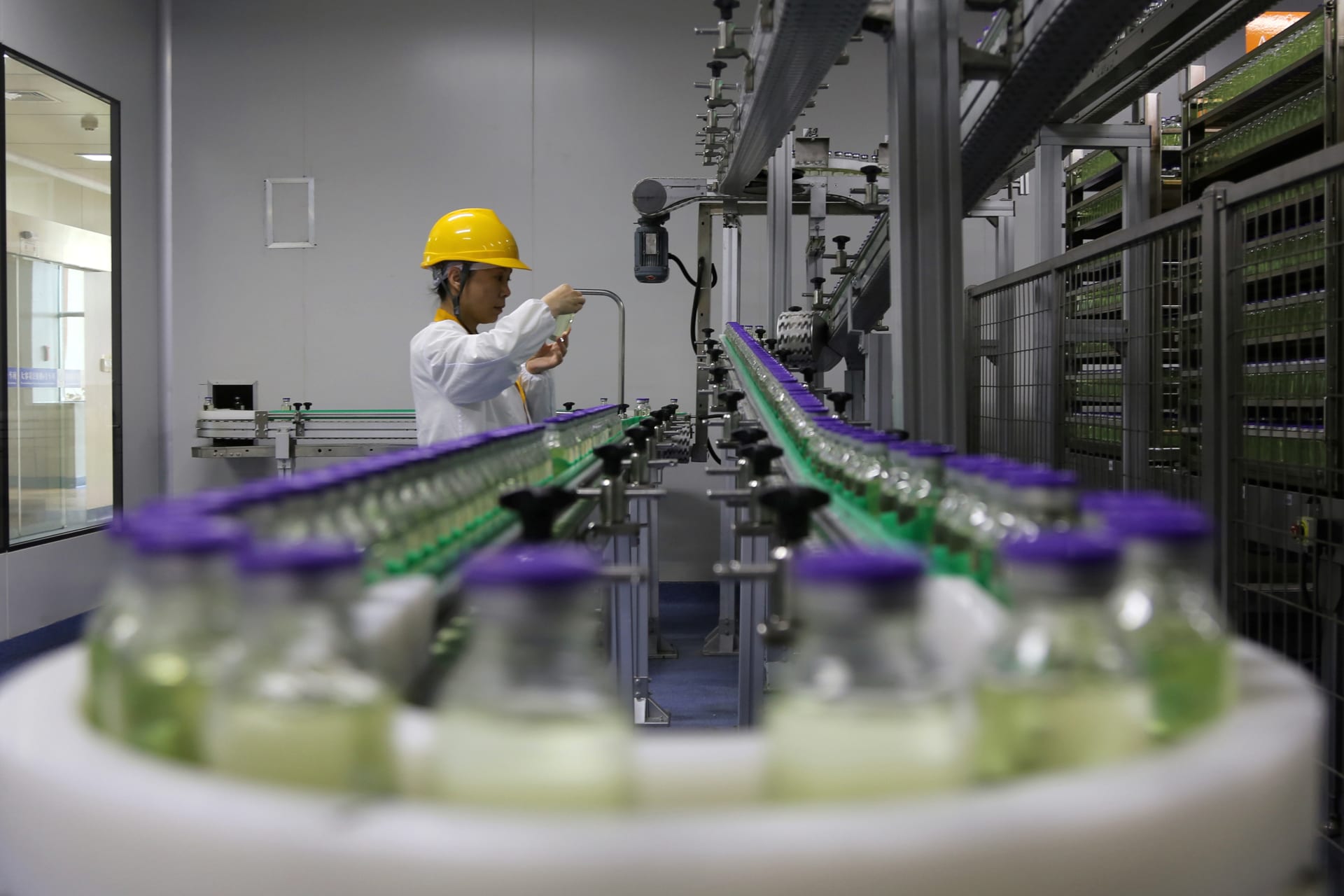 Report
 Report
 Report
 Report
 Report
 Report