Critical Minerals and Rare Earth Elements

  • Military Operations
    Time to Accept Risk in Defense Acquisitions
    U.S. Secretary of Defense Pete Hegseth launched enterprising Pentagon reforms that prioritize speed in acquiring new military capabilities, but this ambitious proposal is at risk of running into the same bureaucratic obstacles that have plagued past efforts.
  • Trade
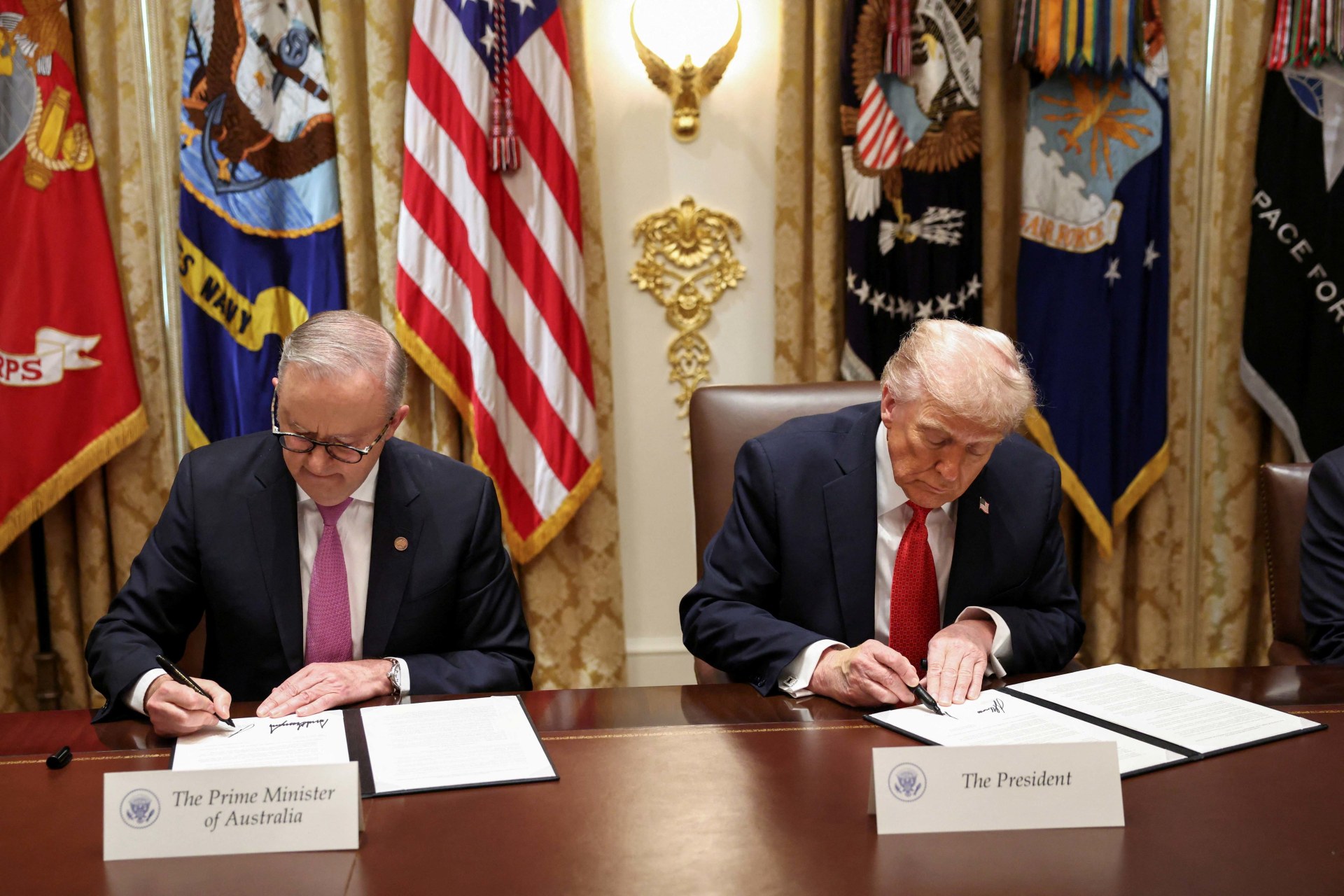
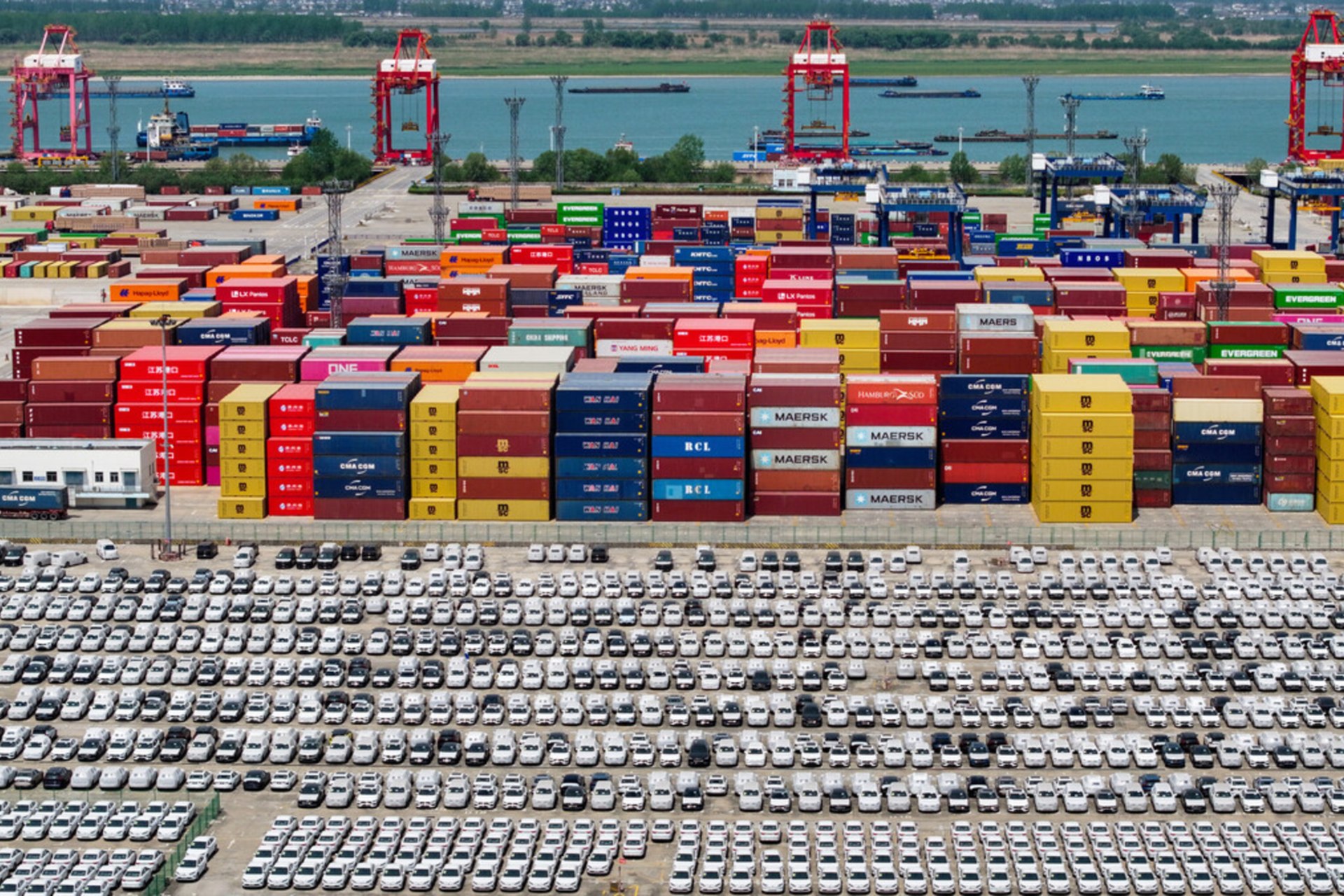
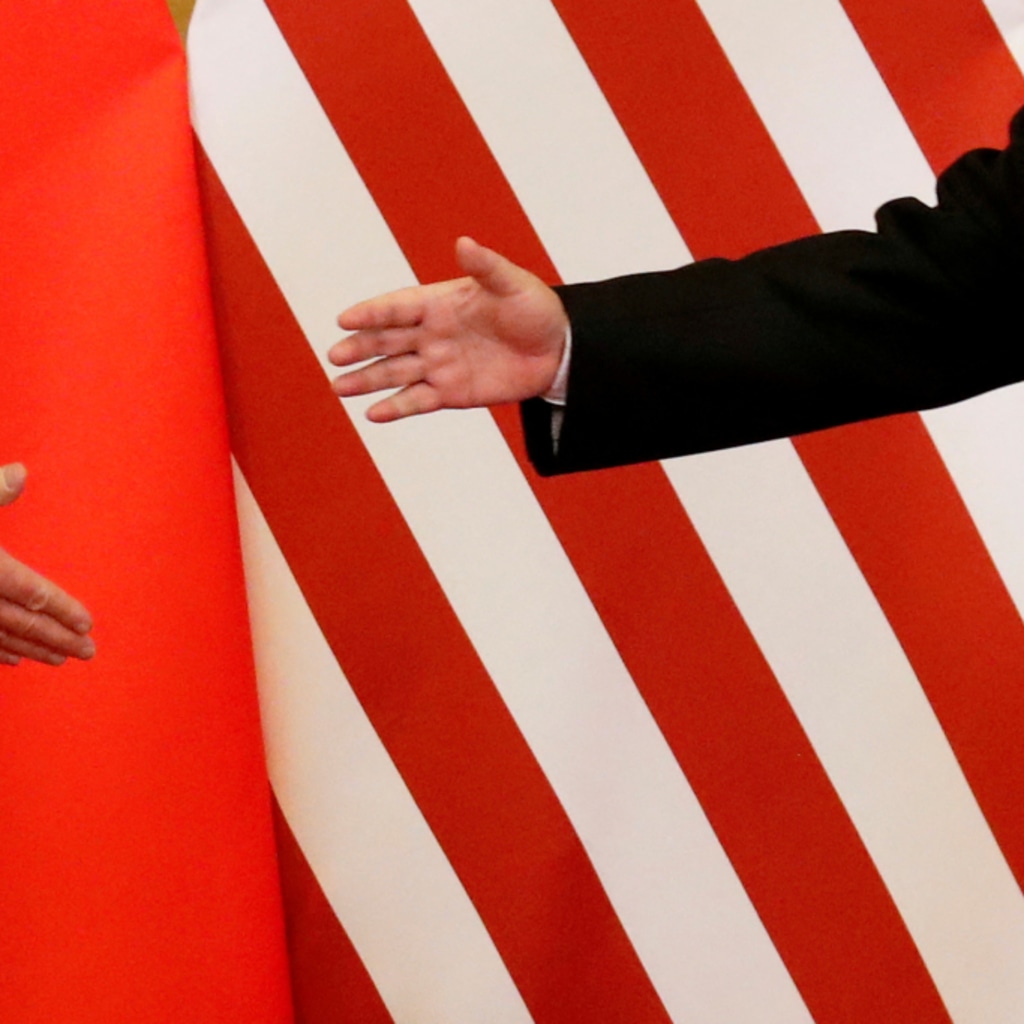
    The U.S.-China Trade Relationship
    President Donald Trump’s trade war with China that began in his first administration has created ripple effects throughout the global economy. But experts say complete decoupling of the world’s two biggest economies is likely impossible.
  • China
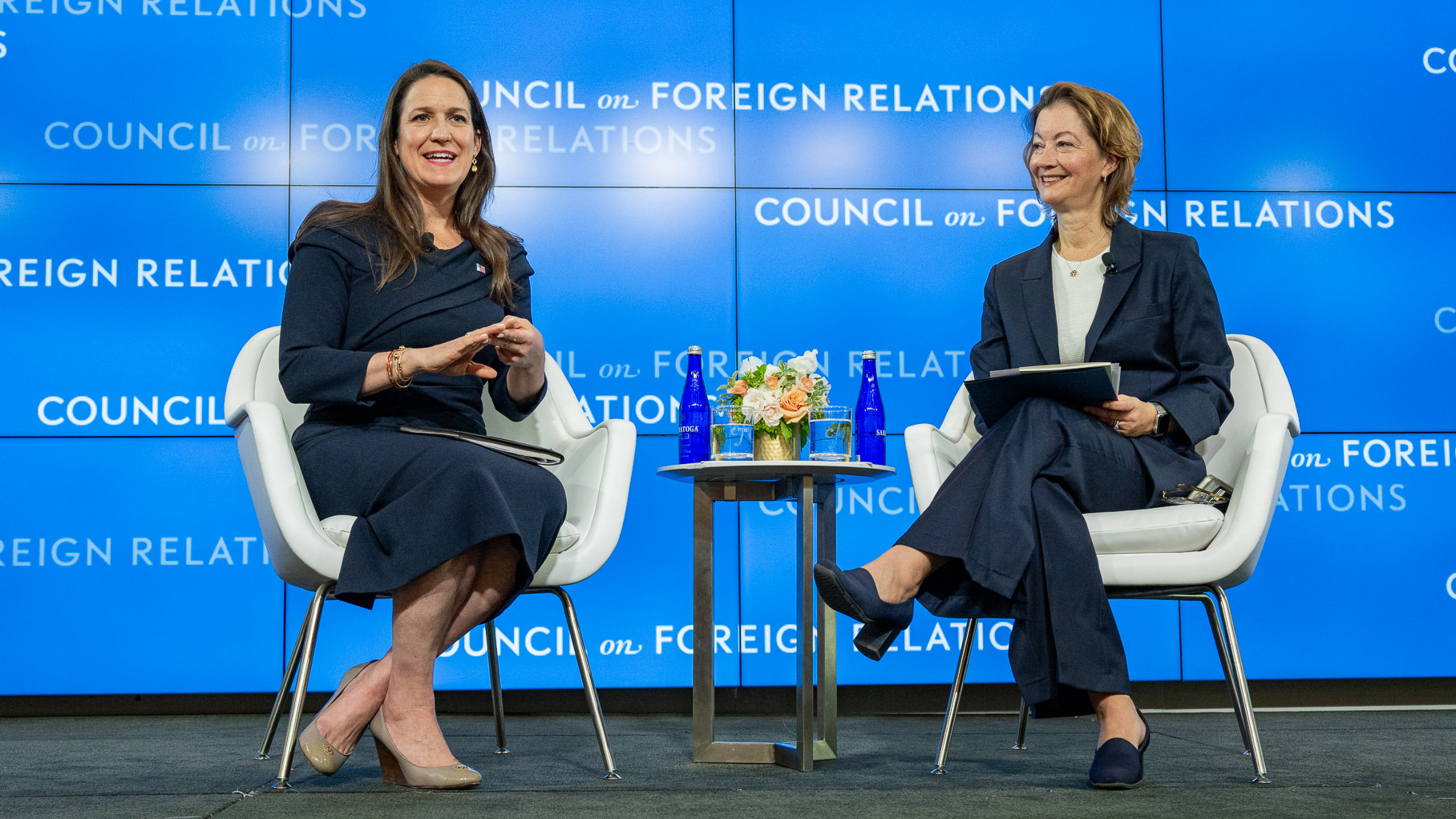
    China, the United States, and a Critical Chokepoint on Minerals
    CFR President Michael Froman shares his take on the United States’ dependence on China for critical minerals—and how the country can begin to compete.
  • Trade
    China, Trade, and Local Economies
    Play
    Jessica Bissett, senior director of government engagement at the National Committee on United States-China Relations, examines how subnational engagement shapes U.S.-China relations and what these dynamics mean for local economic resilience amid ongoing trade tensions. Zongyuan Zoe Liu, the Maurice R. Greenberg senior fellow for China studies at CFR, discusses recent developments in bilateral trade policy, including the effects of U.S. tariffs and China’s retaliatory measures.
  • China Strategy Initiative
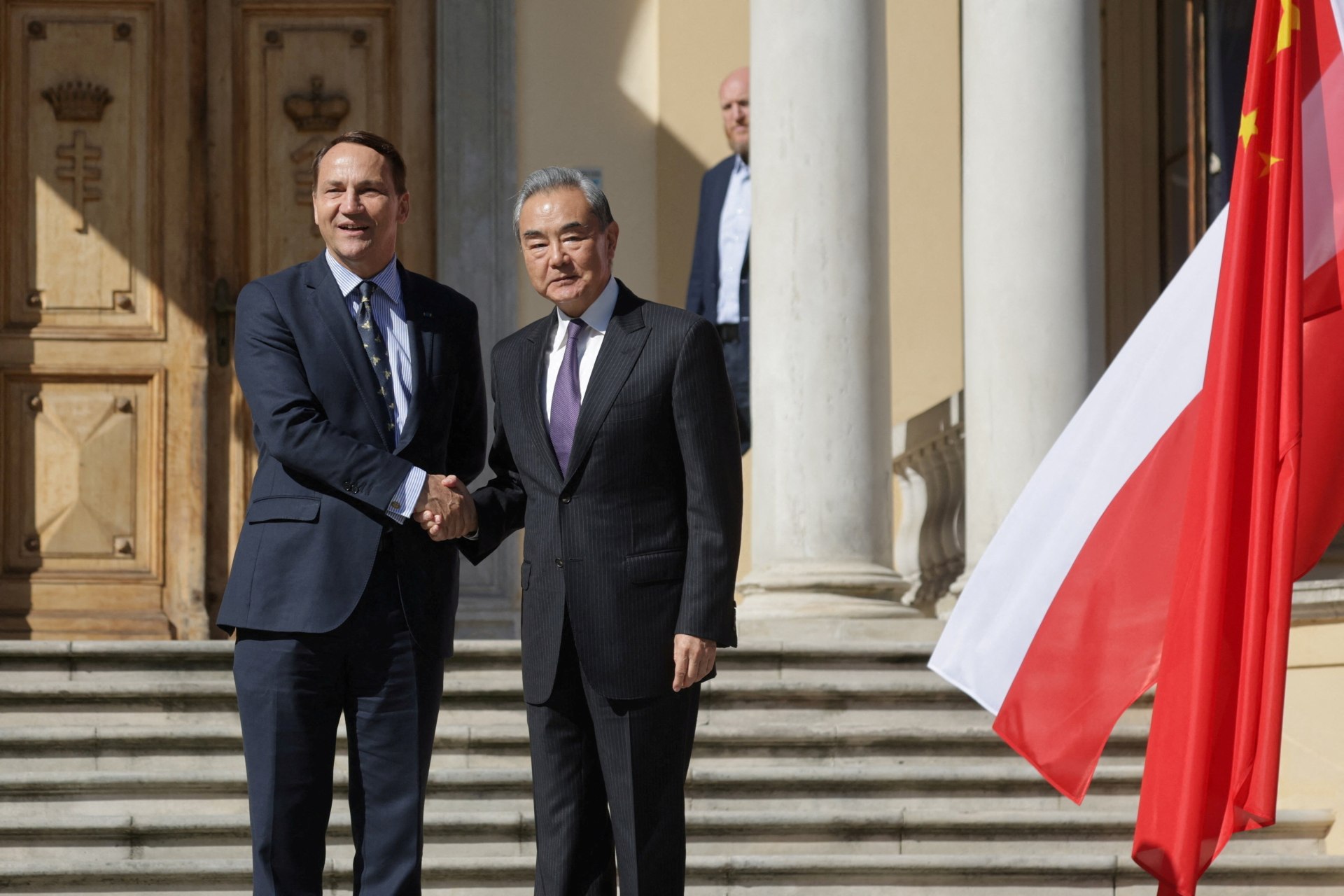
    China in Europe: September 2025
    In September 2025, China imposed steep tariffs on EU pork, Foreign Minister Wang Yi toured Central Europe amid rising tensions with Russia, and accusations of spying were dropped in London.
  • China
    The China-India Relationship: Between Cooperation and Competition
    Tensions between the two nuclear powers and major economic players could have critical implications for security and developments in the Global South.
  • United States
    On the Ground in Greenland: Arctic Security and Great Power Competition
    Greenland’s critical minerals reserves and Arctic access could come with U.S. strategic benefits. CFR President Mike Froman and members of the Council traveled to Greenland where locals seemed to reject President Trump’s proposed acquisition of the island but open to potential coordination.
  • United States
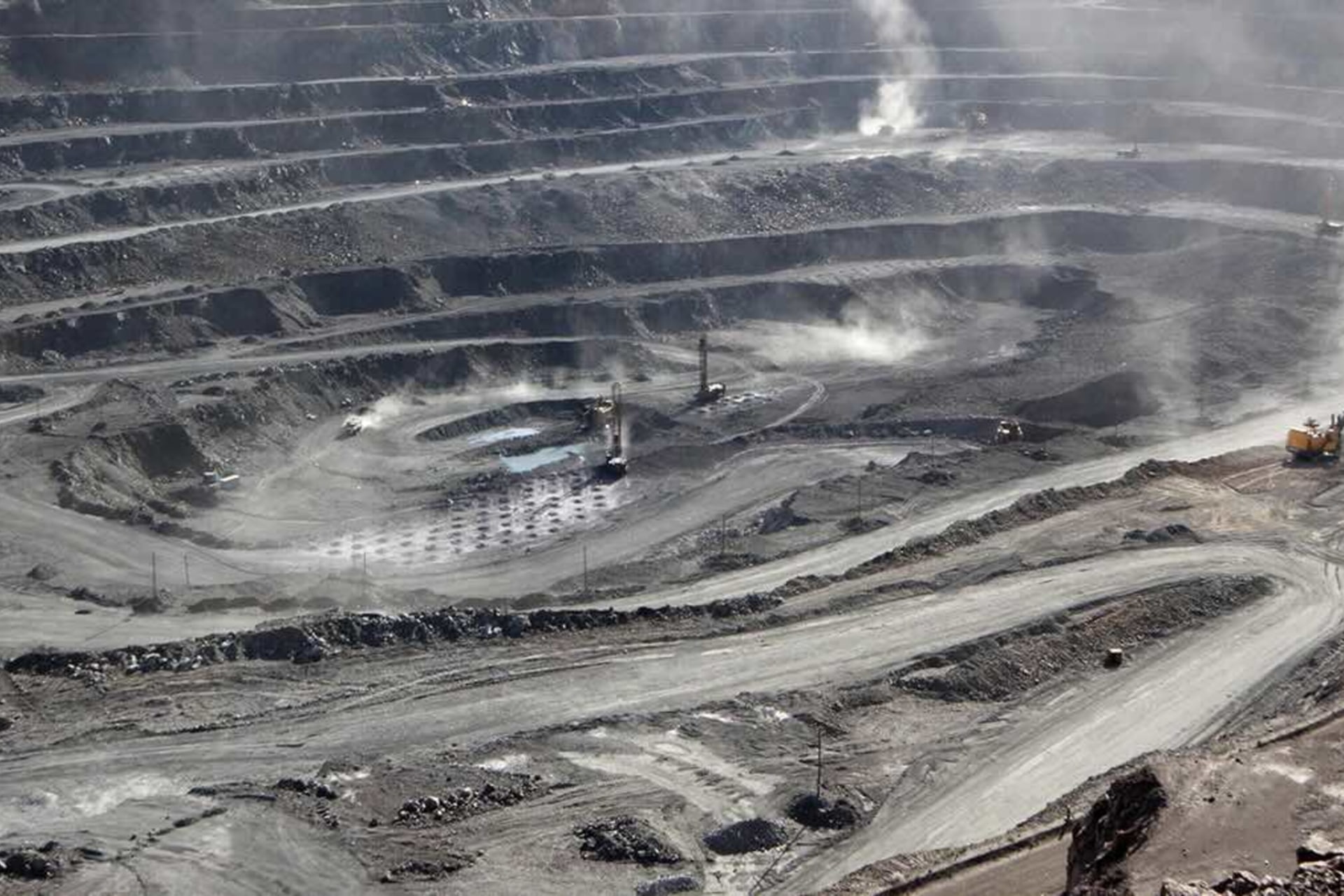
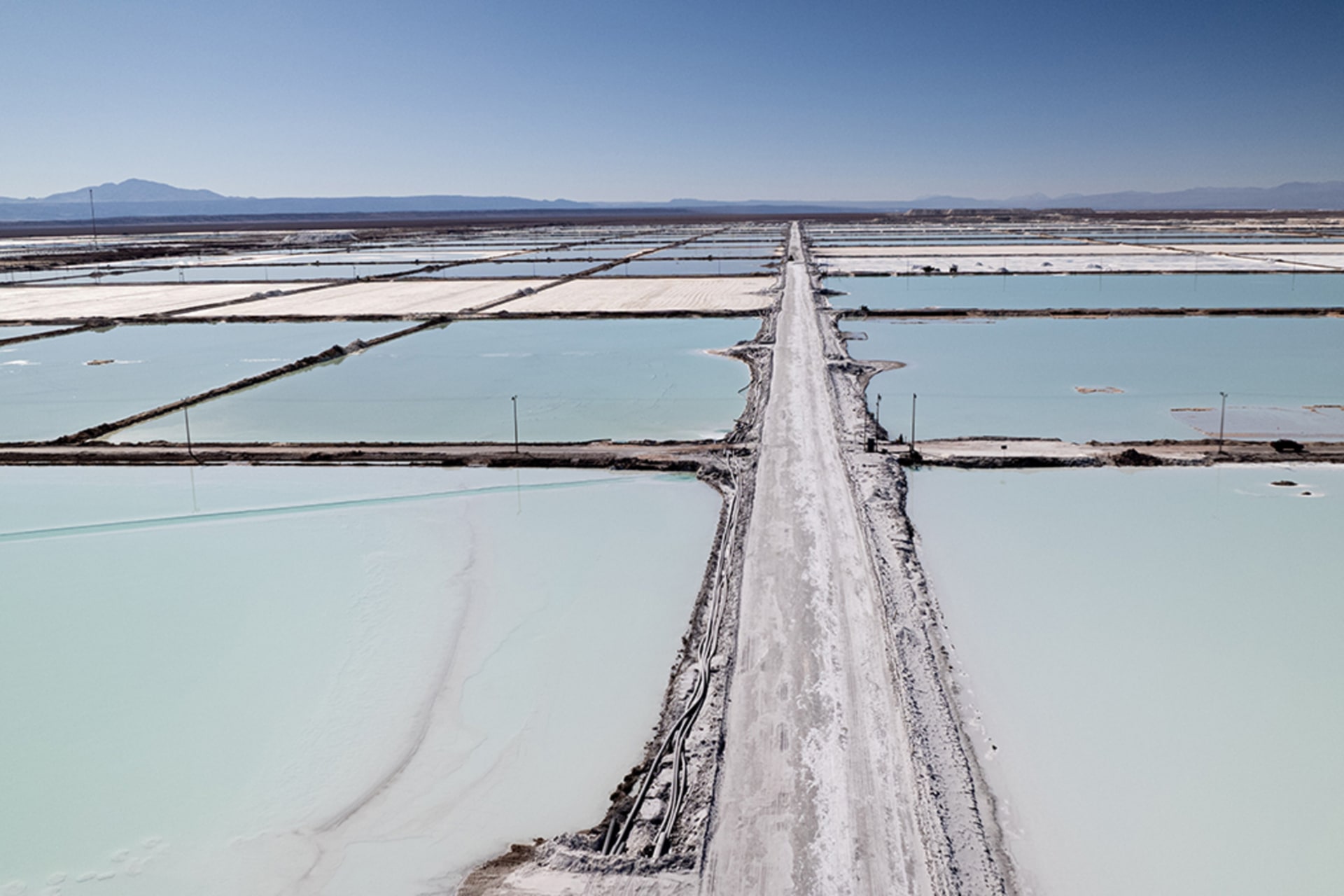
    The U.S. Critical Minerals Dilemma: What to Know
    Critical minerals play an essential role in security and technological competitiveness, but the United States relies heavily on imports from China and other foreign sources. The Trump administration is trying to change that.
  • Trade
    U.S.-EU Trade Deal Avoids a Tariff War, but Deepens European Dependence
    The U.S.-EU trade agreement imposes 15 percent tariffs on most European imports, avoiding the 30 percent levies that President Trump had threatened. Critics argue the deal disproportionately favors the United States.
  • United States
    The Geopolitics of Critical Minerals: Risks, Resilience, and Resource Control
    Play
    Panelists discuss the current global state of the critical mineral landscape, the importance of supply chain resilience to address national security concerns in an evolving geopolitical environment, and the recent minerals deal between the United States and Ukraine. This meeting is presented by RealEcon: Reimagining American Economic Leadership, a CFR initiative of the Maurice R. Greenberg Center for Geoeconomic Studies.
  • United States
    What Is the Defense Production Act?
    Presidents Trump and Biden have turned to the Defense Production Act to address the country’s vital needs, from stimulating critical supply chains during the COVID-19 pandemic to countering growing competition with China. How does the law work?
  • China Strategy Initiative
    Securing America: Key Authorities Under the Defense Production Act
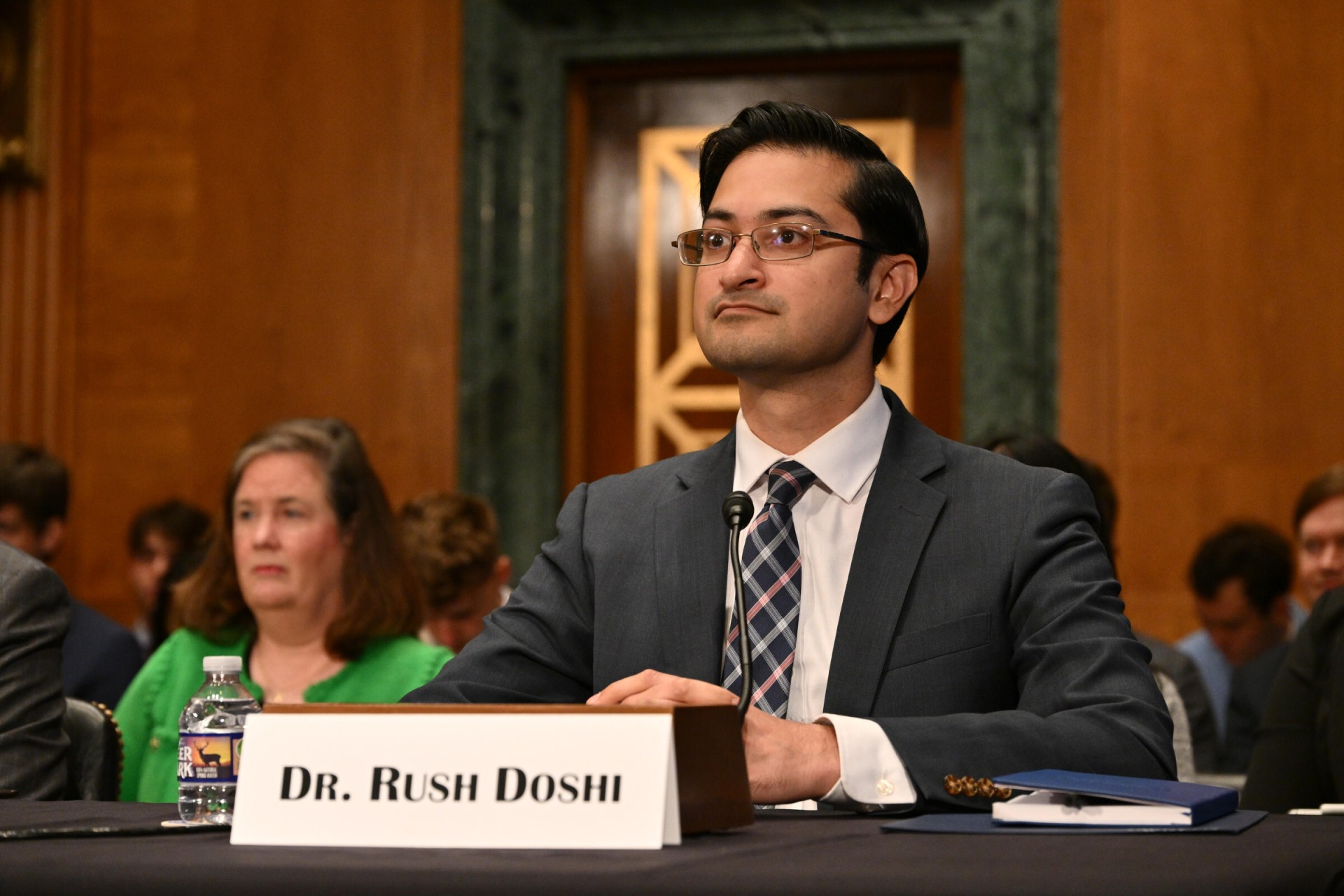
    Four points framed Dr. Doshi’s remarks to the U.S. Senate Committee on Banking, Housing, and Urban Affairs. First, China is an ambitious and formidable competitor unlike any the United States has faced. Second, the United States needs the Defense Production Act (DPA) to cope with China’s overlapping military and nonmilitary threats. Third, China’s system has far broader authorities than the DPA, putting us at a disadvantage. Fourth, smart reforms to the DPA can address concerns about overuse without narrowing its scope. China seeks to “catch up and surpass” the U.S. technologically; to make the world dependent on China’s supply chains economically; and to acquire the capability to defeat U.S. forces militarily The PRC is now 130% of U.S. GDP by purchasing power, two times the U.S. share of global manufacturing, and two times U.S. power generation. Without DPA reauthorization, the U.S. simply cannot address China’s military and non-military threats. Beijing is undertaking the fastest military buildup in history. It now boasts two-hundred times our shipbuilding capacity, eighty percent of global drone production, and global leadership in hypersonics. The U.S. also face new non-military challenges including cyberattacks and geoeconomic warfare. The DPA is critical to addressing these threats. DPA Title III can fund new production lines for cruise missiles and uncrewed systems, expand shipyard capacity, and reshore the batteries, motors, and rare earths China now makes. DPA Title VII can help the U.S. find PRC threat vectors in American networks and critical dependencies in our supply chains. And DPA Title I and Title III can help the U.S. reallocate goods or boost production after a debilitating cyber or supply chain attack. China’s defense production authorities also vastly exceed America’s. The PRC requires all citizens, companies, universities, and state-owned enterprises to fully support defense mobilization. Effectively, Beijing has total power to redirect production, reassign personnel, and requisition property. The U.S. can reform DPA without narrowing its scope. Congress could consider updating the definition of “national defense” to make DPA flexible and strategic without making it a catch-all tool. Congress should allow DPA Title III investments in allied nations supporting the U.S. defense industrial base. Next, Congress should establish multi-year DPA Title III funds and authorize and appropriate funding for key national security priorities like missile production or rare earth processing. Finally, Congress should appropriate funds and encourage agencies to reactivate the now dormant National Defense Executive Reserve, originally established under DPA Title VII, to ensure a pool of industrial experts are available in a crisis.