U.S.-India Relations and the International Order
This CFR project led by Senior Fellow Manjari Chatterjee Miller and conducted over two years in collaboration with 16 experts based in the United States, India and U.S. partner countries, examined the two countries’ positions and where they converged or diverged on important issue areas of the international order: trade, defense, climate and energy, and democracy.
India After the Liberal Order
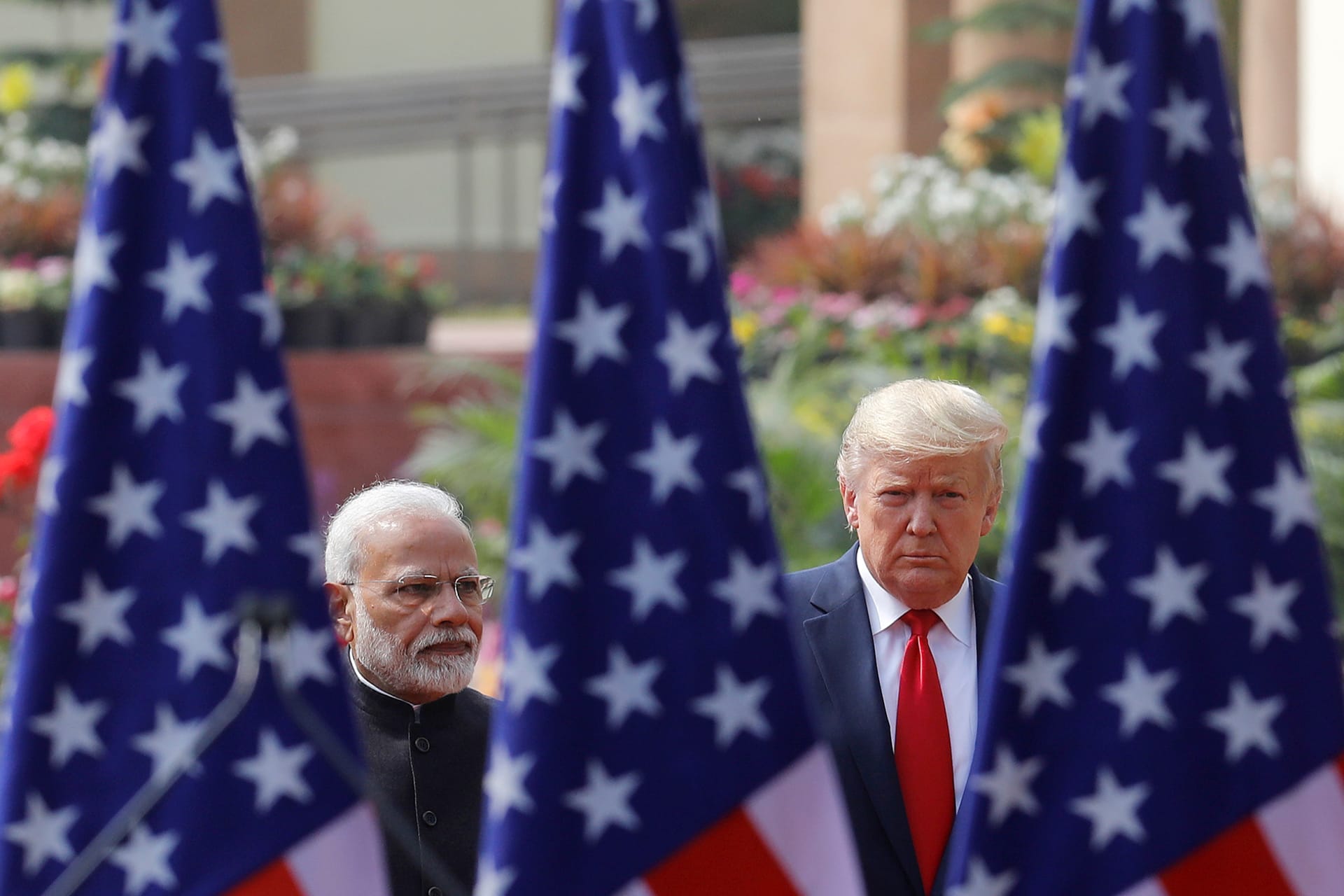
The U.S.-India relationship has never been particularly close. Despite being the world’s two largest democracies, the United States and India have often been at odds over issues of strategic autonomy and the restitution owed to postcolonial states and India was often a reluctant participant in the U.S.-led global order. When the Soviet Union disintegrated, the United States and India found some common ground but India’s skepticism remained even though it participated in U.S.-led institutions and responded to American overtures of friendship. That uneasy balance was upended with the election of Donald Trump in 2016. Today, the defining issues that undergird both the international order and the bilateral relationship—defense, trade, climate and energy, and democracy—pose new and old challenges. Further, these challenges give a glimpse of the post–liberal order world to come: one defined by a patchwork of smaller orders that are sometimes durable and sometimes transactional, but that eschew universal rules and norms.
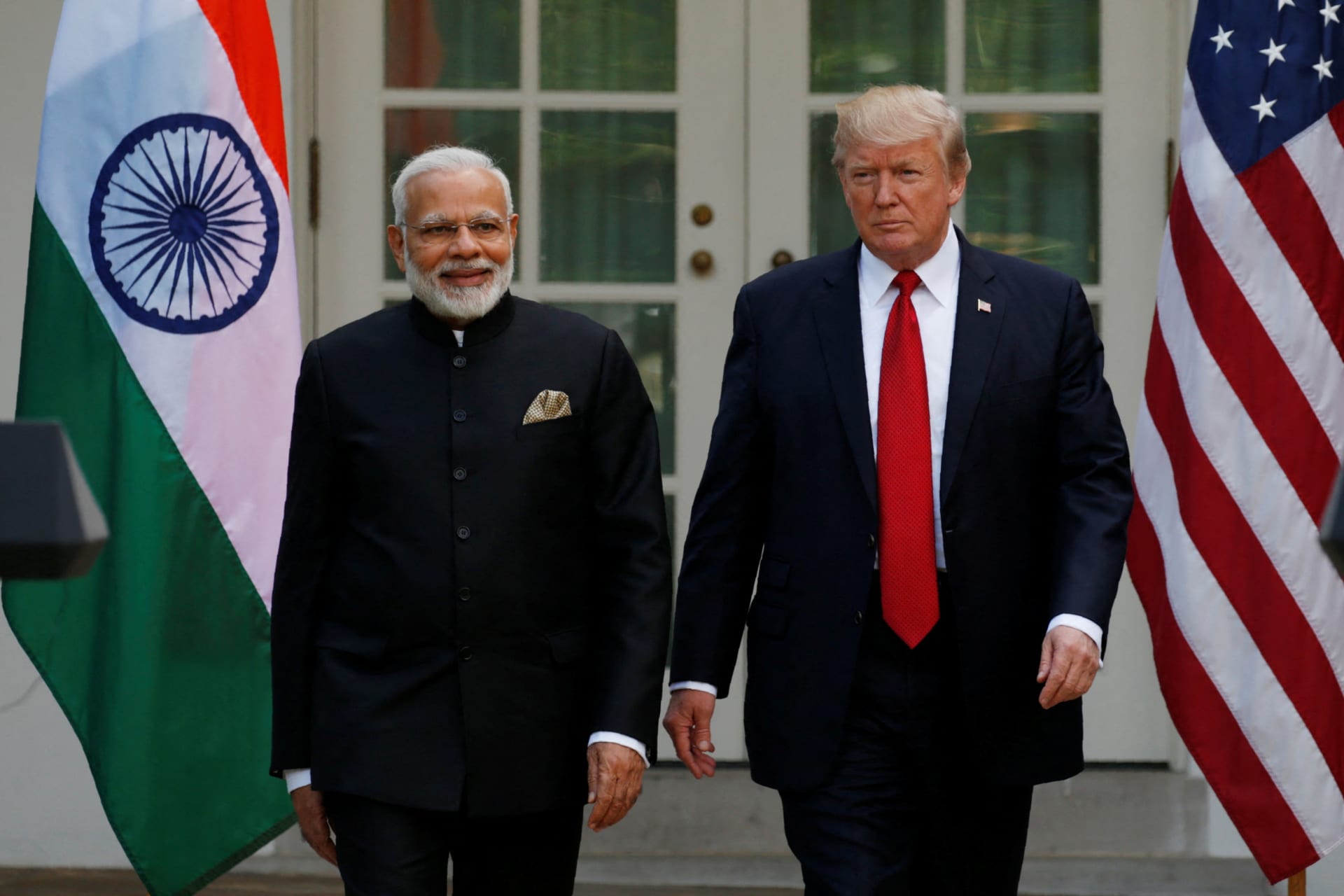
India, the United States and the Future of the International Trade Order
By Manjari Chatterjee Miller
India has enjoyed bipartisan support in the U.S. as a critical economic counterbalance to China, but the United States still has a tenuous grasp on its interests. In this series, three experts examine India’s position on digital trade, the World Trade Organization (WTO), and industrial policy.