China’s Political Reformers Strike Back
By experts and staff
- Published
 Elizabeth C. EconomyHoover Institution, Stanford University
Over the past year, the world has watched with growing dismay as China’s leaders have orchestrated a relentless attack on political and cultural openness in their country. Ai Weiwei. Liu Xiaobo. Teng Biao. Gao Zhisheng. Zuo Xiao Zu Zhou. China has rounded up its artists, writers, lawyers and musicians, releasing some, and then arresting more. The result? The country wounds itself deeply by depriving itself of some of its greatest thinkers, most creative forces, and most determined seekers of justice.
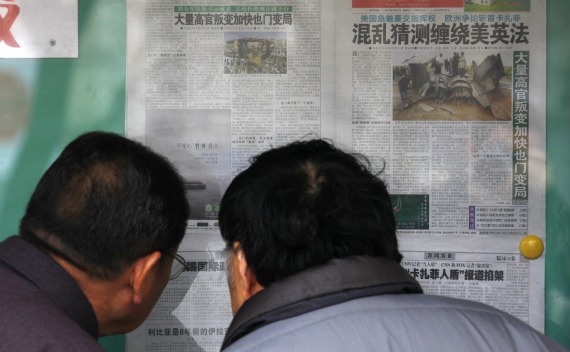
Premier Wen Jiabao, who has begun to sound like a broken record, clearly recognizes this. He once again gently stepped into the fray, stating at a meeting in mid-April, “We must create conditions for people to speak the truth.” Yet this time he has some back-up—and from a rather surprising place: the Chinese Communist Party’s official newspaper, People’s Daily.
A few days ago, People’s Daily ran an editorial with a number of striking statements, including:
What is behind this fresh salvo from the reform flank? Chinese media professionals—particularly ones who have retired—have often been at the forefront of calling for greater political openness. We’ll have to wait to see whether any other media support the People’s Daily or whether the bold editorial staff is simply sacked.
The Chinese frequently, and correctly, remind us that the path of political reform will be decided by the Chinese themselves. The People’s Daily editorial, however, reminds us that the real question is: which Chinese?