Russia has significantly increased its strikes on Ukraine since summer. Many attacks have hit targets with no military value.
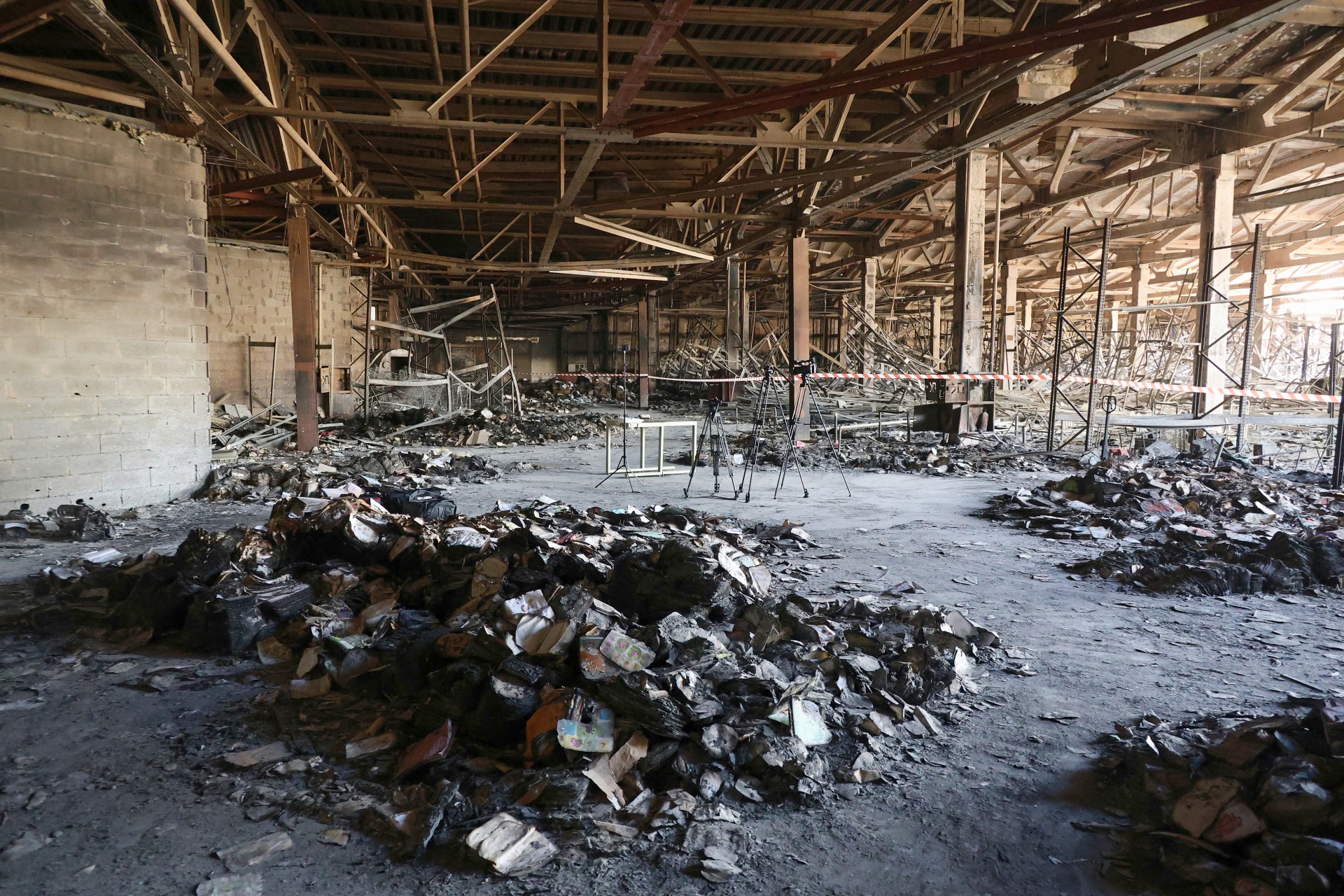
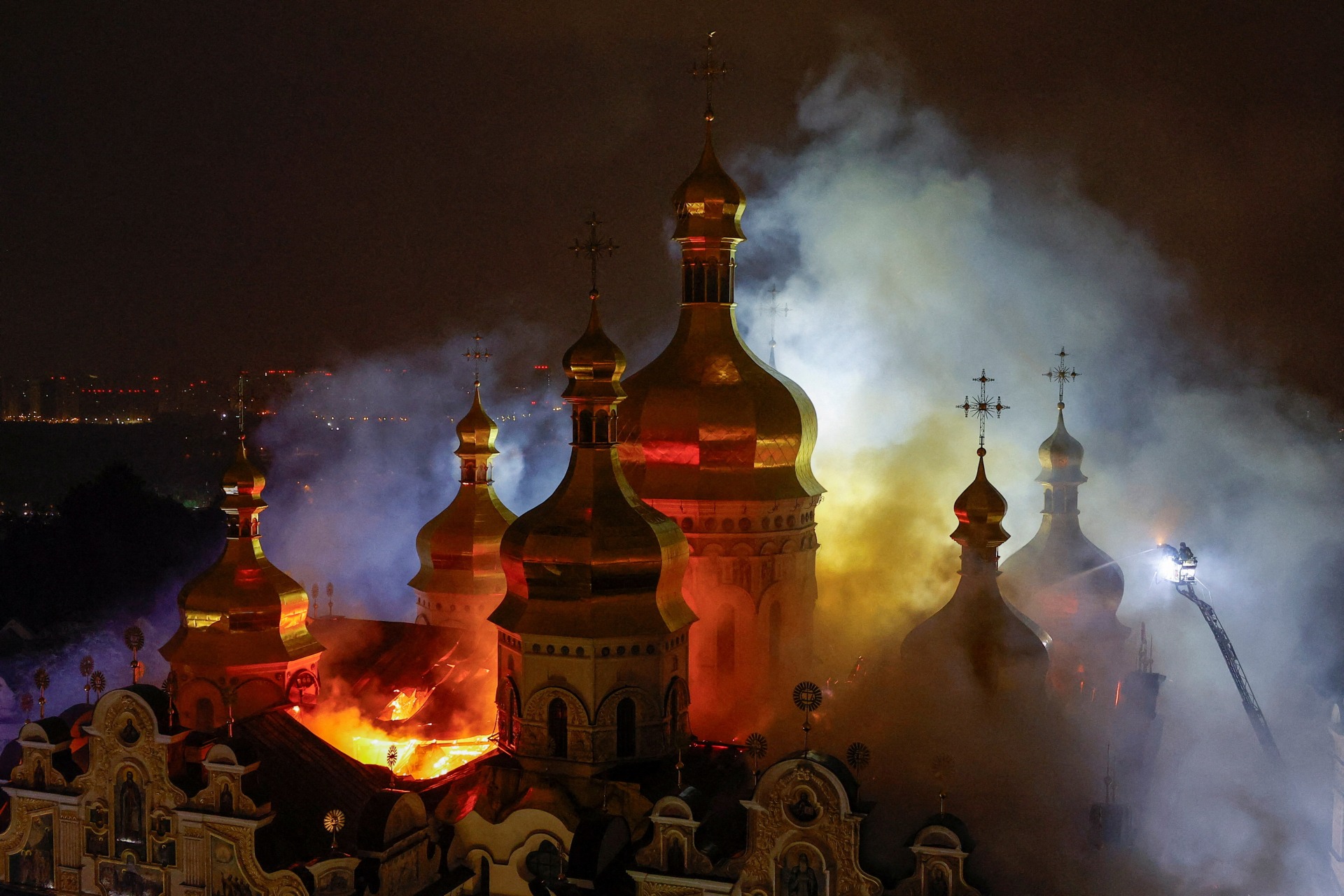
Since June, Russian missiles and drones have set fire to a one-thousand-year-old cathedral in Kyiv, destroyed a children’s book warehouse in Kharkiv, and severely damaged Ukraine’s National Academy of Sciences.
Russia is increasingly targeting cultural sites that lay at the heart of Ukrainian society. As a Ukrainian expert told CFR: “We need drones to win the war. But culture to survive it.”
Culture Under Fire: Ukraine’s Fight Against Russia’s Campaign of Erasure
Culture Under Fire: Ukraine’s Fight Against Russia’s Campaign of Erasure
<p>Russia’s attacks on cultural heritage in occupied Ukraine are neither accidental nor merely symbolic, experts say. They are an attempt to rewrite history, erase Ukraine’s identity, and make annexation permanent.</p>
Mariel Ferragamo ·
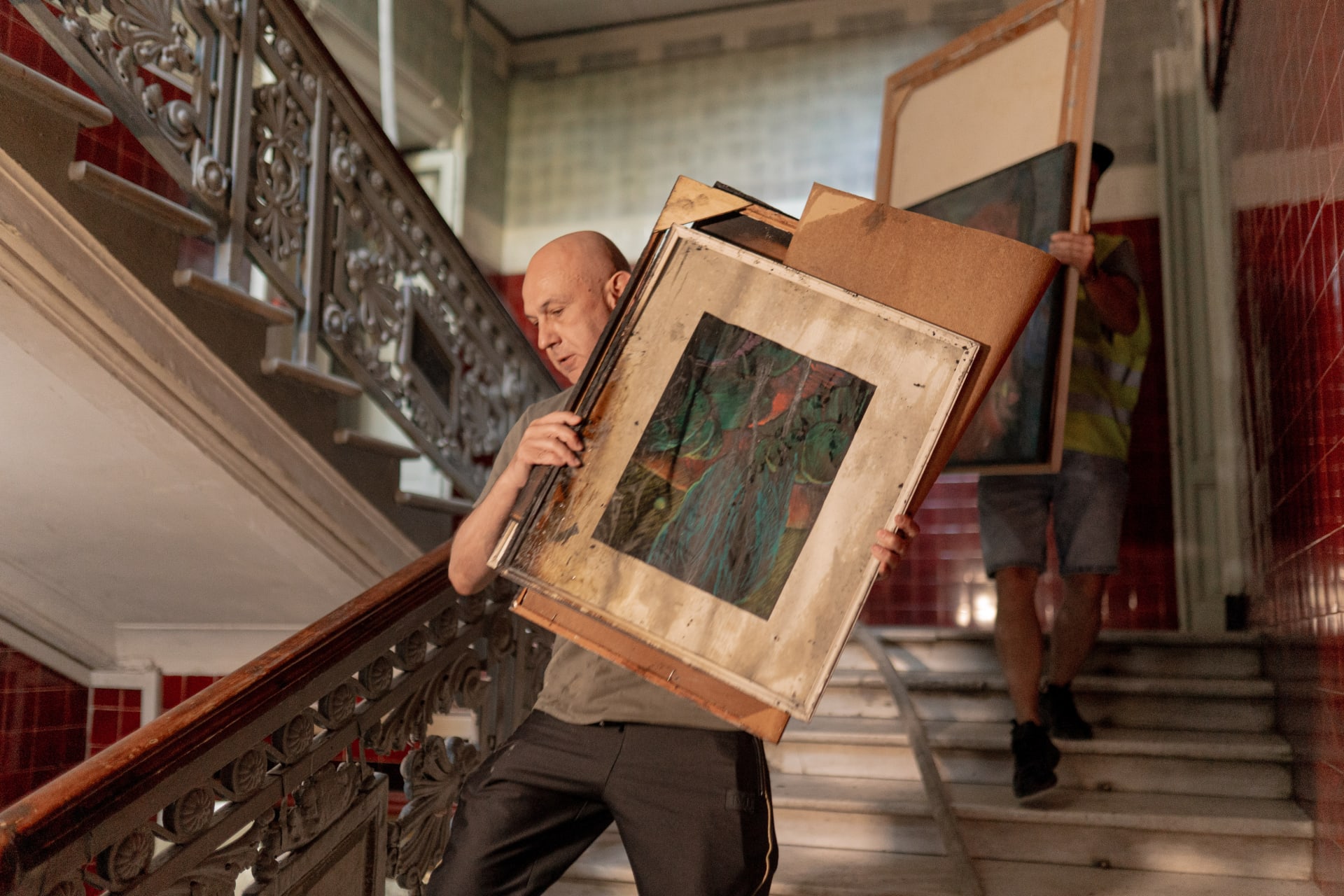
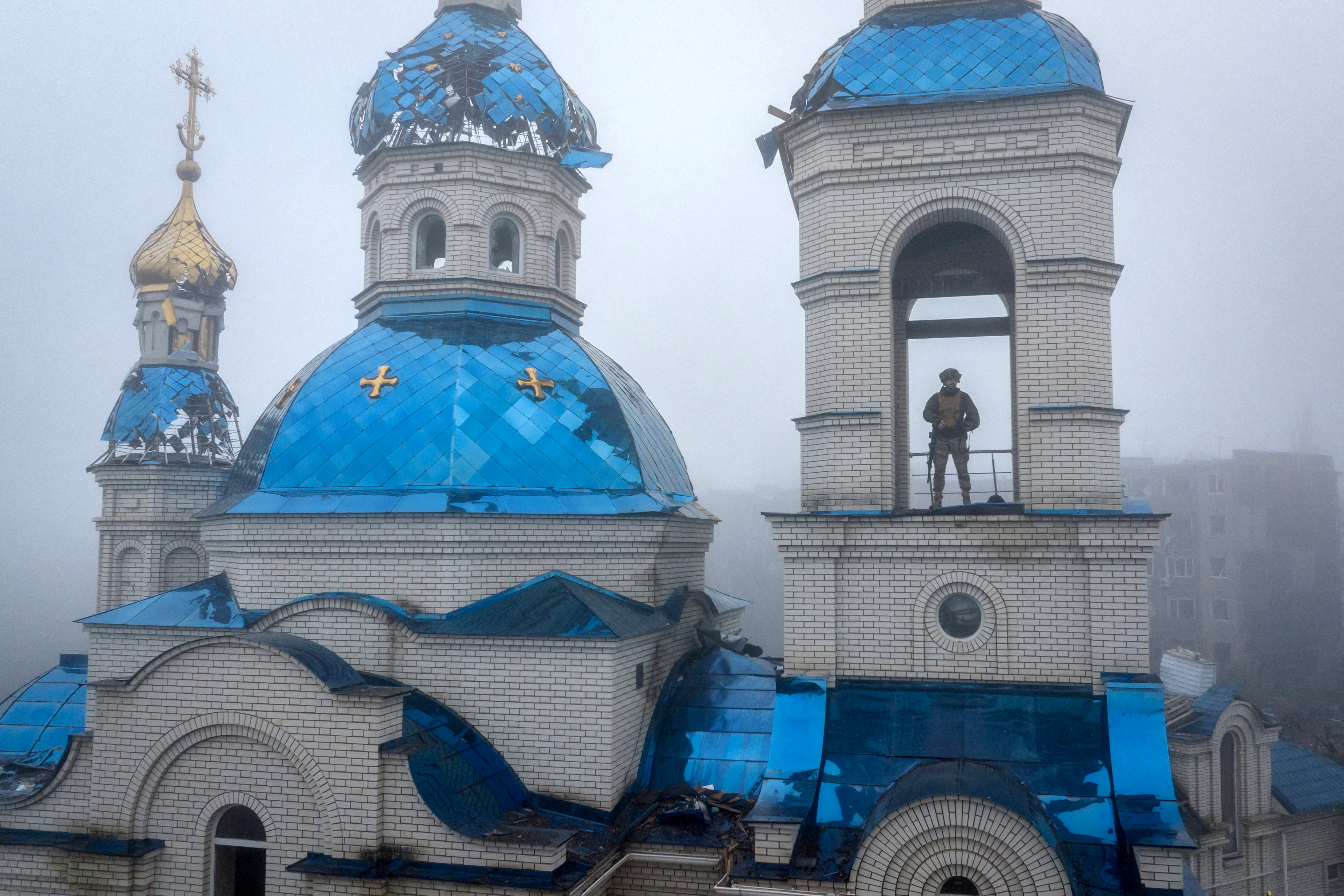
Russian drones struck the Kharkiv Art Museum in June 2026, setting fire to more than 12,000 square feet of some of Ukraine’s oldest, most prominent artwork. Locals scrambled to save what they could of the museum’s twenty-five-thousand-piece collection. Hours later, missiles pummeled the Kyiv-Pechersk Lavra, one of the country’s most sacred Eastern Orthodox sites. The one-thousand-year-old monastery, which protects a network of catacombs where several saints are buried, was ablaze in a matter of seconds.
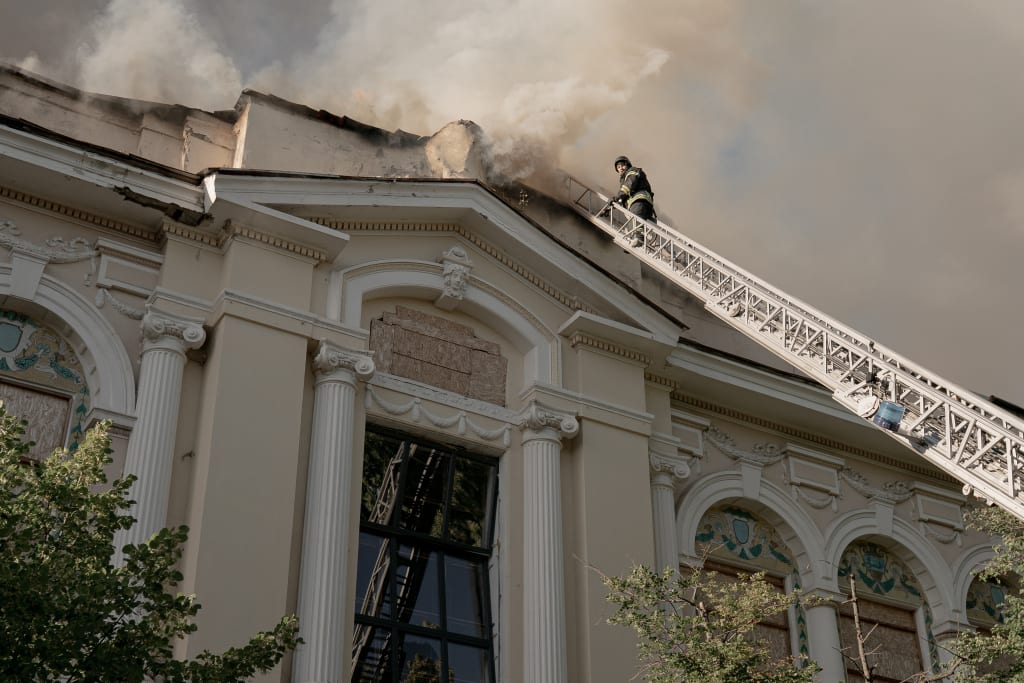
Russia characterized these incidents as precision strikes against military targets, despite there reportedly being no publicly known Ukrainian military activity nearby at the time. The strikes came a few weeks after a spate of attacks that hit museums, theaters, and cultural centers across Kyiv, rendering sizable swaths of artifacts “irrevocably lost,” Ukraine’s Interior Ministry said in its report on the situation.
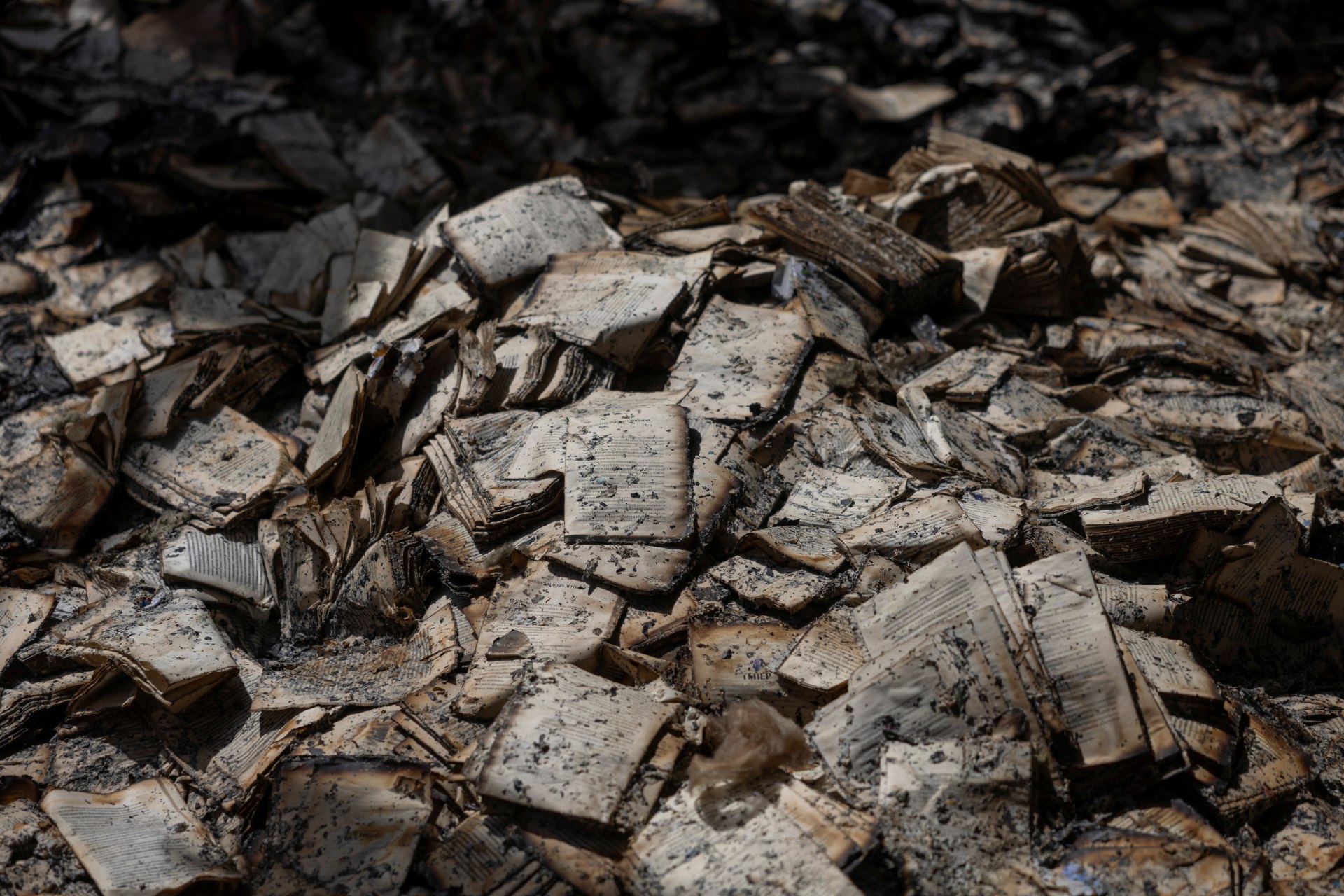
Those attacks have continued unabated. A Russian ballistic missile destroyed Kyiv’s Pochaina book market in August, drones set fire to a Kharkiv warehouse holding eight million books that same month, and a strike badly damaged Ukraine’s National Academy of Sciences in September.
These downed cultural institutions are not collateral damage in strikes meant for battalions, Ukrainians and outside experts said. They’re the targets.
“This war is not about conquering territories. It’s about destroying a nation,” said Małgorzata Ławrowska-von Thadden, the founder of OBMIN, a Poland-based organization created to allow Ukrainian museums to access aid, exchange ideas on preservation (“obmin” is Ukrainian for “exchange”), and promote cultural heritage. “Without a culture, you can’t have a nation.”
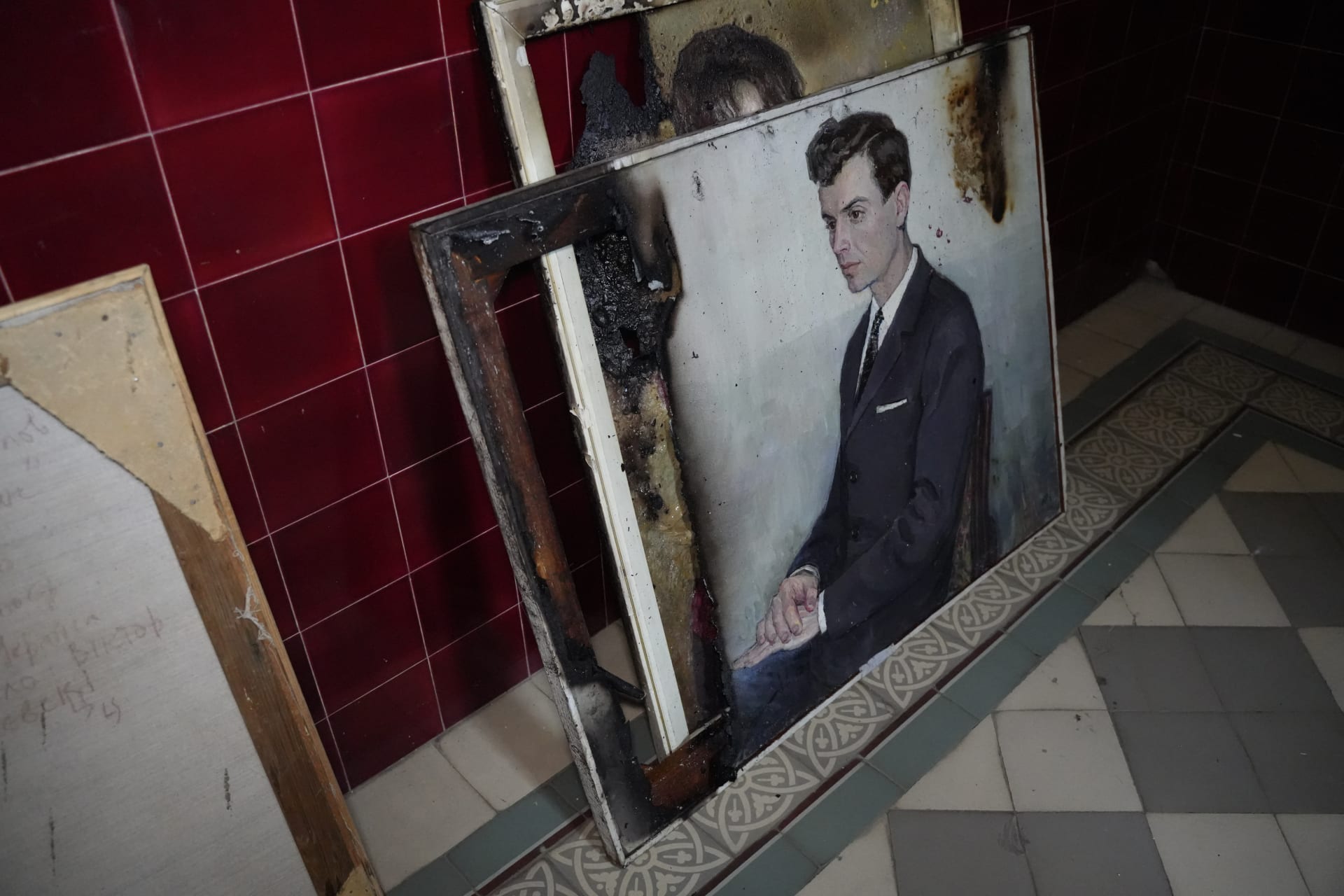
Since Russia’s invasion of Ukraine in February 2022, at least 1,949 heritage monuments and 2,576 cultural infrastructure sites have been damaged or destroyed, according to official data from Ukraine’s Ministry of Culture. By the end of September 2026, the UN Educational, Scientific, and Cultural Organization (UNESCO) had confirmed damage to 560 of those sites, while independent monitoring from Ukrainian civil society has tallied at least 5,500 sites using satellite and open-source intelligence, said Lina Doroshenko, the Ukrainian representative on the UNESCO World Heritage Committee and expert at the Kyiv-based Regional Center for Human Rights.
This war is not about conquering territories. It’s about destroying a nation. Without a culture, you can’t have a nation.
Małgorzata Ławrowska
Ukrainian museum expert
Work is underway in Ukraine to harmonize these datasets, but getting precise numbers, particularly from areas occupied by Russia or facing near-daily attacks, is a challenge. “The real scale of destruction is therefore undoubtedly much greater than any currently available statistics can show,” Doroshenko said.
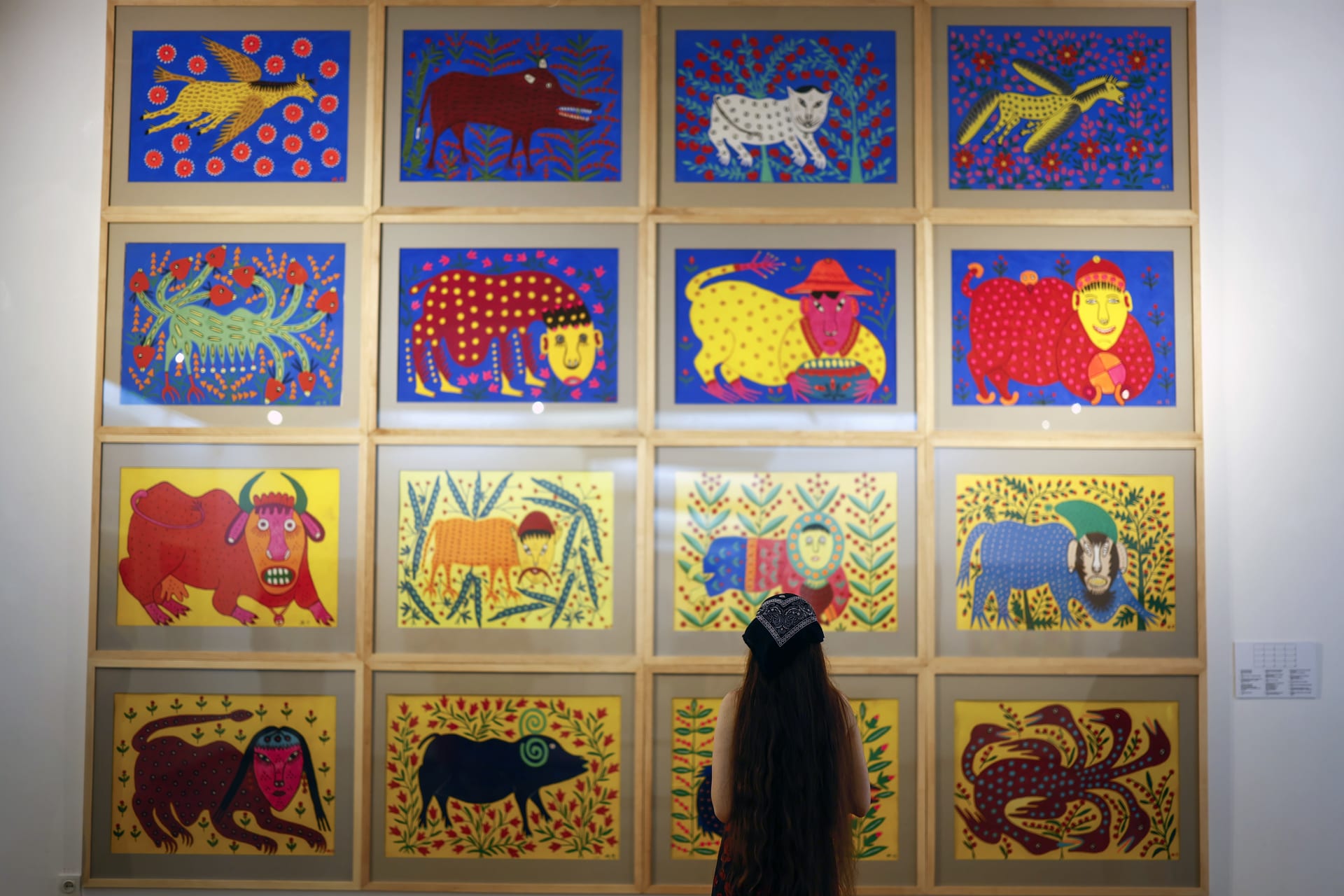
Lost in the wreckage of the razed buildings are critical pieces of history. In a strike on the Ivankiv Historical and Local History Museum, this came in the form of twenty-five scorched paintings by Maria Prymachenko, a self-taught folk artist celebrated internationally as a symbol of Ukrainian culture.
“To understand the magnitude of that devastation, one must imagine what it would mean… for Americans to see paintings from Hopper, Pollock, or Warhol set ablaze or for the French to have bombs obliterate the oeuvre of Matisse, Monet or Renoir,” then-Ukraine Prosecutor General Andriy Kostin wrote in the aftermath.
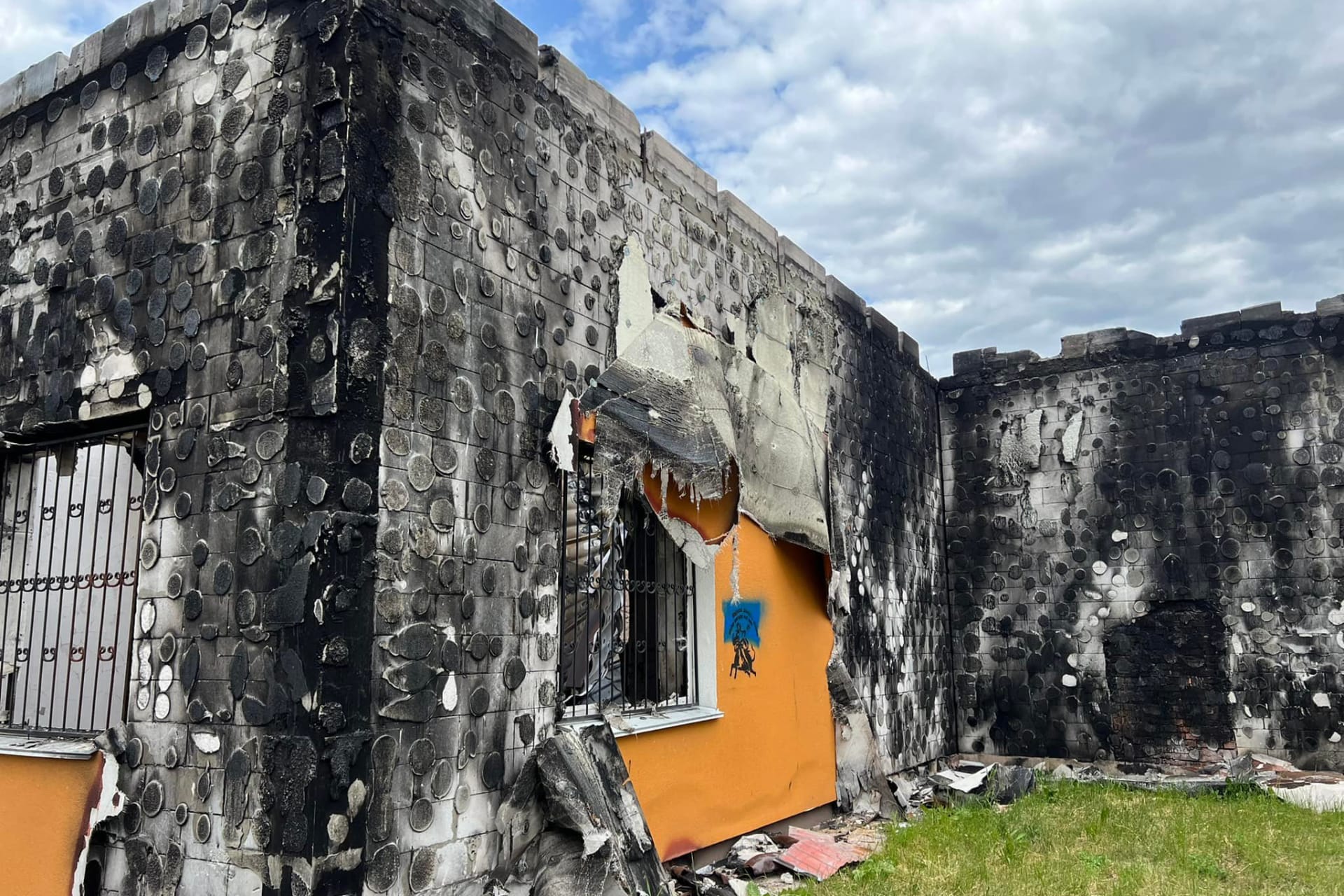
Millions more pieces of art have been looted in the chaos, which Russian President Vladimir Putin has “legalized” in occupied areas. Several archives, including the Rare Book Library, which housed sixty thousand precious manuscripts, have been destroyed by Russian missiles. Many contained not just annals of Ukrainian history, but primary documents of global events, such as the world wars.
There are myriad stories of tangible, physical destruction across Ukraine.
But it goes deeper than the physical devastation of bombed museums, theaters, and libraries.
Experts say Russia is attempting to disrupt the social fabric through Russifying systems.
The extent of erasure
In the territory it has seized, Russia has been implementing a “systematic policy” of cultural seizure to occupy Ukraine’s narratives in addition to its land, Doroshenko said. “Ukrainian history [has been] gradually replaced by Russian imperial and Soviet narratives designed to create the illusion that these territories have always been historically Russian,” she told CFR. Outside access to occupied areas is extremely limited, so information comes from verified local sources, satellite imagery, or open-source intelligence.
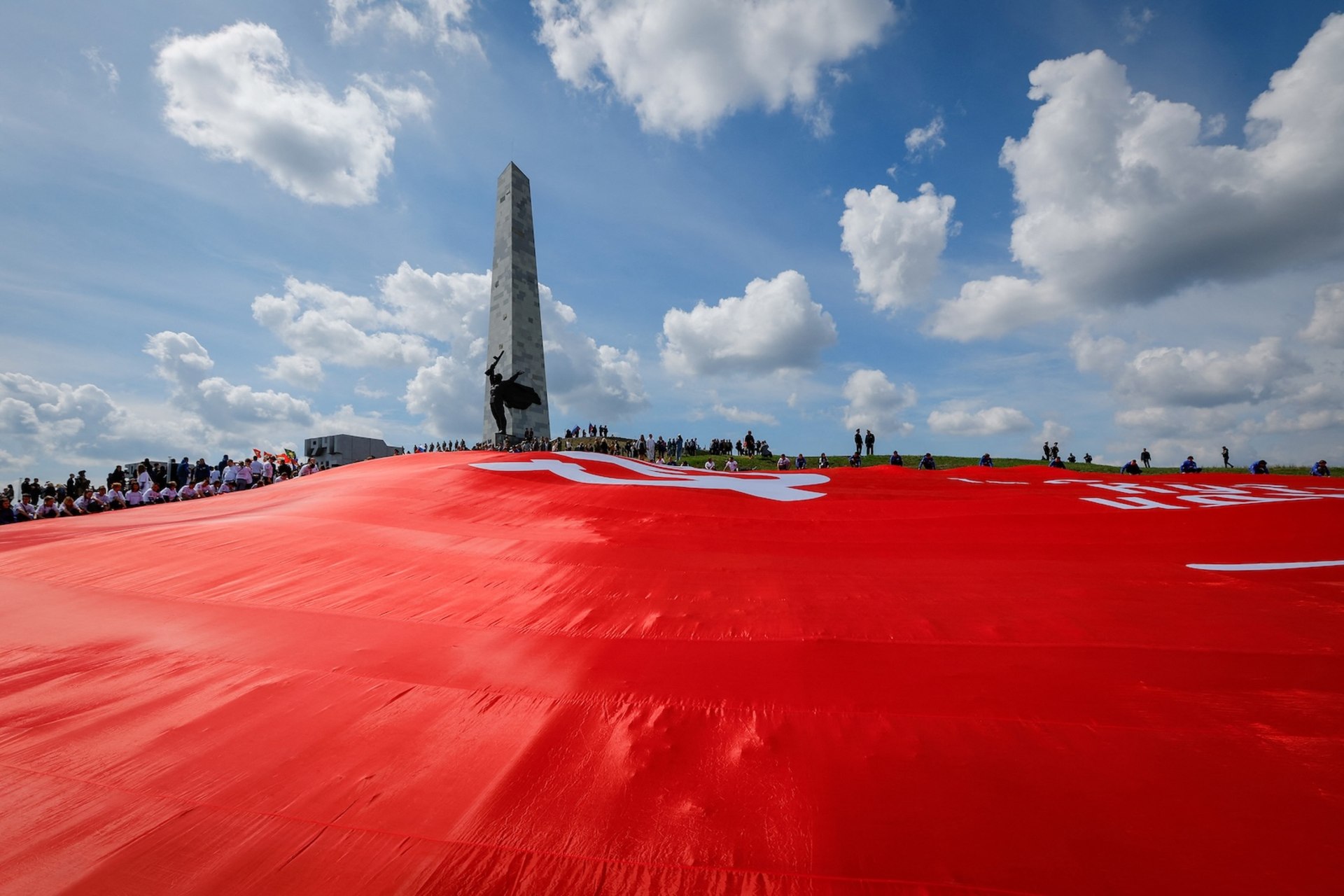
“The scale of altered, dismantled, and newly erected monuments across occupied territories is so extensive that a comprehensive listing is no longer possible,” the Kyiv Post reported in November 2025. In Mariupol, for example, a walk down the streets reveals scores of name changes—what was once the “Avenue of Peace” is now “Lenin Avenue.” Blocks away, the Mariupol Drama Theater, which was destroyed in the third week of the war, reopened in December 2025 with a Soviet-era performance. Museums have been reregistered under Russian legislation, and their collections incorporated into state ownership.
The social takeover goes further than the seizure or destruction of cultural assets. The few remaining schools in areas occupied by Russia have had their curricula Russified. There have also been the well-documented, systematic kidnapping and reeducation of Ukrainian children who have been sent to Russia, prompting the International Criminal Court to issue an arrest warrant for Putin. Ukrainian media has been replaced with Russian counterparts. Major printing houses are shuttered, incapable of running new material, while civilians are tortured, arrested, or killed for speaking in or even listening to music in Ukrainian, all of which the Ukrainian government is calling “linguocide.” Russia is even prodding cities into Russian time zones and their residents into its passport system. Everywhere you look, demotic Ukraine has been replaced: “provenance is altered, historical narratives are rewritten, and Ukrainian heritage is presented as part of Russian history,” Doroshenko said.
Doroshenko has also documented Russia’s issuance of at least 182 illegal archeological permits in the past year alone in Crimea and Sevastopol. These excavations extract artifacts that Russia moves to its own institutions and then wields to support its territorial claims over the area. One of the most notable examples she described was the “New Chersonese,” Moscow’s bulldozing of and rebuilding over a UNESCO-protected ancient city, removing more than six million archeological artifacts in the process. UNESCO added it to its list of heritage sites in danger on July 23.
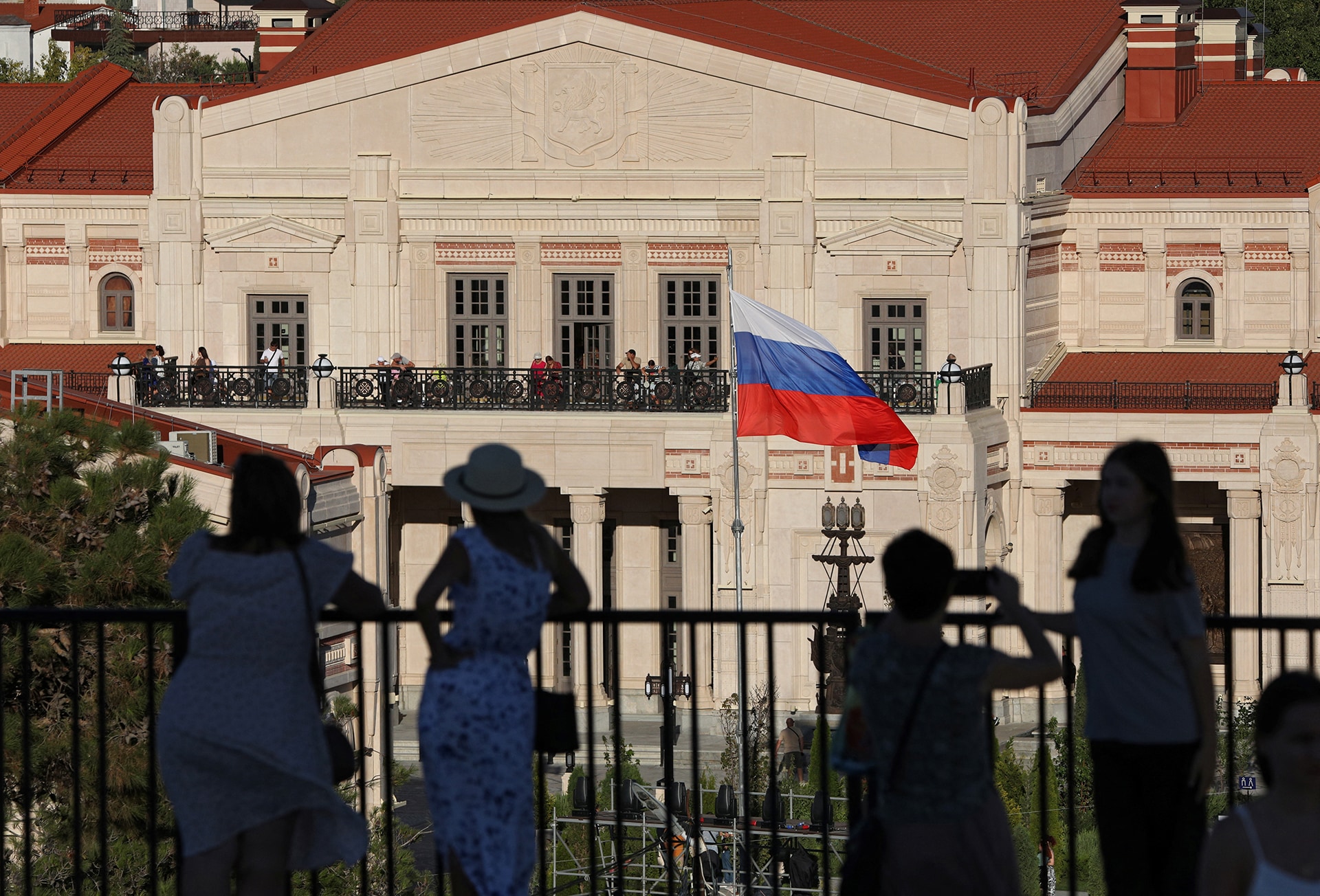
The Kremlin’s swift retrofitting of occupied territory in Ukraine largely began at the end of 2022 and has seen replacements for Ukrainian history erected at a “truly Stakhanovite pace,” as historian Yurii Latysh characterizes it, motivated by efforts to “prove that the captured territories ‘always’ belonged to the Russian state.”
Moscow’s messaging has described newly Russified sites as “a venue for patriotic events” and “restoration of the connection between those who fought in past wars and those who now defend our Fatherland.”
But Ukrainians see it differently. “The truth still cannot be hidden,” Mariupol’s exiled mayoral aide said on social media of the reconstruction efforts. “For the second time in the last one hundred years, the Russians will literally build…on the bones of the dead.”
Russia’s deep-rooted motivations
The devastation of culture amid war is not unique to Ukraine. In recent major conflicts, Sudan has experienced looting of centuries-old artifacts from museums, Gaza has lost many artists and writers, and Iran has watched heritage sites crumble in its war with the United States. But deliberate campaigns of cultural erasure are a specific tool used to consolidate power by controlling language, narratives, and what people think. Indeed, attacks on a country’s culture can go hand in hand with undermining its security.
“Culture and security are two sides of the same coin. Having security saves culture, but culture fuels the resilience necessary to create security,” Ławrowska said. Ukraine has faced challenges to its culture for far longer than the current escalation, which followed growing conflict in the Donbas region beginning in 2014 with the annexation of Crimea. And while the country only gained independence in 1991, there is evidence of Moscow suppressing Ukrainian language and culture that dates to the 1600s. One 1863 czarist decree, for example, states that the Ukrainian language “never existed, does not exist, and shall not exist.”
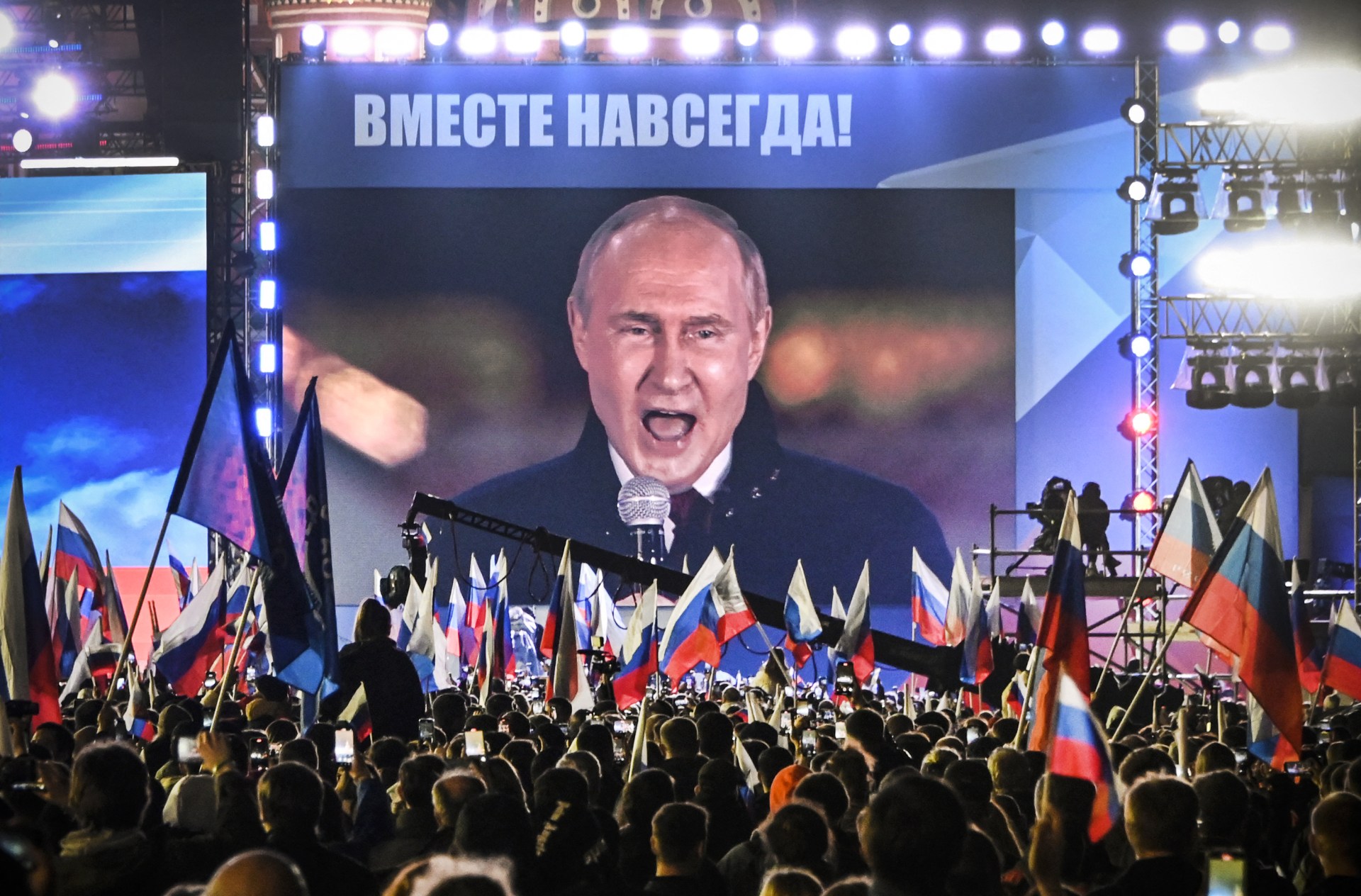
Putin has indicated he is sympathetic to this point of view, laying the groundwork for his invasion with a 2021 essay arguing that Ukrainians and Russians are “one people,” with Ukrainians lacking a distinct identity. “I think it is a view that Putin genuinely, if delusionally, holds, and it’s certainly a view that many other Russians hold as well,” CFR national security expert Max Boot said. “It taps into deep cultural, intellectual, and ideological wellsprings in Russian society, which has been conditioned to see Ukraine as part of Greater Russia rather than as an entirely independent entity.”
“Part of the reason why Ukrainians are fighting so hard is because they understand that their culture, their national identity, and of course their democracy would not survive under Russian occupation,” Boot added. “In fact, many Ukrainians themselves would not survive under Russian occupation, given the barbarism of the Russians and the atrocities they commit against people under their control.”
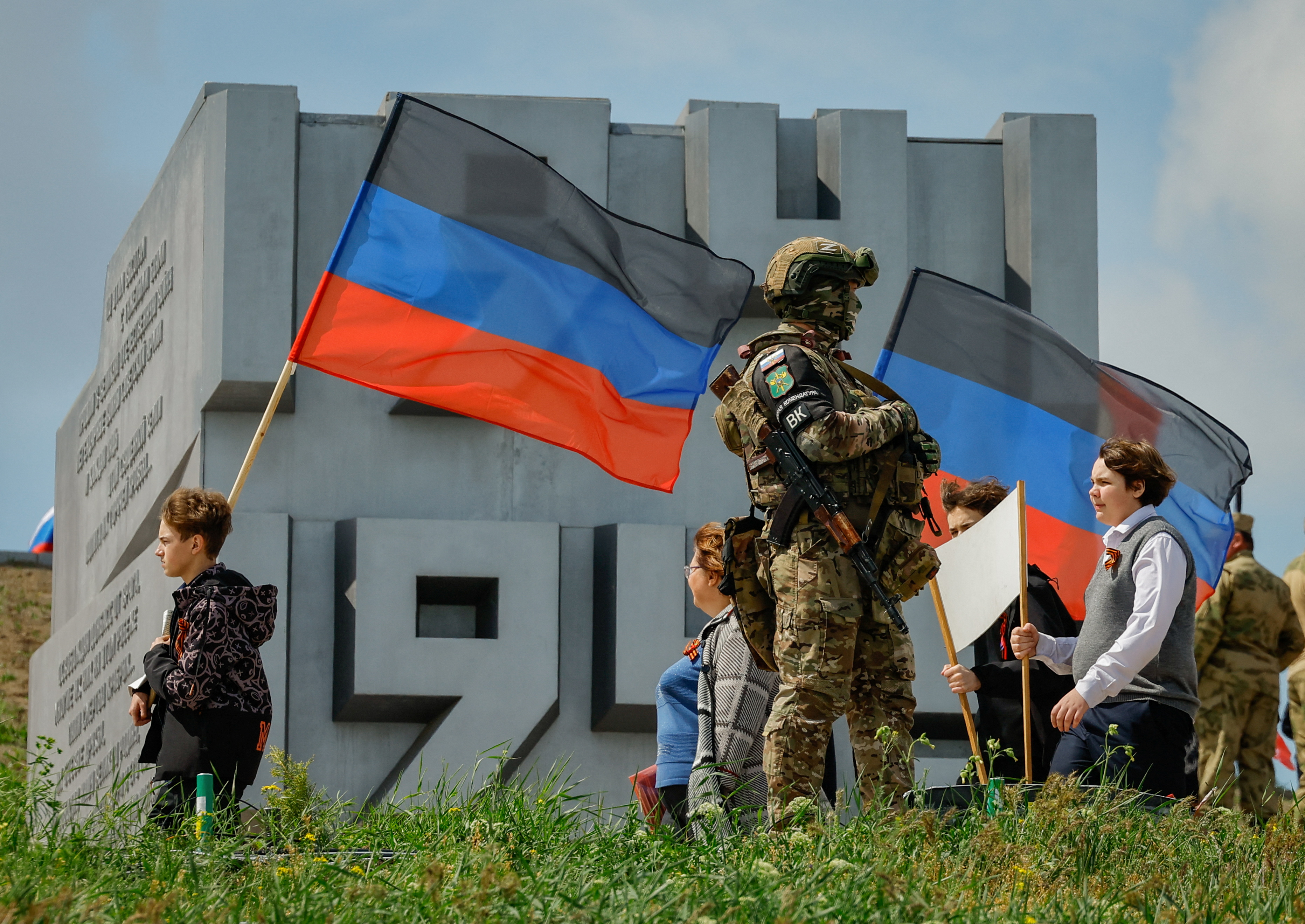
Putin’s stated end goals in this war are vague, but he clearly wants to sever Ukraine’s Western ties and pull it into the Kremlin’s orbit, CFR Russia expert Thomas Graham said. The broader context of this, he explained, derives from Putin’s “one people” perspective: to collapse the historical evidence and rewrite it to make annexation easier. The two nations have an intertwined storyline, Graham acknowledged, with parts of Ukraine falling inside various iterations of Russian political borders over time, “but Ukrainian is a distinct language, and its culture has developed in different ways… they do have a different history,” he said.
For Ukraine, maintaining these differences could determine its postwar recovery. The country might “need drones to win this war, but we need culture to survive it,” Ławrowska said.
The Outlook for Peace
Some world leaders, including U.S. President Donald Trump and Vice President JD Vance, have suggested that to achieve peace between Russia and Ukraine, Ukrainian President Volodymyr Zelenskyy has to accept ceding territory even though Russia’s invasion violates international law. Boot, meanwhile, notes that many experts agree that attacks on cultural sites and systems amount to cultural genocide.
Zelenskyy, for his part, has made clear that the territory seized by Russia should not be seen as a bargaining chip. “It’s not only the law. People live there, three hundred thousand people,” he said. “We can’t lose those people.”
In any case, many experts argue that such a concession is unlikely and that it would not be a road to lasting peace.
“Ukraine will never recognize Russian sovereignty over its territory, and I hope that the international community will not either,” Boot said. “The only acceptable [immediate] peace settlement would be a ceasefire in place where the frontlines remain static and Russia does not get what Putin is demanding, which is more territory than it’s actually conquered.”
Analysts from the Institute for the Study of War estimated that it would take Russian forces until at least 2027, if not 2028, to conquer the rest of Donetsk—if they are able to maintain their current rate of advance, which appears dubious. Yet the war grinds on as Putin appears to believe “the reports that he’s hearing that Russia is supposedly on the verge of major victories in Donbas,” Boot said.
Total estimates to rebuild Ukraine reach $588 billion, with cultural institutions making up at least $9 billion of that. An assessment completed jointly by the World Bank, the Ukrainian government, the European Union, and the United Nations estimates [PDF] that the war has caused $4.5 billion in damage to the culture and tourism sector, as well as $31.9 billion in economic loss.
But physical and financial reconstruction are not the only factors shaping Ukraine’s postwar future—the fight to preserve its cultural identity will also be critical. In that sense, Boot suggests, Putin’s war may ultimately backfire by fueling Ukrainians’ resolve rather than weakening it. “When Ukraine emerges intact, as I am confident it will, it will have a very strong independent identity, completely separate from Russia,” he said.
Olha Soshnikova, director of the Kharkiv Historical Museum, had a head start in helping to preserve Ukrainian culture for future generations. In 2014, Soshnykova and her team began digitizing their archives. When war erupted, they braved shelling to remove exhibition items from displays. “We had to wrap fragile items like ceramics in old newspapers,” she explained. “Five of us, with flashlights in hand, carried twelve thousand items to the basement over ten days.”
Soshnykova and her staff are by no means the only ones who have raced to preserve Ukraine’s cultural treasures. There are 156 Ukrainian museums that work with OBMIN, the Poland-based organization that Ławrowska founded, and it has a memorandum of understanding with Ukraine’s Ministry of Culture to support cultural diplomacy for their efforts to work with national museums.
Meanwhile, work at several other museums on the frontlines has gone underground or online to ensure it remains accessible regardless of their physical state. Some establishments are working to restore what’s left of damaged sites. Others keep creating through underground performances and new pieces documenting what life is like now, and institutions such as the Kyiv Independent work to maintain Ukrainian voices through their journalism school.
It was as if “initial horror turned into a systemic vision of how we can be useful,” Oksana Chervonenko, deputy director at Ukraine’s National Museum of Natural History, another OBMIN partner, said of the galvanizing power of the war to spur preservation efforts.
At the government and international levels, support for cultural preservation is streaming in. Ukraine began working with INTERPOL to track down its looted art earlier this year. The Ministry of Culture also established the Ukraine Cultural Heritage Fund, which works to increase the funds and support needed for reconstruction. Ukraine’s Public Prosecution Service has appointed three prosecutors to focus solely on cultural crimes during the war. UNESCO helped pair Ukrainian conservators with U.S. and European counterparts to preserve artifacts and is also helping to strengthen Ukraine’s systems for damage monitoring, emergency conservation, digitization, and postwar reconstruction planning.
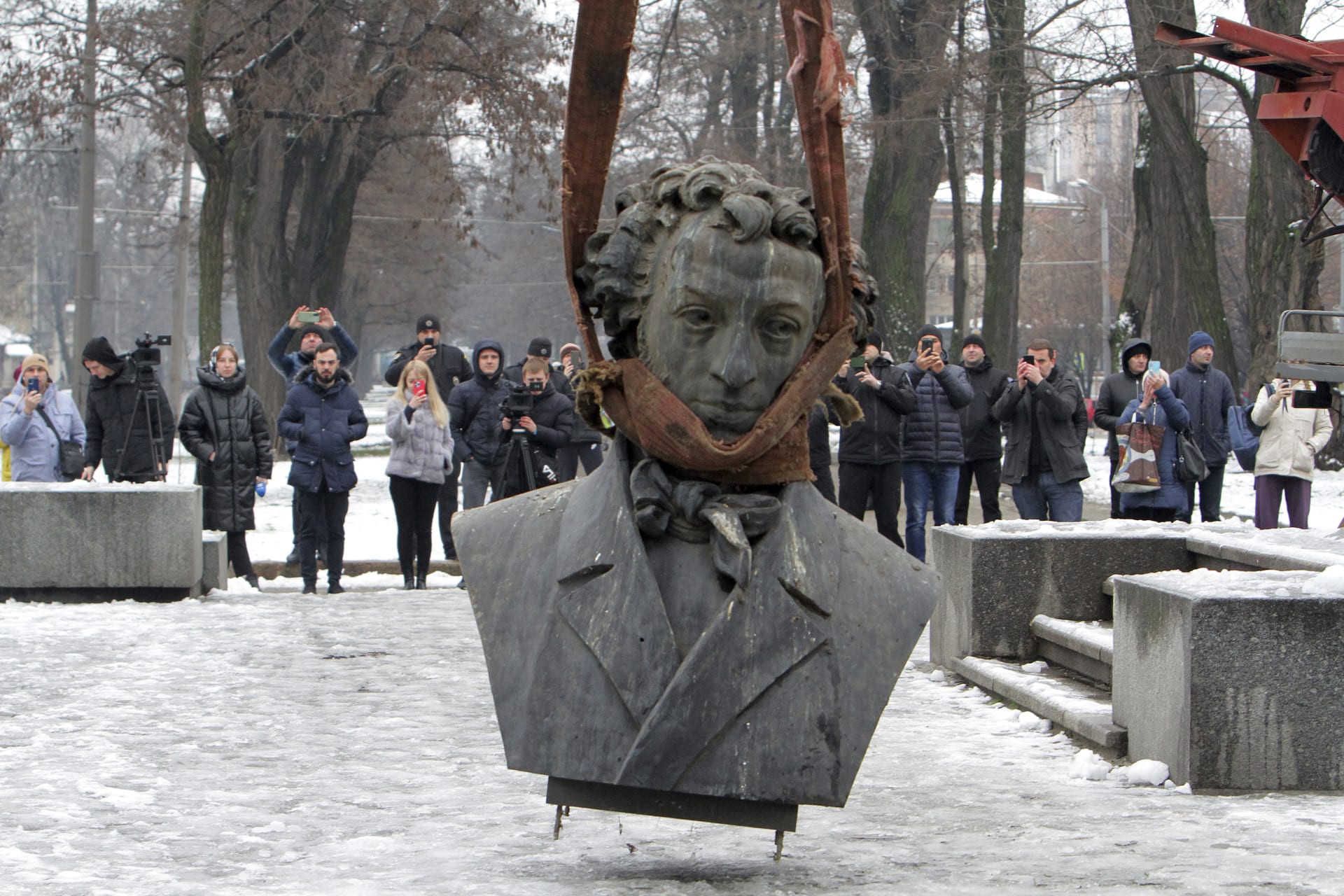
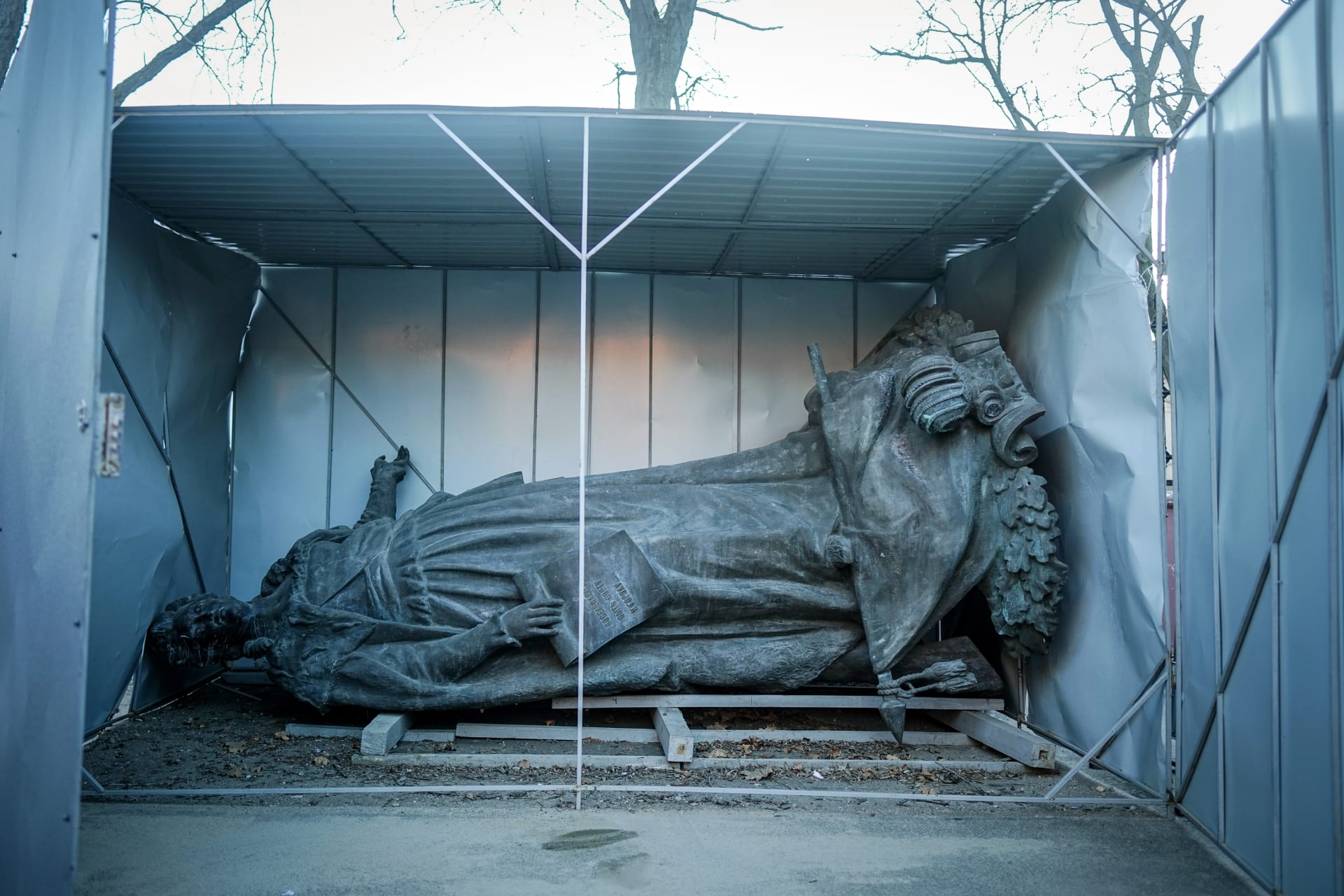
Even after the last Russian troops leave, there will be a long process of “cognitive de-occupation,” as Doroshenko describes it—countering disinformation campaigns, restoring Ukrainian narratives in exhibits, and other efforts to reconnect communities with their heritage. The efforts will also focus on strengthening cultural resilience across the country, even in places where Ukraine has retained control.
Graham noted that the Russification of occupied territories has sparked an opposite scene in Ukrainian-controlled territory: streets named after Russian historical figures such as Catherine the Great are being painted over with Ukrainian ones, while Dostoevsky and other Russian authors have been plucked from library shelves.
For a country fighting a challenge to its very identity, everything, even once-mundane things such as street names, has become fiercely symbolic. Meanwhile, at museums, theaters, and schools, there’s even “more cultural life and events than before the war,” Ławrowska said. “It’s very Ukrainian.”
Colophon
Staff Writers
Additional Contributions
Sabine Baumgartner, Senior Photo Editor
Austin Steinhart, Data Visuals Editor
Phil McCausland, Editorial Director, News
Jason Miks, Deputy Editor, News
Diana Roy, Senior Editor
Asher Ross, Lead Content Strategist
Additional Photo Credits
In the introduction, the photo of firefighters working to extinguish a fire at the Dormition Cathedral of the Kyiv Pechersk in June 2026 is from Valentyn Ogirenko/Reuters, the photo of Ranok Publishing House’s destroyed book warehouse in Kharkiv in August 2026 is from Viacheslav Madiievskyi/Ukrinform/Future Publishing via Getty Images, and the photo of the inside of the Dormition Cathedral of the Kyiv Pechersk Lavra in June 2026 is from Marianna Kotyk/Ukrinform/Future Publishing via Getty Images.