Soviet Tactical Nuclear Weapons in Cuba—Cuban Missile Crisis, a Coda
An admission thirty years after the fact revealed that President John F. Kennedy came closer to nuclear war in October 1962 than he and his advisors imagined because they failed to ask what they did not know.
By experts and staff
- Published
 James M. LindsayCFR ExpertMary and David Boies Distinguished Senior Fellow in U.S. Foreign Policy
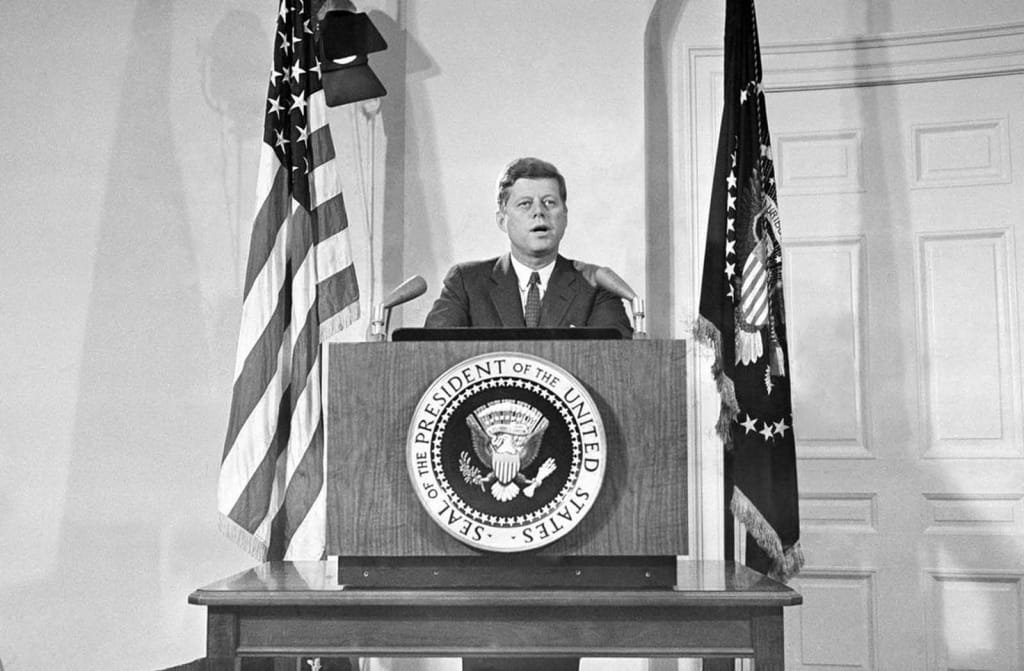
Washington, Moscow, and the world breathed a sigh of relief on Monday, October 29, 1962. The day before, President John F. Kennedy and Soviet Premier Nikita Khrushchev had struck a deal to end the Cuban Missile Crisis. Their public agreement took several weeks to implement, and their secret one took six months. But the crisis came with a plot twist that the world would learn about only thirty years later.
Inspections and Compliance
The agreement that Kennedy and Khrushchev struck called for United Nations inspectors to monitor the removal of Soviet bombers and medium-range missiles from Cuba. Khrushchev, however, had made the deal behind Fidel Castro’s back, and the Cuban leader refused to allow inspectors into the country. He eventually agreed to allow the Red Cross to send inspectors to search ships bound for Cuba for forbidden weapons, but international access to the island remained off limits.
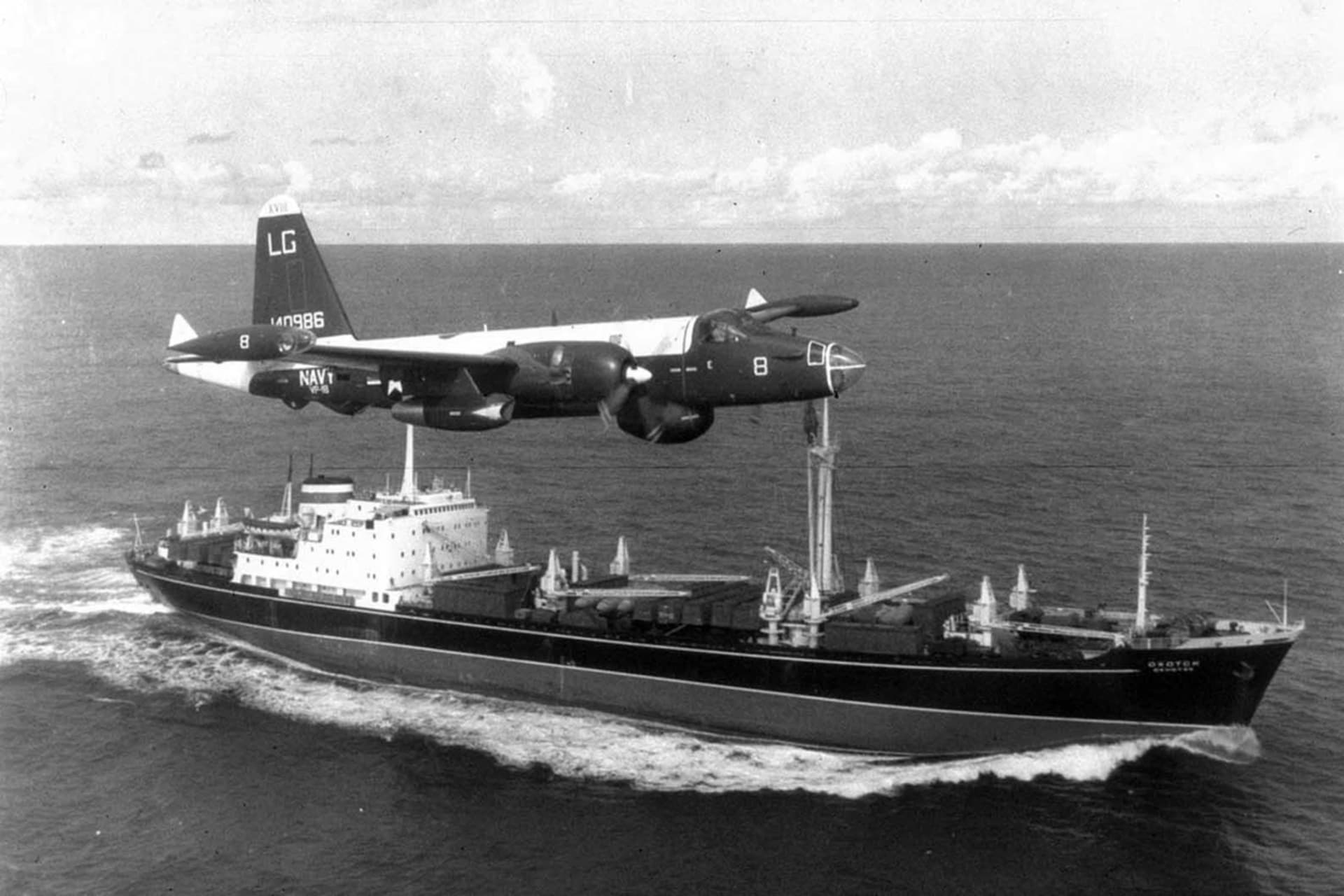
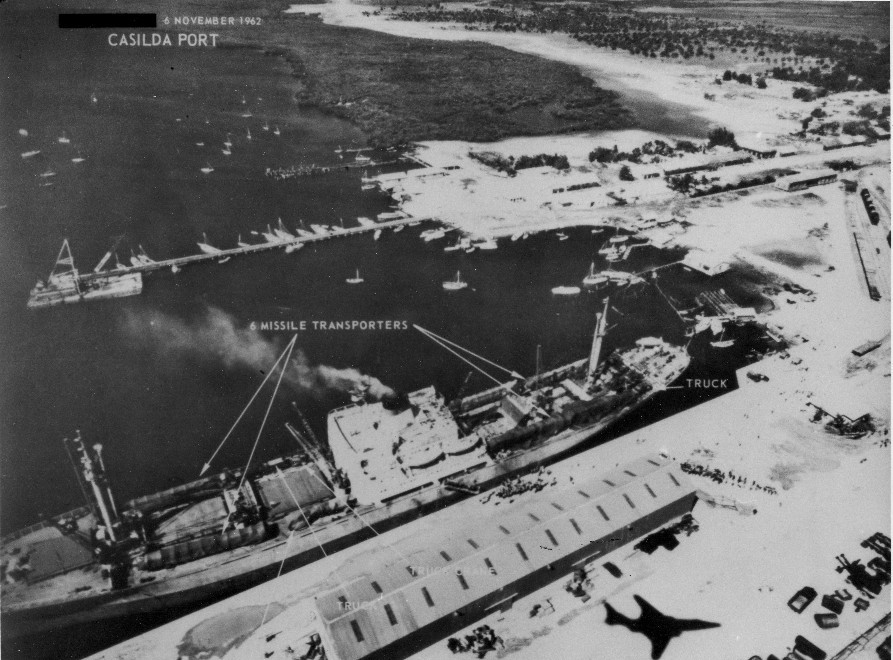
Castro’s defiance forced the United States to rely on air and sea surveillance of Soviet ships entering and leaving Cuban waters rather than on United Nations inspectors to verify Soviet compliance with the October 28 deal. By the third week of November, the Kennedy administration was convinced that Moscow had fulfilled the terms of their agreement. The quarantine of Cuba formally ended at 6:45 p.m. Washington time on November 20.
The Unknown Unknown
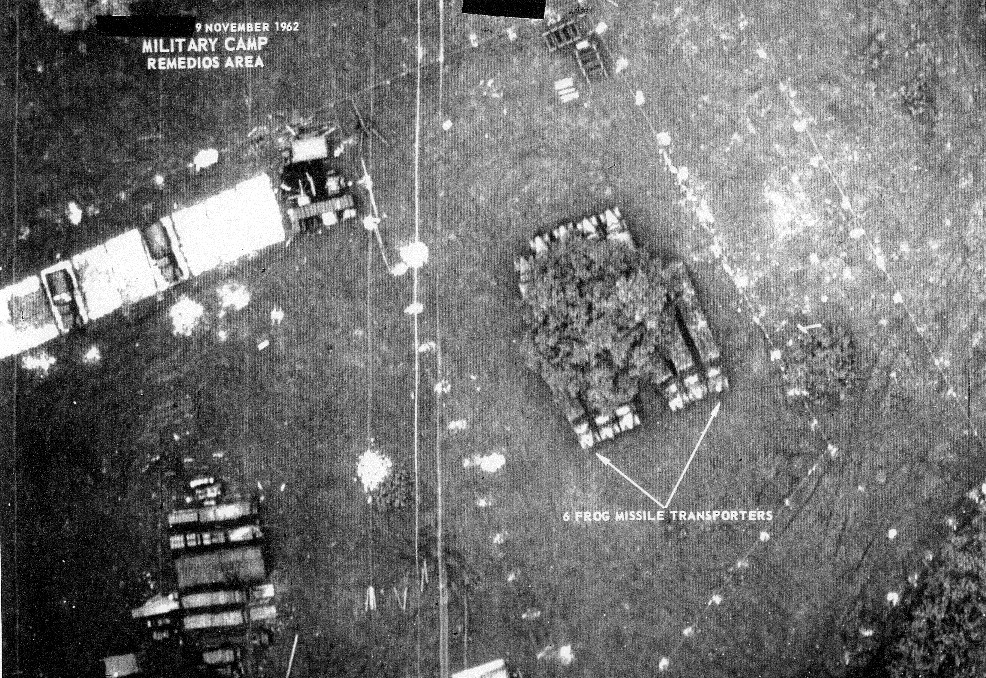
What the Kennedy administration did not know in October 1962 was that the removal of the medium-range SS-4 and SS-5 missiles from Cuba did not mean that all Soviet nuclear weapons had left the island. Remaining behind were nearly one hundred short-range tactical nuclear weapons.
The White House had demanded throughout the crisis that the Soviet Union remove its offensive weapons, which both sides understood to be weapons that could reach the United States. Kennedy had not demanded that the Soviets remove all nuclear weapons from Cuba. The ExComm had not considered the possibility that short-range tactical weapons might be in Cuba, and U.S. reconnaissance flights had not detected their presence. Major Rudolph Anderson might have discovered them during his U-2 surveillance mission on October 27 had his plane not been shot down.
Closing a Loophole
Because the United States had not demanded the removal of all nuclear weapons from Cuba and the Soviet Union had not pledged to do so, Khrushchev initially decided to leave the tactical nuclear weapons in Cuba. Doing so would assuage some of Castro’s bitterness over the deal Khrushchev had made with Kennedy. Under the terms of an oral agreement that Moscow and Havana had struck several months earlier, control of those weapons would be handed over to the Cuban government.
Khrushchev dispatched one of his closest allies, Soviet Deputy Prime Minister Anastas Mikoyan, to Havana to soothe Castro’s anger and to ensure that he did not derail the implementation of Moscow’s deal with Washington. Mikoyan, who had argued against deploying missiles to Cuba and to giving the Cubans operational control of tactical nuclear weapons, conducted his three-week mission even though his wife of four decades died shortly after he arrived in Havana.
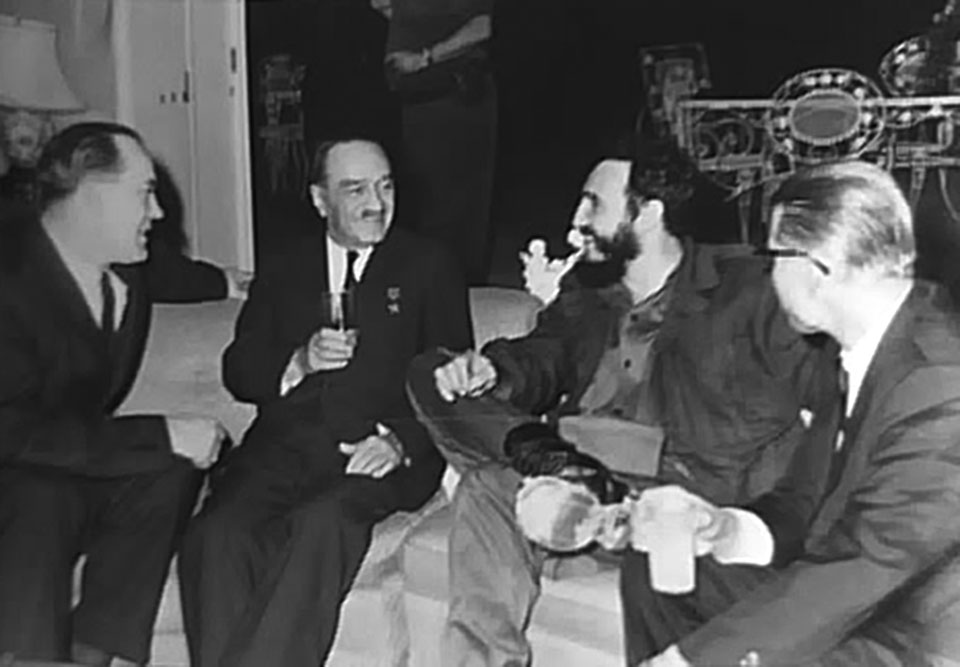
Mikoyan quickly became alarmed by Castro’s hostility toward the United States and worried that Moscow would not be able to control its client. Castro’s fears of a U.S. invasion or subversion could lead him to use the tactical nuclear weapons against the United States, potentially drawing the Soviet Union into a nuclear war it did not want. Even if Castro only announced that Cuba possessed tactical nuclear weapons, Moscow would find itself back in a nuclear showdown with Washington. That crisis would be even harder to defuse because the U.S. officials would be convinced that Khrushchev had deceived Kennedy.
Faced with what he judged to be an unacceptable risk to Soviet interests, Mikoyan decided on his own initiative that control of the tactical weapons would not be transferred to Cuba. He informed Castro on November 22 that the deal was off because it violated (an invented) Soviet law on transferring weapons. The tactical nuclear weapons left Cuba on December 1.
A Catastrophe Avoided
The presence of the tactical nuclear weapons in Cuba was significant. If Kennedy had acted on his advisors’ initial advice to launch air strikes on the Soviet missile sites, the Soviets would likely have retaliated with a nuclear strike against the U.S. military base at Guantánamo Bay. The Soviet commanders on the island did not need permission or launch codes from Moscow to fire their weapons if they came under attack. And if the United States had launched a ground invasion of Cuba, U.S. troops would almost certainly have been wiped out by tactical nuclear weapons. A full-scale nuclear exchange between the United States and the Soviet Union might have followed.
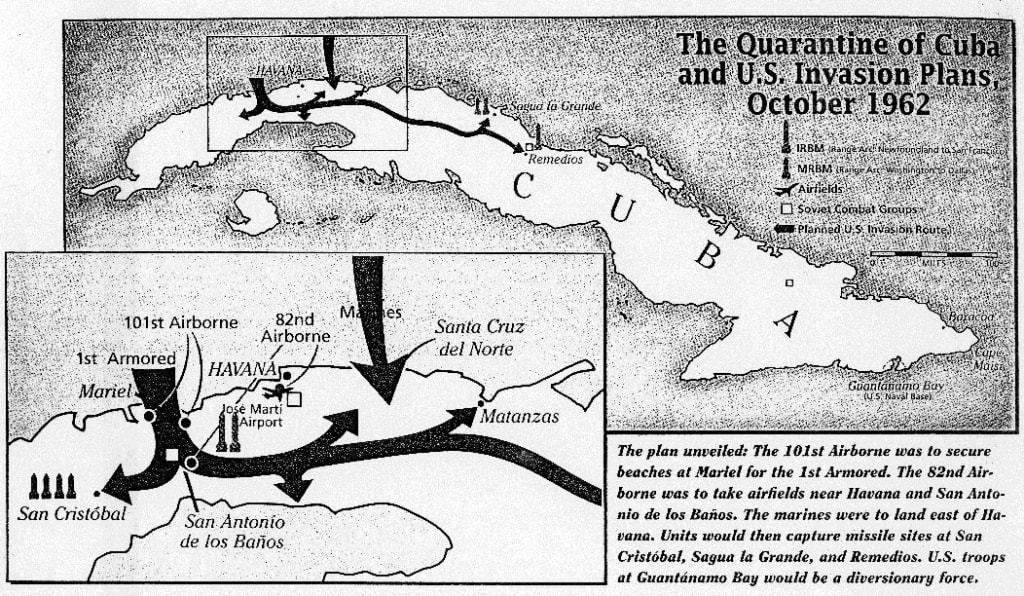
The presence of Soviet tactical nuclear weapons in Cuba during the missile crisis remained a secret for three decades. A Soviet general revealed their existence at a conference in Havana in 1992 marking the thirtieth anniversary of the crisis.
Among the conference participants was former Secretary of Defense Robert McNamara. He had believed at the time that “had Khrushchev not announced publicly on the 28th of October—a Sunday—that he was removing the missiles…that on Monday the majority of President Kennedy’s military and civilian advisers would have strongly urged air attacks, with the likelihood of a sea and land invasion.” Although McNamara doubted that Kennedy would have agreed, he could not be sure. So upon hearing the Soviet general’s admission thirty years later, McNamara “had to hold on to a table to steady himself.’’ He knew how close the world had come to Armageddon.
What about Kennedy’s secret promise to remove the U.S. Jupiter missiles from Turkey that sealed the deal on October 28? Khrushchev kept silent, and by the end of April 1963, the missiles were gone.
Oscar Berry and Jack Patton assisted in the preparation of this article.
The United States celebrates its 250th anniversary in 2026. To mark that milestone, I am resurfacing essays I have written over the years about major events in U.S. foreign policy. A version of this essay was published on October 29, 2012.
Other Posts in This Series:
- “Andrei Gromyko Tells a Lie at the United Nations,” September 21, 1962
- “Major Richard S. Heyser’s U-2 Mission Discovers Soviet Missiles in Cuba,” October 14, 1962
- “The United States Discovers Soviet Missiles in Cuba,” October 15, 1962
- “JFK Learns That Soviet Missiles Are in Cuba—The Cuban Missile Crisis, Day One,” October 16, 1962
- “John F. Kennedy Solicits Dwight D. Eisenhower’s Advice—The Cuban Missile Crisis, Day Two,” October 17, 1962
- “Soviet Foreign Minister Andrei Gromyko Lies to President John F. Kennedy—The Cuban Missile Crisis, Day Three,” October 18, 1962
- “John F. Kennedy Campaigns While the ExComm Debates—The Cuban Missile Crisis, Day Four,” October 19, 1962
- “President John F. Kennedy Fakes a Fever—The Cuban Missile Crisis, Day Five,” October 20, 1962
- “President John F. Kennedy Prepares to Tell the Nation About Soviet Missiles in Cuba—Cuban Missile Crisis, Day Six,” October 21, 1962
- “President John F. Kennedy Tells the World That Soviet Missiles Are in Cuba—Cuban Missile Crisis, Day Seven,” October 22, 1962
- “Soviet Premier Nikita Khrushchev Warns President John F. Kennedy of “Catastrophic Consequences”—Cuban Missile Crisis, Day Eight,” October 23, 1962
- “‘Eyeball to Eyeball’—Cuban Missile Crisis, Day Nine,” October 24, 1962
- “Adlai Stevenson Dresses Down the Soviet Ambassador to the UN—Cuban Missile Crisis Day Ten,” October 25, 1962
- “John Scali Has Lunch With a Soviet Spy—Cuban Missile Crisis, Day Eleven,” October 26, 1962
- “‘Black Saturday’ Threatens a Calamity as President John F. Kenndy Makes Two Offers—Cuban Missile Crisis, Day Twelve,” October 27, 1962
- “President John F. Kennedy and Soviet Premier Nikita Khrushchev Make a Deal—Cuban Missile Crisis, Day Thirteen,” October 28, 1962
This work represents the views solely of the author(s). The Council on Foreign Relations is an independent, nonpartisan membership organization, think tank, and publisher, and takes no institutional positions on matters of policy.