Hegseth’s Unmaking of the U.S. Military
Firing admirals and generals, blocking promotions, and gutting DEI programs will hurt recruitment and retention while politicizing the armed services.
By experts and staff
- Published
 James M. LindsayCFR ExpertMary and David Boies Distinguished Senior Fellow in U.S. Foreign Policy
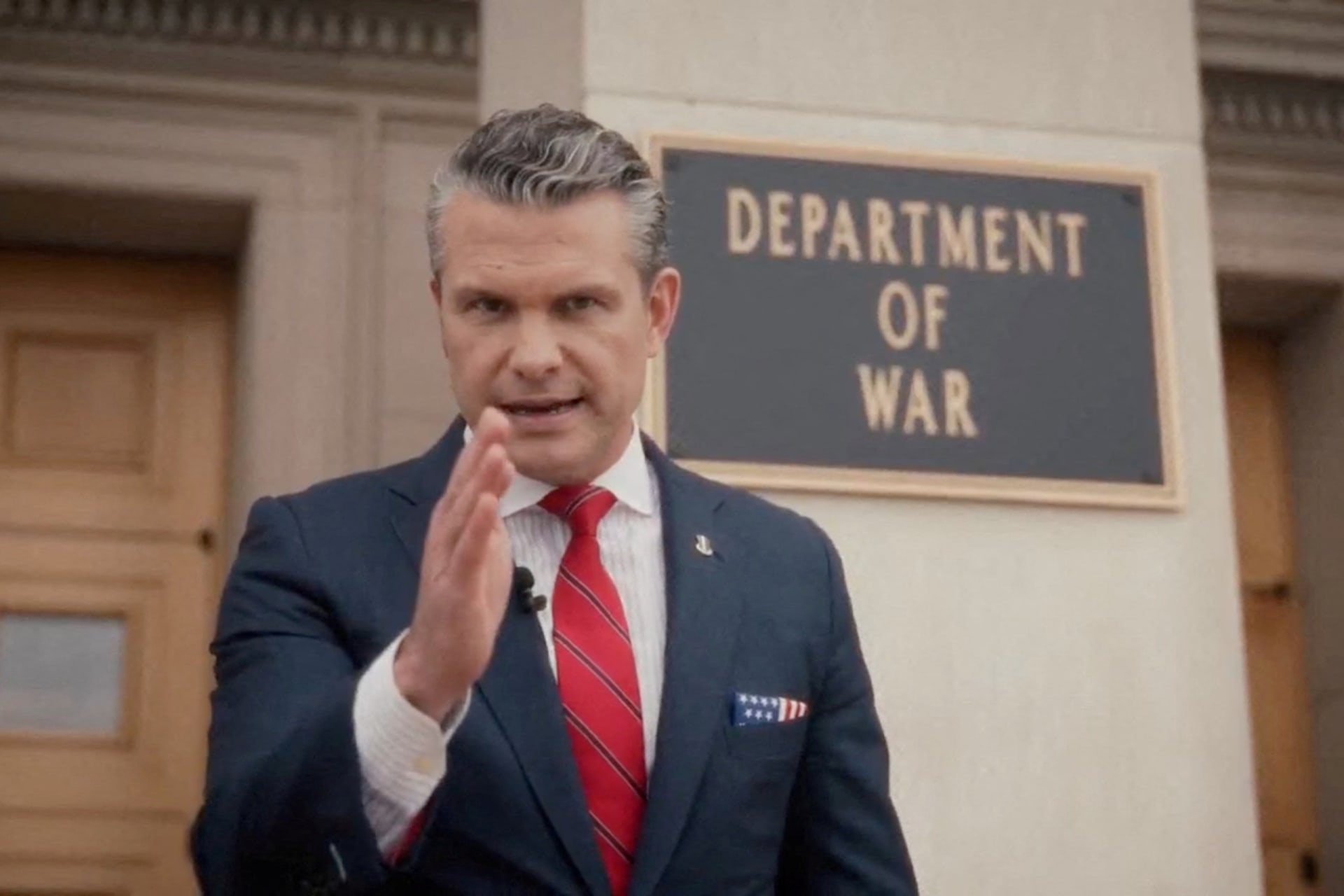
Secretary of Defense Pete Hegseth’s efforts to remake the U.S. military—and the turnover that has followed—have no parallel in U.S. history.
Beyond sacking a range of four stars, Hegseth has blocked or delayed the promotions of eighty or more senior and flag officers. More than half of the officers affected are women or Black. He has also sought to end all diversity, equity, and inclusion (DEI) programs in the military, saying that the phrase “diversity is our strength” is the “single dumbest phrase in military history.”
Five former secretaries of defense have written to Congress to express “deep alarm” at Hegseth’s efforts. My colleague Linda Robinson recently wrote a CFR report calling Hegseth’s moves a “war on military talent,” and arguing that he is driving highly talented individuals to leave their service early or perhaps never join at all.
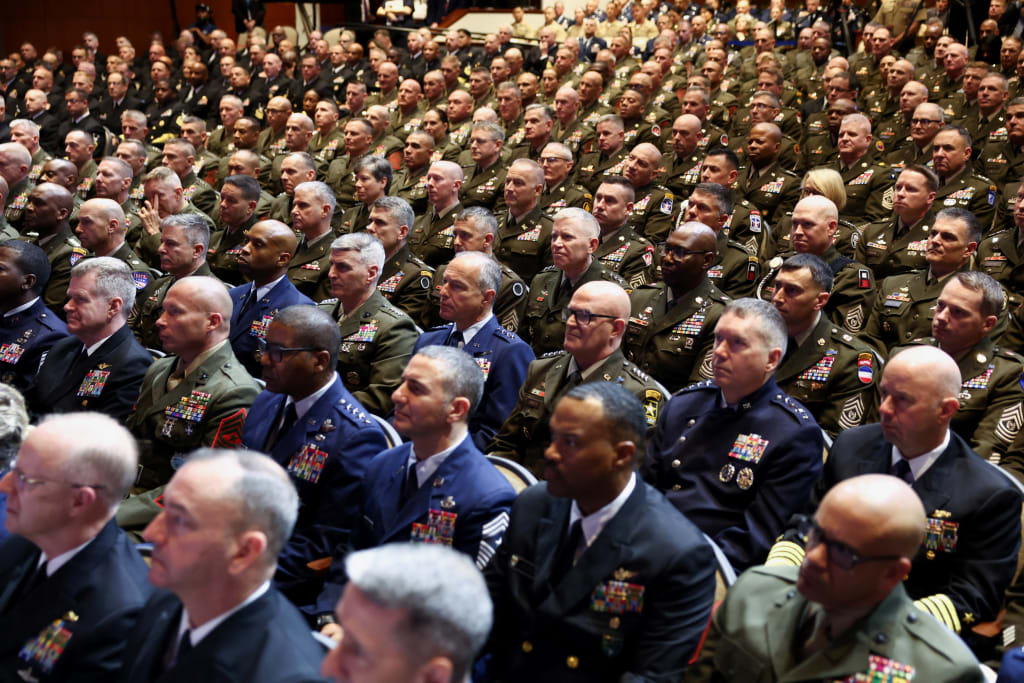
These are serious concerns. The resolution introduced this week to impeach Hegseth, which the House narrowly rejected, did not address Hegseth’s efforts to remake the U.S. military. It is still worth assessing the impact of his personnel decisions. Although the services are unique in what they do, they are organizations like any other. All successful organizations rest on the ability to sustain a culture that promotes their fundamental ideals. But successful cultures are far easier to destroy than to repair.
The best way to understand the impact of Hegseth’s efforts to remake the Pentagon is to speak with people who have served at the highest levels of the U.S. military. So for Veterans Day, I recorded the latest episode of The President’s Inbox with two retired flag officers, Marine Corps Major General and former NASA administrator Charles Bolden and Rear Admiral Michael E. Smith, founder and president of National Security Leaders of America.
[Video: https://www.youtube.com/watch?v=9cqEvsJMp8o]
Here are three takeaways from my conversation with Charlie and Mike:
1. The damage being done to the U.S. military is real. Charlie described Hegseth’s changes as “doing generational damage,” while Mike said that “the secretary is doing more damage to the ethos of the military as being a nonpolitical organization than I’ve ever witnessed in my career.” Both Charlie and Mike are confident that the services can weather this storm, as they have overcome tumult in the past. However, repairing the damage will take years.
2. The assault on senior leadership and DEI programs will hurt retention and recruitment. Charlie and Mike both fear that Hegseth’s personnel decisions, his direct (and unusual) intervention in senior promotions, and his attacks on DEI programs will drive talented leaders out of the services. Both Charlie and Mike disagree with Hegseth’s attacks on diversity. Charlie was blunt: Hegseth “is dead wrong when he says that diversity destroys our organizations.” To the contrary, “diversity is critical to having a strong, knowledgeable, well-run military.” Mike added that by firing and sidelining the careers of so many Black and women officers Hegseth “is implementing the same type of political and racial and gender policies that theoretically he is challenging.” People are unlikely to join or stay in an organization that they see as hostile to them. As a demographic note, more than half of all people under the age of thirty identify with a nonwhite race or ethnic group.
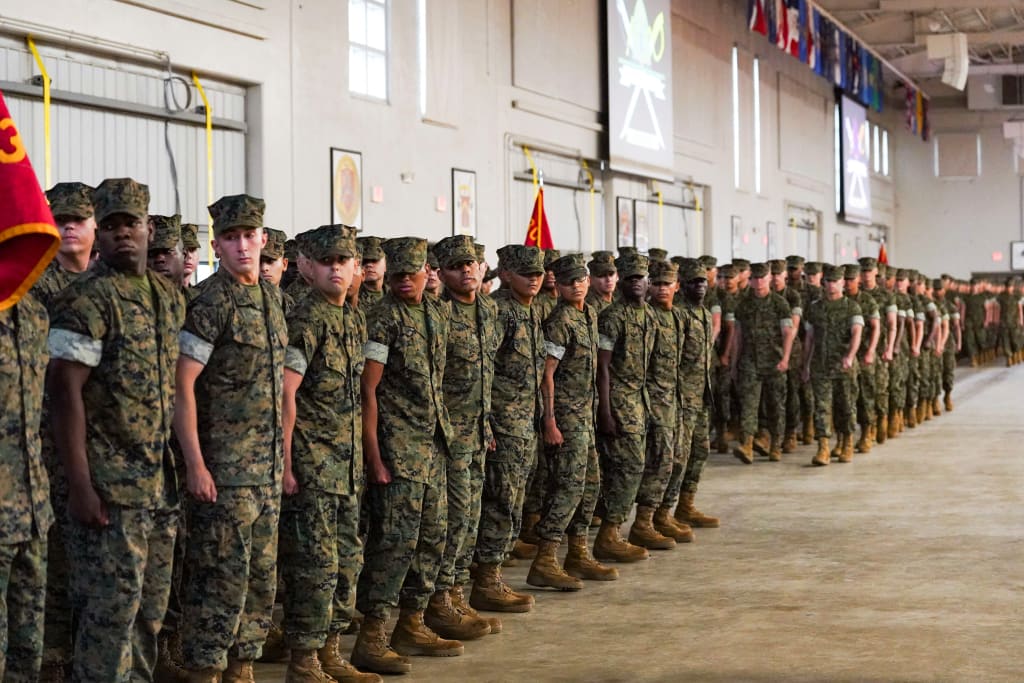
3. The U.S. military is being politicized. Charlie and Mike repeatedly stressed that members of the U.S. military take an oath of loyalty to the Constitution, not to a person, an office, or a political party. As Mike put it: “Whatever the political policies of the president, the duly elected president, you go by them. As long as it’s not an illegal order, you implement them. And if a new administration comes in, you support them. That’s the strength of the military.” Hegseth’s moves to fire or block the promotions of senior officers because they previously implemented policies he dislikes risks undermining that foundational principle. Military officers at all levels now have to worry that faithfully executing their orders today could harm their careers in the future. That is not a healthy situation.
Charlie, Mike, and I covered several other topics in our discussion. These included: lessons from their own careers in the U.S. military; the merits of Hegseth’s plan to reduce the overall numbers of flag officers; how military promotion boards work and why Hegseth’s personal intervention in them is so alarming; and why noncommissioned officers (NCOs) are the backbone of the U.S. military. I encourage you to give the episode a listen.
Oscar Berry, Asher Ross, and Justin Schuster assisted in the preparation of this article.
This work represents the views solely of the author(s). The Council on Foreign Relations is an independent, nonpartisan membership organization, think tank, and publisher, and takes no institutional positions on matters of policy.