How Carolyn Rodrigues Birkett Would Lead the United Nations: Three Interview Takeaways
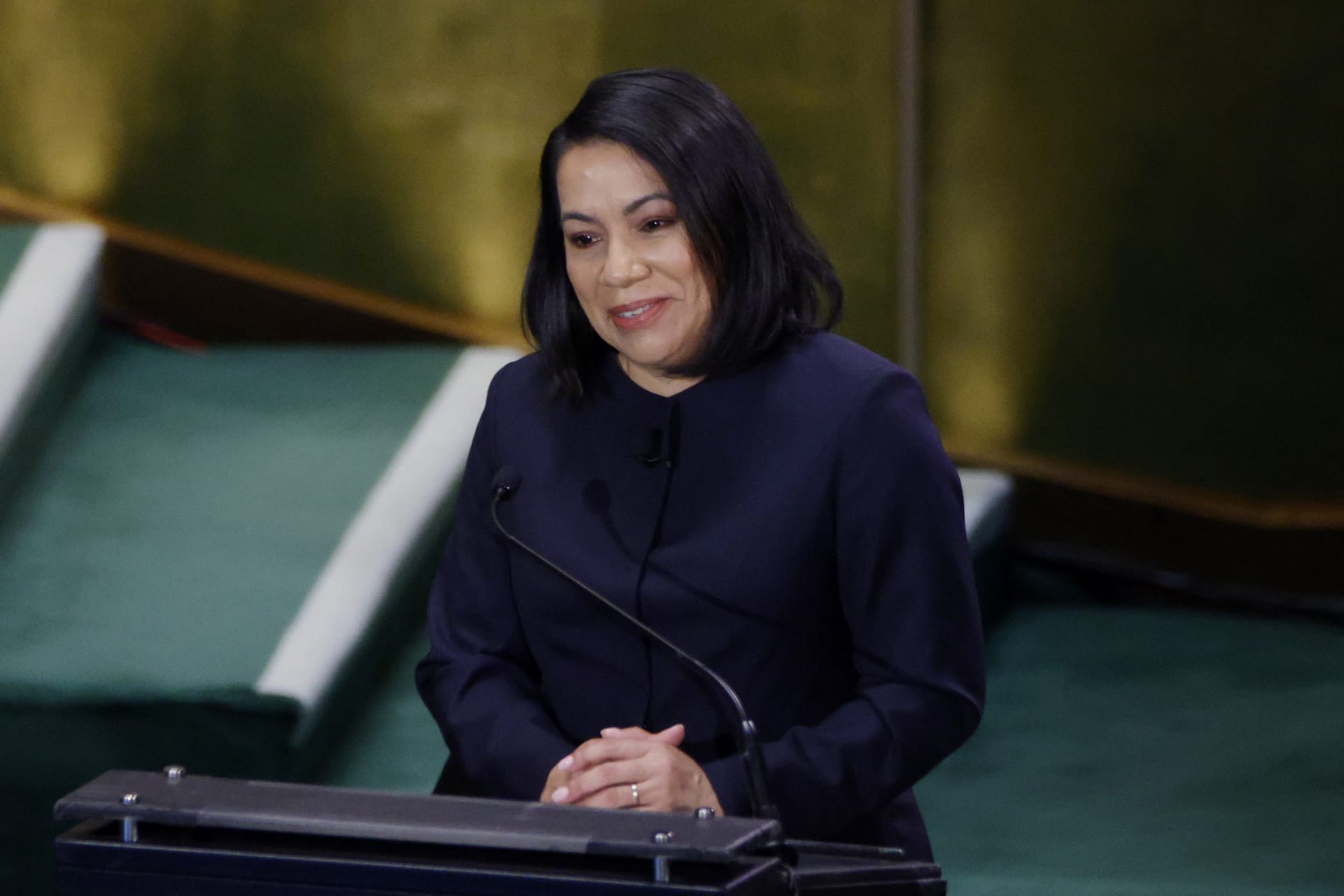
The next secretary-general of the United Nations will need to lead at a time of crises in all three pillars of the institution: peace and security, development, and human rights. In CFR’s UN Secretary-General Candidates Series, Carolyn Rodrigues Birkett explains why she is suited for this moment.
By experts and staff
- Published
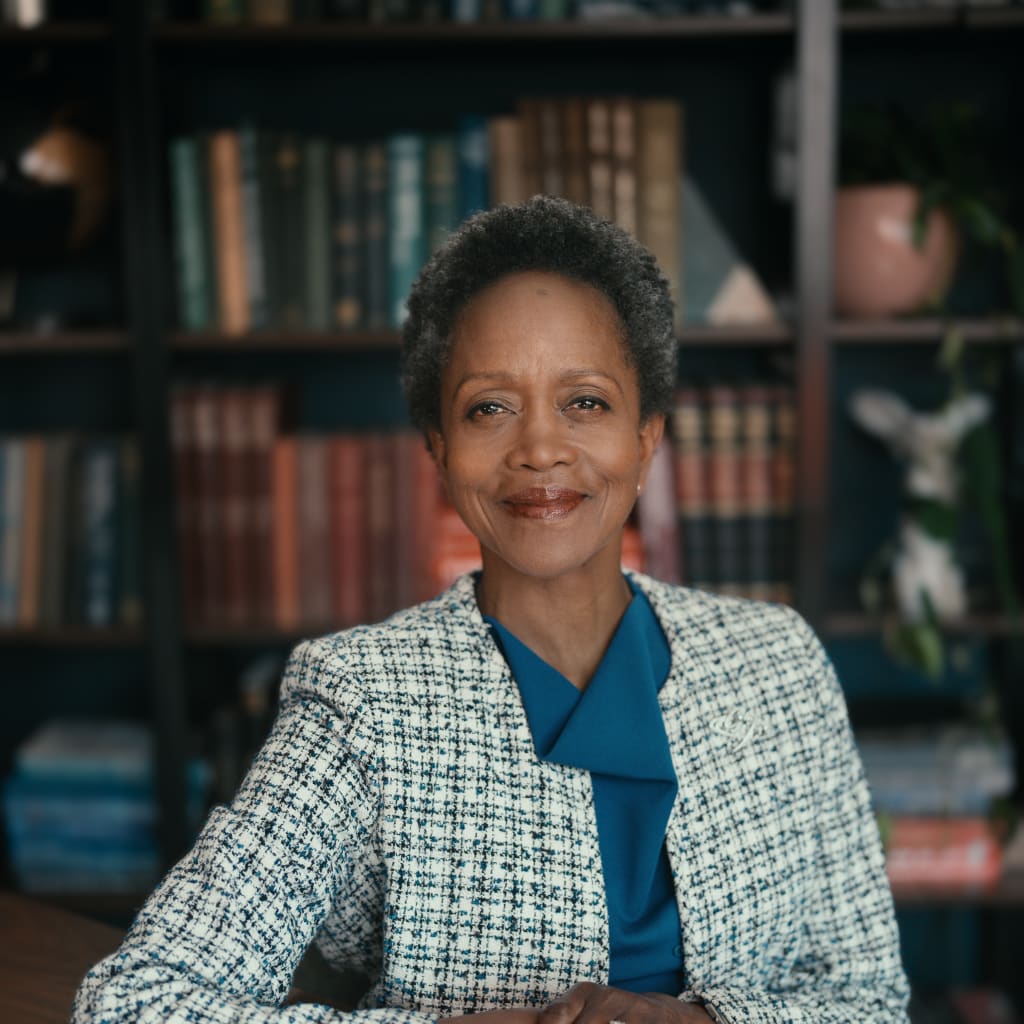 Esther BrimmerCFR ExpertJames H. Binger Senior Fellow in Global Governance
Esther Brimmer is the James H. Binger senior fellow in global governance at the Council on Foreign Relations (CFR). Alexander Sarchet is a research associate at CFR.
The United Nations needs to be reorganized and revitalized while it confronts mounting challenges to its core mission. These include the conflicts in Iran and Ukraine, the sharp drop in development assistance from wealthy nations, and an authoritarian rollback of human rights gained over decades. The person charged with leading the revival will be the next secretary-general, due to be selected this fall by the UN General Assembly, with the assent of the UN Security Council. The candidate must have the approval, or at least the acquiescence, of all five permanent Security Council members.
The Council on Foreign Relations has continued its UN Secretary-General Candidates Series by hosting an on-the-record conversation with one of the nominated candidates, Carolyn Rodrigues Birkett, who is the former permanent representative of Guyana to the United Nations and former minister of foreign affairs of Guyana. Here are the main takeaways from Rodrigues Birkett’s October 16 conversation at CFR.
[Video: https://www.youtube.com/watch?v=iFEYADzHmQk]
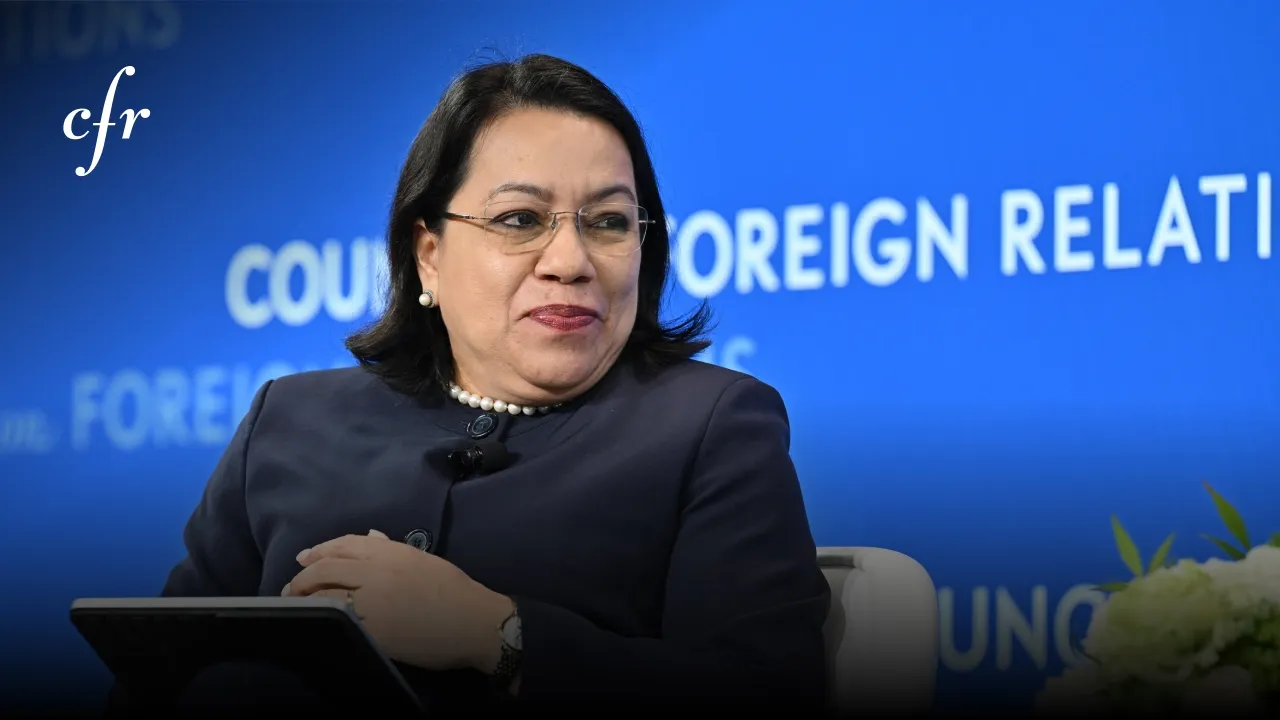
2026 UN Secretary-General Candidate Series: Carolyn Rodrigues Birkett
Aims to reduce conflict and, therefore, alleviate the need for humanitarian aid. When asked about possible results the next secretary-general could achieve, Rodrigues Birkett listed a reduction in the number of conflicts and in the number of people in need of aid. “The UN mirrors what is happening in the world today,” she said. In some places, peacekeeping has become a way of life. However, she argued, peacekeeping is not an end but a means to an end. Without citing specific crises, she explained that the secretary-general could use diplomacy and her good offices to engage opposing parties and to propose ways to resolve the disputes.
Willing to work with various international entities. Rodrigues Birkett is already familiar with the UN Security Council because she was the representative for Guyana when it served a term as a nonpermanent member from 2024 to 2025. The candidate said that she has a broad view of international society beyond the UN member states. Rodrigues Birkett noted the importance of working with nonstate actors, multinational corporations, and even private individuals with influence. When asked how the UN system and the international financial institutions could work together, she encouraged the two sides to work together to ensure a more level playing field for borrowing.
Intends to tackle institutional challenges. Citing the proliferation of conflicts and expansion of humanitarian needs, she asserted that the United Nations is at a crossroads. Both its performance and its composition need to be improved. The biggest criticism is that the United Nations is not doing enough in the peace and security arena. The number and complexity of conflicts have increased, making the work of the United Nations more difficult. For example, Rodrigues Birkett noted, the largest number of casualties in Sudan is from drones.
She also acknowledged other large issues the next UN secretary general will have to tackle. The world will not meet even half of the Sustainable Development Goals by the 2030 deadline, the United Nations faces a liquidity crisis, and there is growing criticism from smaller member states that the UN staff is not representative geographically. Coming from a small state, Rodrigues Birkett said that she understood the ripple effect of these issues. She further noted that the UN General Assembly passed a resolution changing how mandates work and are reviewed. It is up to the secretary-general to implement those mandates, she said.
Outlook. The UN Security Council has not reached a consensus on a secretary-general candidate thus far. As the results of the October 16 straw poll revealed, each of the candidates received at least two discourage votes from one of the five permanent members of the Security Council (P5). Candidates cannot be selected during the final round of voting with a veto from a P5 member, which means that the selection process is far from over. Candidates will continue to vie for support from the ultimate decision-makers. Furthermore, because no current candidate has full P5 support, one or more additional contenders could still enter the race.
This work represents the views solely of the author(s). The Council on Foreign Relations is an independent, nonpartisan membership organization, think tank, and publisher, and takes no institutional positions on matters of policy.