Iran and Terrorism: What the U.S. Strikes Could Mean for Homeland Security
The longer the war in Iran goes on, the greater the incentive for the Islamic Republic to apply all forms of asymmetric warfare, including retaliation that could affect the U.S. homeland, in hopes of coercing Trump to abandon his war aims.
By experts and staff
- Published
 Bruce HoffmanCFR ExpertShelby Cullom and Kathryn W. Davis Senior Fellow for Counterterrorism and Homeland Security
Bruce Hoffman is Shelby Cullom and Kathryn W. Davis senior fellow for counterterrorism and homeland security at the Council on Foreign Relations.
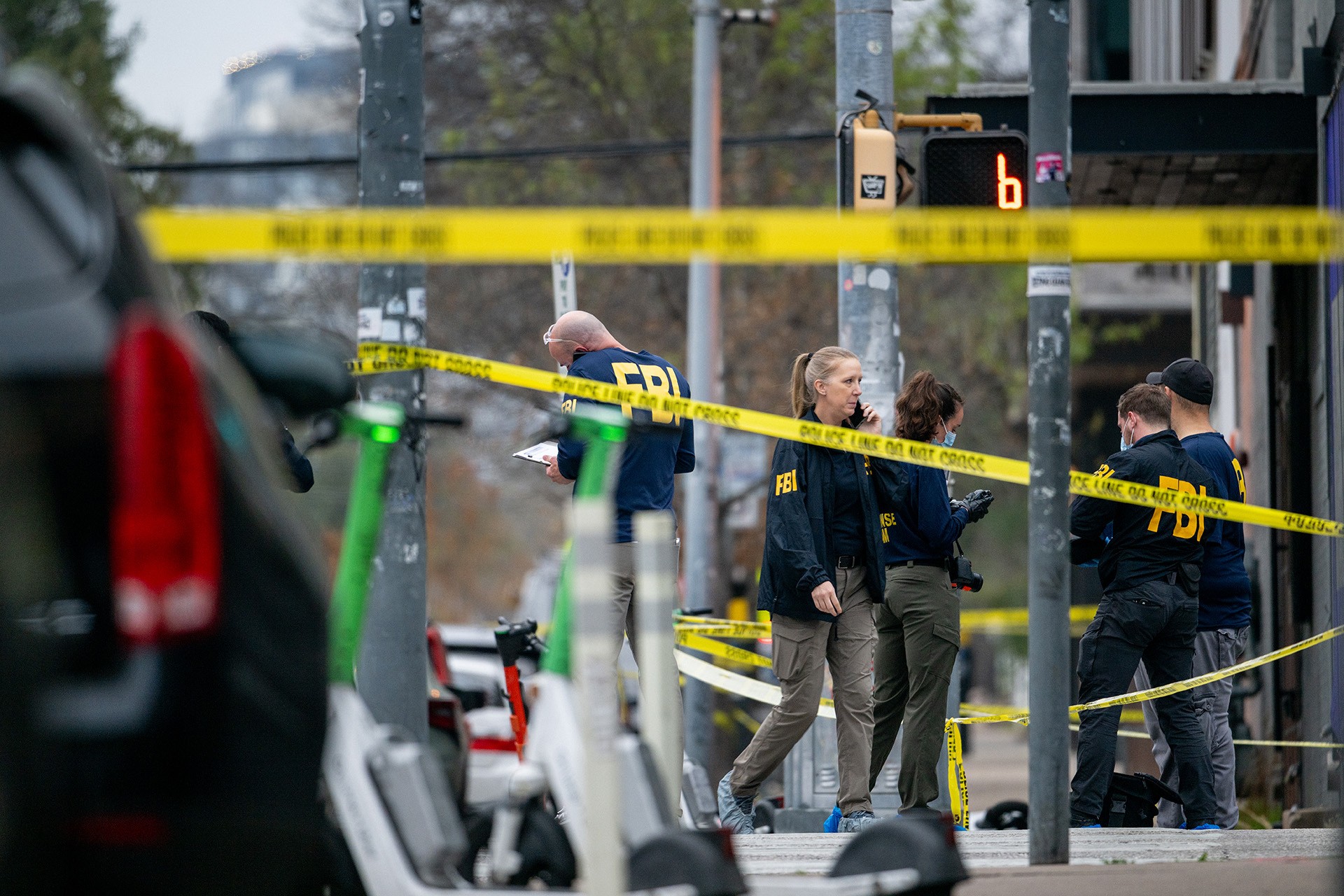
After the United States and Israel began attacking Iran on February 28, questions have arisen about the potential dangers for the U.S. homeland. The Department of Homeland Security has reportedly warned of potential lone-wolf attacks and cyberattacks in the wake of the strikes, and state and local authorities have moved to heightened alert for any retaliation on American soil. A shooting in Austin, Texas, over the weekend, in which two people were killed and fourteen wounded, is now under investigation by the FBI as a potential act of terrorism. This has further ramped up tensions and security concerns that have emerged in the United States since the strikes on Iran began.
To assess the scope of the threat and better understand Iran’s past use of terrorism and asymmetric tactics, CFR spoke with Bruce Hoffman, the council’s senior fellow for counterterrorism and homeland security. Hoffman traces Iran’s history of sponsoring attacks against the United States, explains how the current conflict could embolden new threats, and raises pointed questions about whether the U.S. government—and the Department of Homeland Security (DHS) in particular—is positioned to respond.
Iran is considered a state sponsor of terrorism. What does that mean? How has it engaged in that activity in the past?
For Iran, state-sponsorship of terrorism has been a critical instrument of its force projection and foreign policy since the founding of the Islamic Republic in 1979. The pivotal event in this long-sustained campaign was the November 1979 seizure of fifty-two American hostages at the U.S. embassy in Tehran by a group of militant Iranian “students.”
For 444 days, these so-called students—who claimed to have acted independently, without government support or encouragement—held the world’s most powerful country at bay. Throughout that protracted episode, they earned unparalleled worldwide media attention for their anti-American cause, ultimately costing an American president his reelection to office.
As events would later show, this incident was only the beginning of an increasingly serious and extensive state-sponsored terrorism campaign directed by the Iranian regime of the then Supreme Leader Ayatollah Ruhollah Khomeini against the United States as well as other Western countries. The suicide truck bombings of the U.S. embassies in Beirut and Kuwait in 1983, of the new Beirut embassy in 1984, of the U.S. Marine Corps barracks at Beirut International Airport in 1983, and of the U.S. Air Force Khobar barracks in Saudi Arabia in 1996 can all be traced back to Iran’s training and arming of local terrorists.
Has Iran perpetrated or sponsored acts of terrorism within the United States?
Iran has a long history of mounting covert operations in the United States and other Western countries to eliminate its enemies. In 1980, for instance, Ali Akbar Tabatabai, a former press attaché at the Iranian Embassy before the revolution and outspoken opponent of the Khomeini regime, was murdered in suburban Washington, DC by an Iran-connected gunman who had disguised himself as a mailman. As recently as 2011, Iran was implicated in a bomb plot to assassinate Saudi Arabia’s ambassador to the United States at a popular Washington, DC restaurant.
Iranian-backed or inspired terrorist attacks have not only continued but intensified. Tehran, for example, has repeatedly threatened President Donald Trump and the senior U.S. government officials responsible for 2020 targeted assassination of Qasem Soleimani, the commander of Iran’s Quds Force, including the secretaries of state and defense, the national security advisor, and chair of the joint chiefs of staff who were serving at the time of the operation. Trump recently justified the targeted assassination of Khamenei by saying: “I got him before he got me.”
Iran has hired private detectives under false pretenses to locate and surveil the regime’s enemies, among them journalist Masih Alinejad, whom they plotted in 2022 to abduct from her Brooklyn, New York home and transport back to Iran. Federal prosecutors indicted an Iranian intelligence officer and three accomplices on kidnapping conspiracy charges for this. In a second incident in 2024, an Iranian agent armed with a loaded AK-47 assault rifle was arrested trying to break into Alinejad’s Brooklyn house to kill her. At his sentencing earlier this year, prosecutors noted that Iran had previously paid “Russian mobsters, Mexican cartel hit men and a Canadian Hells Angel” as part of a campaign to silent dissidents.
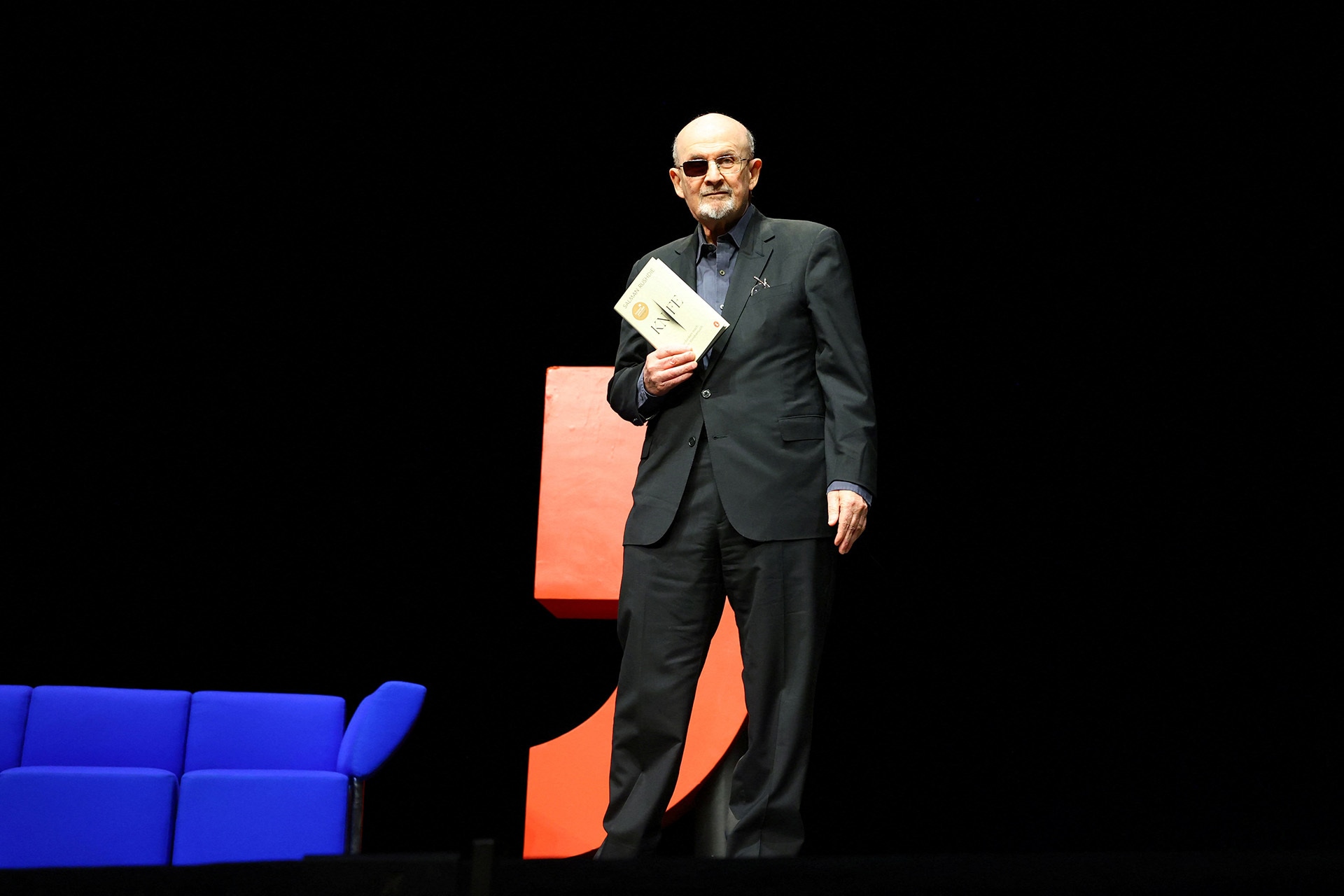
Salman Rushdie, the Indian-born British author of The Satanic Verses, is another prominent example of Iran’s efforts. Since 1989, he has lived under the fatwa (religious edict) death sentence imposed on him and his publishers for blasphemy by Khomeini. A group of Iranian clerics even offered a $2.5 million bounty to whoever fulfills the ayatollah’s decree. The book’s Japanese translator has been stabbed to death, its Norwegian publisher shot, and its Italian translator knifed, while Rushdie himself was once was forced to lead a life on the run, protected around the clock by Scotland Yard’s Special Branch. Rushdie subsequently relocated to the United States in 2000 and became a citizen in 2016. Six years later, while speaking at a literary event in upstate New York, Rushdie was repeatedly stabbed and seriously injured.
Given the recent attack on Iran and the involvement of groups like Hezbollah, what concerns should the U.S. homeland have about state-sponsored terrorism or other asymmetric retaliation efforts?
The longer this war goes on, the greater the incentive for Iran to apply all forms of asymmetric warfare in hopes of coercing Trump to abandon his war aims. Sleeper agents, lone actors inspired and motivated by Iran, cyberattacks on U.S. infrastructure, and physical attacks on critical infrastructure are all possible.
Iran and its terrorist client, Hezbollah, have long had sophisticated cyber capabilities. In May 2014, Iran’s “charming kitten” cyber operation targeted a variety of U.S. institutions and individuals, and its capabilities have likely improved since then.
How can DHS and the U.S. government guard against potential unconventional methods of escalation?
DHS was established in the aftermath of the September 11, 2001, attack as a coordinating entity to defend the United States specifically against foreign terrorist threats, such as the current one from Iran. Through its nationwide fusion centers and other initiatives, DHS should be the connective tissue between federal, state, local, and tribal authorities.
But Trump’s second administration has directed DHS to focus more on illegal immigration operations than on counterterrorism. This shift in resourcing has introduced a key question about the agency’s ability to fulfill its counterterrorism role at this time of unexpected crisis. Moreover, the expertise, knowledge, and institutional memory assembled on counterterrorism and homeland security over the past twenty-five years in DHS—and in the FBI and U.S. Intelligence Community—could have been lost in recent workforce cuts.
The process led by the Department of Government Efficiency, better known as DOGE, last year led to the deliberate dismissals of longtime civil servants who boasted immense knowledge and professional experience in many instances. Several federal law enforcement agencies have made further cuts as well. Just days before Operation Epic Fury commenced, for example, members of the FBI’s specialized counterintelligence unit that monitored threats from Iran were reportedly fired for having been assigned to work on the 2022 investigation of Trump’s alleged possession of classified materials at his Mar-a-Largo estate.
Should DHS funnel greater resources to address counterterrorism due to the Iran strikes?
Yes. The United States is in an unprecedented dangerous situation when the Iranian regime’s desire to retaliate for the war and the killing of Khamenei could surface now or at any time in the future. For the regime, revenge has always been a dish best served cold. For example, Iran initially struck back after Israel assassinated Hezbollah leader Abbas al-Musawi in 1992 by bombing the Israeli embassy in Buenos Aires. It then staged another attack in that city over two years later: targeting a Jewish community center, killing eighty-five people and wounding over three hundred others.
Such forthcoming high visibility events this summer—including the World Cup soccer games and the celebrations surrounding the 250th anniversary of U.S. independence—could provide Iran with ideal opportunities to simultaneously exact revenge and embarrass the United States. But these past months, DHS’s budget and attention have been focused on immigration and not necessarily counterterrorism. One suspected example of how this shift of prioritization from counterterrorism has affected U.S. response capabilities can be seen in the surprising absence of a National Terrorist Advisory System (NTAS) alert since the start of this conflict. DHS published a NTAS bulletin on the same day the Trump administration struck Iran’s nuclear facilities in June last year, warning of a “heightened threat environment” in the United States, but it has remained unchanged.
Given DHS’s role in keeping the homeland safe from myriad threats, Americans deserve to be confident that the agency is well prepared, fully staffed, and has the resources to counter potential threats from Iran and its minions.
This work represents the views and opinions solely of the author. The Council on Foreign Relations is an independent, nonpartisan membership organization, think tank, and publisher, and takes no institutional positions on matters of policy.