Nikita Khrushchev’s 1959 Visit to the United States
The Soviet leader’s twelve-day trip created a media sensation but did not lower tensions in superpower relations.
By experts and staff
- Published
 James M. LindsayCFR ExpertMary and David Boies Distinguished Senior Fellow in U.S. Foreign Policy
Xi Jinping is set to meet President Donald Trump at the White House in nine days. It will be the Chinese leader’s first trip to Washington, DC, in eleven years. DC residents can expect travel disruptions as motorcades cut through the city and the Secret Service closes streets around the White House. But barring something unusual, most Americans will barely notice the trip. Xi is not expected to stay more than a day in Washington, and his meeting with Trump is unlikely to produce any major agreements or settle any major disagreements between the two superpowers.
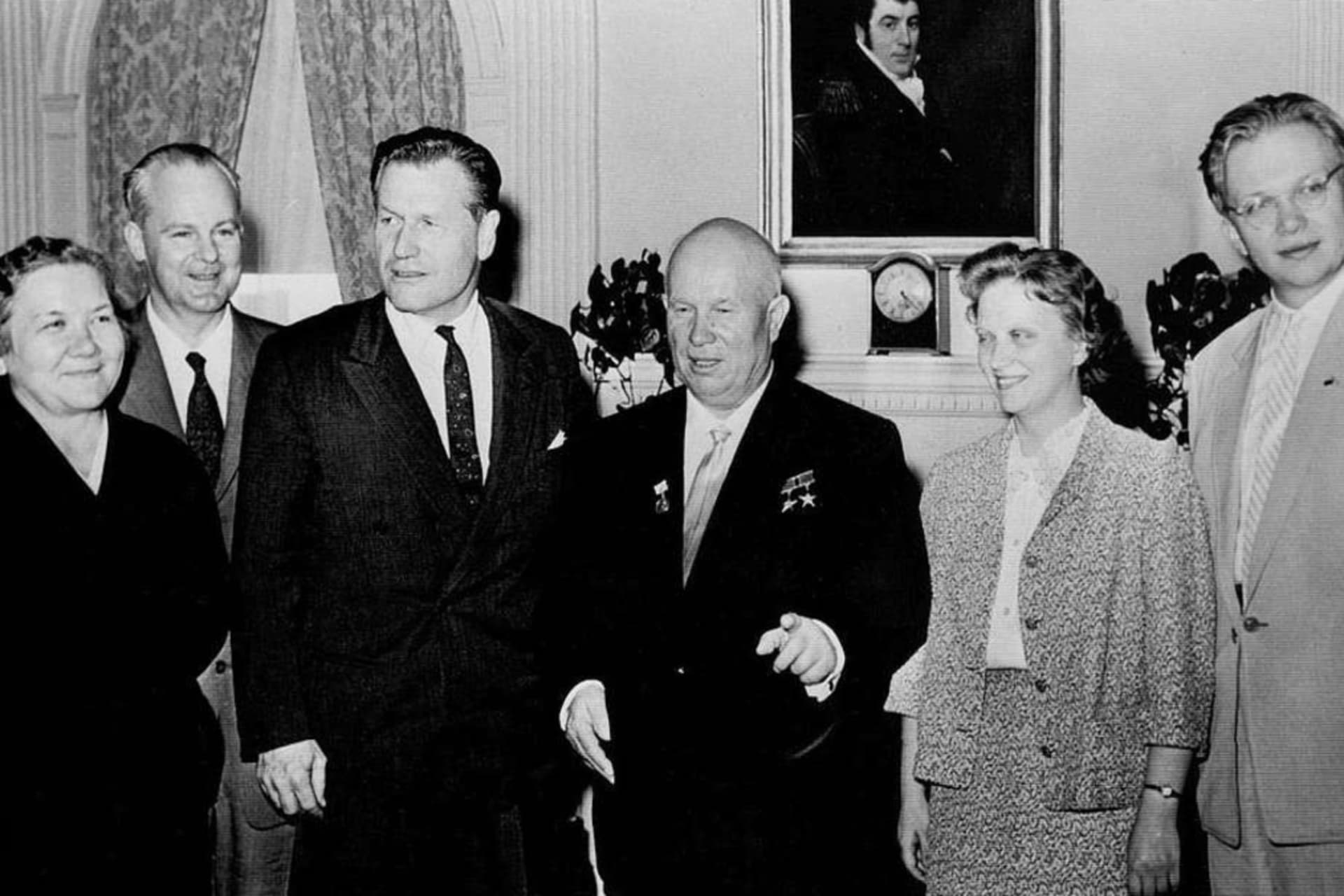
The lack of buzz surrounding Xi’s trip to Washington is a far cry from what greeted the first visit by a Communist leader to the United States. On September 15, 1959, Soviet Premier Nikita Khrushchev stepped off a plane at what was then Andrews Air Force Base in Maryland for a twelve-day visit. He subsequently crisscrossed the United States, stopping in California, Iowa, New York, and Pennsylvania, before concluding his trip with a final meeting in the White House. The trip dominated headlines across the country as Americans seemingly could not hear or read enough about the man who led America’s rival superpower. But much like the probable outcome of Xi’s upcoming visit, Khrushchev’s trip did little to defuse superpower tensions.
An Accidental Invitation
Khrushchev’s visit was the result of an error. President Dwight D. Eisenhower had intended his invitation for the Soviet premier to visit the United States to be conditional: Khrushchev was welcome to come provided the two countries settled their differences over West Berlin. But the formal invitation letter that went to Moscow inadvertently omitted that condition. Khrushchev immediately said yes to the invite. Eisenhower honored it.
The merits of letting the Soviet leader visit the United States were hotly debated. Tensions between the United States and the Soviet Union were high in 1959. Three years earlier, Soviet troops had crushed an anti-communist uprising in Hungary. A month later, Khrushchev had used a meeting with Western ambassadors and diplomats at the Polish embassy in Moscow to declare: “We will bury you!” In October 1957, the Soviet Union launched Sputnik, becoming the first country to send a satellite into space and prompting many Americans to fear that the United States was falling behind the Soviet Union.
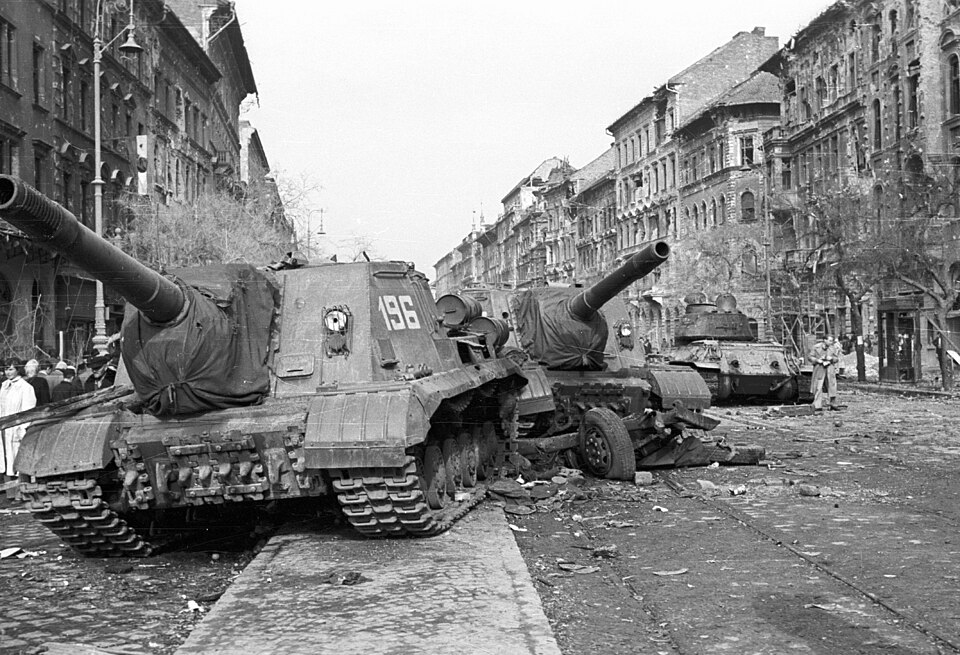
So criticism of Khrushchev’s visit was both inevitable and substantial. Angry letters and phone calls flooded the White House. Labor unions, religious groups, and groups representing Americans of Eastern European descent denounced the idea of the United States hosting the “Butcher of Budapest.” The National Review sold bumper stickers that read: “Khrushchev Not Welcome Here!” The right-wing John Birch Society formed a front group called the Committee Against Summit Entanglements (CASE) that ran national newspaper ads demanding that Eisenhower cancel the trip. The sense that the Eisenhower administration was committing a moral crime was summed up by Democratic Sen. Thomas J. Dodd of Connecticut, who thundered that “over the years there must have been an imperceptible erosion of our moral consciousness…which represents a softening of our determination to resist.”
But not everyone on Capitol Hill believed that Eisenhower was making a mistake in having Khrushchev visit the United States. Dodd’s fellow Democrat, Senate Majority Leader Lyndon Johnson of Texas, called the visit a “very excellent thing.”
A Media Sensation
Khrushchev’s trip stoked the hopes, fears, and curiosities of the nation. The press followed his every move. Whenever they could, they wrote catchy headlines about his activities. And the Soviet premier, living up to his reputation, gave them plenty of material.
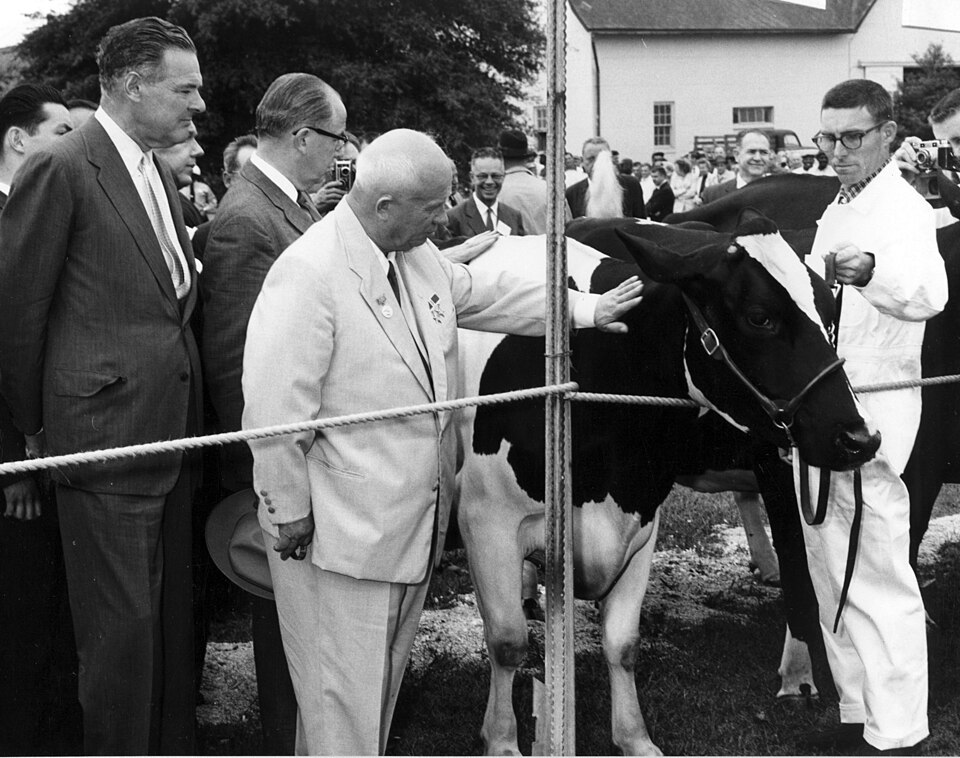
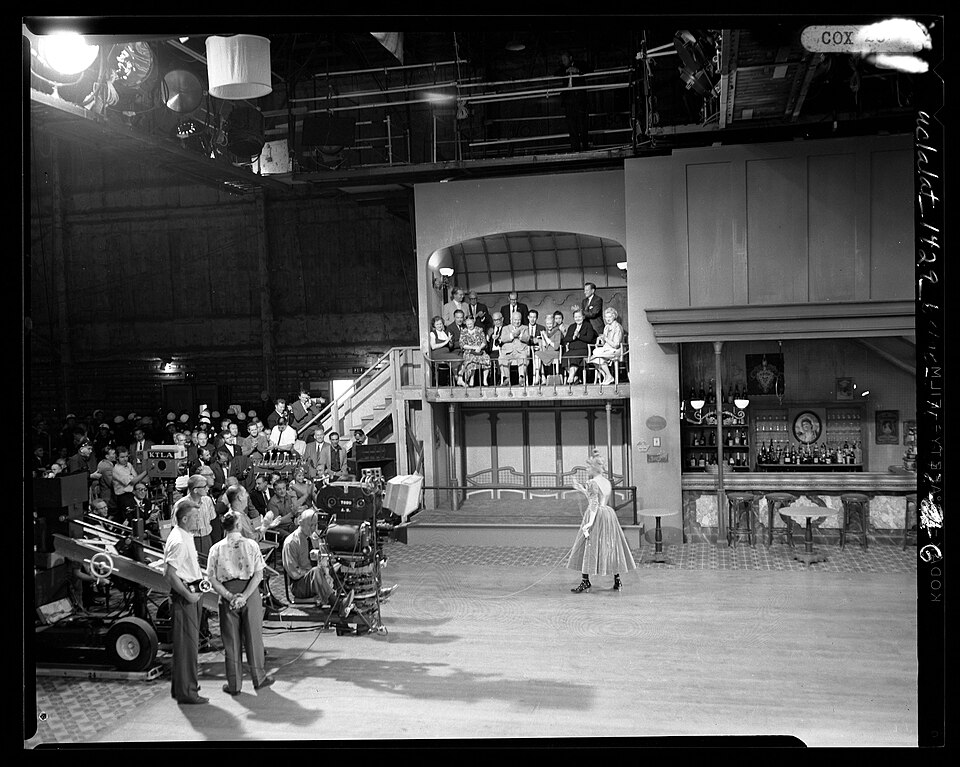
Khrushchev’s itinerary began with a stop in Washington. But he was soon on the road. Over the next ten days, he crisscrossed the country. He petted a pig in Maryland, saw the Empire State Building (he was not impressed), triggered near pandemonium at a San Francisco supermarket, and ate his first hot dog in Des Moines, Iowa (he loved it). Khrushchev also spent a day in Los Angeles, where he toured Twentieth Century Fox studios (and the set of the movie *Can Can*) and dined with Marilyn Monroe, Frank Sinatra, and a host of other Hollywood stars.
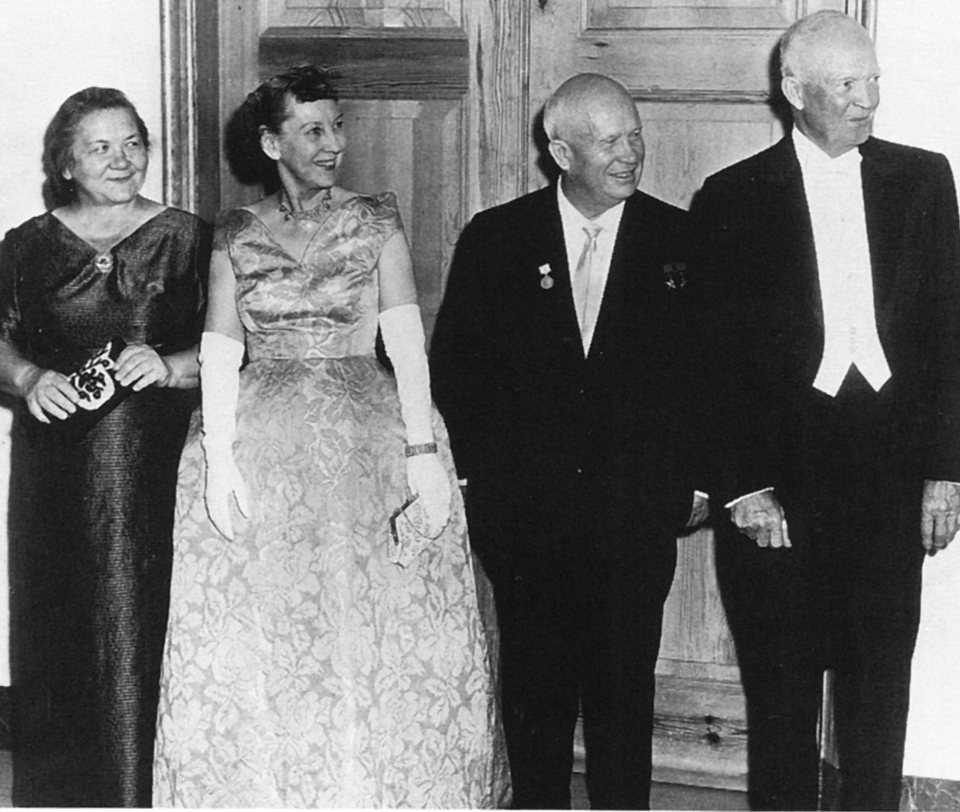
Khrushchev ended his trip back in Washington with a meeting with Eisenhower. Vice President Richard Nixon, who just two months earlier had jousted with Khrushchev in their famous “kitchen debate” at the American National Exhibition in Moscow, took the Soviet premier to the airport to catch his flight back to Moscow.
No Disneyland
In all, Khrushchev got to see a big chunk of the United States. But he did not get to visit one place he wanted to see: Disneyland. The Secret Service and local police worried that crowds at the park would make it impossible to guarantee Khrushchev’s safety. So they nixed a planned visit. The fiery-tempered Khrushchev did not take the news well:
And I say, I would very much like to go and see Disneyland. But then, we cannot guarantee your security, they say. Then what must I do? Commit suicide? What is it? Is there an epidemic of cholera there or something? Or have gangsters taken hold of the place that can destroy me?
The press loved the outburst. The New York Daily News ran the headline, “Denied Tour of Disneyland, K Blows Top.” While Khrushchev returned to the United States in 1960 to attend the UN General Assembly, he never made it to Disneyland.
The Limits of Personal Diplomacy
Khrushchev’s U.S. visit did not improve U.S.-Soviet relations. Indeed, they got worse. In May 1960, tensions between the two superpowers spiked after the Soviets shot down a U-2 spy plane flown by CIA pilot Francis Gary Powers over Soviet territory. In August 1961, East Germany began construction of the Berlin Wall at Khrushchev’s direction. And Khrushchev’s decision to base nuclear-armed missiles in Cuba prompted the Cuban missile crisis. Personal diplomacy has its limits.
Oscar Berry assisted in the preparation of this article.
The United States celebrates its 250th anniversary in 2026. To mark that milestone, I am resurfacing essays I have written over the years about major events in U.S. foreign policy. A version of this essay was published on November 18, 2014.
This work represents the views solely of the author(s). The Council on Foreign Relations is an independent, nonpartisan membership organization, think tank, and publisher, and takes no institutional positions on matters of policy.