“One War at a Time”: President Abraham Lincoln and the 1861 Trent Affair
A diplomatic crisis 165 years ago between the United States and Britain over two captured Confederate envoys nearly triggered a third Anglo-American war.
By experts and staff
- Published
 James M. LindsayCFR ExpertMary and David Boies Distinguished Senior Fellow in U.S. Foreign Policy
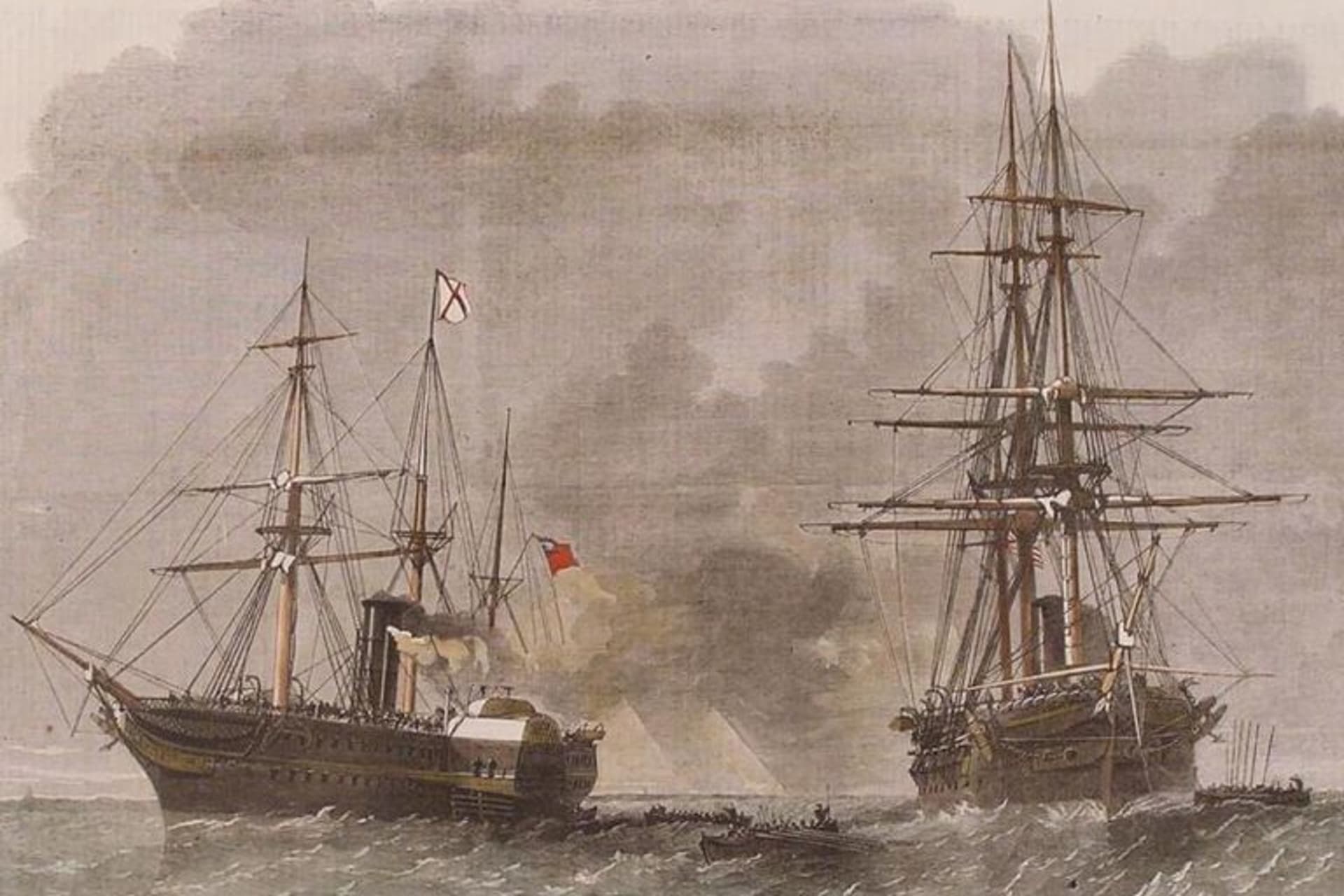
When confronted with a problem, step one should be to avoid making it worse. President Abraham Lincoln followed this advice during the Trent affair, a diplomatic crisis between the United States and Great Britain that began 165 years ago today and nearly led to a third Anglo-American war.
The American Civil War
When the American Civil War began, Great Britain, France, and other European nations quickly declared neutrality. They granted the Confederacy the status of a “belligerent power” but stopped short of full diplomatic recognition. This decision angered Confederate leaders, who had expected that their monopoly on cotton production would bring European countries to their side. The Union in turn bristled at the decision to grant the South belligerent status; it gave Confederate ships the legal right to under international maritime law to call on neutral ports, to buy weapons, and to attack Union shipping. U.S. officials repeatedly warned Europe that its civil war was strictly an internal affair.
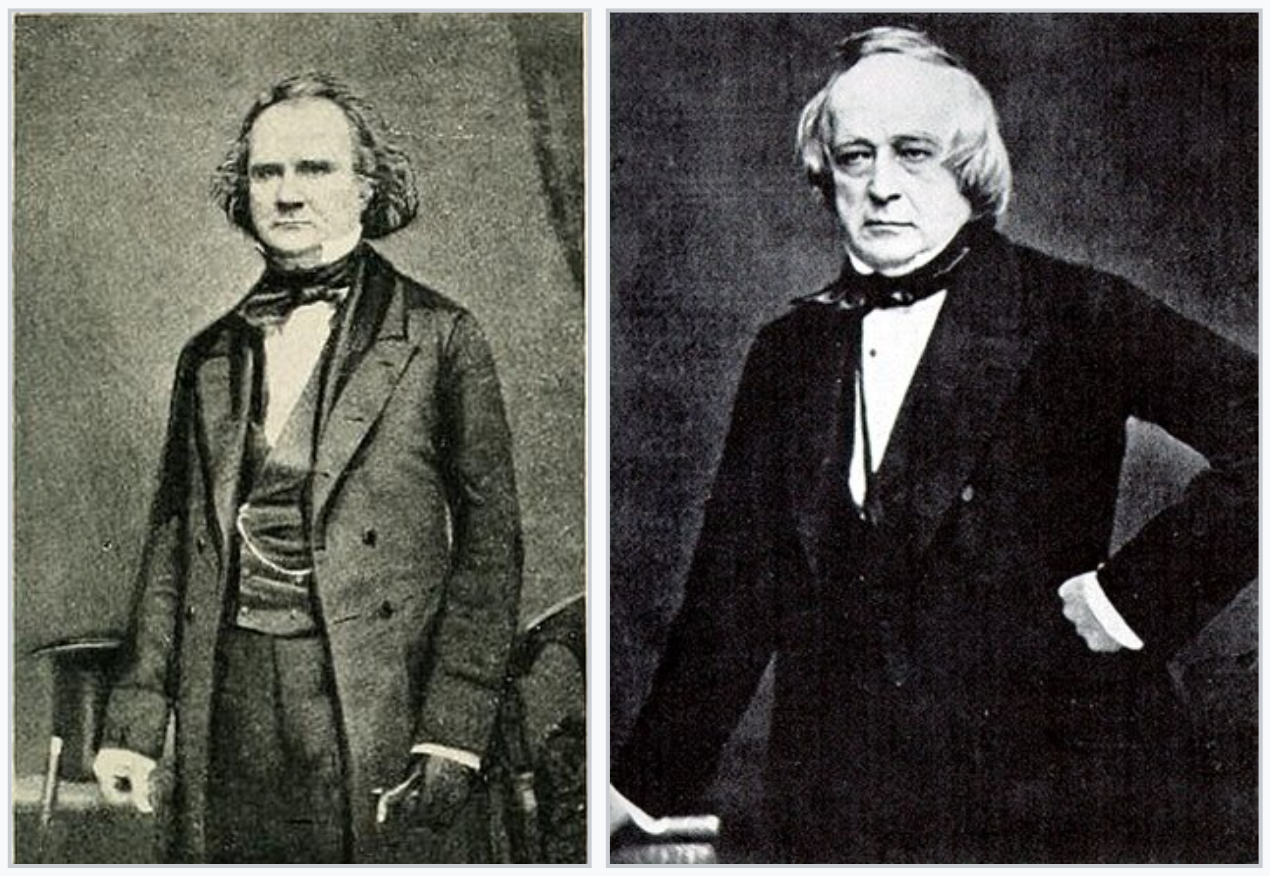
The Confederate July 1861 victory at the Battle of Bull Run, the first major Civil War battle, convinced Confederate President Jefferson Davis that Europe might be willing to extend full diplomatic recognition to the South. He dispatched James Murray Mason and John Slidell to Britain and France to push the case for recognition. In October, Mason and Slidell evaded the Union naval blockade of Charleston, South Carolina, and sailed for Havana, Cuba. There they transferred to the British mail steamer, the RMS Trent, expecting to enjoy safe passage to London under a neutral flag.
Enter Charles Wilkes
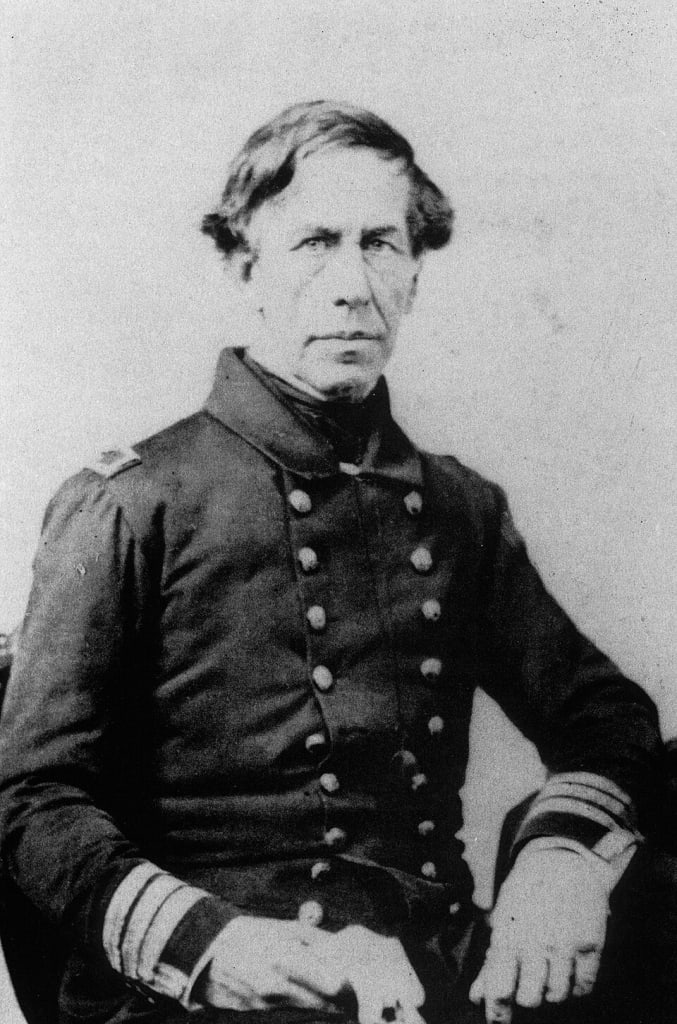
Mason and Slidell might have made it London as they planned if not for Captain Charles Wilkes. He was a U.S. naval officer who combined considerable skill with eccentric behavior. The historian George C. Herring described him as follows:
An accomplished scientist as well as naval officer, Wilkes had headed the Great United States Exploring Expedition on its worldwide journey in the 1840s. Arrogant, overbearing, as paranoid as the legendary Capt. William Bligh, he was also impulsive and ambitious—he once promoted himself to captain while at sea and ostentatiously donned the uniform he had packed for the occasion.
Wilkes assumed command of the USS San Jacinto in August 1861. The ship had been patrolling the coast of West Africa as part of the effort to suppress the transatlantic slave trade. But the San Jacinto soon set sail back to North America and began pursuing a Confederate ship that was raiding Union merchant vessels in the Caribbean.
While in port in Cuba to replenish the San Jacinto’s coal supplies, Wilkes learned that Mason and Slidell were traveling on the Trent. Acting without authorization from Washington, Wilkes decided to pursue the British ship. On November 8, the San Jacinto intercepted the much smaller Trent in the Bahamas Channel north of Cuba. Two warning shots persuaded the British captain to allow Union sailors to board his vessel. They seized Mason and Slidell and then allowed the Trent to continue its journey.
The question was what right Wilkes had to board and search a vessel of a foreign nation not at war with the United States. Wilkes, who was not trained as a lawyer, justified the interception to the Trent’s furious captain on the grounds that Mason and Slidell constituted “contraband,” making their seizure fair game. It was a legal interpretation without precedent. Making matters worse, Wilkes did not bring the Trent itself into port, as required by international law, to have a prize court adjudicate his decision to remove the envoys. He ignored established legal procedure because transferring sailors to man the Trent would have left the San Jacinto dangerously understaffed.
Applause and Anger
When the news of Mason and Slidell’s capture reached the North, Congress and the public hailed Wilkes as a hero. The New York Times even suggested that the United States “consecrate another Fourth of July” in his honor. Some Union officials privately doubted the legality of Wilkes’s action, but Northerners were looking for a reason to celebrate. Union forces had suffered a string of defeats on the battlefield, dashing hopes of a quick victory. Armed with a memory of two wars with Britain and numerous territorial disputes, many Northerners also doubted that London intended to abide by its pledge not to the rebellion.
The reaction in Britain was the exact opposite. The government and public denounced Wilkes’s interception of a neutral ship travelling between neutral ports as a blatant violation of maritime law. Foreign Secretary Lord John Russell raged that “the world is disgusted by the insolence of the American Republic.”
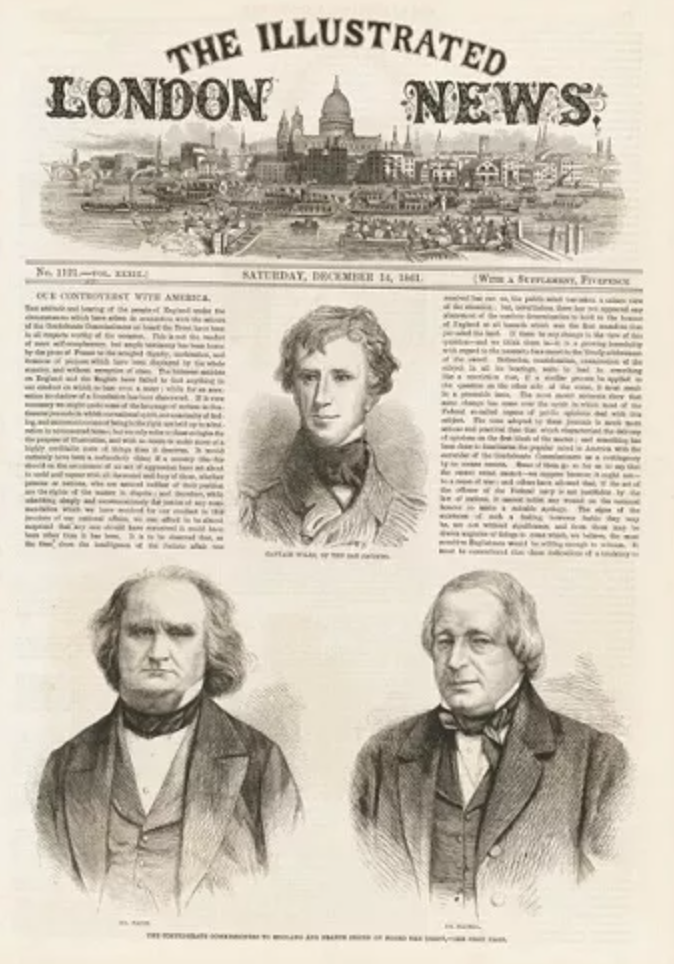
London demanded Mason and Slidell’s release as well as a formal apology from the Lincoln administration for the Union’s insult to the British flag, or it would break relations with the United States. Such a step typically prefaced a move toward war. To prepare for that possibility, Britain put the Royal Navy on alert, sent 11,000 additional troops to Canada, and began preparing plans to break the Union naval blockade of the Confederacy. France announced that it would support Britain in a war against the United States.
Time and Diplomacy
Despite the bellicose posturing, neither the United States nor Britain were eager for war. But neither wanted to back down and lose diplomatic face. For a moment, war seemed certain. But astute diplomacy, the passage of time, and other events cooled the fiery hot passions and allowed calmer heads to prevail.
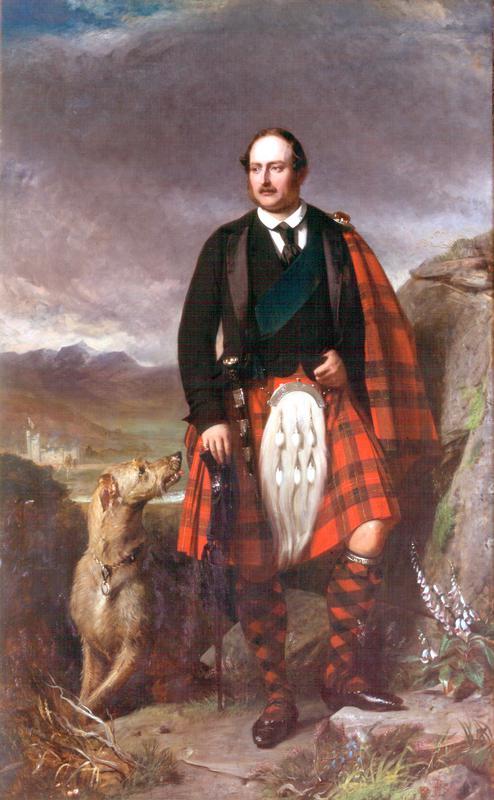
As London was formulating its ultimatum to Washington, Queen Victoria’s husband and closest advisor, Prince Albert, intervened to persuade the British cabinet to tone done its rhetoric. The softening of London’s language gave Lincoln more freedom to respond to British demands than he otherwise might have had. The exchange of notes between the two capitals took time and allowed leaders on both sides of the Atlantic to assess the true costs of the war. Prince Albert’s death in mid-December after a lengthy illness eclipsed the news of the Trent affair and ushered in a period of national mourning in Britain.
“One War at a Time”
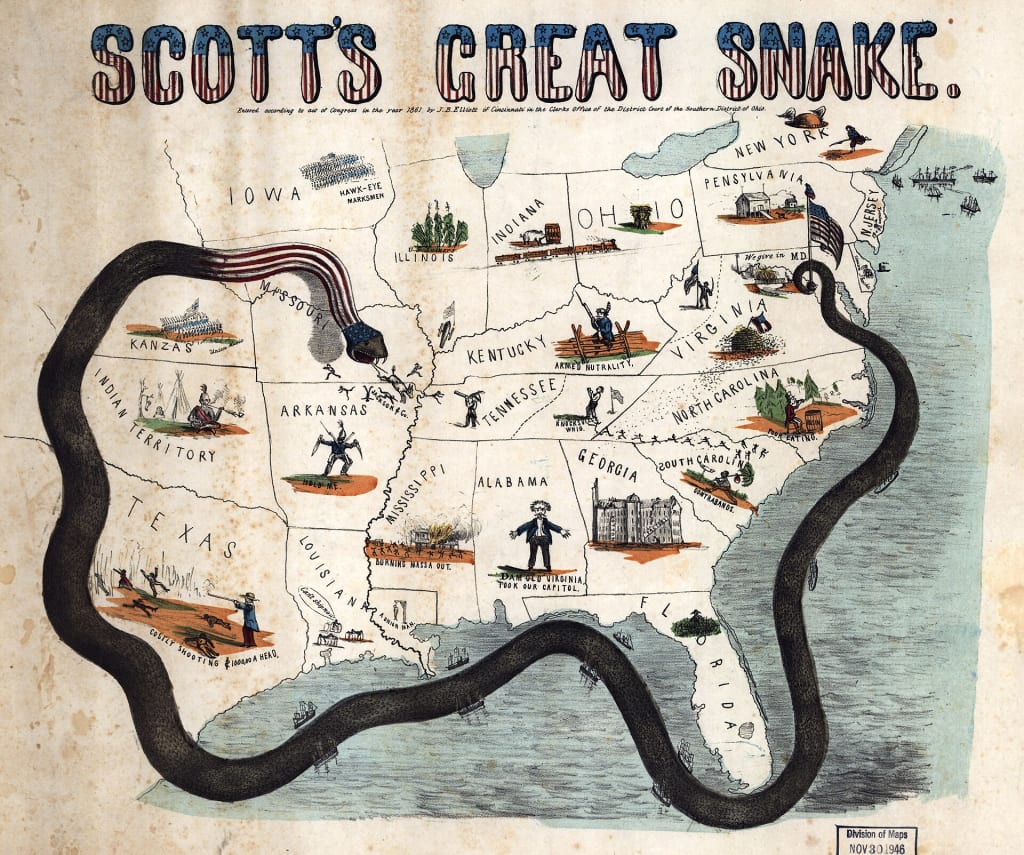
Lincoln recognized early on that war with Britian over the Trent affair would likely cost the Union victory in the Civil War. His war strategy hinged on mobilizing the North’s superior industrial capacities, fighting battles on Confederate territory, and maintaining a naval blockade that deprived the South of trade and war materiel. War with Britain would likely mean a land attack from Canada, threatening the Northern economy and forcing the Union to divert forces from the fight with the Confederacy. The British Navy would also seek to break the Union naval blockade of the South, allowing the Confederacy to trade cotton for weapons, while disrupting maritime commerce in the North, sending its economy into a tailspin.
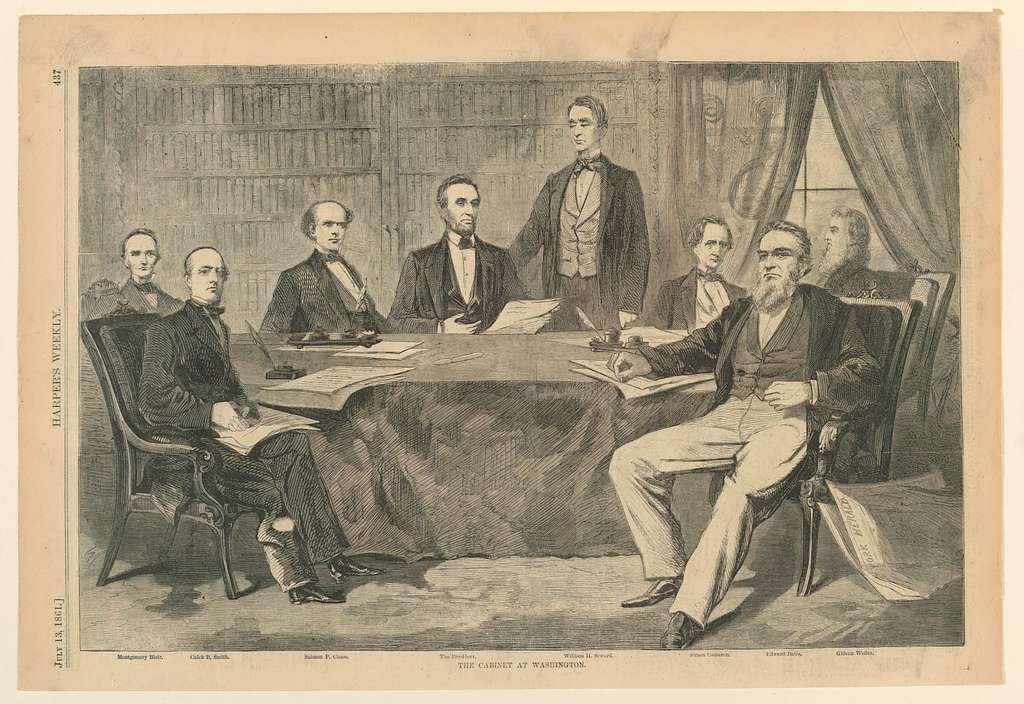
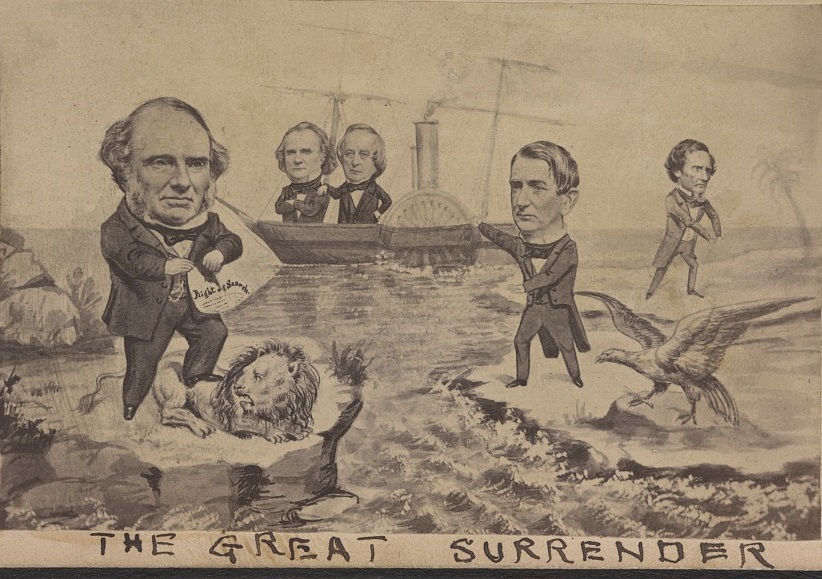
Faced with those facts, Lincoln decided, as he tersely put it: “One war at a time.” On December 26, his cabinet unanimously agreed to release Mason and Slidell. In the note to the British announcing the news, Secretary of State William Seward did not concede that Wilkes had erred in boarding the Trent or in taking the Confederate envoys prisoner. Seward instead argued that Wilkes’s failure to take the Trent to a prize court as dictated by international law obliged their release.
In a bit of diplomatic chutzpah, Seward also commended Britain on the position it had taken on the Trent affair. In doing so, he argued, London had accepted the longstanding U.S. position on rights of neutral nations to conduct trade unbothered by belligerent nations, a position that Britain had resisted for decades and that had sparked the War of 1812. This diplomatic victory, many Northerners seemed to agree, was more important than the release of two Confederate envoys.
Happy they had forced the release of Mason and Slidell and avoided war, British leaders pocketed their victory and ignored Seward’s provocation. The two Confederate envoys eventually reached Europe. They failed, however, to win diplomatic recognition for the Confederacy.
An Ounce of Prevention
As the Civil War continued, Lincoln faced other foreign policy crises, including further disputes with Britain and a French military intervention in Mexico. But he stuck to his decision to tackle one problem at a time and focused the Union effort on defeating the Confederacy. It was a winning strategy.
Lincoln’s restraint and discipline offer a valuable lesson: The conflicts you avoid can be as important as the ones you wage.
Oscar Berry and Jack Patton assisted in the preparation of this article.
The United States celebrates its 250th anniversary in 2026. To mark that milestone, I am resurfacing essays I have written over the years about major events in U.S. foreign policy. A version of this essay was published on November 8, 2021.
This work represents the views solely of the author(s). The Council on Foreign Relations is an independent, nonpartisan membership organization, think tank, and publisher, and takes no institutional positions on matters of policy.