President Harry Truman’s 1950 Decision to Intervene in Korea
Truman’s decision not to seek congressional authorization for his decision to commit U.S. troops to defend South Korea set a precedent that continues to shape the war powers today.
By experts and staff
- Published
 James M. LindsayCFR ExpertMary and David Boies Distinguished Senior Fellow in U.S. Foreign Policy
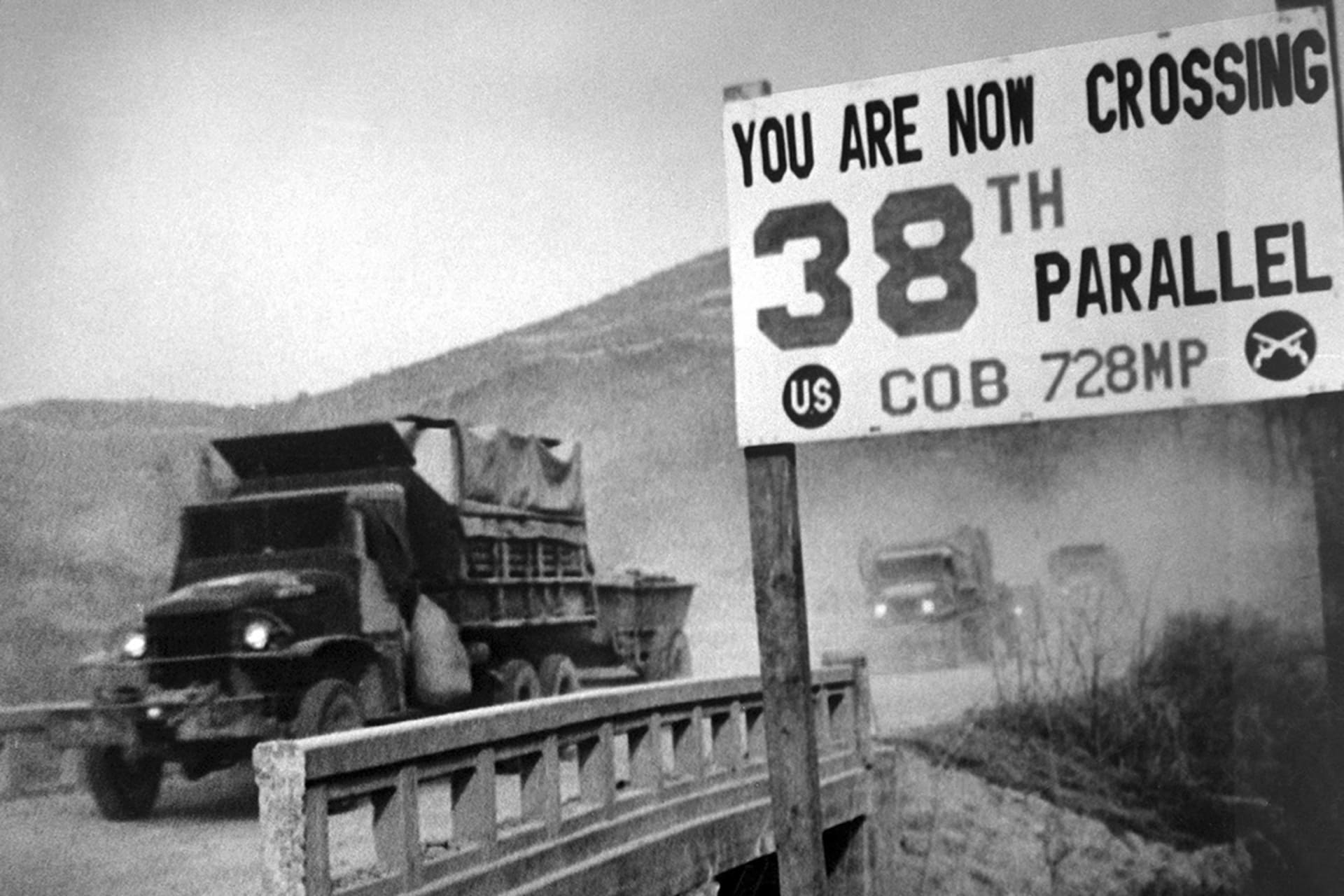
Seventy-six years ago today, President Harry Truman ordered the U.S. military to intervene in the Korean War. Two days earlier, the North Korean People’s Army crossed the 38th parallel and invaded South Korea. Within hours of Truman’s announcement, North Korea would capture the capital city of Seoul.
Truman’s decision, and the resulting war, had geopolitical consequences that are still felt to this day. The decision was equally momentous for its impact on America’s constitutional practice. Truman acted without seeking congressional authorization either in advance or in retrospect. He instead justified his decision on his authority as commander in chief. The move dramatically expanded presidential power at the expense of Congress, which eagerly cooperated in the sacrifice of its constitutional prerogatives. The echoes of Truman’s decisions can be seen today in Operation Epic Fury.
The Framers’ Vision
Truman’s unilateral decision to take the United States to war hardly fit the framers’ vision of who could commit the country to war. When Pierce Butler of South Carolina proposed at the Constitutional Convention to vest the war power with the president, no one seconded the motion. A fellow delegate exclaimed that he “never expected to hear in a republic a motion to empower the Executive alone to declare war.”
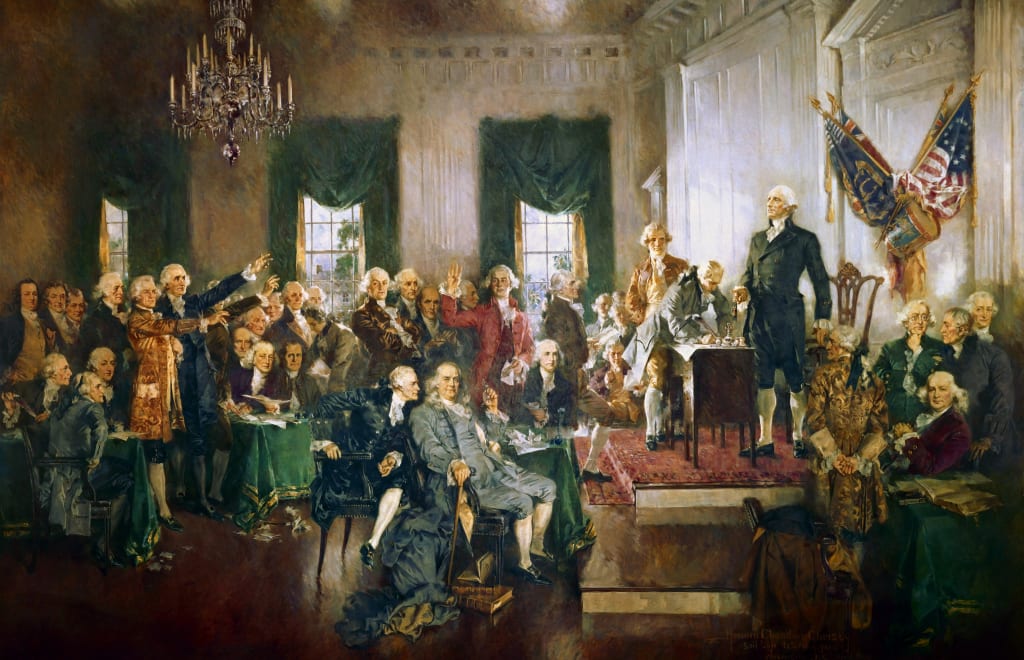
The framers made the same argument during the state ratification debates. James Wilson, perhaps second only to James Madison in influence at the constitutional convention, assured the Pennsylvania state ratifying convention that the new Constitution “will not hurry us into war; it is calculated to guard against it. It will not be in the power of a single man, or a single body of men, to involve us in such distress.” Alexander Hamilton offered similar reassurances in Federalist 69. The president’s role as commander in chief “would amount to nothing more than the supreme command and direction of the military and naval forces” while Congress would possess the powers of “DECLARING of war and…RAISING and REGULATING of fleets and armies.”
Early Practice
The framers’ restricted vision of presidential war-making powers carried over into practice. George Washington, who presided over the Constitutional Convention and knew a thing or two about what the delegates intended, wrote in 1793:
The Constitution vests the power of declaring war with Congress; therefore no offensive expedition of importance can be undertaken until after they have deliberated upon the subject, and authorized such a measure.
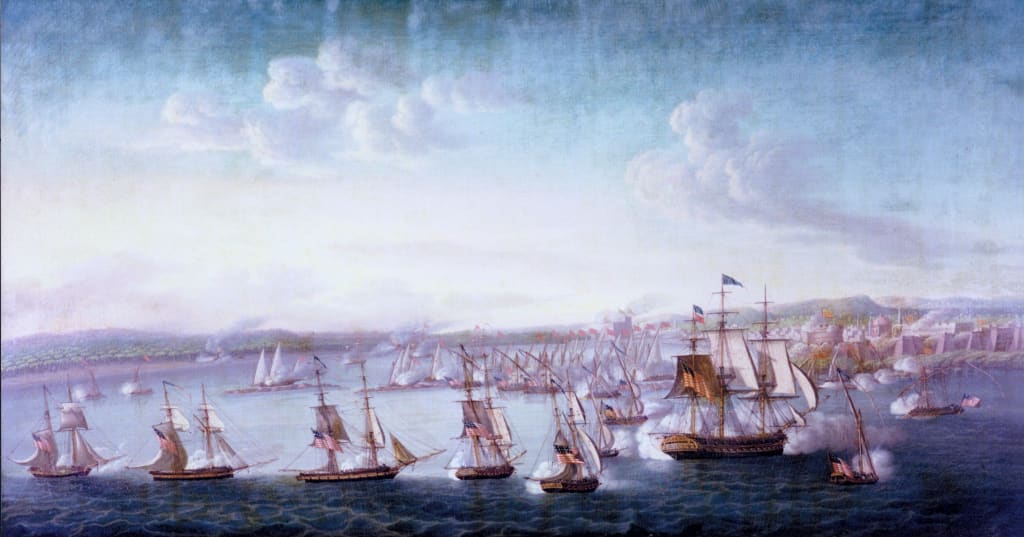
The Quasi-War with France during John Adams’ presidency was fully authorized by Congress. Thomas Jefferson, who as secretary of state in the first Washington administration had argued that the presidential war power was so narrow as to preclude even declaring the country neutral in a foreign war, informed Congress in 1801 after the U.S. Navy engaged Barbary pirates in the Mediterranean that:
unauthorized by the Constitution, without the sanction of Congress, to go beyond the line of defense, the vessel, being disabled from committing further hostilities, was liberated with its crew.
In fact, Jefferson understated what U.S. forces had done, implicitly confirming that he had exceeded what was then viewed as the limits of his constitutional authorities.
In 1810, James Madison, a man who also knew something about original intent, dismissed as unconstitutional a Senate-passed bill that would have given him the authority to order the U.S. Navy to protect U.S. merchant ships from British and French raiders. His reasoning? Only Congress could take the country from peace to war. Madison’s fastidiousness about the limits of presidential power carried over to the War of 1812. His June 1, 1812, special message to Congress recited the indignities that Britain had inflicted on the United States since independence. He stopped short, however, of recommending war. That, he noted, was “a solemn question which the Constitution wisely confides to the legislative department of the Government.”
Nearly forty years later, President James Buchanan wrote that “without the authority of Congress the President can not fire a hostile gun in any case except to repel the attacks of an enemy.” And while presidents would increasingly push the limits of unilateral presidential authority in the decades to come, they all stopped short of insisting that they could take the country to war on their own authority. Indeed, just nine years before Truman ordered U.S. forces to intervene in Korea, President Franklin D. Roosevelt asked Congress to declare war on Japan even though the Japanese had bombed Pearl Harbor—an attack that clearly met Buchanan’s (and the framers’) standard of when a president could act without soliciting congressional approval.
Truman’s Calculations
Truman believed that he had to act quickly to respond to the North Korean attack, and with the memory of Munich hovering in the background, that the United States had to counter communist aggression forcefully. The prior year had been a difficult one for U.S. foreign policy. The success that Truman had achieved in forcing the Soviet Union to drop its blockade of West Berlin in May 1949 quickly gave way to two critical reversals. In August 1949, the Soviets detonated their first atomic bomb, breaking the U.S. nuclear monopoly years sooner than U.S. experts had predicted and raising questions about the U.S. ability to deter Soviet expansion. Then on October 1, 1949, Mao Zedong proclaimed the founding of the Communist People’s Republic of China. Communism seemed to be on the march, and the attack on South Korea might herald the beginning of a broader war.
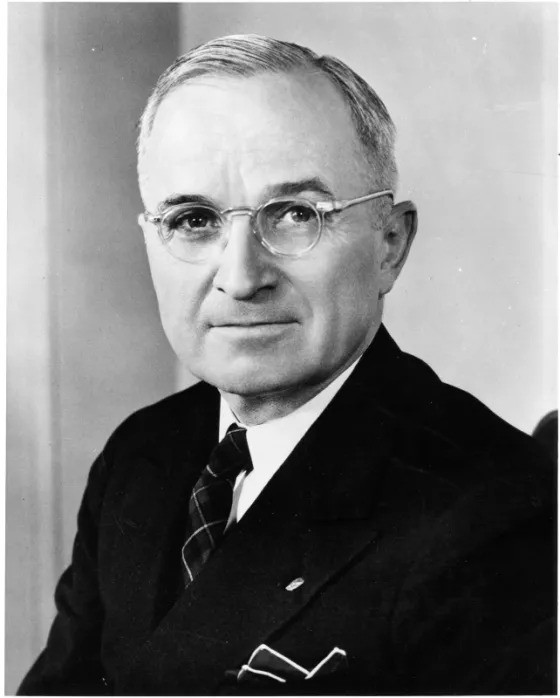
The severity and urgency of the situation did not mean, however, that Truman could not go to Congress or that Congress could not act quickly. Congress was in session when North Korea invaded and almost certainly would have endorsed his decision. And Truman knew from his ten years as a senator that Congress could act swiftly in a crisis. Roosevelt asked for a declaration of war against Japan the day after Pearl Harbor. Congress provided it within hours. Truman was one of the lawmakers who cast a vote for war. Congress likely would have done similarly if Truman had followed Roosevelt’s example. When Truman’s June 27 decision committing U.S. air and naval forces to aid South Korea was read to the House of Representatives, lawmakers cheered and then voted 315 to 4 to extend the draft and to call up military reserves.
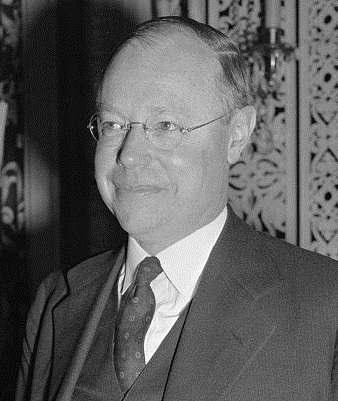
If Truman needed reminding that the Constitution lodged the war power with Congress, Sen. Robert A. Taft of Ohio, one of the leading Republicans on Capitol Hill at the time, was quick to provide it. He took to the Senate floor on June 28 to argue that “there is no legal authority for what he [Truman] has done.” While lambasting Truman’s overall handling of U.S. policy toward Asia, Taft also said “that if a joint resolution were introduced asking for the approval of the use of our Armed Forces already sent to Korea and in full support of them in their present venture, I would vote in favor of it.”
Nor could Truman argue that the Korean conflict did not constitute war in a constitutional sense, even if he did downplay the significance of his decision. (At a press conference on June 29, Truman denied the country was at war, prompting a journalist to ask, “would it be correct…to call this a police action?” Truman answered simply, “Yes.”) The framers understood the difference between full-scale and limited wars—or what they would have called “perfect” versus “imperfect” wars. Over the years, Congress had authorized many small-scale conflicts. The Supreme Court had even ruled that Congress’s war power encompassed both large- and small-scale conflicts and that when Congress authorized limited wars, the president could not go beyond what Congress permitted. And, of course, the Korean War was “limited” only in the sense that it was smaller in scope than the two world wars.
The United Nations
Truman argued that he was obligated to order a U.S. intervention in Korea because the UN Security Council had called on UN members to repel the attack and that his decision was in keeping with past practice. But he in fact had decided to intervene in Korea before the UN Security Council voted, and he could not assume the Council would vote as it did. Had the Soviets not boycotted the meeting for unrelated reasons, they almost certainly would have blocked UN action. Indeed, when asked after he left office whether he still would have intervened in Korea had the UN Security Council failed to approve a response, he answered: “No question about it.”
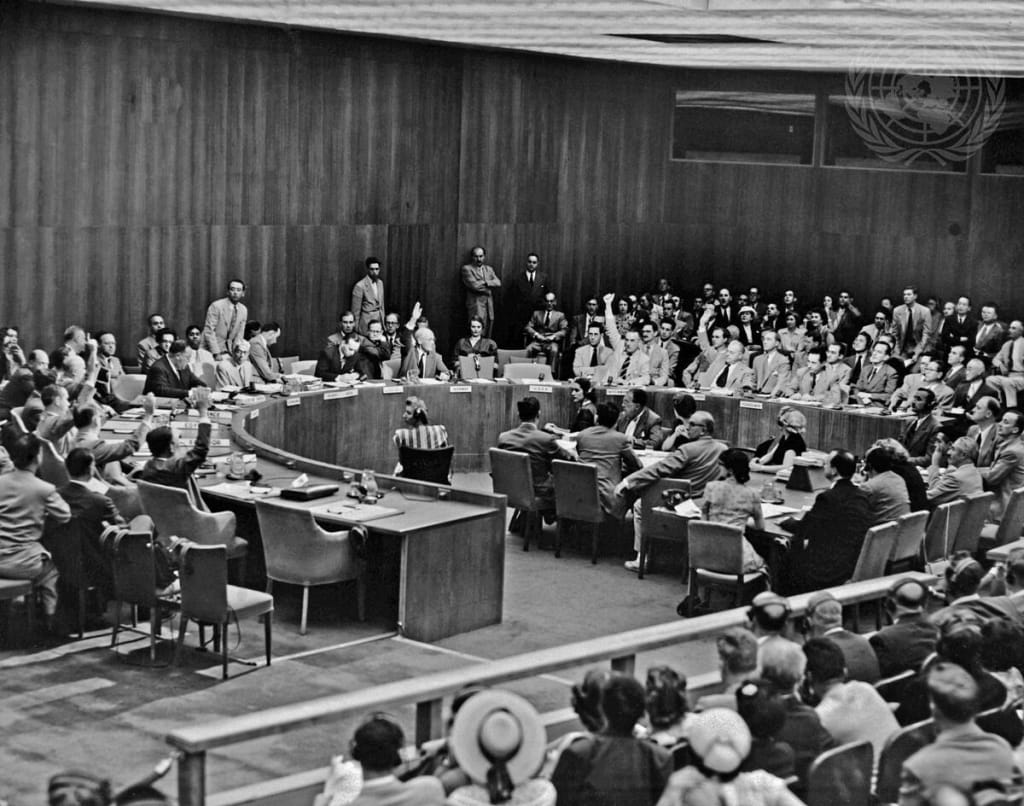
More importantly, Truman was not legally obligated to respond to the UN’s call. The Senate’s approval of the UN Charter and Congress’s subsequent passage of the UN Participation Act of 1945 were explicitly predicated on the understanding that UN membership did not override Congress’s war power. That was no accident. The fear that membership in the League of Nations would trump the Constitution was a main reason the Senate rejected the Treaty of Versailles a quarter century before.
The list of supposed precedents that the Truman administration offered of unilateral presidential action to use military force, which were argued to have put a “gloss” on constitutional meaning, was unimpressive. As a leading legal scholar at the time noted, the list consisted of “fights with pirates, landings of small naval contingents on barbarous or semi-barbarous coasts, the dispatch of small bodies of troops to chase bandits or cattle rustlers across the Mexican border and the like.”
Congressional Abdication
Truman’s decision to take the country to war on his own ultimately succeeded, however, because members of Congress were unwilling, Taft’s objection notwithstanding, to defend their constitutional authority. The framers’ theory of government had rested on the principle of balance. Differing institutional interests and prerogatives were expected to encourage each branch of government to check the power of the others. That theory never worked fully as expected. The emergence of the first political parties in the 1790s made clear that Congress’s willingness to check a president, especially in foreign affairs, sagged when his party controlled either or both the House and the Senate. What made Truman’s intervention in Korea distinctive is that the leadership of both political parties stood aside and blessed his expansion of presidential power.
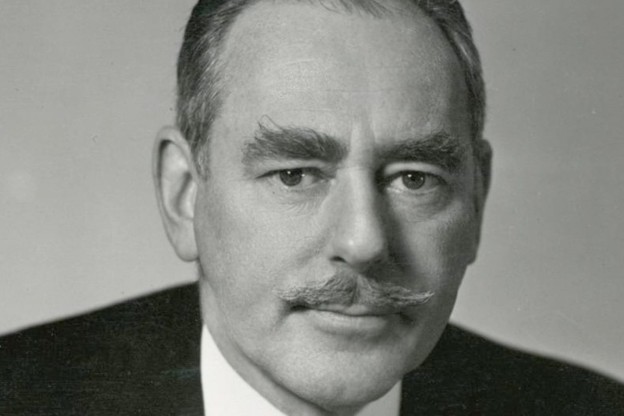
Congressional leaders had the opportunity to press Truman to come to Congress for authorization to act. He met with a bipartisan group of fourteen senior members of Congress on Tuesday, June 27, shortly after he ordered the U.S. military to move toward combat status. According to Secretary of State Dean Acheson’s telling, lawmakers responded to the news that the United States would come to the aid of South Korea with a “general chorus of approval” while saying nothing about bringing the issue to Capitol Hill.
Truman met with congressional leaders again three days later, shortly after he committed U.S. ground troops to the war. Republican Senate Minority Leader Kenneth Wherry of Nebraska, who had missed the first meeting, argued that Truman should come to Congress for authorization. Republican Senator Alexander Smith of New Jersey then suggested that Congress pass a resolution approving what Truman had done. He promised to consider the request. As the meeting ended, Republican Representative Dewey Short of Truman’s home state of Missouri, and the ranking Republican on the House Armed Services Committee, endorsed Truman’s decision to act unilaterally and said that most members of Congress agreed with him.
Acheson subsequently recommended that Congress pass a resolution to “commend”—but not “authorize”—the action the United States—not the president—had taken in Korea. However, Acheson argued that Congress, rather than the president, should initiate the process. Truman raised Acheson’s recommendation and a draft resolution the State Department had prepared with Democratic Senate Majority Leader Scott Lucas of Illinois on July 3. Lucas had no appetite to bring any resolution to the floor. He argued “that the president had very properly done what he had to do without consulting the Congress” and that “many members of Congress had suggested to him that the president should keep away from Congress and avoid debate.” Truman, who worried that a congressional debate, no matter how short, might give the floor to his critics and signal to the world a lack of U.S. resolve, gladly followed the advice.
A Lasting Precedent
The refusal of Lucas and other lawmakers to force Truman to seek congressional authorization was hardly the first time that Congress sacrificed its constitutional prerogatives in the service of immediate political needs. And in the midst of the crisis, with the fear that Korea might be the opening salvo of a third world war, it is easy to understand the substantive reasons why lawmakers might have declined to defend Congress’s institutional prerogatives. In doing so, however, they unwittingly expanded the boundaries of presidential power and diminished their own.
To be sure, in the seven-plus decades since Truman’s fateful decision, Congress has at times reasserted a say in decisions to use military force. Congress authorized military action in Vietnam, the Gulf War, Afghanistan, and Iraq. But as Panama, Kosovo, Libya, and most recently, Iran, all show, Congress has often been a bystander as presidents have made war on their own authority. And in each instance, their legal teams, whether staffed by Democratic or Republican lawyers, have pointed to Truman’s Korea decision as part of their legal justification. Powers easily given away are exceedingly difficult to reclaim.
The United States celebrates its 250th anniversary in 2026. To mark that milestone, I am resurfacing essays I have written over the years about major events in U.S. foreign policy. A version of this essay was published on June 27, 2020.
Jack Patton and Jacob Wentz assisted in the preparation of this post.