Rafsanjani: “Moderate” or Terrorist?
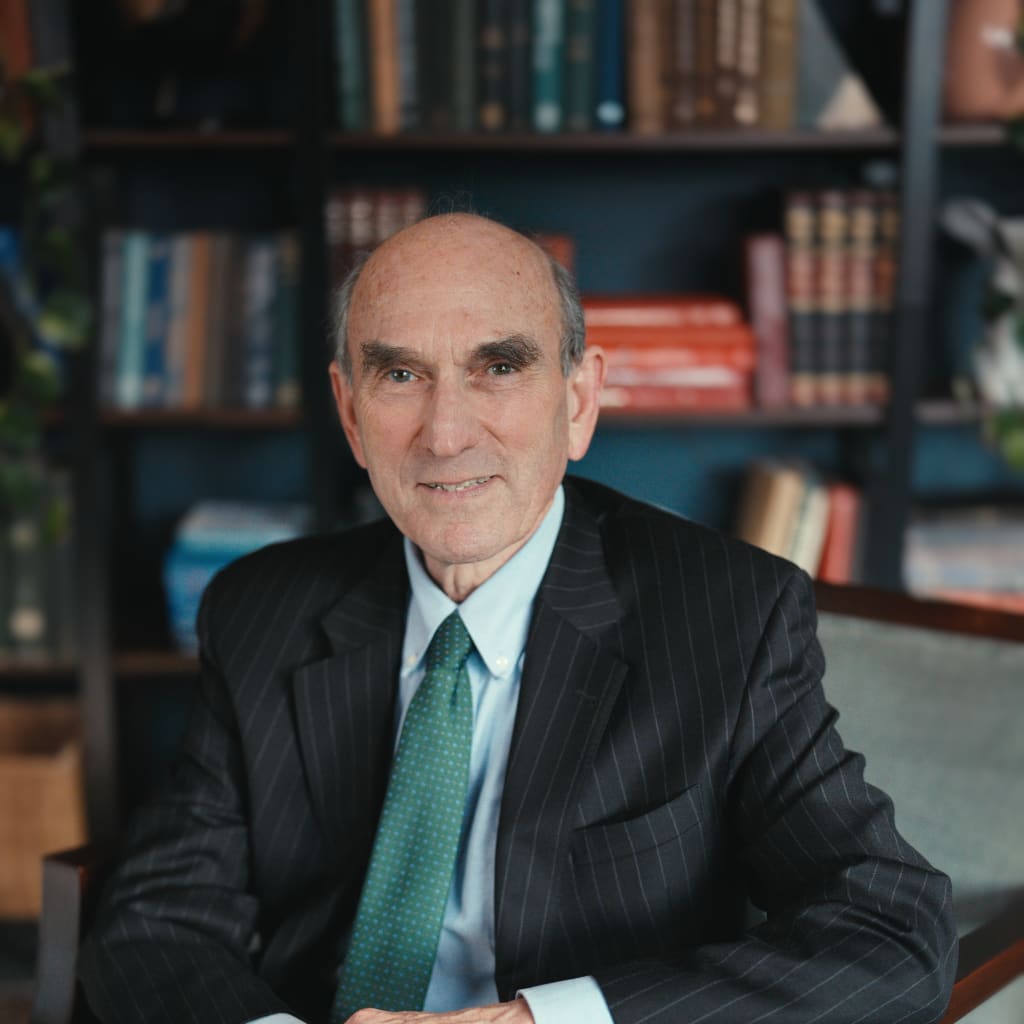
Ali Akbar Hashemi Rafsanjani has now declared his candidacy for president of Iran, and many Western media accounts suggest that he is the kind of “moderate” who could radically change Iran’s conduct and its relations with the United States. The Guardian in London referred to him as “the 79-year-old moderate politician famous for his pragmatism.” The BBC says he is “seen as a moderate.” France 24 calls him “this pragmatic moderate.” The Associated Press refers to him as a “moderate former president.” There are many others examples.
This is strange kind of “moderation,” for Rafsanjani’s presidency (1989-1997) includes the following acts of terror:
That’s a partial list of acts of international terrorism, and Rafsanjani’s personal role has been noted by prosecutors and courts.
At home, Rafsanjani was president for most of the so-called “chain murders” or “serial murders” of 80 Iranian intellectuals and dissidents from 1988 to 1998. (See a full list here.) As president, Rafsanjani kept in office the officials committing these crimes. Indeed, the fact that some were removed by his successor, Mohammed Khatami, shows once again that Rafsanjani could have acted to stop the terror--but instead acted to enlarge it.
So, the media are adopting a definition of pragmatism and moderation that is indefensible. When he was president of Iran Rafsanjani presided over some of the worst acts of terror ever committed by the Islamic Republic.