They Won’t Say It Out Loud, but Asian Leaders Are Happy About the Midterms
U.S. allies hope that Democratic control of Congress will lead to a shift in U.S. foreign policy, particularly over the Iran war. But they can’t take that for granted.
By experts and staff
- Published
 Joshua KurlantzickCFR ExpertSenior Fellow for Southeast Asia and South Asia
Joshua Kurlantzick is an expert on U.S.-China relations, South and Southeast Asian politics and economics, and is the author of ‘Beijing’s Global Media Offensive: China’s Uneven Campaign To Influence Asia and the World.’
Following the Democratic Party’s dramatic and massive sweep of the U.S. House of Representatives and Senate on Tuesday, Asian leaders, as is their custom, have said little publicly. They stayed mum even though the Democrats won the overall House popular vote by the biggest margin in more than fifty years. China just called for cooperation with the United States, and no Southeast Asian leader has commented at all publicly on the results. But in private, many leaders are relieved.
The Iran war has been particularly challenging for the United States’ Asian partners and allies, and they hope that after the midterm results U.S. President Donald Trump’s decision-making on the issue will become more predictable. Some think he could even move more quickly toward winding down the war, which has roiled Asian energy markets—Asia relies more on oil and liquefied natural gas from the Persian Gulf than any other part of the world.
Several reasons support this hope, including the renewed pressure on U.S. Secretary of Defense Pete Hegseth, the Trump advisor who is believed to be most in favor of the war and who is unloved in Asia. Already, some lame-duck Republican senators and representatives want Hegseth gone: retiring Senator Thom Tillis (R-NC) said Tuesday night that Hegseth, who has faced criticism from members of both parties, would soon face “a reckoning,” while outgoing Representative Thomas Massie (R-KY) had filed articles of impeachment against Hegseth in September. Democratic leaders, too, have their eyes on getting rid of the secretary of defense, who has overseen a tumultuous period at the Pentagon marked by the firings of senior military officials.
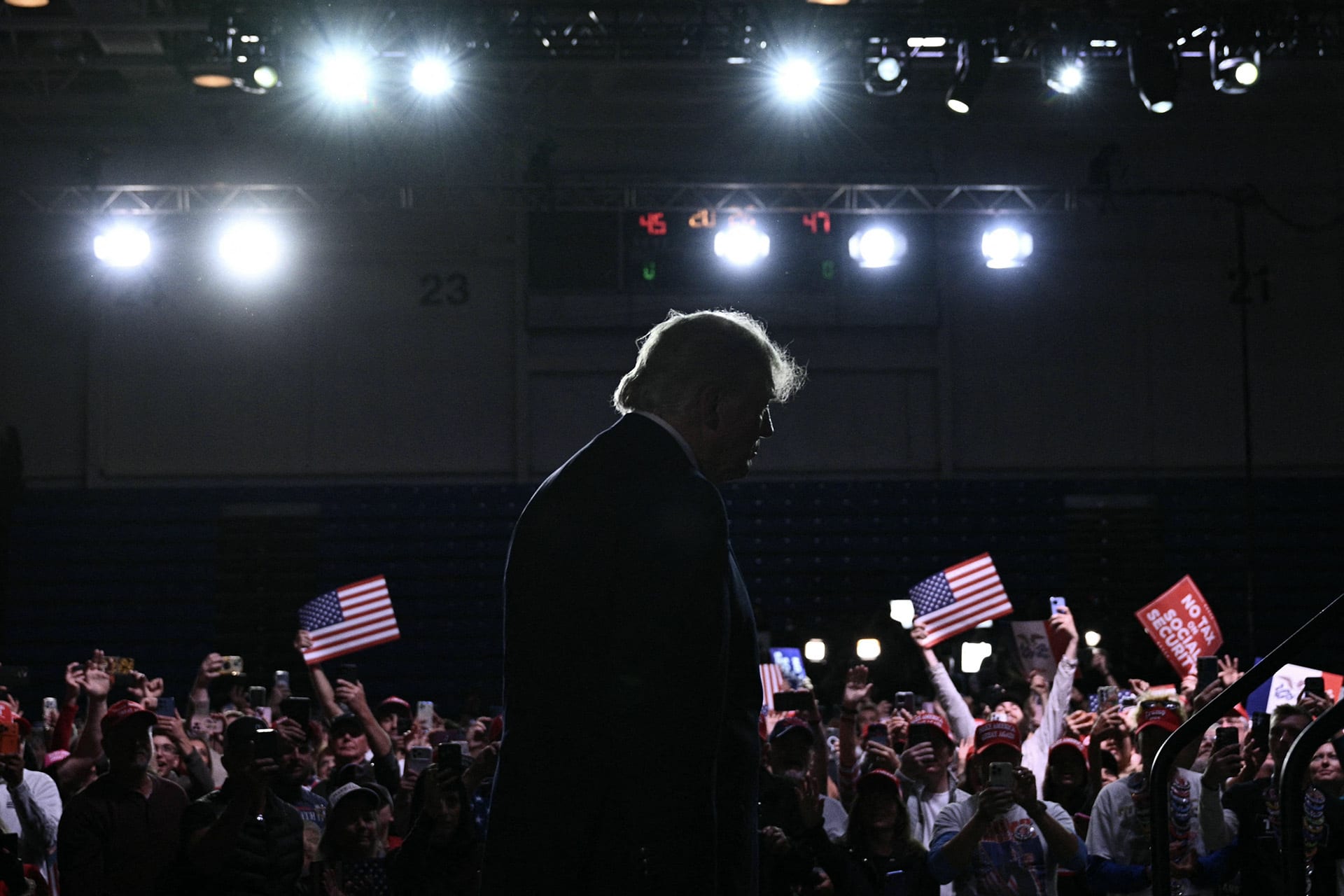
Ahead of the midterms, Trump had urged voters to pretend he was on the ballot and to treat the vote as a referendum on him and his policies. Apparently they did, and the Republican Party is now in disarray. Amid the upheaval after the election, many who have stayed quiet are going to speak up under a lame-duck president. One of them, Vice President JD Vance, who had long been a skeptic of the war against Iran, has already posted a long statement on X that bluntly said: “The reason we lost is the war.”
The relief for Asian allies could extend beyond any rethinking of the Iran war. Congress has historically been a strong supporter of issues critical to Asian partners and allies, including a tougher approach toward China and arms sales to Taiwan; relieved Taiwanese officials quickly noted after the elections that the U.S.-Taiwan relationship has strong bipartisan support in Congress. (Even before the midterms, in September, the bipartisan Senate Taiwan Caucus had urged Trump to move forward with $14 billion in arms sales to Taiwan, which the island would pay for itself.) The White House had recently taken a soft approach toward China, a position that was unpopular with some Republicans and many Democrats. The new Congress will likely put more pressure on the Trump administration to take a clearer and tougher approach on a range of issues, including Chinese artificial intelligence and export restrictions.
The new Congress will likely put more pressure on the Trump administration to take a clearer and tougher approach on a range of issues.
Japanese and Philippine officials I have spoken with, meanwhile, believed that with much more pushback from Congress, Trump will be forced to stop slamming Asian partners and allies with tariffs. Indeed, most Asian policymakers I have interviewed since the election believed that, with polls showing so many Americans recognizing the links between tariff policy and higher prices, and voicing their strong dislike of tariffs, the White House will change course. Even if Trump does want to continue applying tariffs, the jockeying for the Republican nomination in 2028 has essentially already begun, and ending the unpopular fixation on tariffs is in the interests of those wanting to succeed Trump.
But the forty-seventh president is nothing if not unpredictable. A lame-duck Trump could be dangerous. Already isolated from external voices—Trump reportedly relies heavily on close aides who cherry-pick and print out favorable news and social media posts for his review—he could become even more alienated from advisors such as Vance or Secretary of State Marco Rubio. Trump has always said that his “gut” is smarter than anyone else’s brain.
Asian leaders will find out fairly quickly—on many levels—whether their hopes for improved relations with the United States are reality or fantasy. Trump is scheduled to arrive in Manila on November 16 for the summit of the Association of Southeast Asian Nations and related meetings. By then, he could well have ignored Vance and others and renewed attacks on Iran. After all, even following the election, he said he did not regret launching the conflict and that he would have “done it again.” Such a move would be profoundly dangerous militarily for the United States, which is already low on many munitions. But diplomatically, it would also all but seal the United States’ long-term unpopularity in Asia.
This work represents the views solely of the author(s). The Council on Foreign Relations is an independent, nonpartisan membership organization, think tank, and publisher, and takes no institutional positions on matters of policy.