The 1928 Kellogg-Briand Pact to Outlaw War
A treaty to outlaw war embodied a lofty idealism but was the product of Realpolitik and cynical political calculations.
By experts and staff
- Published
 James M. LindsayCFR ExpertMary and David Boies Distinguished Senior Fellow in U.S. Foreign Policy
Twenty-one Americans have been awarded the Nobel Peace Prize. Some of those winners are well-known historical figures: Theodore Roosevelt, Woodrow Wilson, Henry Kissinger, Jimmy Carter, and Barack Obama, to name the most obvious. Other winners were famous in their day but are only remembered now by their descendants and historians.
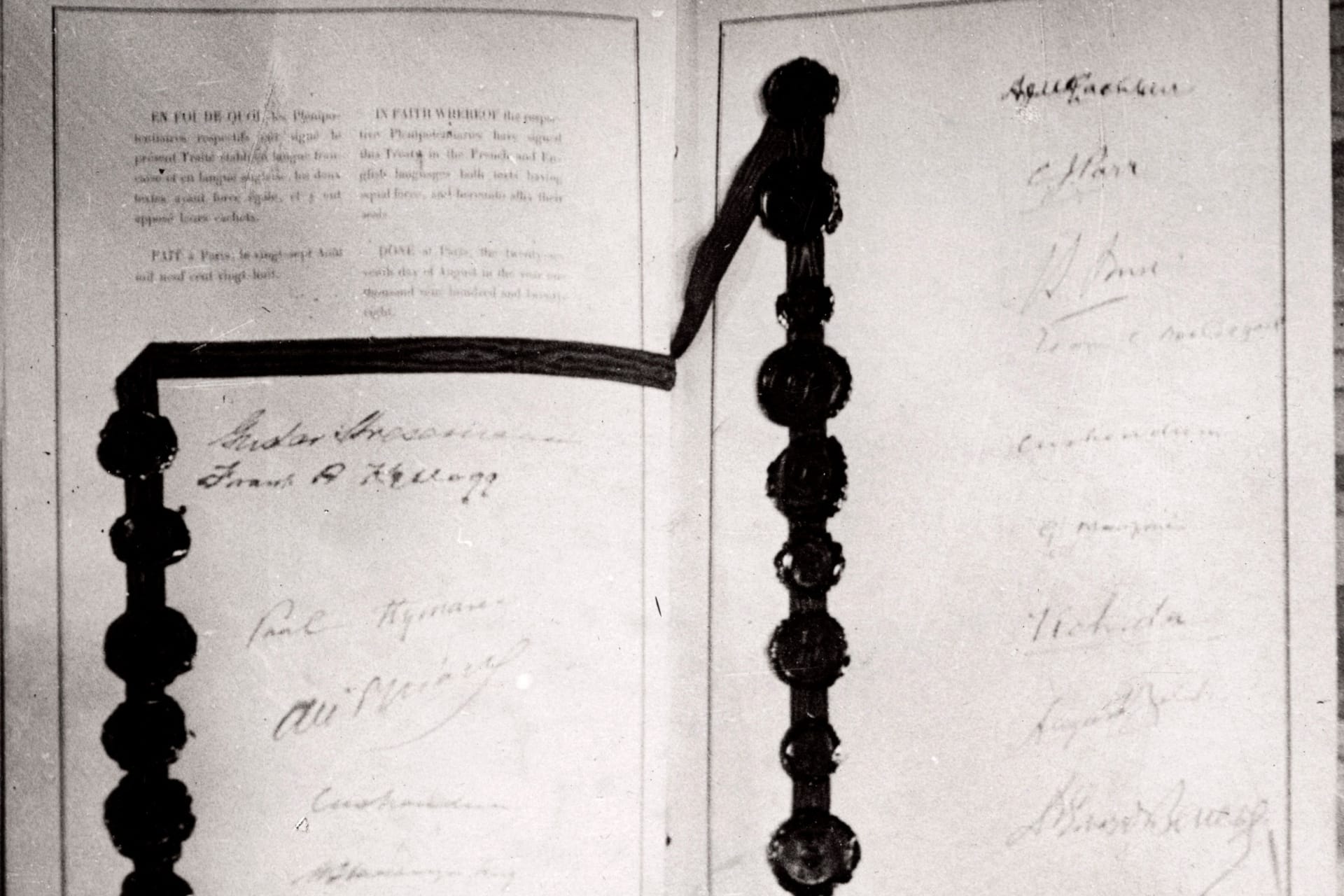
Frank B. Kellogg, President Calvin Coolidge’s secretary of state, falls into the latter category. He was awarded the 1929 Nobel Peace Prize for negotiating a treaty that he disliked and tried to avoid negotiating even though it would bear his name. But on August 27, 1928, fifteen nations met in Paris to sign the Kellogg-Briand Pact. They solemnly agreed to “the renunciation of war as an instrument of national policy” and to settle “all disputes or conflicts of whatever nature or of whatever origin they may be, which may arise among them” only by “pacific means.”
A century of hindsight makes it easy to mock the Kellogg-Briand Pact. Only eleven years after its signing, the world plunged into a global war that killed more than 50 million people. But while the pact’s language embodied lofty idealism—or if you prefer, rank foolishness—it was the product of Realpolitik and cynical political calculations. To understand why requires knowing a bit about French strategic thinking and American public opinion in the 1920s.
The Legacy of the Great War
French leaders in the 1920s feared the possibility of another war with Germany. More than a million French soldiers had died fighting in World War I and much of northern France had been left devastated. The Treaty of Versailles had ended the war and imposed a punishing peace on Germany. But despite those terms, or perhaps because of them, France worried that Germany would one day rearm and again seek to dominate Europe.
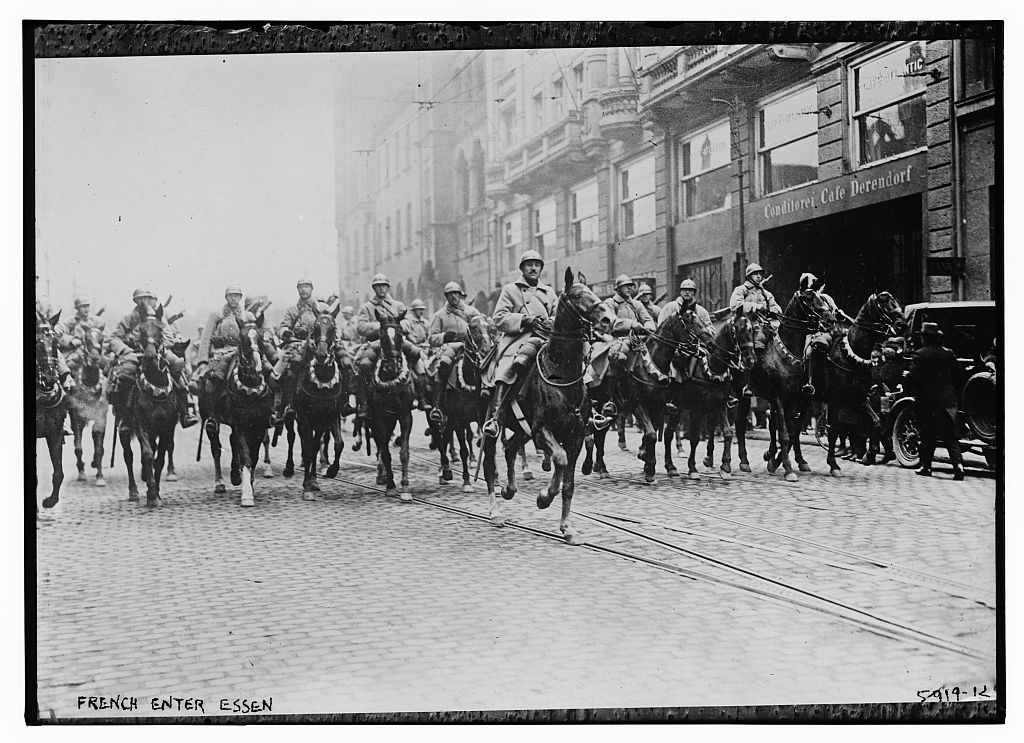
Paris’s solution to its predicament came straight out of the Realpolitik handbook: construct a defensive alliance aimed at Germany. The question was, how could France keep other countries from directly or indirectly aiding Germany?
Outlawing War
Across the Atlantic, many Americans had become disillusioned with the U.S. decision to enter World War I. The Senate voted in 1919 and again in 1920 to reject the Treaty of Versailles and with it the creation of the League of Nations. Wilson’s vision of a new international organization that would keep the peace had captivated many Americans during and immediately after the war. But now it was seen as a threat to drag the United States into wars not of its own making and divorced from U.S. national interests. Democrats and Republicans both resisted any diplomatic effort that might entangle the United States with the hated League.
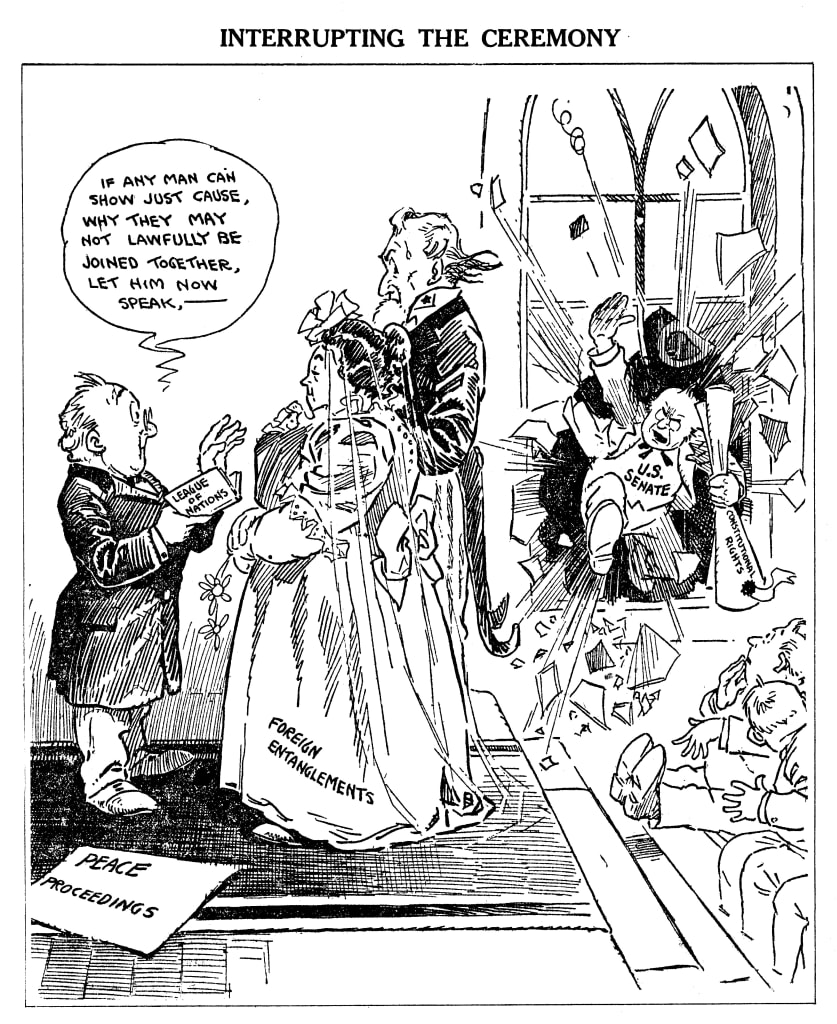
The rejection of Wilson’s vision, however, did not equal a rejection of the goal of creating a more peaceful and less threatening world. Peace groups continued to search for alternatives to traditional power politics. Many of them began to rally around the idea that the solution to the scourge of war lay in renouncing its practice. Activists like Chicago lawyer Salmon Levinson, who created the American Committee for the Outlawry of War, Columbia University President Nicholas M. Butler, and Columbia University professor James T. Shotwell helped popularize and legitimize the idea that war could be avoided if it were outlawed.
Briand’s Proposal
Membership in American peace groups was never large. But the groups were effective in promoting their ideas and enlisting support from members of Congress. They also worked to persuade foreign leaders to take up the cause of outlawing war. In March 1927, Shotwell met with French Foreign Minister Aristide Briand in Geneva to pitch him on the idea. To Shotwell’s delight, Briand was deeply interested.
On April 6, 1927, the tenth anniversary of the U.S. declaration of war on Germany, Briand penned an open letter to the United States that Shotwell had helped draft. The letter invited Washington to join with Paris in “any mutual engagement tending, as between those two countries, to ‘outlaw war,’ to use an American phrase.” Briand’s appeal carried a special weight. He had won the 1926 Nobel Peace Prize for negotiating the Locarno Pact. It resolved Germany’s boundaries with its western neighbors, reduced tensions in Western Europe, and helped pave the way for Germany to enter the League of Nations.
All Is Not What Meets the Eye
Briand’s offer thrilled pacifist-minded Americans. Here was chance to make the outlawry of war a reality. France was one of Europe’s great powers. If it took up the cause of peace, other European countries would likely follow. Major newspapers like the New York Times hailed the idea. Charles Lindbergh’s historic solo flight across the Atlantic to Paris in May 1927 added to the sense of Franco-American good feeling. Within weeks, petitions calling on Coolidge to take up Briand’s offer had garnered more than two million signatures.
Briand, however, had not made his offer, as many of his American supporters believed, in a fit of high-mindedness about what international law could accomplish. Instead, he made it because he judged that it would advance France’s strategic interests. Paris worried that in any future war with Germany that Washington might insist, to the point of going to war, that France respect the right of neutral countries to trade with Germany. However, if the United States renounced war in its dealings with France, then Paris could run roughshod over neutral rights and not have to worry that Washington might intervene militarily. In that sense, Briand’s offer was a negative military alliance designed to sideline the United States should France again go to war with Germany.
Kellogg’s Counteroffer
Kellogg understood high-stakes negotiations. He had been a successful trial lawyer, represented Minnesota in the U.S. Senate, and served as U.S. ambassador to Great Britain before becoming secretary of state. He immediately recognized what Briand was trying to accomplish and wanted nothing to do with it. Not only would Briand’s proposal tie U.S. hands should France go to war, it might be interpreted in the future as requiring the United States to come to France’s aid. Kellogg also disliked the fact that Briand had made his offer publicly in a bid to put domestic political pressure on the Coolidge administration.
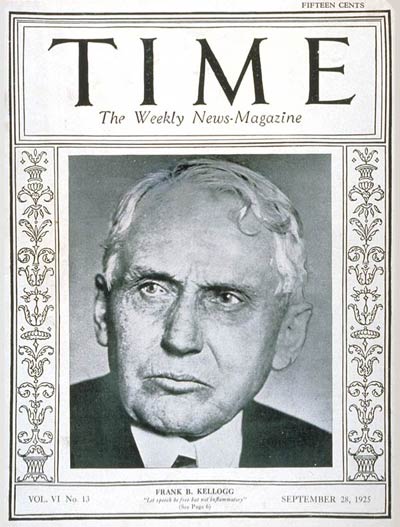
Faced with public pressure to do something that neither Coolidge nor he wanted to do, Kellogg took a page out of the savvy diplomat’s handbook: he bought time. First, he agreed to talk. The French formally presented a draft of the proposed “Pact of Perpetual Friendship” in June 1927. Kellogg took the proposal under consideration. Then, he stalled, hoping that events would provide an opportunity that would allow him to turn the table on Briand.
Kellogg caught his break in December 1927 when the Senate Foreign Relations Committee informed him that it favored a general treaty outlawing war over a simple bilateral treaty. Kellogg now made Briand a counteroffer: France and the United States should invite all countries to sign a pact renouncing war. By making the invitation universal, Kellogg had rendered it largely ineffective, more a toy handcuff than an iron manacle.
A Diplomatic Air Kiss
Briand wasn’t happy at having been one-upped. He tried to wriggle out of the trap Kellogg had set for him. But his options were limited. Having won a Nobel Peace Prize and having championed a bilateral treaty renouncing war, he could hardly argue against a universal ban on war. He was left with making the best of a bad situation—Paris would host the historic meeting to renounce war. The Kellogg-Briand Pact was signed on August 27, 1928.
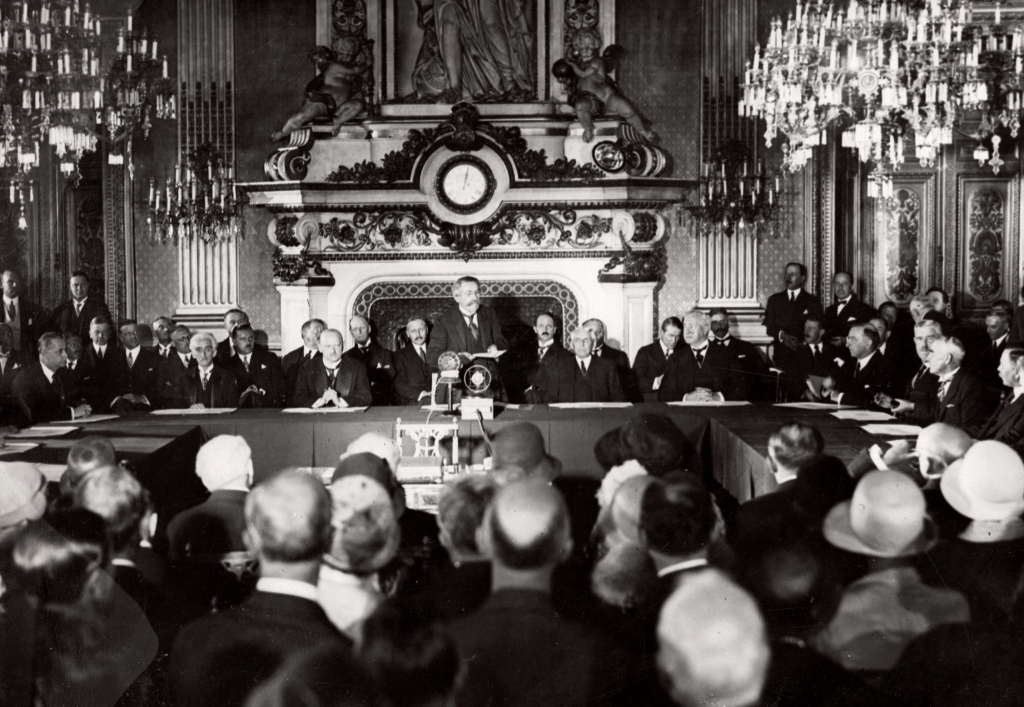
The U.S. Senate voted on January 15, 1929, to approve the Kellogg-Briand Pact. Most senators understood that the treaty was the diplomatic equivalent of an air kiss and would not change the rough-and-tumble conduct of world politics. That same day they also voted to fund the construction of fifteen new warships.
More than sixty countries, including Germany, Italy, Japan, and the Soviet Union, eventually added their signatures to those of the original fifteen signatories. Despite the solemn oaths provided by all these countries, the Kellogg-Briand Pact never stopped any wars. Eleven years after the Paris signing, World War II began.
Oscar Berry and Jack Patton assisted in the preparation of this article.
The United States celebrates its 250th anniversary in 2026. To mark that milestone, I am resurfacing essays I have written over the years about major events in U.S. foreign policy. A version of this essay was published on August 27, 2011.
This work represents the views solely of the author(s). The Council on Foreign Relations is an independent, nonpartisan membership organization, think tank, and publisher, and takes no institutional positions on matters of policy.