The 1953 Overthrow of Iranian Prime Minister Mohammad Mosaddeq
The CIA’s Operation Ajax helped push Iran toward autocracy and encouraged U.S. presidents to approve other covert efforts to oust governments they disliked.
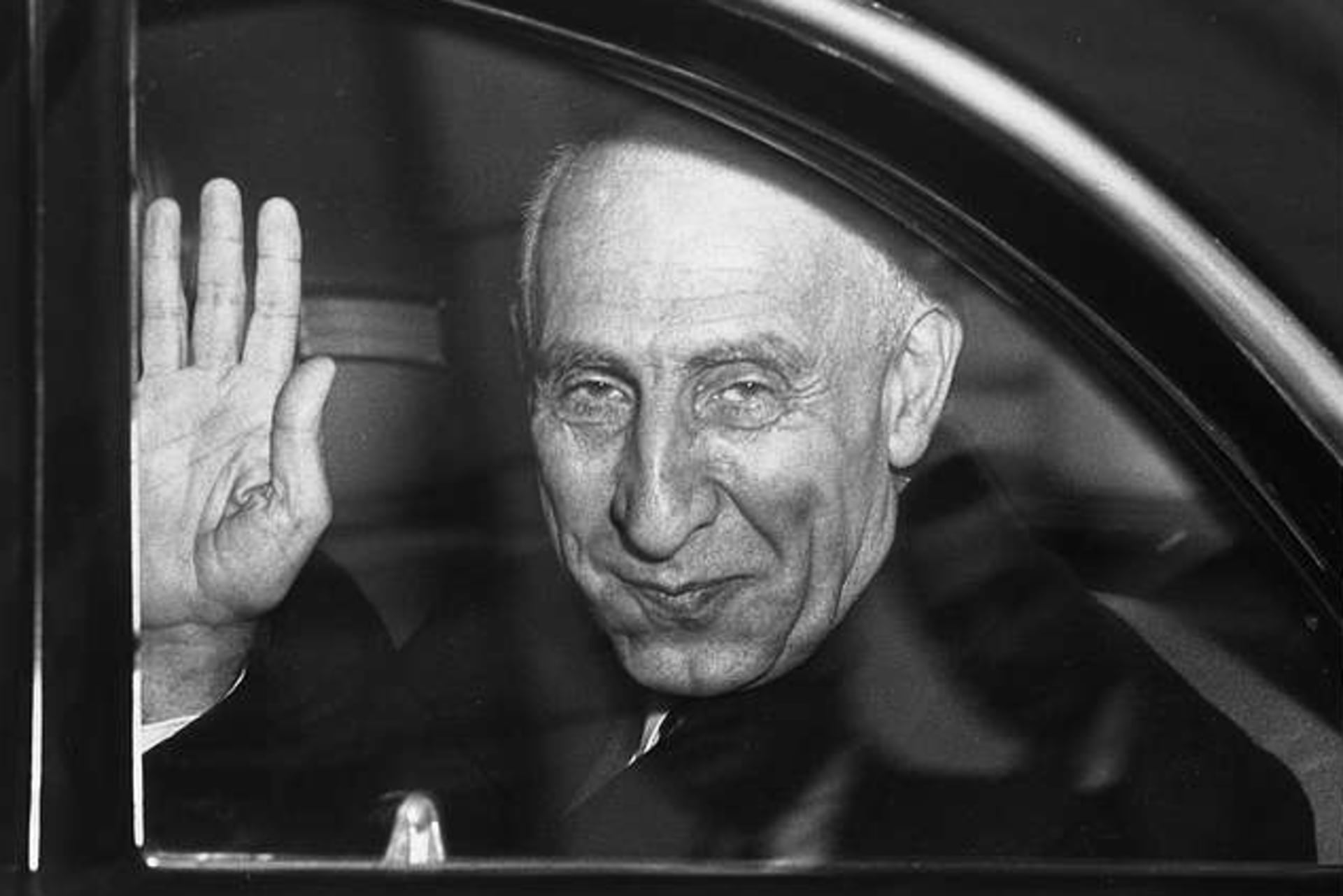
By experts and staff
- Published
 James M. LindsayCFR ExpertMary and David Boies Distinguished Senior Fellow in U.S. Foreign Policy
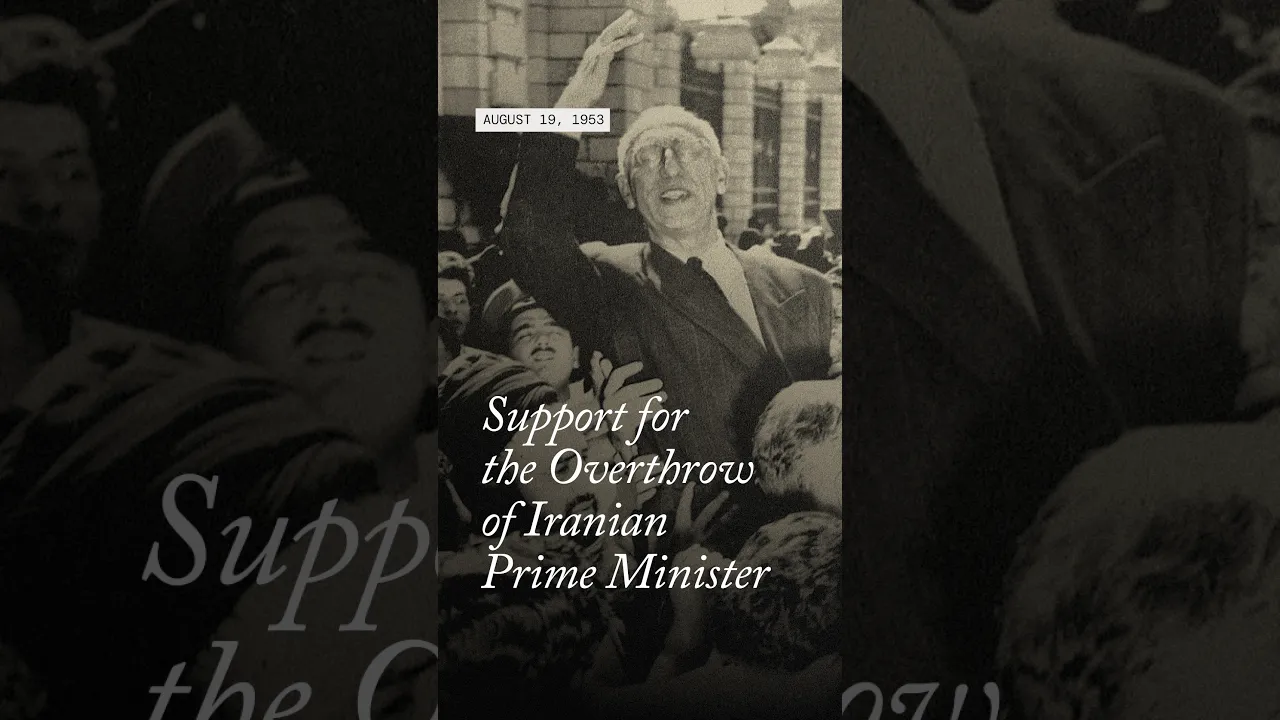
The United States has now been at war with Iran for nearly five months. For many Americans, the origin of the bad blood between the two countries dates back to November 4, 1979, when Iranian students stormed the U.S. embassy in Tehran and took U.S. diplomats hostage. For many Iranian nationalists, however, the critical turning point in U.S.-Iranian relations came more than a quarter-century earlier when the United States helped orchestrate a coup that on August 19, 1953, ousted Iran’s Prime Minister Mohammad Mosaddeq.
A survey I conducted on behalf of the Council on Foreign Relations with members of the Society for Historians of American Foreign Relations ranked Mosaddeq’s overthrow as the fourth-worst foreign policy decision in U.S. history.
[Video: https://www.youtube.com/shorts/JcdNqq-kw2Y]
Rising Iranian Nationalism
Iran emerged from World War II politically and economically weakened. Great Britain and the Soviet Union had invaded the country in late August 1941 and deposed its ruler, Shah Reza Khan, a former army officer who had seized the Peacock Throne in a coup sixteen years earlier. In June 1941, Germany had invaded the Soviet Union and quickly pushed back Soviet forces. London and Moscow both feared that the shah, an unabashed admirer of Adolf Hitler, would close the so-called Persian Corridor, cutting off one of the main avenues for supplying the Soviets with Lend-Lease aid.
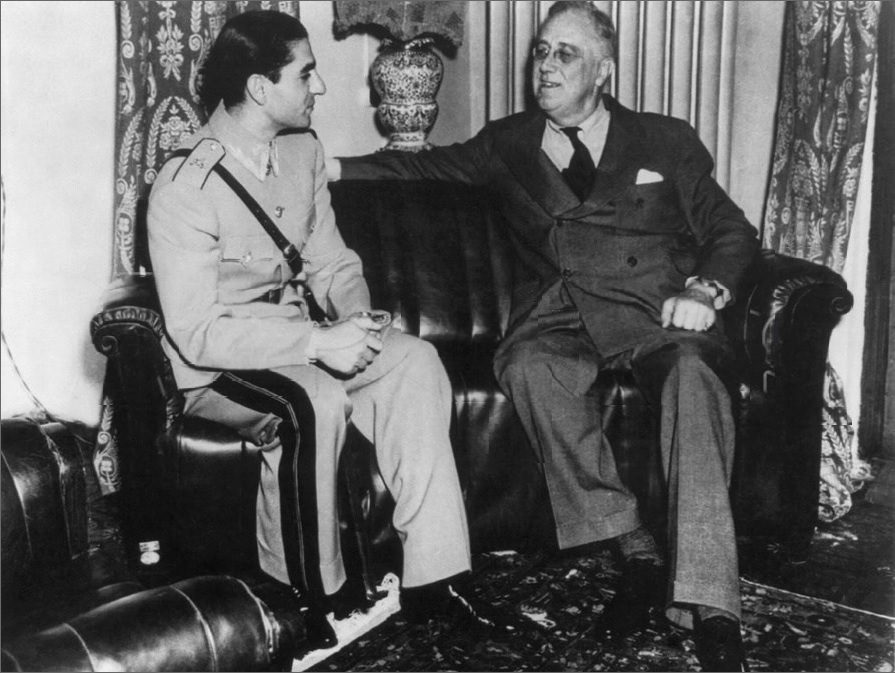
The British and the Soviets allowed Reza Khan’s twenty-two-year-old son, Mohammad Reza Pahlavi, to succeed him as shah. His control over Iran was initially shaky. The political disruption triggered by the joint Anglo-Soviet Union occupation, coupled with a series of poor harvests, impoverished the country.
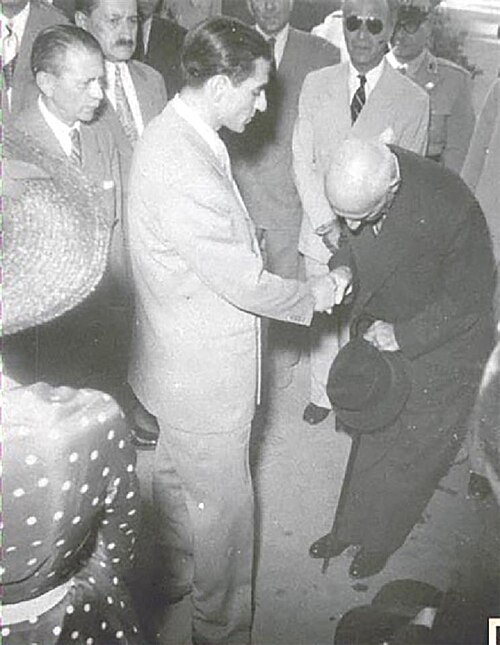
As elsewhere in Asia, Africa, and the Middle East, nationalism soared in Iran after the war ended. Iranians wanted to take back control of their country. Mohammad Mosaddeq became the champion of those aspirations. A descendant of Persian royalty who had been educated in Europe, he had served as Iran’s finance minister for more than twenty years. Sixty-nine years old when he became prime minister, he sought to reclaim Iran’s sovereignty and expand the power of the Majlis, Iran’s parliament. The former meant confronting Britain, the latter the shah.
Nationalization of the Anglo-Iranian Oil Company
The main target of Mosaddeq’s nationalism was the Anglo-Iranian Oil Company (AIOC). Britain owned a majority position in the company, which held a monopoly on Iran’s oil production. The AIOC benefited from a lopsided deal it had imposed on the Iranian government and sustained with illicit payoffs to leading Iranians. In theory, Iran received 16 percent of the company’s profits. The actual percentage was likely far lower; the AIOC never let Iranian officials see its books.
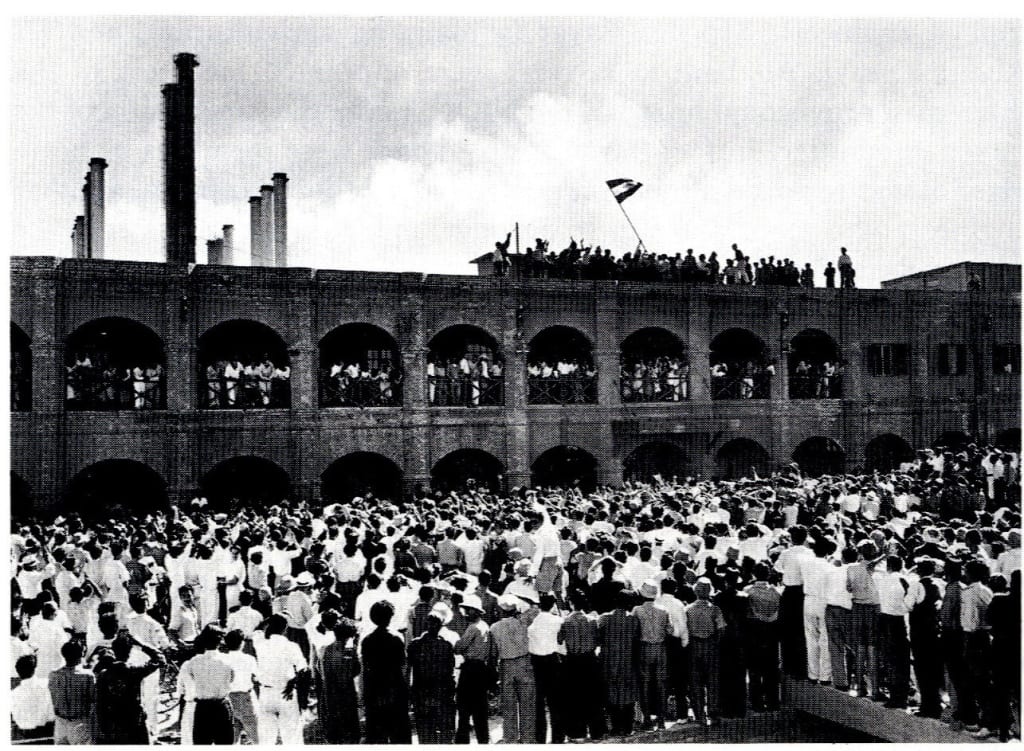
In March 1951, the deeply unpopular Prime Minister Ali Razmara, who had blocked legislative efforts to demand a better deal from the British on the AIOC, was assassinated. A political crisis resulted. Mosaddeq agreed to become prime minister on the condition that the Majlis nationalize the oil industry. It did so unanimously. Britain contested the decision, even though it had nationalized its own coal and steel industries.
Self-image and self-interest both influenced London’s refusal to negotiate a compromise. Britain was clinging to a global empire in steep decline and feared that any concessions to Iran would undermine its influence elsewhere in the Middle East. Meanwhile, the AIOC’s profits helped finance the British government. Unwilling to back down, London blockaded Iranian oil exports and persuaded other Western powers to stay on the sidelines. Iran’s oil exports plunged, wreaking havoc on its economy.
The Communist Menace
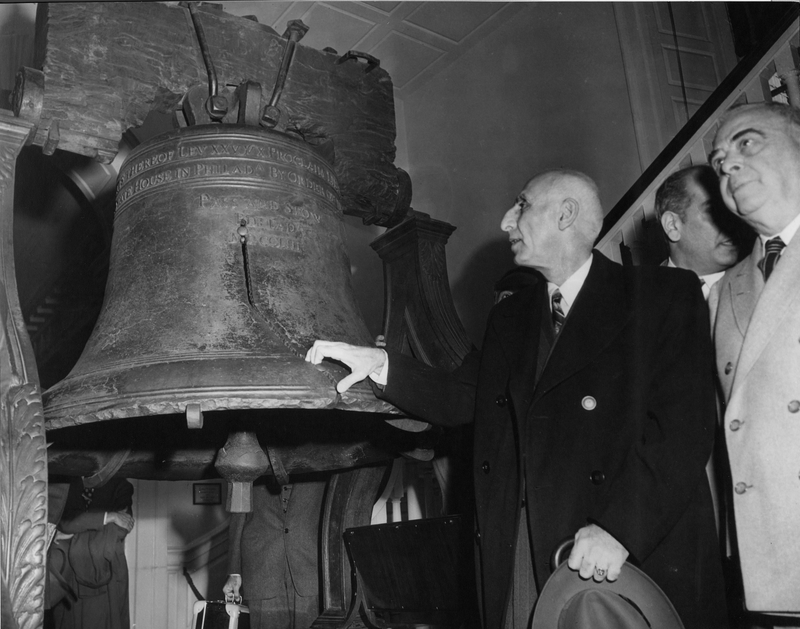
Britain wanted U.S. support for its effort to squeeze Iran. President Harry S. Truman, however, dismissed British proposals to invade Iran and force Mosaddeq’s ouster. Truman instead tried to mediate the dispute. He sent envoys to Tehran and even hosted Mosaddeq in Washington in a bid to find a compromise. Nothing came of these efforts, in large part because Mosaddeq opposed any British involvement in Iran’s oil industry. In October 1952, after learning that London was seeking to orchestrate a coup against him, Mosaddeq broke diplomatic relations with Britain and expelled all British diplomats.
The 1952 U.S. presidential election gave London another opportunity to win U.S. support for ousting Mosaddeq. With the Soviets dominating Eastern Europe, Mao Zedong in power in China, and U.S. troops fighting communist forces in Korea, President Dwight D. Eisenhower had pledged not just to “contain” but “roll back” communism. His choice for secretary of state, John Foster Dulles, intended to put that pledge into practice. Understanding the mood in Washington, British diplomats argued that Mosaddeq’s nationalization campaign was creating an opening for Communists to seize power. The prime minister inadvertently buttressed that argument by pressing the Majlis to give him emergency governing powers, telling U.S. diplomats that a revolution was imminent, and threatening to turn to Moscow unless Washington provided more aid to Iran.
U.S. Policy Shifts
Dulles was convinced by what he heard, even though Mosaddeq had excluded Communists from his government and it was the British embargo and not communist activities that had damaged Iran’s economy and roiled its politics. Eisenhower was initially skeptical, telling his British counterpart in March 1953 that Mosaddeq was “the only hope for the West in Iran.” Eisenhower’s opposition faded, however, as Mosaddeq rejected compromise proposals on the AIOC and Iranians took to the streets to protest economic hardship and Mosaddeq’s pursuit of emergency powers. Worried that Iran’s oil might be lost permanently to the West, Eisenhower in June approved a clandestine Anglo-U.S. effort to overthrow Mosaddeq.
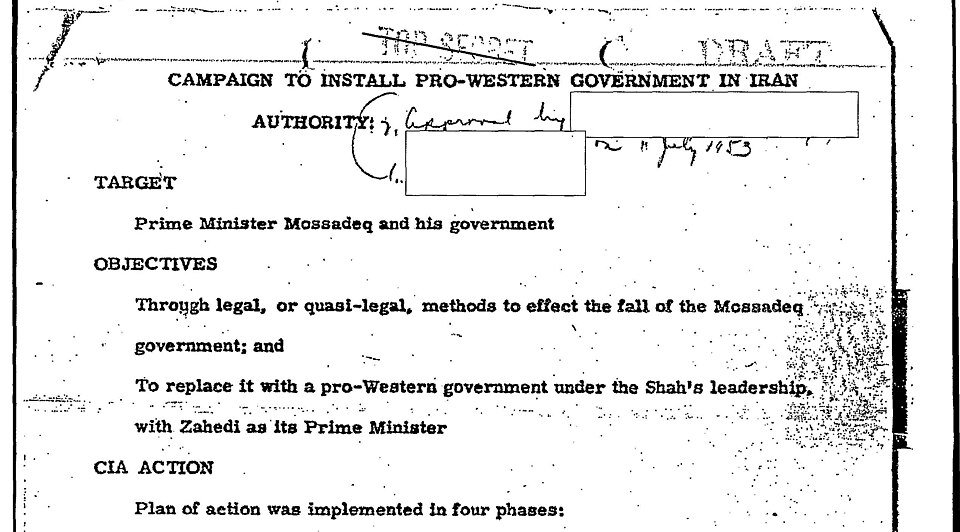
Allen Dulles, the director of the CIA and John Foster Dulles’s younger brother, oversaw the planning for Operation Ajax. The covert campaign to topple Mosaddeq called for inflaming Iranian anger at Mosaddeq by paying journalists, mullahs, and politicians to attack him as corrupt and power hungry. At the same time, street gangs would be paid to attack public figures, increasing instability and fueling suspicions that Mosaddeq was attacking his critics. Then, paid demonstrators would march on the Majlis to demand his ouster. Power would be transferred to General Fazlollah Zahedi, who had served in Mosaddeq’s government before a mutual falling out.
Operation Ajax
Kermit Roosevelt, a grandson of President Theodore Roosevelt, ran Operation Ajax on the ground in Iran. He encountered an immediate problem. The plan hinged on the shah firing Mosaddeq. But when the moment came, the shah balked. He had confronted the prime minister a year earlier over the limits of royal authority. Mosaddeq had resigned in response. When crowds then poured into the streets demanding his reinstatement, the shah backed down. He feared that firing Mosaddeq a second time would lead to his own ouster. Meanwhile, after learning in July that members of the Majlis had been bribed to vote against him, Mosaddeq called for a national referendum to endorse his government. The clearly rigged vote gave him 99.4 percent support.
Under intense pressure from U.S. officials, the shah finally agreed to fire Mosaddeq and appoint Zahedi in his place. However, Mosaddeq refused to step aside when he was told of his firing on August 15; he instead announced to the country that he had foiled a coup. Operation Ajax appeared to have failed: the shah fled the country, Zahedi went into hiding, and the CIA directed Roosevelt to leave Iran.
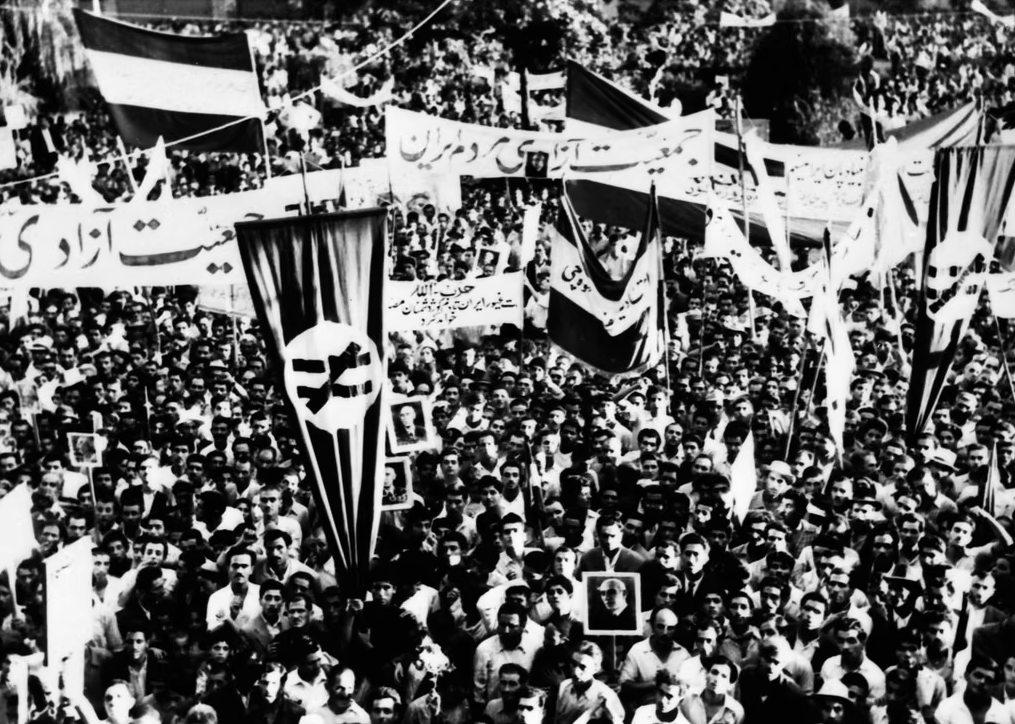
But over the next four days, the tide turned. Whether because the CIA paid protestors, Mosaddeq’s political enemies saw the chance to advance their own agendas, or ordinary Iranians concluded that Mosaddeq sought to end the monarchy, public sentiment and military support turned against the prime minister. On August 19, his premiership ended.
The Fallout
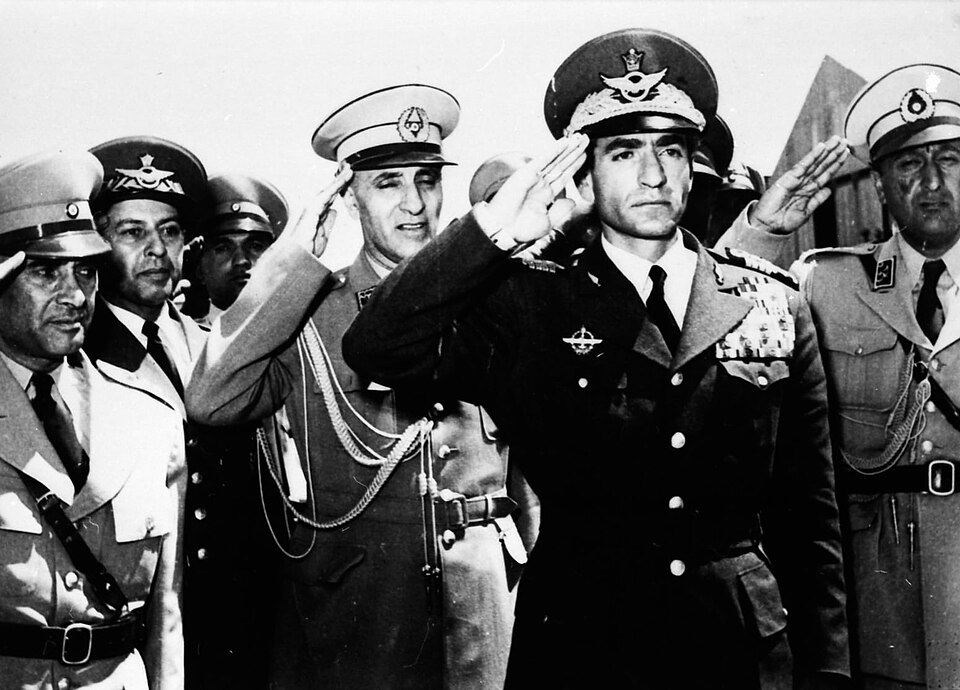
The shah solidified his control over Iran in the wake of Mosaddeq’s ouster. He had Mosaddeq convicted of treason and sentenced to three years in prison, followed by life under house arrest. One of Mosaddeq’s closest advisers was executed, as were more than dozen military officers and student leaders allied with his government. Zahedi, who shared Mosaddeq’s view that Iran should have a constitutional monarch with limited powers, lasted only two years as prime minister before losing a power struggle to the shah. The once indecisive ruler became an autocratic ruler who would be overthrown in the 1979 Iranian revolution.
Mosaddeq’s ouster did not produce the outcome that British officials anticipated. The Eisenhower administration rejected the idea that the AIOC, renamed British Petroleum (now known as BP), would resume its monopoly over Iran’s oil production. Instead, the United States forced Britain to accept an agreement under which control of a new National Iranian Oil Company was shared among U.S., British, and European firms, with its profits split fifty-fifty with Iran.
The Legacy of Mosaddeq’s Overthrow
Historians have long debated how critical Operation Ajax was to Mosaddeq’s fall. Some argue that the United States succeeded only because critical segments of the Iranian elite and public had already turned against him. He had abandoned his own democratic principles by grabbing emergency powers and trying to stifle the domestic criticism that his nationalization policy had failed to produce the benefits he promised. In this view, had Eisenhower nixed Operation Ajax rather than approved it, Mosaddeq likely still would have been pushed from power.
Whatever the precise U.S. contribution to Mosaddeq’s ouster, the fact remains that the United States did intervene in Iranian politics. That, at a minimum, provided the grist for a bitterly anti-American narrative that blamed the United States for the failure of Iran’s nascent democracy and the rise of the shah’s autocratic rule. It is an anti-American narrative that the leadership of the Islamic Republic continues to invoke to this day.
The impact of Mosaddeq’s ouster also went well beyond Iran. The Eisenhower administration and its successors took the seeming success of Operation Ajax as confirmation that covert operations could rid the United States of troublesome leaders they disliked at a low price. Over the next three decades, the United States intervened covertly in a range of countries under the banner of stopping communism, perhaps most famously in Guatemala in 1954 and Chile in 1973. Those interventions frequently propelled autocrats to power, inflicted great harm on civilian populations, and generated considerable and long-lasting anti-American sentiment.
Oscar Berry assisted in the preparation of this article.
This work represents the views solely of the author(s). The Council on Foreign Relations is an independent, nonpartisan membership organization, think tank, and publisher, and takes no institutional positions on matters of policy.