Trump’s Russian Diesel Deal, Explained
Trump announced a new diesel deal with Putin on October 9 to the surprise of many U.S. allies. Experts argue the agreement could undercut Western economic pressure on Russia and solidarity efforts with Ukraine while doing little to lower fuel prices.
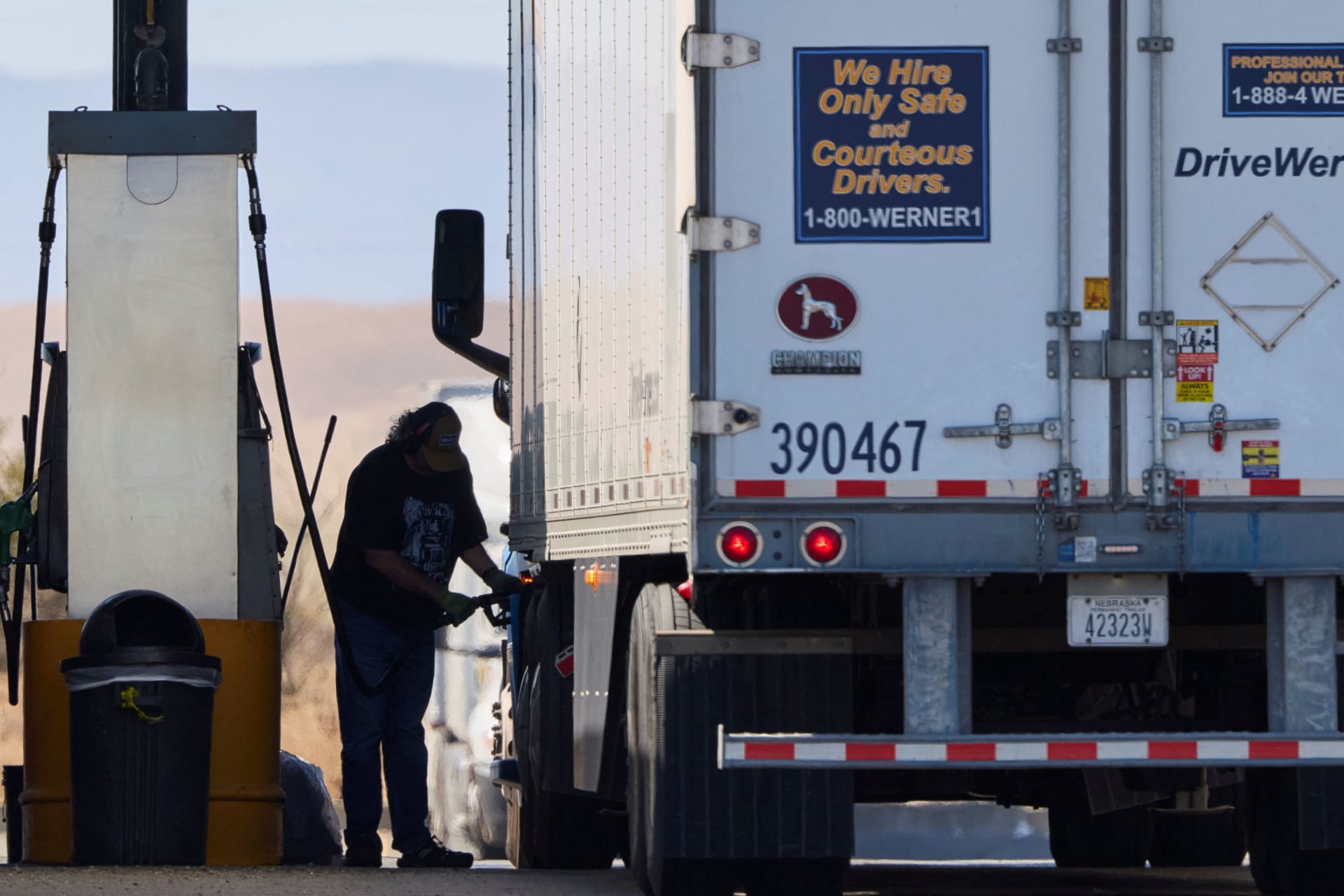
U.S. President Donald Trump announced on October 9 that he had struck a deal to purchase diesel from Russia, pivoting away from a years-old Western policy that placed massive economic pressure on Moscow. The move is expected to strain Washington’s relationships with its European allies.
In a social media post, Trump said Russian President Vladimir Putin agreed to immediately supply more than three hundred thousand tons (2.25 million barrels) of diesel to U.S. and global markets, followed by an additional five hundred thousand tons in November and a million tons “immediately thereafter.” Russia would also release three million tons of diesel “within a short period of time,” depending on the state of its refineries.
Shortly after the announcement, the Treasury Department issued a temporary license suspending U.S. sanctions on Russian diesel deliveries until April 2027. Beyond lowering fuel prices, the Trump administration reportedly hopes the deal will signal Washington’s openness to working with Moscow and bring the country back to the negotiating table to end the war.
“I am confident that this will have a positive impact on the entire global economy,” Putin said, according to the Russian Foreign Ministry. But Ukrainian President Volodymyr Zelenskyy called Trump’s decision a “weak one” that plays into Russia’s hands. “Gifts to Putin will not bring peace” but “further terror and perfidy,” he wrote on social media. European officials and a bipartisan group of U.S. lawmakers have criticized the agreement.
Few experts believe the diesel deal will have much of an effect on global oil markets in the near future. Instead, several said it would only bolster Russia economically and further strain transatlantic unity.
“The diesel deal shows that Washington’s Russia policy is now driven by high prices at the pump before the November 3 midterm elections, rather than by any shared transatlantic strategy,” Matthias Matthijs, CFR senior fellow for Europe, said. “The irony is that the U.S., and especially President Trump, has lectured the Europeans for years about the dangers of buying Russian energy; now it is easing sanctions to buy Russian diesel itself, without consulting anyone in Europe.”
Why did Trump and Putin make this deal?
Trump has indicated he believes the diesel deal with Putin will bring down fuel prices, which spiked in 2026 after the start of the Iran war and increased Ukrainian attacks on Russian oil refineries. “Lower prices for Americans, especially our Great Farmers, Ranchers, and Truckers, is my Greatest Priority,” Trump said in a post on social media about the agreement.
Diesel prices averaged $6.18 a gallon, as of October 12, up from $3.48 at the start of this year, according to the U.S. Energy Information Administration. Trucks, farm equipment, and construction machinery all use diesel, and higher fuel costs have passed through to U.S. consumers. The latest Consumer Price Index showed that prices rose 0.6 percent in September, which is more than economists expected, bringing the annual inflation rate to 3.7 percent. Polls indicate that this could affect Republican candidates in the upcoming midterm elections, which have increasingly centered on cost-of-living concerns.
“The announcement of the deal is really for political effect at home, to try to influence voters in this election,” Vijay Vaitheeswaran, senior fellow and director of the Energy and Climate Program at CFR, said. “The idea that there might be lower prices coming because of an innovative deal that President Trump did, with his relationship with Putin, sounds pretty good [to voters].”
But analysts predict the deal will do little for diesel prices, especially before the November 3 elections, given that the volumes of Russian diesel to be released will barely make a dent in the global supply deficit, which the data analytics company Kpler estimates at about 130,000 tons per day or one million barrels per day. In the United States, the three hundred thousand tons scheduled to hit the market this month would cover only three-quarters of the country’s daily consumption, according to Guardian calculations using data from the U.S. Energy Information Administration. If all supplies were released simultaneously, the Wall Street Journal estimates, they would last the world about three weeks.
The limited release of diesel could reflect Russia’s diminished refining capacity, experts said. “A lot of Russia’s capacity to produce diesel has been degraded by Ukrainian attacks, and the timeline between now and the election is very short,” Vaitheeswaran noted. “I don’t see this as very likely to have a significant impact on global diesel markets.”
Although the deal is unlikely to lower diesel prices, it will benefit Putin and Russia. Diesel sales will generate revenue that could be used to prolong the war in Ukraine. Since announcing the deal, Trump has also told Ukraine to stop attacking Russian refineries. Zelenskyy responded that Ukraine would do so only if Russia did too, or the United States provided more Patriot interceptors. He paused strikes on Russian energy infrastructure for three days but has since resumed them to counter ongoing attacks.
What does the deal mean for the future of U.S. sanctions on Russia?
Last month, Trump signed into law new measures targeting illicit importers of Russian oil and gas. Experts and lawmakers who closely follow the war in Ukraine initially viewed the law as a sign that the White House would adopt a more hard-line approach toward Moscow. But many said the U.S.-Russia diesel deal runs counter to the spirit of the law—written by the late Senator Lindsey Graham—as well as long-standing economic policy toward Russia.
“The diesel deal was a major shock for the Ukrainians, for European governments, for members of Congress who thought they were slowly moving Trump toward new sanctions on Russia,” Stephen Sestanovich, a senior fellow for Russian and Eurasian studies at CFR, said. “It showed the U.S. was willing to start dismantling sanctions unilaterally, even when doing so violated its own laws.”
U.S. lawmakers from both parties have questioned the deal’s legality. Imports of Russian fuel have been banned since 2022. To lift the ban, Trump would need to confirm that Russia has reached a ceasefire agreement with Ukraine and withdrawn its troops. Another law, signed by Trump during his first term, requires congressional review of significant changes to Russian sanctions.
On October 13, a bipartisan group of twelve senators on the Foreign Relations Committee released a statement [PDF] urging the president to immediately reverse the deal. “The United States should not provide Putin with a financial lifeline while Russia continues to kill Ukrainian civilians,” they wrote. Two days later, twenty-two members of the House of Representatives released a letter [PDF] asking the Trump administration to justify its actions and reconcile them with existing laws.
What do U.S. allies make of the deal?
Whether or not it is implemented, the surprise diesel deal has strained relations between the United States and its allies. Ukrainian officials balked at the October 9 announcement. The same day, three Ukrainian negotiators, along with representatives from Britain, France, Germany, the European Union (EU), and NATO, were meeting in Florida with Steve Witkoff and Jared Kushner, who are both serving as Trump’s diplomatic envoys, to discuss reviving a peace deal to end the war.
Instead, Ukraine was told to halt its ongoing strategy of attacking Russian energy infrastructure, which has proved effective. Reports have also surfaced that Washington has threatened to withhold arms deliveries and intelligence if Kyiv does not comply.
“If Ukraine continues attacking Russian oil infrastructure, it now risks upsetting Trump directly,” Cory Alpert, who worked on Ukraine-related issues during the Biden administration, wrote for the Lowy Institute. “Ukraine risks having to choose between a successful military campaign and the chance at a closer relationship with the United States.”
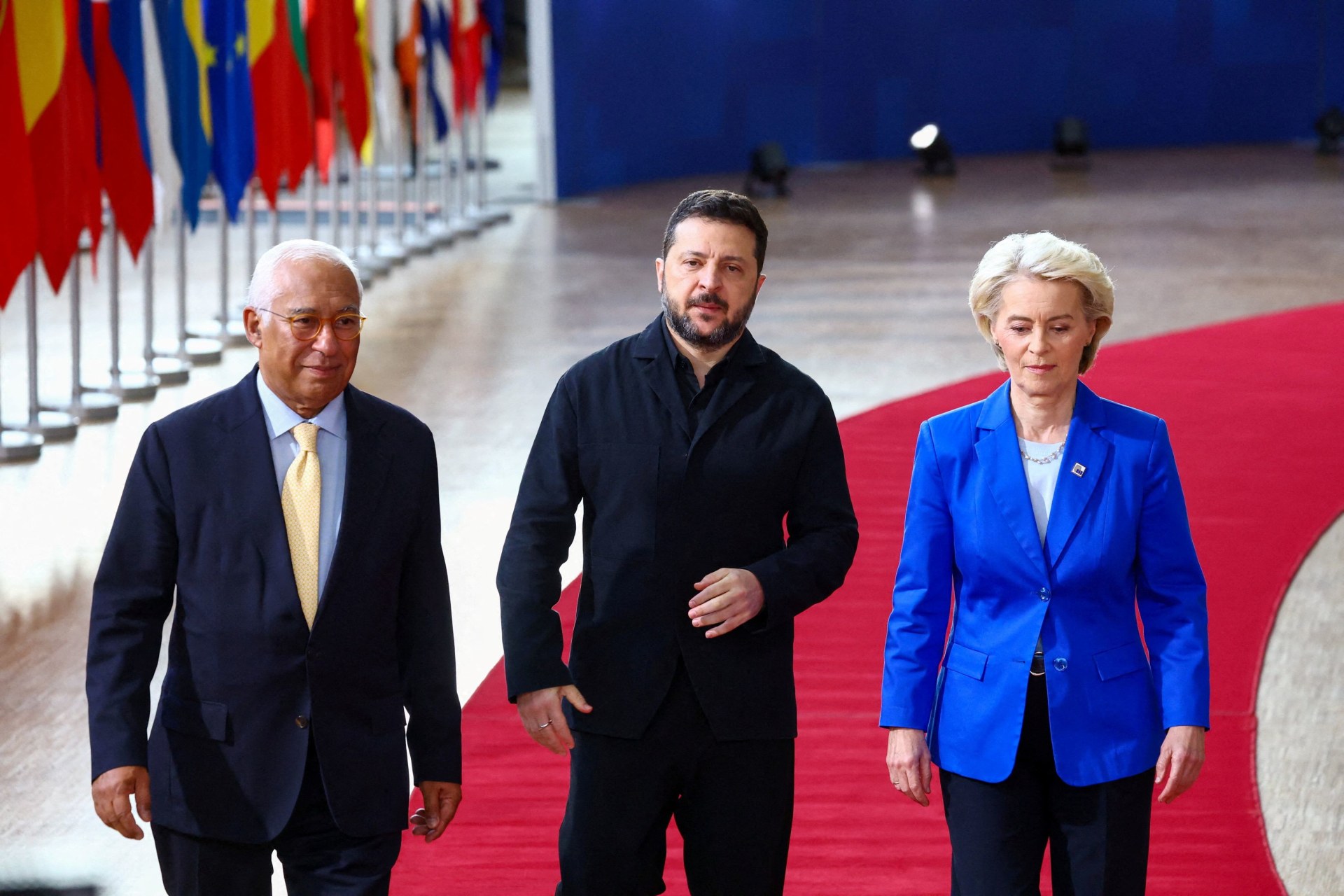
European officials have also expressed discomfort with the deal, and they have since reaffirmed their solidarity with Ukraine. “The U.S. is our biggest ally, but our message is clear,” Kaja Kallas, the EU high representative, said on the sidelines of an EU Foreign Affairs Council meeting in Luxembourg on October 12. “If we want to end this war, the only way we can do this is by putting more pressure on Russia.”
That day, the EU adopted its largest package of Russian sanctions, which includes nearly 1,600 new listings targeting Russia’s military-industrial complex. EU leaders also discussed increasing financial assistance to Ukraine and advancing joint defense during the October 15–16 meeting of the European Council in Brussels.
“For many EU leaders, [the diesel deal] is further proof that the Europeans can no longer afford to outsource their security policy and can no longer rely on the United States to contain Russia,” CFR’s Matthijs said.
This work represents the views solely of the author(s). The Council on Foreign Relations is an independent, nonpartisan membership organization, think tank, and publisher, and takes no institutional positions on matters of policy.