U.S. Policy on Egypt Needs A Big Shift
By experts and staff
- Published
 Steven A. CookCFR ExpertEni Enrico Mattei Senior Fellow for Middle East and Africa Studies
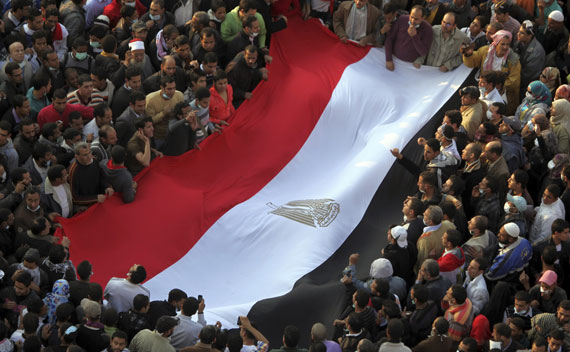
My good friend and colleague Marc Lynch and I published a piece in the International Herald Tribune on November 30th. I look forward to your comments!
The rapid fall of Mr. Mubarak in the face of protests that united young liberal demonstrators and the Muslim Brotherhood was the capstone event of the so-called Arab Spring, inspiring demonstrators in Libya, Syria and elsewhere.
But nine months later, as Egyptians began voting in the first parliamentary elections since Mr. Mubarak’s fall, the future of the revolution was anything but clear.
Initially, the military had been seen as the linchpin of the transition to a more democratic regime. It was the institution Islamists hoped would steer the country to early elections that they were poised to dominate. Liberals regarded it as a hedge against Islamist power. And the Obama administration considered it a partner that it hoped would help secure American interests.
But in the months that followed, growing numbers of secular Egyptians wondered if what had happened was a popular revolution or a military coup — whether they had traded one military regime for another, one that would perhaps govern in partnership with the Brotherhood.
The military, which ruled through an 18-member council...
Read the full article here.