With Hormuz Closed, China Is Wiring the Globe’s Clean Energy Future
No matter the outcome of the conflict between the United States and Iran, China will be better off in the postwar world order due to its global leadership not only in renewable energy and batteries, but also electrical infrastructure and energy innovation.

David M. Hart is a senior fellow for climate and energy at the Council on Foreign Relations.
The blockage of the Strait of Hormuz has thrown many nations dependent on Middle East oil and liquefied natural gas (LNG) into crisis. Beyond immediate measures to reduce energy consumption, the Iran war is now causing these countries to accelerate longer-term plans to build out solar and wind power, install batteries to balance their grids, and expand the role of electric vehicles (EVs).
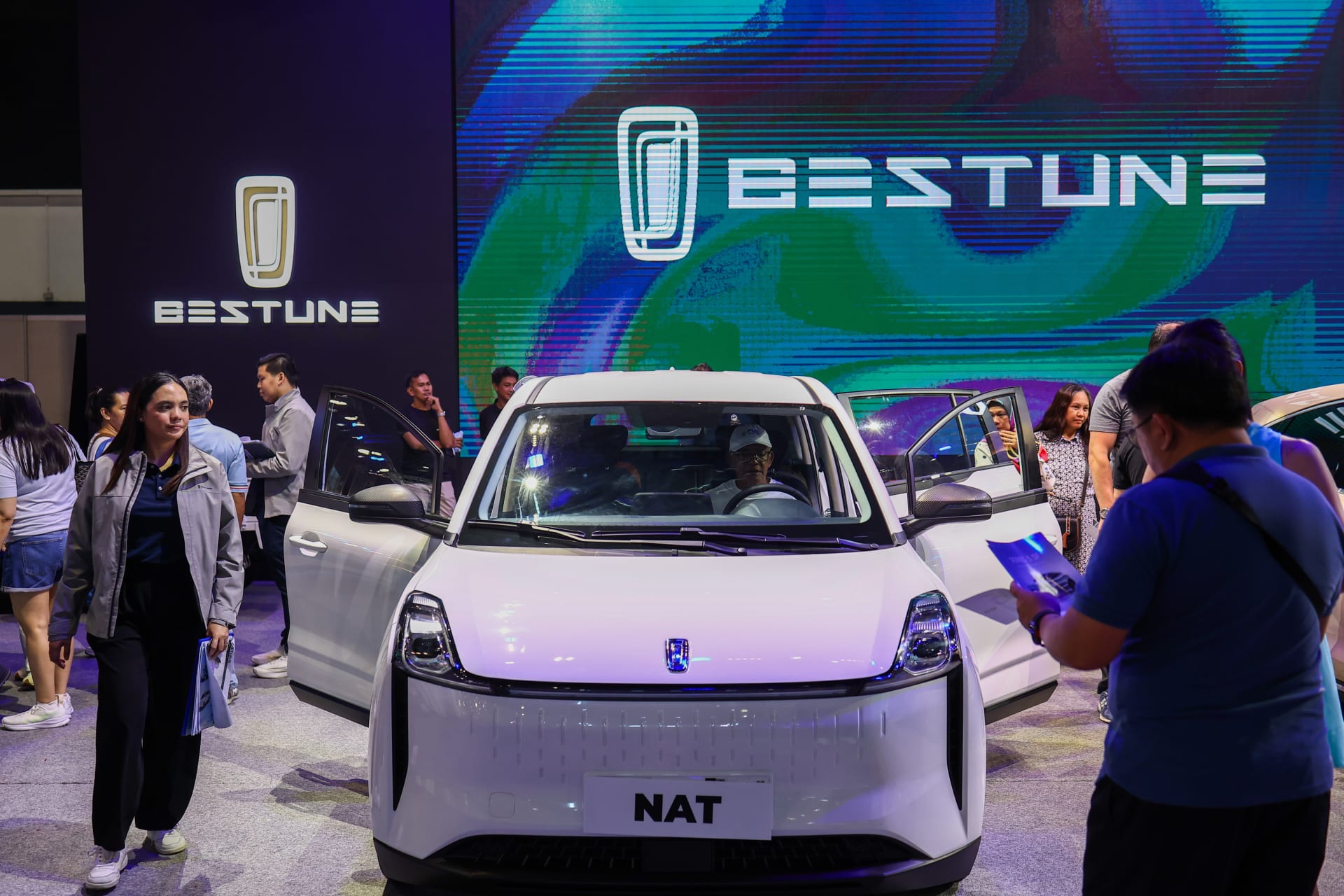
China is the clear winner. The country dominates all three industries and was already promoting them aggressively in export markets before the war. But this major advantage is only part of the postwar story. Beijing is also winning in other manufacturing sectors and electrical infrastructure writ large, and it is positioning itself to win the next generation of energy technologies. China’s progress may be good for the global climate, but as each day of hostilities passes and energy demands grow, it deepens the United States’ long-run geoeconomic challenge.
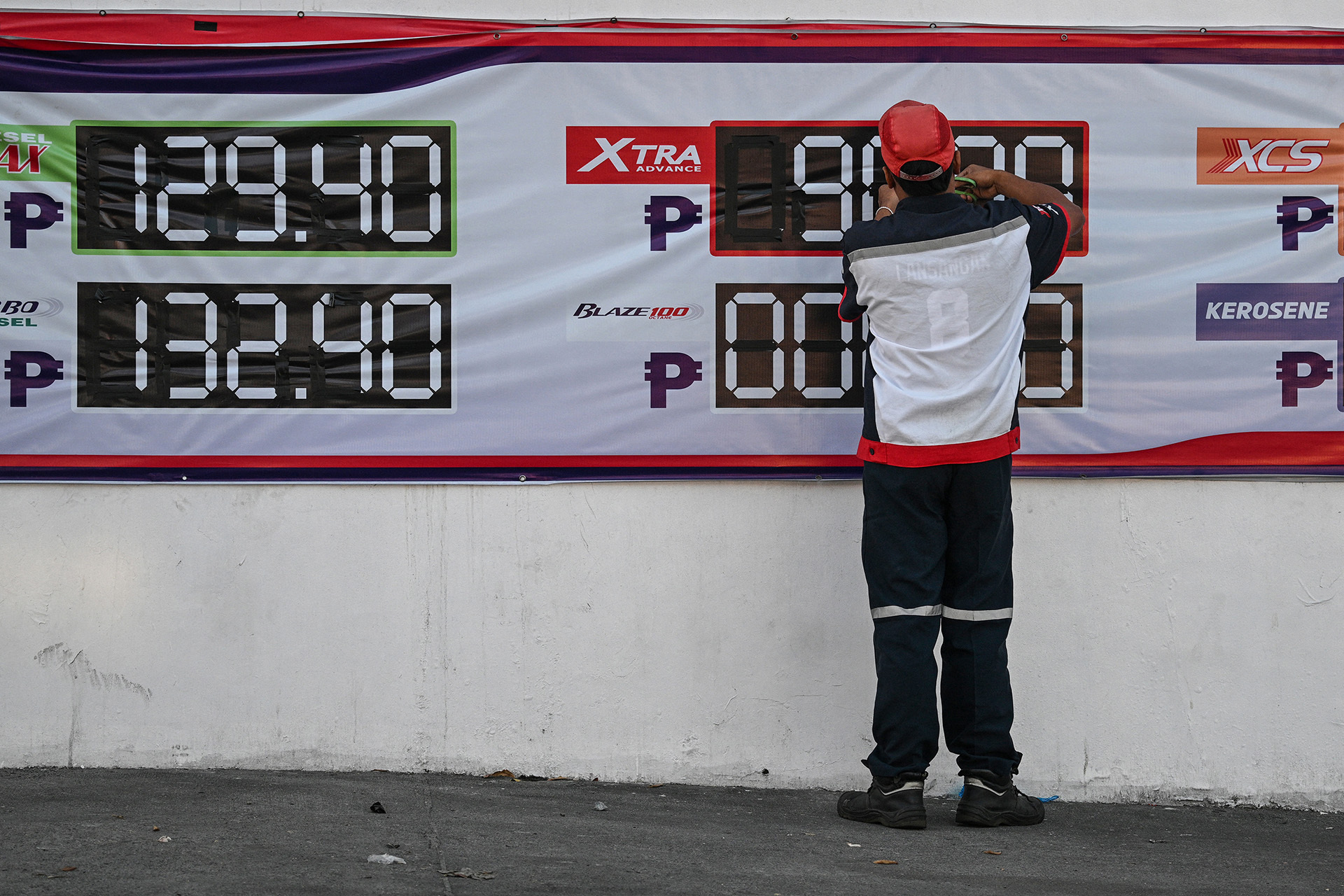
The Philippines, a historic U.S. ally, illustrates the war’s immediate effects. With 98 percent of its oil imported from the Middle East, the Philippines was the first country to declare an energy emergency and shifted to a four-day work week to reduce consumption. It now plans to speed up construction of renewable energy projects, even though the strategy will deepen its dependence on China, with which it has a long-simmering territorial dispute. Rahul Agrawal, the developer of one of the largest projects, told the Wall Street Journal that its permits arrived just days after the United States and Israel began bombing Iran, rather than usual months. “This is not theory,” he said, “this is actually happening on the ground now.”
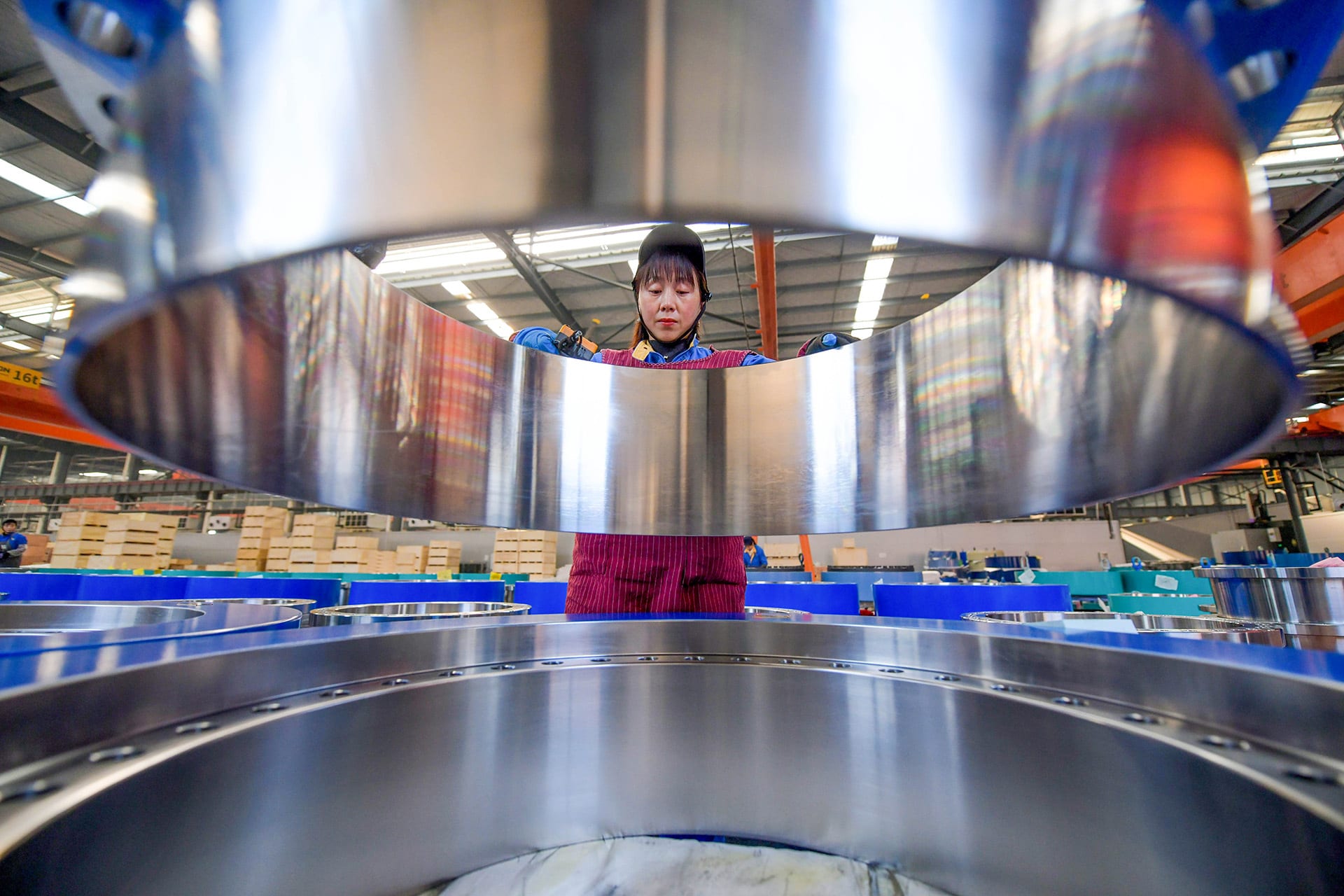
China’s commanding position in solar panels, lithium-ion batteries, and EVs (which President Xi Jinping calls the “new trio”) rests on deeper manufacturing strengths that feed into these products, multiplying Chinese advantages in postwar trade. The world is well aware by now of China’s control of rare-earth elements and the magnets that use them, which go into wind turbines and EVs, among other things. In metals alone, China holds an average 70 percent market share [PDF] in the refining of nineteen critical minerals tracked by the International Energy Agency. It also manufactures the lion’s share of chemicals and production machinery [PDF] that the “new trio” needs.
Aluminum is a case in point. This lightweight metal has unique electrical, chemical, and mechanical properties that make it ideal for use not only in the “new trio,” but in power lines, drones, and many other end-uses as well. Aluminum refining is also uniquely energy-intensive, which is why Bahrain, the United Arab Emirates, and other Gulf states are major producers, even though they are thousands of miles from bauxite (aluminum ore) mines. But their aluminum exports have been shut down by the war, like their hydrocarbon exports. China, where about 60 percent of global production resides, stands to gain further leverage as a reliable, low-cost aluminum supplier.
Nations that accelerate adoption of renewables, batteries, and EVs will need to upgrade and expand their power grids more swiftly, too. Some of the main requirements include transmission lines to carry power from sunny and windy open spaces to cities, equipment that controls power flows to and from grid-scale batteries, and charging stations for EVs. Much as fast-growing economies “leapfrogged” fixed-line telephone service into the mobile phone era, they will build fewer pipelines and fuel stations and much more electrical infrastructure if the “electrostate” overtakes the “petrostate.”
As the world’s preeminent electrostate, China will gain a substantial advantage from the energy leapfrog. Having built out its own electrical system over the last two decades, it is primed to provide power lines, transformers, and other grid hardware to the rest of the world. China is also increasingly able to supply software that allows grid operators to manage a diverse and variable mix of renewable and other resources. Chinese state-owned firms will even build and manage an entire regional or national grid, as they are doing across South America and southern Europe.
Finally, China’s investments in research, development, and demonstration (RD&D), as well as plans to deploy new energy technologies, suggest that it will bolster its position in the future. Chinese scientists’ and inventors’ share of high-quality publications and patents in these fields is surging. The central government announced about 150 large-scale demonstration projects to prove new technologies at commercial scale in 2024 and 2025. The latest five-year plan, finalized just weeks ago, adds clean aluminum, green hydrogen, and a host of other advances to its energy technology priority list.
The accelerated export of China’s electrostate model will likely reduce climate-damaging greenhouse gas emissions in the long run. Electric vehicles are generally cleaner than their combustion counterparts, for example, even when emissions embodied in their batteries are taken into account. In the short and medium run, however, the rising demand for electricity is likely to increase reliance on coal, the dirtiest fossil fuel. China’s heavy dependence on coal for power generation is only beginning to be shaved by renewables, and much of its massive manufacturing sector still uses emissions-intensive methods.
On the other hand, the shift from coal to LNG, which was one of the most promising pathways to reduce global emissions in the medium term, is likely to slow considerably as a result of the war. Physical damage to LNG production facilities in Qatar will take several years to repair. Repairing the psychological damage incurred by the cutoff of the strait, however temporary it proves to be, could take even longer.
The United States appears at first glance to be well positioned to step into the breach. The world’s largest LNG exporter was already in the process of doubling its capacity before the war. Yet, President Donald Trump’s coercive approach to diplomacy could cause potential customers to be cautious. He has regularly sought to strongarm trade partners to expand LNG imports from the United States. The war itself cavalierly put the energy security of U.S. partners and allies at risk. Meanwhile, the Trump administration is proposing massive cuts to federal funding for energy RD&D, has decimated tax incentives for renewables and EVs, and attacked some emerging technologies like offshore wind.
If future geopolitics are defined in part by a struggle for global influence between a Chinese electrostate and a U.S. petrostate, the Iran war is a self-inflicted wound. In the short run, the first rule of holes applies: “Stop digging.” In the long run, the United States should recognize the grave limits of the resource dependent, environmentally unsustainable petrostate model and compete more effectively for leadership in the “Age of Electricity.”
This work represents the views and opinions solely of the authors. The Council on Foreign Relations is an independent, nonpartisan membership organization, think tank, and publisher, and takes no institutional positions on matters of policy.