What Will the Fed Become Under Chair Kevin Warsh?
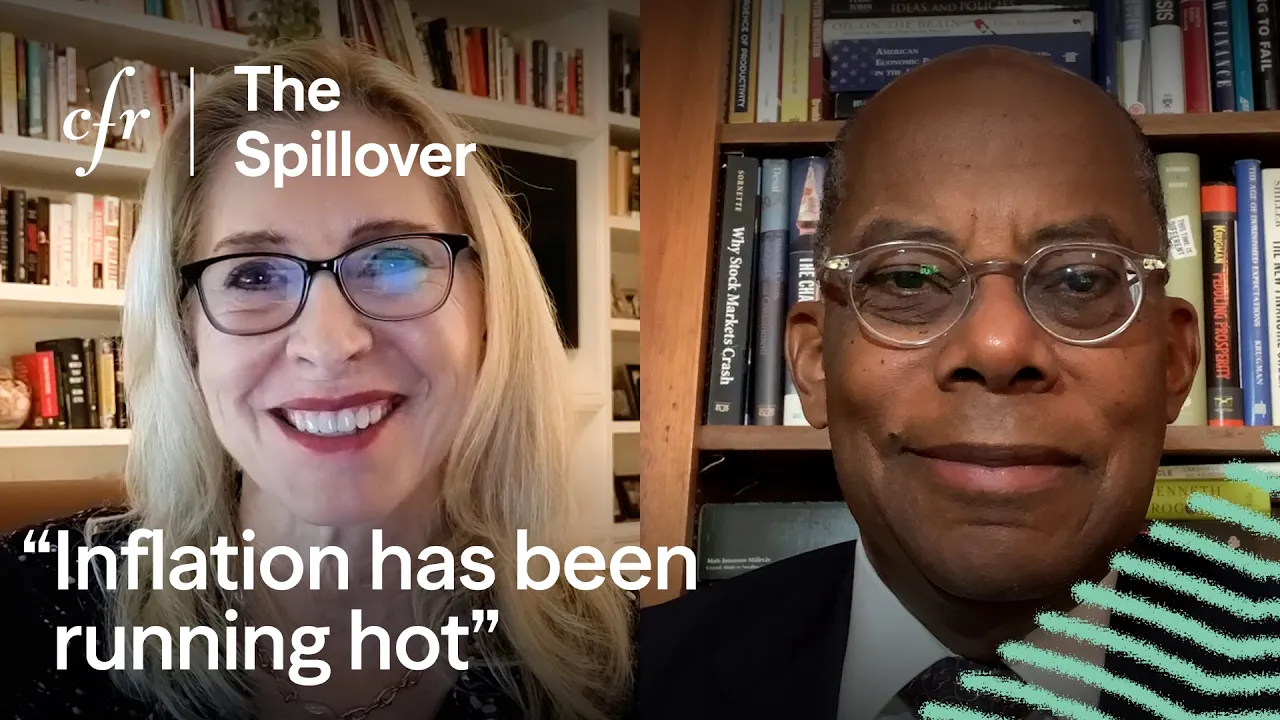
In this episode of The Spillover, host Rebecca Patterson and former Federal Reserve Vice Chair Roger W. Ferguson Jr. reflect on the legacy of recently deceased former Fed Chair Alan Greenspan, and examine what may lie ahead for the Fed under its new chair Kevin Warsh.

Published
Host
 Rebecca PattersonCFR ExpertSenior Fellow
Guest
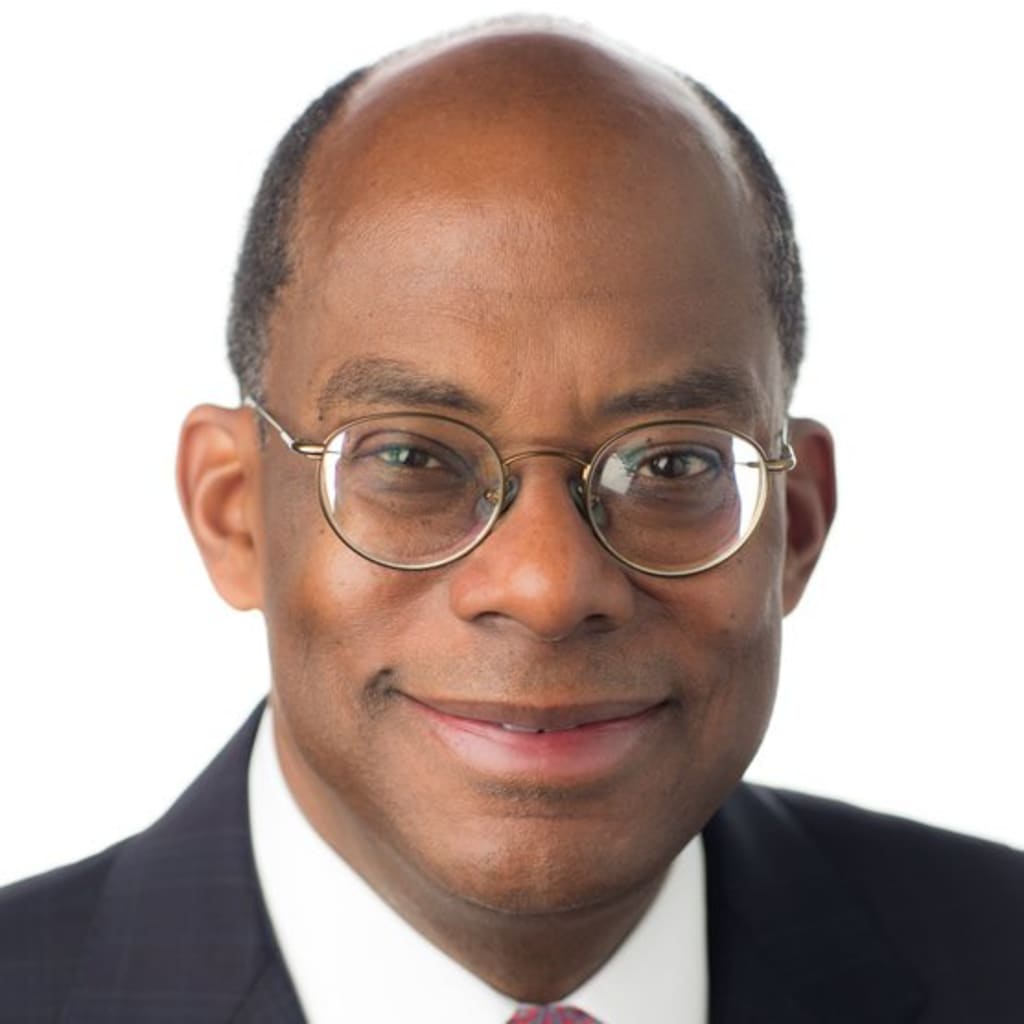 Roger W. Ferguson Jr.CFR ExpertSteven A. Tananbaum Distinguished Fellow for International Economics
[Video: https://youtu.be/wQgvTTgWwKw]
Transcript
This transcript was generated using AI and may contain errors.
PATTERSON:
We’re digging into the federal reserve today. Originally, the goal was to talk just about the structural changes that could occur and what spillovers those could create under new fed chairman Kevin Warsh. He oversaw his first policy committee meeting last week. However, Monday morning brought some additional sad news. Former chairman Alan Greenspan passed away on Monday. He died at age 100, something we can all hope for and certainly want to celebrate today. Uh, more reason to think about fed regimes, you know. My co-host Sebastian Mallaby is on the road this week. He and I will have to come back to Greenspan at some point. Sebastian wrote a definitive biography of the former fed chairman that was published in 2016.
That said, I feel incredibly lucky today. I have the perfect guest to help me think about implications of both of these events, and that’s Roger Ferguson, former vice chair of the federal reserve and someone who worked side by side with Greenspan during an important time for the economy and financial markets. I’m Rebecca Patterson, and this is the Spillover. Roger, welcome to the Spillover. It’s great to have you here.
FERGUSON:
Rebecca. Thank you so much. I’m looking forward to the conversation, Roger.
PATTERSON:
Your time at the fed from 1999 to 2006 overlapped with Greenspan’s. I believe it was 20 or so year tenure as chair, and you worked side by side with him for several years. Maybe before we talk about the most important central bank in the world and where it may go in the future under Warsh, we can take a minute and look back at Greenspan’s legacy and some lessons learned that might be helpful as we think about what could happen next with the fed. You know, I was working mainly as a currency researcher in JP Morgan’s investment bank while you were at the fed working with Greenspan. And then I believe the beginning of Bernanke’s tenure, you know, a lot of my time during that period was trying to understand what the heck Greenspan was saying and what it meant for financial markets and the economy. You know, from my perch, I was sitting on a trading desk. I honestly think he took pleasure in trying to confuse us. You know, one of my favorite quotes from him was, if I seem unduly clear to you, you must have misunderstood what I said. And I I think that sums them up perfectly. And I’ll just share one other quick thing. The first time I ever got to meet him in person, he had made comments just a few weeks prior about currency markets, basically saying that, you know, no one should even try to predict currency markets. It was too difficult and it was basically like flipping a coin to see which way they would go. And obviously I got paid to forecast currency. So he was basically saying JP Morgan should just get rid of me.
So I approached him and I said, hey, you know, Mr. Chairman, um, I’m a currency forecaster and you said that it’s just like flipping a coin. And his response to me was again spot on. He said, well, maybe some people are better than other others at coin flipping. Uh, and that comment and plenty of others like it were some of the impressions he left on me. He wasn’t terribly concerned with clarity with the markets. We had to do a lot of translation of fed speak. He was a brilliant, brilliant man and an incredibly comprehensive researcher. He looked at such a wide variety of public and private sector data. And he was someone who really appreciated the link between financial markets and the economy, even though he didn’t always get it right. He understood those feedback loops and how they both fed into each other. I know, you know, you worked side by side with him every single day for several years and I’m sure you have many different perspectives about Alan Greenspan. I, you know, I’d be curious what stands out to you about him as fed chair. You know, what are your strongest memories?
FERGUSON:
So I’ve got both professional memories and personal memories. On the professional side, I think, um, what stands out most was the point that you made. He had a phenomenal grasp of the economy. It came from literally looking at the economy every day for more than 50 years. You know, he had his own, uh, very unique things that he’d look at. Things such as railroad car loadings and other things that I think the staff found at best amusing and probably had other words for it. But at the end of the day, you know, he was more right than wrong around the major issues of the day. Um, uh, certainly, even the fed of today is thinking back to his ability to understand the productivity improvements that occurred during that period. And against the advice of many colleagues and others, held off from raising rates and allowed the economy to grow at a much higher level than many thought without inflation, most importantly. Secondly, of course, you know, his ability to handle, you know, crises. You know, uh, obviously, you know, the Black Monday was the most important. Uh, simple statements and then liquidity as necessary proved to calm things. But that wasn’t the only time, you know. There are other crises as well. I think of the Asian crisis when I was there. Obviously the dot com bust and bubble, all of those things. Um, he led the economy through that more importantly.
Um, he was part of a group of economic policy makers starting in the mid-‘60s and going through the second half of the last century that really, you know, helped the U.S. economy grow in a global way that overcame the big challenge of the day, which was the Soviet Union. And so while we think of him primarily as being at the fed, Alan Greenspan had a long history of advising businesses before he came to the fed and advising presidents before he came to the fed. So there’s some of the things I remember. It will be recognized that in some ways he wasn’t perfect, because no one is. He himself I think would admit that maybe he thought, you know, self-interest among bankers would drive them to be more prudent than history showed them to be, for sure. Um, and I have to say at a personal level.
Um, he was incredibly pivotal in my career. When I joined the fed, he didn’t know much about me whatsoever. He could have easily dismissed me as an unknown young rookie on the team. Uh, but instead, um, and this was true for everybody, he was incredibly fair. He allowed me to show what I could do. And when the time came, uh, two years into my term to replace the outgoing vice chairman, he made it clear to the president that he would be, you know, happy if I moved to being the vice chair. And this was in a short period of time from not knowing me at all. The next thing I know, I’m, you know, as you point out, working with him on a daily basis and, you know, sorting things out along with him. And finally, I must point out.
Um, you know, on 9/11, when I was the only governor in Washington, uh, he called me towards the end of that Tuesday to ask what had happened. And I didn’t know if he was going to attempt to micromanage or what he was going to do, and he did the best thing possible. He listened to what I did. He said, Roger, you’ve done all the right things. Most importantly, you know, you’re in charge. I’m not going to try to micromanage from here. I’m not going to keep him on the phone for hours going through details. Um, and that gave me a great deal of confidence to continue to lead the fed in his absence. And when he got back to uh the building, uh, on that Wednesday, he checked with the staff, determined that I’d done a good job, and called me in and said something quite impressive to me, at least, which was, you know, though he had returned, you know, I would still be in charge of running your system until the following Monday, where we had an FOMC meeting. And it would have been very easy for him to immediately put his hands on the reins and say, now I’m back, I’m in charge. Um, but instead he sat in the corner office and prepared for FOMC and other things and didn’t interrupt the running of the system post 9/11 that I had been in charge of for more than a day. So, maybe that’s more than you want to hear, but both personal and professional, and, you know, a unique individual. We were fortunate to have had him for 100 years. I am particularly fortunate to have worked with him, uh, during a long period of his career and my career.
PATTERSON:
Oh, thank you for sharing that. And I mean, I have to think it says a lot about you as much as him that he was confident enough to make you vice chair after only knowing you for a few years. But, I’m, either way, I’m very grateful that both of you were in those seats the time you were there. You know, I I think we could spend our whole conversation today talking about lessons learned from the Greenspan era. But I also want to take the opportunity of having you here, Roger, to talk about what could happen next at the fed. Um, you know, and maybe we start with this latest policy meeting, which was Kevin Warsh’s first as FOMC chair. You know, you wrote an article for the Council on Foreign Relations, for CFR, about a month ago, and I was rereading it last week. And I was just like, man, Roger called it. I mean, look, you you said rates are going to be on hold. No easing bias, shorter statement, no specific forecasts from Warsh or dots on the dot plot, so to speak. Uh, and then the announcement of task forces. And I feel like you you might have hit a home run there with all of them, or certainly most of them.
I, so, well done, you. Thanks, and I want to dig into some of that, but I want to start first with the task forces. It was interesting to me immediately after the meeting that if you look at the journalists who attend the fed press conferences, you know, some of them were a little snarky, frankly, about, oh, it’s a task. Just give it all to task forces, punt it. I didn’t think that was very fair.
Frankly, I think any new leader at the fed, at a private sector company, at the government, I mean, you’re going to want to get fresh perspective. You’re going to want to take a look at the organization and see what can be improved, if anything. And especially with the fed, I mean, if anything can be improved, um, that’s good for their dual mandate. It’s good for the economy.
So, you know, the downside is it takes a little time. Um, so, anyway, I I thought that was an interesting reaction by by some of the business journalists out there. But my understanding with these task forces, it’s going to be some fed staff, but then a lot of outside experts, again, getting a fresh perspective. They’re going to focus on communication. They’re going to focus on the inflation mandate. They’re going to be looking at data collection and some other initiatives. I’d be curious, you saw, uh, when you were at the fed, some similar working group task forces, fresh looks at things. How do you think this one’s going to play out? And I have to say just one last thing, it’s got to be hard to get these things done, right? If any, again, any organization, anyone listening to us is going to know people who are long timers in an organization don’t want change.
They believe that what they do is good. And so change is uncertainty, change is scary. Enacting change is hard. Loretta Mester, who just retired recently from the Cleveland fed, she said it can be, you know, and she was referring to the fed, a little bit of a Hotel California thing. It’s easy to add. It’s hard to take off. So, when you think about your time at the fed, when you think about Warsh with these five task forces, a, do you think he’ll get anything done?
Do you think it’ll be as fast as he wants? I mean, he’s talking about year end possibly to get some proposals back. What, how do you perceive all this?
FERGUSON:
First, thank you for the kind words about my article, and you know, maybe hitting a home run. Um, so let me now go to the task forces. As I wrote in that article, it was clear they’re going to be, you know, one or more task forces. Um, the fed is a consensus-driven organization. Um, you know, the chairman is the first among equals. But let me emphasize the among equals part there. You know, all of the governors, uh, had in their offices, at least in my day, I think in this day, you know, their commission signed by the president, showing that they had been, you know, gone through the process, and in that sense, everyone is equal.
Um, and people hold their prerogatives very dearly. To be fair, because we all, each fed governor has sworn an oath to the constitution as an independent right and obligation to do what he or she thinks is right. Uh, and so there’s always going to have to be some consensus building process, which is true in all organizations, certainly true at the fed. Secondly, this one is, as outlined, a little different than the ones that I experienced, in that there are, based on what Kevin said, chair Warsh said, there will be some outside members. Now, I don’t know if that’s members, advisors, participants, etc., etc. So I think there’s some detail. Whenever the fed does anything, they want to take into account the best academic thinking and thinking from other places. But that’s not quite the same as saying these are going to be voting members of these task forces. So let’s see some of the details. Um, you ask if it’s going to accomplish anything. My experience is actually task forces, if well led and build consensus, do move things forward. You know, um, you opened by talking about Greenspan’s tendency to speak fed speak. What people forget is during the last three or four years of his tenure, maybe more, we actually moved into the era of modern communication. You know, releasing statements after every meeting, showing, you know, what the vote had been, being clear about the target and interest rates, um, talking about the bias, the tilt, you know, a little bit of forward guidance. All that originally started in the tail of the Greenspan era, and it came out of a series of task forces that actually I happen to chair. And so I say that to say there are examples of taking an institution and a leader on a journey through the use of task forces, so I would expect to see the same thing here. Um, it’s going to be different degrees of impact across the different areas. You know, I think on communication they can control it themselves. I think there are lots of ideas that almost everyone can coalesce around, having experienced this thus far. Uh, he was clear that on inflation the two percent target is the target. So the question is, you know, are there better ways to measure it? Time will tell on that one. You know, issues around productivity and other things that he wants to look at, I think, all have to be looked at. So, point two.
I do think there will be impact. Point three, um, pace of timing, slower than maybe one would like. Yeah, maybe he would like, I don’t know his expectations, but that’s the nature of building consensus. Yeah, um, and so the end of the year is not impossible, but I think it will be uneven. We’ll put it that way. Um, and so, you know, count me in the optimistic camp with you. I would not encourage people to be snarky.
I think this is the way change is made. And, you know, this is the kind of thing where you want to, you know, measure twice, cut once. You know, once you make the change you’re gonna have to live with it for a period of time. And so it’s important to have really given it the kind of uh pressure testing in a task force. And so I am fully supportive of what he’s doing, not surprised, and I do think there will be some change, even though the time may be a little elongated compared to others.
PATTERSON:
Yeah. No, thank you for that. I, you know, I want to dig in a little bit more. Since you were part of the task force that helped usher in the modern era of fed communication, um, from that period to today, we see, I’d say, an evolution of that, right? If we turn on Bloomberg, CNBC, whatever, almost every day you’re going to have a current or former fed person speaking at least once a day about the economy, financial markets. You know, I’ve personally worried a little bit that, while sophisticated market participants know who to pay attention to, right, so, you know, the vice chair, the chair, the New York fed president tend to have slightly stronger voices around the FOMC table, the voting members have relatively more influence at that moment in time, and then former fed officials, certainly educated on the process, have insight, but they’re no longer voting. And I worry that sometimes it can create noise, honestly. In in that, you know, my mom, for example, college educated, very bright woman, but she’s not necessarily going to know off the top of her head who’s retired, who’s an FOMC voter at that moment in time. Do you, do you see areas where maybe the communication, the transparency, has gone too far? Do you, if you had to pick, if you were, if you were Warsh?
FERGUSON:
Are there certain things you would pull back on, or or do you think this is all good and there’s no risk? Well, there’s always risk, right? Because, um, you know, talking about the the past is relatively easy, but even that gets revised. And talking about the future, impossible by definition, within a degree of confidence. Um, a couple of things I would hope they look at very closely. One is the so-called dot plots. Yeah, I think most people find them confusing. They’re not exactly a forecast. They are 19 conditional statements. If the economy plays out as an individual policymaker expects, she or he would think rate should be wherever. It’s a little hard to know what to do with all of that. And it’s been clear. Uh, Powell to some degree played it down. Warsh certainly has been clear that, you know, he didn’t, while he encouraged his colleagues to put in the dot, he didn’t himself. Yeah, so that strikes me as one that’s probably going to be revised and maybe, you know, done away with. I don’t know. There is a question of, you know, how often one should have a press conference. Uh, Kevin, or chair Warsh, has something very interesting, which was, you know, there should be press conferences.
I think you phrased it, when there’s news. Well, you know, if you haven’t moved, if you haven’t moved the rate, is that news? Is that worth a press conference? So we’ll see, you know, how he how he thinks about, you know, when and how often there are press conferences. Um, obviously this question of forward guidance, you know, became very important when they were at the zero lower bound and they had to attempt to adjust the expectations for rates in order to continue to get the kind of stimulus that they wanted. Um, becomes far less clear that you want forward guidance. And if you do want it, how do you want it to be phrased? So I think that’s something else to look at. The final point you make is, um, you know, the number of people speaking. I think it’s gonna be hard to put that back in the bottle. As I said, there’s seven roughly co-equal people on the board, and, you know, the reserve bank presidents have local constituencies that want to hear from them, you know. And it’s their job to go around their their districts.
It would be a little odd to go around a district and say I’m going to say nothing about the economy. I mean, it’s like, wait a minute, we invited you to talk to us about the economy. And so I think we’re gonna have to get used to lots of different voices and recognize that, frankly, none of them matter very much until the committee itself meets. And I think that’s a lesson that people have to really understand.
PATTERSON:
Yeah. I, you know, forward guidance is an interesting one to me, because just giving the forward guidance, to me, is not as much of an issue as perhaps some members of the fed feeling beholden by it. You know, if you say, yeah, we think interest rates are going to stay low for the foreseeable future because of XYZ, and then X or Y change, you could change the forward guidance. I think the situation around, um, exiting quantitative easing around COVID, the sequence of quantitative easing and then rates, that to me was an example of where the fed might have felt beholden to past statements. So it wasn’t the guidance itself, it was how seriously and explicitly the fed was taking the guidance to guide their actions.
So I almost feel like this isn’t a market issue. This is a fed issue.
FERGUSON:
Isn’t it funny? I would have put the the shoe on the other foot, so to speak, and said that part of the issue is the committee can give very conditional forward guidance and the markets say, ignore the conditionality, and say, oh, they definitely do X, Y, or Z. And then when, you know, the expected action does not come forward, then the markets would argue, oh, you know, the fed has misled us. And so there’s obviously a miscommunication, because forward guidance has always been conditional. We try various different phrases. There’s a point when, you know, wood versus mike was being used, and then a variety of more complicated and convoluted phrases, etc., all of which to suggest a conditionality. That’s always been the way the fed has thought about forward guidance. And the problem, I think, now, this is, you know, the former fed official speaking to a market participant, is the market participants, you know, running with the forward guidance as though it were a foregone conclusion, not conditional.
PATTERSON:
Yeah.
FERGUSON:
I’d also say you raise a slightly different point around forward guidance, which is the construct that if one is giving forward guidance, the market can do much of the work, or some of the work, for you. I’ve been watching the fed for a long period of time and worked in a different way with Paul Volcker after he had left the fed. But he was the embodiment of opacity, and in his day, surprising the market was what one would start to do. And it was expected. And academics have sort of taught us, well, that’s not necessarily the best thing to do. So one has to think through, you know, to your point, the distinction between beholden to forward guidance versus working with the market, having the market understand your reaction function, and maybe therefore smoothing things as opposed to being disruptive. Yeah, and that’s sort of the balance one is trying to strike here. So we’ll see how it plays out. Yeah, but all of this can be looked at again, and the theory of the case, if I can use a cliché, is let’s throw out the uh, the bathwater, but hold on to the baby, so to speak. Indeed. Yeah, no, agreed.
PATTERSON:
It’s, I mean, you are threading a needle, I guess. At the end of the day, I’ll use my own cliché. I mean, I think about 2013 with the taper tantrum. When I go back and I look at all the comments that came from the fed into that period, there was signaling that quantitative easing was going to be wound down. In other words, the market would have less liquidity than it had before, which could ultimately push up bond yields, etc. But when Bernanke made a specific comment.
I believe it was May 2013. We had an outsized market reaction, and then we quickly had global contagion, a huge sell-off in emerging markets. That’s the spillovers from the communications. But, you know, people say, oh, he wasn’t clear, he wasn’t clear. I mean, he hinted at it repeatedly beforehand.
So again, it just goes back to, how do you get the exact right level of communications? Maybe you won’t ever. But I at the end of the day I think I lean towards you, that you want to have enough that you don’t create unnecessary volatility in the market. You don’t want to create moral hazard by saying, oh, the fed will always smooth volatility through communication and forward guidance. But you also don’t want to structurally increase volatility in the market just because you’re going to make the market participants work for it. Like, that doesn’t seem like a good trade either.
FERGUSON:
I think you’re right. Can I pick up one other point that you made, which is, um, you know, when to exit quantitative easing. I think that’s less an issue about forward guidance and frankly more an issue around having a framework. The use of the balance sheet as a monetary policy tool, um, or as a financial stability tool, we had to do it on 9/11, but it was short-lived for a specific crisis and pulled back pretty quickly. After the great financial crisis and certainly when they’re at the zero bound, um, there was no guidance, so there was no framework on how quickly you pull back. And around the world, central banks moved, you know, very differently. Yeah, I think the Bank of England probably pulled back much more quickly. But on the other hand, the point that you made, you know, only the U.S. central bank is actually, in many ways, responsible for financial stability, or, not not legally accountable, but impacts financial stability across the board. And you know, people around the world focus very much on what we do. Consequently, I think the fed may have been a little more cautious than perhaps history would have judged wise, but I think for good reason. But I think that’s more, less about forward guidance and communication, and much more about a framework. You know, when we are using the balance sheet, when we’re doing quantitative easing, how quickly do we pull back, and why, and how, etc. And all that has never actually been thought through or worked out.
PATTERSON:
Maybe that will be another topic that Warsh is looking at more carefully. It certainly seems top of mind for him. What, is one of his five, right?
FERGUSON:
That’s, I think, in this listing. I think it was the second or third that he listed after communication. So I would expect a framework around when and how they use a balance sheet as a financial stability tool. I I think that kind of clarity would be welcome.
PATTERSON:
I could keep going down our fed operations rabbit hole here. But I do want to talk about the economy as well. And again, just to anchor this, you know, why a deep dive on the fed. Obviously the spillovers from the fed are global and broad-based, right? Everything the fed does anchors the U.S. bond yield curve, that flows into the real economy, it affects the dollar, all of those things affect the global markets and global economies. So I I think it’s great for us to be digging in a little deep here, even if it’s a bit inside baseball. But again, let’s go to the economy for a minute. The FOMC statement last week, shorter than we’ve had in the past, but still gave you some good information. They’re focused on oil prices, how they’re affecting inflation. They’re focusing on improving employment numbers. They noted strong productivity growth supporting the economy. You know, and last week, in addition to all this other stuff, we did have, hopefully, the beginning of a process to get to a resolution of the war in Iran. And if that happens, and we’ll see, then in theory the energy-driven inflation should fade in the coming months. And the productivity question around AI, who knows when and exactly how big, but it’s a possibility that productivity, uh, could be a disinflationary force. And then you have on the other side, you know, you have a pretty resilient labor market, not a lot of hiring but still the unemployment rate holding steady for a variety of reasons. We know we have very easy financial conditions. We have pretty good consumer spending, albeit not broadly shared. I mean, to me that doesn’t say ease at all. It probably says you hold steady, and perhaps even with a bias towards easing, which is what’s discounted in the financial markets today. I mean, if you were still at the fed, you know, we’re not going to talk about dots anymore, but you know, where where would you be leaning given the economic environment we’re in now?
FERGUSON:
I’ve written and said a few places and now say it here as well. I would definitely be in the camp of thinking that it was probably, you know, time to hike. Uh, chair Warsh started with something really important, which is, it’s been five years, yeah, since the fed hit its inflation target. Um, you know, to me, it looks like core inflation now is stuck somewhere over three, not quickly returning to two, based on anything that one can see. Um, you point out that the geopolitics may resolve itself, but the destruction of infrastructure.
It’s already occurred. You know, the need to, you know, reopen the strait. It’s not clear if the Strait of Hormuz is going to be open, freer passage, or with, you know, various kinds of tolls and tariffs and things which will play into the level of prices. So, you know, all of those things are to be resolved, and it’s against a backdrop of inflation that has been running hot for a period of time. So, you know, no one should be surprised. And I think the markets are now pricing in the possibility of one hike this year, maybe one next year. Um, you know, I’m now starting to see some talk of, because chair Warsh sounded, to use the word, hawkish, some talk of hikes earlier rather than later. I don’t know if that’s going to be borne out. Um, but I think he’s gonna have to do something. The committee’s gonna have to do something to put a little bit of, uh, of, you know, seriousness behind the bold statement that we will return to two percent. Um, I don’t know if they’re going to regret that statement, because, you know, getting to two percent may be harder than we imagine for many structural reasons. Um, and so we’ll find out. The other thing that you put your finger on that’s really important is, everything you said is important, but the the AI world right now, you know, whatever happens vis-à-vis AI and disinflationary pressures in the future, it seems to me right now what AI is driving mainly is an increase in capital expenditures, calling for, you know, more savings to go out. And that means to me market rate should be somewhat higher as well, to equilibrate increased demand for capital. Um, and bring in a greater supply. So, you know, I think that also has to be taken in consideration at least for the uh, the intermediate, near to intermediate future.
PATTERSON:
Yeah, that’s a great point. I, in the last few days, I saw one of the biggest technology providers announcing that they’re probably going to be raising prices for some of their consumer goods, because some of the inputs, uh, that they need, because there’s just so much demand right now, is pushing up their costs. So they need to increase prices. So you aren’t seeing much disinflation from AI yet, to your point.
It’s going the other way. I, you know, there was something else. When when Kevin Warsh was talking about inflation and where policy is right now, whether it’s too restrictive, rates are too high, or too easy, rates are too low, and it was interesting to me. He said, look, I could say they’re too restrictive, too easy, depending on where in the economy I look. So he pointed to the housing market and saying, from that vantage point, maybe interest rates are too high, and the housing market is struggling, mortgage rates are high. And then he talked about other parts of the economy like financial conditions and saying, you know, in that case, you could argue we do need higher rates. You know, I appreciate his point on housing. But of course, you, he and I all know that policy rates are just one of many factors that affect the housing market. And right now to me, it would seem that the supply versus demand of long-term treasury yields, or bonds, which affect mortgage rates, is probably a bigger deal than the fed funds rate for housing. And, you know, doing something with fed funds isn’t going to solve housing. So, I’m just curious if a, if you have any thoughts on the housing market and longer-term yields, but also, when you were sitting around the FOMC table, you know, obviously someone coming from one part of the country might have a different view on that region and what the right rate would be. Someone who’s focused relatively more on one transmission vehicle for policy might be more biased towards easing. You have to set one rate, you can’t have multiple. I think that’s the European Central Bank’s biggest problem. None of the economies have the same conditions. How do you get to an answer in that case?
I I guess everyone just weights their models and and they work their way there, and I don’t know. I’m just, I’m curious how you think about that when Warsh said housing says this, financial conditions say that.
FERGUSON:
Yeah, but at the end of the day you got to add it all up. You start where you start, and where, a point that he made as well, which is, just, the fed doesn’t control a particular price, the price of milk, the price of eggs, etc. You know, it it can’t control the uneven distribution or transmission of its single tool. We recognize that there, that’s why we call some sectors interest sensitive, right?
The degree of interest sensitivity has evolved and changed over time. But overall, you know, what they should be looking at is inflation, current inflation, expected inflation, forecast inflation. You know, all of those things. And then they have one, we admitted, blunt tool, called the short-term interest rates. And that’s what they work with. Um, I would say one thing, I want to, I’ll use the word, correct you on. Please. That the 12 reserve bank presidents come from different regions.
I will say, during my, I don’t know how many FOMCs I went to, while people talked about conditions in their regions, they very much were thinking nationally. I didn’t hear anyone ever say, well, you know, because I’m in the farm belt, boy, I’m going to vote for lower rates, even if inflation looks like it’s doing one thing or another. I think it’s important, and I think that’s also true, by the way, in the European Central Bank. So it’s really important to understand that the people, as I see them, think about the overall mandate of the fed, you know, the dual mission. And they’re recognizing that it may have, uneven, will have uneven impact across different parts of the country, and, you know, that’s, you know, so be it. But, you know, the goal of the fed is not to support the housing market.
It’s not to support a particular sector. Frankly, it’s not to support, contrary what people think, equity prices. Some people think there’s a so-called fed put. Um, it is to get inflation where it should be. And I really like, bro, Kevin’s statement, was a clarity around that as an intention, and described as, the commitment is unanimous and unambiguous. A set of phrases. So now it’s all about delivering on that.
PATTERSON:
I think, right, right. And, sorry if I misspoke. I wasn’t suggesting that the regional bank presidents would just represent the view of their region. I’m sure they they bring that color to the table to share it. Yeah, yeah, but I’m glad you mentioned that because it’s important to be clear and I clearly was not. Um, I want to hit one more topic. You know, one thing Warsh did not say at this press conference was anything about the fed’s partnership with the treasury, um, its partnership with, uh, other central banks around the world. And, you know, last week we had a Group of Seven meeting in France. We had a lot of leaders together, trying to collaborate on different topics. And it does make you think about things like the fed swap lines, where it provides dollar liquidity to other countries in times of stress. Uh, or, Kevin Warsh has talked about a new fed-treasury accord, and during the confirmation process, mentioned a little bit. What should the fed do?
What should the treasury do? Um, just before we wrap up, would love if if you have any thoughts on fed collaboration broadly. Broadly speaking, I think it’s critical to keep all of that in mind.
FERGUSON:
There’s no doubt about that. The U.S. is the engine of growth, and also, you know, sort of the leader of what we used to call the free world. Um, but that absolutely has to work through collaboration. As you point out, in a very technical sense, those swap lines prove to be really important when there are moments of dollar liquidity concerns. Those spill over to the rest of the world, and it’s important to have those swap lines in place and to use them. More importantly, we’ve seen moments when central banks and treasuries are unhappy with exchange rates, very tricky to manage. But every once in a while you have an accord that clearly is attempting to influence the way exchange rates work. You know, we have found, for better or worse, you know, central banks having to think through things like terrorist finance, which again has to be done in a coordinated fashion. Um, and when you get to these meetings, my experience is the other folks around the table, while proud of their nationality and proud of the nations, know that the U.S. is the economy that really drives, you know, global growth, and they look to us for leadership. Here domestically, there’s clearly moments of great coordination with treasury, for sure. That should not influence or impact the independence of the fed around setting monetary policy and setting interest rates, but things like exchange rate, that comes out of treasury.
The fed is an important part of implementation. The same thing was true around something we haven’t talked about yet, and while I’ll delve into it, bank supervision, regulation. The U.S. is, uh, the fed is a regulator in the U.S. along with the OCC, which is sort of part of the treasury, and the FDIC and others. And so there are lots of places where, while we have a strongly independent fed, it is part of a government, and there are places where, you know, coordination comes into play.
PATTERSON:
I know I could keep going on and on and on about the fed and its importance and its evolution with you, Roger, to your point, bank supervision, regulation, payment systems.
I know, I know, there are so many other topics. But I also know that we need to wrap it up soon. One thing we do every week, uh, during our conversation, Roger, Sebastian and I try to think about something we learned or read or saw in the previous week that struck us as interesting. Um, I’m not sure if I prepared you for this, so I’m not going to put you on the spot if you don’t have anything top of mind. But I want to share something real quick before we say goodbye. I just saw this yesterday, uh, yesterday being Sunday, in the South China Morning Post. Fascinating. So, going back to AI, China’s universities have killed or suspended more than 12,000 undergraduate degrees in the last four years. They’ve introduced 10,000 new degree programs over the same period. So that’s about 30% of all their programs changing over four years. Basically, the government’s saying, if we need more workers here or here, we need training for them, education for them. And if we have too many workers, kill the program, don’t encourage people to go into areas where there won’t be jobs. And when we talk about AI, we were talking about it in terms of inflation or disinflation earlier, but there’s also the labor force impact, and how do you make sure people have jobs in an AI world of the future?
Obviously a little bit easier in China’s political system than in America to do that. But that I thought was really striking, just the degree of change in the speed.
FERGUSON:
No, look, I agree with you. Um, what I really find very interesting is this world of AI is going to be a collision of two views of how one runs an economy. Right.
We’ve seen the Chinese version. They think they have a very clear view of the jobs are going to be called for and those that aren’t, and they’re going to swing the entire population in a certain direction. I don’t know if that’s going to work. You know, think of the one child policy. Yep, seemed relevant at some point, I think, in history, probably not a good choice. In the United States, I will guarantee it’s going to be a lot messier. And then the question is, well, do you vote on, you know, one model figuring out the future where it’s controlled by a small number of people, or do you vote on another model figuring out the future?
Where it’s messy, it unfolds, and it’s just a constant battle day to day. And I think the most important thing about it is getting our population ready for, um, you know, the the kinds of conversations and disruptions that we’re likely to have. And we’ll be able to say, you know, at the end of it, we’ll have a very productive economy and there’ll be brand new jobs that we haven’t even imagined today. But in saying that, let’s not ignore the costs of those who might lose their jobs today. And so I I think we’re lucky to be here at this moment of AI, and interesting to see how two different systems deal with the uncertainty that’s ahead of us.
PATTERSON:
Yeah, that’s very well said and I agree with you completely. Well, Roger, thank you again so much for being with me today here on the Spillover to share some of your experiences and perspectives on the fed, both looking back at the formidable Alan Greenspan and also ahead to the fed’s era under Kevin Warsh. It’s going to be an exciting time.
For all of you who want to stay up to date on the latest episode of the Spillover, please sign up to receive an email alert when new episodes drop at cfr.org/newsletters or click the link in our show notes. And if you have an idea or just want to chat with us, email podcast at cfr.org and be sure to include the Spillover in the subject line.
Our episode today was produced by Molly McAnany, Gabrielle Sierra, and Jeremy Sherlick. Our video editor is Claire Seaton. Our sound designer and audio engineer this week is Markus Zakaria. And research for this episode was provided by Liza Jacob and Jack Heeney.
Subscribe to our show on Apple Podcasts, Spotify, YouTube, or wherever you listen to podcasts.
On this episode of The Spillover, cohost Rebecca Patterson speaks with CFR Distinguished Fellow for International Economics Roger Ferguson about Kevin Warsh’s first FOMC meeting as Chair of the Federal Reserve, which played out largely as predicted.
To bring in fresh perspectives, Warsh has created five task forces. They cover communication, the inflation mandate, productivity and jobs, data collection, and a balance sheet framework. Well-led task forces have historically moved the Fed forward, but progress will likely be uneven and slower than hoped. As Roger Ferguson notes, “This is the kind of thing where you want to measure twice, cut once. Once you make the change, you’re gonna have to live with it for a period of time.”
Current conditions point to a rate hike rather than an ease. Core inflation appears stuck above three percent, energy-driven price pressures from the Iran war remain unresolved, while labor market and financial conditions are resilient.
The Fed works with blunt tools and within limited frameworks. Its single national interest rate cannot target individual sectors like housing or specific prices, and its goal remains controlling inflation rather than propping up housing, or equity prices. The Fed also never established a clear framework for when and how to use its balance sheet as a monetary or financial-stability tool, or how quickly to unwind quantitative easing.
AI is currently acting as an inflationary force, not a disinflationary one. It is driving a surge in capital expenditures that should push market rates somewhat higher to balance increased demand for capital.
Patterson and Ferguson discuss the life of Alan Greenspan—including his daily engagement with the U.S. economy for over fifty years, his habit of tracking unconventional indicators like railroad car loadings, and the fact that he was more often right than wrong on major issues. As Ferguson notes, Greenspan was part of a group of economic policymakers in the second half of the 20th century that helped the U.S. economy grow globally, overcoming the Soviet Union.
Mentioned on the Episode:
Sebastian Mallaby, “Alan Greenspan Understood Power and Was Not Afraid to Wield It,” The Washington Post
“Federal Reserve Issues FOMC Statement,” Board of Governors of the Federal Reserve
The Spillover is a production of the Council on Foreign Relations. The opinions expressed on the show are solely those of the hosts and guests, not of the Council, which takes no institutional positions on matters of policy.
Producer
- Producer, Podcasts
Supervising Producer
- Director, Podcasting
Supervising Producer
- Director of Video
Audio Producer
- Audio Producer & Sound Designer
Researcher
- Research Associate, Finance, Business, and Technology
More Episodes
 41:30Podcast
 35:24Podcast
 48:01Podcast
 47:25Podcast
 50:17Podcast
 47:25Podcast