Using Oil Taxes to Improve Fiscal Reform
A CFR Energy Brief
- Daniel P. AhnAdjunct Fellow for Energy
- Michael LeviDavid M. Rubenstein Senior Fellow for Energy and the Environment and Director of the Maurice R. Greenberg Center for Geoeconomic Studies
Overview
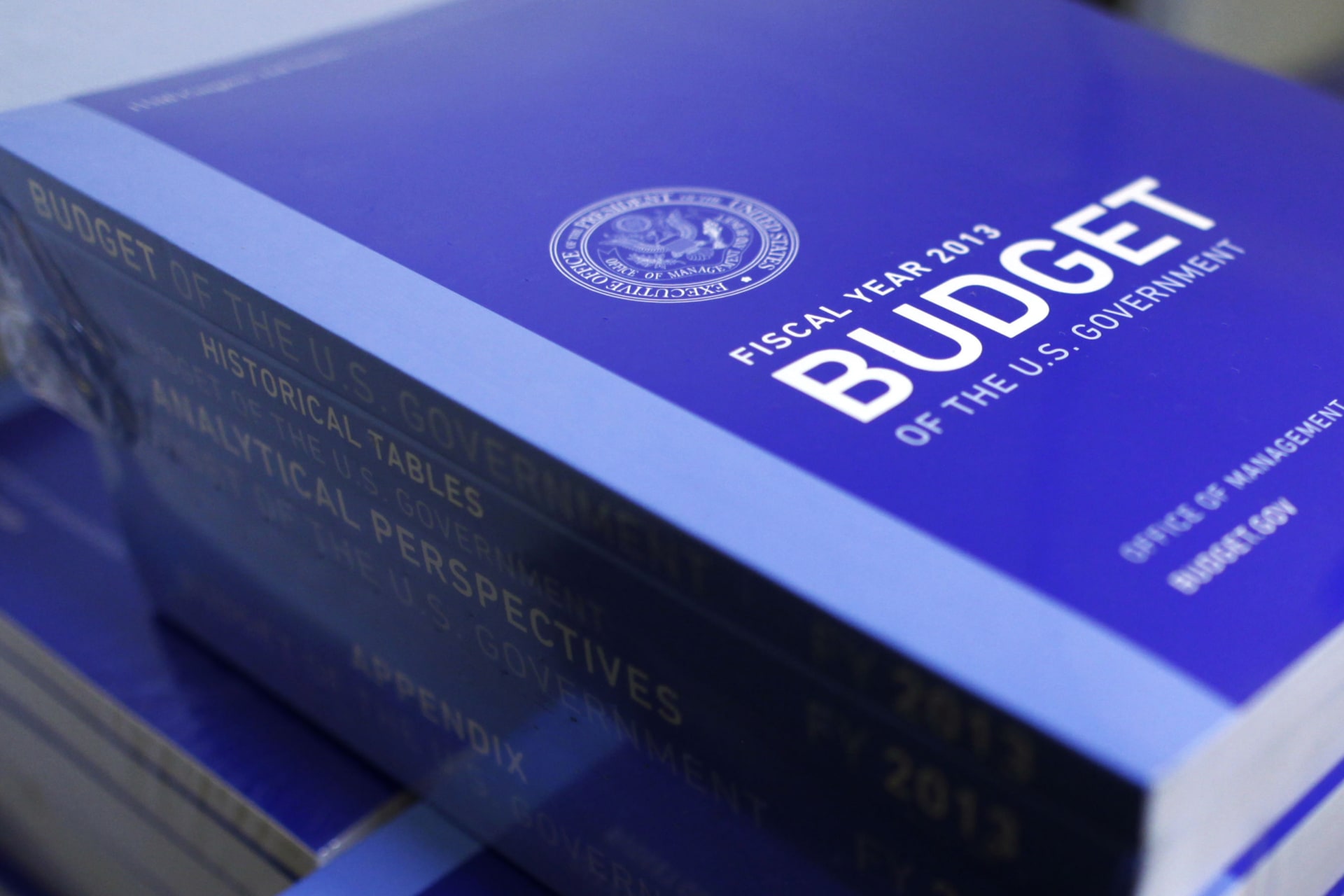
Economists have long argued that taxing oil consumption would be the most efficient way to address U.S. vulnerability to overpriced and unreliable oil supplies. Yet energy taxes are a third rail in American politics. As a practical matter, then, significant increases in oil taxes have long been off the table as a policy tool. Mounting concern over rising U.S. deficits, however, has recently prompted some people to question whether that might change. Policymakers are confronting difficult choices. Shrinking the yawning U.S. budget deficit would require some mix of higher tax revenues and reduced government spending that extends well beyond the recent legislation that addressed the so-called fiscal cliff. In this Energy Brief, Daniel Ahn and Michael Levi model the potential consequences of substituting taxes on oil consumption for either higher nonoil taxes or reduced government spending, both as part of a larger deficit reduction package, and argue that doing so can improve economic performance while reducing oil consumption if done right.
 Report
 Report
 Report
 Report
 Report
 Report