Despite Cyber Agreements, Russia and China Are Not as Close as You Think
By experts and staff
- Published
- Guest Blogger for Net Politics
Lincoln Davidson is a research associate for Asia Studies at the Council on Foreign Relations.
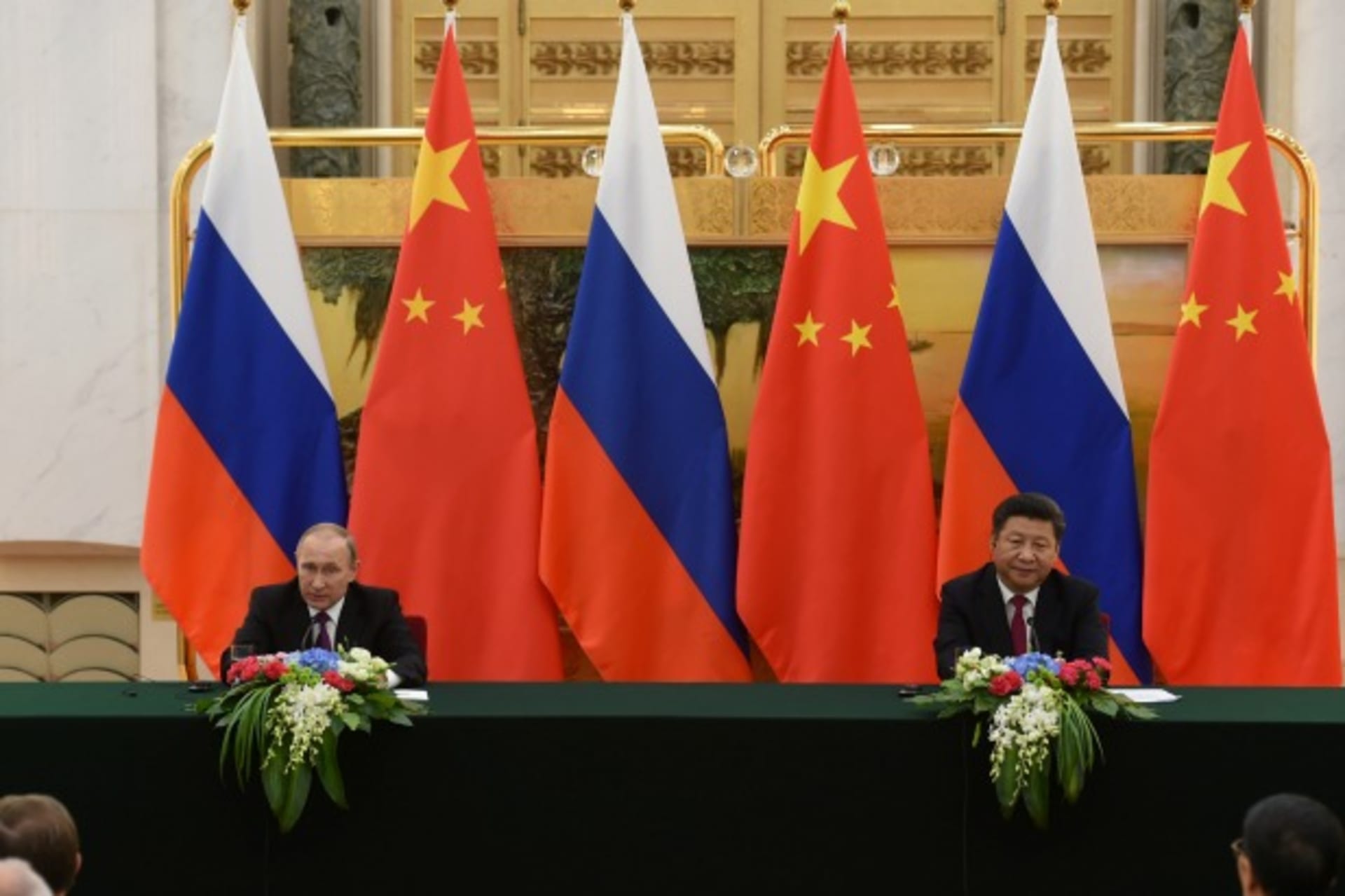
Last week, at the conclusion of bilateral talks between China and Russia held in Beijing, Chinese President Xi Jinping and Russian President Vladimir Putin issued a joint statement on cooperation between the two countries, which included a section on cyber issues. But despite lofty words, it doesn’t seem that much progress has been achieved on Sino-Russian cybersecurity cooperation.
The main points of the joint statement are as follows:
None of this is new. China and Russia first penned an agreement outlining their support for these positions back in 2009 (through the Shanghai Cooperation Organization), and submitted an updated version of this “Code of Conduct for Information Security” to the United Nations General Assembly in 2011. A new version of that document was again submitted to the UN last year. And in April 2015 the two countries signed a bilateral agreement that has been branded as a “nonaggression pact” for cyberspace, although some have argued that this is a misreading of the agreement.
Last week’s joint statement clarifies that the countries’ lead representatives on cyber issues are the director of the Cyberspace Administration of China and the president of Russia’s assistant responsible for information technology, and that the two sides should “regularly meet [to] harmonize their overall plans” for cyber policy. This would seem to deliver on a commitment from the April 2015 agreement, which requires both countries to identify points of contact and communication channels to manage the relationship.
However, it is hard to imagine that it takes a full year to simply identify a lead point of contact for each country. Compared to the progress made by the U.S. Department of Homeland Security and the Chinese Ministry of Public Security working group on cyber issues, which has met twice since September 2015, this is a glacial pace. Could there be discord between the two countries that explains the delay?
Earlier this week, Shen Dingli, deputy dean of the Institute of International Studies at Fudan University and a leading voice in Chinese foreign policy debates, responded to the agreement by making the case that “China is a realistic country” that doesn’t form long-term alliances, and that cooperation with Russia is merely what is advantageous for the moment in “counterbalancing the US.”
“No matter what the Sino-Russian bilateral relationship is going through for the moment…none of them are long-term strategies, but only tactical cooperation,” Shen wrote.
If only the tactical cooperation was actually happening.