For Midterm Voters, Foreign Policy Is a Pocketbook Issue
Voters are more worried about how President Donald Trump’s foreign policy choices are driving up the cost of living than about the policies themselves.
By experts and staff
- Published
 James M. LindsayCFR ExpertMary and David Boies Distinguished Senior Fellow in U.S. Foreign Policy
Election Day is less than a week away, and the stakes are enormous. For two years, Republicans have controlled both the White House and Congress. Democrats have been on the outside looking in as policy is decided. But now control of Congress is up for grabs. Democrats need to pick up three seats in the House or four in the Senate to return Washington to divided government.
If Democrats do win control of the House, or both the House and Senate, they will gain greater say over domestic and foreign policy. The majority party in the House and Senate decides who chairs congressional committees, what issues the committees will focus on, which bills get to the floor, and which do not. The majority party in the Senate also determines whether presidential nominations for senior positions in the executive branch and seats on the federal courts get a vote.
That potential power shift is why the Democratic and Republican parties are pulling out all the stops in the waning days of this election season to turn out the vote for their candidates.
But what is on voters’ minds as they head to the polls? How do pocketbook issues such as jobs and gas prices rank alongside foreign policy issues like Iran, Ukraine, and Israel? As talk about rigged elections and foreign meddling swirls, do Americans have confidence that the election results will reflect the votes they cast? And how are party affiliation and age shaping what Americans view as the challenges facing the country?
To get answers to these questions, I sat down with Hannah Hartig and Jessica Huseman for the latest episode of The President’s Inbox. Hannah is a senior researcher at Pew Research Center, where she primarily studies U.S. political attitudes and voting behavior. Jessica is editorial director at Votebeat, which provides nonpartisan local reporting on elections and voting. She was previously the lead elections reporter for ProPublica and has covered several federal election cycles.
[Video: https://vimeo.com/1240585804]
Here are my three main takeaways from my conversation with Hannah and Jessica:
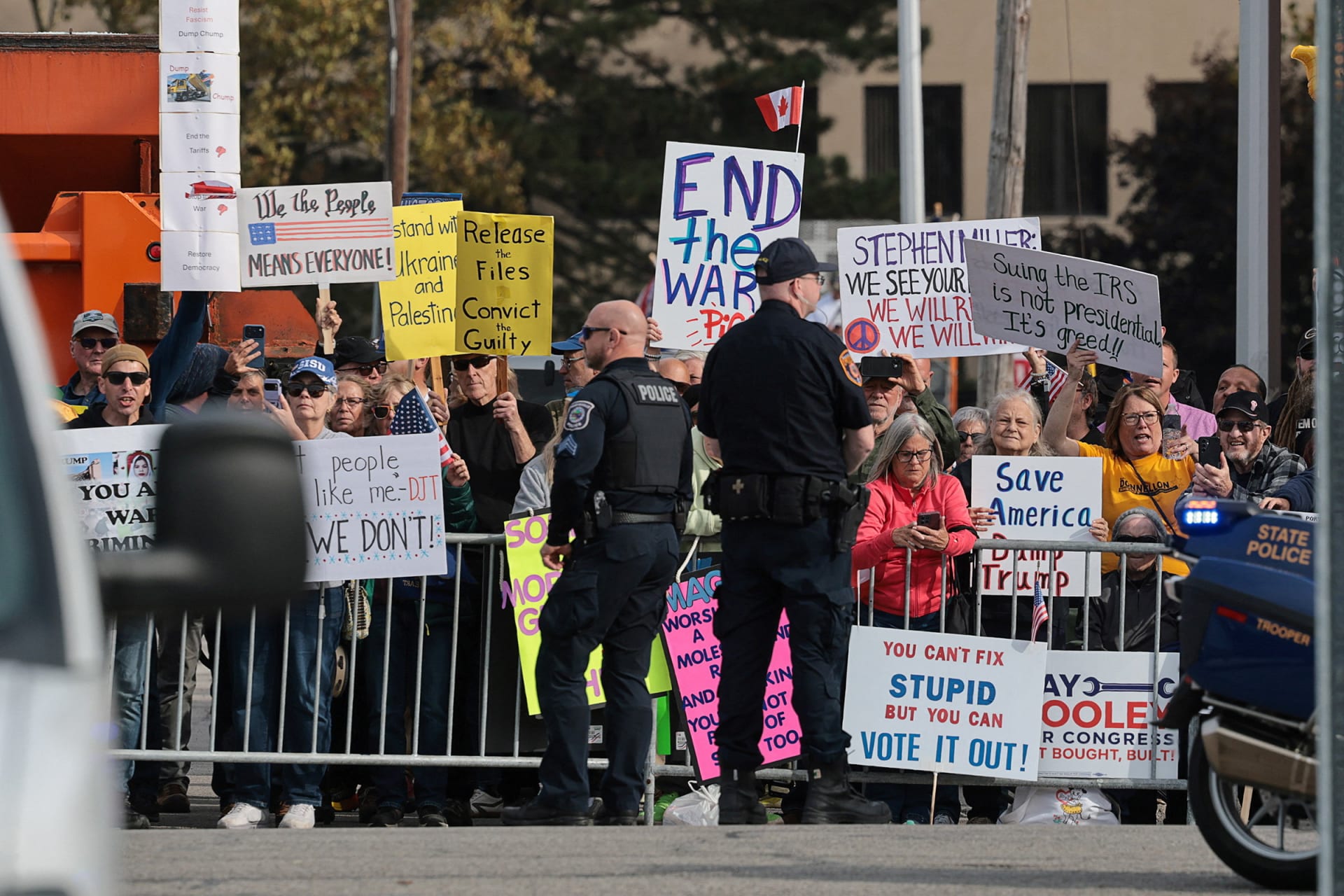
1. Voters are in a sour mood. Hannah noted that “Americans are viewing the economy in poor terms. They say the country is off on the wrong track.” Pocketbook issues are leading the way. Polls show that voters are, as Hannah put it, “really concerned about the cost of living, the cost of health care, food and groceries, and housing.” Jessica said that the polling data reflects what she is hearing on the ground and is “translating to an eagerness to get out the polls and to do so earlier than we might have anticipated.” The University of Florida Election Lab reports that, as of this afternoon, more than forty-three million Americans have already voted, either through mail-in balloting or by early in-person voting.
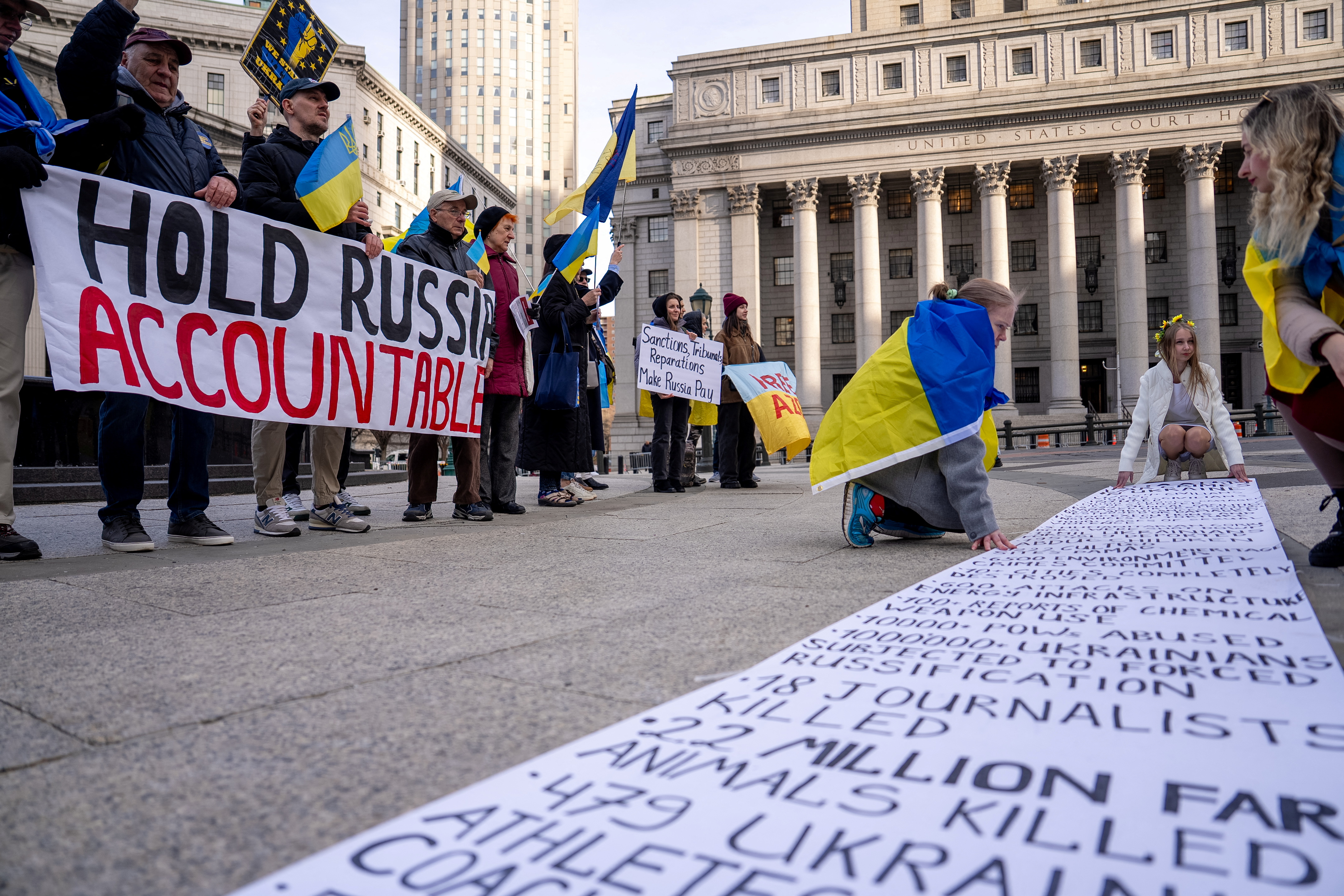
2. U.S. foreign policy worries Americans; the consequences of U.S. foreign policy worry them even more. Hannah sees the polls telling us that “this fall, foreign policy, just as a general term, ranks somewhere in the middle for Republicans and Democrats. Most voters disapprove of the war in Iran.” Voter attitudes on Trump’s tariff policies differ by party affiliation and geographical region. While many Republicans continue to support the president, voters in the Midwest and northern border states are leerier of his tariff policy. U.S. support for Israel has emerged as a generational divide in the Democratic Party, as “younger, more liberal, more educated Democrats . . . feel more strongly that the U.S. has been too supportive of Israel.” Ukraine has receded as a campaign issue, though Democrats and Republicans continue to diverge in their support for Trump’s approach to the war.
Overall, Americans worry about foreign policy primarily in terms of its impact at home. Jessica argues that voters do not think about foreign policy the way that experts do. When experts “talk about the Iran war, [voters] hear gas prices. When we talk about tariffs, they hear or they see rising grocery prices or the fact that . . . they can’t sell their products as farmers.” In short, most voters see foreign policy through the lens of their overriding concern: the difficulties they face in paying their bills and building a better future for themselves and their families.
3. Americans remain confident about the integrity of U.S. elections. Hannah said that the Pew Research Center’s polling shows “that a majority of voters are confident that U.S. elections will be run and administered well. They’re also confident that once all the ballots are counted, we will know which party won control of the House and that election workers will act fairly and properly.” However, troubling trends lie beneath that headline. Two years ago, more than 90 percent of self-identified Democrats were confident in the integrity of U.S. elections. That number is down to 72 percent. Democrats and Republicans also view election integrity differently. Democrats fear that people who are eligible to vote will not be able to, while Republicans worry that people who do not have the right to vote because they are not U.S. citizens will nonetheless succeed in doing so.
Hannah, Jessica, and I covered a lot of other topics in the episode. These included how reliable the polls are; what polling can and cannot tell us; how Americans can become better consumers of polls; and how reporters use polls in their reporting. I encourage you to give the episode a listen.
Oscar Berry, Asher Ross, and Justin Schuster assisted in the preparation of this article.
This work represents the views solely of the author(s). The Council on Foreign Relations is an independent, nonpartisan membership organization, think tank, and publisher, and takes no institutional positions on matters of policy.