Is the Soaring Cost of College a Problem?
By experts and staff
- Published
 James M. LindsayCFR ExpertMary and David Boies Distinguished Senior Fellow in U.S. Foreign Policy
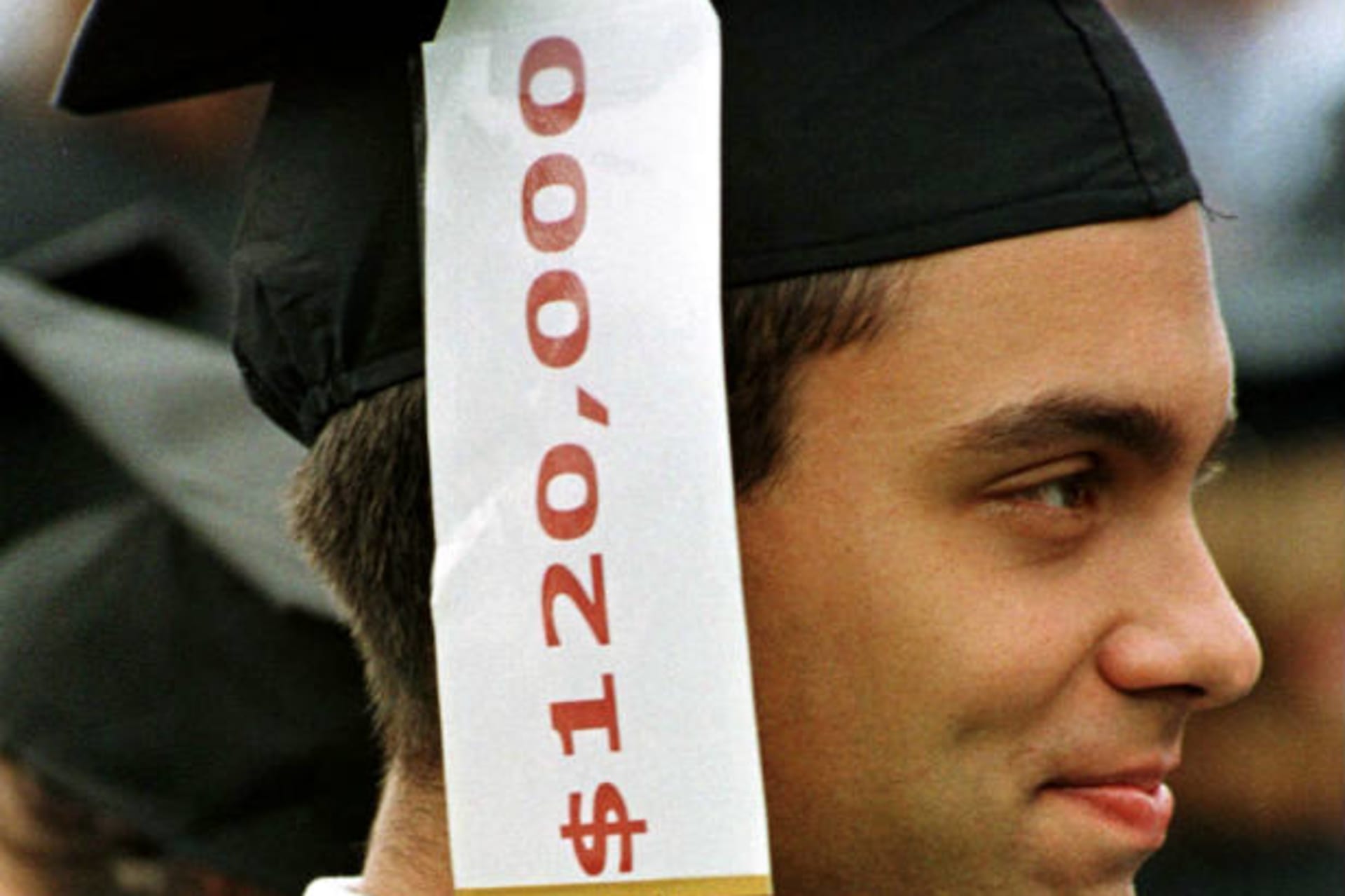
The New York Times ran a fascinating article yesterday on soaring student college debt. To make a long story short—and at 4,500+ words it was a long story—students are taking on a lot more debt to get themselves through college and finding it harder to pay back what they borrowed. That trend is worrying. Because if the system for financing American higher education breaks down, one of the country’s primary mechanisms for generating social mobility, lessening income inequality, and stimulating economic growth will be lost.
Here are some of the eye-opening statistics the Times offers up:
Soaring tuition has sparked political fights over how to provide more student loans at lower interest rates. But easier access to money just encourages people to borrow more and colleges to charge more. The critical task is to get costs under control, as the Times notes in a follow-up article. That will be hard do in part because it’s not how most college administrators think:
“I readily admit it,” said E. Gordon Gee, the president of Ohio State University, who has also served as president of Vanderbilt and Brown, among others. “I didn’t think a lot about costs. I do not think we have given significant thought to the impact of college costs on families.”
President Gee knows of what he speaks. He racked up more than $550,000 in travel charges over the past two years and nearly $850,000 over the past five. And his total compensation package runs about $2 million. That’s far more than what your average full professor makes.
Getting soaring college costs under control is going to be hard to do because it reflects more than inflated presidential salaries or overpaid football coaches and sumptuous facilities for varsity sports (to name two other factors I hear mentioned frequently). It also owes to things like escalating parental and student demands for services. With one kid in college (Wahoowa!), another set to start in the fall (Go Blue!), and two more in high school, I have been on my fair share of college tours. And what I hear parents and students saying is that they want more small classes, personalized instruction, extensive personal and career counseling services, state-of-the-art recreational facilities, and dorm food that tastes like a three-star restaurant. Those things all cost money. But schools that let their average class size grow or say no to building an indoor rock climbing facility risk seeing prize students head over to Rival U.
Sadly, there aren’t any easy fixes for the college cost problem. But the current cost growth simply isn’t sustainable. And as the late economist Herb Stein liked to remark, “if a thing cannot go on forever, it will stop.”