The U.S.-Canada Trade War Could Mark a Breaking Point
The United States and Canada may settle their current trade dispute, but the decades-long movement to integrate the two economies is likely at an end.

By experts and staff
- Published
 James M. LindsayCFR ExpertMary and David Boies Distinguished Senior Fellow in U.S. Foreign Policy
Some numbers make you sit up straight. I did just that when I read a poll earlier this month showing that 41 percent of Canadians see the United States as “an enemy country.”
The poll was conducted right after President Donald Trump slapped 50 percent tariffs on $27.6 billion of Canadian exports to the United States. Just days earlier, Trump had announced on Truth Social that “Canada and the U.S.A., subject to the finalization of documents, have a [trade] DEAL!” But the deal fell apart at the last minute. Canadian Prime Minister Mark Carney responded by quickly matching the U.S. tariffs with Canadian tariffs on U.S. goods.
The anger that so many Canadians feel toward the United States is understandable. Ever since the signing of the 1988 U.S.-Canada Free Trade Agreement, which morphed into the North American Free Trade Agreement (NAFTA) and then the U.S.-Mexico-Canada Agreement (USMCA), Canada has bet its future on deepening its economic integration with the United States. Trump, however, has weaponized that integration—more than 70 percent of Canadian exports go to the United States—against Canada. Add in Trump’s talk about making Canada the fifty-first state and his repeated trolling of Carney, and it is easy to see why Canadians have their “elbows up,” as they say in hockey when you need to protect yourself from opposing players.
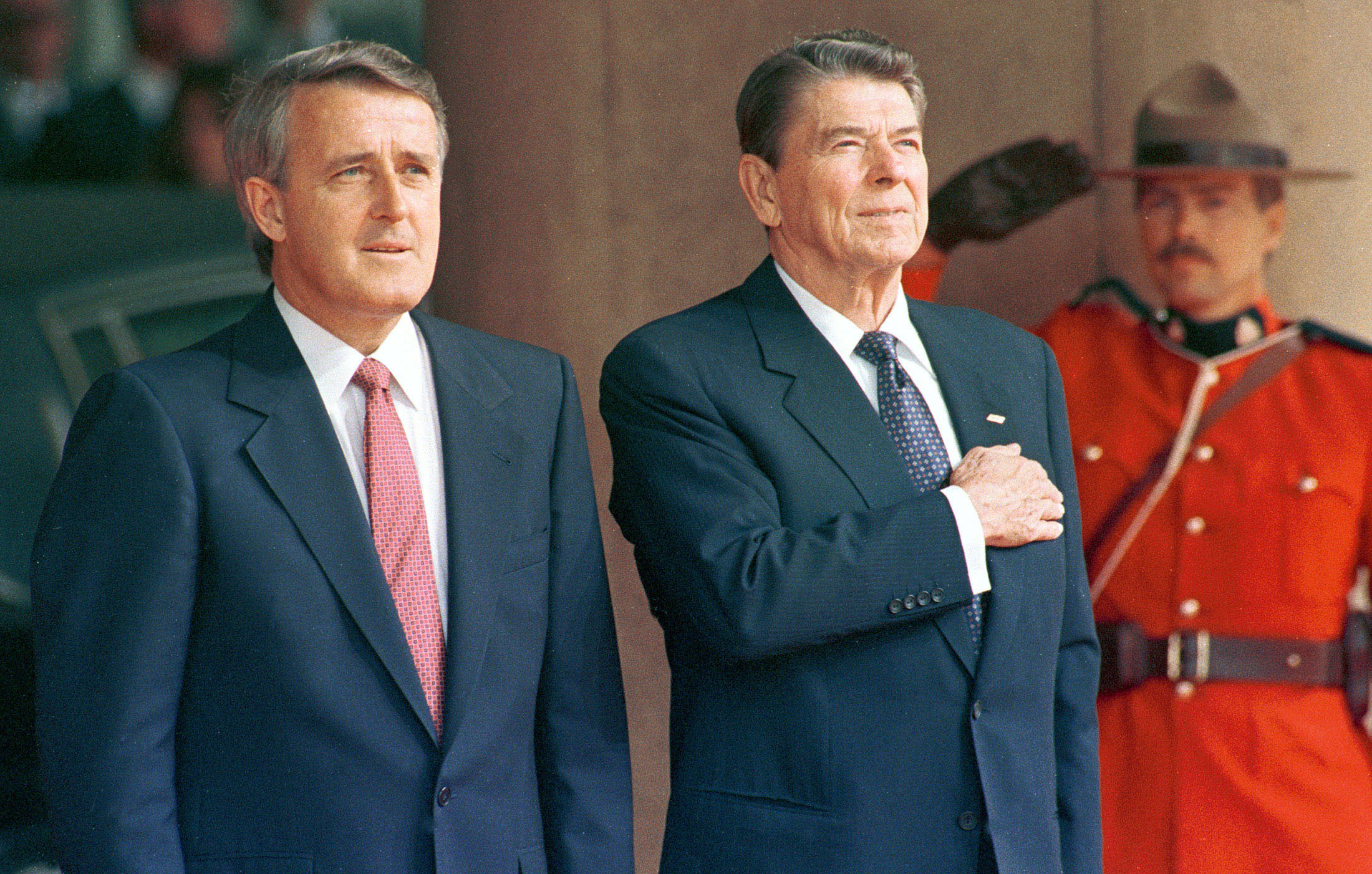
I have no illusions that U.S.-Canada relations were idyllic before Trump took office. To the contrary, they have often been fraught. For much of the nineteenth century, Canadians feared U.S. conquest as many Americans coveted their northern neighbor. (Carney has explicitly alluded to U.S. efforts to annex Canada in his recent public remarks.) Even after these fears passed, economic tensions persisted. For decades, Washington and Ottawa bickered over fishing rights in the Atlantic. The United States long resisted construction of the St. Lawrence Seaway, one of the great engineering accomplishments of the twentieth century, because it threatened the livelihood of U.S. railroads and eastern ports. Economic tensions continued even with NAFTA and USMCA. Just ask anyone in the Office of the United States Trade Representative about Canadian softwood lumber or Canada’s supply-management system for dairy, poultry, and egg production.
But the recent turn in U.S.-Canada relations feels different. Canada took a risk in slapping retaliatory tariffs on the United States. U.S. Treasury Secretary Scott Bessent likened it to “a little yippy dog” snapping at a German shepherd. But Canada’s willingness to antagonize its far larger trading partner signals how much Canadians now fear that their economic integration with the United States was a major strategic mistake.
Are we faced with a fundamental rupture in U.S.-Canada relations? How much leeway does Carney have to negotiate any deal with the United States given the anger that so many Canadians feel toward Trump? Can the economic relationship between the two countries be repaired?
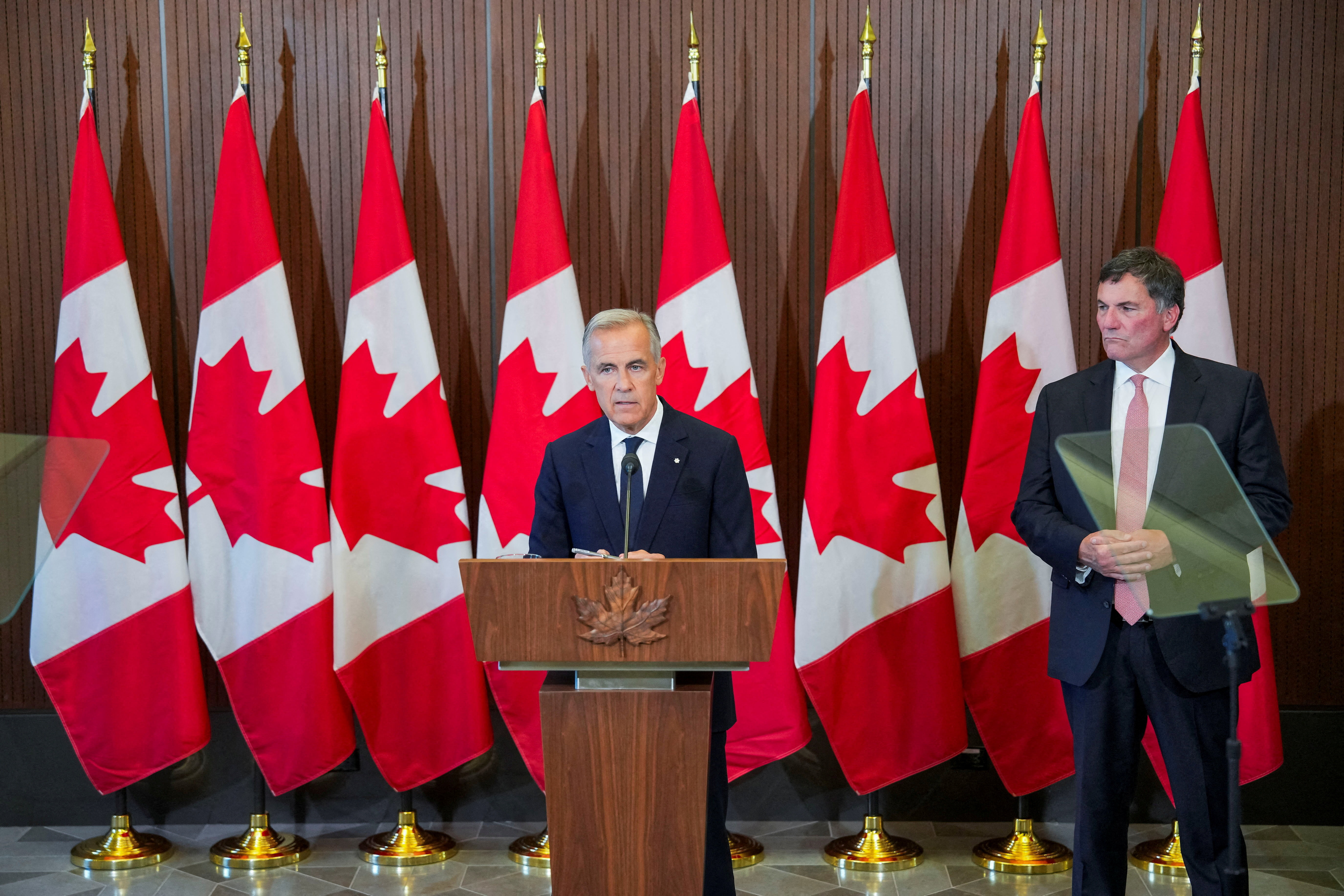
To get answers to these questions, and to better understand what Washington and Ottawa are fighting about, I looked north of the border and spoke with Rohinton Medhora for the latest episode of The President’s Inbox. Rohinton is professor of practice at McGill University in Montreal and a distinguished fellow at the Centre for International Governance Innovation in Waterloo, Canada.
[Video: https://vimeo.com/1227492688]
My conversation with Rohinton covered a lot of ground and left me with three takeaways:
1. Canadians are feeling frustration, anger, and trepidation. The real pain point for Canadians is that Trump is rejecting the trend toward deeper integration with the United States that long predates his presidency. As Rohinton noted, this movement had its roots in the 1965 U.S.-Canada Auto Pact, which eliminated tariffs on cars and automotive parts traded between the two countries, and was accelerated by the 1988 free-trade agreement. Trump has demanded that the Canadian airplane manufacturer Bombardier, which buys parts from 2,800 U.S. companies in forty-seven states, move all of its production to the United States if it wants to sell planes here. U.S. Commerce Secretary Howard Lutnick has called for forcing automotive manufacturing—one of the most deeply integrated industries and a major source of Canadian jobs—back into the United States. These demands may just be ploys to gain leverage at the bargaining table. But Canadians have to take seriously the possibility that U.S. trade policy is turning predatory. Trump’s trolling and dismissal of Canada’s sovereignty has further inflamed passions. No one likes being belittled.
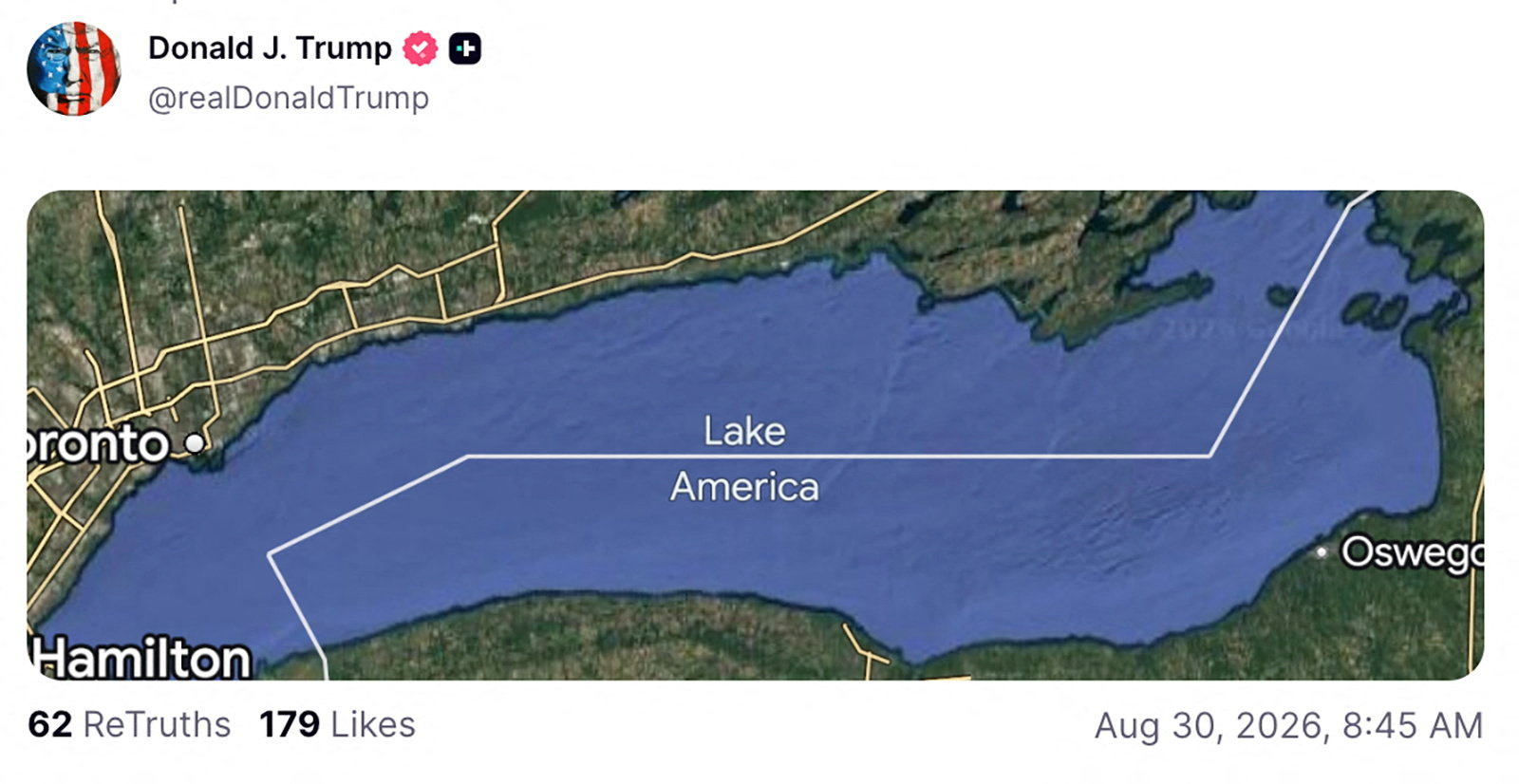
2. Carney sees no political or strategic alternative to retaliating against the Trump tariffs. Many U.S. trading partners, most notably the European Union and Mexico, have so far declined to retaliate against Trump’s tariffs with counter-tariffs of their own. Carney is taking a major gamble with his eye-for-an-eye policy given Canada’s dependence on the U.S. market for its products. His decision reflects politics and strategy. He campaigned for prime minister pledging to stand up to Trump. Standing pat when polls show that most Canadians want him to go toe to toe with Trump would have been political malpractice. Doing nothing would also have run the risk of weakening Canada’s negotiating hand. As Rohinton put it, Carney needed “to show that there are costs on the other side and that we’re willing to pay a price, but we’re also going to impose one on you.” Why should Trump concede if he does not feel any pain from his decisions?
3. Washington and Ottawa may find an off-ramp from the current trade war, but Canada will continue to reduce its vulnerability to U.S. economic pressure. It remains unclear whether last month’s breakdown in trade talks marked a true impasse or a bit of theater before a deal is struck. In recent days, Trump has turned optimistic about the chances of reaching an agreement, saying it could happen “fairly soon.” But even if a deal is struck, Trump’s history of revisiting agreements he has negotiated, and the possibility that future presidents will follow his lead, mean that Canada will continue looking for ways to diminish its reliance on the U.S. economy. Simply put, when the deals you have with your most important partner are written in pencil, you would be wise to find more partners. That is especially true when you have a historical memory of that partner seeking “to pressure…[you] into dependence and, eventually, annexation,” as Carney has put it. What we are seeing now, Rohinton argued, “is the first few months of that transition” away from the model of economic integration. That trend is likely to leave both Canada and the United States worse off than they otherwise would have been.
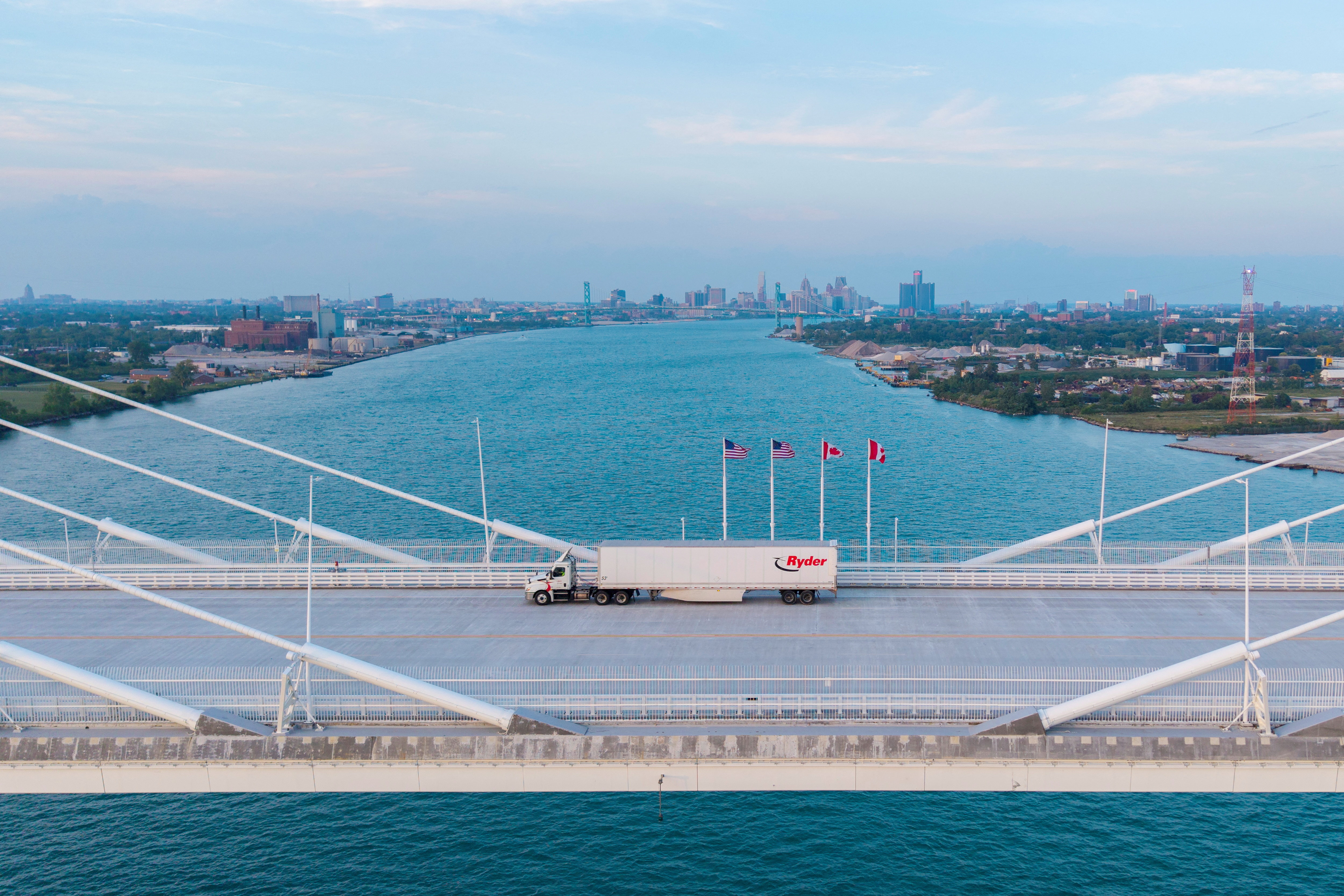
Rohinton and I also discussed how Canadians feel about the taunts they hear from Trump and his senior advisors, why the trade talks broke down in August, why neither side has released the terms of the “almost deal,” whether Ontario and Quebec might invoke their “nuclear option” and cut off energy supplies to the United States, and whether the talk in Alberta and Quebec about secession is serious. I encourage you to give the episode a listen.
Oscar Berry and Asher Ross assisted in the preparation of this article.
This work represents the views solely of the author(s). The Council on Foreign Relations is an independent, nonpartisan membership organization, think tank, and publisher, and takes no institutional positions on matters of policy.