What Is the Future of American Strategy in the Western Hemisphere?
 CFR ExpertSenior Fellow for U.S. Foreign Policy and Director of the Future of American Strategy Initiative
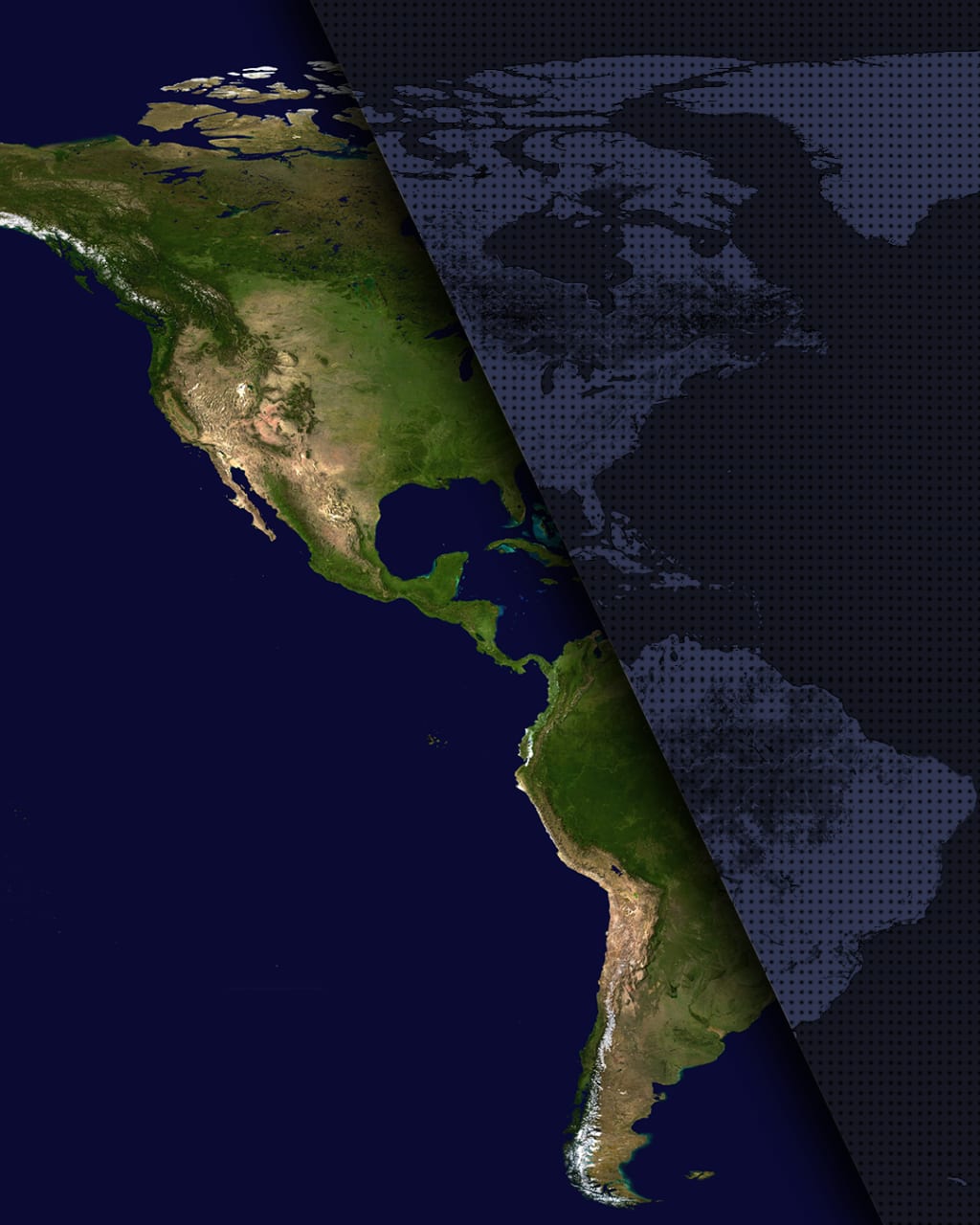
The United States’ approach to its own region is ripe for reimagining. For too long, Washington has anchored its Western Hemisphere policy on the threats the region presents domestically, particularly migration, drugs, and crime. Those are real and important challenges—but the future of American strategy must take a broader view of U.S. interests in the region. Opportunities to do so are manifold. North America, Latin America, and the Caribbean have vital roles to play on issues including trade and economic growth, energy and supply chain security, technology cooperation and diffusion, and competition with China. To explore those opportunities, CFR’s Future of American Strategy Initiative asked six leading experts: what comes next for American strategy in the Western Hemisphere?
[Video: https://vimeo.com/1240980220?share=copy&fl=sv&fe=ci]
While each brings a different vantage point, the authors argue that the Western Hemisphere is central to the future of American strategy, so long as policymakers can integrate and expand tools to advance Washington’s partnerships.
- Juan Gonzalez makes the case for a Greater North American strategy, which would reframe countries north of the Amazon as extensions of U.S. domestic policy to sharpen prioritization within the region and prevent regional crises from becoming domestic ones.
- Dan Runde proposes an Economic Shield of the Americas initiative that would concentrate U.S. diplomatic, financial, and commercial investment with politically aligned partners in strategically important sectors to harness the hemisphere’s energy, critical minerals, agricultural capacity, and technological and industrial bases.
- Carlos Pascual makes the case for energy as the missing pillar of U.S. strategy in the hemisphere, arguing that the United States cannot meet its future technological or energy needs without accelerating the hemisphere’s infrastructure, production, and market potential.
- Heidi Crebo-Rediker provides a strategy to develop Latin America’s extensive critical mineral capacity from mines to markets, which would support U.S. technology and security needs through mutually beneficial partnerships with commodity-producing countries.
- Will Freeman and Paul Angelo argue for a new era of partnership with Venezuela that would prioritize a return to institutionalized democracy, ensure that Venezuela’s oil wealth drives a broad-based economic recovery, and focus on restoring the rule of law while supporting the reform and depoliticization of the security forces.
With their focus on geoeconomics, these essays highlight the tremendous resources and productive capacity that the United States’ neighbors have to offer. The Americas produce more oil than all core Middle Eastern Organization of the Petroleum Exporting Countries (OPEC) members combined, and Latin America has extensive mineral reserves. At a time of surging energy needs and acute global chokepoints, the United States can find new policy solutions by investing more attention and resources in its own region.
Doing so will require Washington to bring compelling offers to the table. As the authors note, the U.S. government can leverage the private sector, regional development banks, and partner-country collaboration toward more focused and strategic ends. That would include the creative deployment of existing institutions and tools such as the International Development Finance Corporation (DFC), as well as ambitious new governmental instruments like cross-border innovation clusters for advanced technology.
Trade-offs and constraints are inherent to any of these approaches. To avoid overextension, the authors call for prioritization within the hemisphere, though they conceive of it through different geographies, sectors, and alignments. These essays also caution that the hemisphere will not assent to American coercion. The United States may sometimes need to play hardball, but a robust regional strategy will require sustainedrelationships predicated on both give and take.
There is a growing bipartisan view that the United States can no longer treat its region as an afterthought or a problem to be managed. Instead, a coherent hemispheric approach can deliver for Americans and help answer a range of persistent policy challenges. As it stands today, the United States is losing economic and technological ground to China despite being the region’s preeminent military power. The ideas contained in these essays show how Washington can reverse this trend and consolidate the regional base of American power.
This work represents the views solely of the author(s). The Council on Foreign Relations is an independent, nonpartisan membership organization, think tank, and publisher, and takes no institutional positions on matters of policy.