Xi Jinping Visits the White House
The second of four meetings in 2026 between the leaders of the United States and China is unlikely to produce any major breakthroughs.
By experts and staff
- Published
 James M. LindsayCFR ExpertMary and David Boies Distinguished Senior Fellow in U.S. Foreign Policy
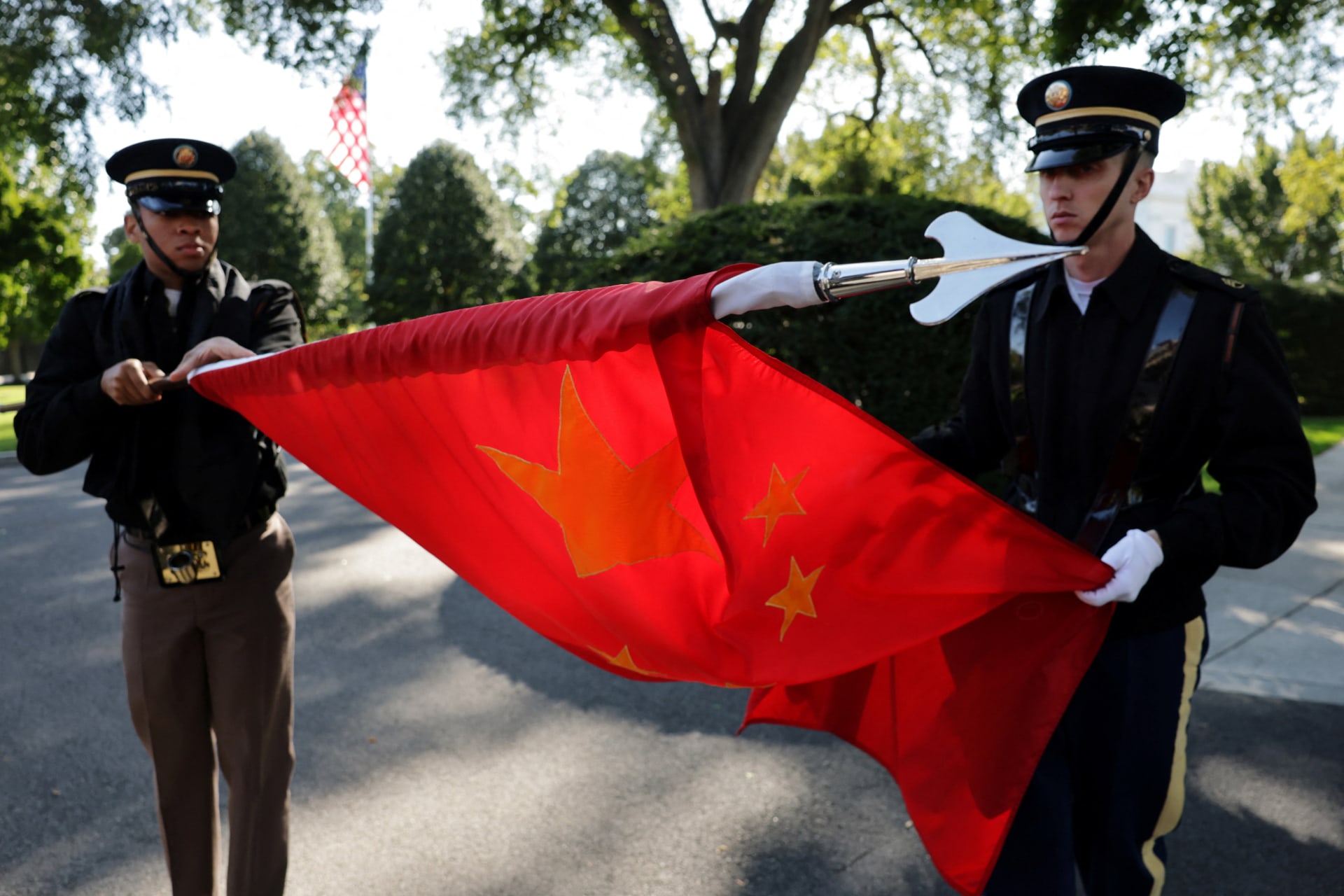
Chinese leader Xi Jinping’s plane lands this afternoon at Joint Base Andrews in Maryland for a state visit, his first trip to Washington in a decade. It promises to be a whirlwind stop. In less than forty-eight hours, he will fly back to China.
Xi’s visit marks the third time in the past eleven months that he and President Donald Trump have met in person. Late last October, they met in Busan, South Korea, on the sidelines of the Asia-Pacific Economic Cooperation (APEC) summit and agreed to de-escalate what had been a growing trade war between the two countries. Then, this past May, Trump traveled to Beijing, where the two leaders agreed to begin discussions on possible guardrails on the development of artificial intelligence, though those talks only began this week.
This burst of U.S.-China summitry will not end with this week’s meeting. Trump and Xi are scheduled to meet twice more in 2026. In November, they will meet on the margins of the APEC leaders’ meeting in Shenzhen, China. A month later, they will both attend the G20 summit, which will be held at the Trump National Doral Miami golf resort in Florida.
That the leaders of two rival great powers are willing to meet frequently is encouraging. As Winston Churchill once said, “Meeting jaw to jaw is better than war.”
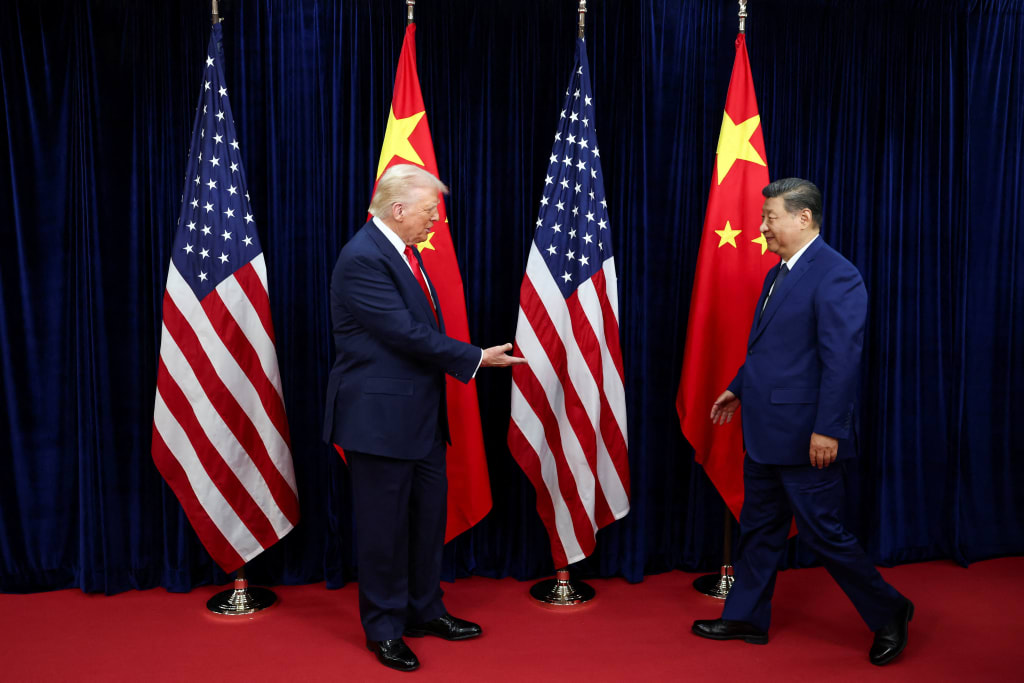
But it’s far from clear that the spate of meetings between Trump and Xi is producing any significant progress toward settling the major disputes that divide their two capitals. China continues to tacitly support Russia’s war of aggression against Ukraine. It also remains the biggest customer for Iranian oil, extending a lifeline that has helped Iran fend off U.S. military and economic pressure. And Taiwan, which may be the likeliest catalyst of direct conflict between the U.S. and China, remains an elephant in the room. Xi would love to see Washington abandon the Taiwanese. But if not, China could exploit the U.S. preoccupation with Iran to move against Taiwan.
This list of differences doesn’t exhaust the questions surrounding Xi’s visit. As concerns grow that AI could lead to catastrophe, will Beijing and Washington agree to rein in a technology that is evolving with blinding speed? Why did Trump agree to greet Xi personally at Joint Base Andrews when Xi quite pointedly declined to meet Trump personally when he arrived in Beijing in May? Was that a snub, and if so, does Trump’s willingness to overlook it signal a shift in who has the upper hand in the great power competition? And why did Xi travel to the Shanghai Cooperation Organization summit in Kyrgyzstan and the BRICS summit in New Delhi earlier this month, but skip the opening of the United Nations General Assembly this week when Turtle Bay is just a short plane ride from Washington?
To get answers to these and other questions about the status of U.S.-China relations, I spoke with Julian Gewirtz and Bonny Lin for the latest episode of The President’s Inbox. Julian is a senior research scholar at Columbia University’s School of International and Public Affairs who served in the State Department during the Biden administration. Bonny is the director of the China Power Project and senior adviser at the Center for Strategic and International Studies. She worked in the Pentagon during the Obama and first Trump administrations as director for Taiwan and senior adviser on China.
[Video: https://vimeo.com/1229602330]
My conversation with Bonny and Julian covered a lot of ground. Here are my three main takeaways:
1. Trump’s decision to meet Xi at Joint Base Andrews is unusual and signals his view of where true power resides in the world. Trump typically meets foreign leaders when they arrive at the White House, not at the airport. He has extended that courtesy to only one other leader, though not in Washington: Russian President Vladimir Putin, whom he welcomed on the tarmac at Joint Base Elmendorf–Richardson in Anchorage, Alaska, in August 2025. Other U.S. presidents have welcomed world leaders. Dwight D. Eisenhower greeted South Vietnamese President Ngo Dinh Diem, John F. Kennedy greeted British Prime Minister Harold Macmillan, and Bill Clinton, George W. Bush, and Barack Obama all personally welcomed a pope. But each of these visitors was a close U.S. ally or the head of a faith that 20 percent of Americans practice, not the leader of a rival power actively challenging U.S. security and prosperity. The difference is telling. As Julian put it, we are witnessing “a pattern with President Trump where he views Xi Jinping, Vladimir Putin, these autocratic leaders of large states as his peers, as leaders who merit this degree of respect or deference. Whereas, of course, the leaders of traditional U.S. allies do not get this kind of treatment. I... don’t think we’re ever going to live to see the day when President Trump greets Mark Carney on a tarmac.”
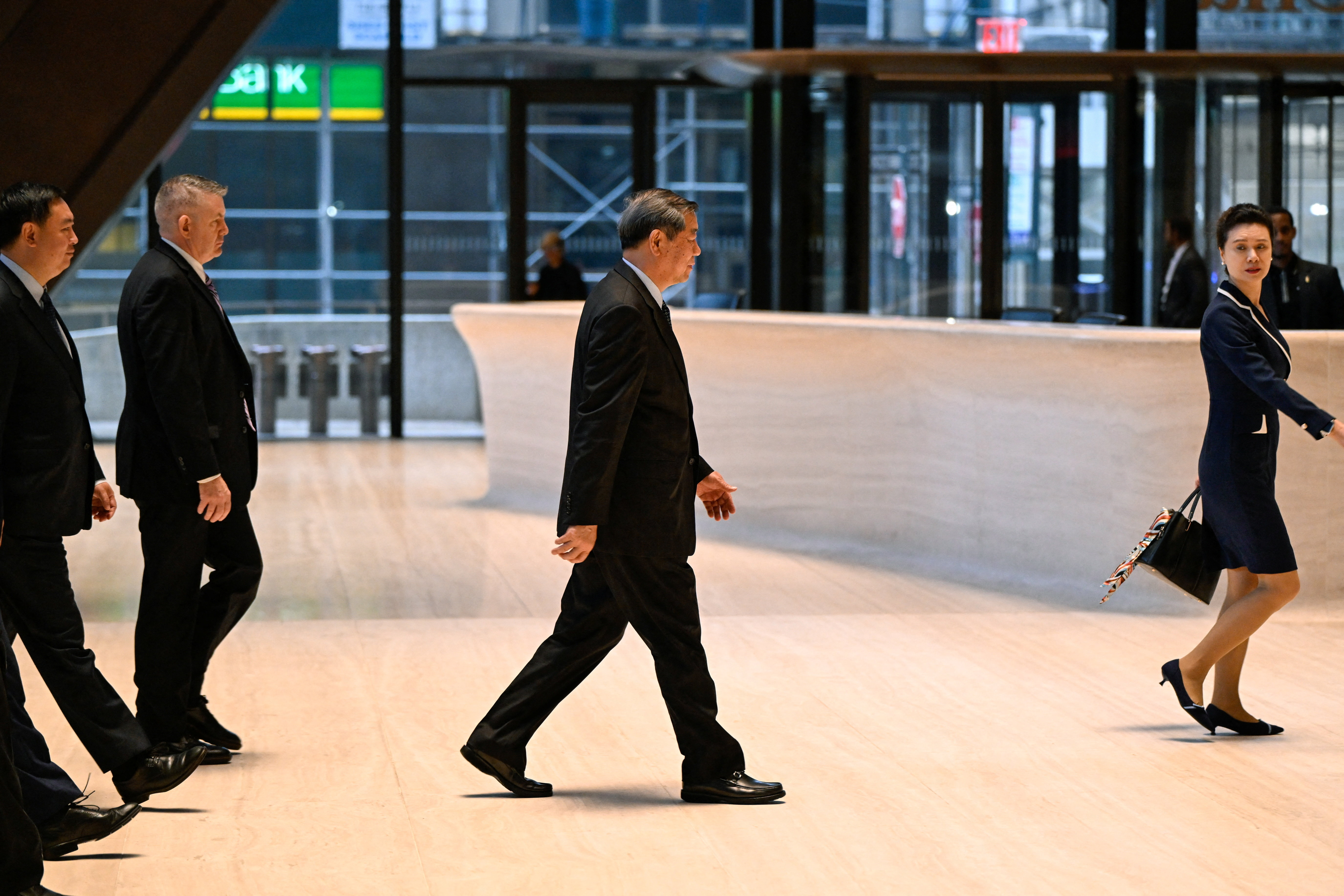
2. Trump and Xi’s differing objectives make it difficult to build on the momentum generated by their previous meetings. Bonny noted that Trump signed on to Xi’s call four months ago for a “constructive relationship of strategic stability” between the United States and China. It remains unclear, however, what that phrase means, and the U.S. willingness to accept it is unusual. Washington historically has declined to embrace Beijing’s preferred phraseology, partly to avoid implicitly blessing what Beijing defines those terms to mean and partly to avoid any suggestion that Beijing sets the terms of the relationship. Julian noted that “Trump is not the kind of person…who cares deeply about these sorts of rhetorical labels. So to his mind, it could be a bit of a free giveaway.” The question is whether the concession is truly cost-free. Indeed, China is likely to use U.S. policy choices it dislikes as evidence that the United States is reneging on its pledge to pursue a constructive relationship of strategic stability. U.S. arms sales to Taiwan are at the top of the list of acts that China will denounce as provocative.
3. Discussions between the two leaders will continue the current truce in U.S.-China relations without producing any major new agreements. Diplomatic breakthroughs generally come after a lot of bureaucratic spadework, which does not appear to be the case here. The two superpowers continue to view each other warily, each hoping to come out on top in the rivalry. Holding tensions in check is an achievement in itself, but the real question is which side is turning the truce to greater advantage. The Chinese are confident they are, in good part because of what they see as U.S. missteps. The war with Iran has tied the United States down in the Middle East and exposed the vulnerabilities of a defense strategy built on expensive high-tech weapons that are quickly depleted and difficult to replace. Meanwhile, the Trump administration has strained relations with many of the United States’ traditional friends, partners, and allies, weakening one of the foundational pillars of its strength. It is no accident that a Chinese think tank earlier this year released a report titled “Thank Trump.”
Bonny, Julian, and I also discussed the concerns that Beijing has about the trip, why Trump would host a foreign leader deeply unpopular with the American public just six weeks before the midterm elections, the specific disagreements China and the United States have over Taiwan, Iran, and artificial intelligence, and the significance of Xi’s ambitious travel schedule over the past two months. I encourage you to give the episode a listen.
Oscar Berry and Asher Ross assisted in the preparation of this article.
This work represents the views solely of the author(s). The Council on Foreign Relations is an independent, nonpartisan membership organization, think tank, and publisher, and takes no institutional positions on matters of policy.