A Year of Elections and Democratic Challenges
Globally, more people than ever before voted in national elections in 2024. How did democracy fare?
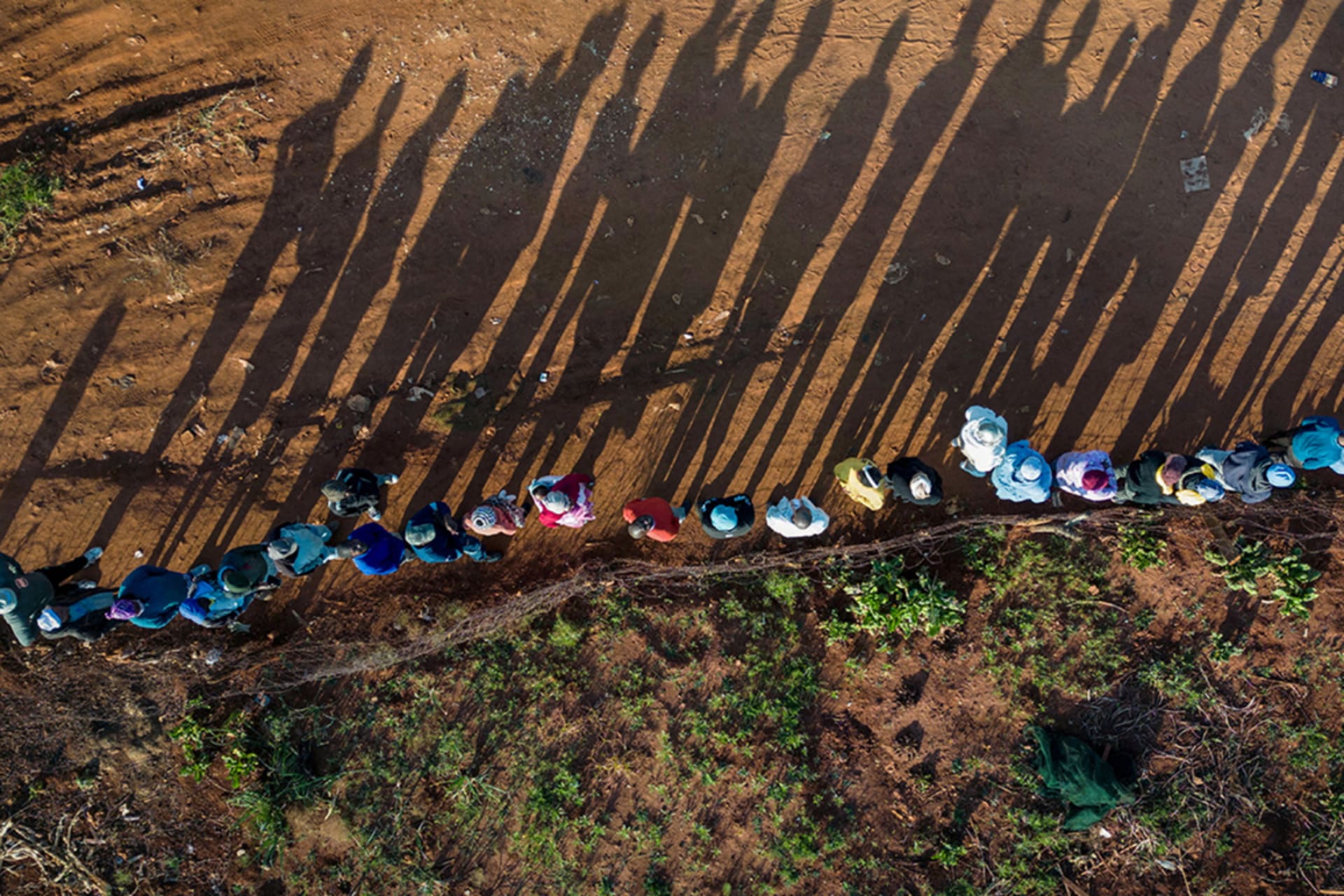
Voters across some eighty countries, home to an estimated four billion people—roughly half of the world’s population—headed to the polls to cast their vote in 2024, making it the year of elections.
But in Asia, Europe, and elsewhere, many voters opted to reject the status quo, reflecting a growing anti-incumbent sentiment. In some instances, voting was marred by authorities’ meddling in the results, while in others, parties on the extremist fringe surged in popularity, raising concerns about the future of democracy worldwide. Experts tracked the extraordinary year for CFR and the following curated list addresses some of the most consequential elections.
Africa
South Africa’s Landmark Elections, CFR Senior Fellow Michelle Gavin
The ruling African National Congress (ANC) party lost its majority for the first time in three decades. The ANC formed a coalition with political opponents to govern the country. The maneuvering will test the rifts between ANC factions—the same fault lines that have made President Cyril Ramaphosa so tentative in decision-making.
Africa’s Democratic Momentum, CFR Senior Fellow Ebenezer Obadare
Africans’ support for the tenets of liberal democracy has never been sturdier, notably contradicting the trend in advanced liberal democracies where cynicism has been rising. Outside the polling booth, the passion for equal representation across Africa is unstinting.
Americas
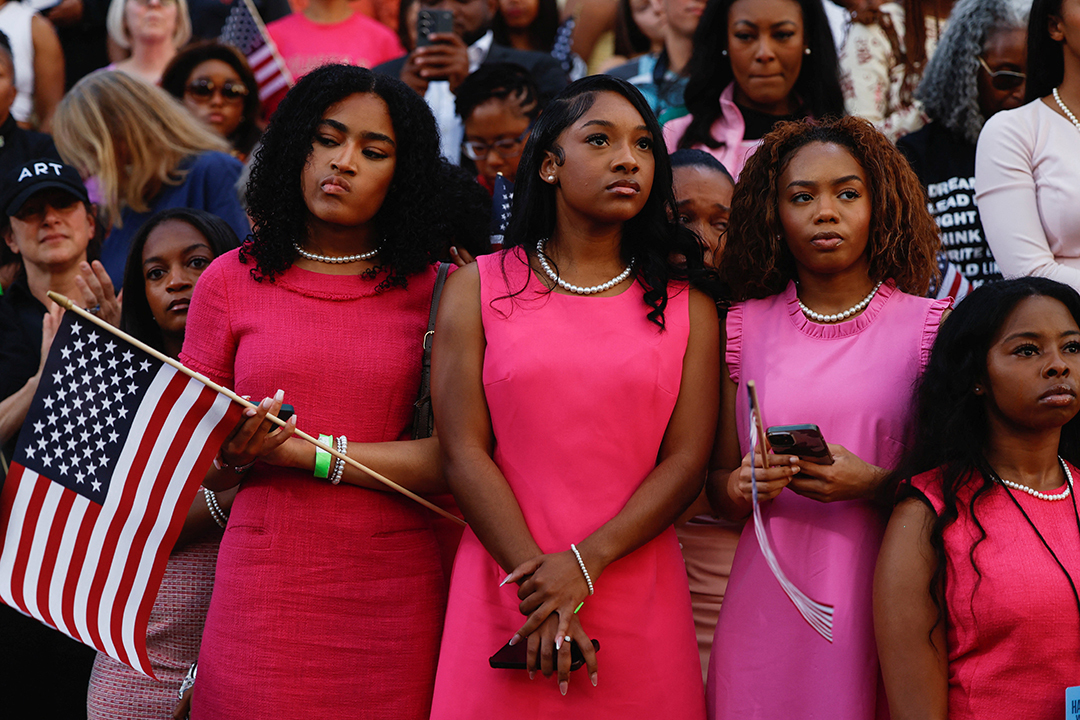
President-elect Donald Trump will have to steer a fractured America through a fractured world. The steady and effective brand of U.S. statecraft that much of the world hopes Washington can provide will emerge only if the nation can get beyond its ongoing division and dysfunction.
A U.S. Reset With Mexico Is Still Possible, CFR Senior Vice President Shannon K. O’Neil
Newly elected Mexican President Claudia Sheinbaum will have to navigate politics and policies to the north. The United States and Mexico will have to engage in difficult discussions and negotiations over commerce, security, migration, and a host of other issues.
The Latin American left has a decision to make about Venezuela: Oppose President Nicolás Maduro’s totalitarian bid to remain in power indefinitely or enable it. If anyone outside the country has any leverage, it’s those often seen as Maduro’s friends: the leftist presidents of Brazil, Mexico and Colombia.
Asia
Several major Asian countries including Bangladesh, Indonesia, and Pakistan took to the polls in 2024. In some cases, autocratic leaders used cheating, detentions of politicians, and other means of making votes unfair to claim another term in office.
Japan’s Ruling Coalition Rules No More, CFR Senior Fellow Sheila A. Smith
Japanese voters handed the ruling coalition of the Liberal Democratic Party and its junior partner, Komeito, an unmistakable defeat. What comes next depends on the conservative party’s ability to reframe its aims—whether that is possible depends on the ability of Japan’s conservatives to agree with each other.
The Costs of President Yoon Suk Yeol’s Defiance, Jinwan Park
The twenty-second National Assembly, which commenced in April, has faced persistent criticism for political acrimony, partisan bickering, and unprecedented legislative inefficiency. Resuming substantive legislative activities—beyond the impeachment effort—remains the paramount priority and the sole viable path to national reconstruction, potentially alleviating public confusion and anger surrounding the current political crisis.
India Steps Back From the Brink, Pratap Bhanu Mehta
Indian Prime Minister Narendra Modi won a third consecutive term in office, but he enters his eleventh year much weaker than before and with his authority badly dented. Voters seemed to be turned off by what was one of the most vicious and vitriolic Bharatiya Janata Party campaigns of recent years, replete with explicit hate speech directed at India’s minority Muslim community.
Debriefing the Taiwan Elections With Syaru Shirley Lin, CFR Senior Fellow Jerome A. Cohen and Syaru Shirley Lin
Following Lai Ching-te’s victory, Syaru Shirley Lin discusses the implications of the island’s presidential and legislative elections and Taiwan’s future relations with the United States and China.
Europe
How Far-Right Election Gains Are Changing Europe, CFR Fellow Liana Fix and Sophia Winograd
Advances by right-wing parties in elections in Austria and Germany could have a destabilizing effect on domestic politics, as well as normalize anti-migrant and Eurosceptic viewpoints in European politics.
How Could France’s Political Instability Affect Europe?, CFR Senior Fellow Matthias Matthijs
The fall of the French government, along with political uncertainty in Germany, threatens to leave Europe rudderless amid growing tensions over migration, Ukraine, and energy policy.
Russia Is Playing a Long Game in Moldova, William H. Hill
For two decades, Russian President Vladimir Putin has sought to restore the influence that the Kremlin lost over Moldova after the Soviet Union collapsed, mostly without much success. But Russia’s efforts to control the country have ramped up in recent years, especially since Russia invaded Ukraine in 2022.
Looking Ahead to 2025
Ten Elections to Watch in 2025, CFR Senior Fellow James M. Lindsay
Many fewer countries are voting in 2025 than in 2024, but the results will still matter to their citizens and possibly for others beyond their borders. What follows are ten elections to watch. Other unplanned elections could materialize as governments fall, whether because of routine parliamentary maneuvers, protests in the streets, or coups.