The 1940 Destroyers-for-Bases Deal and the Expansion of Presidential Power
A creative interpretation of the law enabled President Franklin Roosevelt to provide military aid to Britain despite his initial belief that he needed Congress’s approval to act.
By experts and staff
- Published
 James M. LindsayCFR ExpertMary and David Boies Distinguished Senior Fellow in U.S. Foreign Policy
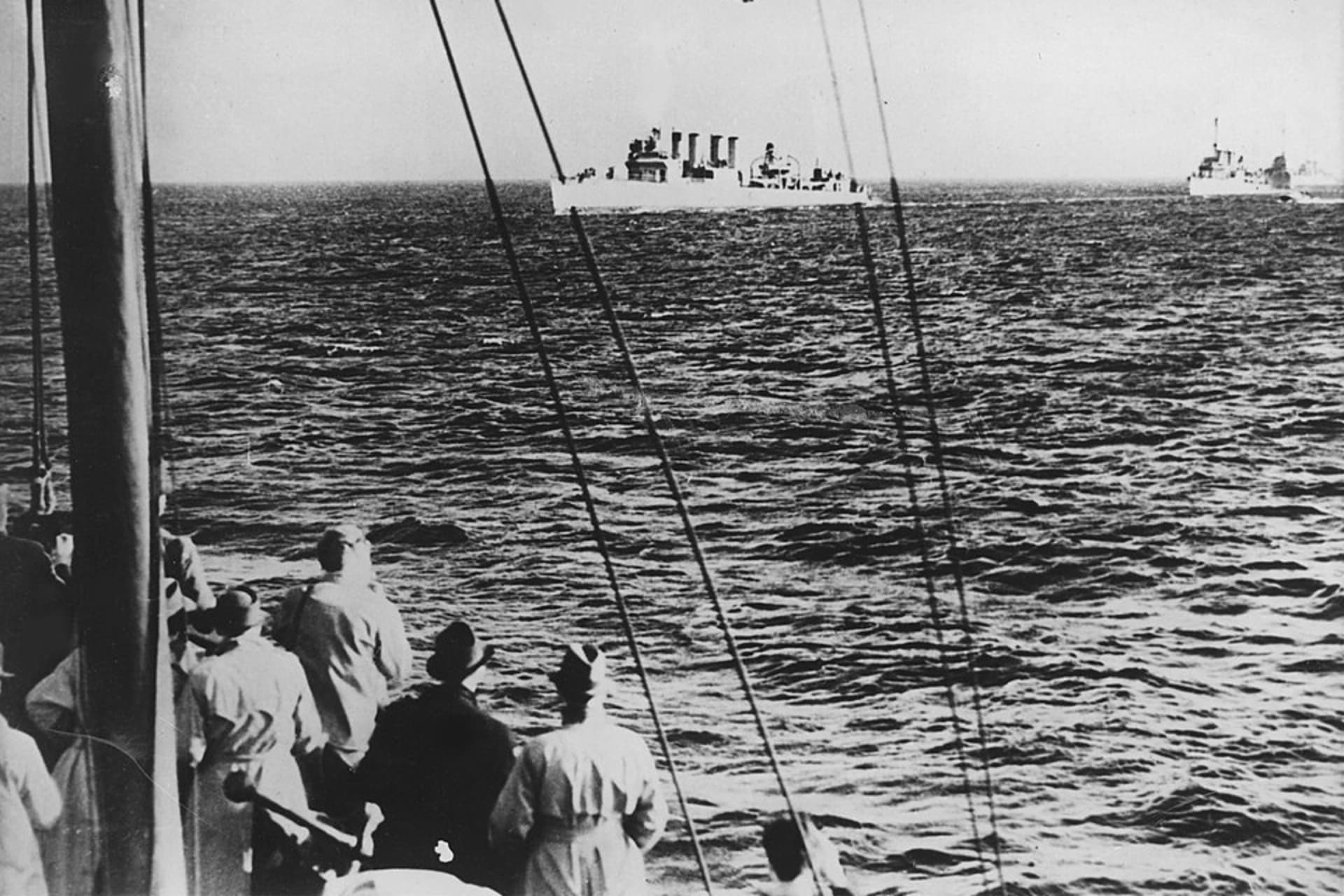
President Donald Trump’s second term in office has been notable for his efforts to expand the boundaries of presidential power in foreign affairs. Whatever one thinks of the merits of his actions, he is far from the first president to read laws creatively and to push the envelope on his foreign policy powers, daring Congress to stop him. One of the most pivotal exercises of presidential prerogative, both constitutionally and substantively, came on September 2, 1940, when Franklin Delano Roosevelt announced the destroyers-for-bases deal with Britain.
The terms of the destroyers-for-bases deal are easy to state. The United States transferred fifty World War I-era destroyers to Britain. In exchange, the United States received ninety-nine-year leases on eight British territories in the Western Hemisphere. At the time, the United States was formally neutral in World War II. Britain, by contrast, was desperate to fend off a possible German invasion. It was precisely because the United States was openly helping one of Europe’s belligerents that the deal was so controversial at home. But it was equally important for the precedent it set in taking another step to what would become the imperial presidency we know today.
Britain Alone
Winston Churchill was sworn in as British prime minister on May 10, 1940. That same day, Germany launched a massive invasion across the Netherlands and Belgium into France. On May 15, Churchill learned that the French defenses had begun to collapse in the face of the Germany blitzkrieg. That afternoon, he cabled FDR that “we expect to be attacked ourselves in the near future” and warned (correctly) that “you may have a completely subjugated, Nazified Europe, established with astonishing swiftness.” To help defend the English Channel against a German invasion, Churchill asked for “the loan of forty or fifty of your older destroyers” as well as some torpedo (or “mosquito”) boats the U.S. Navy was building.
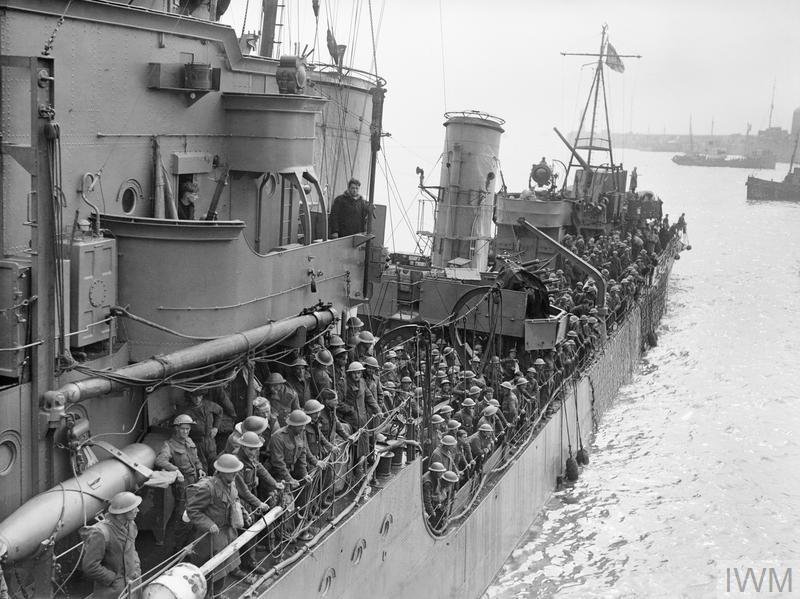
FDR replied the next day. His response was not what Churchill hoped for. While Britian could buy military supplies from the United States and possibly obtain the torpedo boats, FDR flatly ruled out transferring destroyers:
A step of that kind could not be taken except with the specific authorization of Congress and I am not certain that it would be wise for that suggestion to be made to the Congress at this moment.
FDR knew the mood on Capitol Hill all too well. He had spent much of the prior five years battling a Congress that feared the United States might be dragged into another war in Europe.
The Neutrality Acts
The enthusiasm the U.S. public had for the decision to enter World War I had turned into buyer’s remorse by the early 1930s. As the Great Depression deepened, a series of books, magazine articles, and congressional hearings popularized the idea that weapons manufacturers and financial interests had maneuvered the country into war to increase their profits. In this telling of story, President Woodrow Wilson had either been eager for war or had been pressured into it.
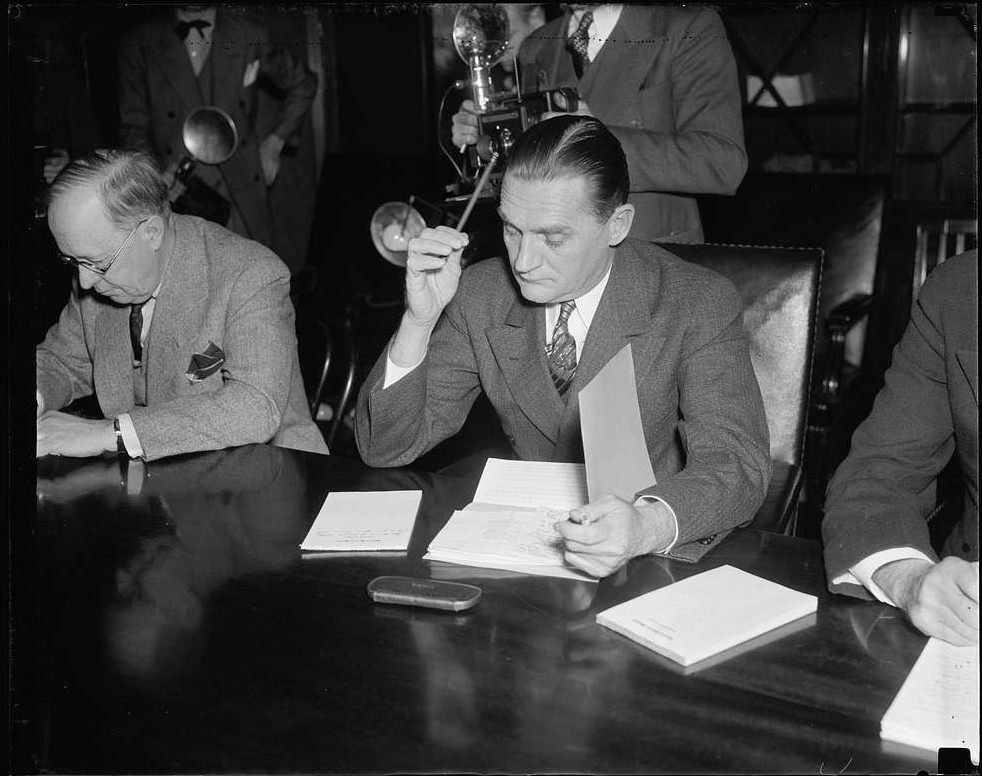
The evidence for the so-called Merchants-of-Death thesis was always scarce. But with the drumbeat for war growing in Europe, both Democratic and Republican lawmakers were eager to pass legislation they argued would prevent the country from being dragged into another war. In 1935, Congress banned the sale of munitions to countries at war. Roosevelt supported passage of this first Neutrality Act, but he soon came to regret it. The law did not distinguish between aggressors and victims, and it did not give the president discretion to apply it. FDR pushed Congress over the next four years to revise the terms of the neutrality act. Even though FDR’s fellow Democrats dominated the House and Senate, each request prompted pitched battles on Capitol Hill, and FDR got only a small part of what he wanted.
After Germany invaded Poland in September 1939, Congress replaced the arms embargo provisions of the neutrality law with a so-called cash-and-carry provision. Belligerents could buy supplies from the United States provided they paid cash for their purchases and shipped their weapons in non-U.S.-flagged vessels. The revision meant that U.S. producers could still market their goods to countries at war, but it would be other countries that would bear the risk of their merchant vessels being sunk on the high seas.
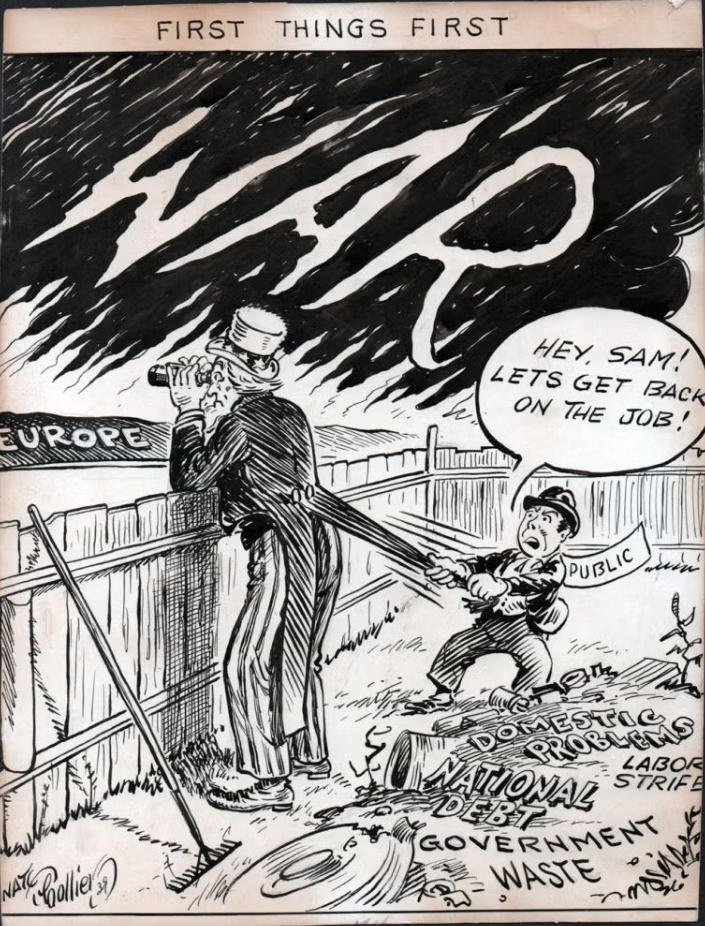
Even this change, however, faced bitter opposition. Critics argued that the move favored Britain and France, because their naval superiority would deny German vessels access to U.S. ports. Proposing to go a step further and transfer U.S. destroyers to Britain would only antagonize anti-interventionist elements in both the Democratic and Republican parties just as Roosevelt was seeking an unprecedented third term in office. Moreover, FDR knew that some anti-interventionists would argue that British resistance was futile, creating the possibility that the destroyers would fall into German hands and possibly be used against the United States.
Politics and the Law
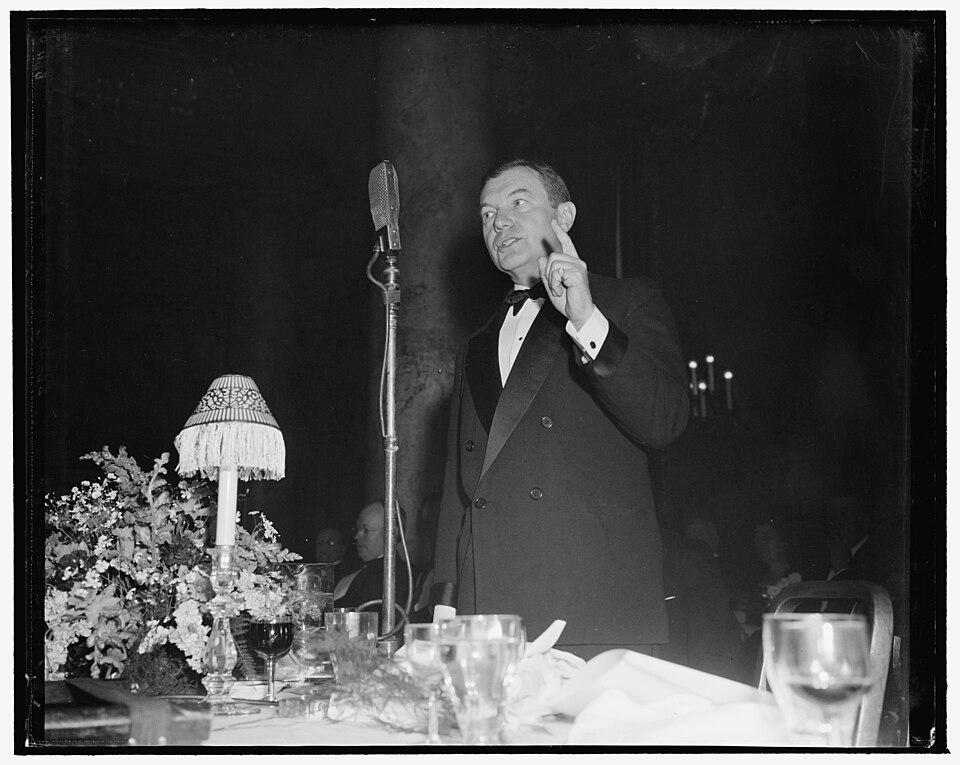
While the political winds in late spring 1940 argued against transferring U.S. destroyers to Britain, so too did the law. On June 20, 1940, Attorney General Robert Jackson, who would later gain fame as the chief U.S. prosecutor at the Nuremburg trials and then as a U.S Supreme Court justice, informed Roosevelt that selling or transferring the destroyers and the torpedo boats would violate the law. The Espionage Act of 1917 specifically prohibited transferring “any vessel built, armed or equipped as a vessel of war” to a country at war.
An additional wrinkle soon appeared. News of Churchill’s request for destroyers and torpedo boats had reached Capitol Hill. Anti-interventionist lawmakers moved quickly to outlaw the transfers. On June 28, Congress directed that the president could not transfer military items to another country unless the chief of staff of the army or the chief of naval operations certified that they were “not essential to” the defense of the United States. The constitutionality of the law was dubious; it essentially allowed a subordinate to overrule the commander in chief. Whatever the legal merits of the new law, it underscored FDR’s political challenge. Providing Britain with destroyers or torpedo boats seemingly required specific congressional approval that might not be forthcoming.
“This Is a Thing to Do Now”
Britian’s situation was becoming increasing dire. By late June, Italy had entered the war on Germany’s side, and Belgium, France, Norway, and the Netherlands had all surrendered. On July 10, Germany launched the Battle of Britain, a sustained aerial bombing campaign that devastated British cities, ports, and factories. At the end of July, Churchill repeated his request to FDR for U.S. destroyers in blunt terms: “Mr. President, with great respect I must tell you that in the long history of the world this is a thing to do NOW.”
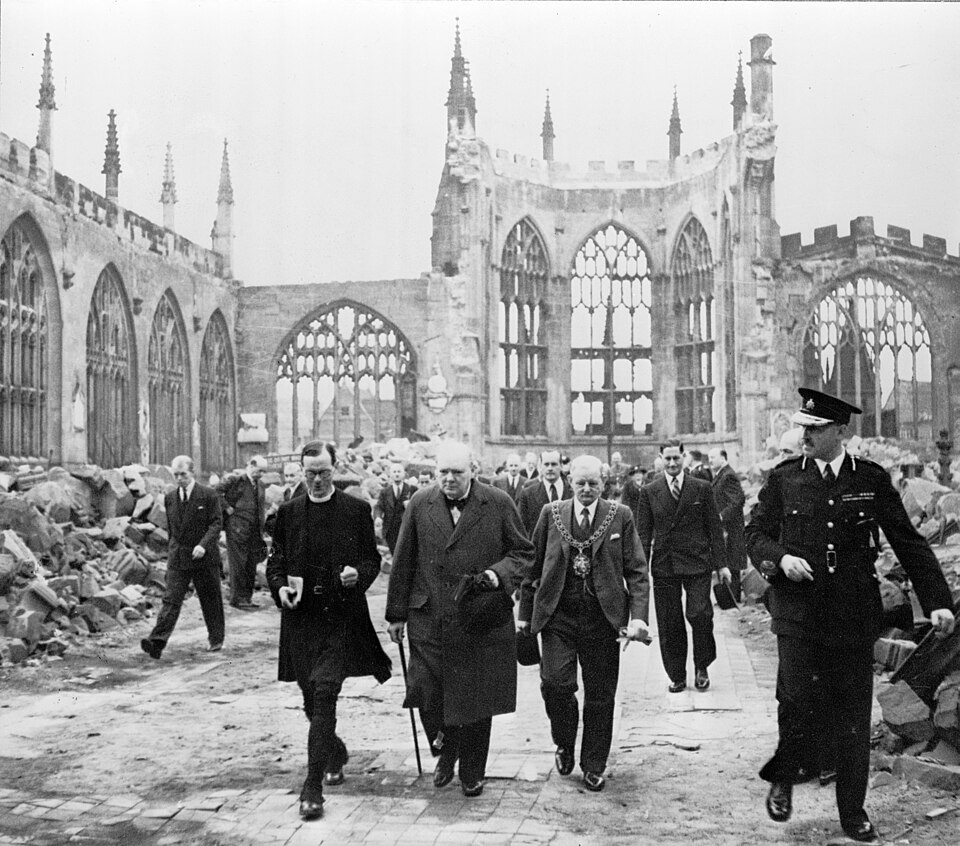
On August 2, FDR convened a cabinet meeting to discuss how to proceed. His advisers agreed, as FDR later wrote, that “the survival of the British Isles under German attack might very possibly depend on their getting these destroyers.” But his hands seemed tied. Jackson repeated his view that Congress needed to rewrite the law for the transfer to proceed.
A Trade, not a Transfer
As non-interventionists in Congress worked to hem in Roosevelt, a group of prominent Americans that included Time magazine publisher Henry Luce searched for ways to solve the president’s problem. At a dinner at a New York country club in mid-July, the idea was floated that rather than simply transferring the destroyers to Britain, the United States should trade the ships for U.S. rights to British bases in the Western Hemisphere. Such a swap would allow Roosevelt to make a politically appealing argument: he was strengthening America’s continental defense to help keep the country out of war. To build public support for the idea, Luce saw to it that Time magazine, which he owned and which was one of the most widely read periodicals in the country, ran an article in late July touting the strategic importance of the Caribbean.
Luce raised the idea of trading destroyers for bases directly with Roosevelt at a White House dinner. The president expressed interest and authorized the secretary of the Navy to determine British receptivity to a possible trade. With Britain’s situation growing increasing desperate and without any better options to pursue, Churchill agreed. The question now became whether a trade would gain more favor on Capitol Hill than a simple transfer.
“Serious Consequences”
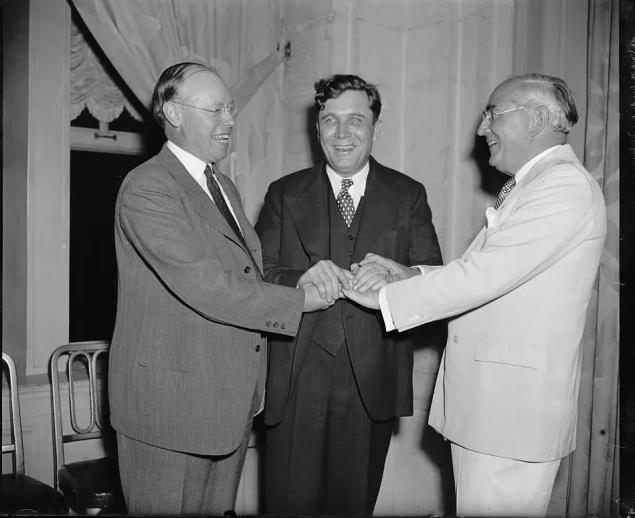
To Roosvelt’s immense frustration, the new proposal did not move opinion on Capitol Hill. It was not for a lack of trying on FDR’s part. He inquired through intermediaries whether Wendell Wilkie, the Republican presidential nominee, would endorse the idea and perhaps urge Republican lawmakers to do so as well. While not opposing the trade, Willkie declined to make a public statement. FDR had no more success with Willkie’s running mate, Charles McNary, who also happened to be the Republican Senate leader. McNary let it be known that he could not support legislation permitting a trade. He signaled, however, that he would not object if FDR could find a way to make the transfer without forcing Congress to vote on it.
Roosevelt’s struggles were bipartisan. He invited Democratic Senator David Walsh of Massachusetts, the chair of the Senate Naval Appropriations Committee, for a three-day cruise on the Potomac in a bid to win his support. The cruise and a subsequent exchange of letters failed to persuade Walsh, who had sponsored the June law requiring that the service chiefs approve the transfer of any military equipment to another county. Although Walsh agreed that acquiring more military bases in the Western Hemisphere would advance U.S. interests, he worried that giving up even old destroyers would have “serious consequences” for U.S. national security and would be a liability in the upcoming elections.
A New Legal Opinion
FDR’s escape from his dilemma came in the form of a fresh legal opinion from Jackson that concluded that the destroyers could be transferred to Britain without congressional authorization. The attorney general’s about-face on what the law permitted may have reflected a bit of presidential pressure. FDR told him, perhaps jokingly, that if the legal obstacles to closing the deal weren’t cleared up, that Jackson’s “head will have to fall.”
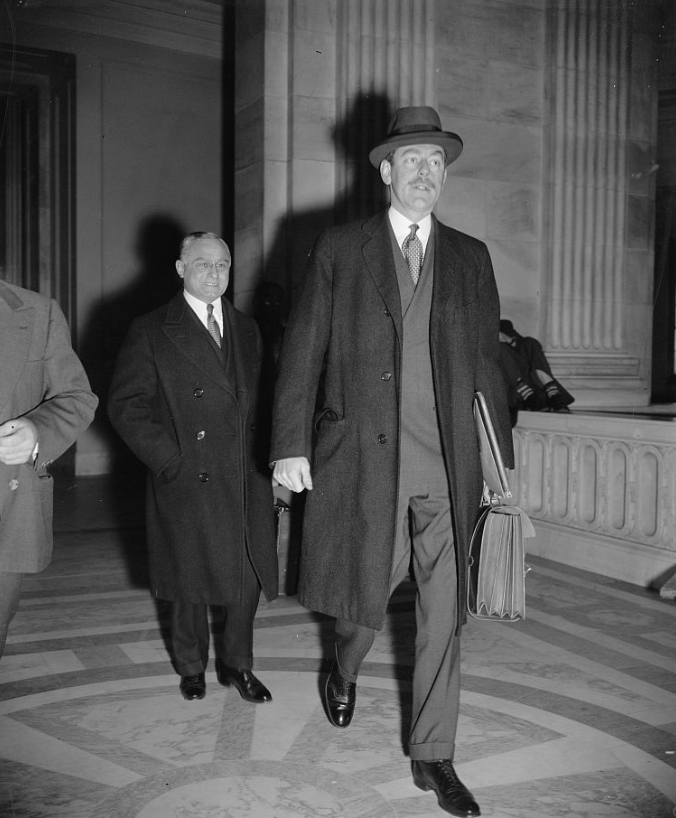
But Jackson’s reversal also reflected his reaction to lawyers who argued that his reading of the law was needlessly narrow. Earlier in the summer, an Interior Department lawyer had written a memo arguing that the president could transfer the destroyers without violating the law. FDR had dismissed the memo’s legal reasoning as politically unsustainable. However, it caught the eye of U.S. Supreme Court Justice Felix Frankfurter. He enlisted his former law clerk Dean Acheson, a renowned international lawyer who would later become secretary of state, to make the argument publicly. On August 11, the New York Times published a lengthy letter-to-the-editor written by Acheson and three other distinguished lawyers arguing that fresh legislative authority was not needed. Although Acheson would become famous during his time as secretary of state, and particularly at the start of the Korean War, for his expansive reading of presidential authority, the case he and his colleagues made on the transfer of U.S. destroyers did not claim that inherent presidential powers overrode the laws Congress wrote. Instead, their argument contended that existing law could be read to allow presidential action.
Jackson absorbed these arguments and revised his view. He now argued:
The 1939 statue could be avoided by based on the chief of naval operations’ judgment that the deal would, on the whole, be a boon to U.S. defense interests. He also concluded that the 1917 statue could be construed to bar only transfer of vessels that had been built with the intent or expectation that they would be transferred to belligerents.
That reading of the law meant that while FDR was free to transfer U.S. destroyers to Britain, the law barred him from transferring torpedo boats.
“An Epochal and Far-Reaching Act”
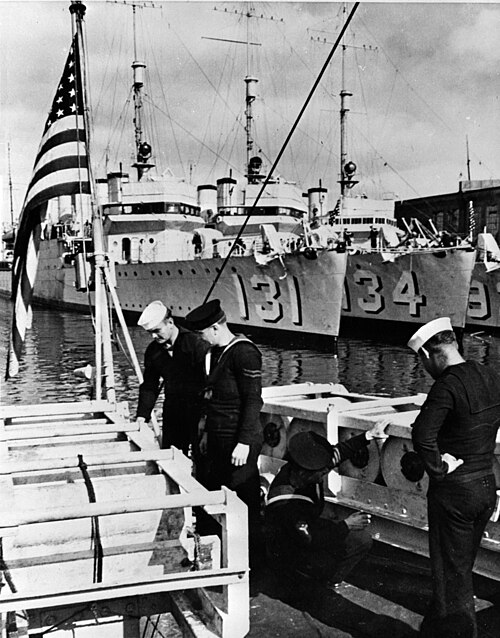
The destroyer-for-bases deal was concluded on September 2, 1940. The United States agreed to transfer fifty World War I-era destroyers to Britain in exchange for 99-year rent-free leases to establish military and naval bases in Antigua, British Guiana, Jamaica, Newfoundland, St. Lucia, the Bahamas, and Trinidad. In deference to Churchill’s wishes that the agreement not be entirely transactional, the United States received similar access to bases in Bermuda and additional sites in Newfoundland without providing anything in exchange.
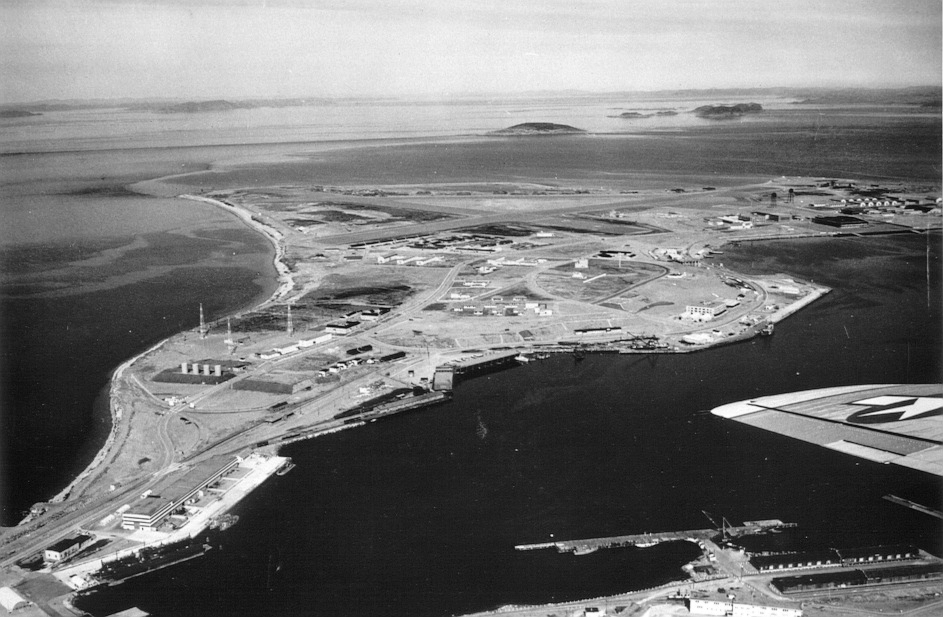
The next day, the chief of naval operations certified that the destroyers were “not essential to the defense of the United States” because the acquisition of bases in the Western Hemisphere “will strengthen rather than impair the total defense of the United States.” FDR then informed Congress of the deal, describing it as “an epochal and far-reaching act of preparation for continental defense in the face of grave danger” and “the most important action in the reinforcement of our national defense that has been taken since the Louisiana Purchase.”
In an impromptu press conference that same day on a train to Washington, a reporter asked FDR whether the Senate would need to approve the agreement with Britain. Roosevelt avoided a direct answer. After repeating part of his message to Congress, he said: “It is all over; it is all done.” The deal would be handled not as a treaty but as an executive agreement executed pursuant to his authority as president.
“The Country Will Undoubtedly Approve”
Willkie reacted to FDR’s announcement by saying that “the country will undoubtedly approve.” He called it “regrettable, however, that the president did not deem it necessary…to secure the approval of Congress or permit public discussion prior to its adoption.“ Three days later, Wilkie escalated his criticism, saying that the deal constituted “the most arbitrary and dictatorial action ever taken by any president in the history of the United States.” (Wilkie later said that his ”regrettable“ remark was the sorriest thing he said on the campaign trail.)
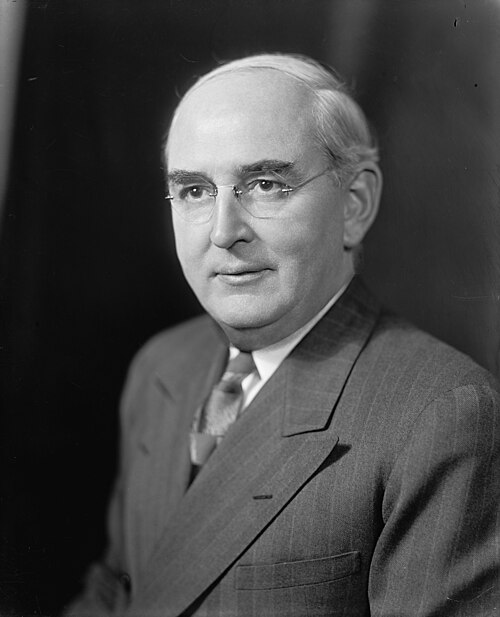
Other Republicans said far worse things about Roosevelt. Senator Henry Cabot Lodge Jr. argued “that if weapons are to be sent abroad, it should be done in the open, after debate, with public participation by the consent of Congress.” Senator Arthur Vandenberg of Michigan condemned the deal as “the most arbitrary and dictatorial action ever taken by any president in the history of the United States.” Representative George Tinkham of Massachusetts went even further, claiming that “there is no difference between his [FDR’s] action from either Hitler, Mussolini, and Stalin.”
Some constitutional experts also questioned what FDR had done. Edward Corwin, perhaps the foremost constitutional scholar of the day, lambasted the deal: “Why not any and all of Congress’s specifically delegated powers be set aside by the President’s ‘executive power’ and the country be put on a totalitarian basis without further ado?”
Despite the congressional and legal criticisms, Wilkie’s assessment of public reaction proved correct. However FDR got to the deal, most Americans applauded what he had done. The deal’s critics remained a vocal minority but failed to muster the votes needed to overturn it. Within months, Congress appropriated funds to fortify the bases that the United States had received from Britain, implicitly blessing the deal. By the end of 1940, having secured an unprecedented third term as president, FDR had turned to his next great project in aiding the British, the Lend-Lease Act.
The Legacy of the Destroyers-for-Bases Deal
History suggests that Roosevelt was correct in his conviction that the United States needed to transfer the destroyers. Britain was imperiled. Had it fallen, Adolf Hitler might have succeeded in subduing the Soviet Union, allowing Germany to dominate the Eurasian landmass and threaten the United States. And while fifty aging destroyers did not turn the tide in the war, they provided a much-needed psychological boost to the British government and people. As Churchill wrote in his memoirs, the destroyer-for-bases deal “marked the passage of the United States from being neutral to being non-belligerent…. [A]ll the world…understood the significance of the gesture.”
Whether FDR was right to bypass Congress in striking the deal, however, is a more controversial question. In writing the legal opinion that made the transfer possible, Jackson refrained from arguing that FDR’s presidential authority trumped Congress’s. The Supreme Court had opened the door to that argument four years earlier in its landmark Curtiss-Wright case with its claim that the “president is the sole organ of the federal government in the field of international relations.” Instead, Jackson noted that the president’s power in foreign affairs “is not unlimited.” He based his conclusion on the permissibility of transferring the destroyers to Britain fundamentally on his reading of existing law.
The problem with Jackson’s interpretation of the legal statutes was, as his critics pointed out, creative to the point of being tortured. He had found presidential discretion in statues that seemingly prohibited it. Jackson later acknowledged as much, writing: “I should readily agree that a respectable argument against [my] conclusion could have been made.” Indeed, he had made just that argument two months earlier.
Jackson was the not the first executive branch lawyer to read a congressional statute to the president’s advantage, and he was not the last. Since World War II, Democratic and Republican administrations have both frequently read legislation to allow them to do what it is they wish to do, to the point where legal principle sometimes seems to be Humpty Dumpty’s: a word “means just what I choose it to mean—neither more nor less.”
The challenge, or perhaps the impossibility, of writing laws so they cannot be creatively interpreted points to one reason Congress’s say in foreign policy has declined so substantially over the last century. But the destroyer-for-bases debate also highlights how Congress has contributed to its own marginalization. Many senior lawmakers in both parties agreed with FDR on the need to aid Britain. They were not willing, however, to vote to do so. Letting the president solve the problem saved them from political headaches they wanted to avoid. But that short-term benefit came at the long-term cost of paving the way to an imperial presidency. It is a dynamic that continues to this day.
Oscar Berry assisted in the preparation of this article.
The United States celebrates its 250th anniversary in 2026. To mark that milestone, I am resurfacing essays I have written over the years about major events in U.S. foreign policy. A version of this essay was published on September 2, 2011.
This work represents the views solely of the author(s). The Council on Foreign Relations is an independent, nonpartisan membership organization, think tank, and publisher, and takes no institutional positions on matters of policy.