The U.S. Munitions Crisis
The war against Iran has shown that the Pentagon’s reliance on hard-to-produce hi-tech weapons creates a vulnerability in a world in which quantity may overwhelm quality.
By experts and staff
- Published
 James M. LindsayCFR ExpertMary and David Boies Distinguished Senior Fellow in U.S. Foreign Policy
Is the United States running out of weapons of war?
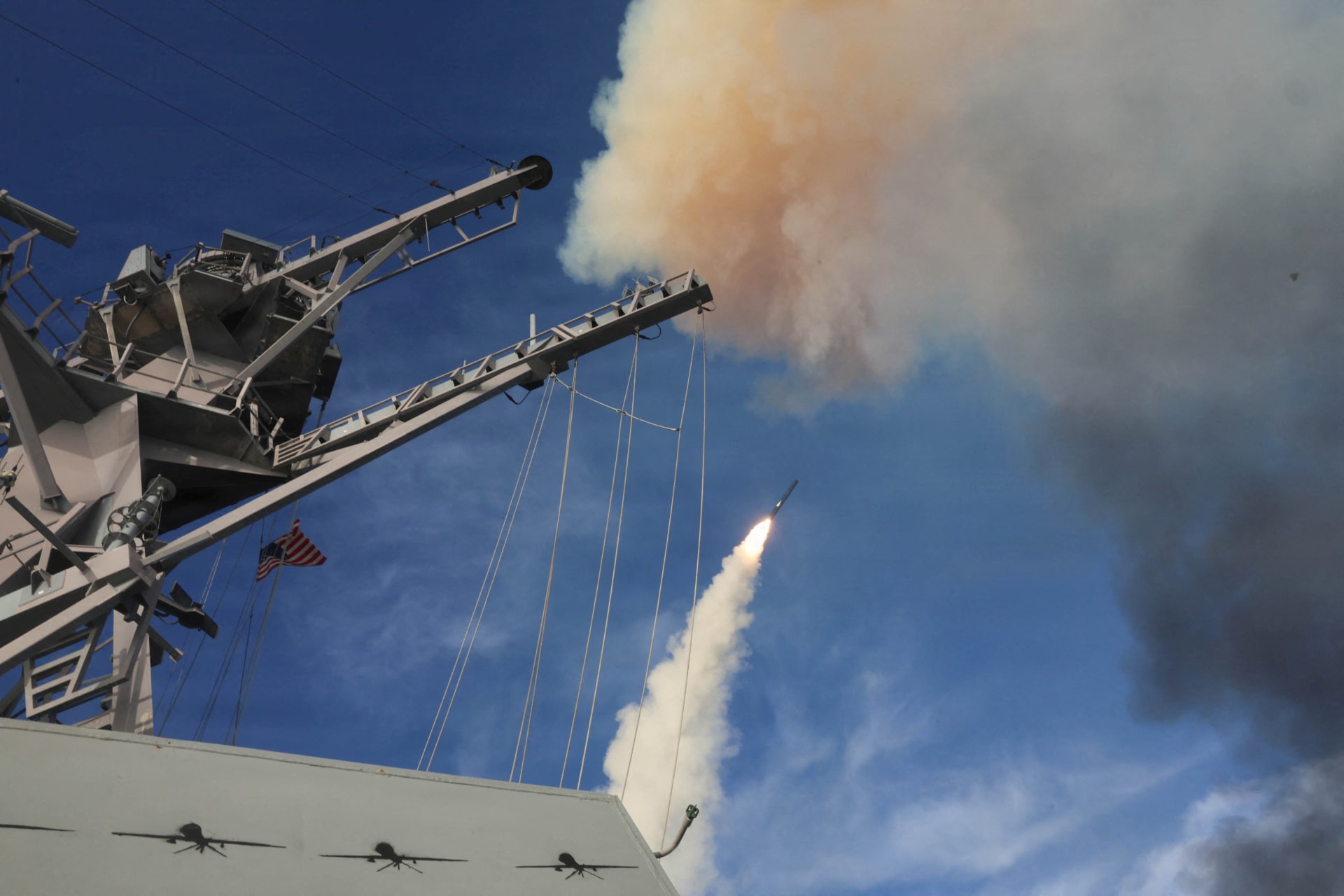
Stories that Operation Epic Fury has depleted U.S. weapons stocks have dominated the headlines in recent weeks. Things have gotten so bad that the Pentagon has transferred weapons stored in Asia and Europe to replenish stockpiles in the Middle East. Even then, a shortage of missile interceptors reportedly persuaded President Donald Trump last month to call off plans for a major attack on Iran.
The Trump administration has variously denied that the United States faces a shortage of critical munitions, said that the shortages developed because President Joe Biden gave too many weapons to Ukraine to fight Russia, and argued that weapons manufacturers will soon speed up production.
The stakes in the debate over the state of the U.S. arsenal are high. Former Secretary of Defense Leon Panetta has warned that the United States now faces a “dangerous moment” because rivals may doubt it can deter their aggression. Which raises a question: how did the Pentagon find itself in a position in which military operations against a middle power could impair the U.S. ability to counter challenges from great powers?
To get a better understanding of the nature and extent of the munitions problem, I turned to my Council on Foreign Relations colleague Michael Horowitz. Mike is one of the country’s leading experts on how technology is remaking warfare. During the Biden administration, he served as Deputy Assistant Secretary of Defense for Force Development and Emerging Capabilities and Director of the Emerging Capabilities Policy Office. He co-authored the CFR report, “Out of Ammo: A Two-Year Sprint to Rebuild the American Arsenal and Deter China,” which was published today.
We recorded our conversation for the latest episode of the CFR podcast, The President’s Inbox.
[Video: https://www.youtube.com/watch?v=zs4_0tdExwY]
Here are my three takeaways:
1. The munitions shortage is real, but it is limited to hi-tech defensive interceptors and stand-off offensive weapons. The U.S. military maintains expansive stockpiles of what might be called “ordinary” conventional weapons: mortars, artillery shells, gravity bombs, and the like. The war with Iran has not depleted those inventories.
Things look much different when it comes to missile interceptors and stand-off weapons. The numbers are eye-opening:
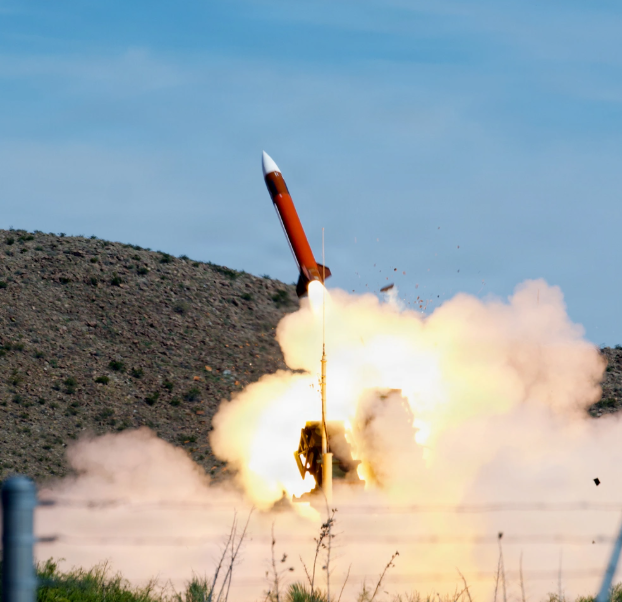
- More than 1,500 Patriot air-defense interceptors have been fired so far, with fewer than 830 interceptors remaining in the entire U.S. inventory.
- Roughly 40 percent of the 452 Terminal High Altitude Area Defense (THAAD) ballistic missile interceptors available at the war’s start have been fired, leaving fewer than 280 in the arsenal today.
- The stockpile of Tomahawk cruise missiles has fallen from about 3,000 at the start of the war to approximately 2,0000 today, a decline of about a third.
- Stocks of missiles for the Army Tactical Missile System (ATACMS) as well as stocks of precision strike missiles (PrSM) have been nearly exhausted.
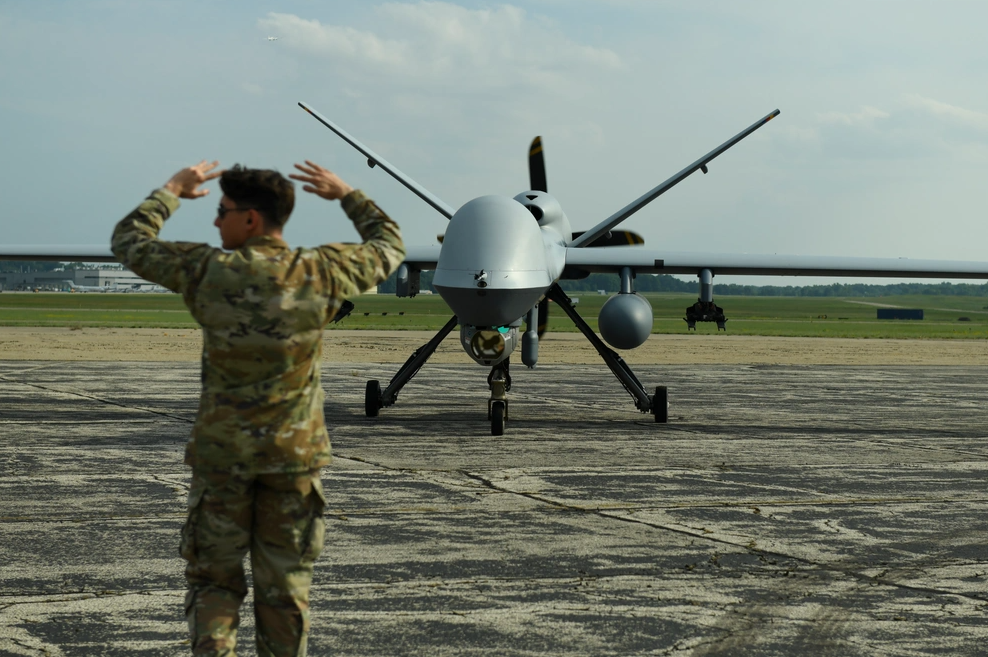
- Roughly 25 percent of MQ-9 Reaper drones have been shot down or lost.
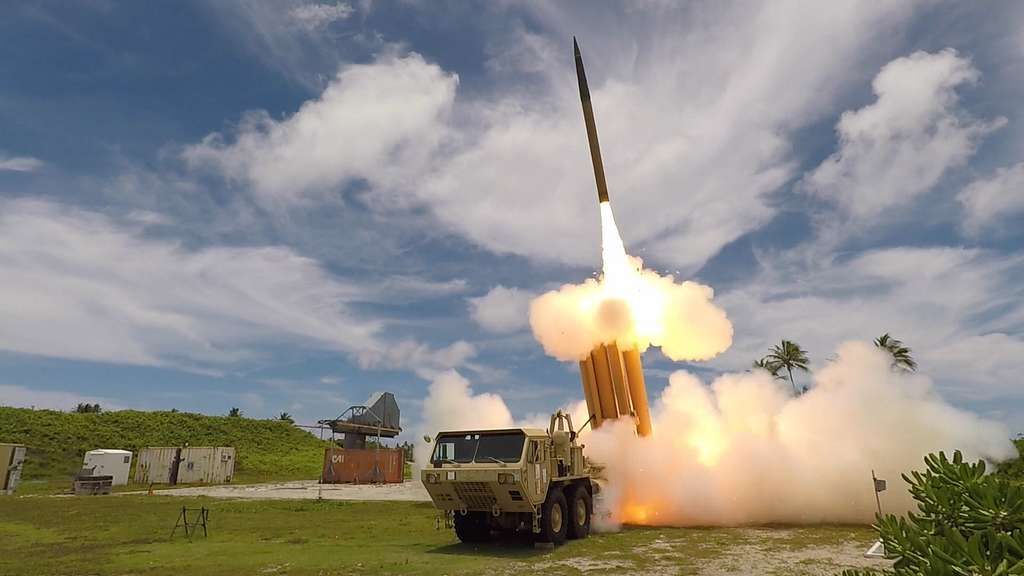
Patriot and THAAD missile interceptors are essential to defeating potentially catastrophic ballistic missile attacks, while Tomahawks, ATACMS, and PrSM enable the U.S. military to hit enemy targets from great distances. The U.S. military has many short-range weapons it can use. They, however, require pilots to fly close to their targets, where they risk being shot down.
2. It will take years to replenish the stocks of hi-tech weapons. Raytheon currently produces 600 Patriot interceptors a year. At that rate, it would take three years to replenish U.S. stocks. Lockheed Martin produces just 96 THAAD interceptors a year. At that rate, it would take two years to get stocks back to where they stood before the war with Iran began. Raytheon’s recent production rate of Tomahawks has been no more than two hundred missiles a year, and the projected lead-time for new missiles is thirty-four months.
The Trump administration has signed a series of framework agreements this year with defense contractors to speed up the production of these hi-tech weapons. Earlier this month, Deputy Defense Secretary Steve Feinberg took the additional step of giving defense contractors three weeks to generate plans “drive significantly faster, more aggressive delivery schedules and/or increased production for critical capabilities.” The Pentagon’s proposed $67 billion FY26 defense supplemental and its request for a 42 percent increase in defense spending in FY27 would steer funds to speed up the production of missile interceptors and stand-off weapons.
While more money will help, it will not necessarily solve the problem quickly. Weapons production rests on complex supply chains that are only as resilient as their weakest link. An inability to scale up any step of the production process, or a disruption anywhere in the supply chain, will slow down what can be built.
Even if the Pentagon greatly expands the annual production of hi-tech weaponry, the question will be whether that production rate will be sufficient to sustain military operations against a peer military competitor with a more extensive arsenal and defense industrial base than Iran. If not, a rival might conclude it can deplete critical U.S. weapons stocks just as Iran has and thereby neutralize the U.S. military. That hardly reinforces deterrence.
3. The Pentagon finds itself in its current predicament because the world changed faster than U.S. strategy and weapons acquisition did. The United States decided after the Cold War to emphasize quality over quantity and to focus on building on what Mike calls “exquisite, expensive, hard to produce weapons.” Why? The era of geopolitics had seemingly ended. No peer competitor existed. Real defense spending was set to decline. Focusing on building the best weapons rather than acquiring the most weapons made sense for a world where the greatest threats were thought to come from rogue states and terrorist groups.
But geopolitics has returned with a vengeance, as the first Trump administration to its credit recognized in its 2017 National Security Strategy. The rapid development and refinement of cheap drones has throne an additional wrench into the works. The trade-off between quality and quantity suddenly shifted. Using multi-million-dollar interceptors to shoot down drones that cost perhaps $50,000 to make is, as economists like to say, suboptimal.
The challenge now for the Pentagon, which has never distinguished itself as an agile and flexible organization, is to adapt, and to adapt quickly. That will mean not just rejuvenating the defense industrial base to speed up weapons production but also rethinking its strategy for a world in which quantity may have gained the upper hand over quality.
Mike and I discussed these and other aspects of the current munitions crisis, including why munitions orders often take a backseat to other defense priorities at budget time, whether a smaller defense budget would force the Pentagon to be more innovative, and how Congress contributes to the Pentagon’s weapons acquisition pathologies. I encourage you to give the episode a listen.
Oscar Berry and Jack Patton contributed to the preparation of this article.
This work represents the views solely of the author(s). The Council on Foreign Relations is an independent, nonpartisan membership organization, think tank, and publisher, and takes no institutional positions on matters of policy.